
Surreal scenes from the streets of Southern Thailand

Around the year 2000, having recently completed a degree at Bangkok’s art-specialising Silpakorn University, Sakulchai Sikitikul was working for an advertising company in the city. Having grown up on the opposite end of Thailand, in the southern Songkhla province – over 450 miles away as the crow flies – a part of him always yearned to return home.
Eventually, that urge would develop into an impulse, and in 2003 he returned to take over the family business, selling spare parts to local people and traders. Yet his love for art never wavered. Until then, he had mainly been interested in painting and design, until he came across the work of 20th-century street photographer Henri Cartier-Bresson – one of the founding members of the legendary Magnum Photos agency.
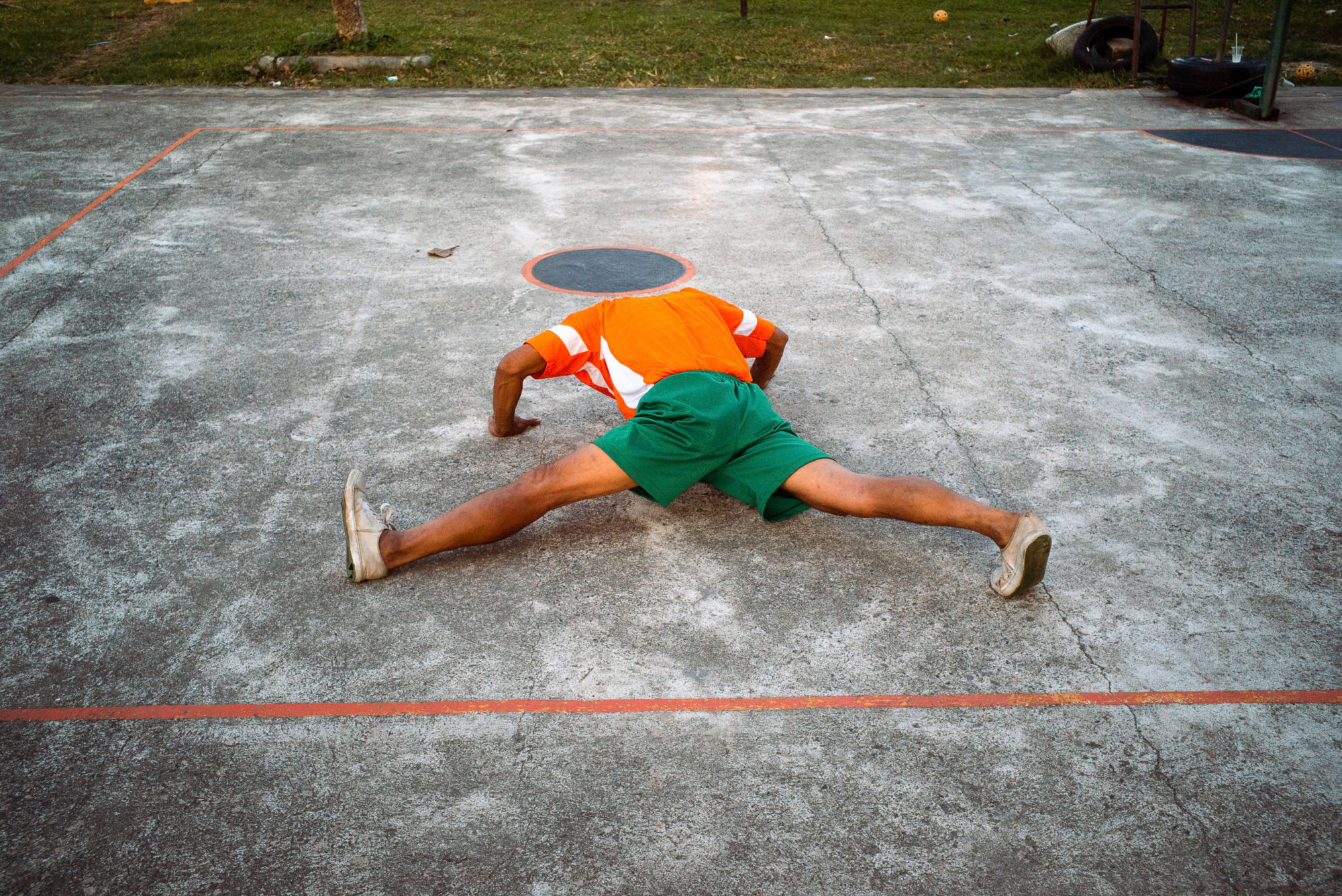
“Cartier-Bresson’s works are similar to paintings,” says Sikitikul. “Elements in his photographs are placed in an arithmetic way, which was what I was interested in at university.”
His work served as inspiration for Sikititul to buy a camera – a Leica M6, quickly taking to the streets of his hometown Hat Yai, a local commercial district of Songkhla, and its surrounding areas. Instantly finding joy in the process and results, photography started to eat up his free time when he was off the clock from managing the family business.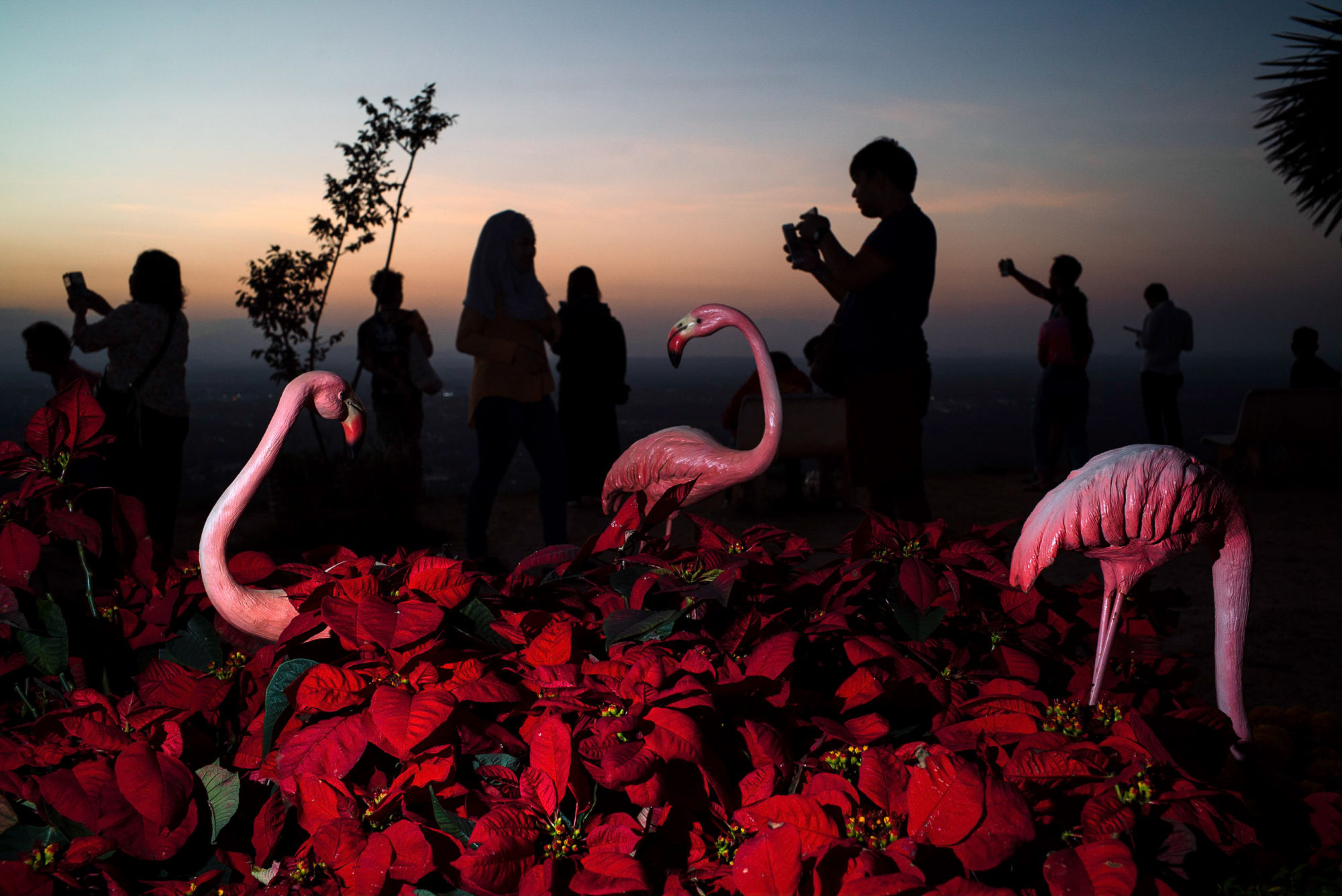
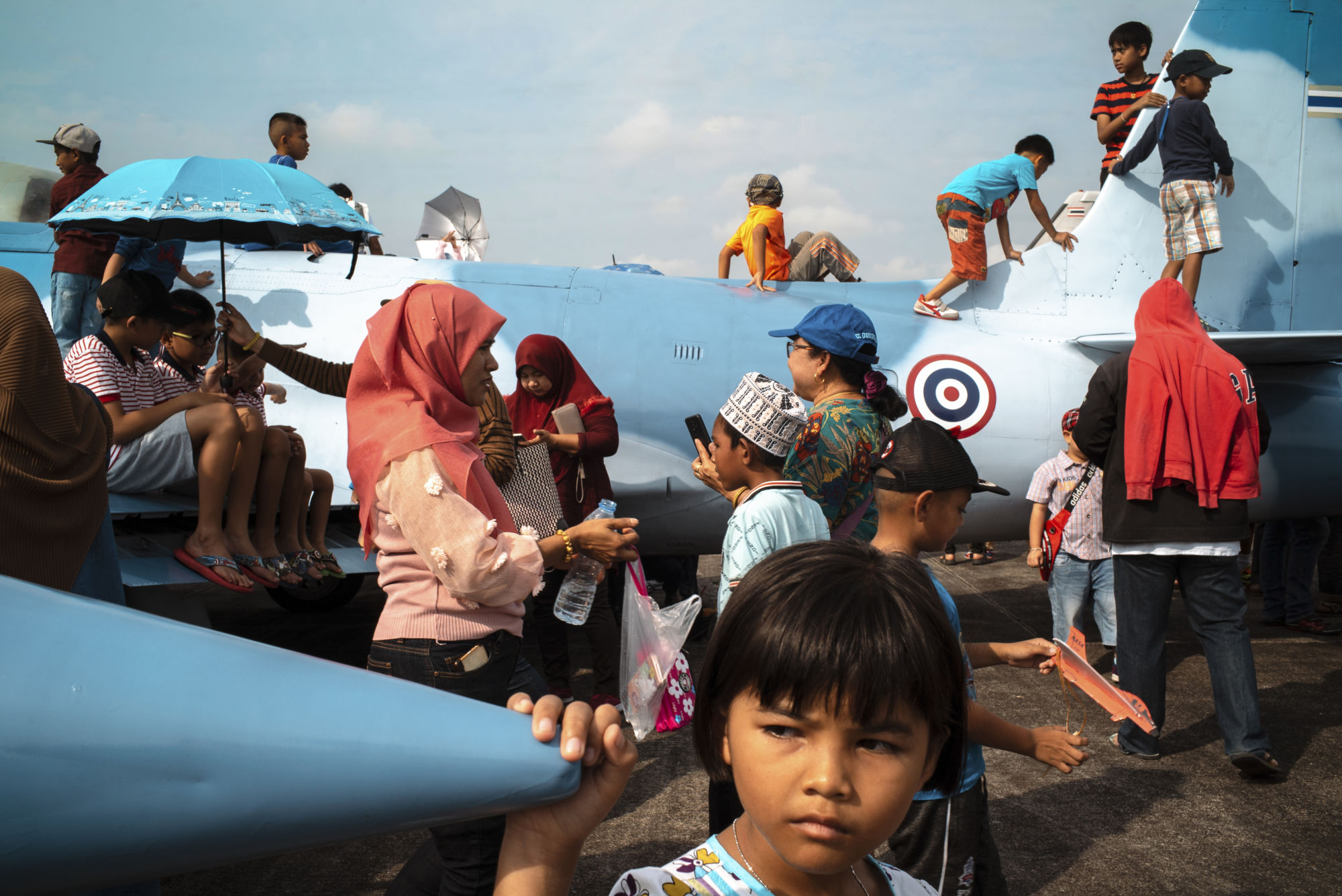
He would go on to become part of the Street Photo Thailand collective – a growing scene featuring other notable photographers such as Taveprong Pratoomwong and Rammy Nawula. And, more recently, Sikitikul’s photographs have been published in his debut monograph, As it Happened.
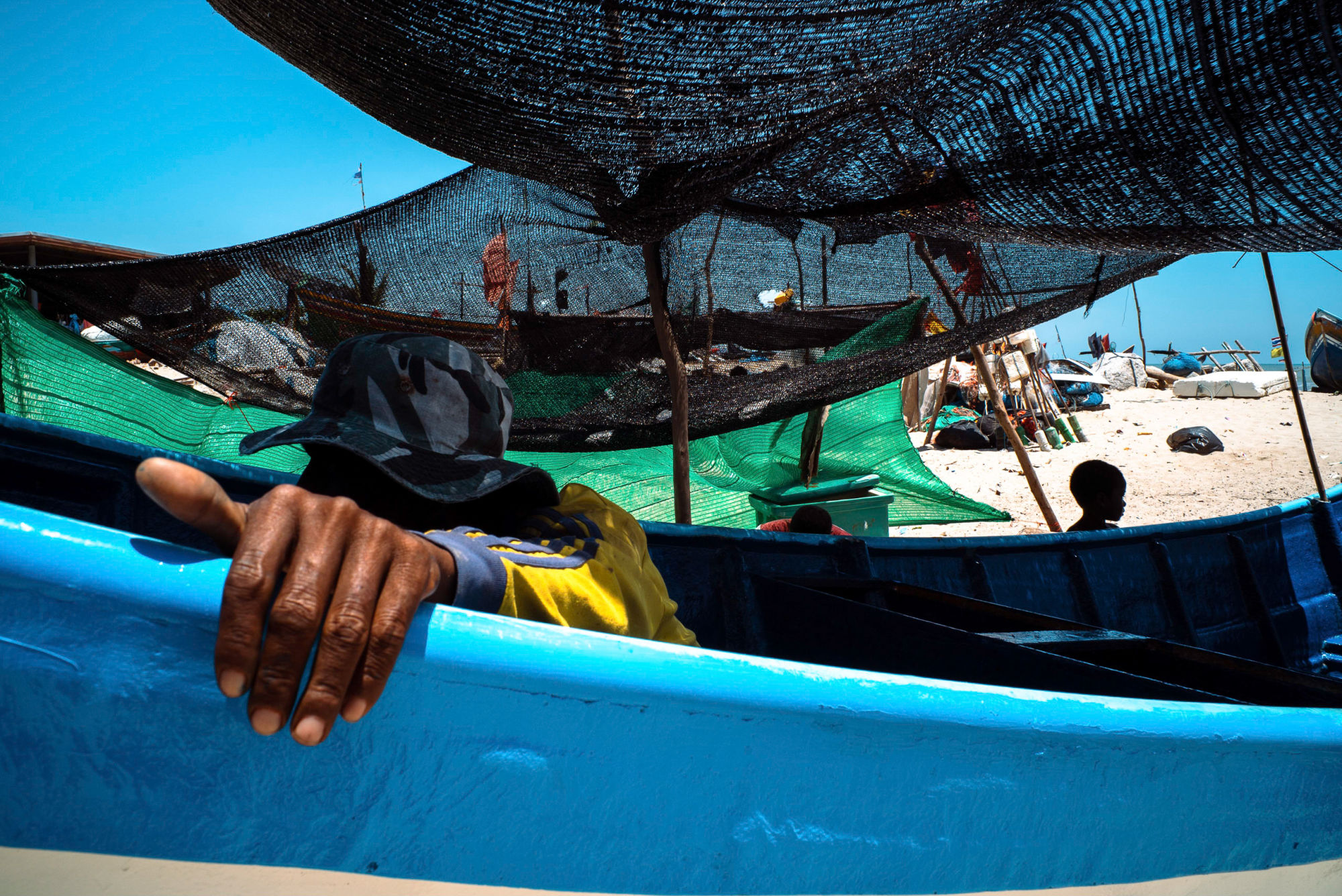
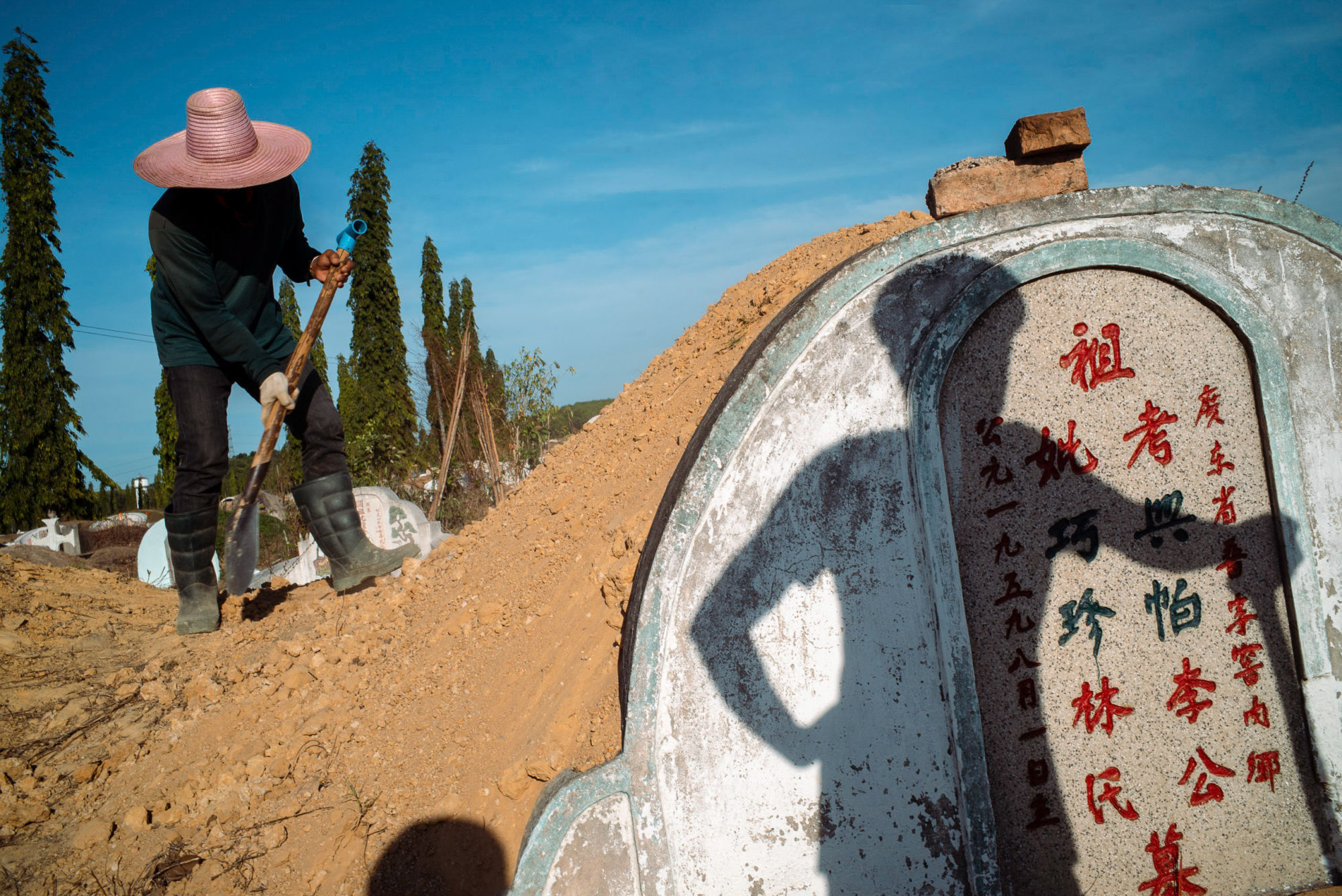
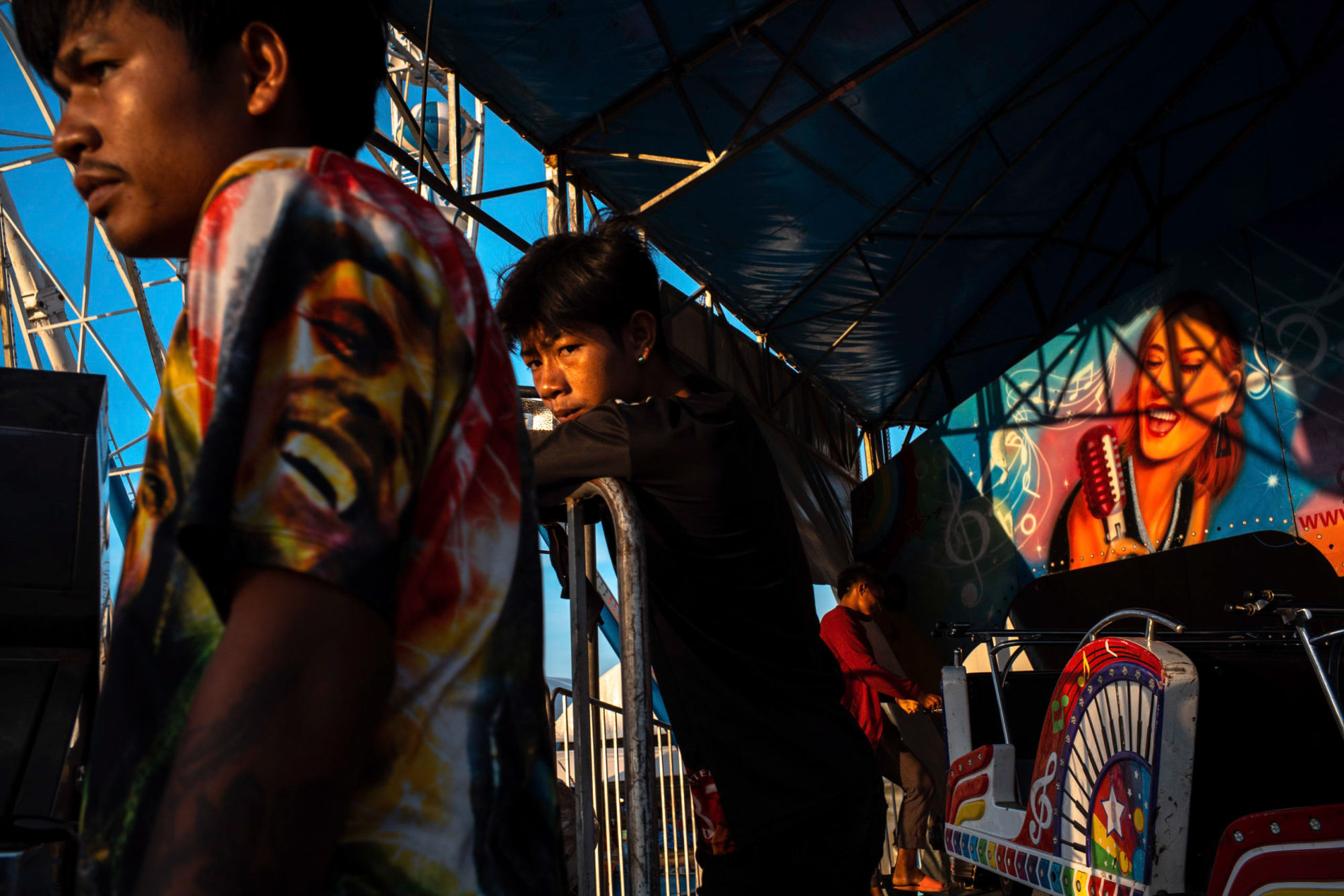
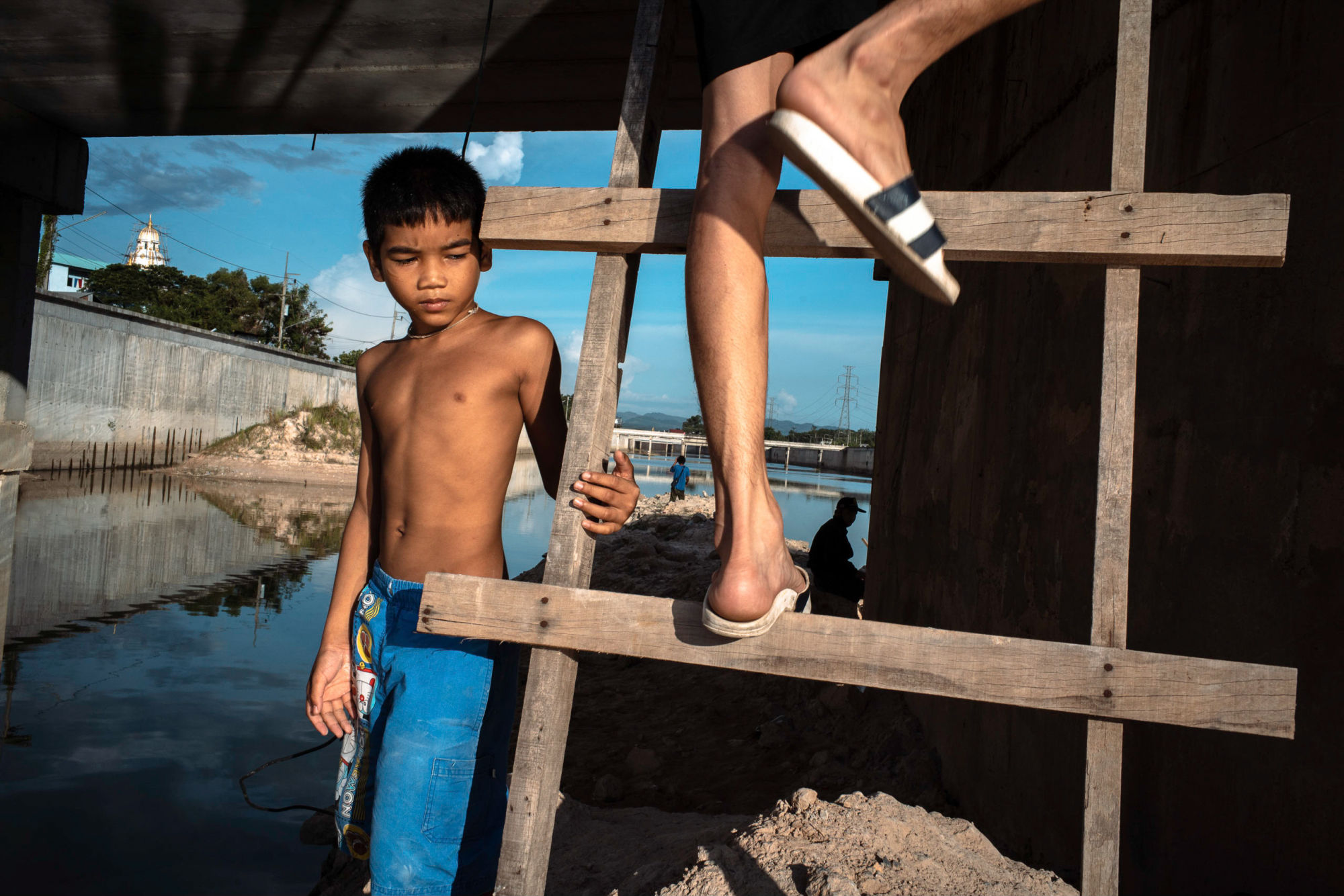
His photographs are an ode to the magic of everyday life in regional Thailand. Brimming with humour, colour and a vividness that transcends the daily grind, Sikitikul is always on the lookout for the extraordinary within the mundane. Whether it is a pair of inflated dinosaurs hitching a ride on the back of a security cart, or a pair of legs dangling from an invisible platform, his pictures are surreal to the point that almost all of them require a double take.
“The fun and allure of street photography lies in grabbing the best of those short moments without setting the scene,” Sikitikul says, when asked whether any of the pictures are staged.
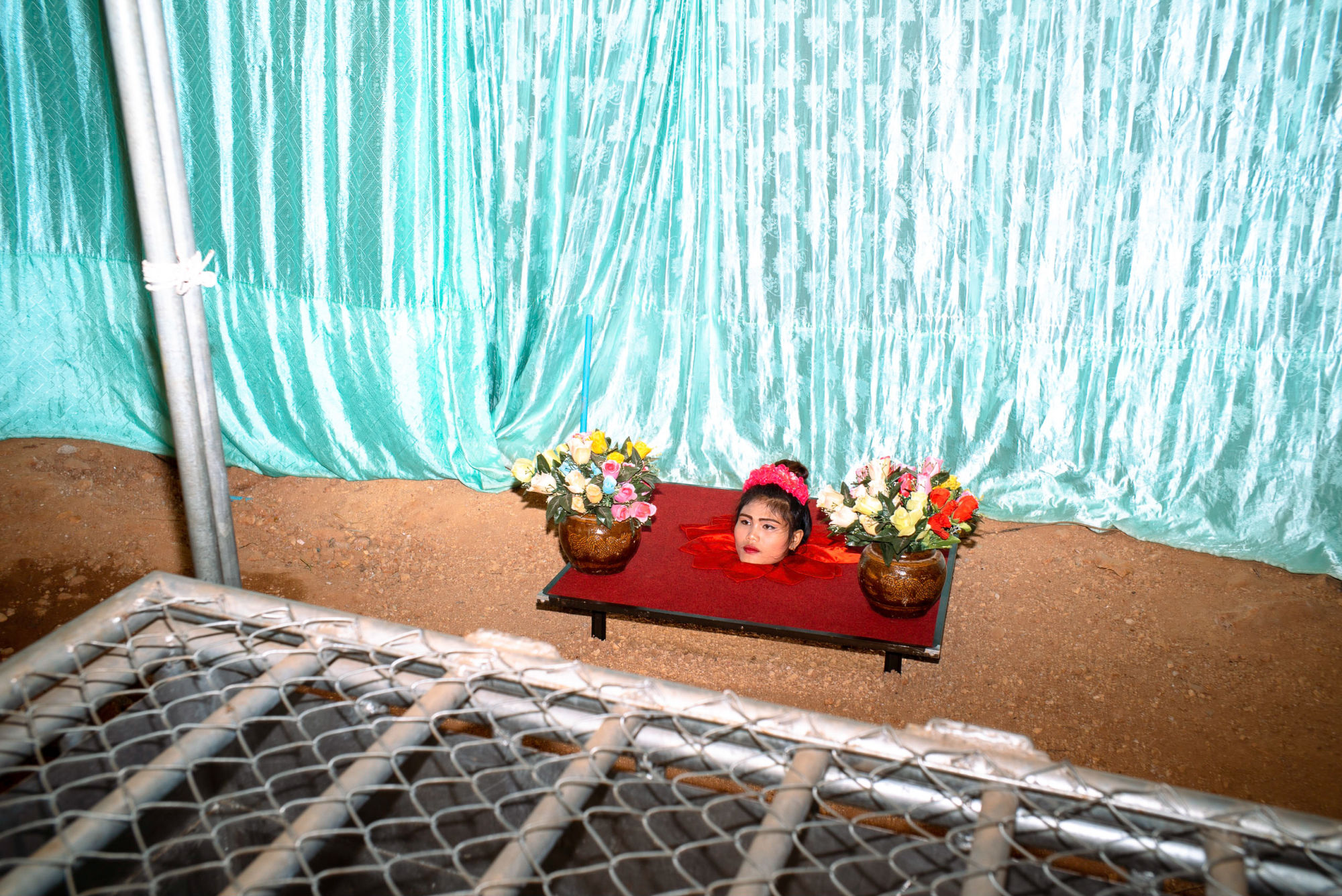
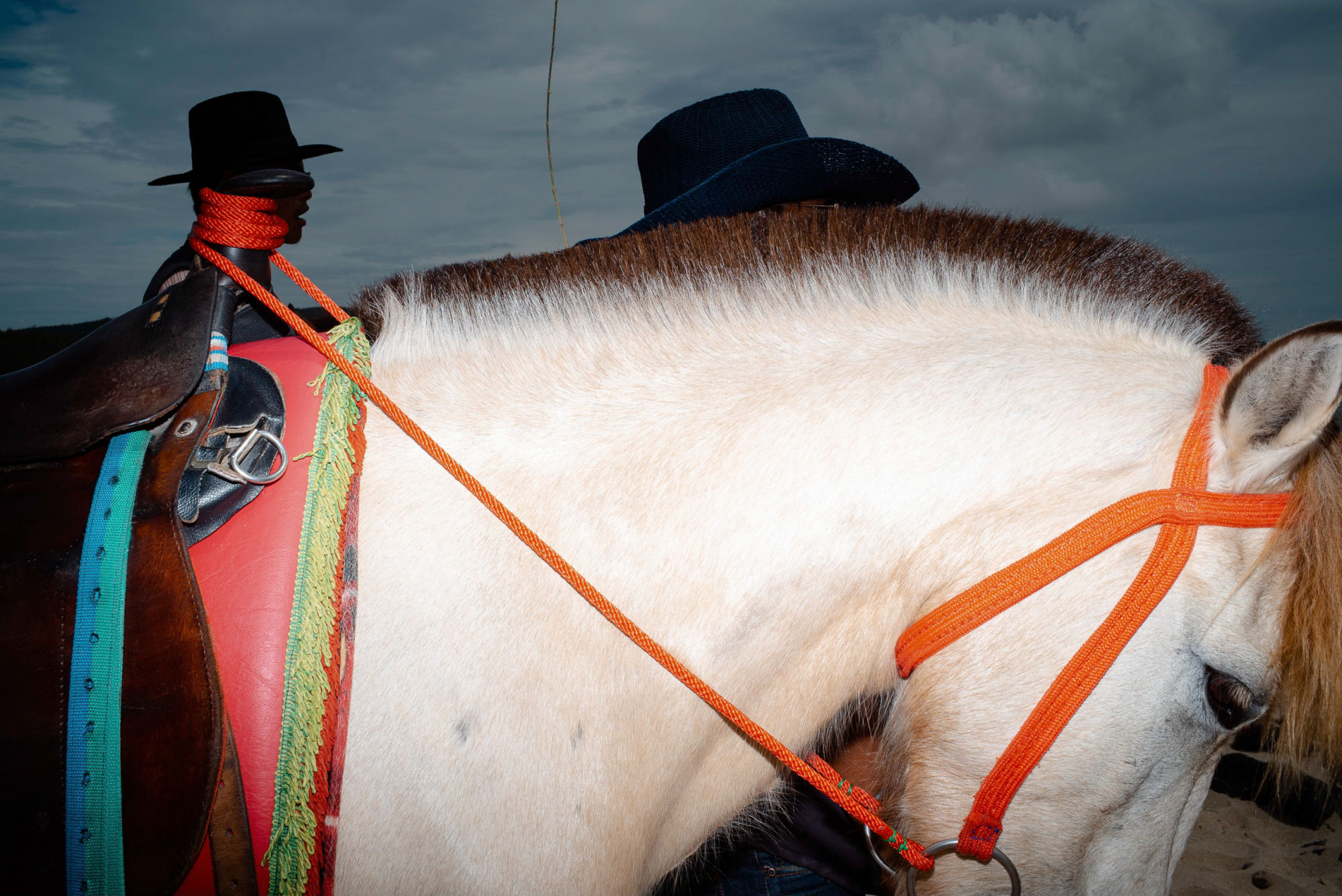
His work also serves as a physical archive of life in an often-overlooked part of the world. In capturing market stalls, entertainment amenities and different places of religious worship, As it Happened documents the diversity of cultures, occupations and lifestyles in present-day southern Thailand, something Sikitikul says “may be of historical significance” in future times.
“Hat Yai is a multicultural city, with people from [different backgrounds and religions], Thai, Chinese, Muslim, Christian etcetra – the city is not far from the Malaysian border,” Sikitikul says. “Most people in Songkhla are very nice and friendly.
“I think street photography is just another way to capture events, and people’s lives,” he continues. “It could be a serious matter or just everyday life. [But] every time should be fun.”
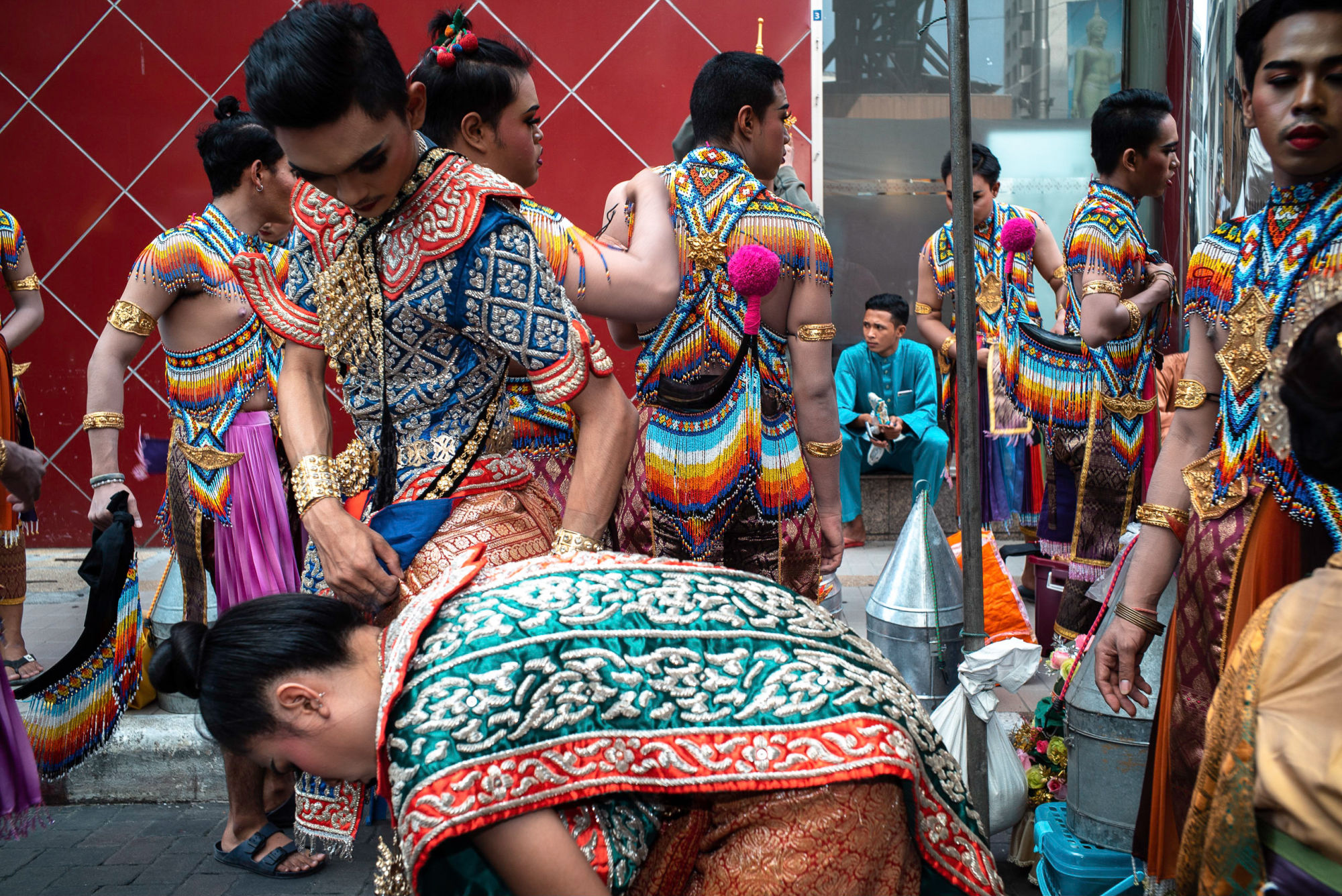
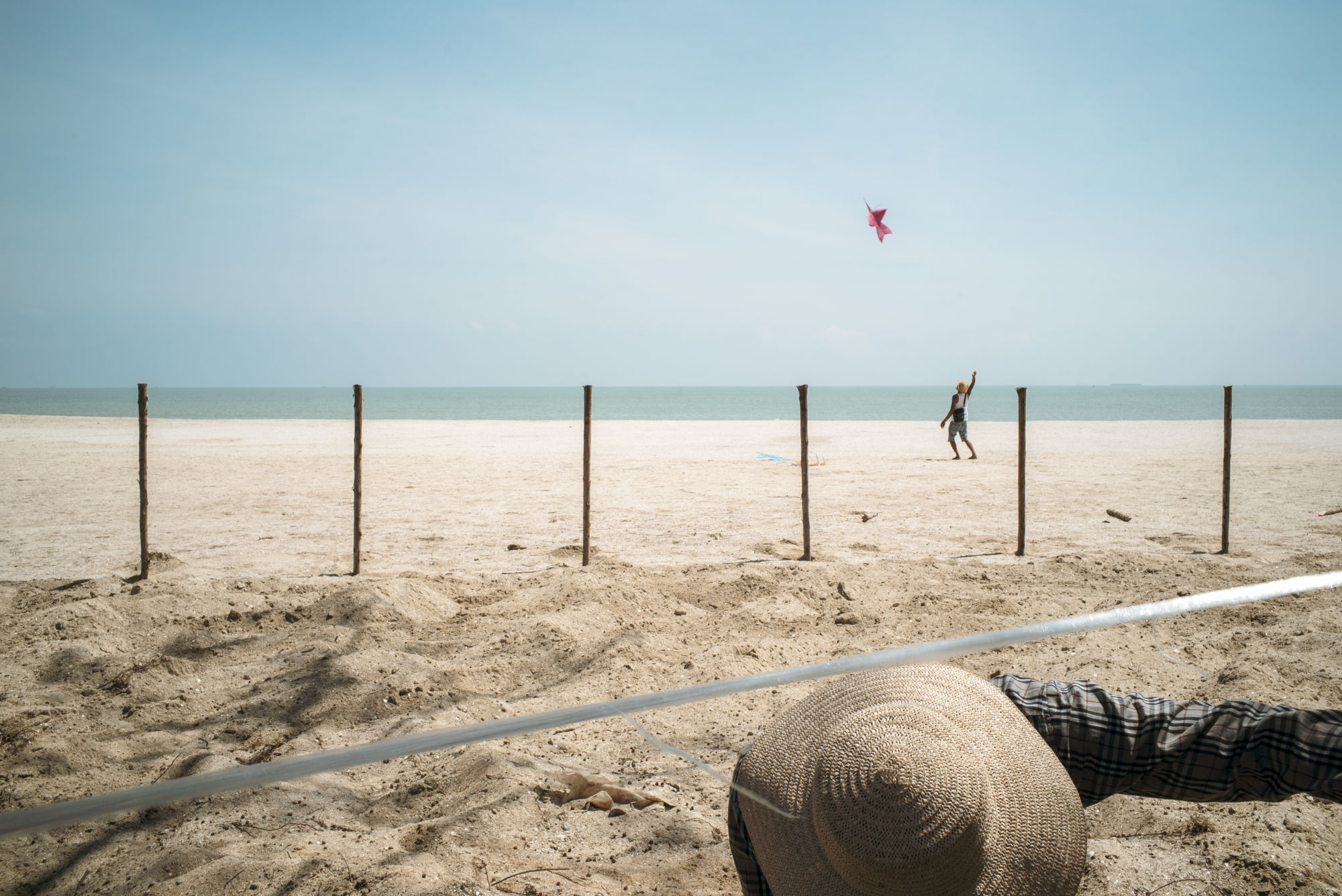
As it Happened is published by Eyeshot.
Follow Isaac Muk on Twitter.
Enjoyed this article? Like Huck on Facebook or follow us on Twitter and Instagram.
You might like

Introducing ‘The Chaos Isles’, a new photozine by Huck and Yushy
Normal Island — From unlicensed raves to the solstice at Stonehenge, furries to giant vegetable growers, Yushy is one of the UK’s best lensmen of its wild side. ‘The Chaos Isles’ will be sent out exclusively to Club Huck+ members.

Join Club Huck+ to get the most from Huck
Dispatches from the sharp edge of culture — Members get our print magazine, special photozines, The Huck Long Read newsletter, discounts from our friends and partners, digital versions of back issues and priority access to events.

Signs of solidarity as London marks three years of genocide in Palestine
Never forget — 250,000 people gathered on Saturday as Israeli attacks have continued in Gaza and the West Bank. Daisy Schofield photographed the diverse people and placards in attendance.

Landmark new exhibition is celebrating 50 years of female punk
God Save the Queens – The Museum of Youth Culture is bringing together rare photography, archive material and a one-night-only supergroup featuring members of X-Ray Spex, The Slits and The Raincoats.

Halcyon, end of summer days in ’80s Massachusetts
Bell Pond — Stephen DiRado’s new photobook is a nostalgic look at blissed out moments of young love, family and coming of age at a swimming pond in Worcester, Massachusetts.

Photographing America’s 20th century rebels
Rebels With a Cause — A new monograph looks back at Jean-Pierre Laffont’s extensive archive documenting counterculture, art, activism and more, shaping the country as it is today.


