The photographer celebrating London’s council houses
- Text by Alex Norris
- Photography by Jack Young

From Tower Bridge to the Shard, London hosts a wealth of world-famous architecture. But while much has been written about these grandiose designs, the buildings that sit in their shadows are rarely celebrated.
By celebrating an overlooked area of British architecture, this is where Jack Young’s new book, The Council House, attempts to draw our attention. The book, which comprises photos of 68 council estates across the capital, along with historical details and conversations with residents, shows why these often-maligned buildings remain integral to the city’s identity.
“Council houses make up London’s architectural DNA just like places like Buckingham Palace and Big Ben,” says Young. “It’s all London. And these buildings also have architectural clout and history.”
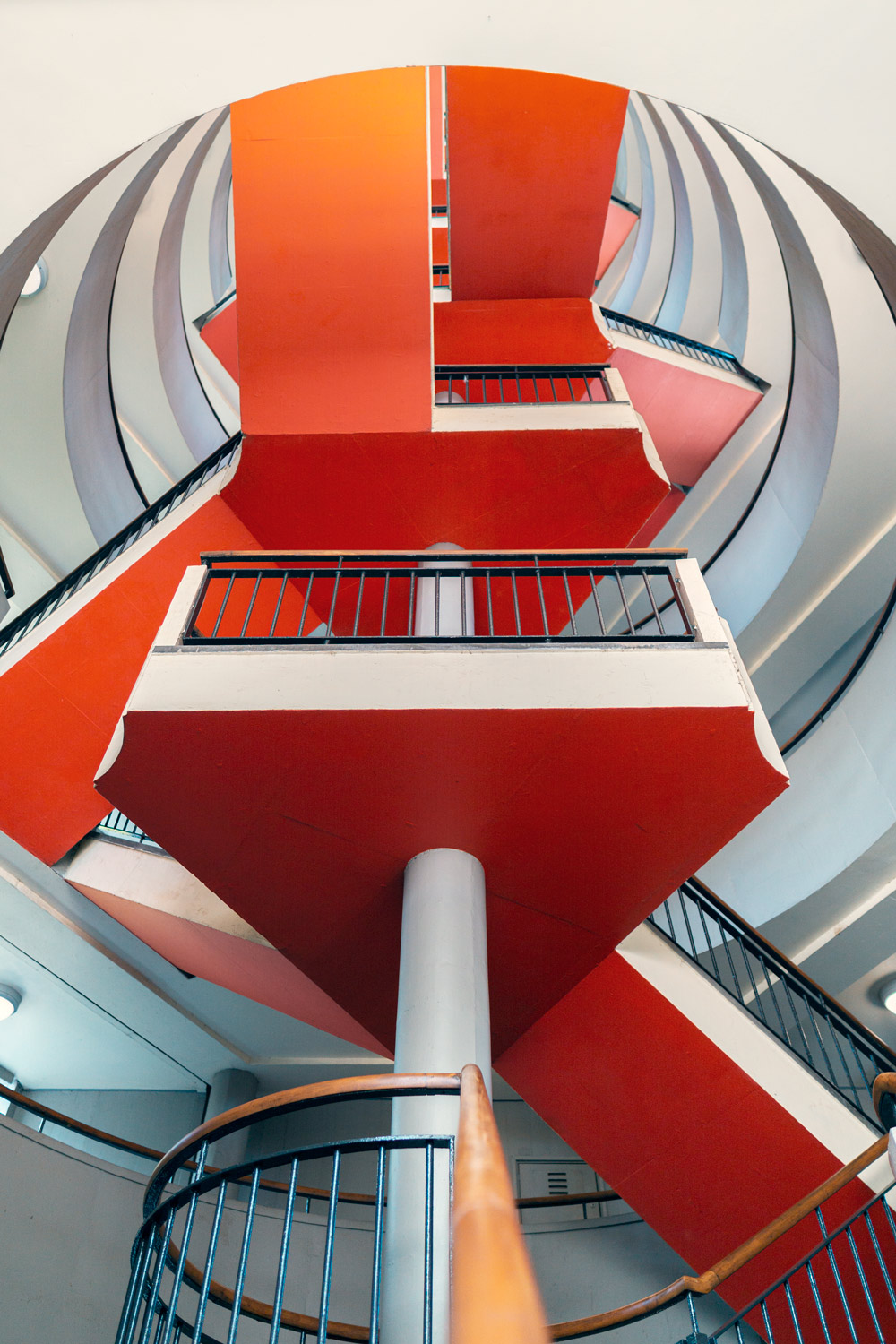
Bevin Court, Islington WC1X, 1951-54
Seen through Young’s lens, buildings that may initially seem mundane become strange and new. His photos highlight quirks we might otherwise miss, such as a towering art wall on Tower Hamlets’ Thornfield House, or rare Grade II listed play equipment in the long, meandering slide outside Westminster’s Brunel Estate.
The photographs that form The Council House are bold and bright, the buildings shot against clear blue skies or lambent golden-hour glows. This is no accident. As Young explains: “A lot of estates are pictured in television dramas and become these gritty backdrops. What I try to do with photography is flip that, and photograph these estates so they look their best, so they can shine and be celebrated.”
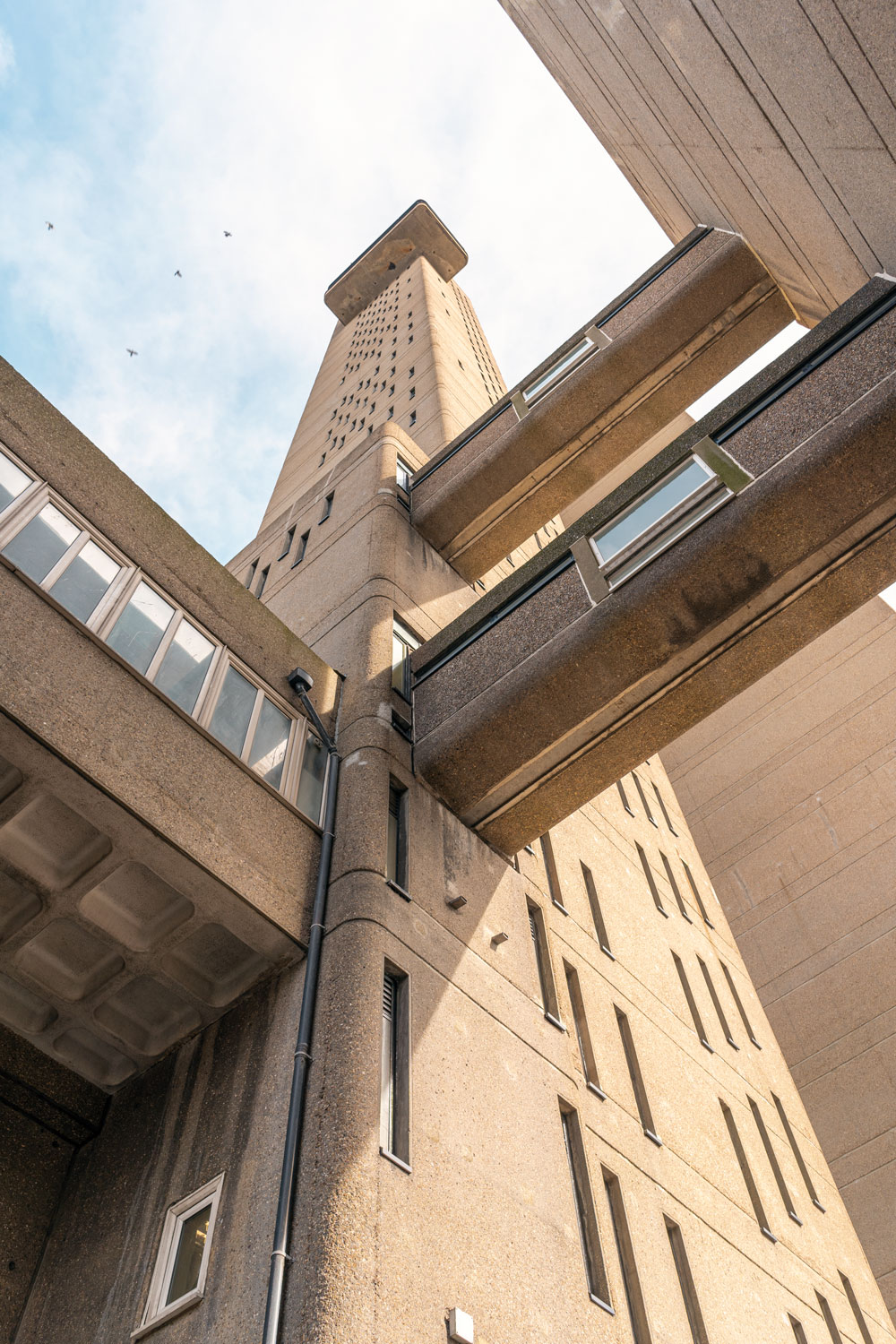
Trellick Tower, 1968-72, W10, Erno Goldfinger
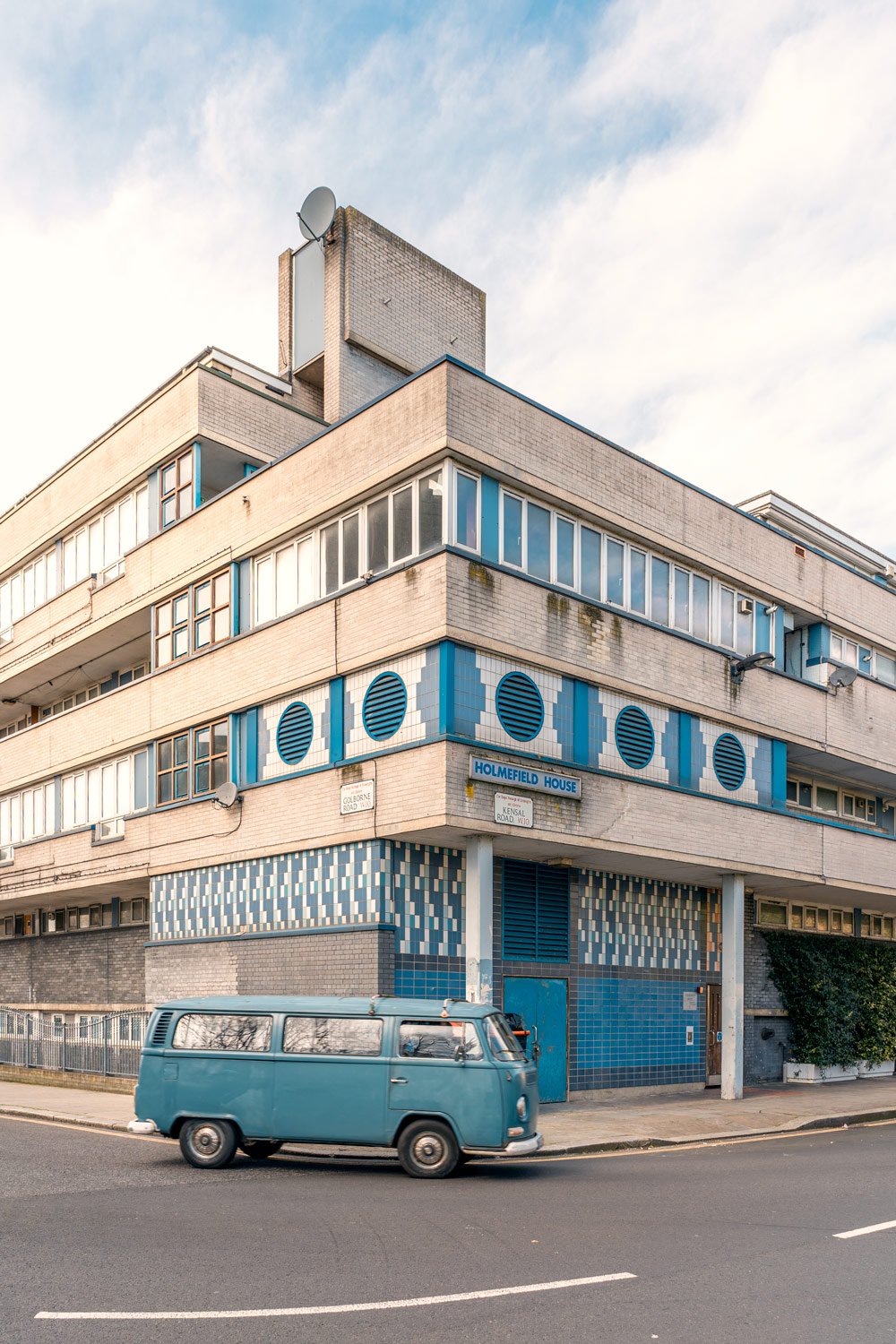
Holmefield House, 1966, Julian Keable & Partners
Often used as media shorthand for crime or poverty, when removed from this spurious context, the architectural prowess of these buildings becomes clear. Kensal Green’s Trellick Tower, for example, once dubbed the ‘Tower of Terror’ by tabloids, looks radiant in the sun, its vibrant primary colour interior a joyful reprieve from the chalky white of many communal stairwells.
Young’s photos suggest a utopia of council housing. It’s a million miles from the realities facing many tenants today, where issues such as mould, overcrowding and disrepair are commonplace. Emblematic of this was the devastating Grenfell Tower fire, which highlighted the lethal consequences of local authorities cutting corners and failing the communities they’re entrusted to keep safe.
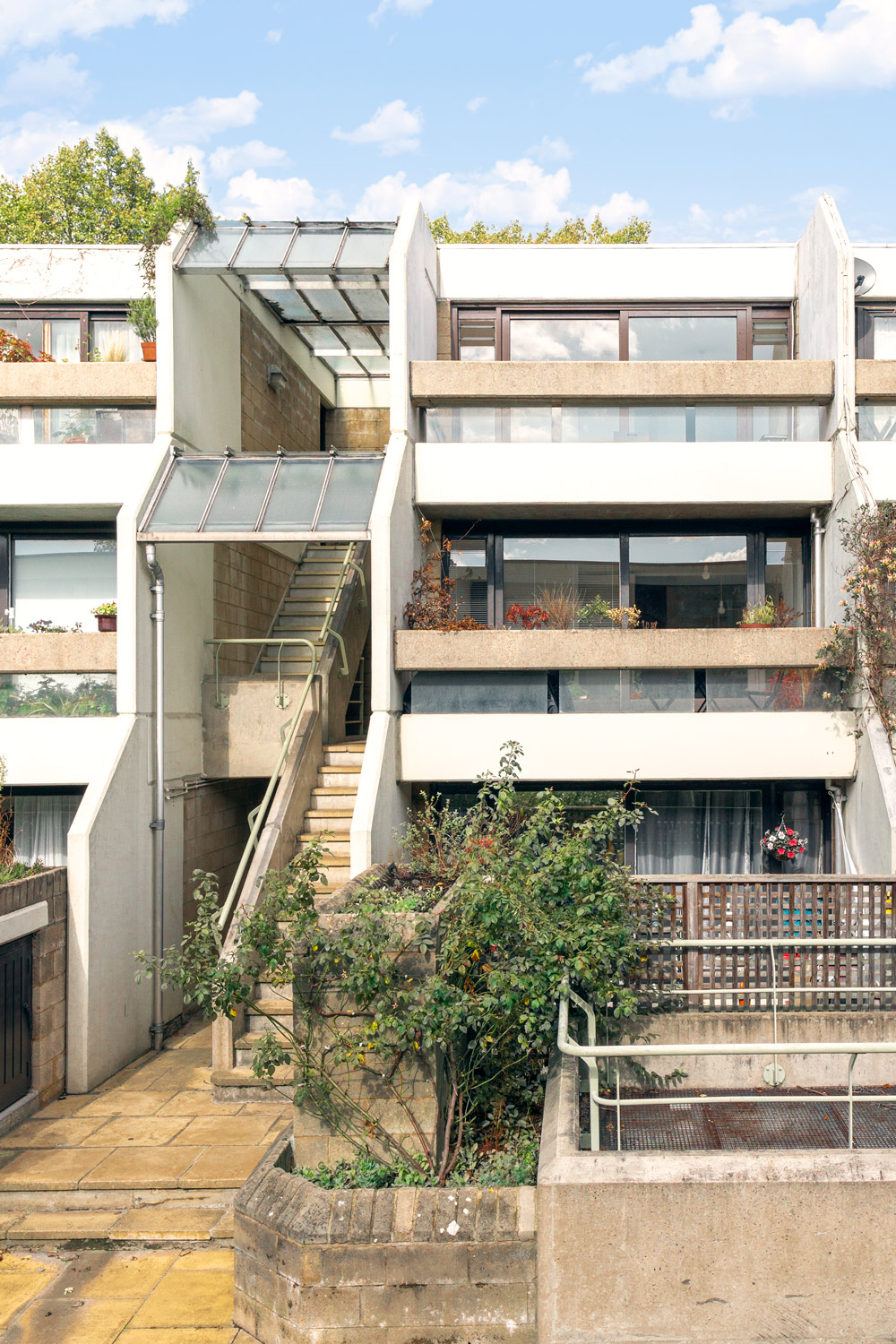
Whittington Estate, Camden, N19, Peter Tábori, Camden Architects‘ Department
Young’s book is not so much an attempt to plaster over the ugly truth of London’s housing stock as it is a vision of its potential. The majority of the buildings he spotlights were built in the ’60s and ’70’s when top architects were enlisted to construct large numbers of council houses across the city. From the unabashed brutalism of the South Kilburn Estate to the Mediterranean inspired Spedan Close in Hampstead, the resulting designs were both vastly different and wildly innovative.
This is precisely why Young finds the post-war period most significant. “The buildings that come from that era have this slightly odd, wacky, intriguing presence to them,” he says. “My initial assumption was that these buildings were being built to house the people most in need and were being thrown up quickly after the war. Why were they not all using these cookie cutter templates? They were all so different. The more I discovered different estates and their different personalities, I would want to find the next one and see what was out there.”
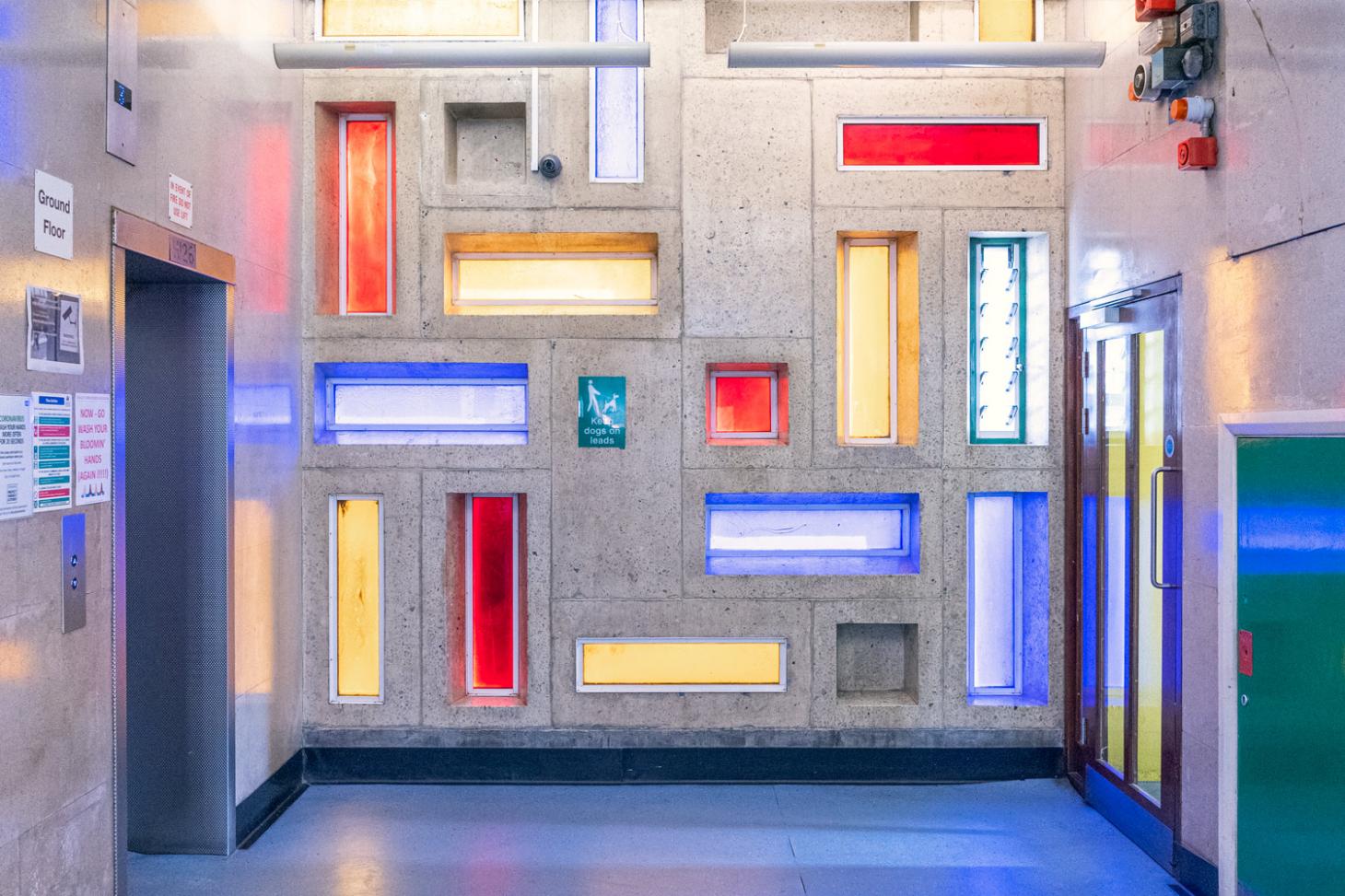
Trellick Tower, 1968-72, W10, Erno Goldfinger
“My absolute favourite estate is Dawson’s Heights by Kate Macintosh in East Dulwich,” he says. “It’s this very sculptural estate on top of a tall hill that overlooks the city. It feels like this shrine to council housing sat on this hill; it really puts it on a pedestal. Kate Macintosh managed to justify each flat having its own balcony – which is an extravagance when you think about council housing in the post-war years – by the fact the balconies doubled up as fire escapes.”
While the project began as a study in design, Young also talks to residents to explore the estates’ human impact. “Looking at it from a much more human perspective has been a real eye-opener,” he says. “One thing that really stood out to me was the pride the residents had in these estates and how willing they were to talk about them.”
In the residents, Young found people who shared his enthusiasm for the estates’ unique and compelling designs, with one tenant of Bethnal Green’s Cranbrook Estate lovingly describing her building as “a green oasis in a sea of identical, grey cardboard-box homes”.
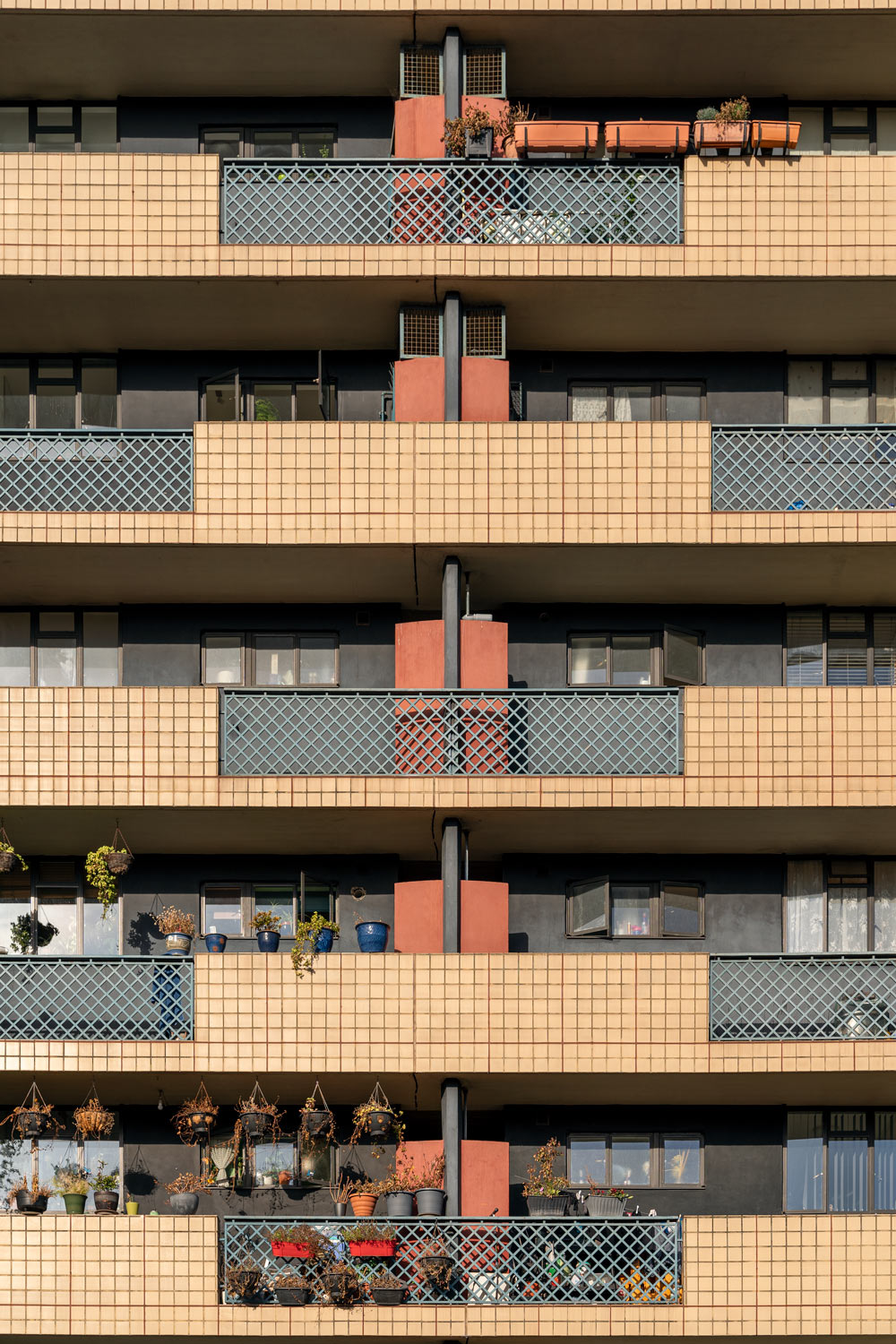
Spa Green Estate, EC1V, 1946-49, Tecton Group
Pride is integral to the book. The Council House is a celebration of a type of housing that has fallen out of favour in recent years due to media stereotyping, negative press coverage and – in some cases – the poor upkeep of the buildings themselves.
“What I’m hoping – without sounding too pompous – is that by highlighting the beauty in these estates we can change some of the perceptions that are held towards them,” Young says.
“They have architectural merit and interest,” he adds. “It’s about showing that these places are beautiful.”
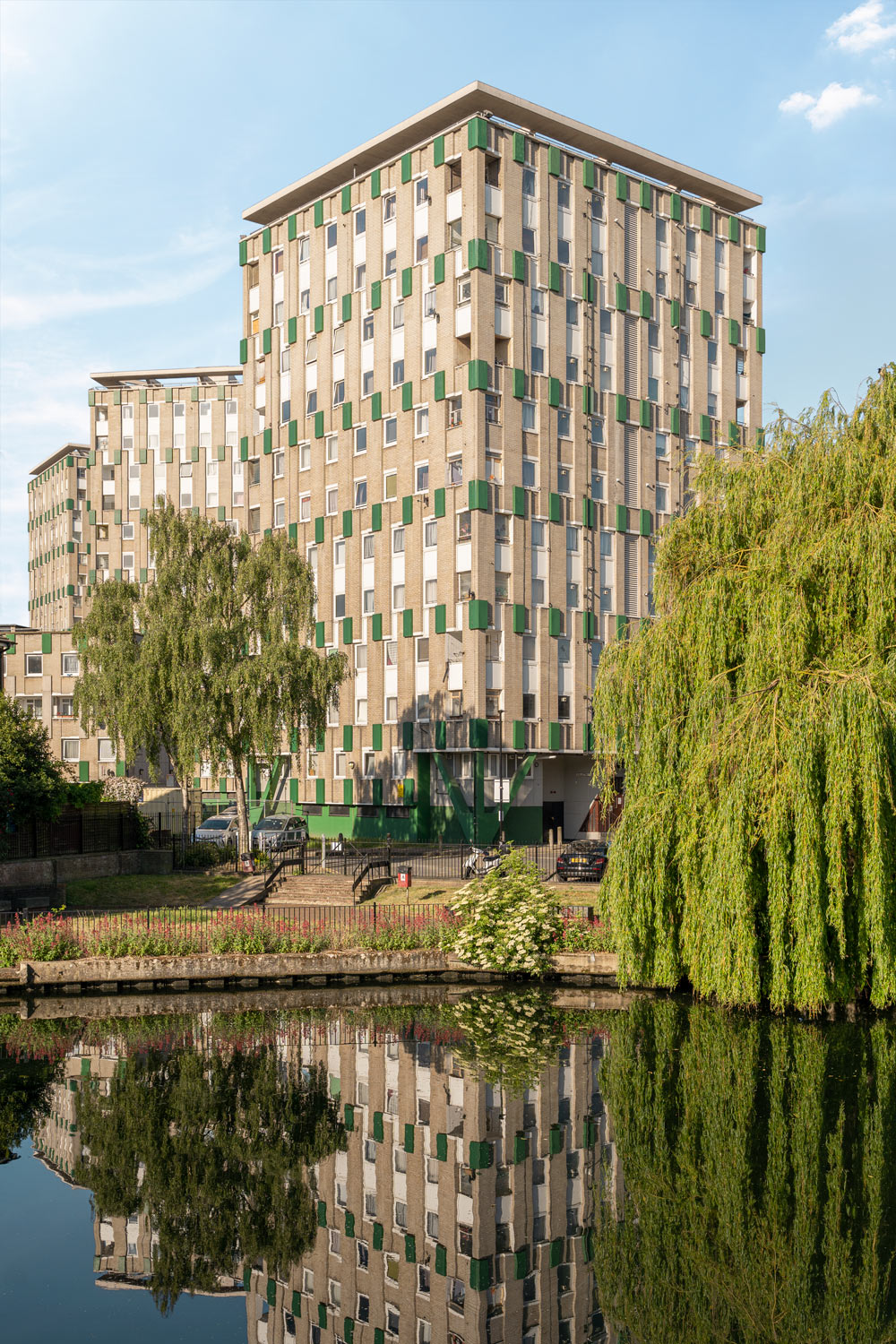
Cranbrook Estate, Tower Hamlets E2, 1964, Skinner, Bailey & Lubetkin
The Council House is available on Hoxton Mini Press.
Follow Alex Norris on Twitter.
Enjoyed this article? Like Huck on Facebook or follow us on Twitter.
You might like

Halcyon, end of summer days in ’80s Massachusetts
Bell Pond — Stephen DiRado’s new photobook is a nostalgic look at blissed out moments of young love, family and coming of age at a swimming pond in Worcester, Massachusetts.
Written by: Miss Rosen

Photographing America’s 20th century rebels
Rebels With a Cause — A new monograph looks back at Jean-Pierre Laffont’s extensive archive documenting counterculture, art, activism and more, shaping the country as it is today.
Written by: Isaac Muk

The groundbreaking photography of Gordon Parks
Voices in the Mirror — A new exhibition dives deep into the legendary lensman’s archive, who captured the Civil Rights Movement and Black America like no other.
Written by: Miss Rosen

A chaotic portrait of an ’80s American farming family
Holy Cow! — Melonie Bennett grew up on a farm in Maine in the ’80s, and documented her family’s idiosyncratic daily life. She presents those humorous, everyday memories in a new exhibition and photobook.
Written by: Miss Rosen

Nick Danziger’s striking vision of everyday British life in the ’90s
The British 1994-1999 — The renowned photojournalist returned to his birth country on the cusp of the Millennium, capturing its contradictions with humour and wit.
Written by: Miss Rosen

Exploring girlhood and land ancestry in Sudan’s cotton fields
Cotton Queen – A new feature debut from filmmaker Suzannah Mirghani explores the legacy of colonialism and the fight for self-determination through the tender eyes of a teenage girl.
Written by: Roxana Diba


