Theo McInnes’s cinematic photos of New York on film
- Text by Theo McInnes
- Photography by Theo McInnes

Street photography always fascinated me. In fact, it was the shooting style of the Magnum Photography masters from the 1950s on the pavements of Paris and the sidewalks of New York that originally sparked my interest in photography.
Shooting (mostly) on 35mm Leicas, loaded with black and white film, photographers like Gary Winogrand, Bruce Davidson and Eliot Erwitt would hit the streets looking for strange or intriguing scenes from everyday life that stood out to them. These photographers had the ability to turn a brief moment that usually shoots past in the blink of an eye into a story. It creates a memory, of sorts, from seemingly normal everyday interactions between people and how they negotiate the world around them.
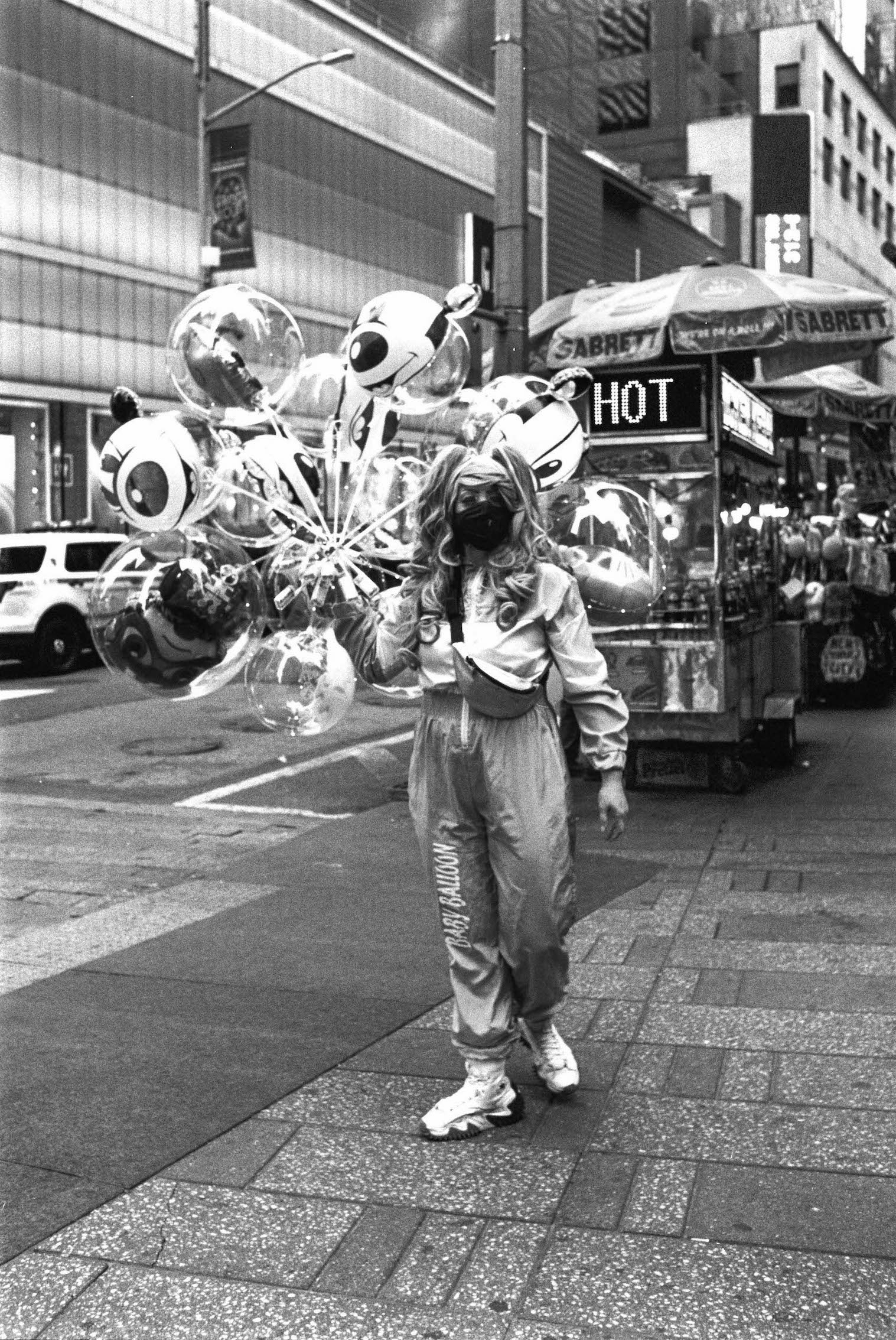
These everyday moments can be anything, most of the time something pretty simple, or quite boring and mundane (think a child screaming or someone crossing the road). But with a camera these moments are captured and that ‘boring’ brief moment in time is turned into something with a new found quality, forever frozen and preserved as a moment in time. This is what these masters were so good at – spotting these fleeting moments – and through the medium of photography elevating them into something much more interesting, something worthy of printing, putting into a frame and looking at for hours in a gallery.
It is of no surprise that so many of the classic photojournalists saw the street as a playground to make their art, diving into the melting pot of these everyday social interactions, the little kinks in the city’s fabric.
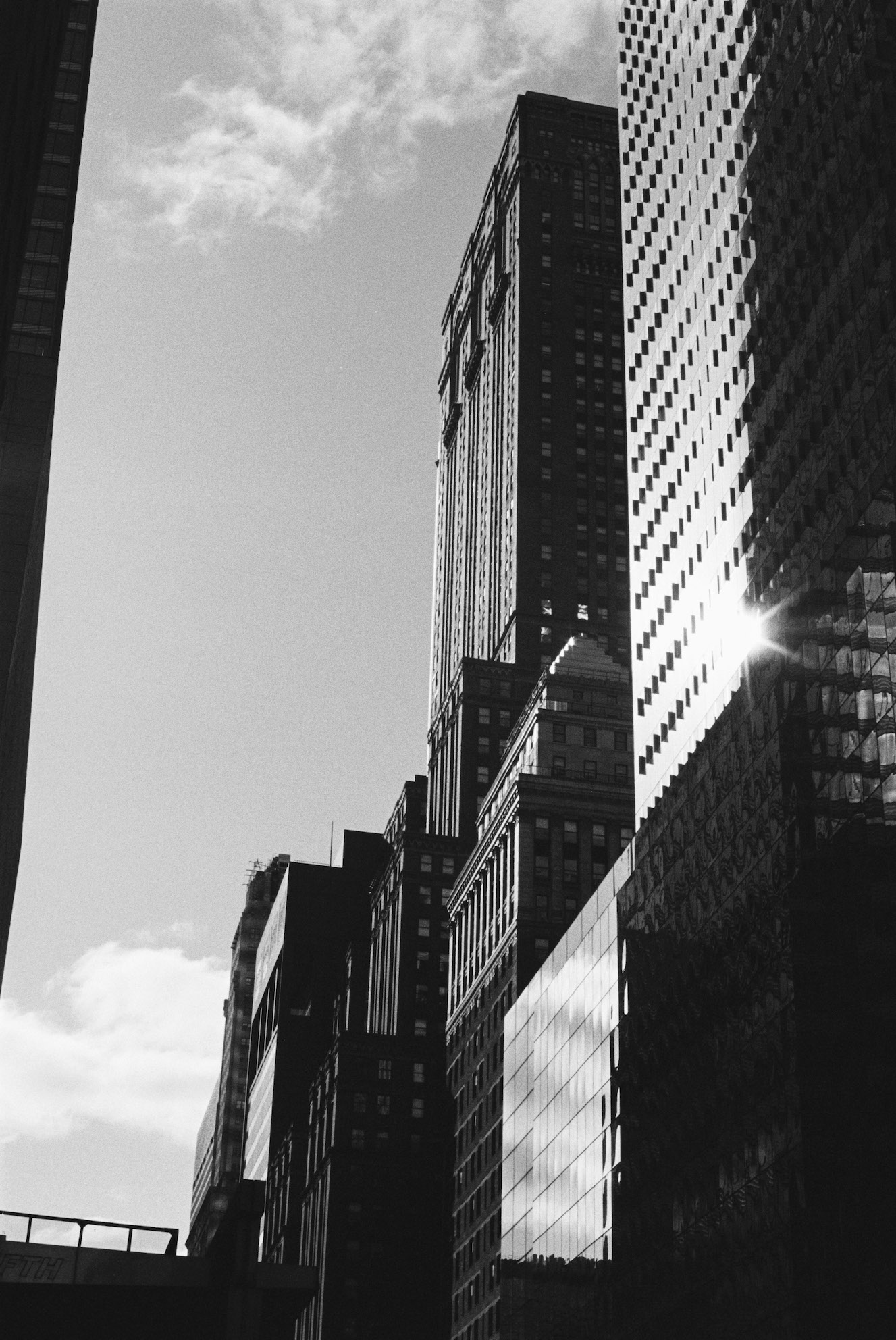
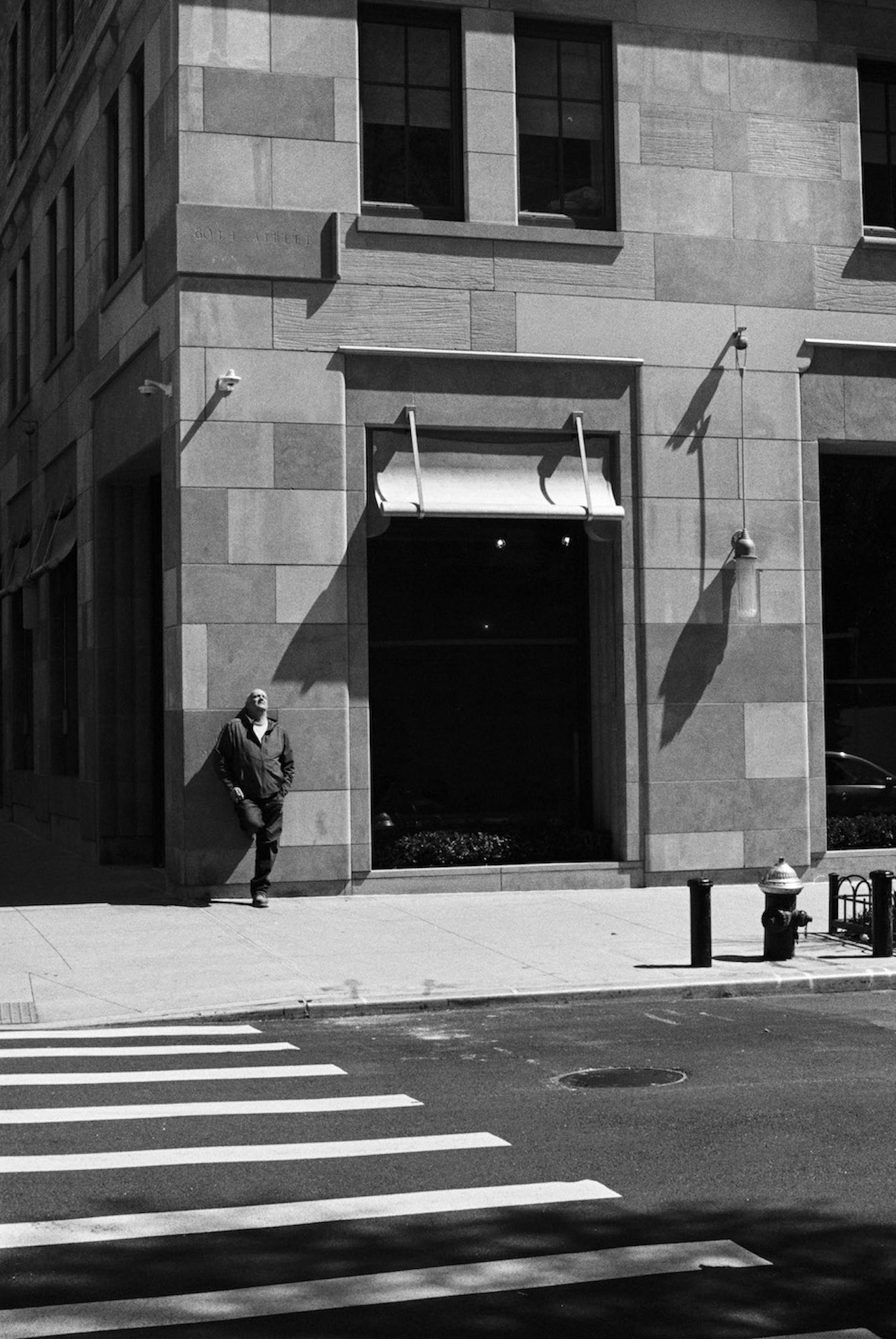
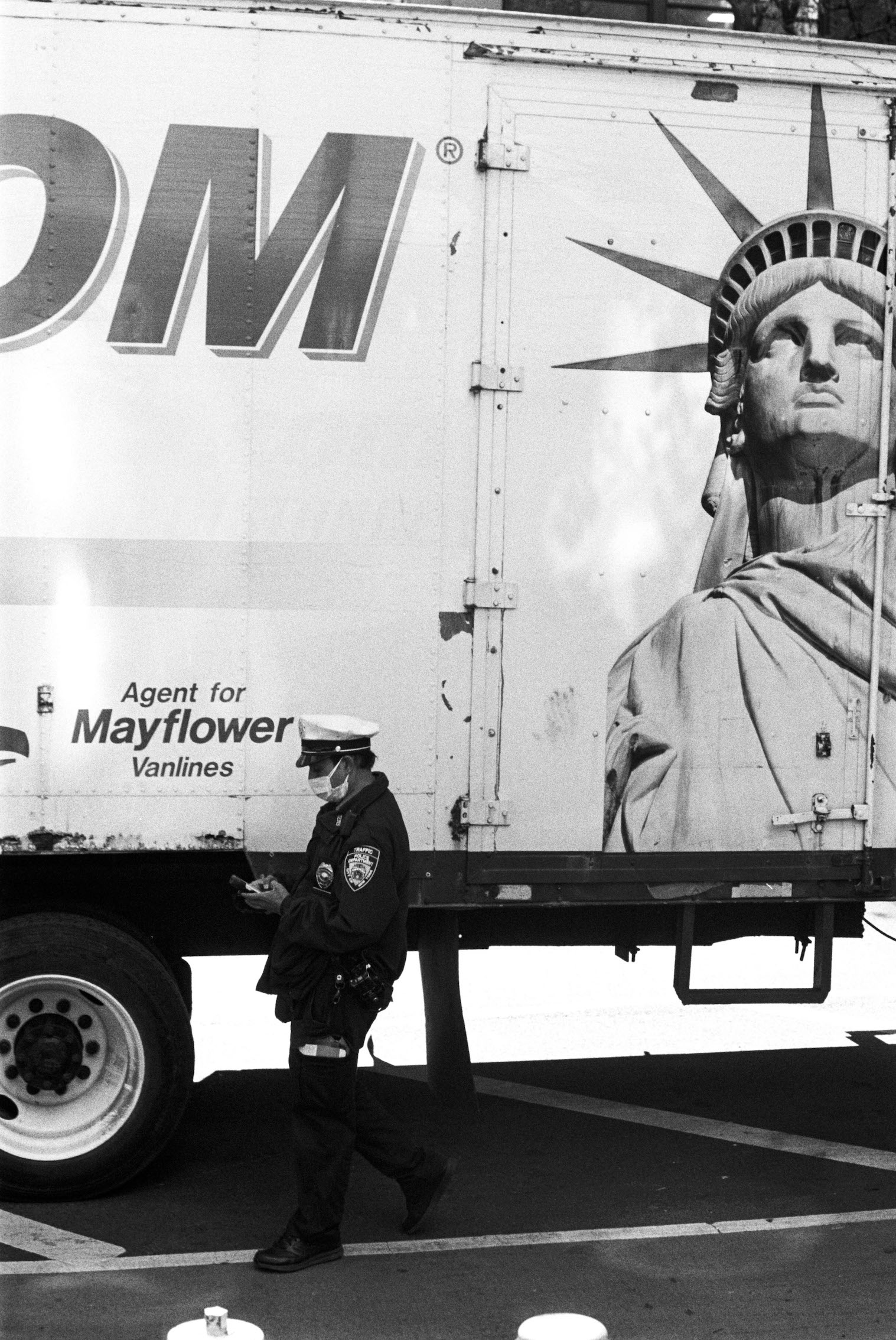
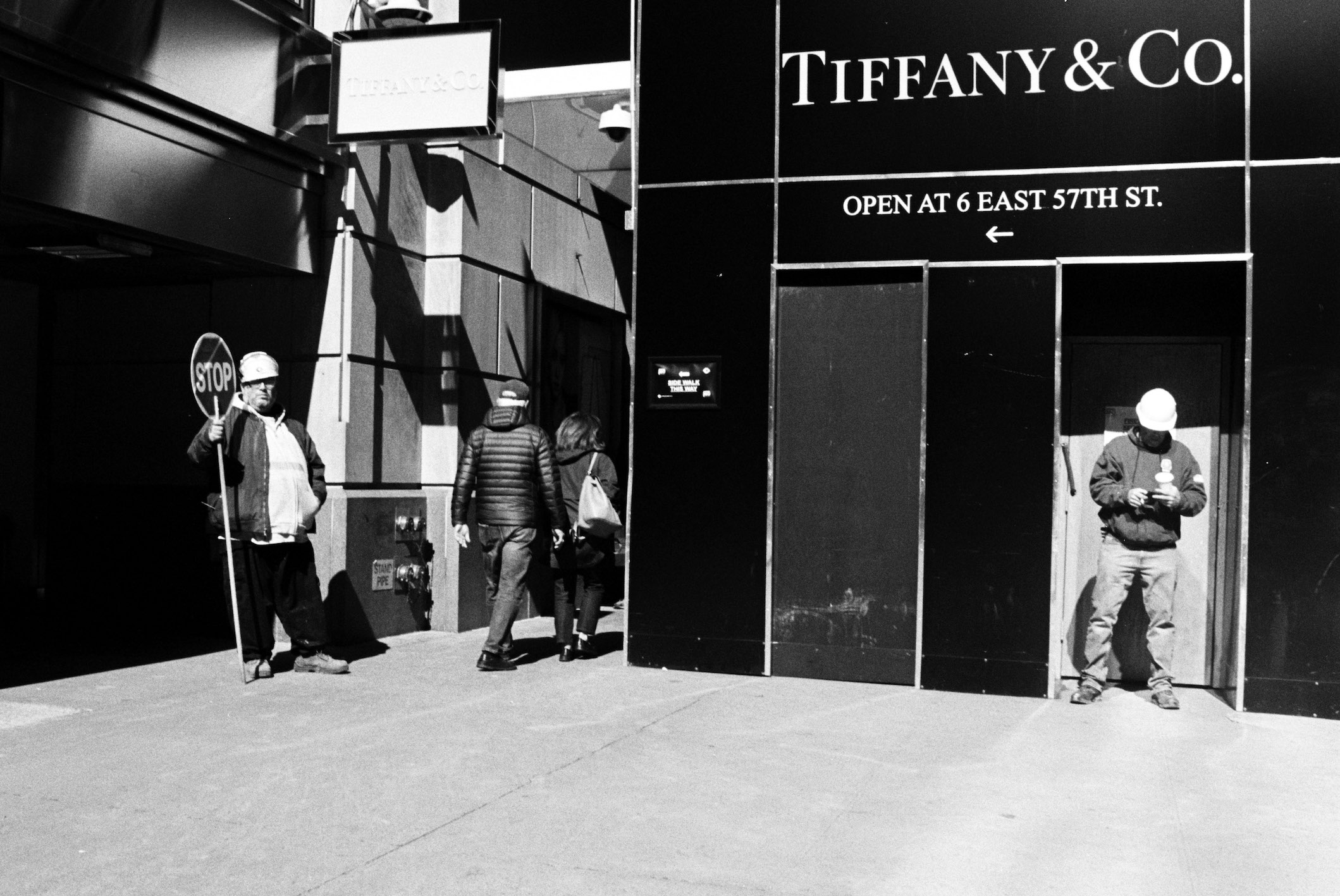
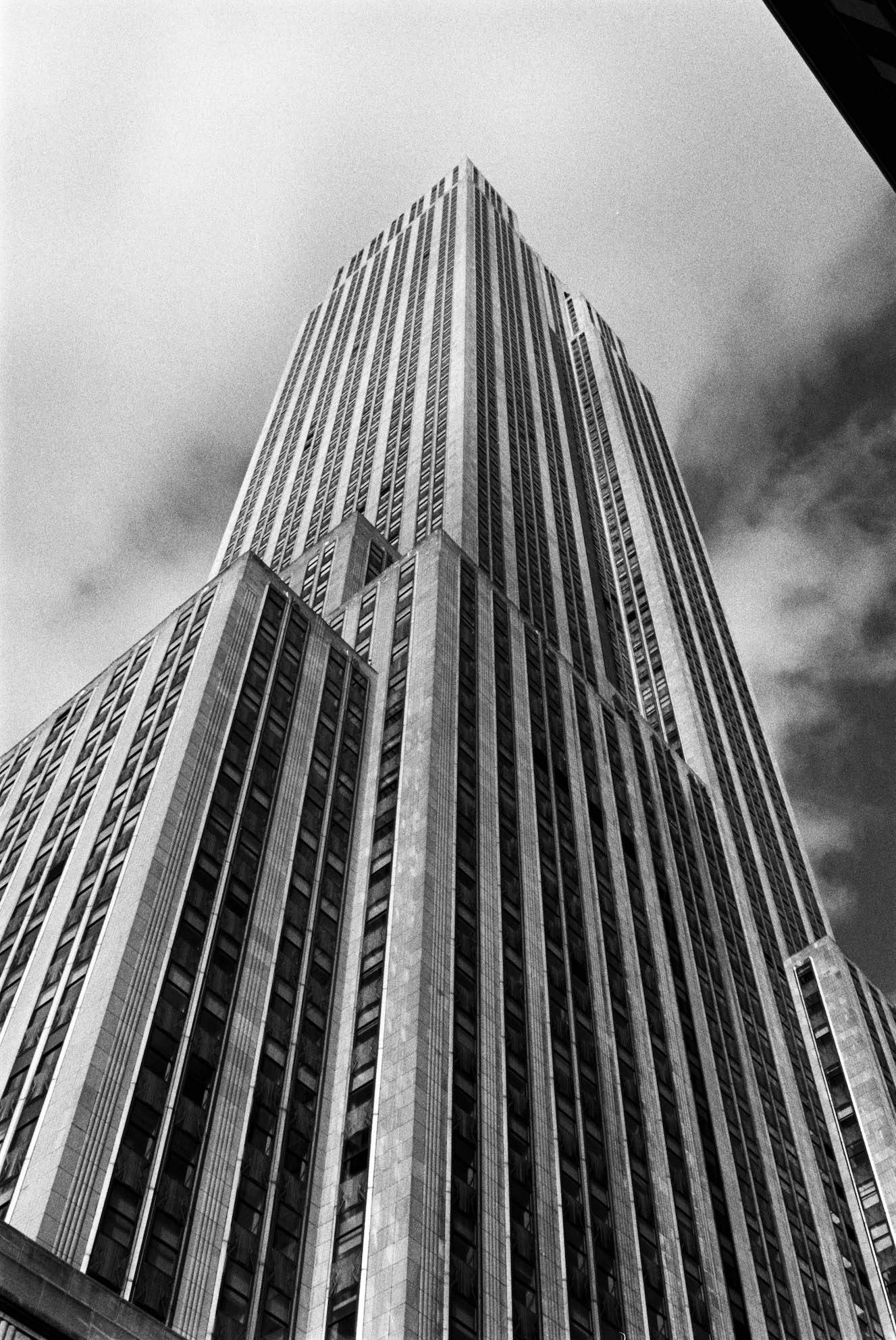
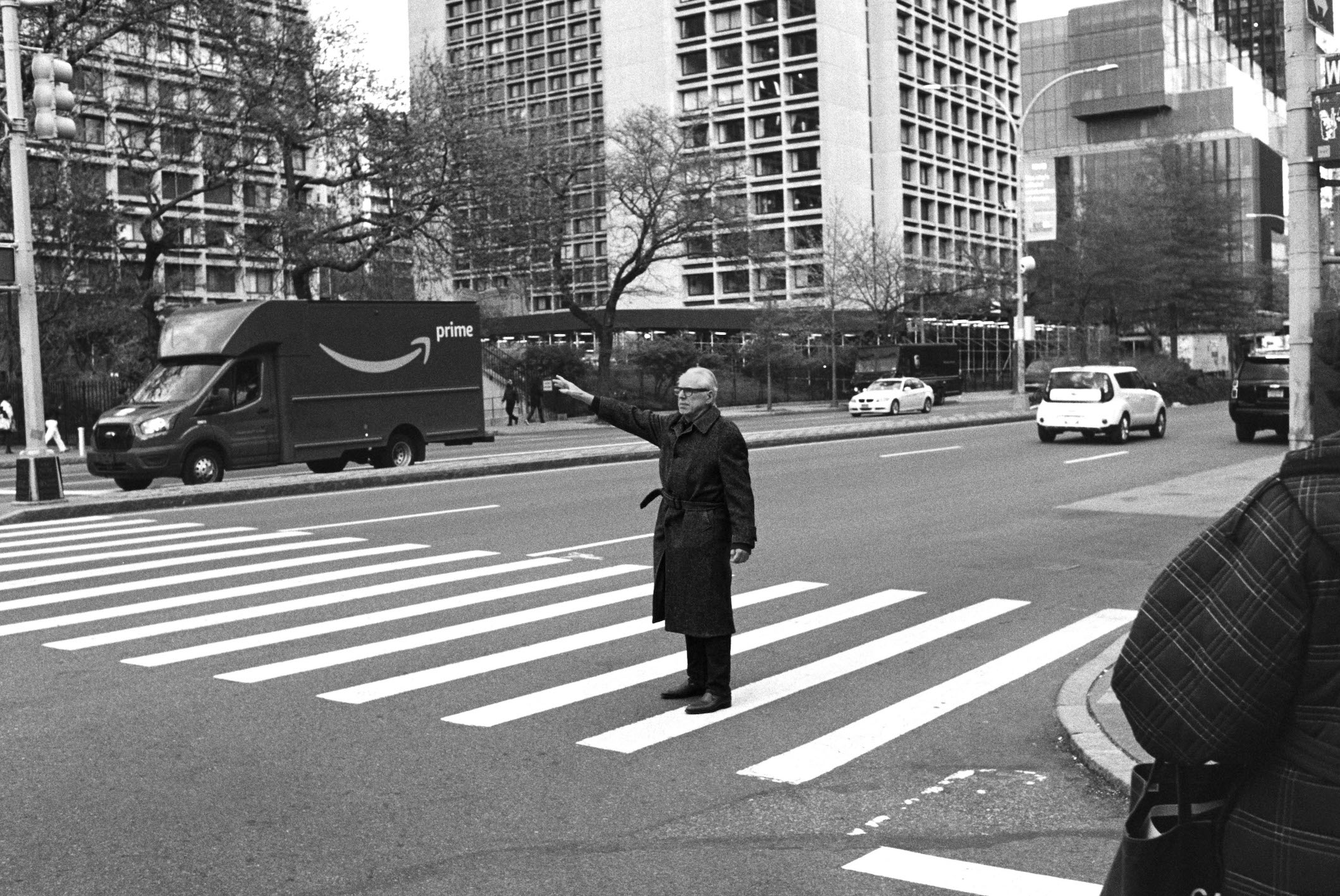
Last month I found myself in New York, with my analogue Nikkormat FT2 (because who can can afford a Leica in 2022) and some rolls of black and white 35mm. The idea of (trying) to step into the shoes of these masters – or at the very least play on their stage – is something I’d always imagined trying to do, to try and find and shoot those little unseen moments with my old camera, on film, just as the Magnum masters had done decades ago.
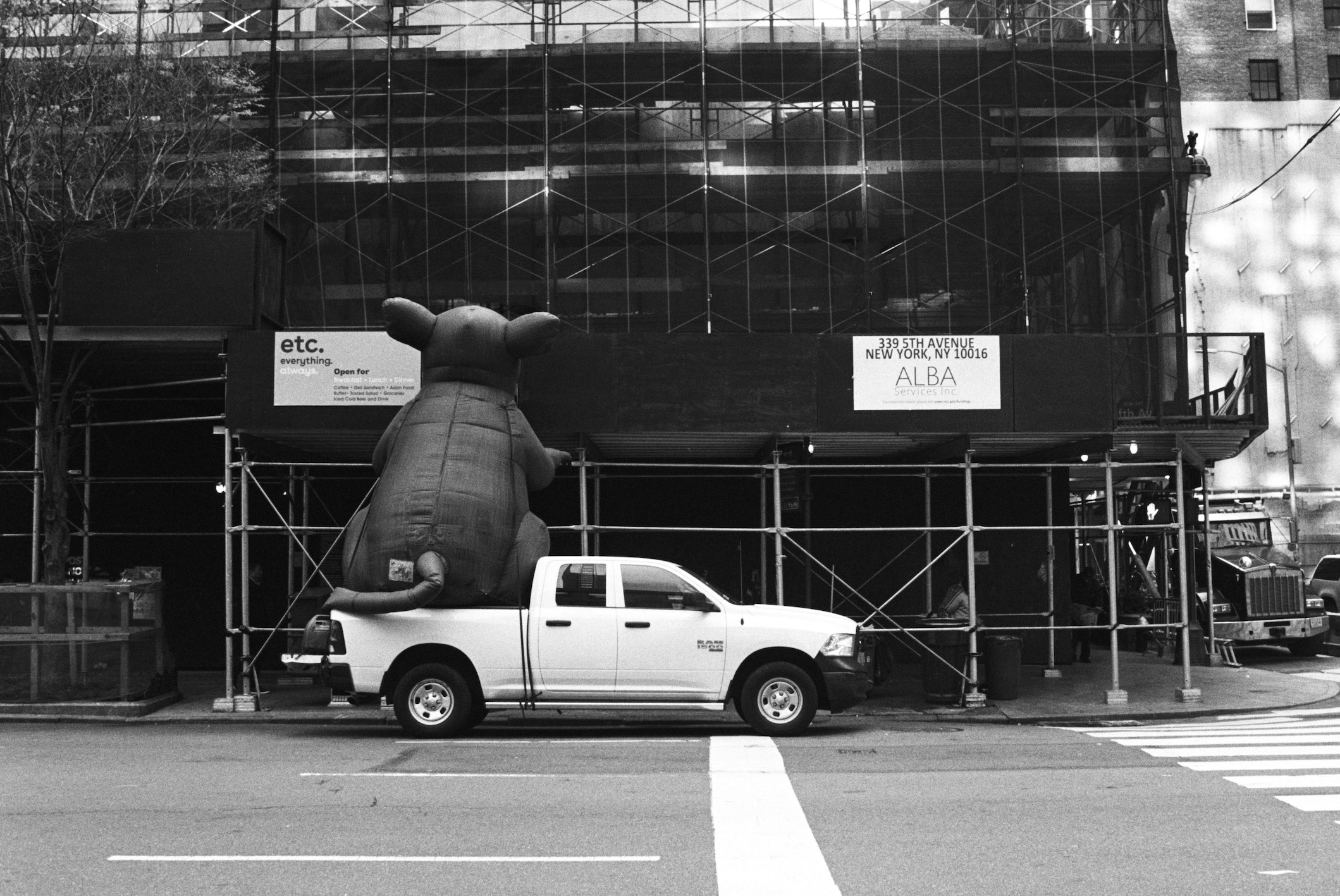
Every photographer sees differently, and I found that a lot of the things that stood out to me were what I wouldn’t notice shooting at home: cultural clichés and anything typically American. New York has such a fast-paced and frantic nature, making it easy to understand why these masters never got tired of the city or ever lost motivation to hit the streets and shoot.
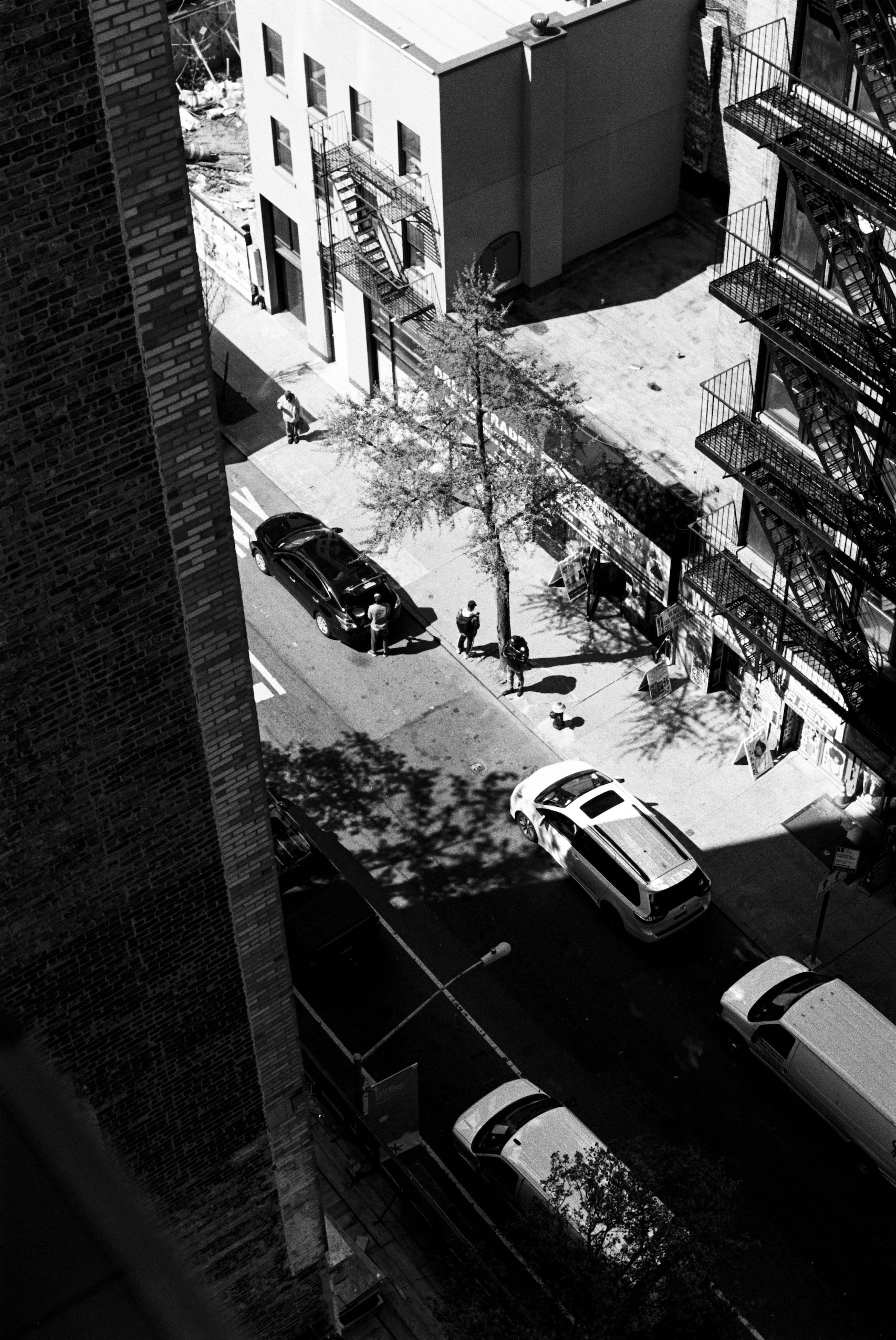
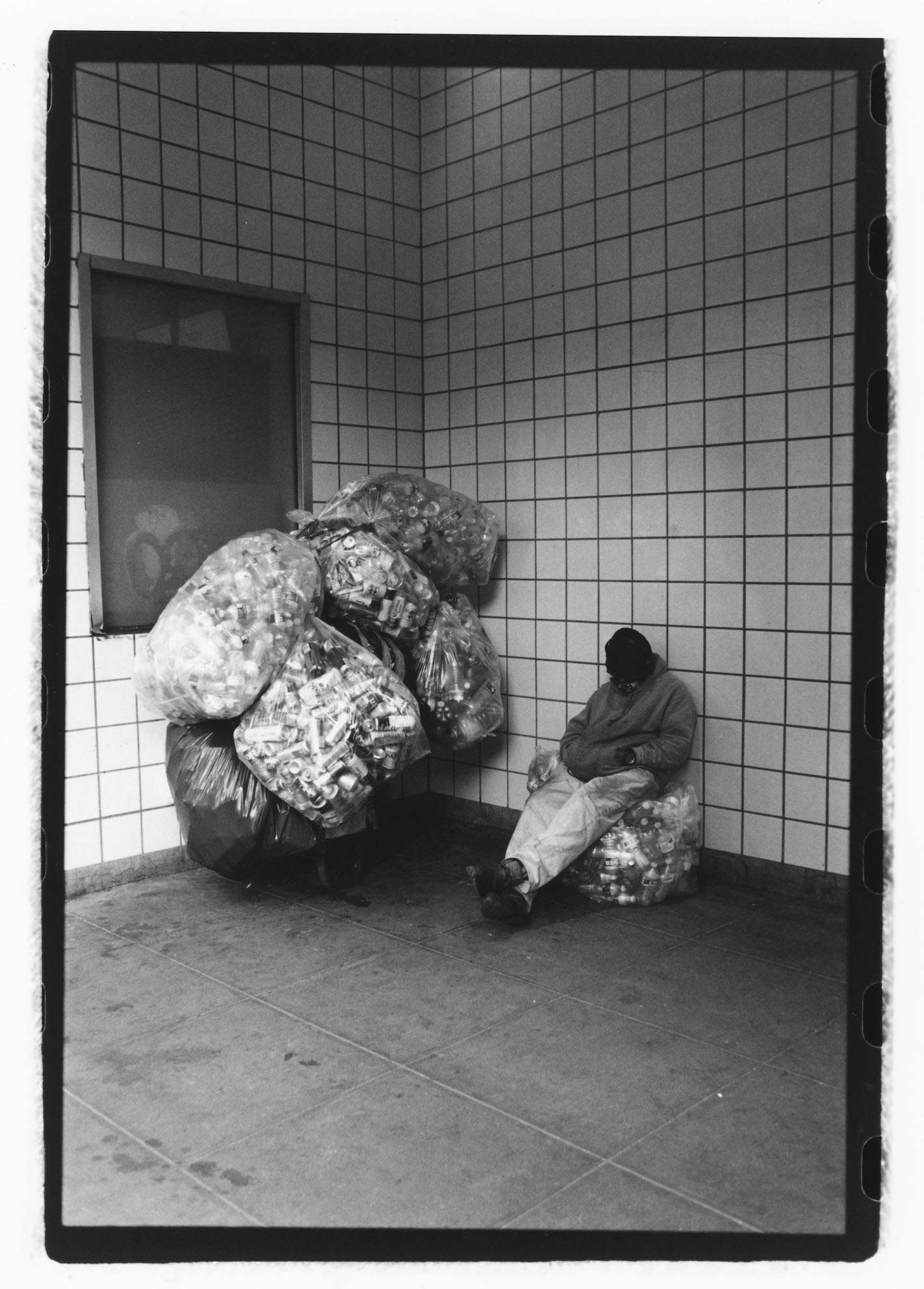
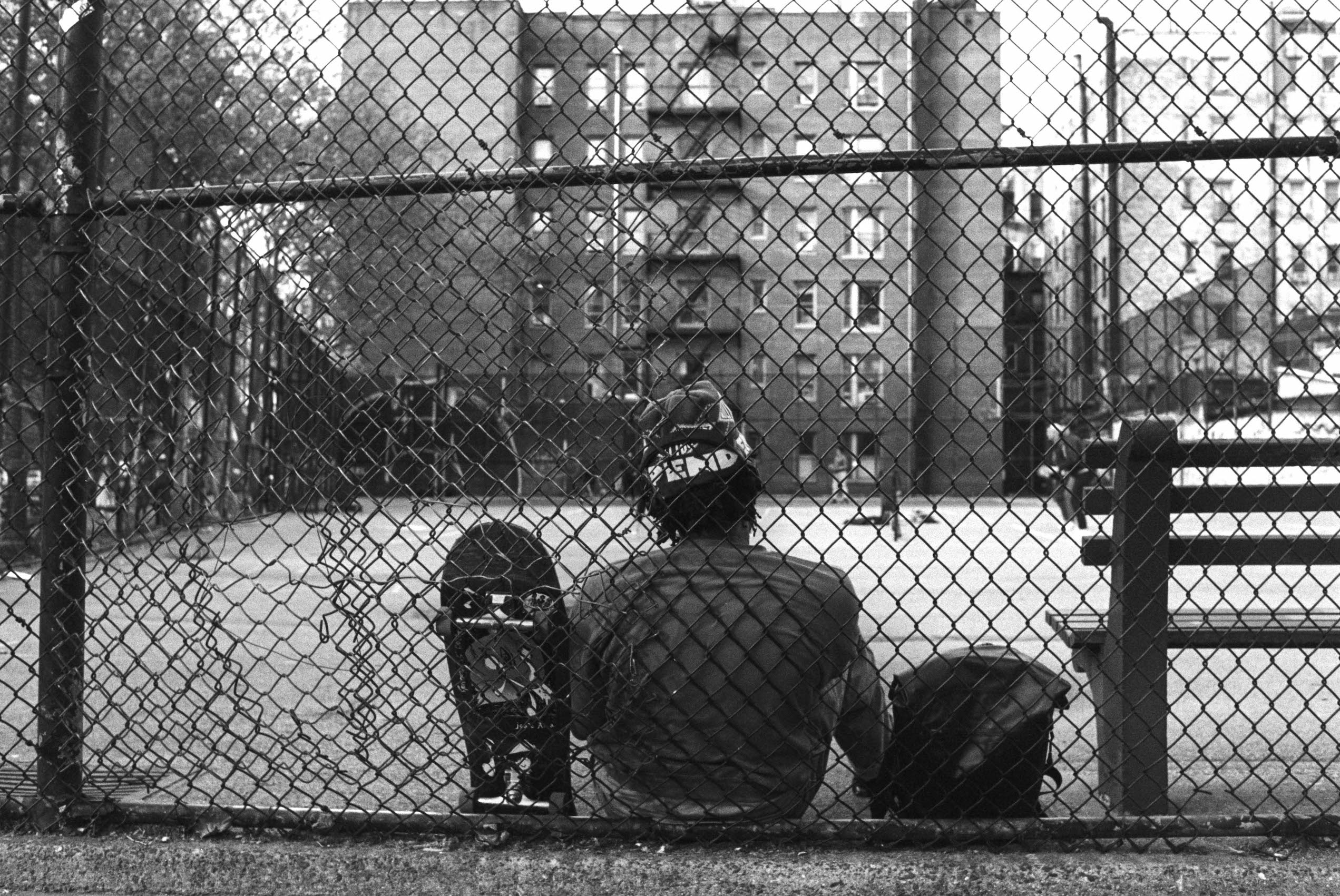
Follow Theo McInnes on Instagram.
Enjoyed this article? Like Huck on Facebook or follow us on Twitter.
You might like

Landmark new exhibition is celebrating 50 years of female punk
God Save the Queens – The Museum of Youth Culture is bringing together rare photography, archive material and a one-night-only supergroup featuring members of X-Ray Spex, The Slits and The Raincoats.
Written by: Ella Glossop

Halcyon, end of summer days in ’80s Massachusetts
Bell Pond — Stephen DiRado’s new photobook is a nostalgic look at blissed out moments of young love, family and coming of age at a swimming pond in Worcester, Massachusetts.
Written by: Miss Rosen

Photographing America’s 20th century rebels
Rebels With a Cause — A new monograph looks back at Jean-Pierre Laffont’s extensive archive documenting counterculture, art, activism and more, shaping the country as it is today.
Written by: Isaac Muk

The groundbreaking photography of Gordon Parks
Voices in the Mirror — A new exhibition dives deep into the legendary lensman’s archive, who captured the Civil Rights Movement and Black America like no other.
Written by: Miss Rosen

A chaotic portrait of an ’80s American farming family
Holy Cow! — Melonie Bennett grew up on a farm in Maine in the ’80s, and documented her family’s idiosyncratic daily life. She presents those humorous, everyday memories in a new exhibition and photobook.
Written by: Miss Rosen

Nick Danziger’s striking vision of everyday British life in the ’90s
The British 1994-1999 — The renowned photojournalist returned to his birth country on the cusp of the Millennium, capturing its contradictions with humour and wit.
Written by: Miss Rosen


