Almeria: Europe's dirty little secret in southern Spain
- Text by Matt Moran
- Photography by Matt Moran

It was while out on a job as a photographer’s assistant that I first found myself in the region of Almeria. The south-east of Spain is typically associated with Brits abroad and the allure of the Costa del Sol, but a couple of years ago I came across the 450 square kilometre expanse of greenhouses nestled away from the tourists’ eye, known by locals as Spain’s “Sea of Plastic”. It has intrigued me ever since.
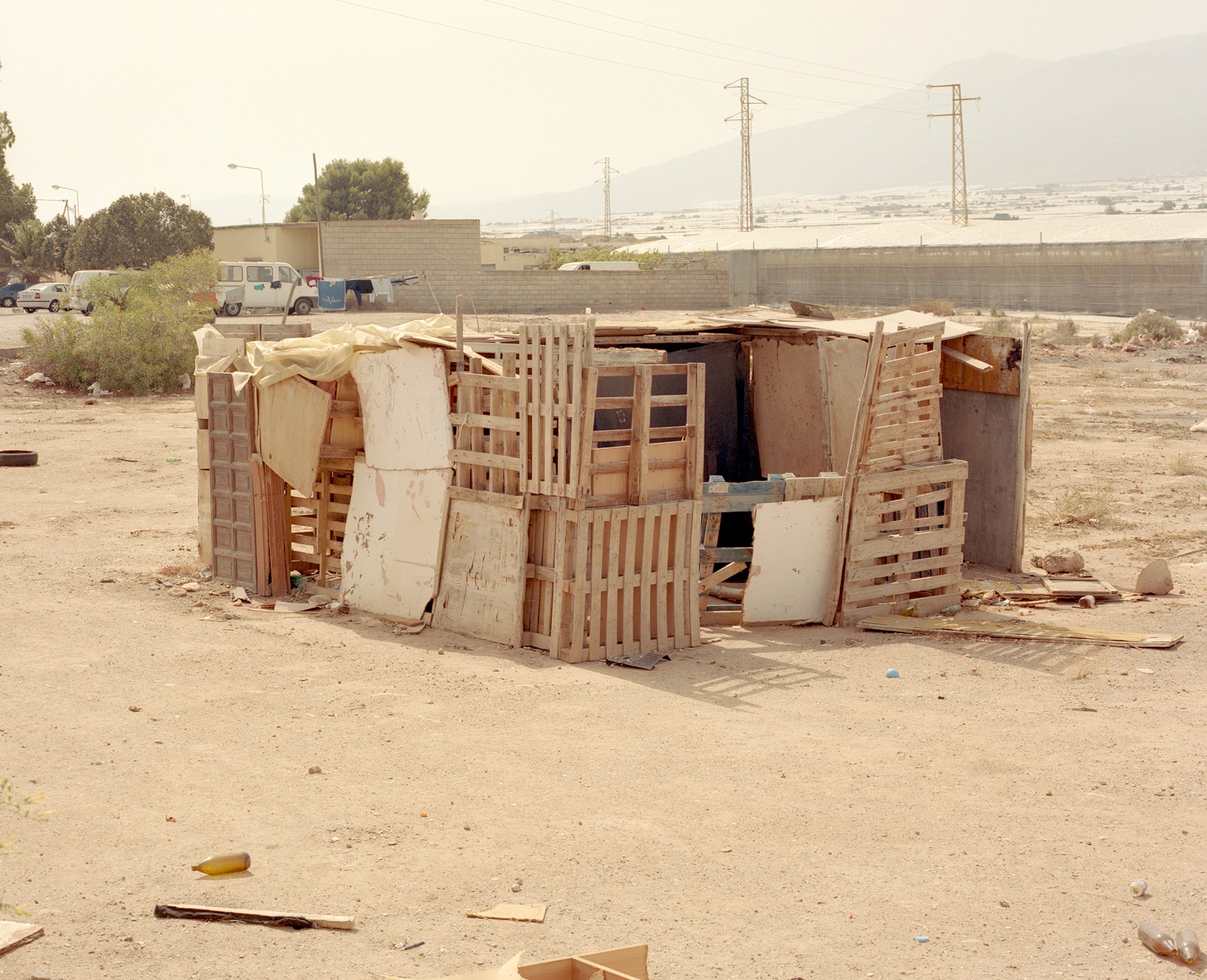
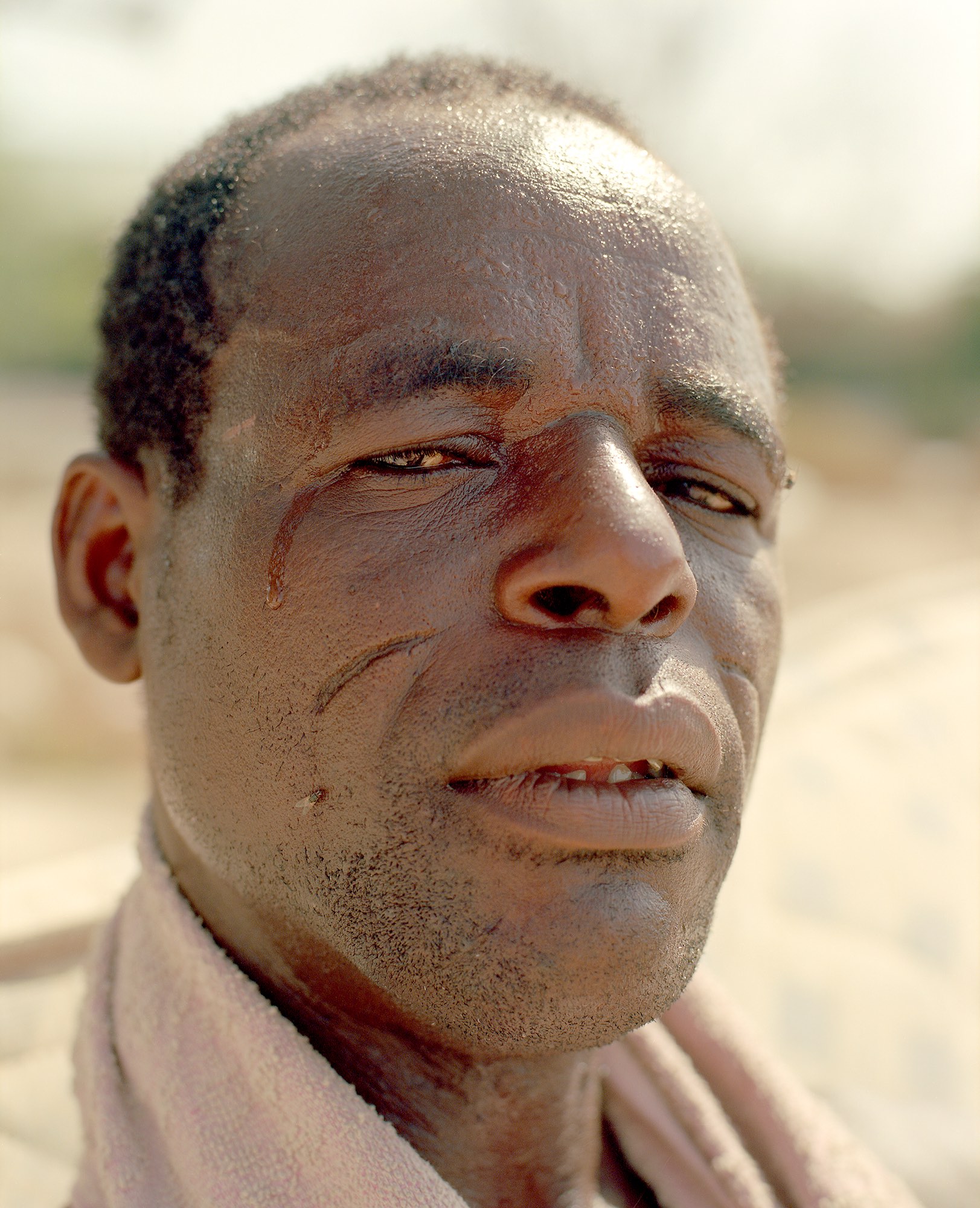
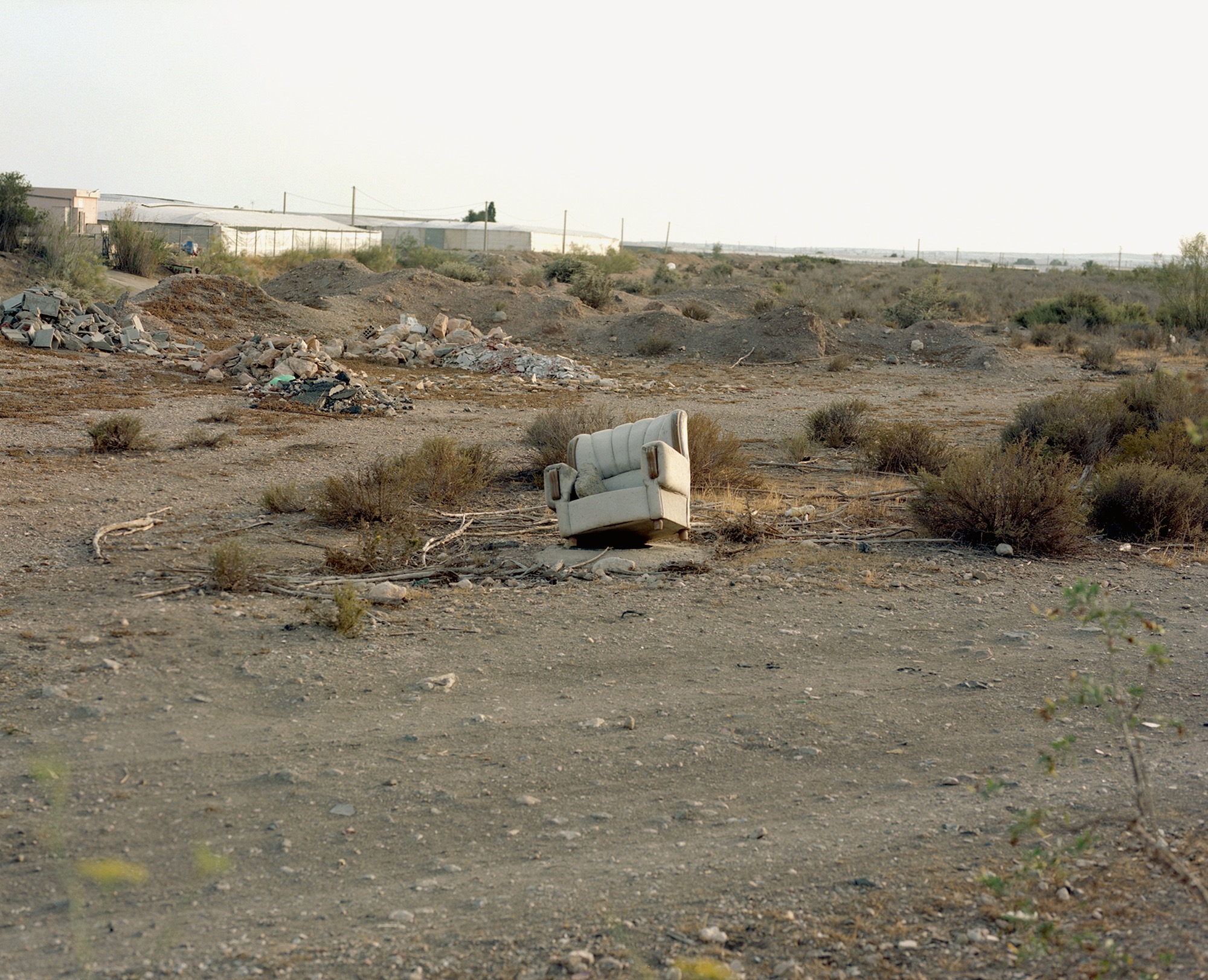
Set against the barren and mountainous landscape, some reports have estimated this manmade mass supplies Europe with more than half its fruit and vegetables. I became fixated by the desolate plains, and hoped to capture and make visible the production line that keeps Europe’s salad bowls fresh. Upon returning to the UK I read a piece in the Guardian, and my image of Almeria’s greenhouses was painted in a more sinister light. The story highlighted the plight of migrant workers at the greenhouses, depicting their labour as modern slavery.
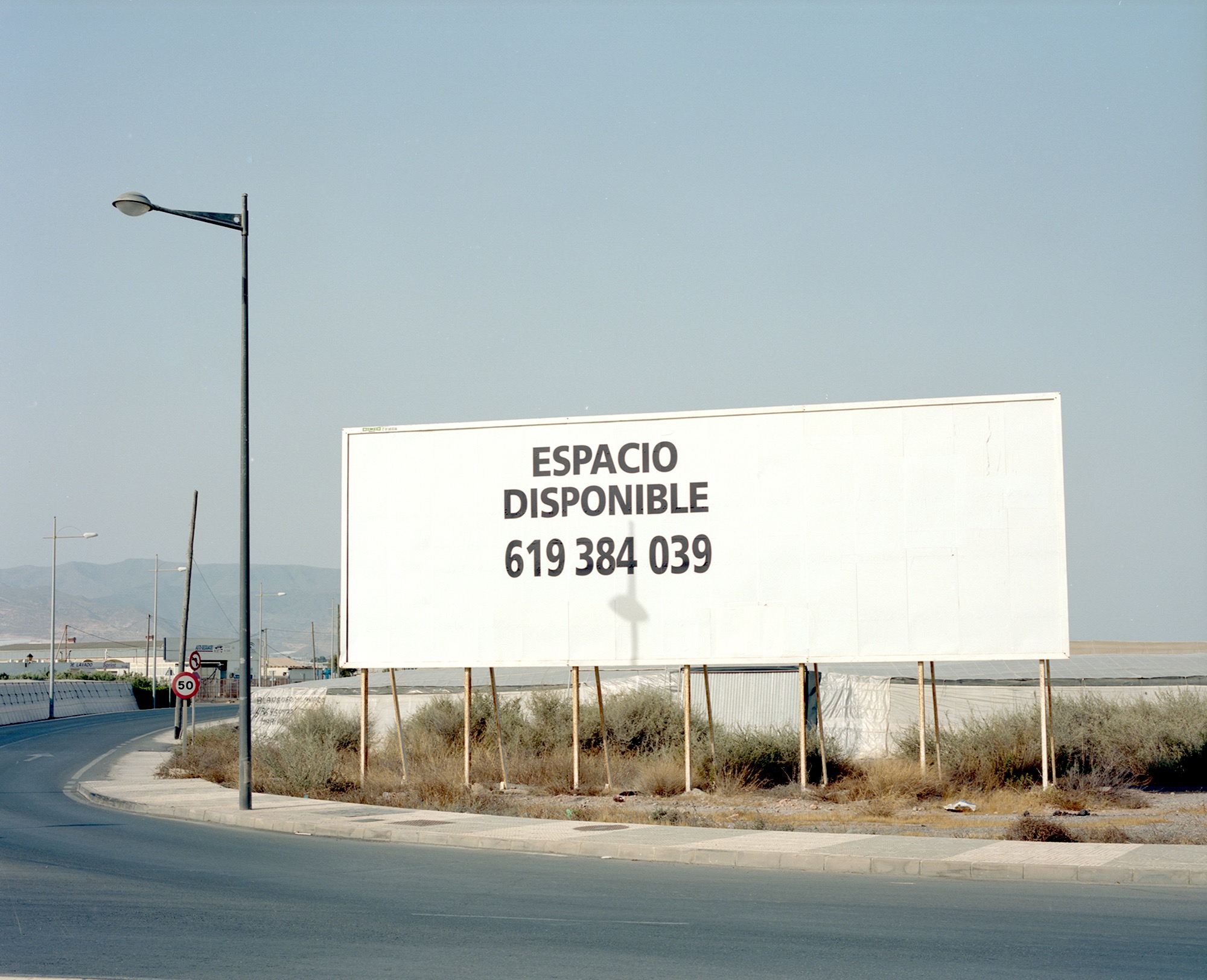
I wondered how many tourists enjoying their holidays on the coast knew about the migrant exploitation happening just a few miles down the road. Was I the only naïve one? On my next visit to Almeria, I admit I was still quite innocent of the problem, I set out to shed some light on our blindness towards the production of our food.
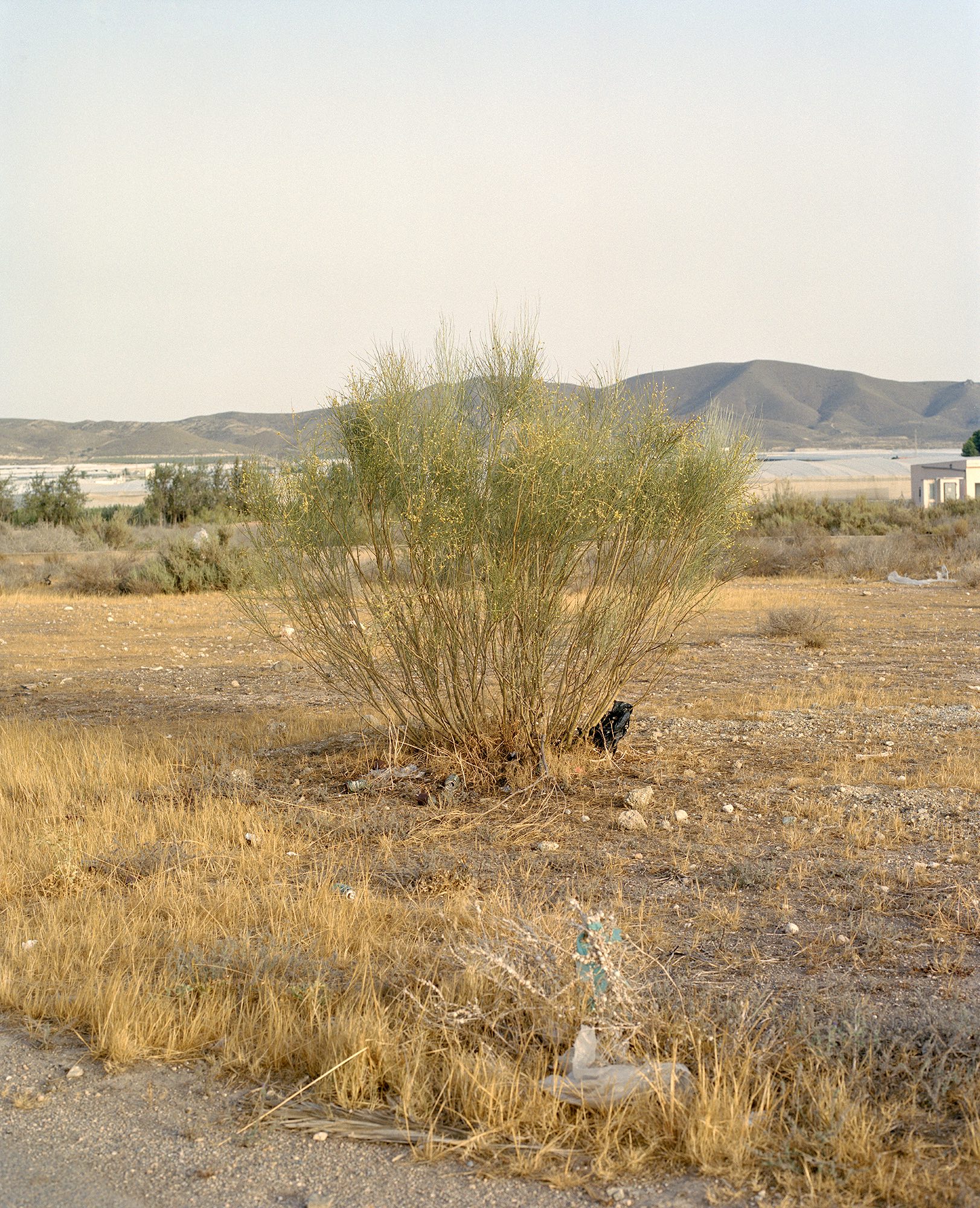
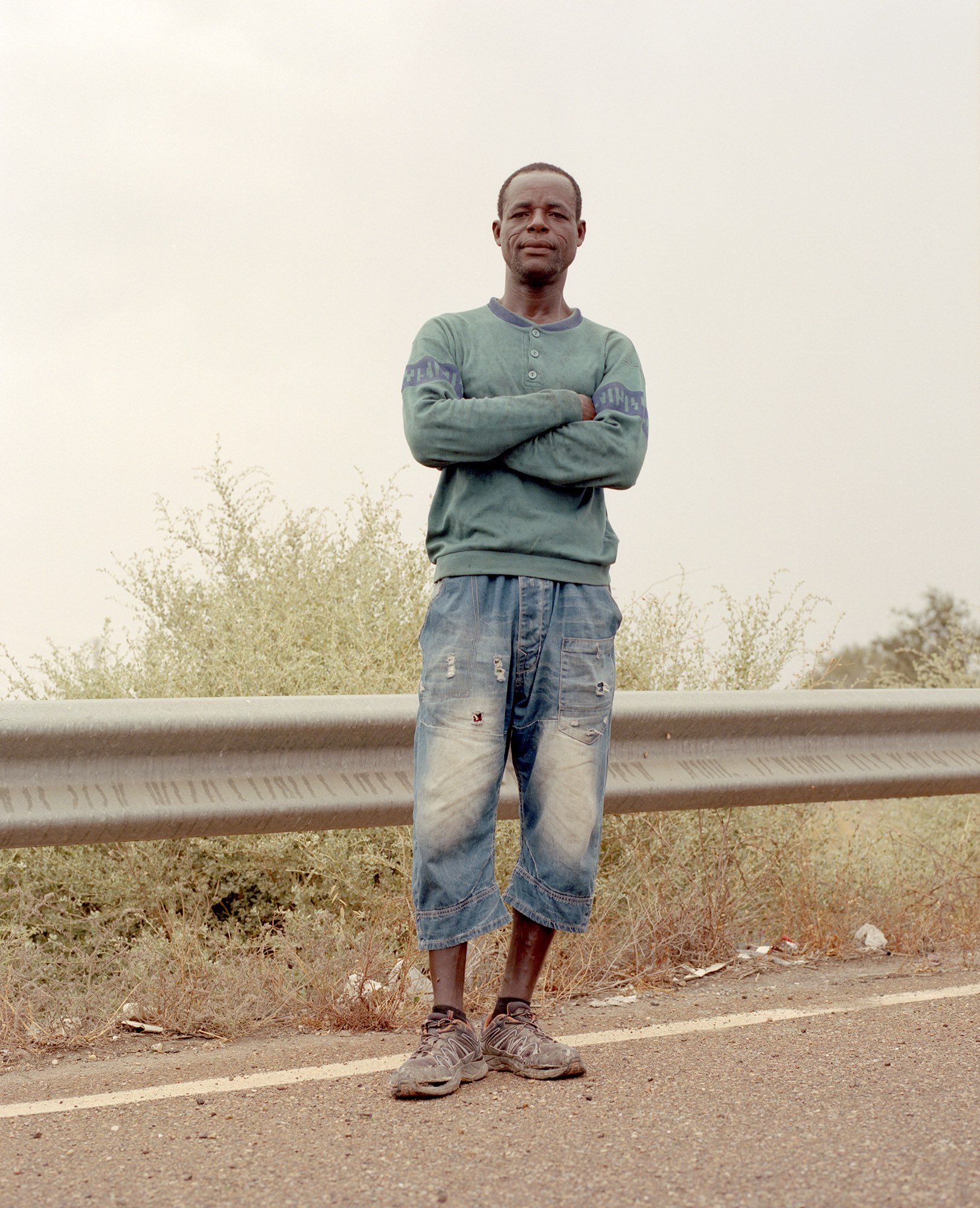
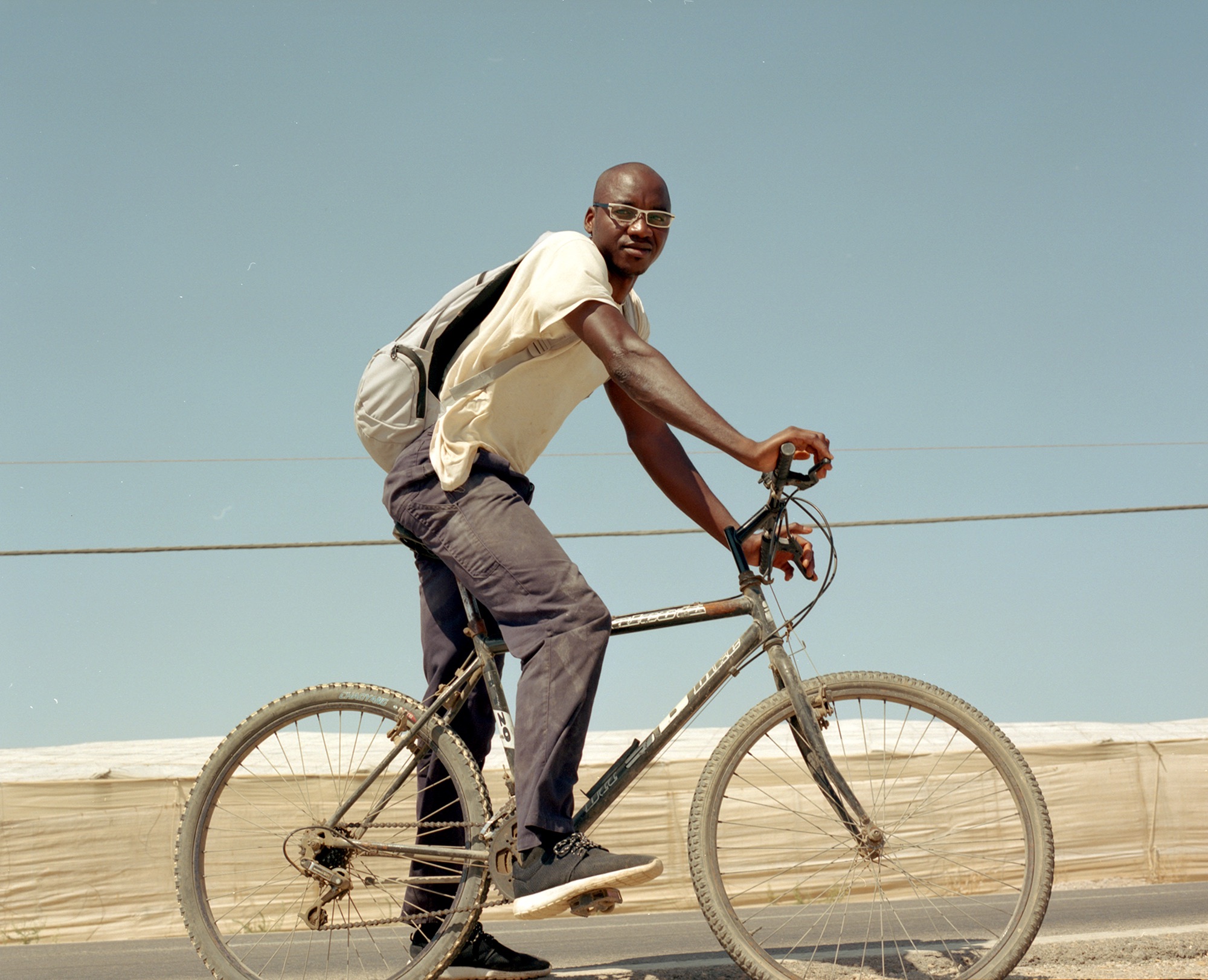
Over the ten days I spent in Almeria, I experienced an uneasy sense of isolation, a disconnect between the bustling tourist areas and the marginalisation permeating greenhouse life. Most locals and tourists were unaware of the appalling living and working conditions of migrants, many of whom travelled long distances in search of work only to be paid little money, if they were even paid at all.
It wasn’t easy to get the workers, my subjects, to open up, and it’s not hard to see why. Some had come from Eastern Europe, Sub-Saharan Africa and Morocco, so there was a language barrier from the get go, but I found that people were reluctant to have their photograph taken too, almost as if they were afraid of being caught.
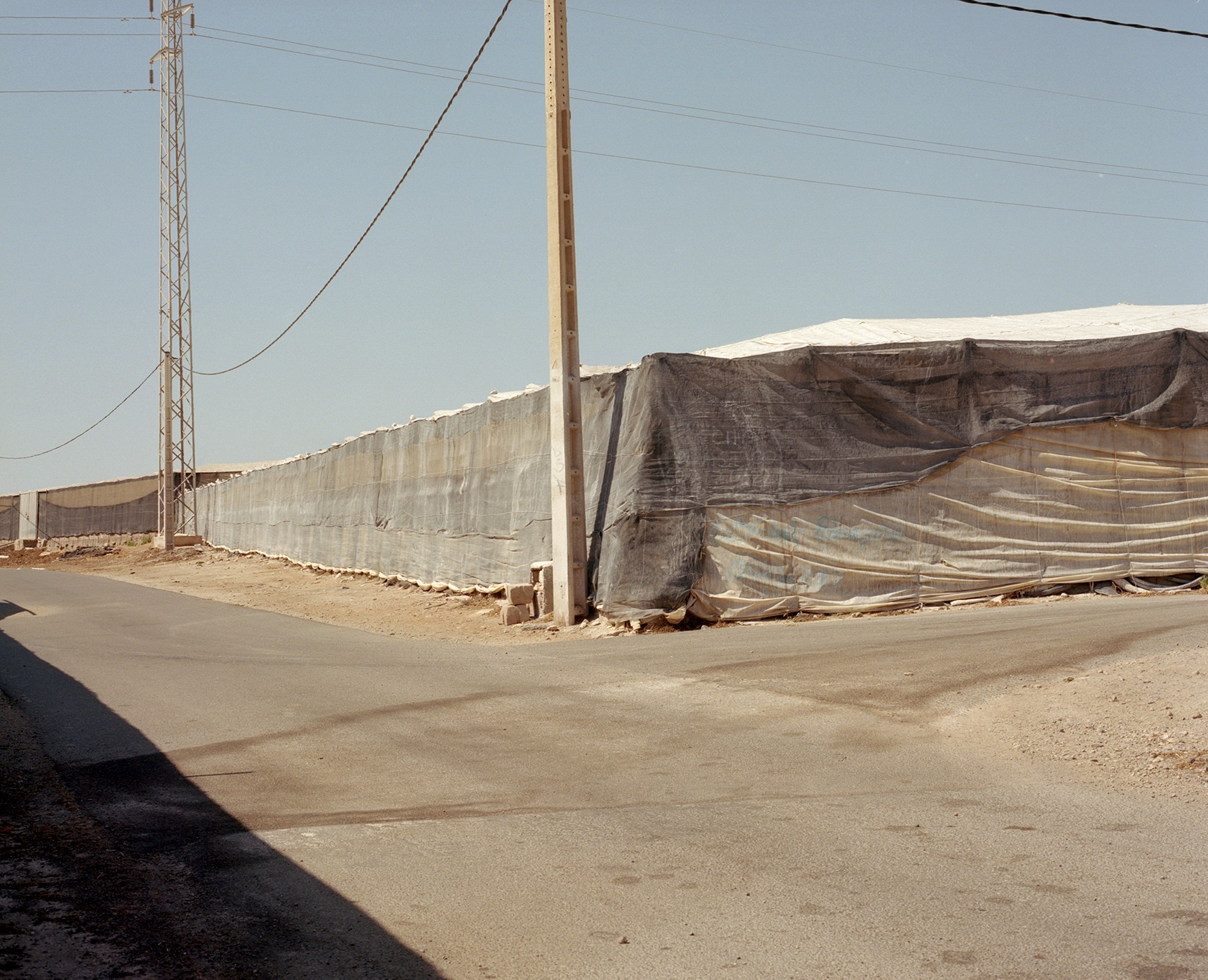
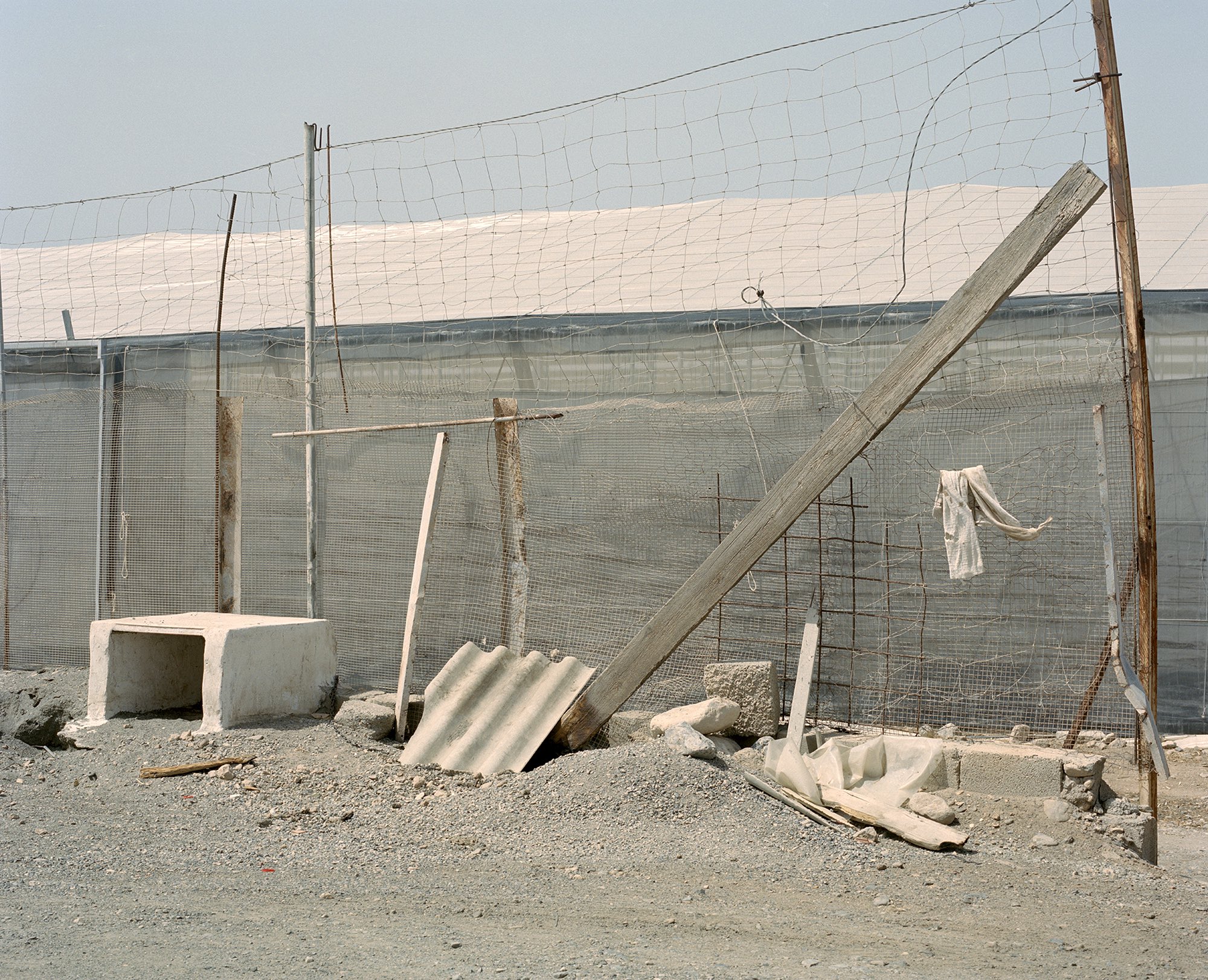
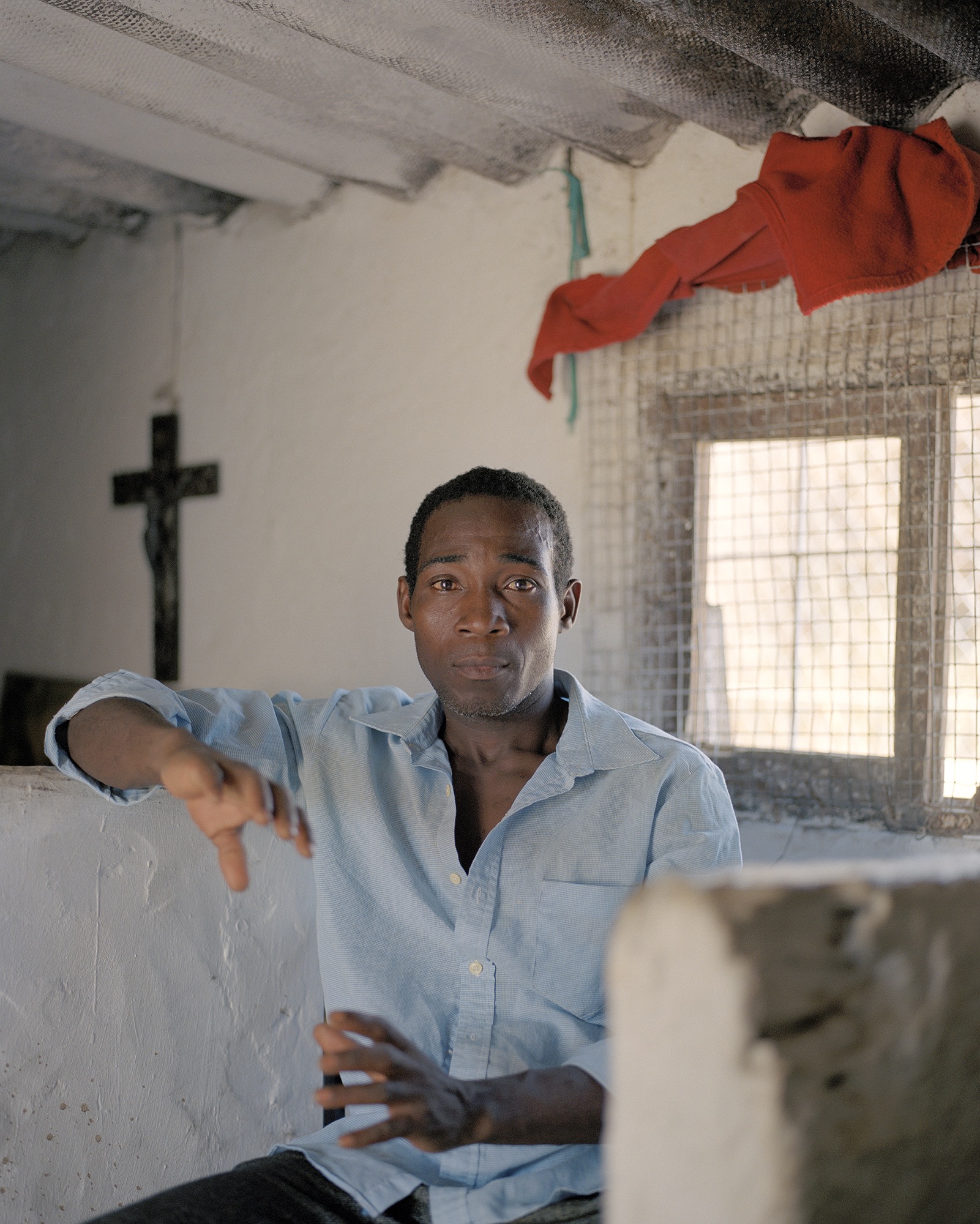
Only one guy who appears in the project welcomed me into his home. He had built a shack to live in, and was sending the money he earned over to his family in Ghana. He was the only one who really opened up to me, introducing me to others who also described the pain and toil of working for so little to support those back at home.
Back in the UK, we would never know this kind of exploitation was occurring. I think people need to know where their food is coming from- there is still so much to learn. Personally, I wouldn’t want the food I had in front of me to have been farmed by someone who lived in a house built from vegetable crates, earning so little for their labour.
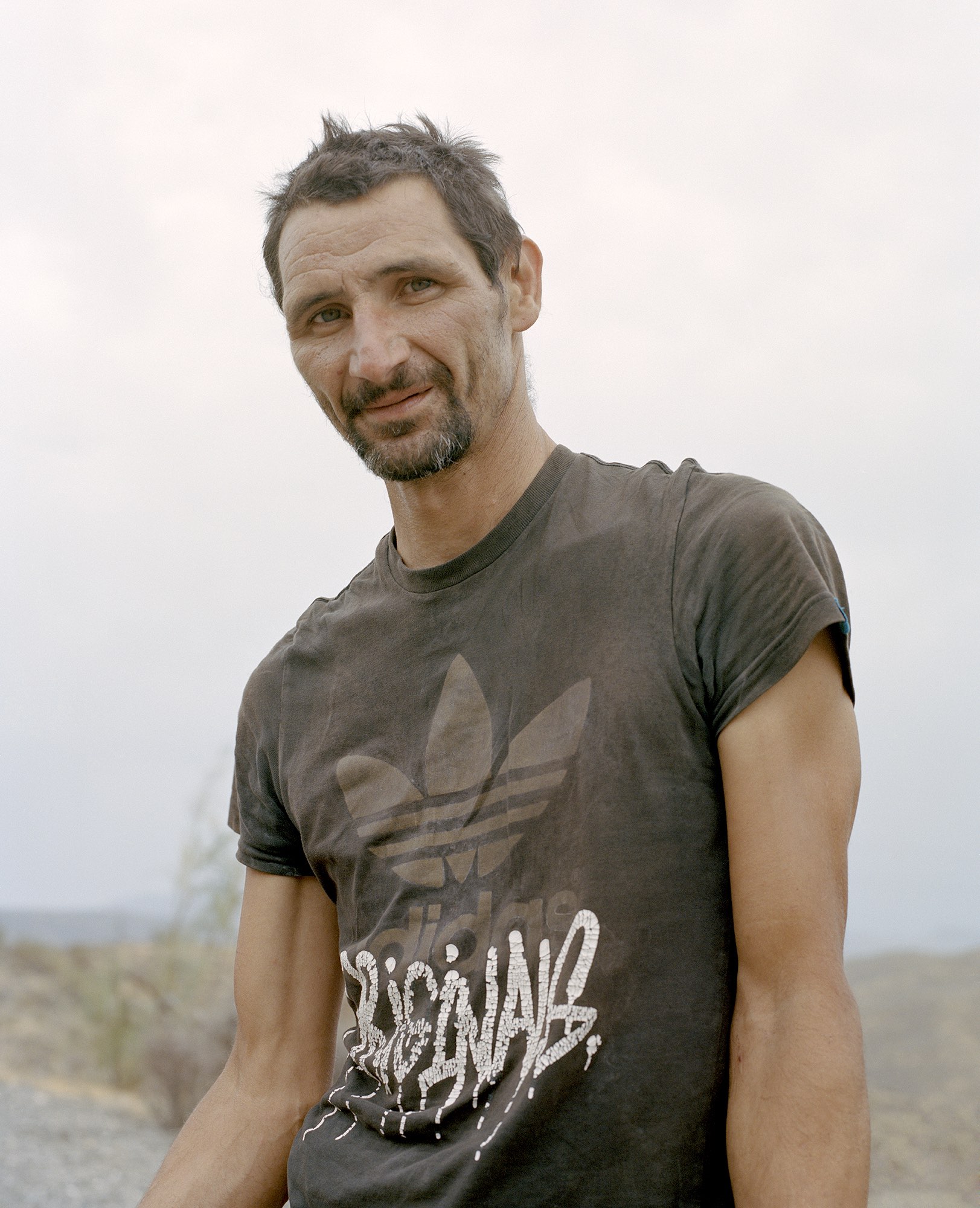
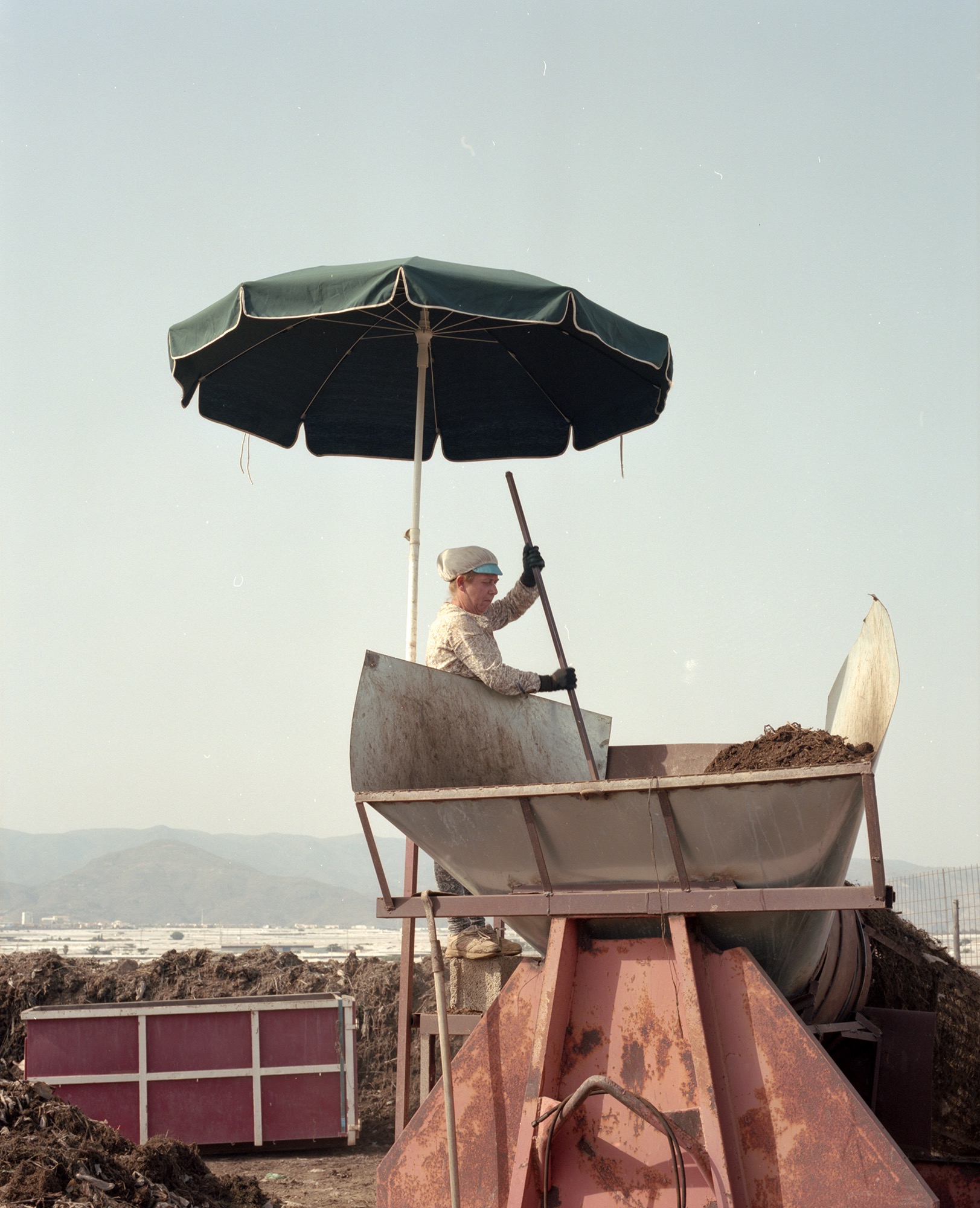
Check out more of Matt’s work.
Enjoyed this article? Like Huck on Facebook or follow us on Twitter.
You might like

Defiant photos of New York’s ’80s & ’90s queer activists
Arresting Images — Dona Ann McAdams’ photographs document the AIDS crisis, lesbian organising and civil disobedience from one of the most fraught eras in American LGBTQ+ history. A sale of her archive takes place later this month.
Written by: Sydney Lobe

Joe Bloom’s View From a Bridge
More stories, more human — The artist and creator of the vertical video generation’s most loved storytelling platform explains the process behind creating the show, and the importance of bucking trends.
Written by: Isaac Muk

When David Wojnarowicz became Arthur Rimbaud
Arthur Rimbaud in New York — In 1978, the American artist and his friends donned masks to pay tribute to the French poet, who was born a century before him. Miss Rosen traces the differing yet parallel lives of the queer revolutionaries.
Written by: Miss Rosen

On the set of ‘La Bamba’, lost Latino legend Ritchie Valens’s biopic
The overnight rockstar — The Chicano rock & roll star exploded overnight in the late ’50s, but just as quickly he was gone, killed in a plane crash along with Buddy Holly. An ’80s biopic saw him immortalised on the big screen, which photographer Merrick Morton captured behind the scenes.
Written by: Miss Rosen

Louis Theroux’s ‘Manosphere’ shows men aren’t the problem, platforms are
No Ws for Good Men — The journalist’s new documentary sees him dive headfirst into the toxicities and machinations of the male influencer economy. But when young creators are monetarily incentivised to make more and more outrageous content, who really is to blame?
Written by: Emma Garland

In the 1960s, African photographers recaptured their own image
Ideas of Africa — An exhibition at the Museum of Modern Art explores the 20th century’s most important lensers, including Seydou Keïta, Malick Sidibé and Kwame Brathwaite, and their impact on challenging dominant European narratives.
Written by: Miss Rosen


