
Almeria: Europe's dirty little secret in southern Spain

It was while out on a job as a photographer’s assistant that I first found myself in the region of Almeria. The south-east of Spain is typically associated with Brits abroad and the allure of the Costa del Sol, but a couple of years ago I came across the 450 square kilometre expanse of greenhouses nestled away from the tourists’ eye, known by locals as Spain’s “Sea of Plastic”. It has intrigued me ever since.
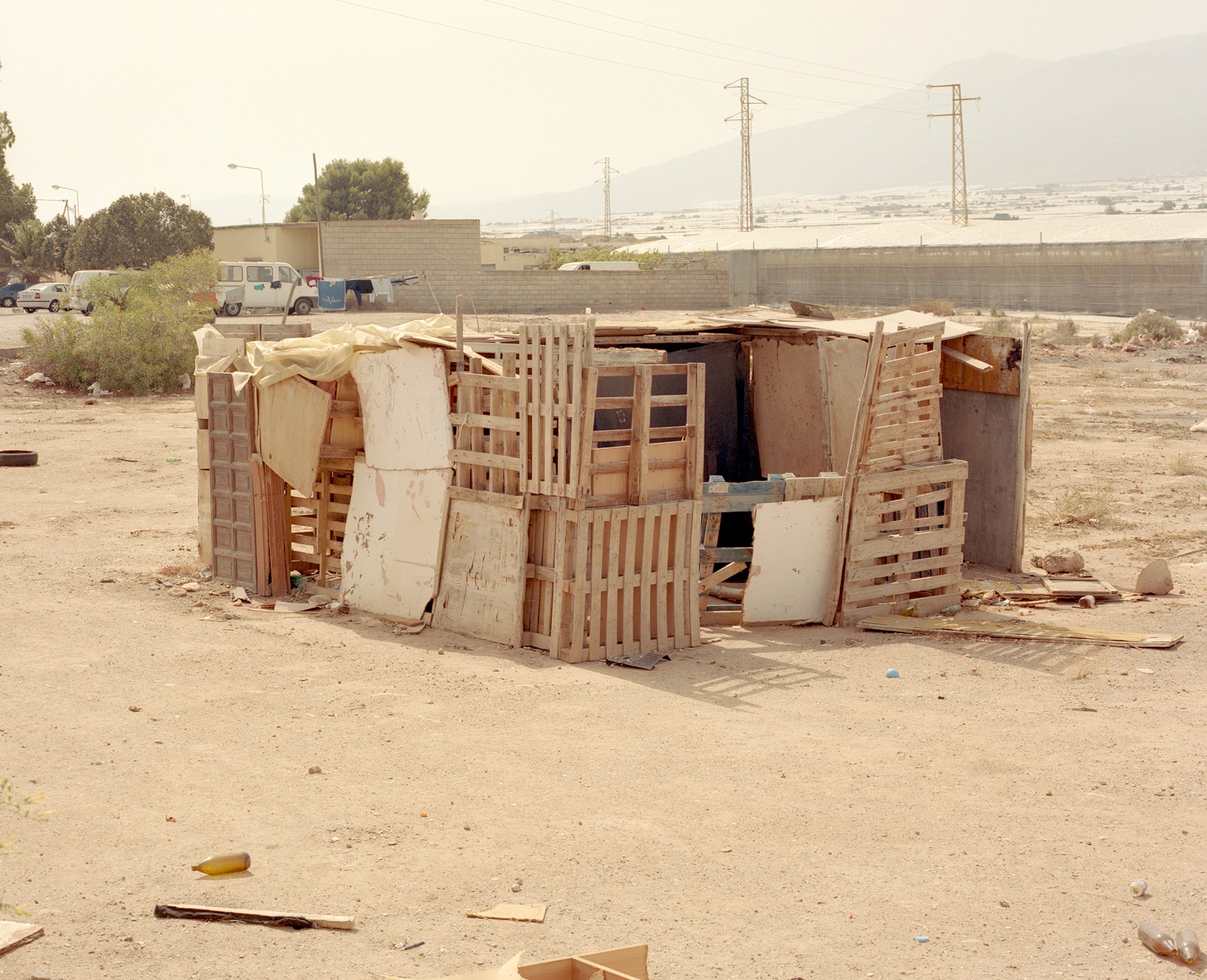
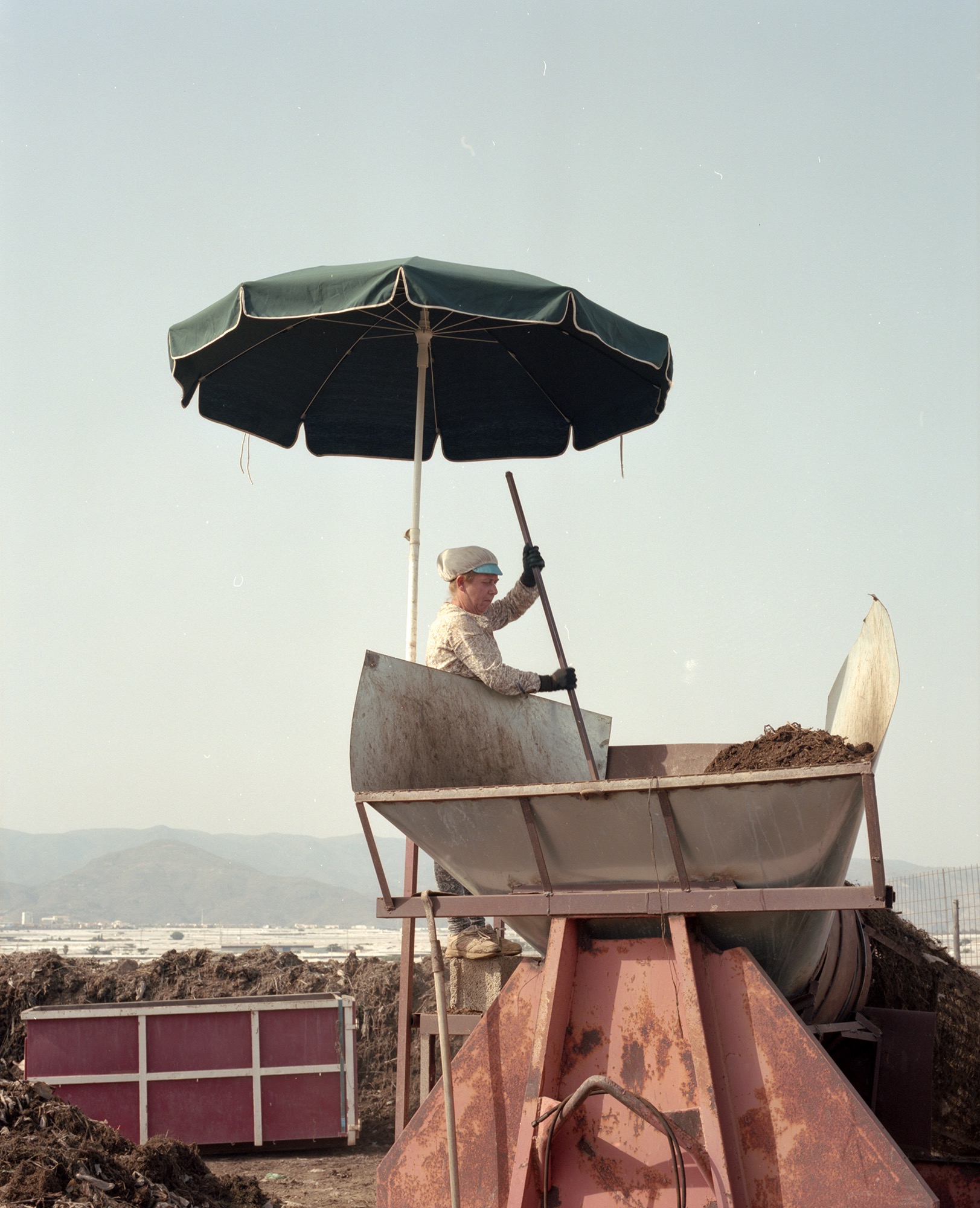
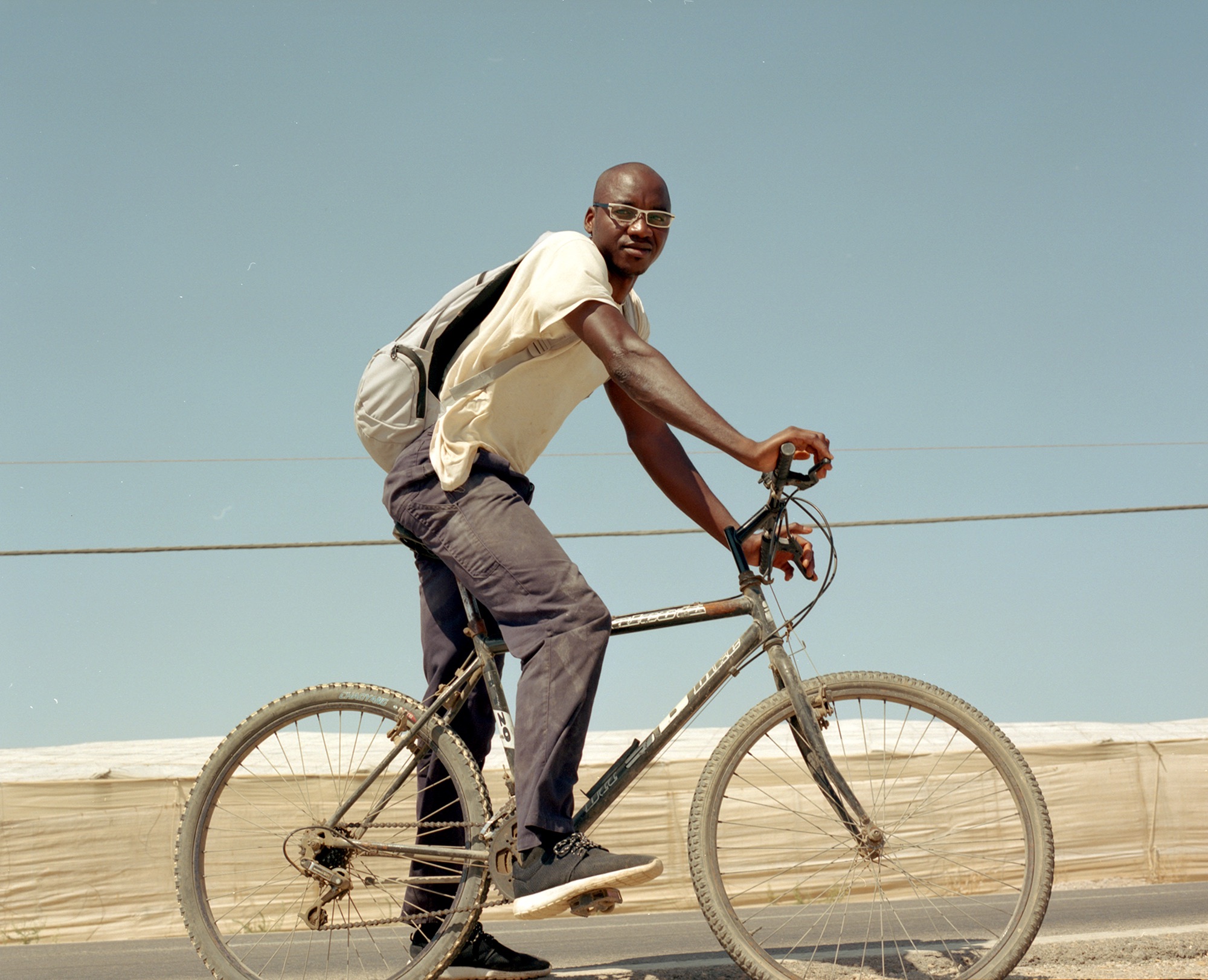
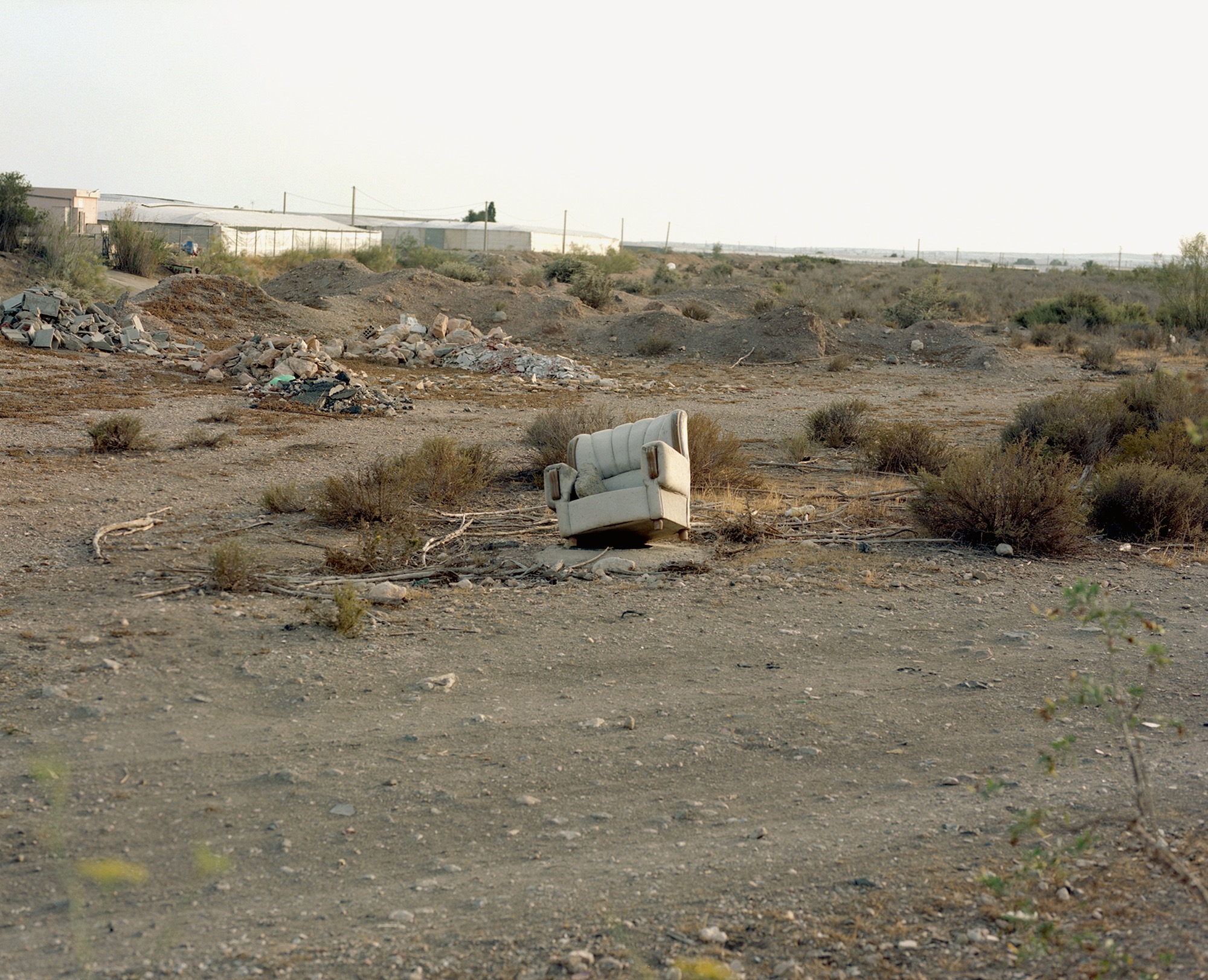
Set against the barren and mountainous landscape, some reports have estimated this manmade mass supplies Europe with more than half its fruit and vegetables. I became fixated by the desolate plains, and hoped to capture and make visible the production line that keeps Europe’s salad bowls fresh. Upon returning to the UK I read a piece in the Guardian, and my image of Almeria’s greenhouses was painted in a more sinister light. The story highlighted the plight of migrant workers at the greenhouses, depicting their labour as modern slavery.
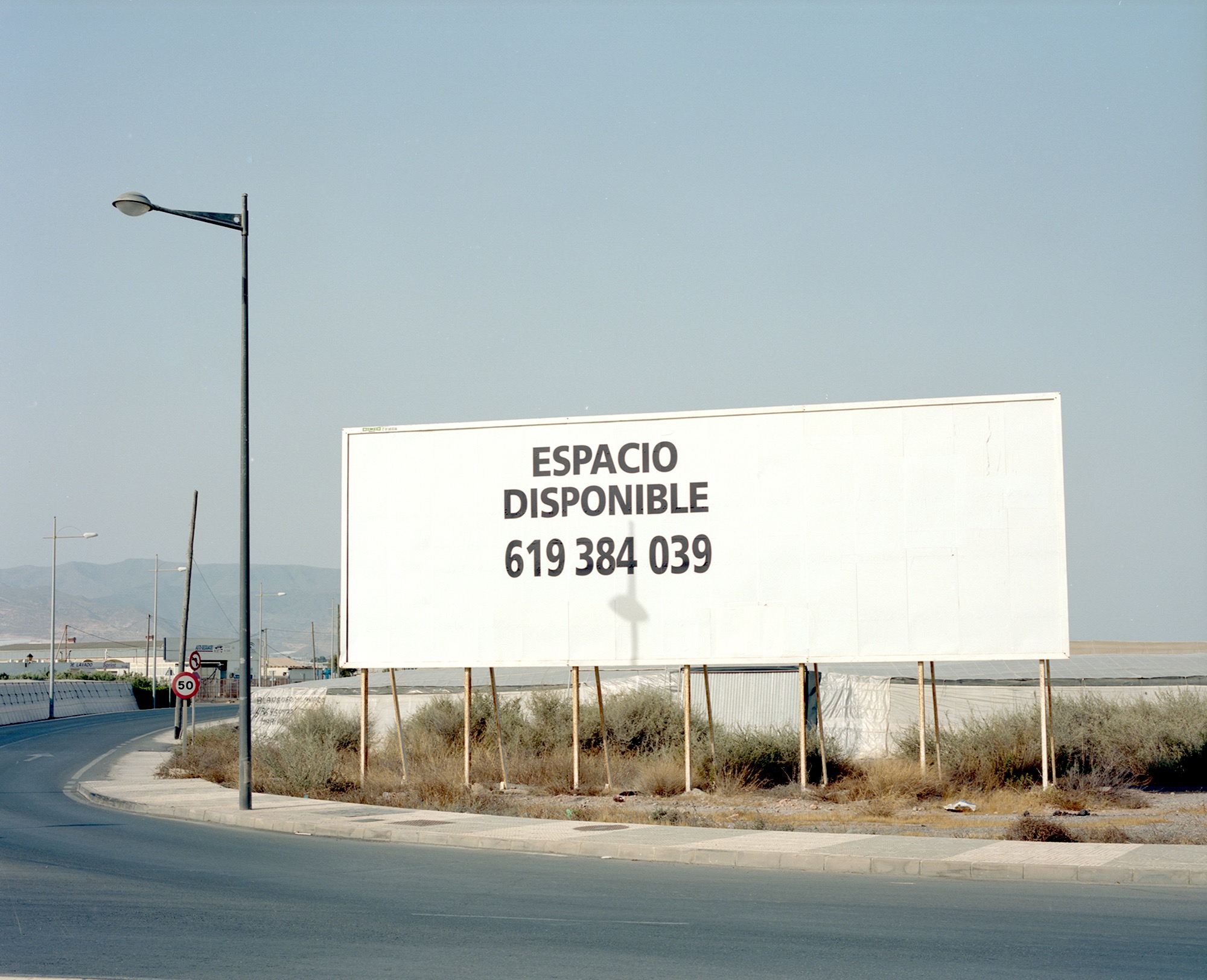
I wondered how many tourists enjoying their holidays on the coast knew about the migrant exploitation happening just a few miles down the road. Was I the only naïve one? On my next visit to Almeria, I admit I was still quite innocent of the problem, I set out to shed some light on our blindness towards the production of our food.
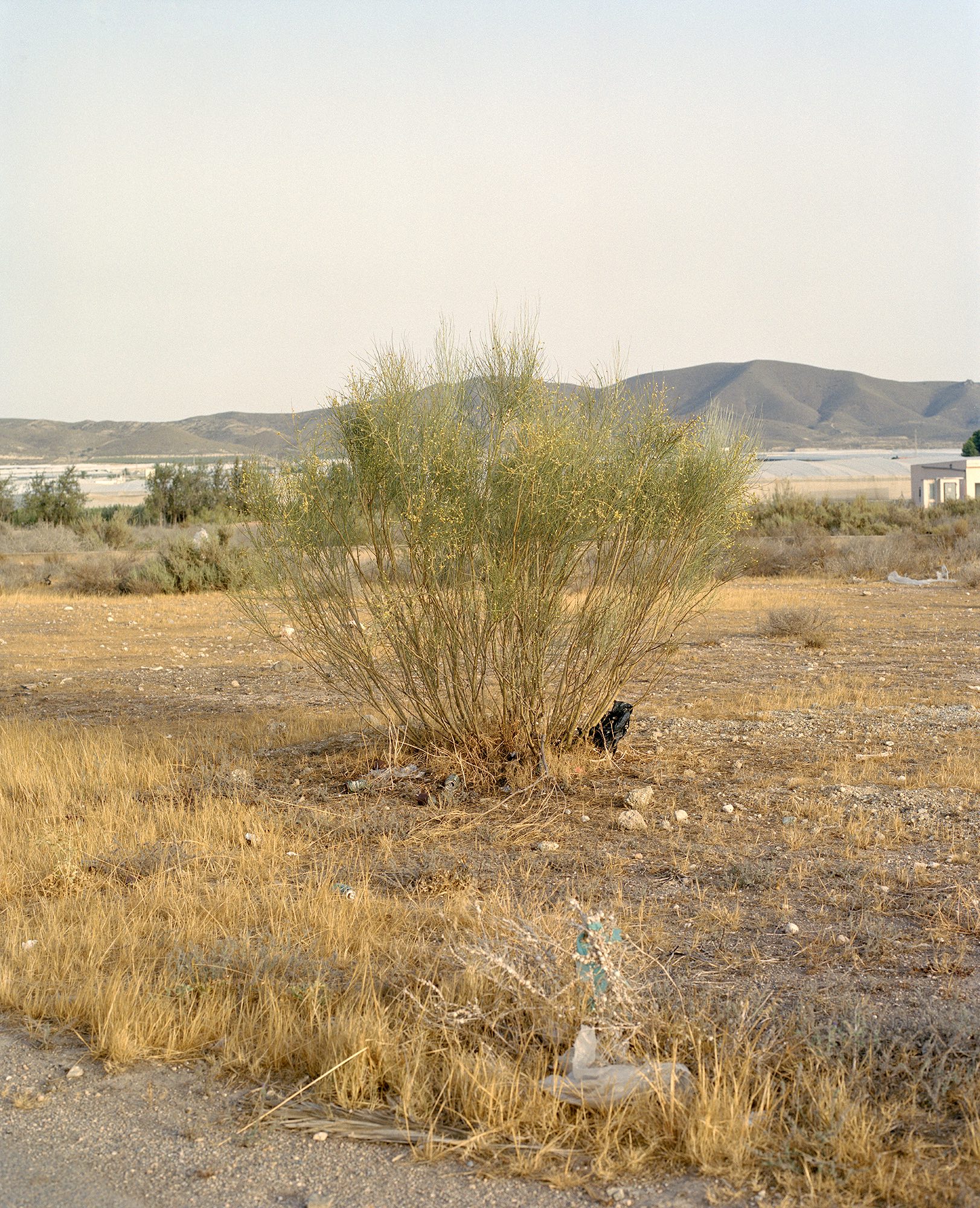
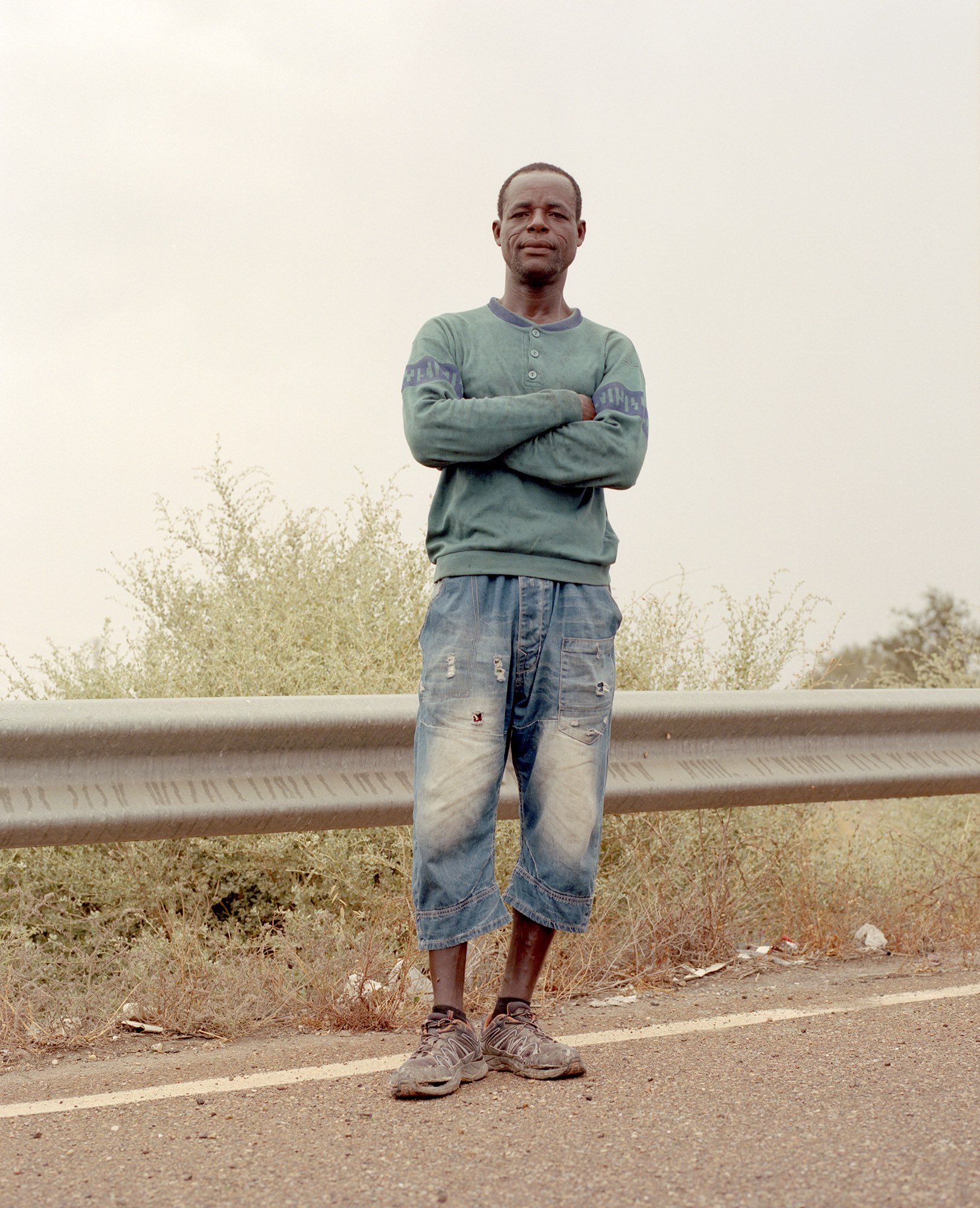
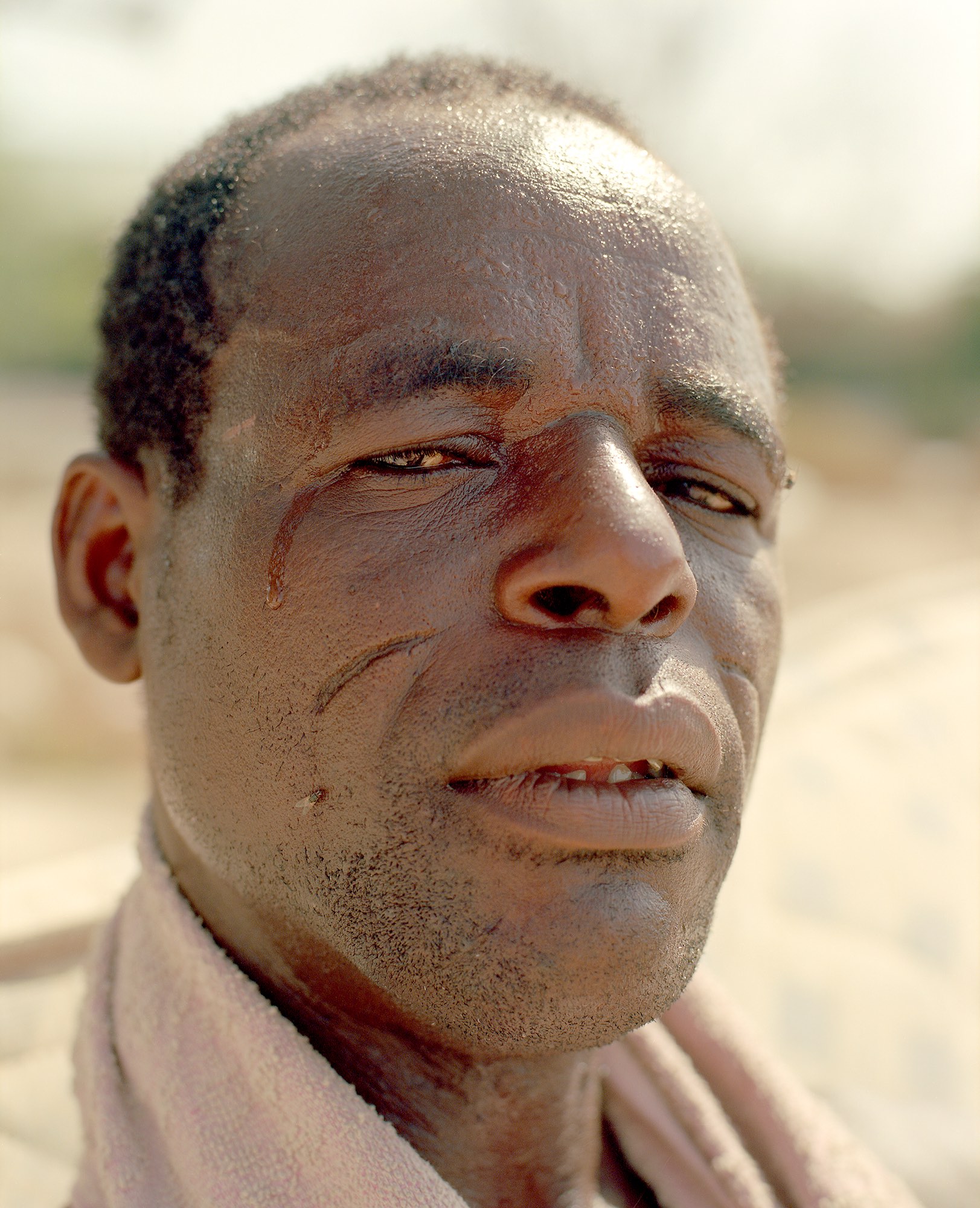
Over the ten days I spent in Almeria, I experienced an uneasy sense of isolation, a disconnect between the bustling tourist areas and the marginalisation permeating greenhouse life. Most locals and tourists were unaware of the appalling living and working conditions of migrants, many of whom travelled long distances in search of work only to be paid little money, if they were even paid at all.
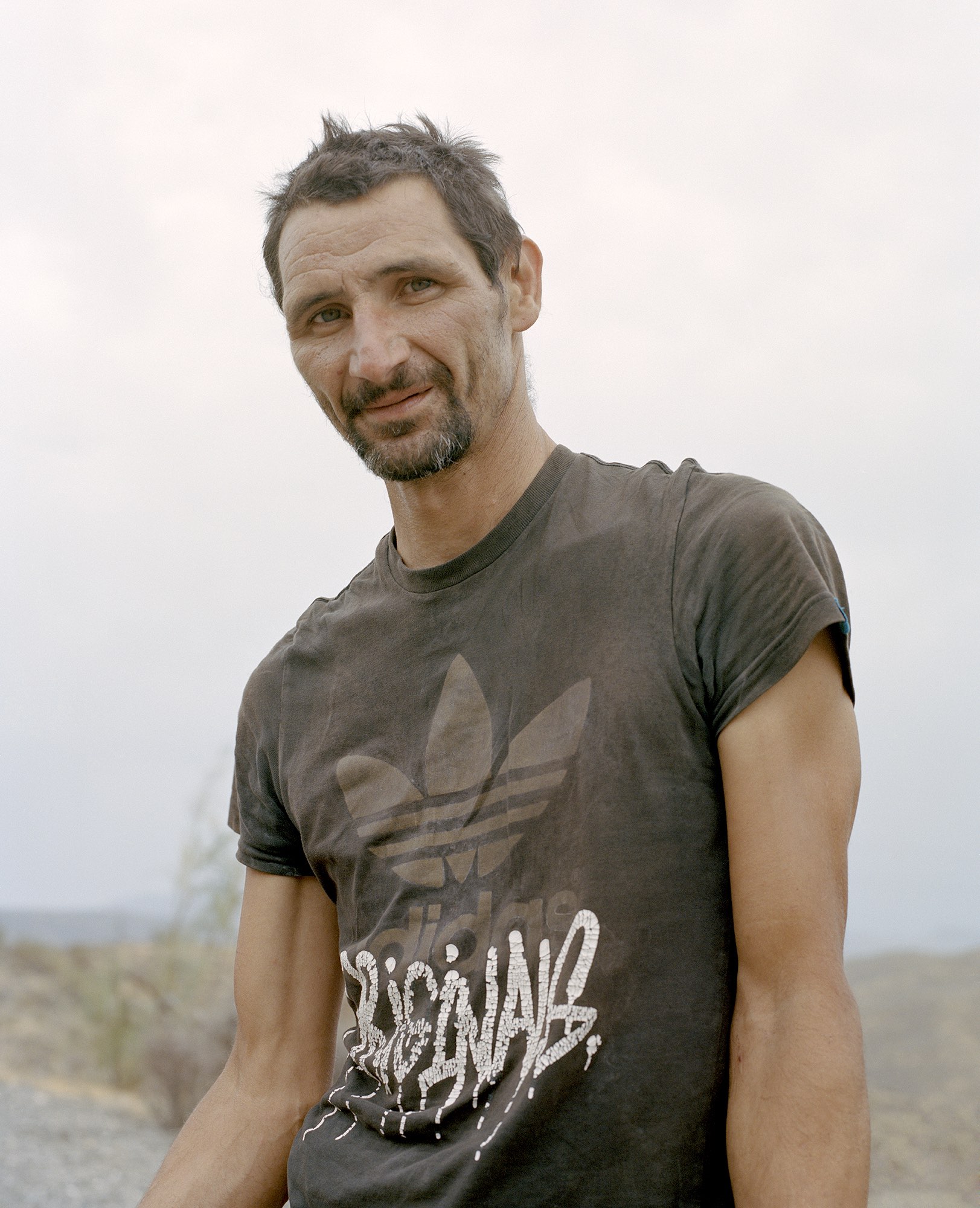
It wasn’t easy to get the workers, my subjects, to open up, and it’s not hard to see why. Some had come from Eastern Europe, Sub-Saharan Africa and Morocco, so there was a language barrier from the get go, but I found that people were reluctant to have their photograph taken too, almost as if they were afraid of being caught.
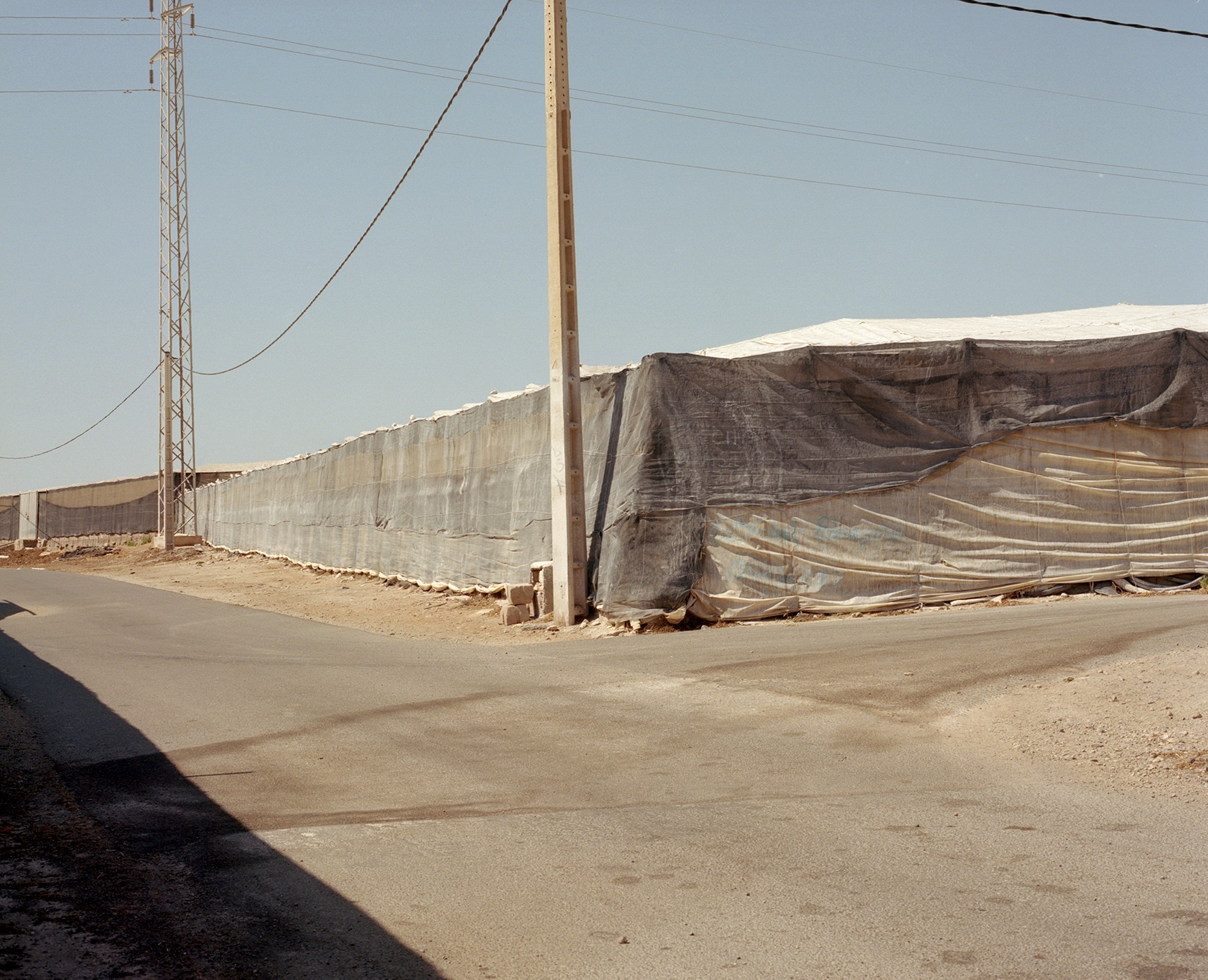
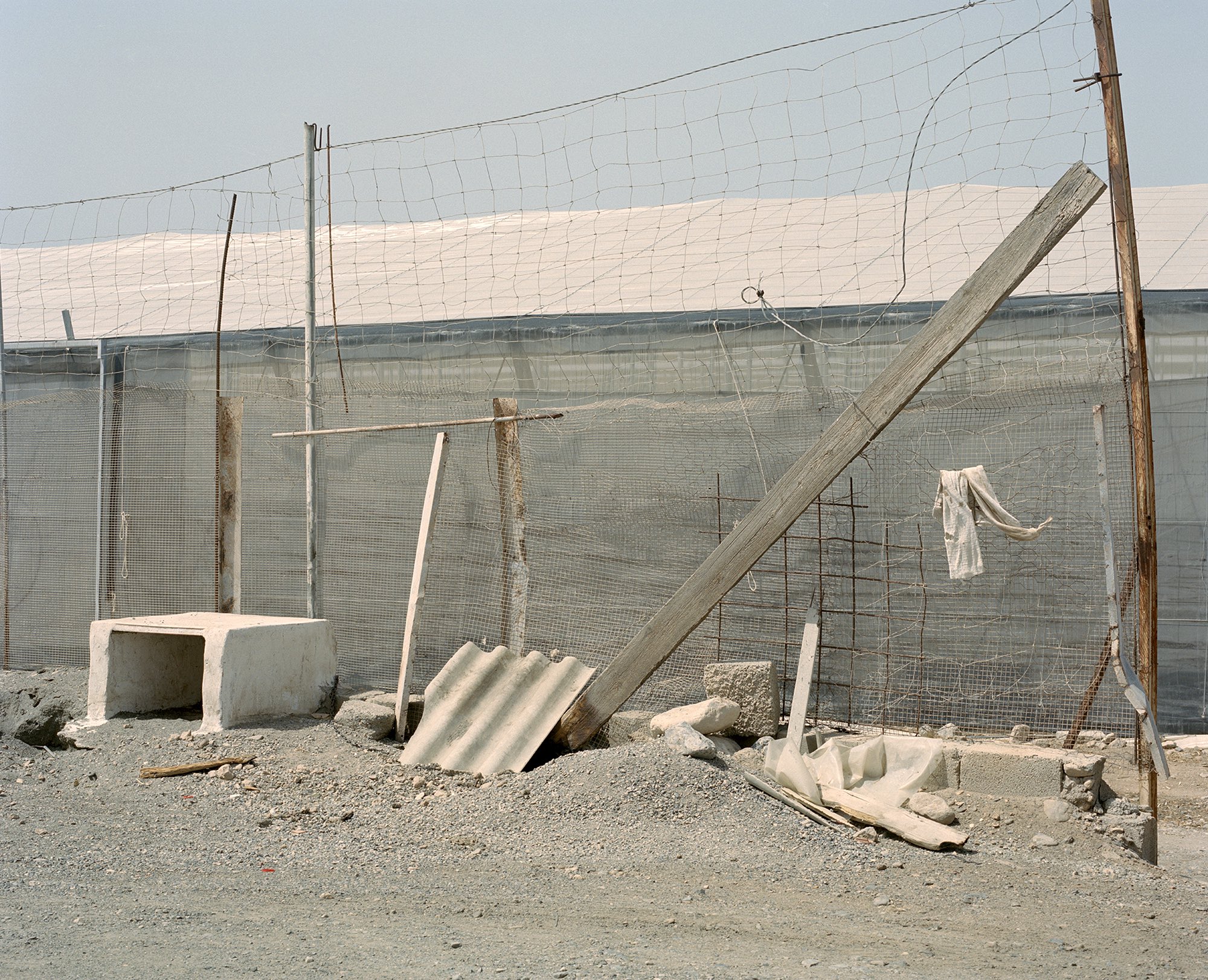
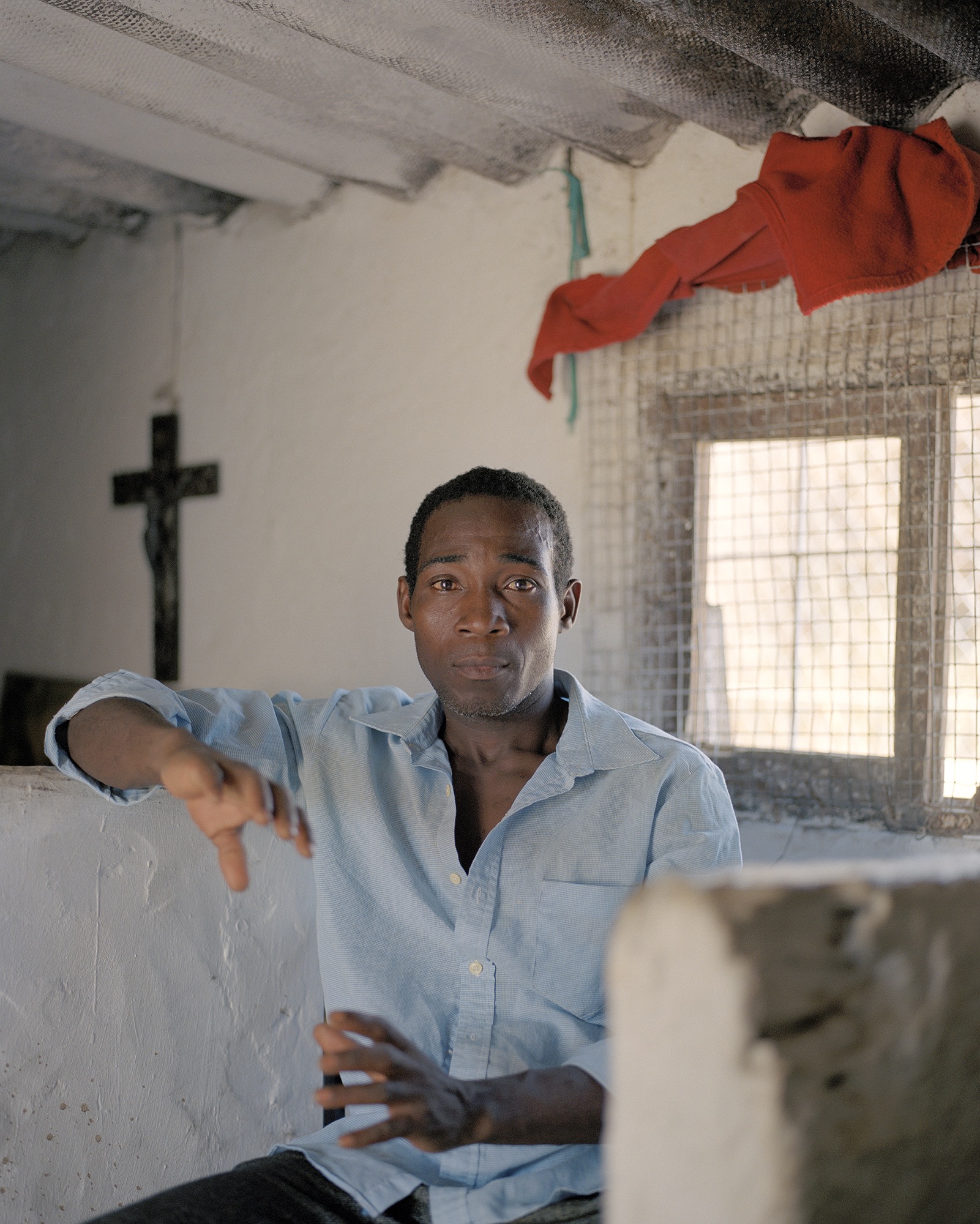
Only one guy who appears in the project welcomed me into his home. He had built a shack to live in, and was sending the money he earned over to his family in Ghana. He was the only one who really opened up to me, introducing me to others who also described the pain and toil of working for so little to support those back at home.
Back in the UK, we would never know this kind of exploitation was occurring. I think people need to know where their food is coming from- there is still so much to learn. Personally, I wouldn’t want the food I had in front of me to have been farmed by someone who lived in a house built from vegetable crates, earning so little for their labour.
Check out more of Matt’s work.
Enjoyed this article? Like Huck on Facebook or follow us on Twitter.
You might like

What went down at Huck’s 20th birthday party
84 issues and counting — We took over east London’s Jaguar Shoes with friends old and new to celebrate two decades and our new issue, with Tony Bontana taking the decks for a special set.

Photos of friends, lovers and afters in Berlin’s party scene
Dreams and How to Keep Them – Vincent Wechselberger’s new monograph documents a decade of hedonism in the German capital, and the people he met along the way.

Inside the Los Angeles scene kid revival
The Rawring ’20s — For the cover of Huck 84, photographer Alexis Gross and writer Anna Zanes meet the latest faces of scene, who are finding freedom to express themselves through its technicolour, unafraid aesthetic.

Introducing our new issue of Huck Magazine: It Starts With Us
Huck 84 — For our second 20th anniversary issue, we spotlight 20 people and groups providing the world with a hopeful future.

The sharp rise of video game photography
Point, shoot — As the entertainment medium’s fidelity levels increase and developers build more powerful tools, a growing community of gamers are pushing the boundaries of image making in virtual worlds. Vicky Jessop meets people at the forefront of the emerging artform.

Joyous photos from the heart of the UK’s radical free festival movement
Common Grounds — The photographer has been capturing British counterculture for the past half century. A new exhibition looks at his archive sitting at the intersection of music, community and grassroots protest.


