10 Latinx photographers share their vision of El Barrio
- Text by Miss Rosen

In the years following World War II, America’s Latinx communities were becoming increasingly marginalised and misrepresented.
The Latinx immigrants joined African Americans who fled the South during the Great Migration, one of the largest, most rapid movements in history. Cities became the point of arrival for millions of migrants, who entered into established communities where their cultures took root, such as Spanish Harlem, the South Bronx, and East Los Angeles.
Many of their stories have largely gone untold, and E. Carmen Ramos, Smithsonian American Art Museum’s deputy chief curator and curator of Latino art, aims to correct this.
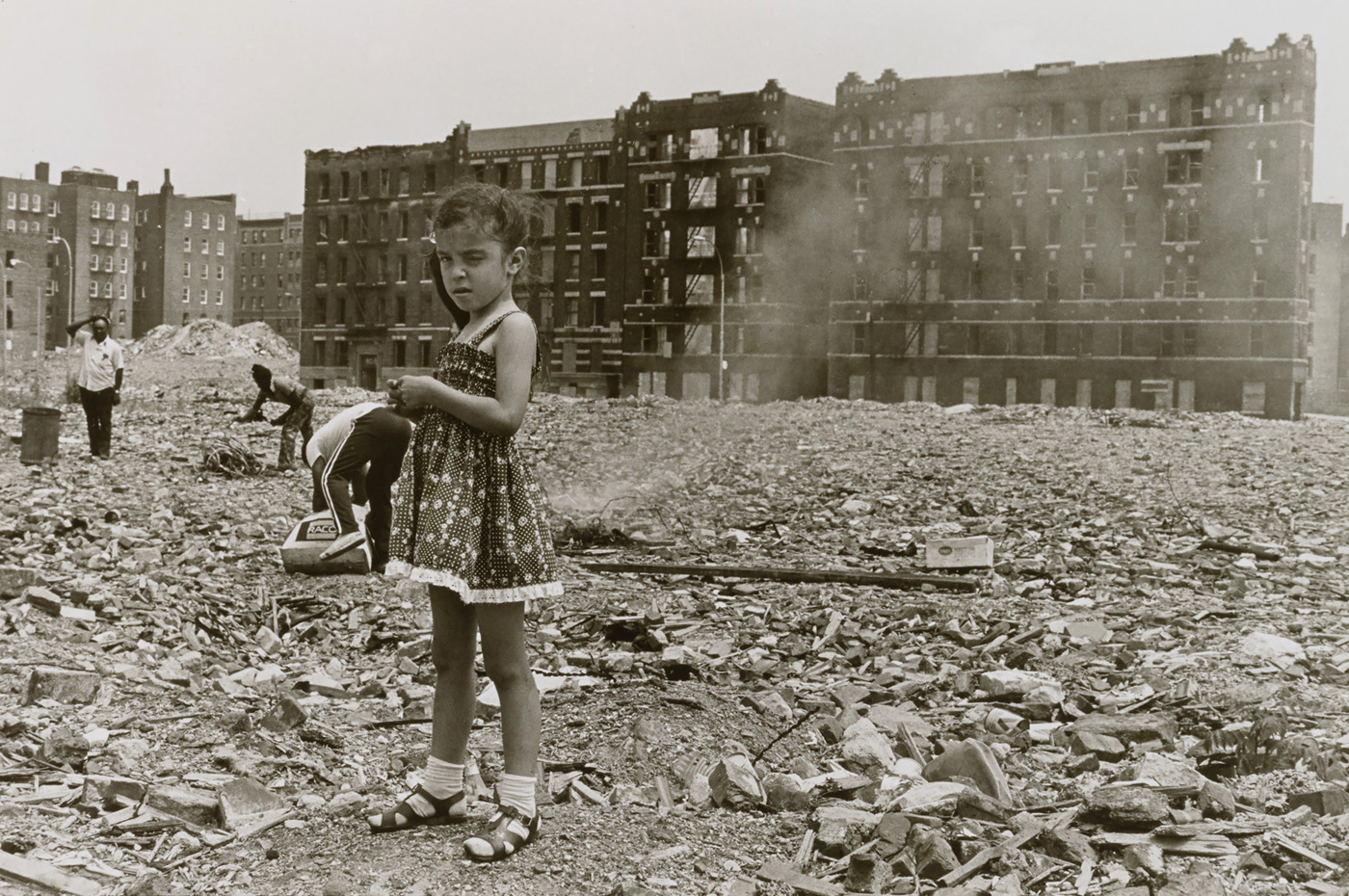
Perla de Leon, My Playground, 1980
In Down These Mean Streets: Community and Place in Urban Photography, Ramos has organised the work of 10 Latinx photographers – Manuel Acevedo, Oscar Castillo, Frank Espada, Anthony Hernandez, Perla de Leon, Hiram Maristany, Ruben Ochoa, John Valadez, Winston Vargas, and Camilo José Vergara – who documented their communities as insiders.
“The exhibition was inspired by the acquisition of works by Frank Espada, who passed away in 2014,” Ramos reveals. “I was familiar with his work but hadn’t studied it closely, and I had an opportunity to meet with the family and look at the work in a closer way. Frank is like a lot of other Latinx artists — there isn’t a lot of scholarship on his work that positions him in the history of photography, or anything. I had to do that work on my own.”
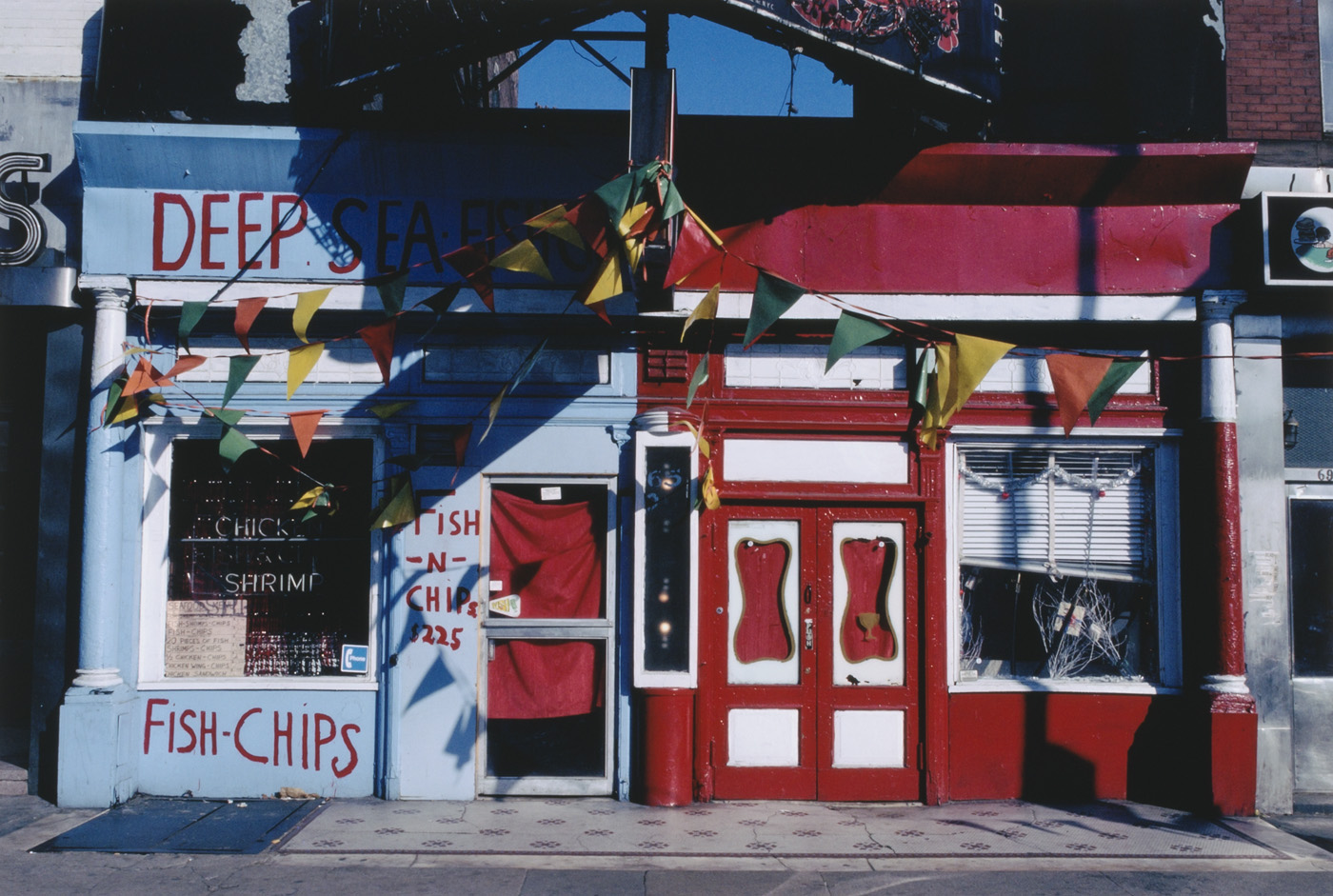
Camilo José Vergara, 65 East 125th Street, Harlem, 1980
Drawn to different approaches, Ramos brought together a group of artists to create a multi-faceted look at the struggles and triumphs of Latinx life in a profoundly human way.
“One of my favourite images is by Perla de Leon, which is an image of a casita built on top of the rubble of a demolished building in the South Bronx. The casita, which is meant as a community-gathering site, was it is painted with the flags of all the different immigrant communities that are living there. The community was staking its claim to this space at a time when the South Bronx was on fire.”
“I felt there was a real connection between the perspective of Piri Thomas writing his book and the perspectives of the artists in this exhibition. They are acknowledging the neglect, but they are also reading the space in a way that affirms the perspective of the communities they were photographing. There is a critique at the same time there is a love of the communities that existed there.”
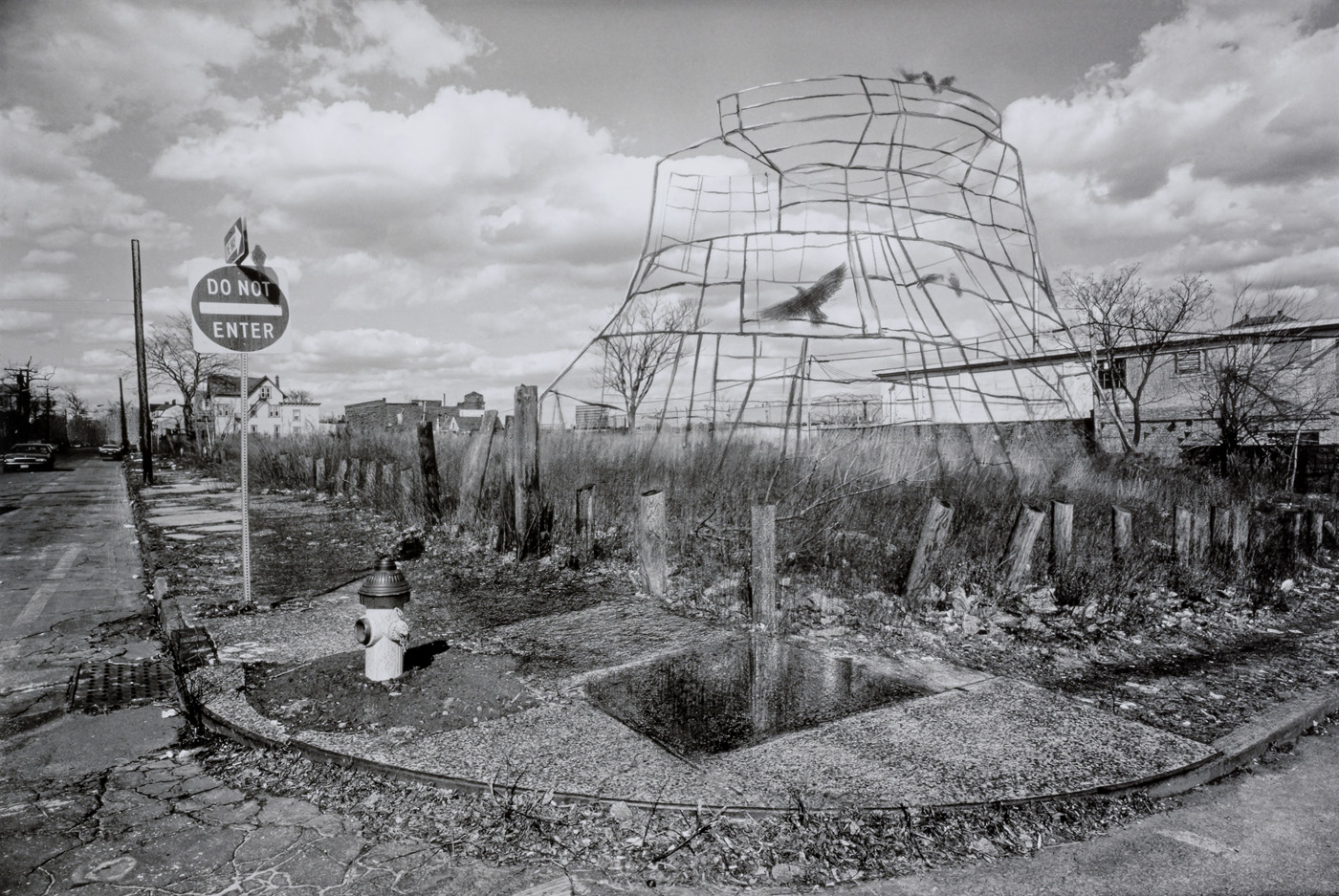
Manuel Acevedo, Altered Sites #7, 1998
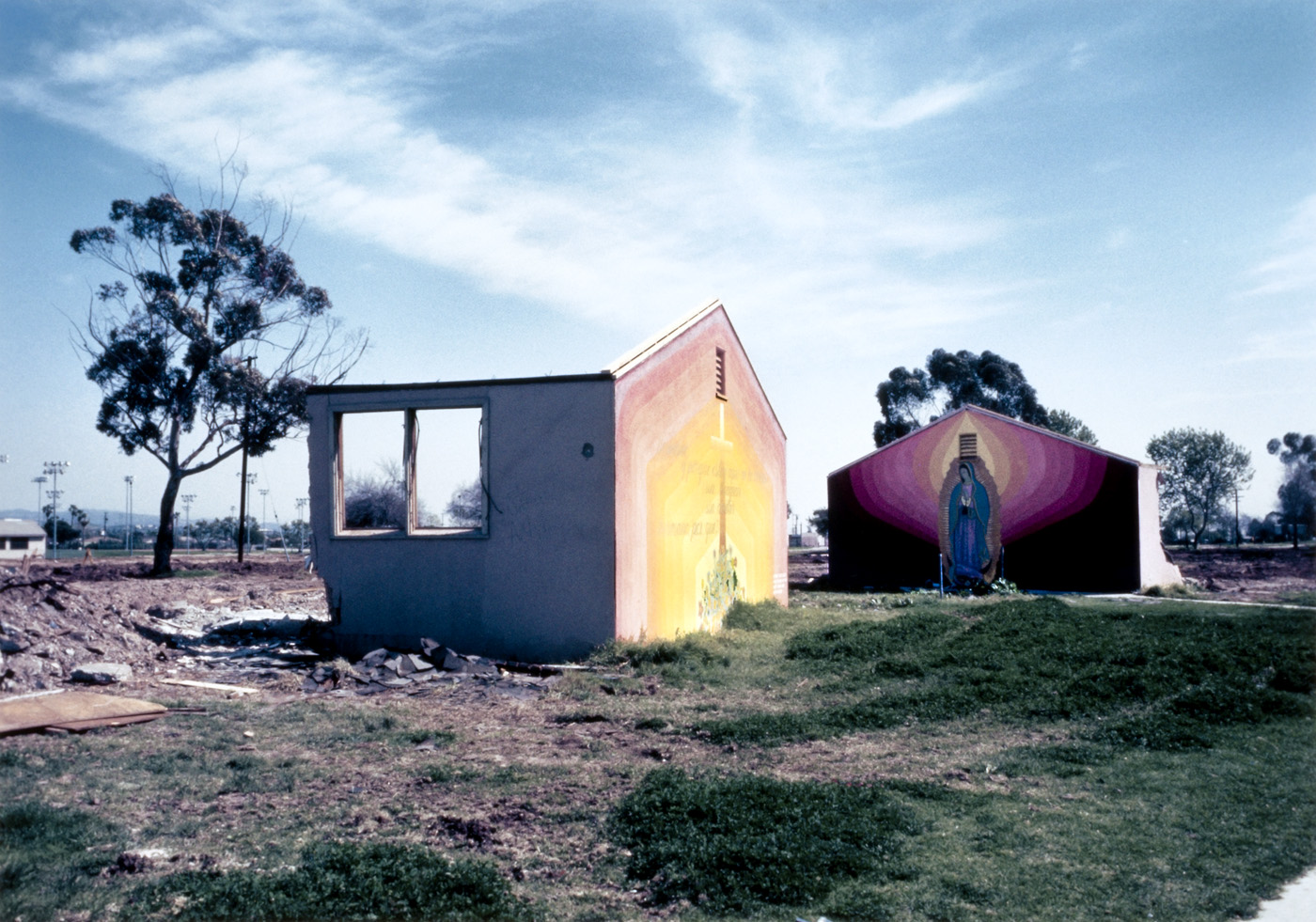
Oscar R. Castillo, Shrine of the Virgin of Guadalupe at Maravilla Housing Project, Mednik Avenue and Brooklyn
Avenue, East Los Angeles, early 1970s
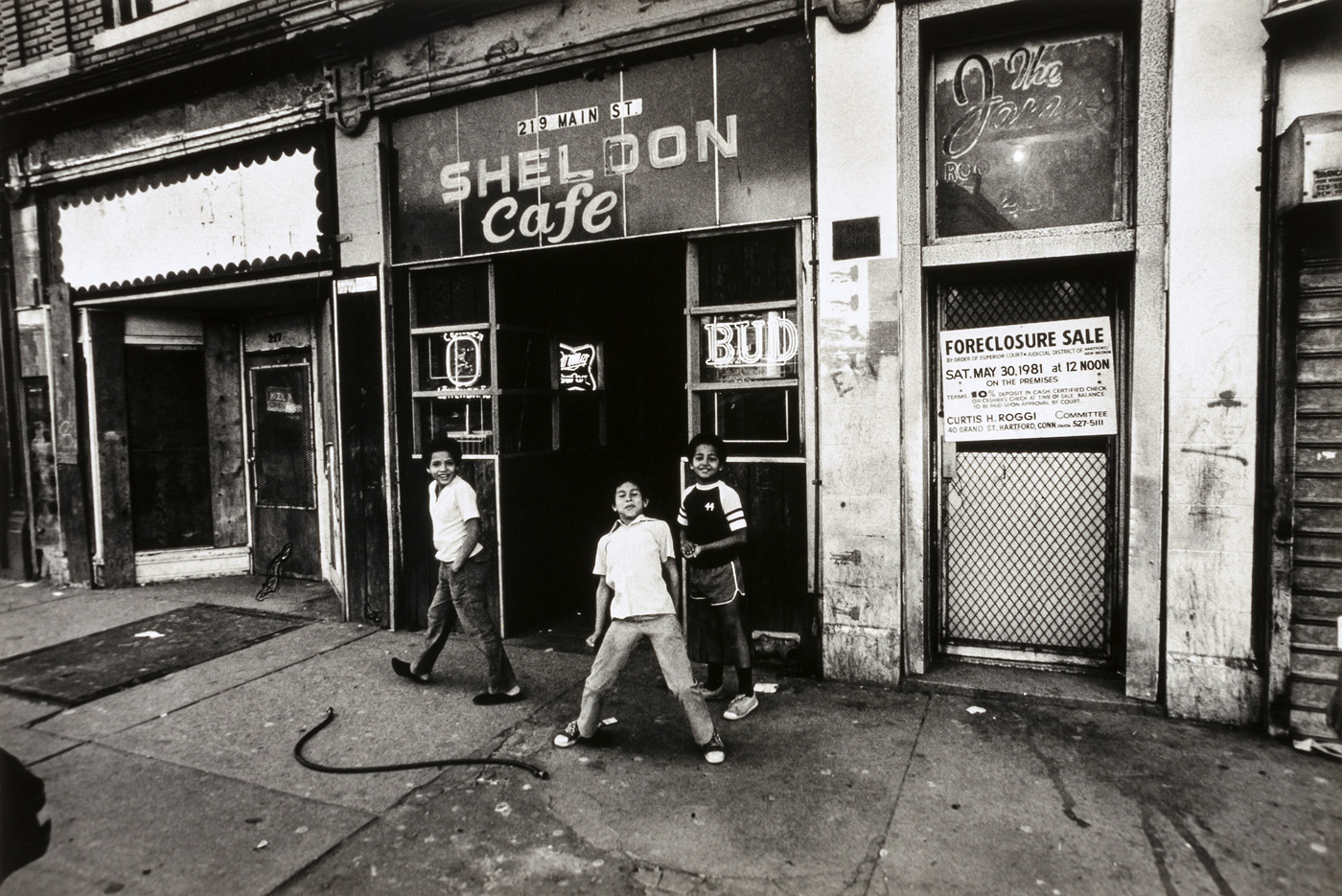
Frank Espada, Untitled (Three boys, Sheldon Cafe, Hartford, Connecticut), 1981
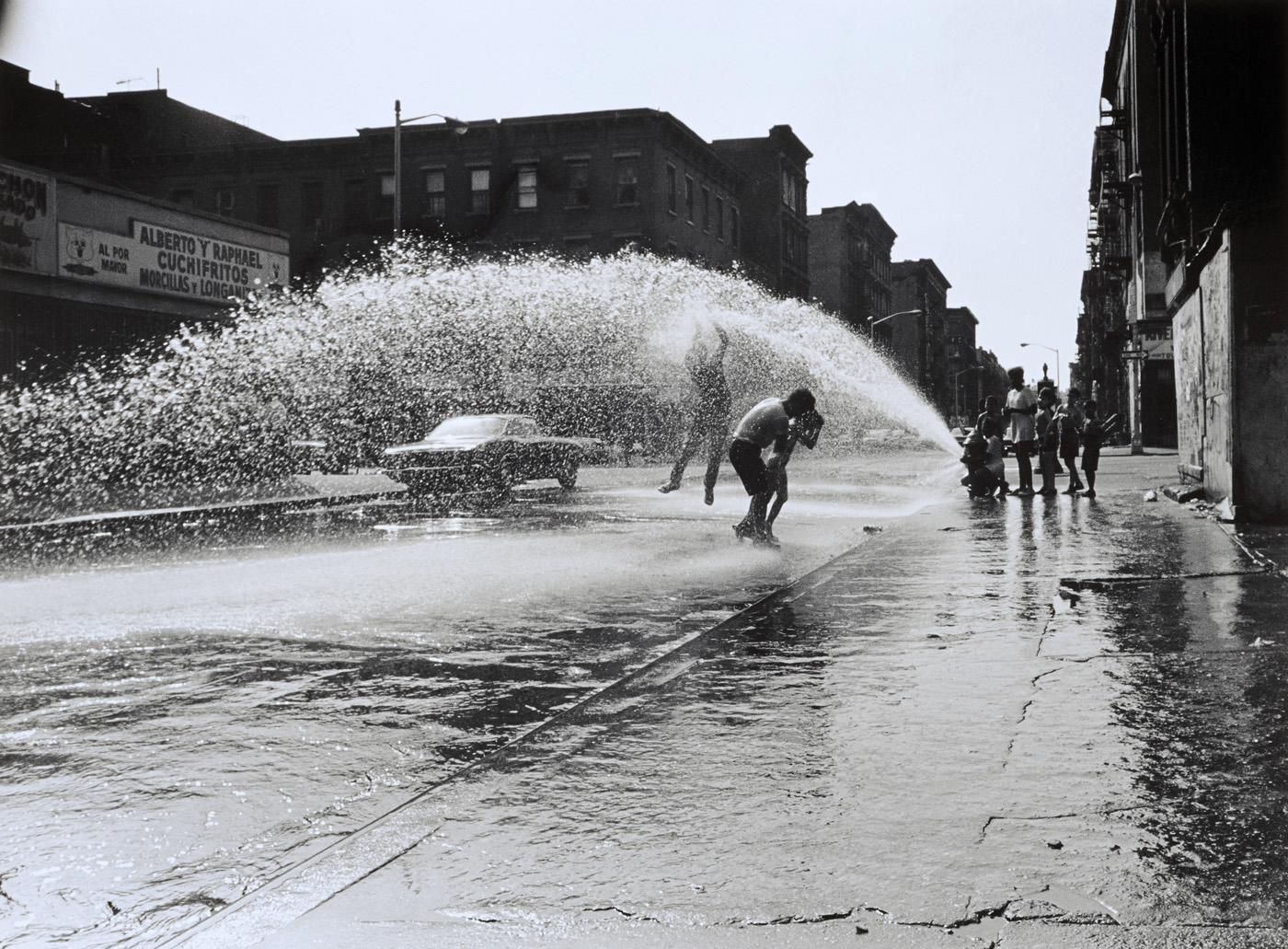
Hiram Maristany, Hydrant: In the Air, 1963
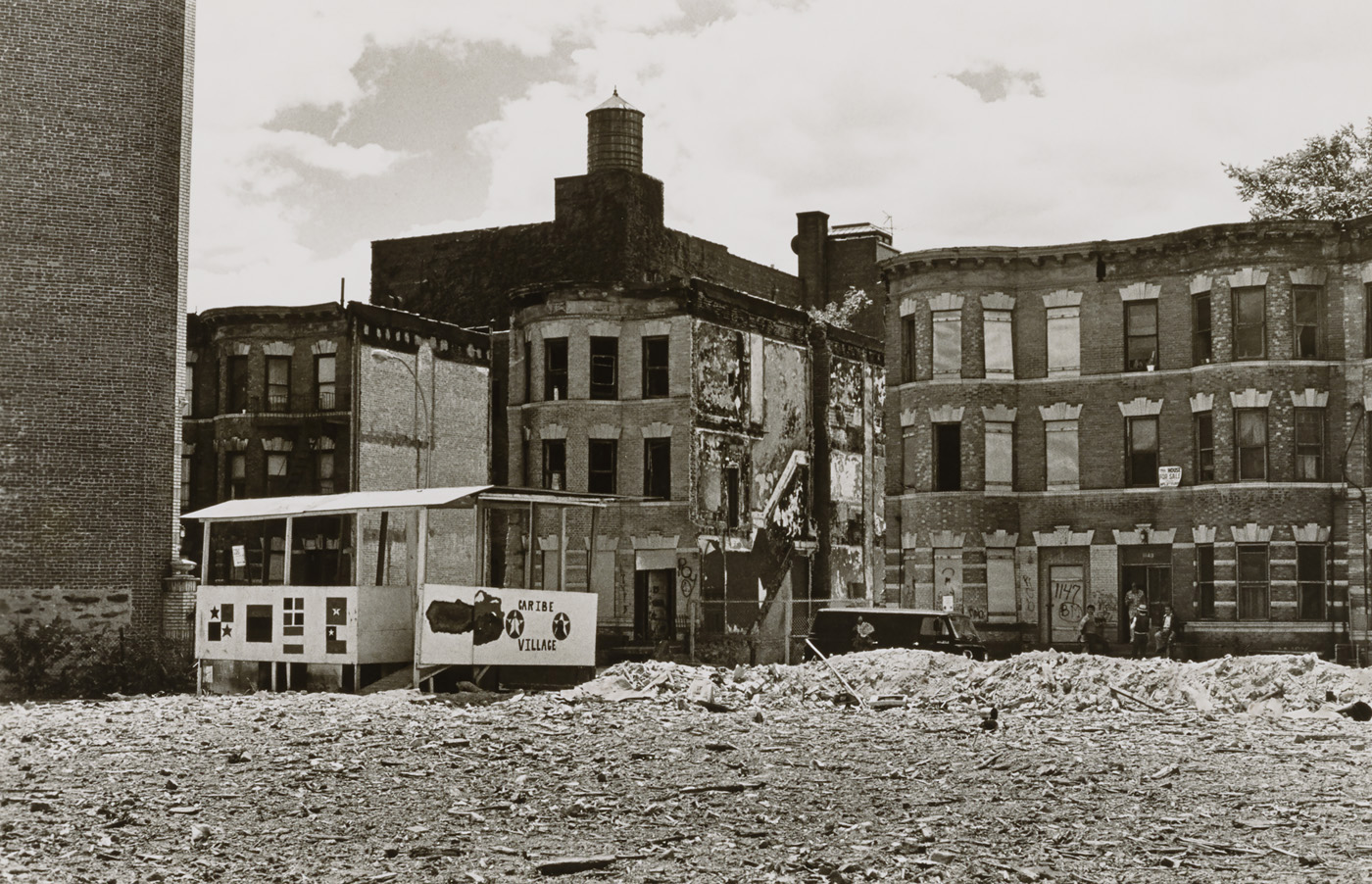
Perla de Leon, Caribe Village, South Bronx, 1980
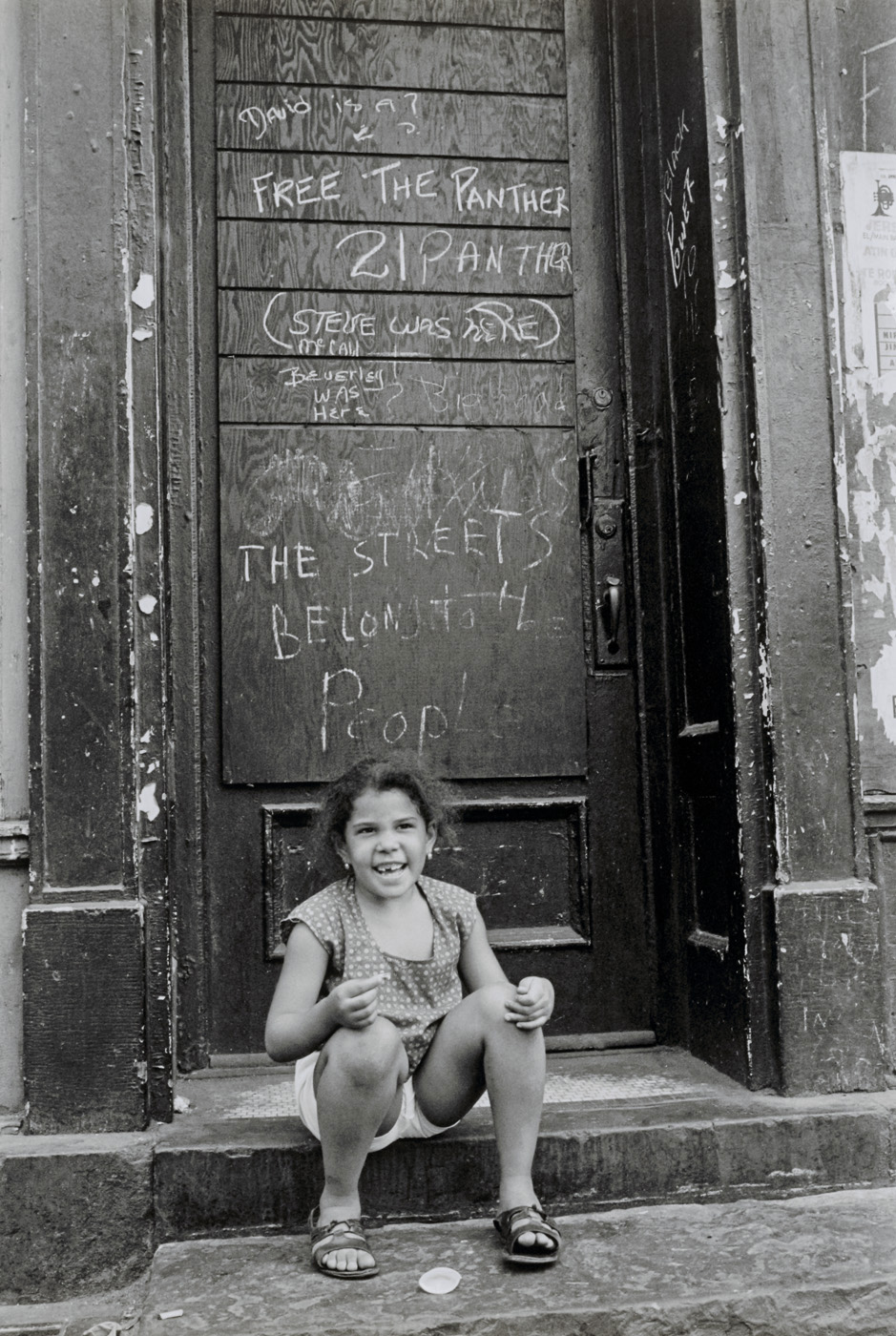
Winston Vargas, Child Playing, Washington Heights, New York, 1970
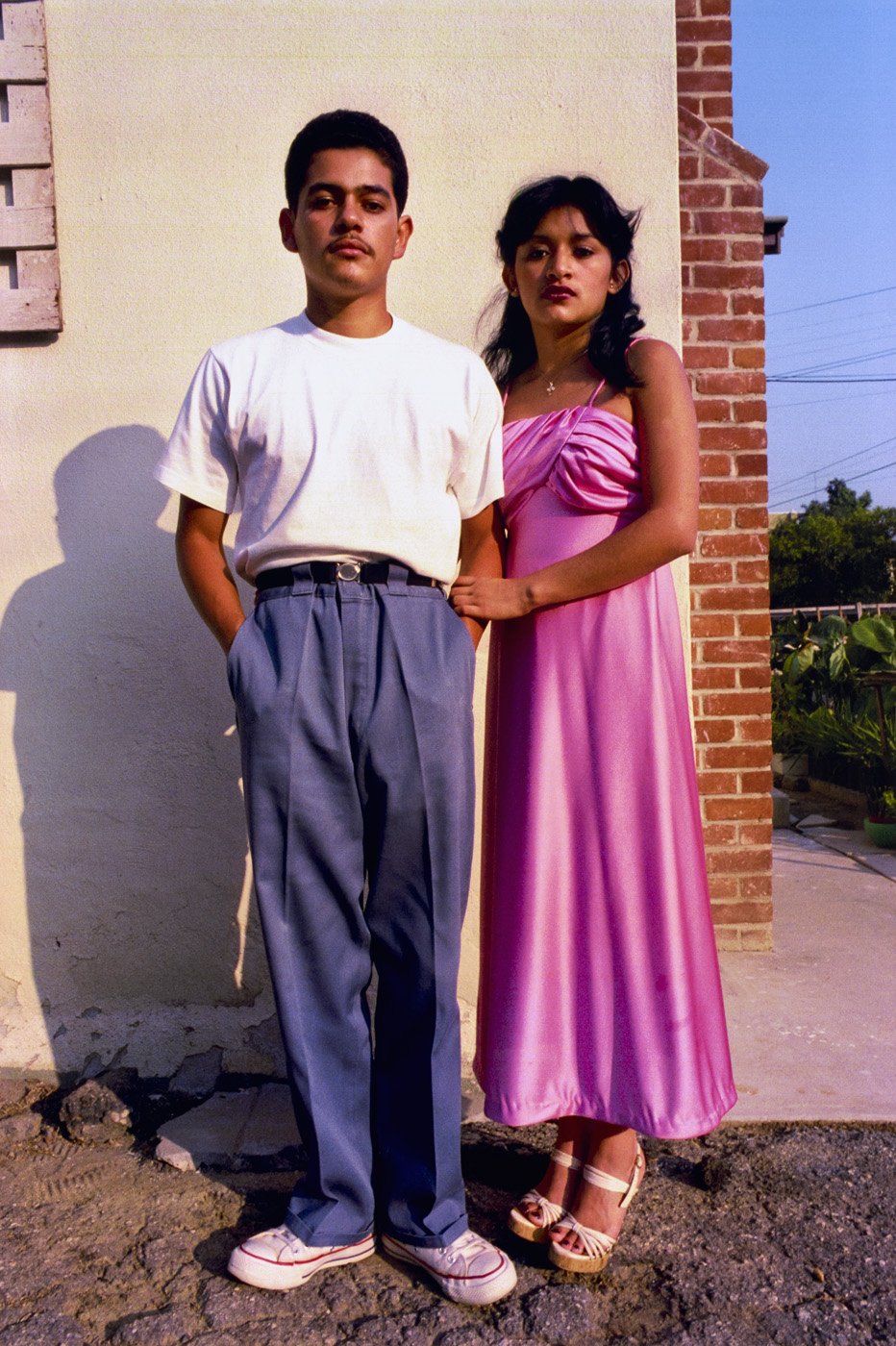
John M. Valadez, Couple Balam, from the East Los Angeles Urban Portrait Portfolio, ca. 1978
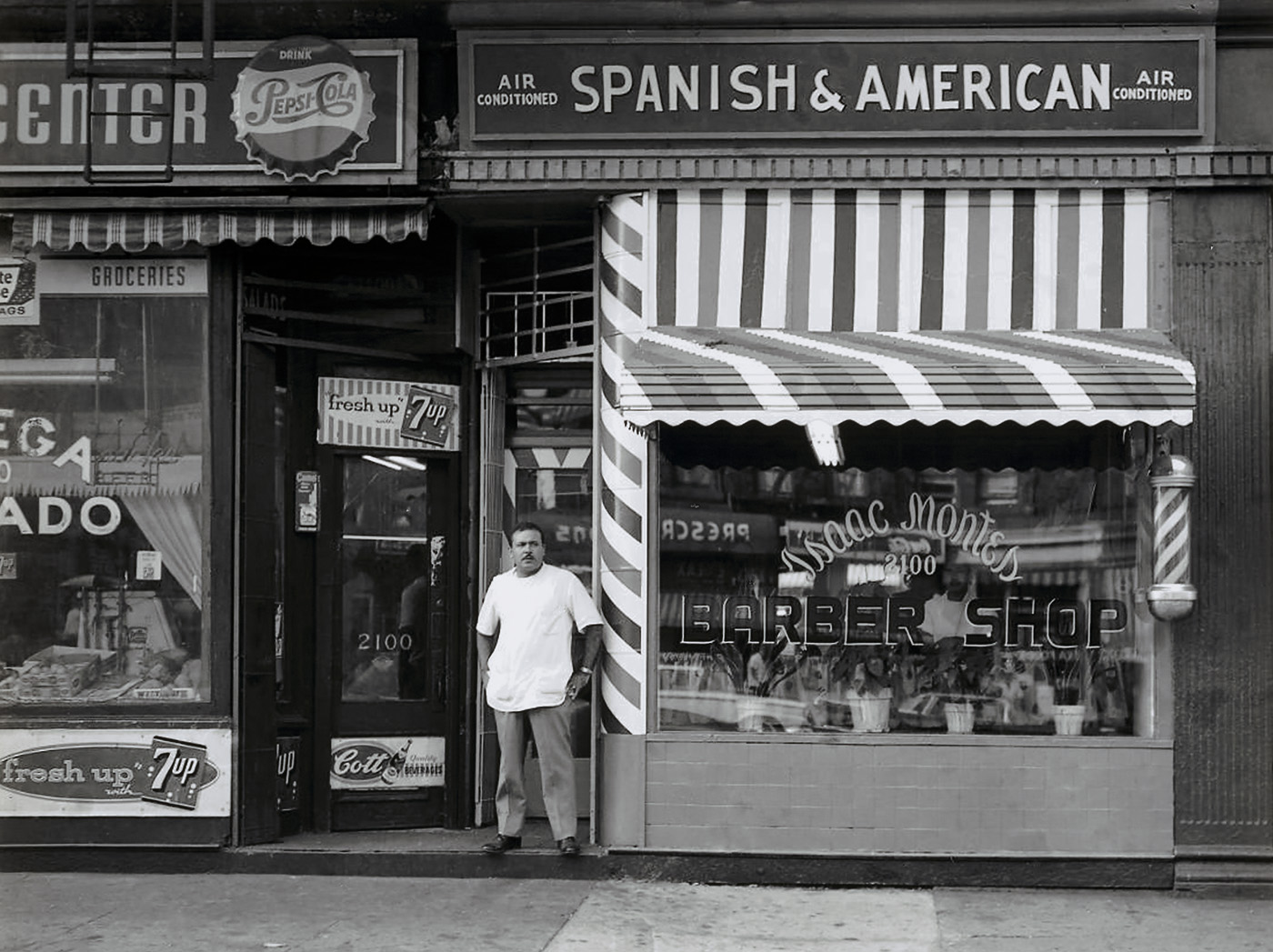
Winston Vargas, Barbershop, Washington Heights, New York, 1961
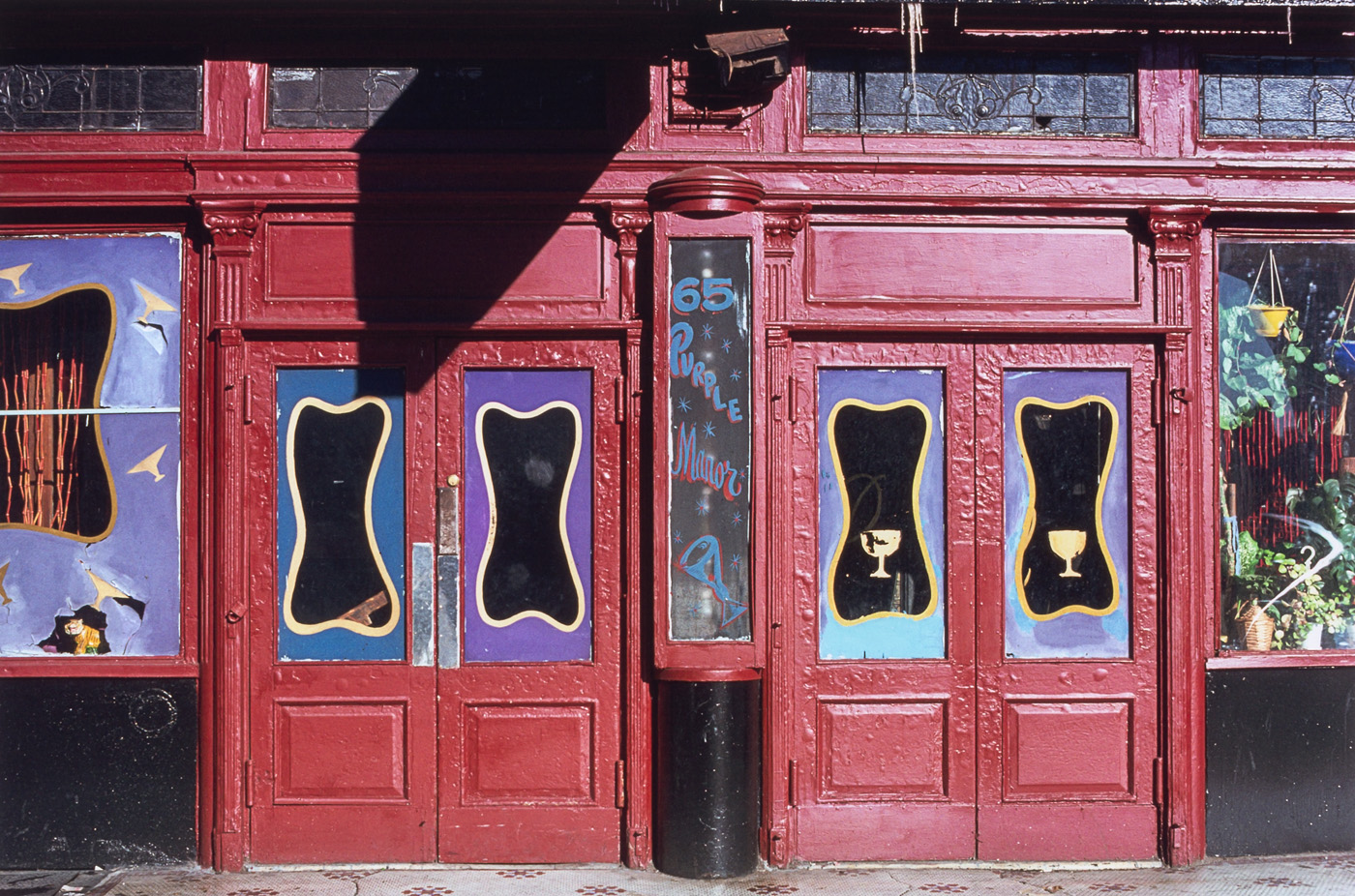
Camilo José Vergara, 65 East 125th Street, Harlem, 1977
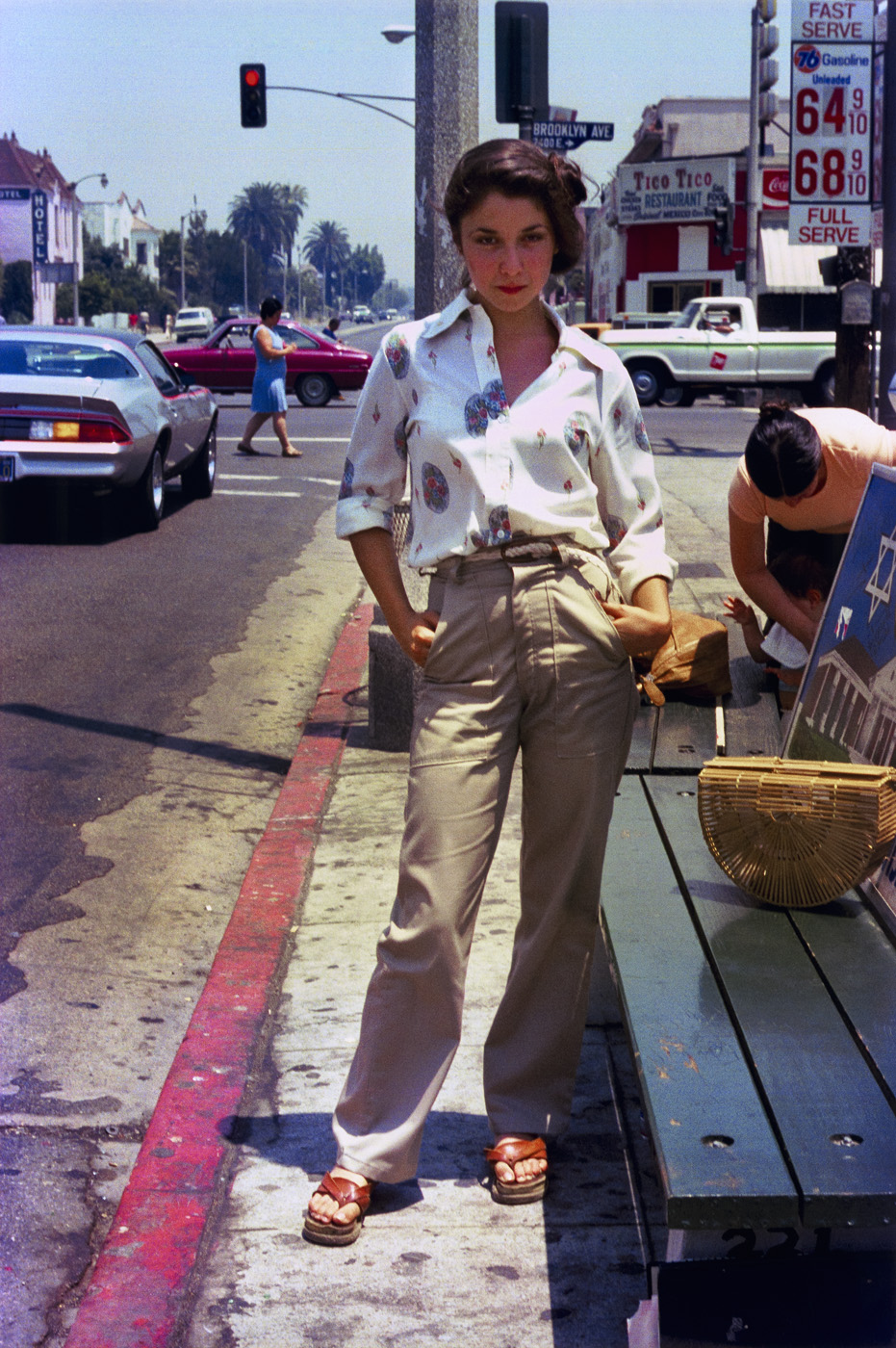
John M. Valadez, Brooklyn and Soto, from the East Los Angeles Urban Portrait Portfolio, ca. 1978
Down These Mean Streets: Community and Place in Urban Photography is on view at El Museo del Barrio, New York, now through January 6, 2019.
Follow Miss Rosen on Twitter.
Enjoyed this article? Like Huck on Facebook or follow us on Twitter.
You might like

The raw, fledgling intimacy of Peter Hujar’s contact sheets
Hujar:Contact — A new photobook highlights the process of the legendary queer photographer, and his process of growing into the artist he ultimately became.
Written by: Miss Rosen

Jesse Glazzard’s messy portrait of queer friends, lovers and chosen family
The Sound of Dirt and Beauty — The photographer’s debut monograph explores tender, unpolished moments shaped by the people who he surrounds himself with, while offering a window into the UK’s working-class LGBTQ+ community.
Written by: Sunny Sunday

Behind the curtain at Alternative Miss World 1981
Olympia glamour — Running a subversive take on the traditional beauty pageant, the Andrew Logan organised event prioritised underground creativity and invention. Photographer David Corio went behind the scenes at its biggest edition.
Written by: Miss Rosen

New exhibition highlights British radical living over 200 years
Earthly Paradise — Taking place at the William Morris Gallery, it explores the homes and lives of artists, writers, musicians and more, as well as the conditions that allowed them to thrive.
Written by: Isaac Muk

What life on the Strait of Hormuz is really like
Southern Winds — Bandar Abbas based photographer Morteza Niknahad has been capturing the diverse communities and stories of his local region since he first picked up a camera. His new series highlights the human impact of war.
Written by: Isaac Muk

Nick Haymes’s intimate portrait of his family’s life
Chronograph — Over 25 years, the photographer documented his son’s lives as they grew into adults. The resulting photobook is an exploration of the passage of time, as well as the optimism of youth.
Written by: Miss Rosen


