
This year, London’s legendary 100 Club celebrates its 75th birthday. During this time, the Oxford Street venue has become a stalwart of the city’s underground music scene, hosting some of punk’s most influential icons – from the Sex Pistols and Siouxsie and the Banshees, to The Clash and The Fall.
This rich cultural legacy is being celebrated in a new book from London publishing house Ditto. 100 Club Stories – which is made in collaboration with Fred Perry –is a collection of photos, stories and paraphernalia taken from across the venue’s history.
“You don’t get to be around for 75 years as a small business without doing something right, especially as a venue,” explains Ditto founder Ben Freeman.
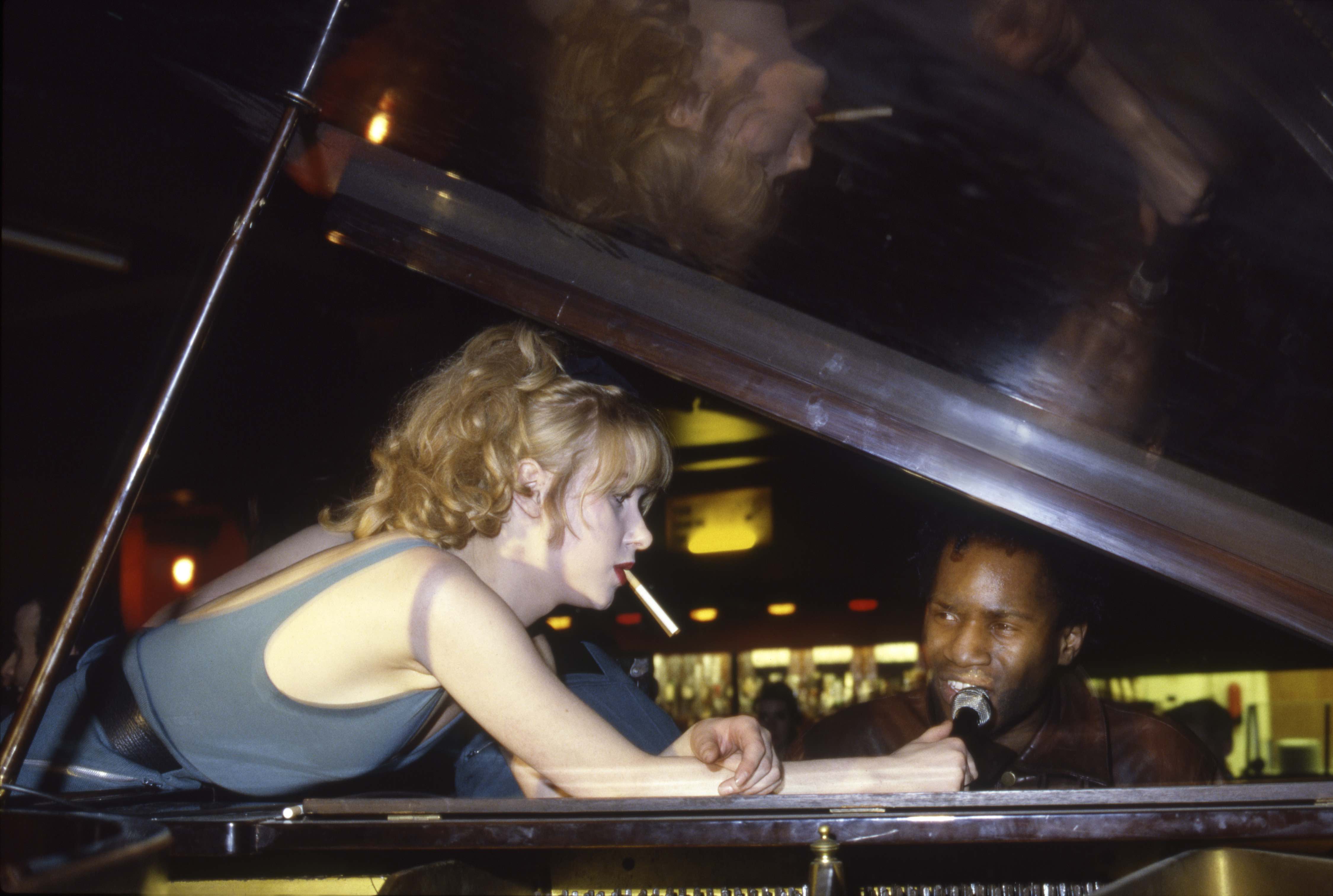
Dencil’s Sexy Chocolate Bar by Dave Swindells
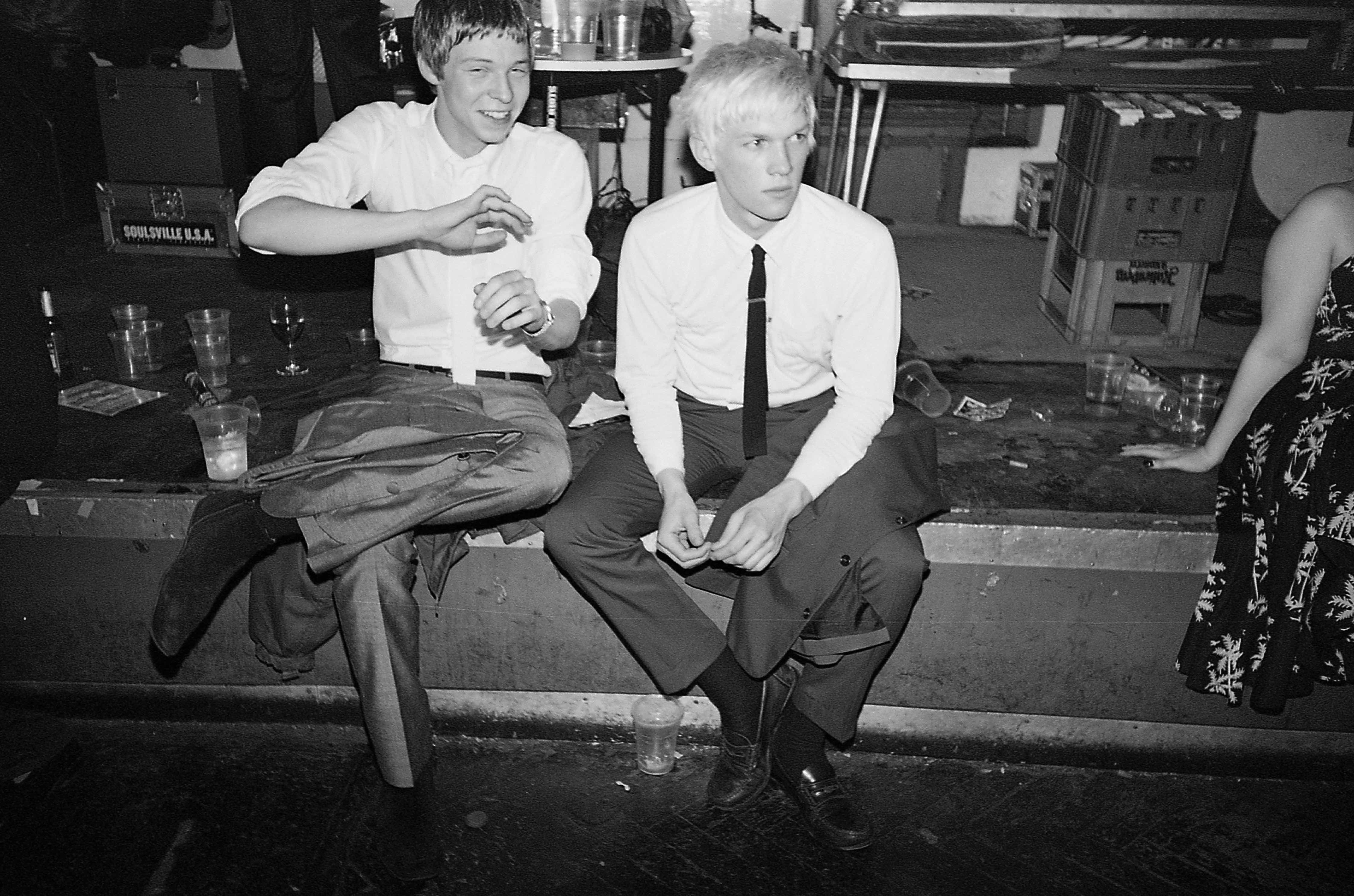
Dancers take a break by Emily Beaver
“The club was very welcoming of everyone. At a time when security could be extremely violent and management could be divisive and selective, the 100 Club welcomed everyone – from South African musicians to Oi! Bands – and treated them with due respect.”
Launched in 1942 as the ‘Feldman Swing Club’, the venue quickly became a home for music’s countercultural movements. Throughout the ’40s and ’50s, it became known for hosting global jazz stars like BB King and Muddy Waters, before moving on to punk in the ’70s. (The venue played host to the 100 Club Punk Special – an event headlined by the Sex Pistols, Buzzcocks and The Damned – a historic event that cemented its status as one of the world’s most innovative and exciting music venues).
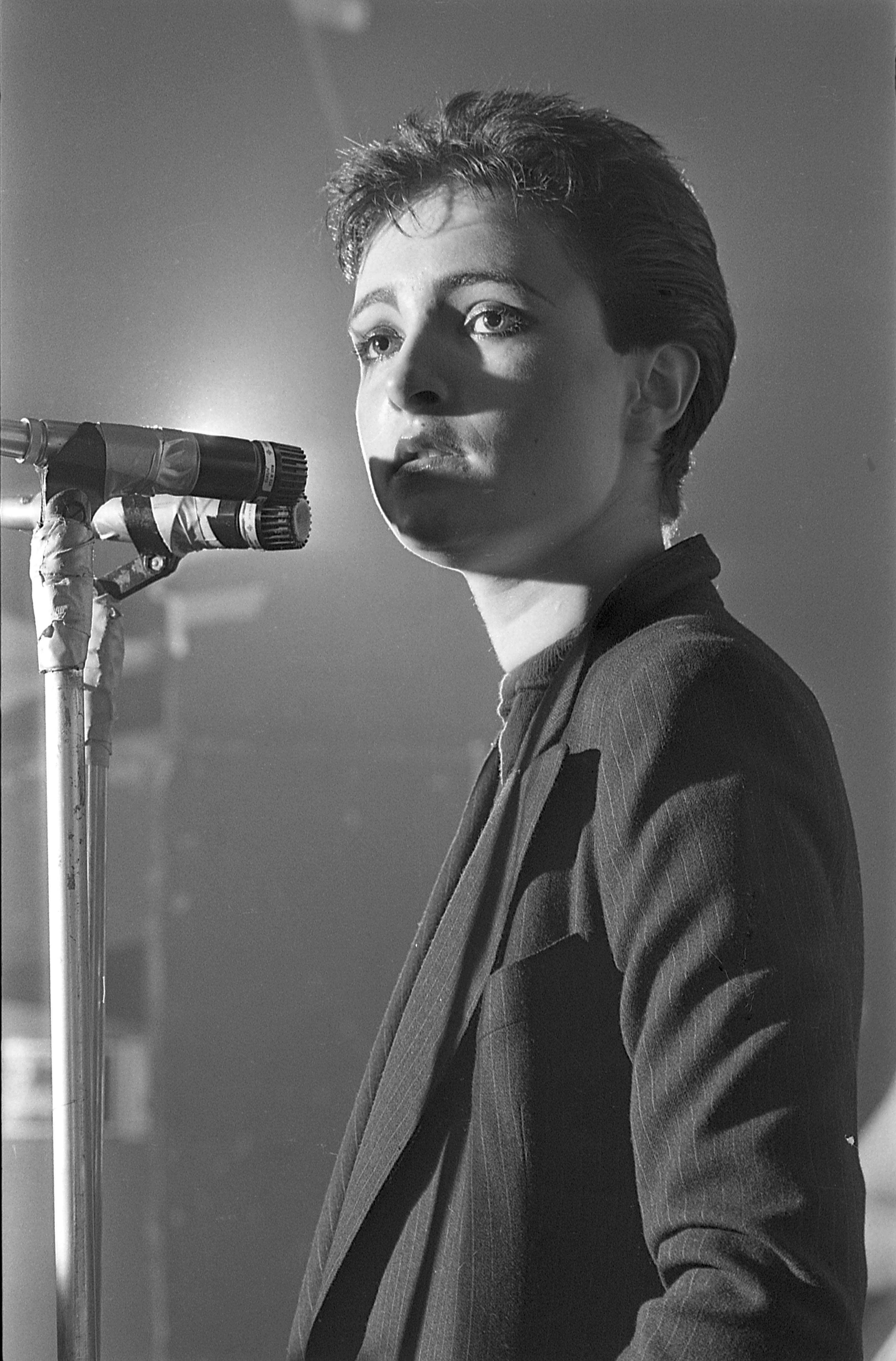
Siouxsie Sioux by Barry Plummer
The book comes at a fraught time for London nightlife, which has been struggling under the weight of the city’s rising living costs. Despite that, the 100 Club shows no sign of subsiding.
“[London nightlife] has just changed over the years,” adds Freeman.“ I think a combination of the smoking ban, rate rises and hostile local councils have made it very hard for pubs and clubs to survive in the way they used to – but I still go out regularly in London and see some amazing new bands, nights and clubs.”
“The UK has pretty much always been exceptional at creating culture, punching way above our weight. I don’t see any sign of this going anywhere.”
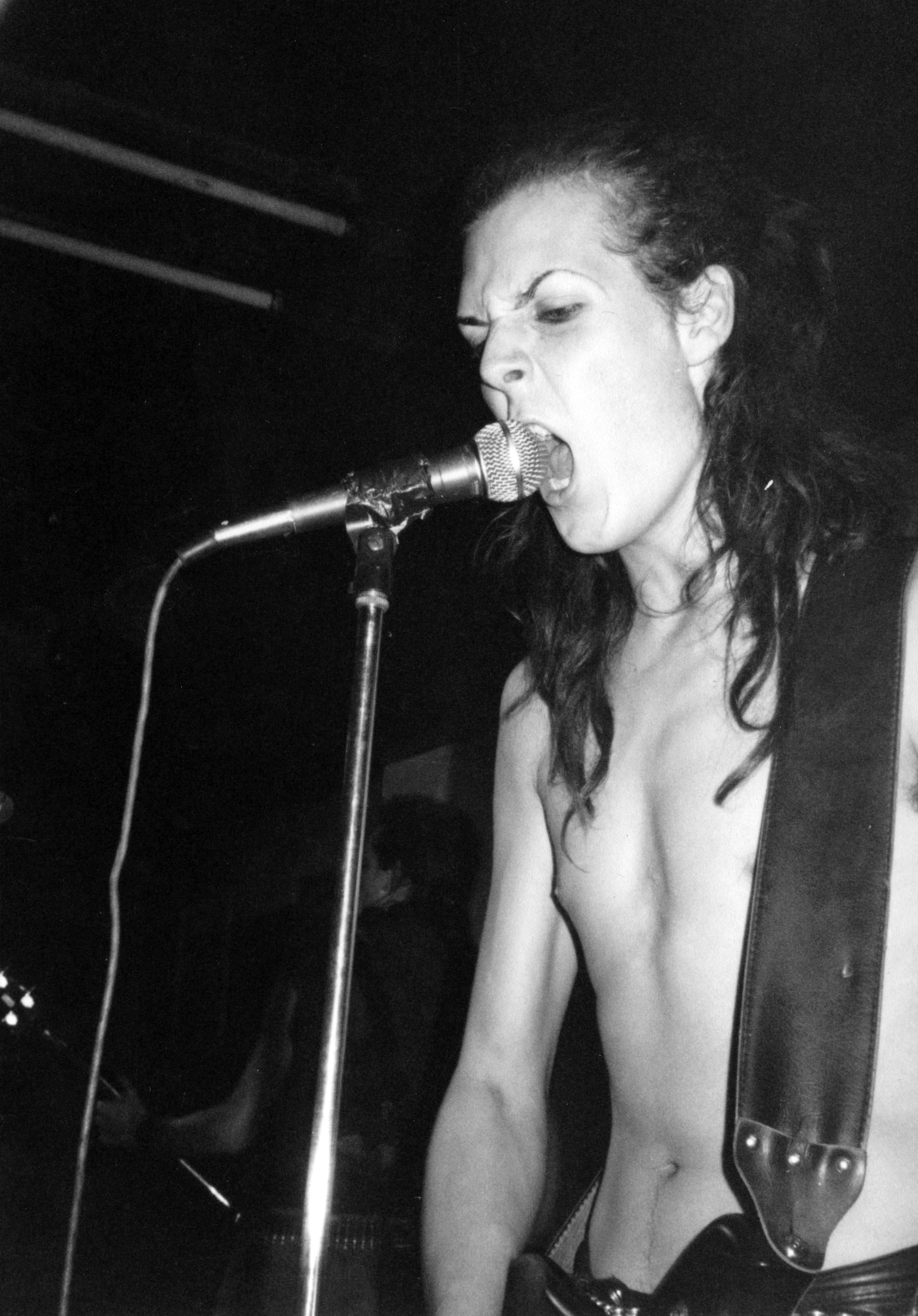
Amebix by Paul May
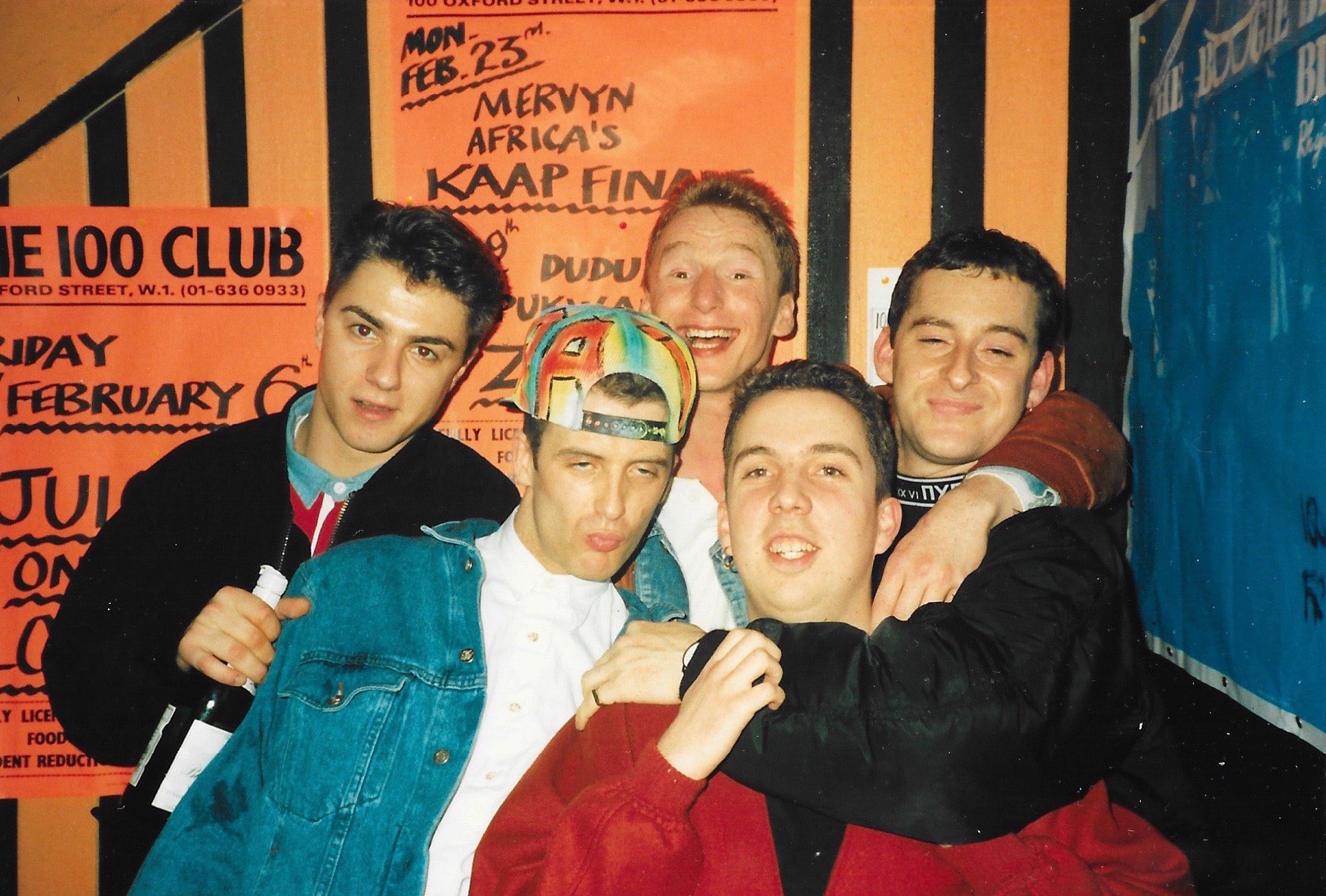
Nite Raid Club Night 1986 by Gary Haisman

Shame by Phoebe Fox
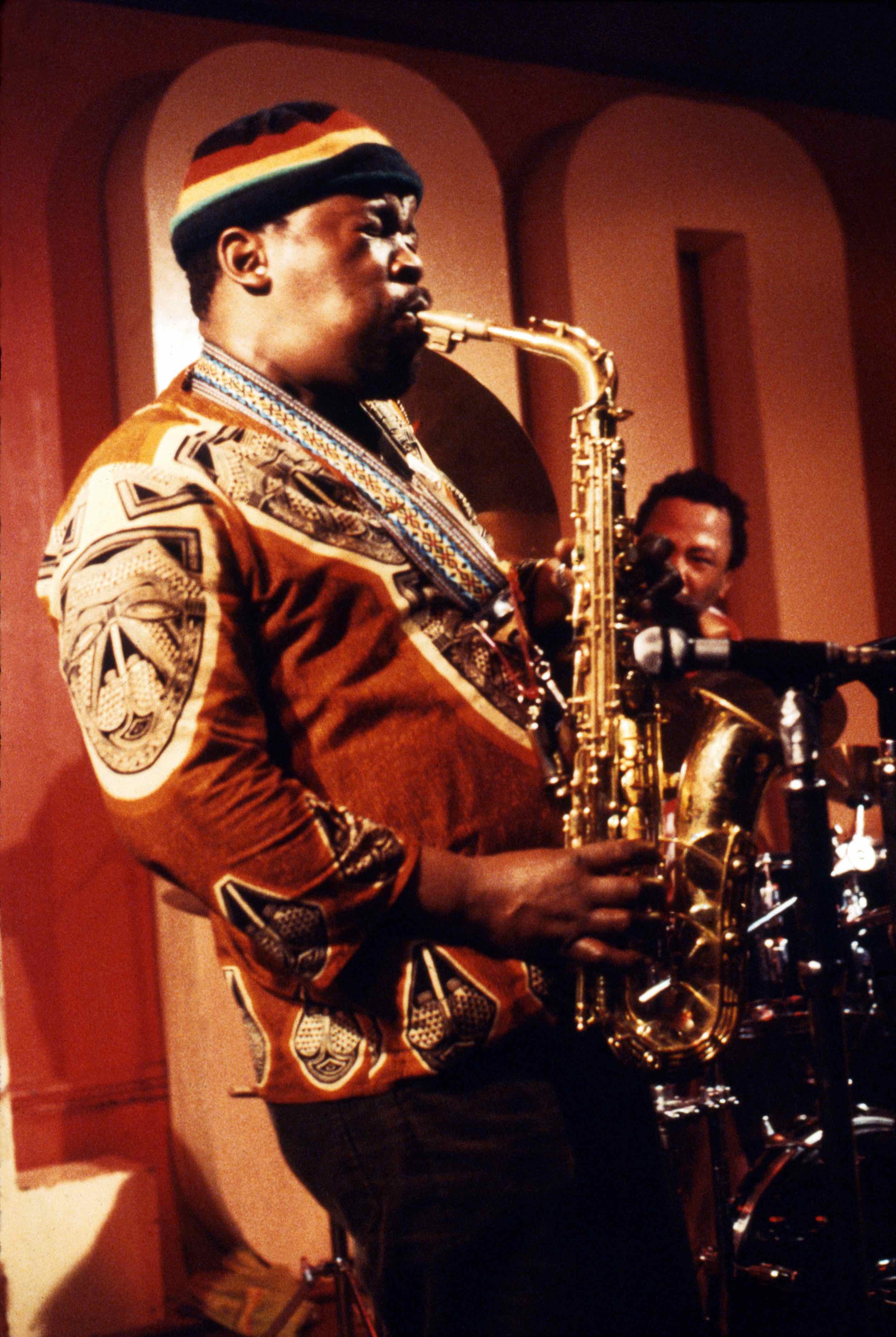
Dudu Pukwana by Jak Kilby
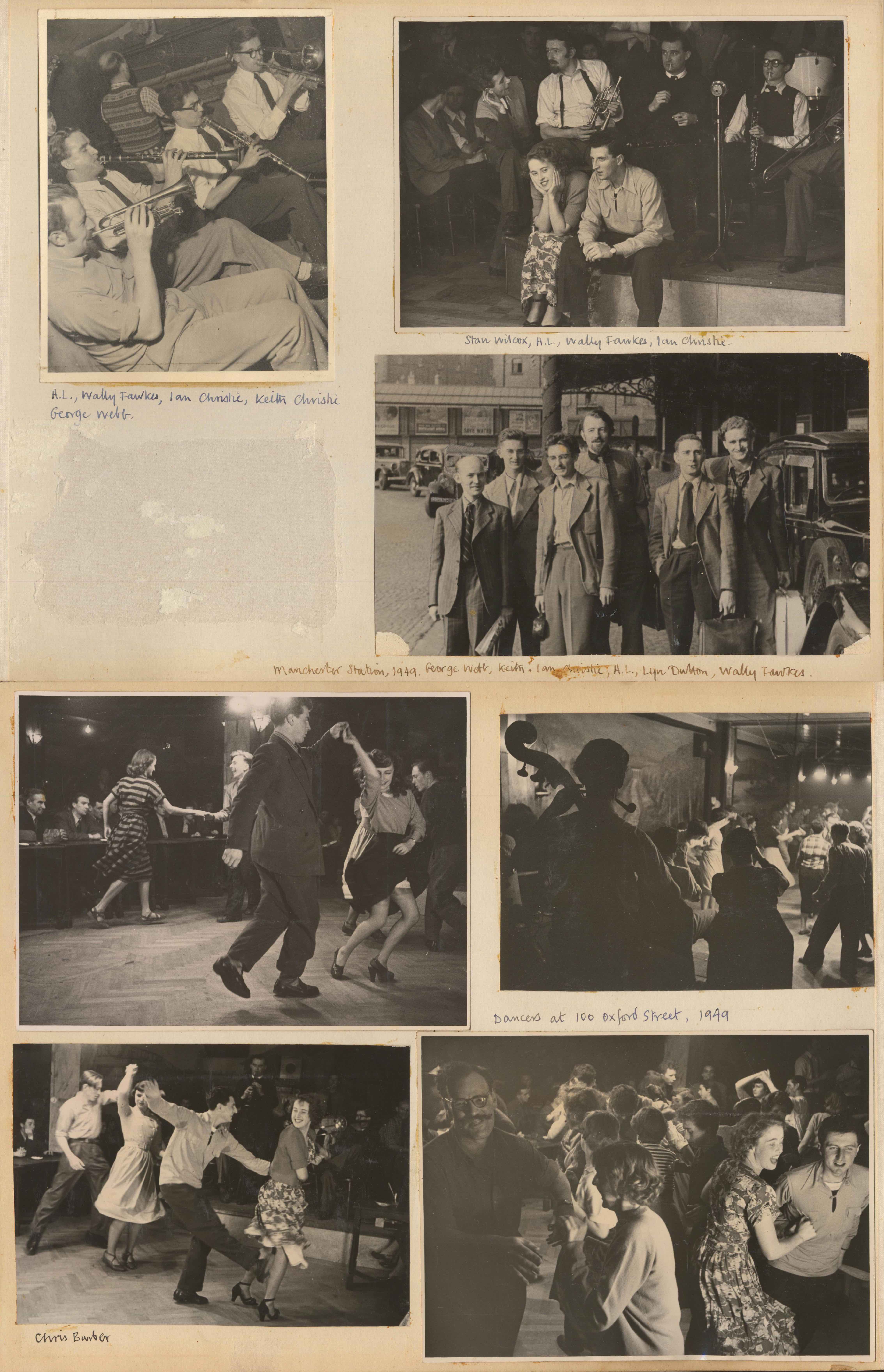
Humphrey Lyttelton’s London Jazz Club Scrapbook
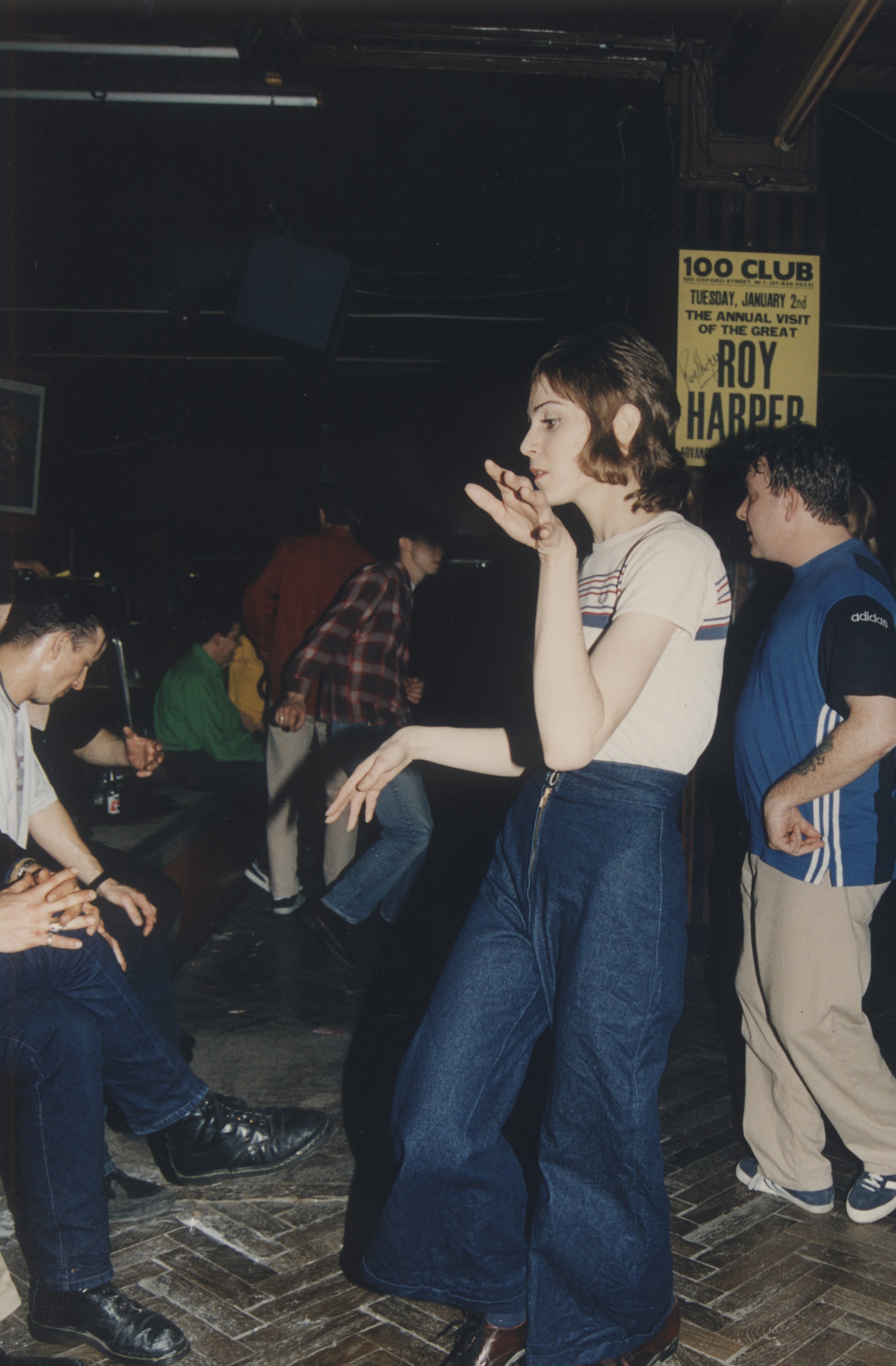
Dancers at the 100 Club by Elaine Constantine
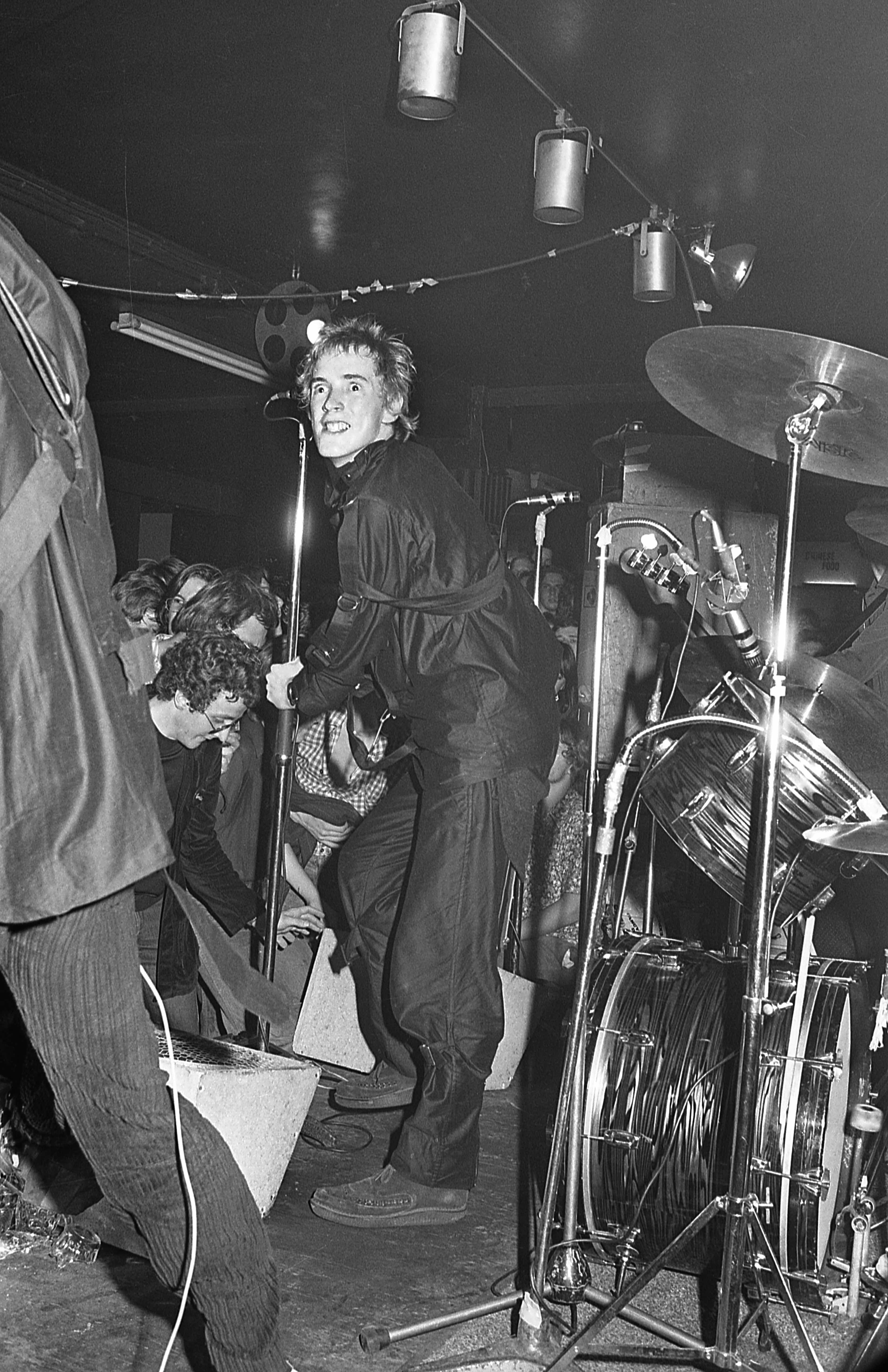
John Lydon by Barry Plummer
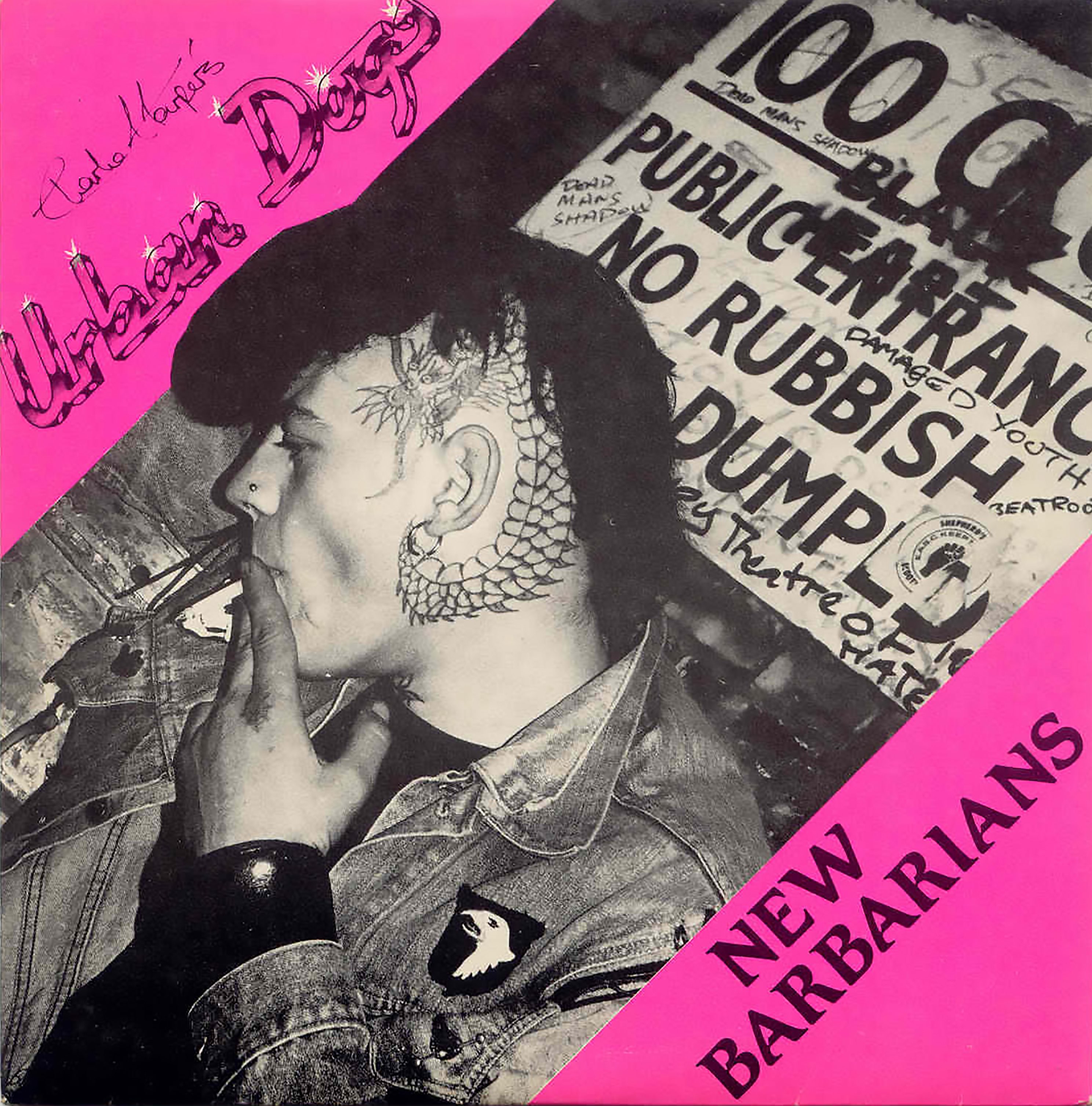
Dragon Tim by Charlie Harper
100 Club Stories is available now on Ditto Press.
Enjoyed this article? Like Huck on Facebook or follow us on Twitter.
You might like

Jesse Glazzard’s messy portrait of queer friends, lovers and chosen family
The Sound of Dirt and Beauty — The photographer’s debut monograph explores tender, unpolished moments shaped by the people who he surrounds himself with, while offering a window into the UK’s working-class LGBTQ+ community.
Written by: Sunny Sunday

Activists slam “pervert glasses” in new guerrilla campaign
Everyone Hates Elon — Stickers have appeared on the London Underground network, criticising the wearable technology’s covert filming capabilities.
Written by: Isaac Muk

Behind the curtain at Alternative Miss World 1981
Olympia glamour — Running a subversive take on the traditional beauty pageant, the Andrew Logan organised event prioritised underground creativity and invention. Photographer David Corio went behind the scenes at its biggest edition.
Written by: Miss Rosen

Dan Lacey: “BMX is forever evolving”
Overground — Steph Pomphrey caught up with the two-wheel legend after his latest meet in east London, chatting about fatherhood, music and action sports within the outdoor industry.
Written by: Steph Pomphrey

The battle for the soul of lockpicking
Under locksport and key — In recent years, breaking locks for fun has grown from a niche hobby into an activity followed by millions of people. As it has matured, so have tensions over who sets the rules.
Written by: Jack Dennison-Thompson

New exhibition highlights British radical living over 200 years
Earthly Paradise — Taking place at the William Morris Gallery, it explores the homes and lives of artists, writers, musicians and more, as well as the conditions that allowed them to thrive.
Written by: Isaac Muk


