
Capturing the dark side of China’s underground club scene

When Sergey Melnitchenko first arrived in Chengdu in 2015, he was making ends meet as a model and dancer. It was only when he got a job as a performer in one of the city’s nightclubs, though, that he decided to pick up a camera and start shooting.
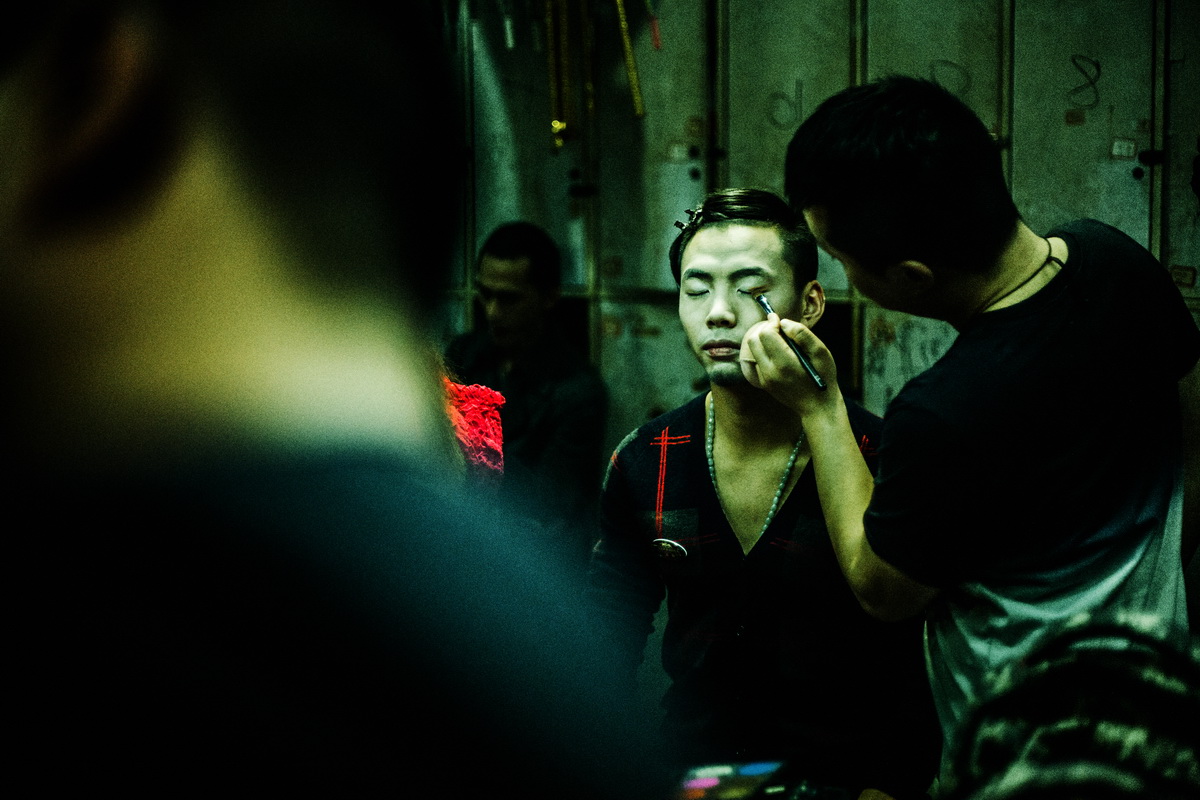
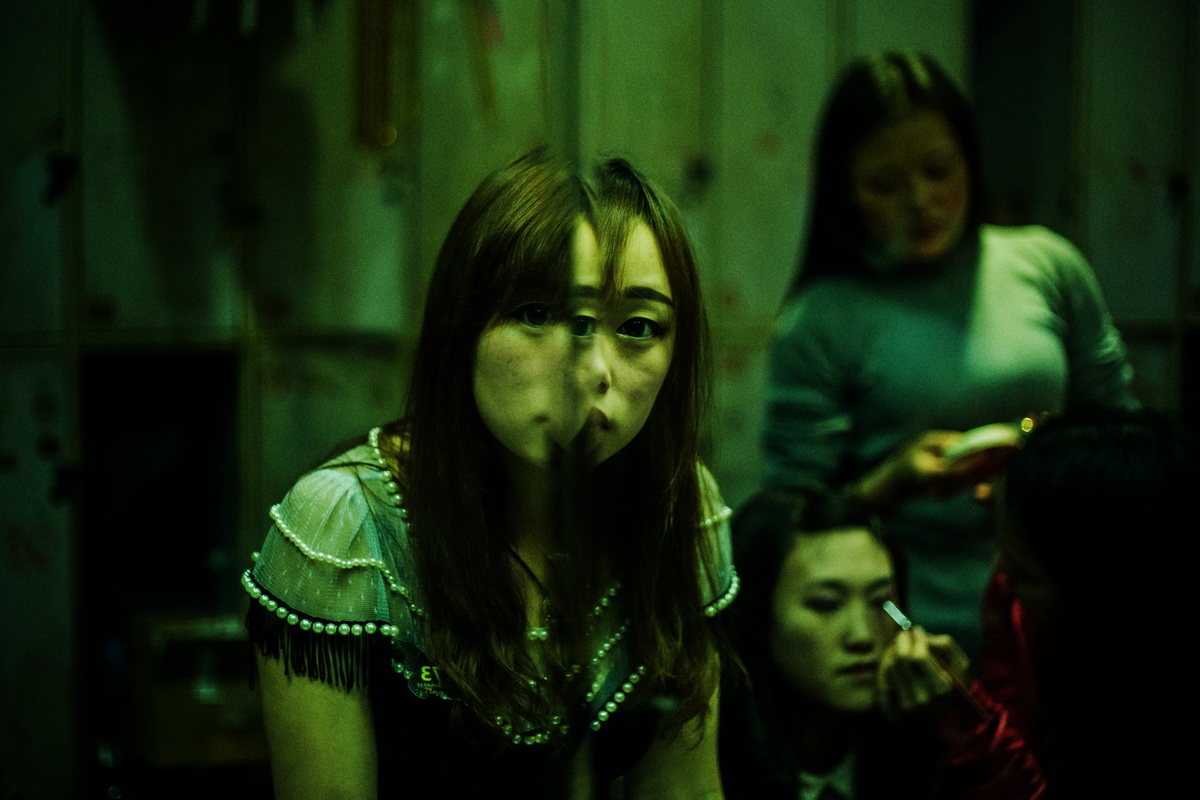
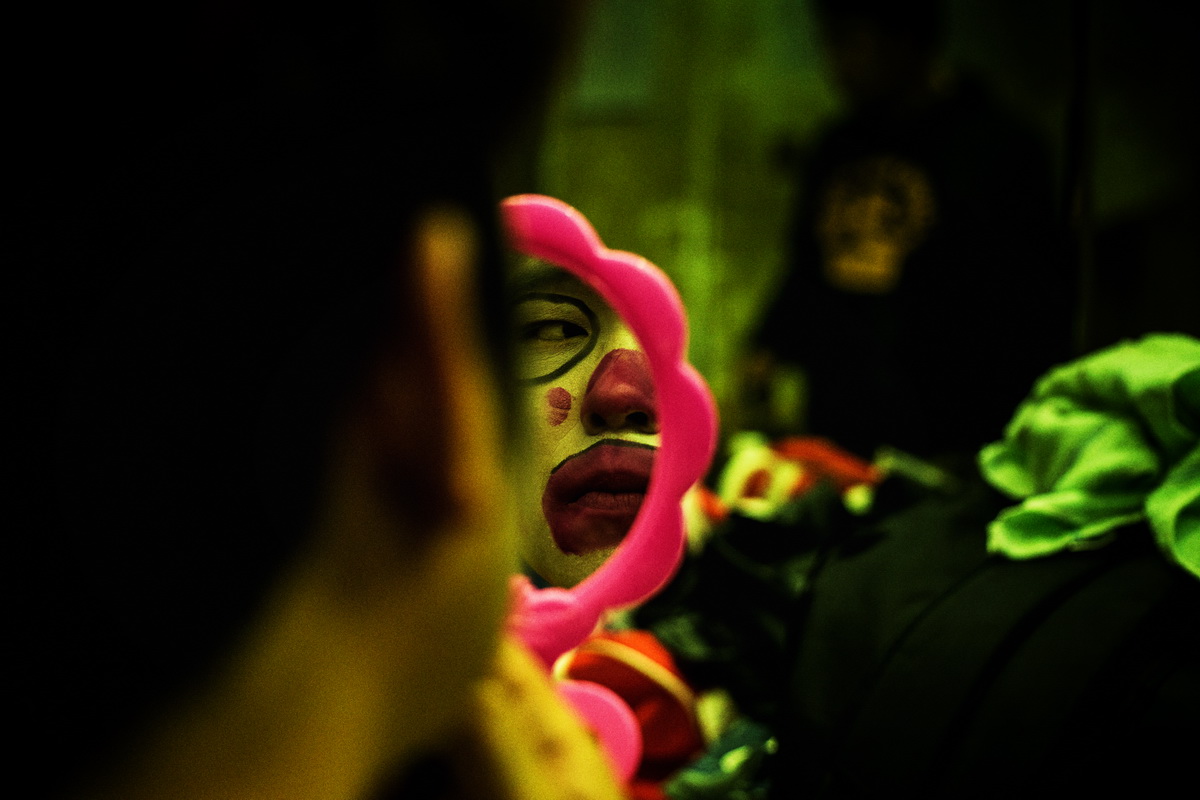
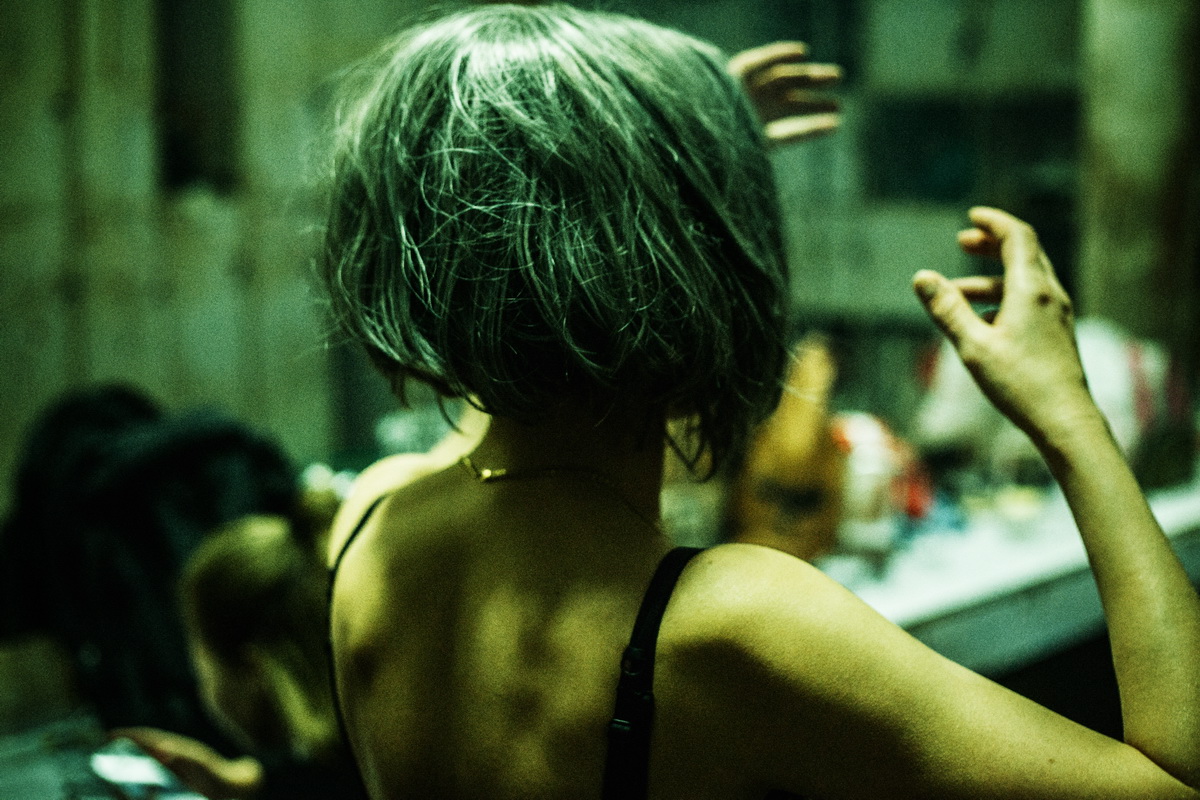
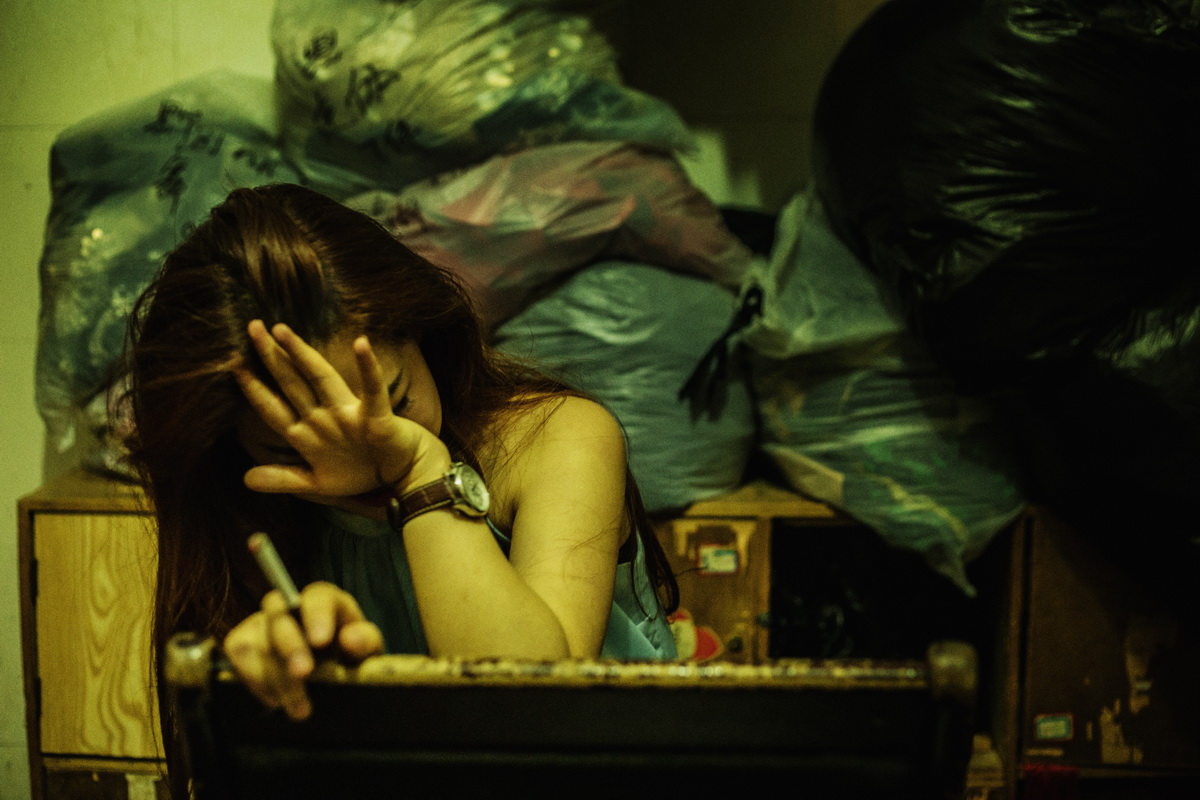
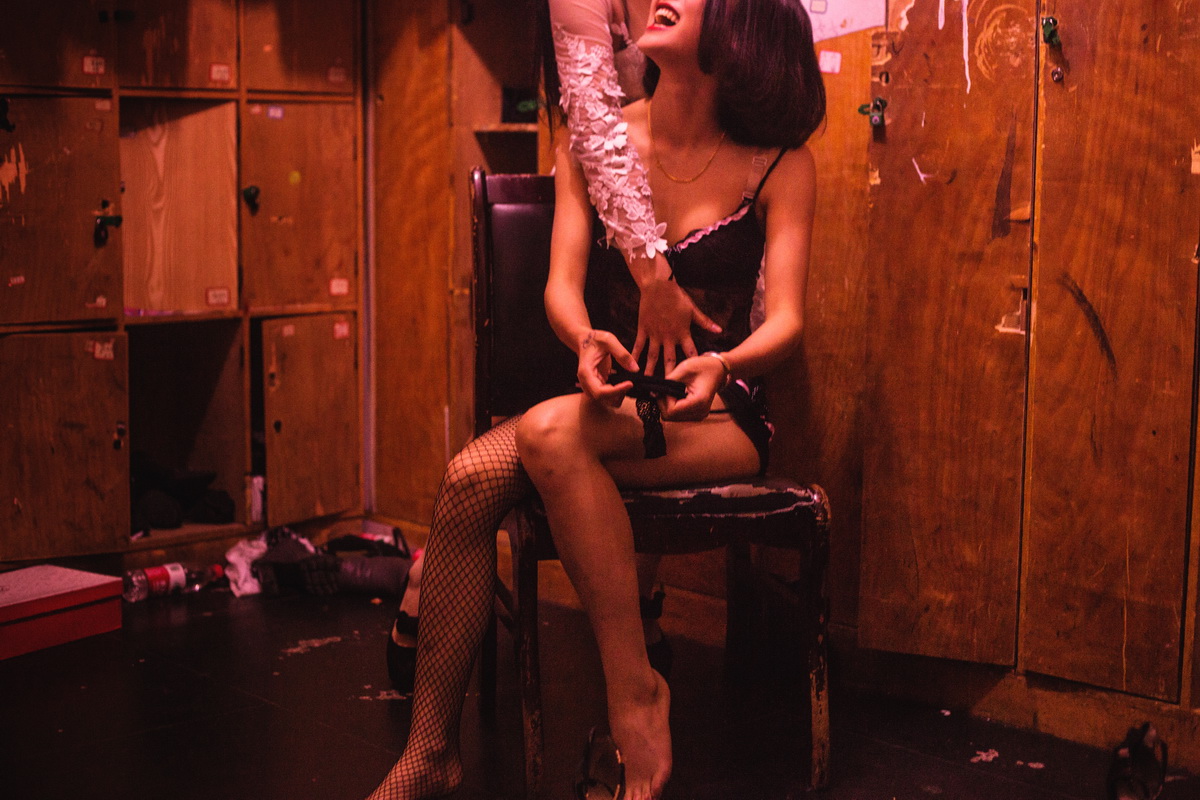
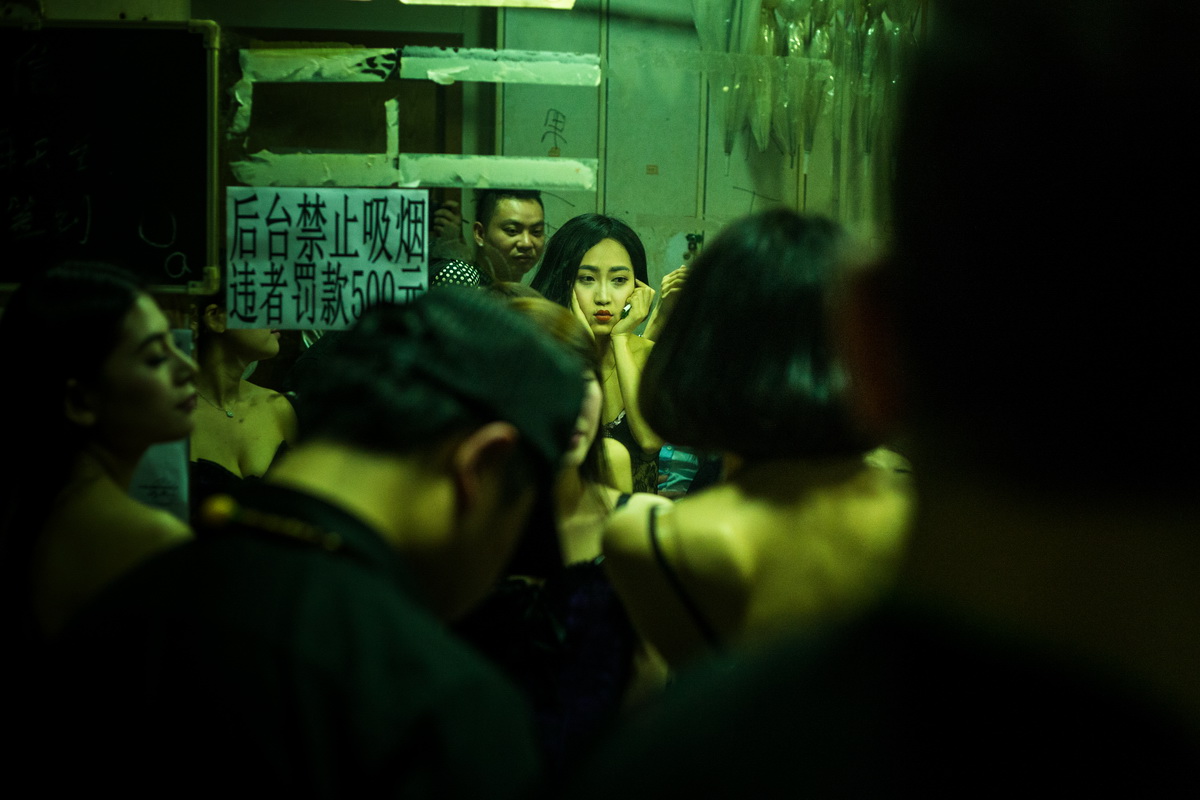
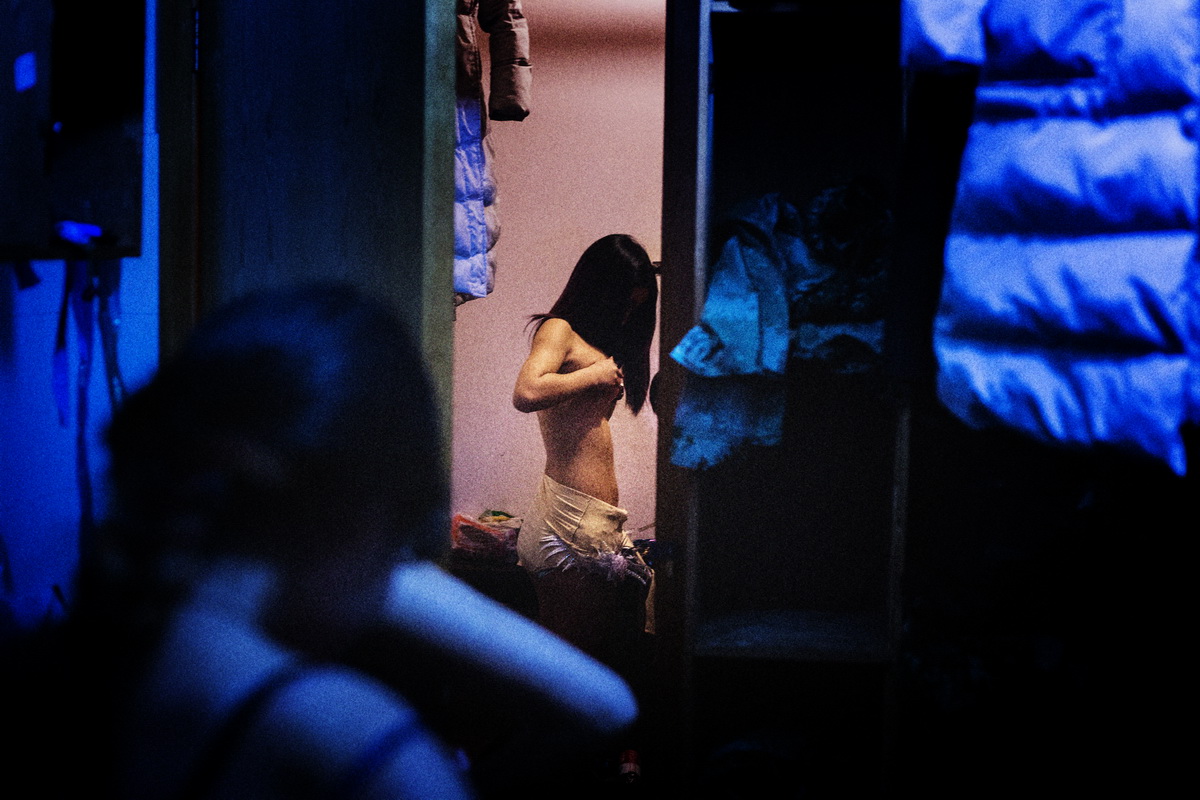
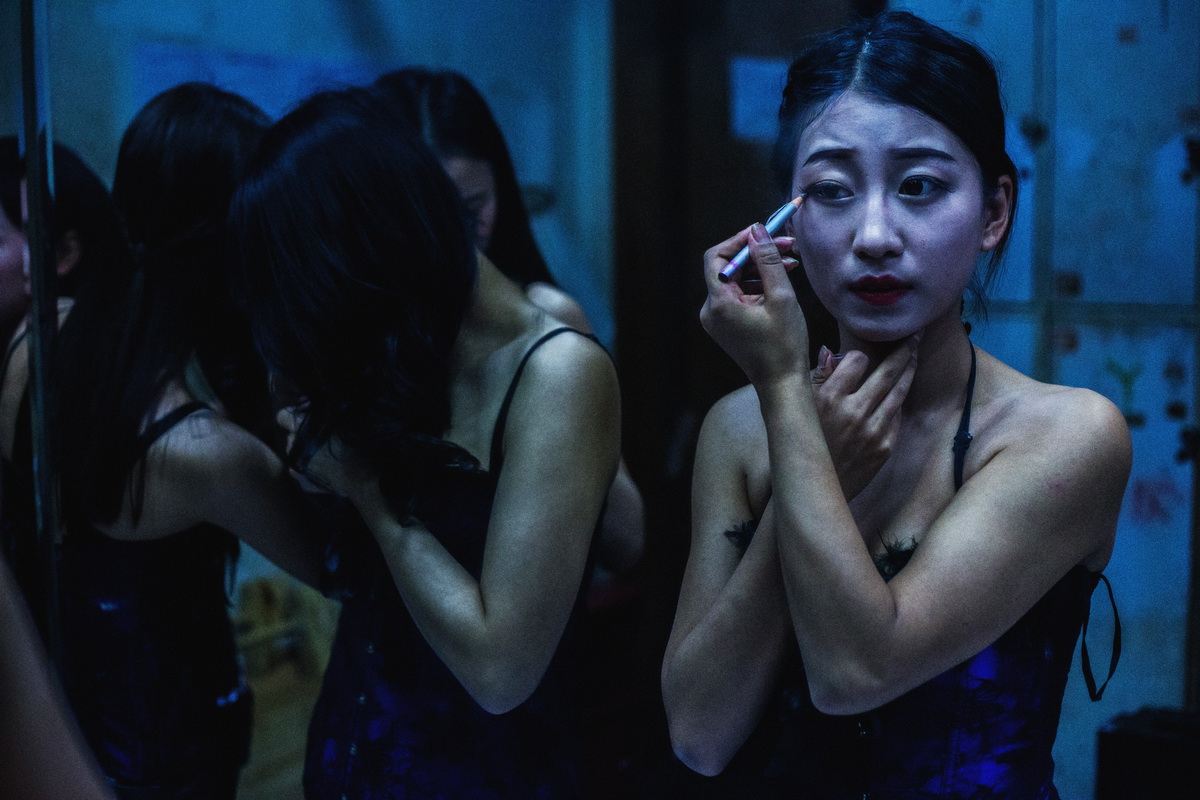
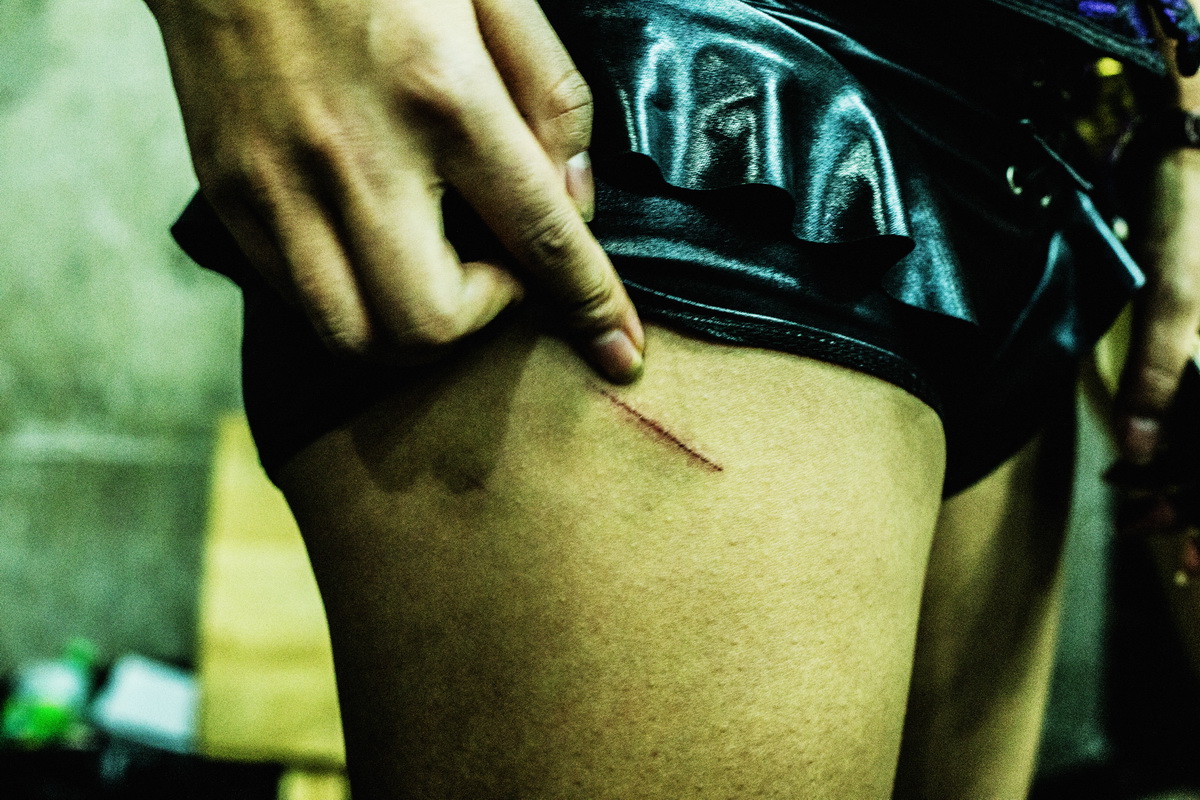
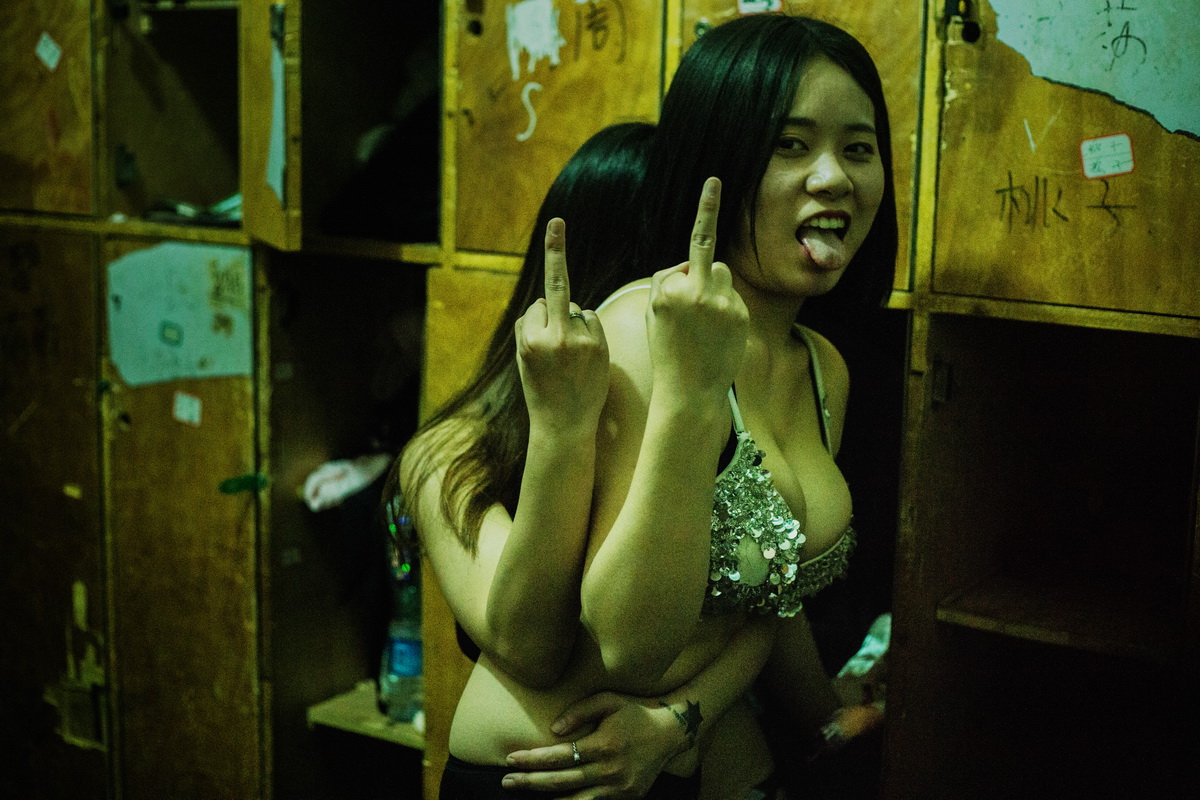
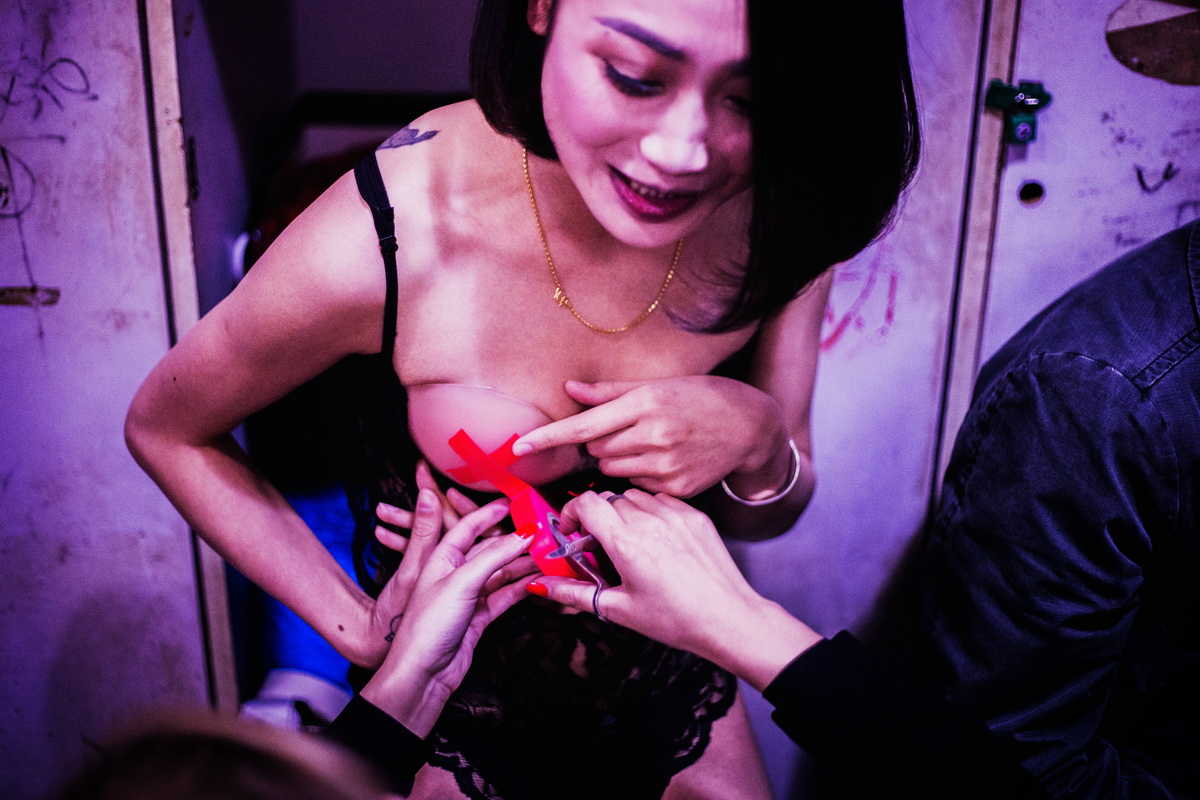
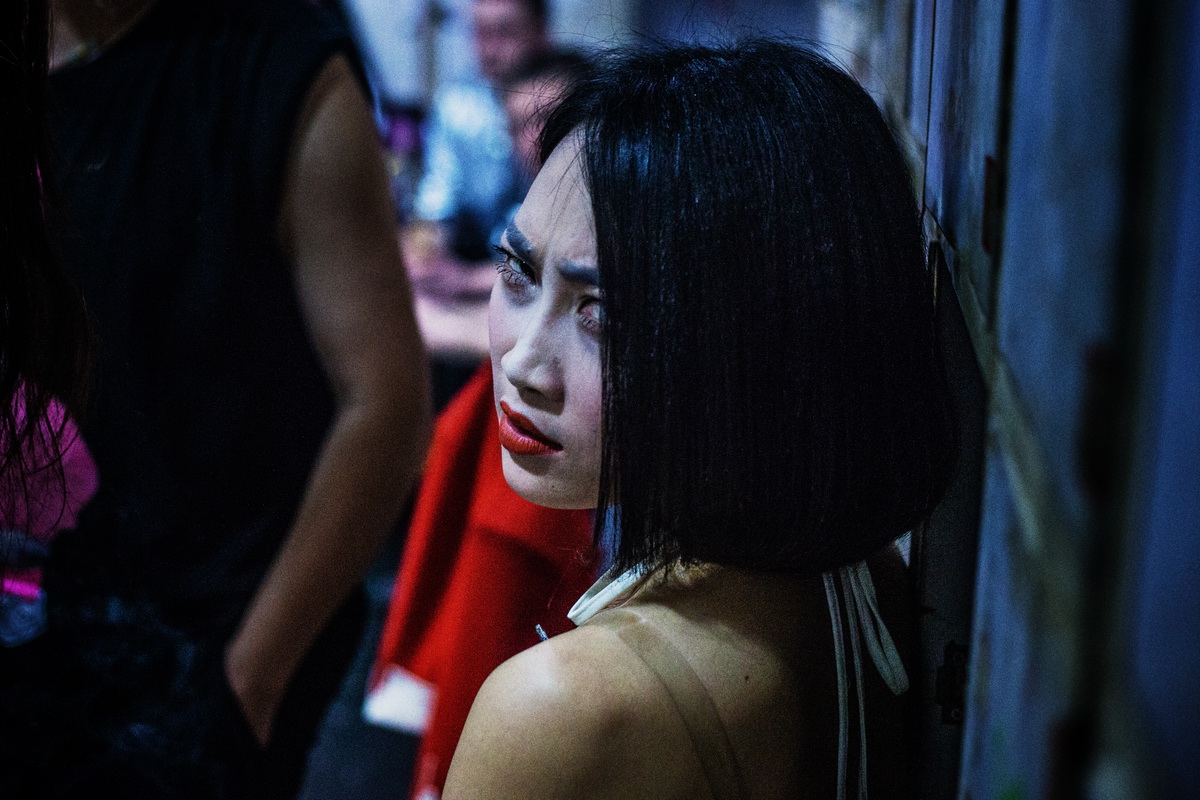
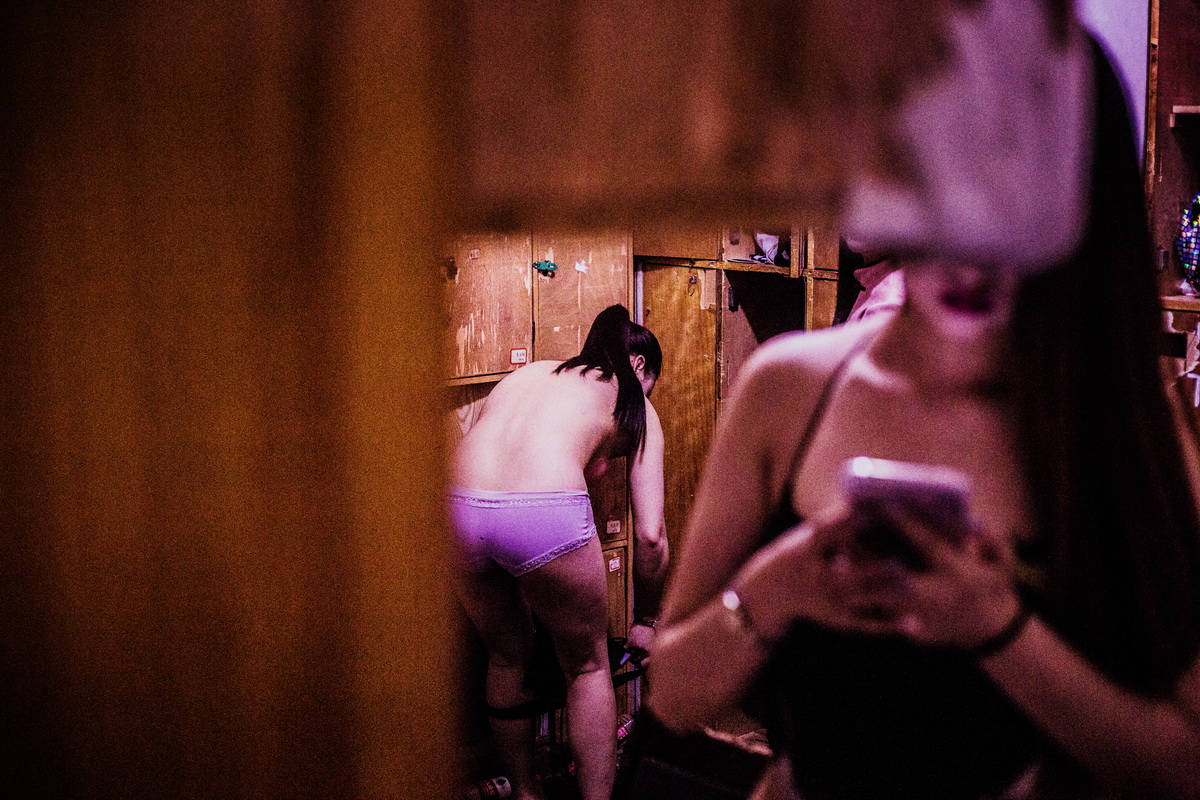
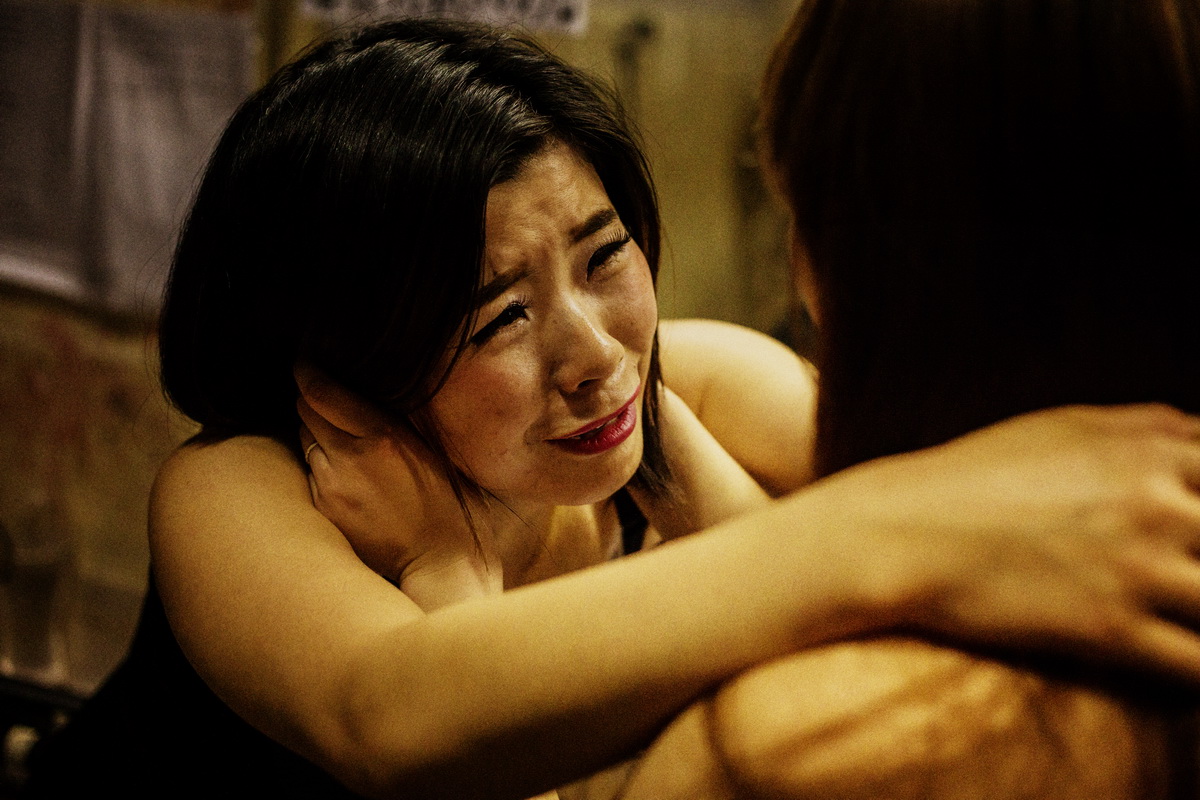
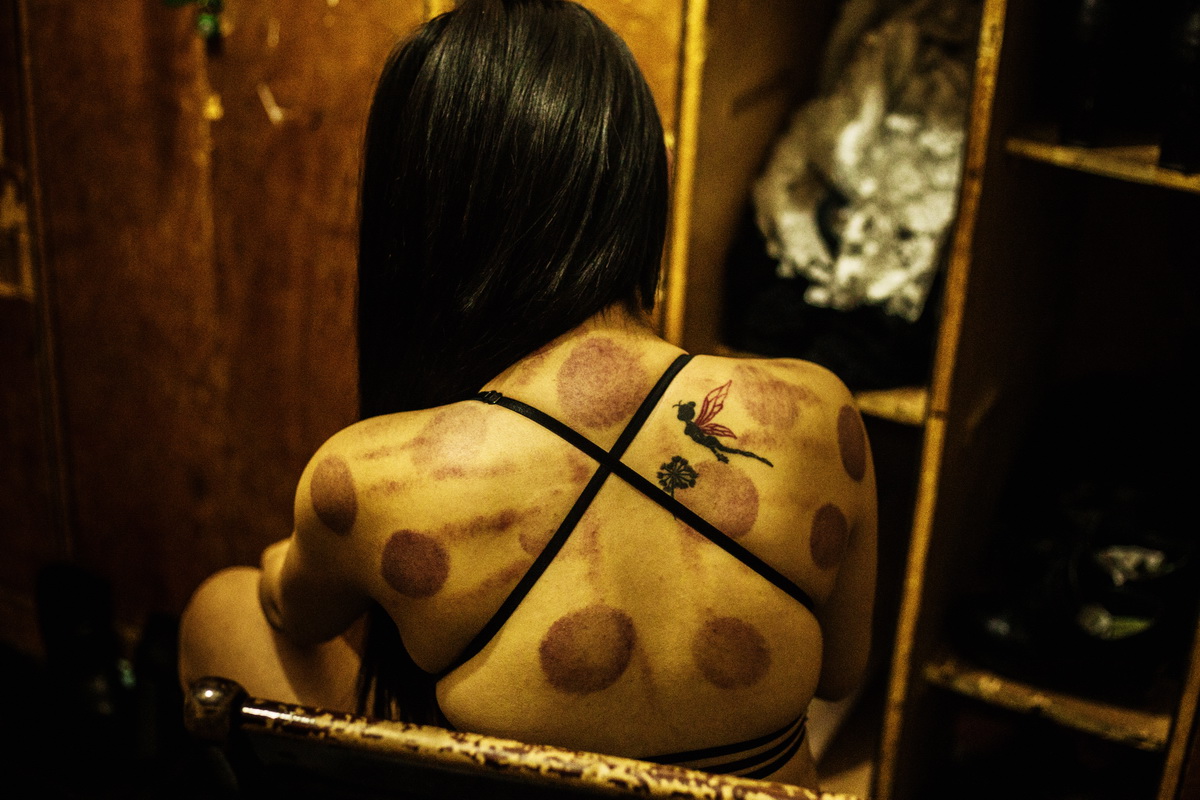
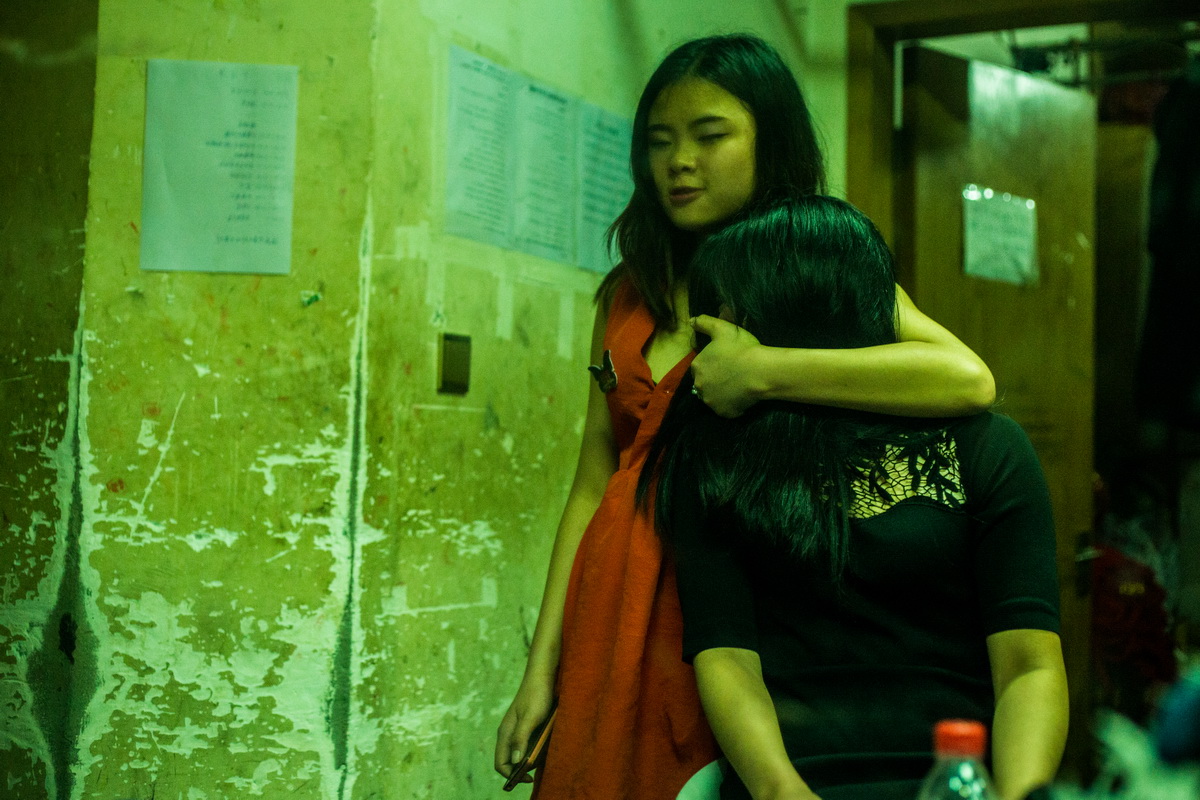
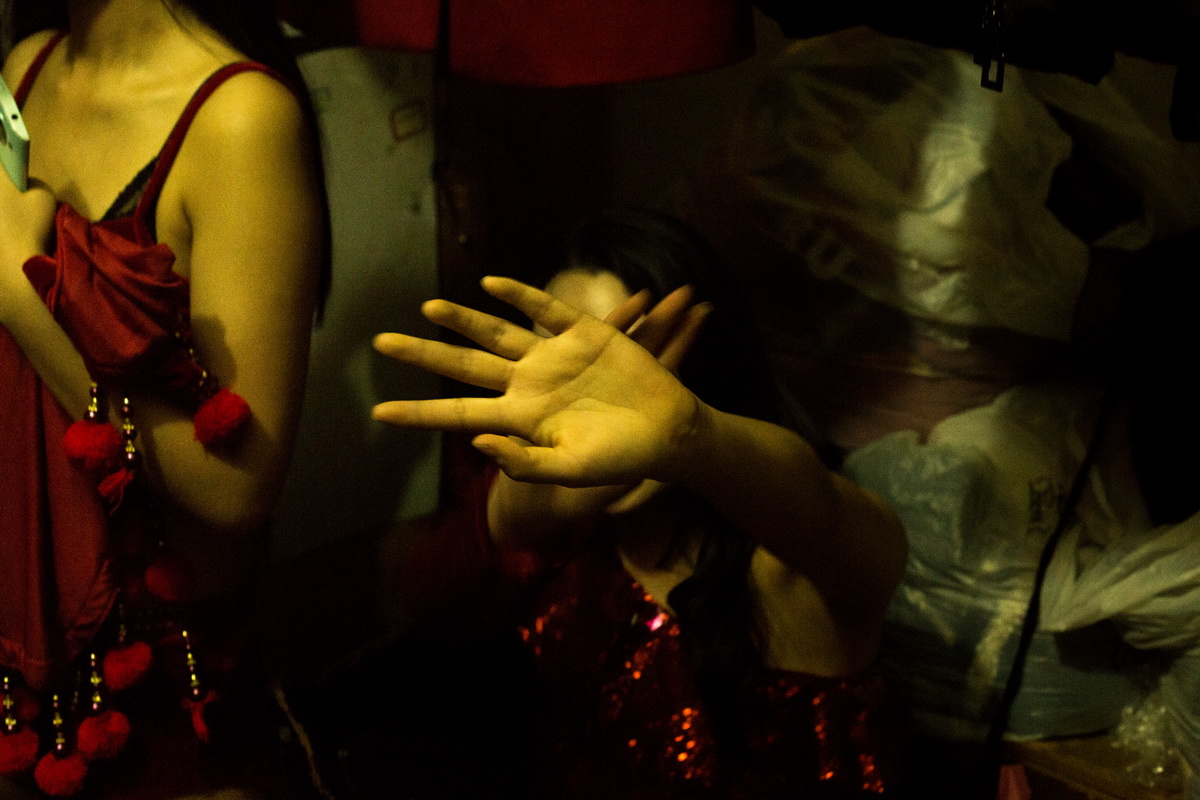
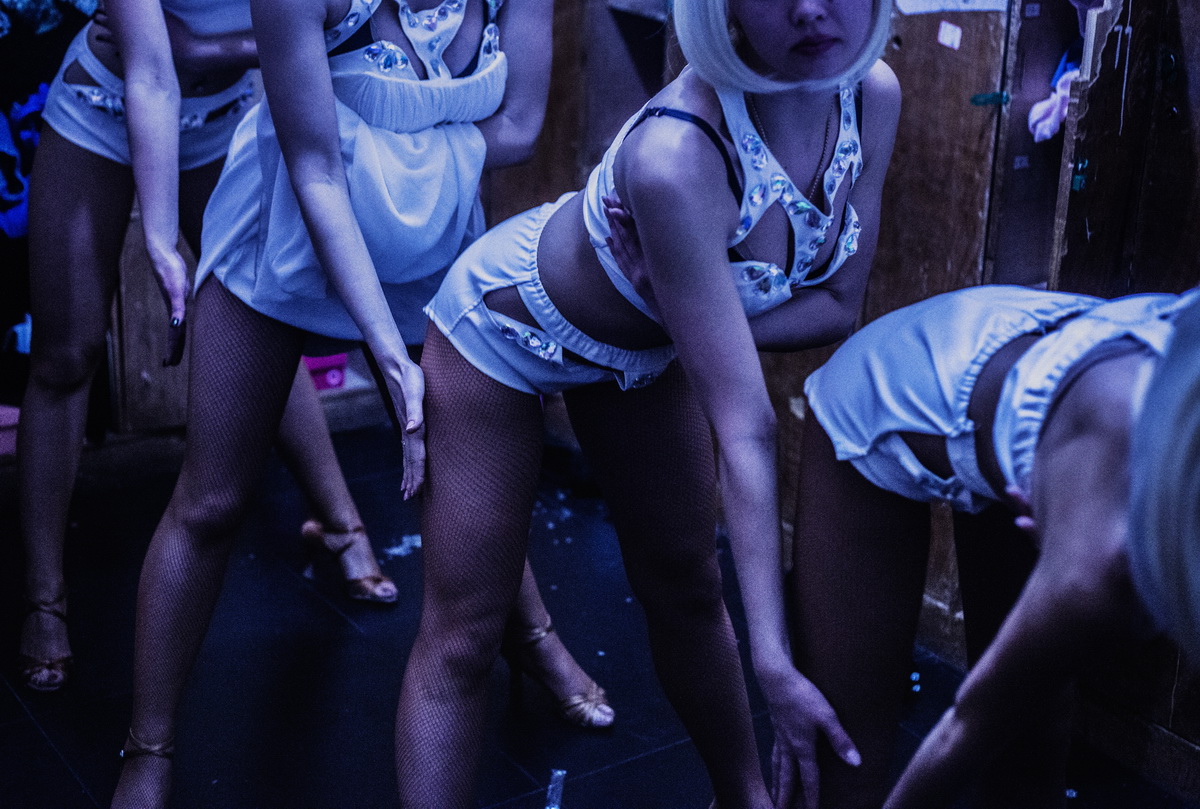
Inspired by the seedy backstage life of the venue, Sergey began taking photos of the other performers – a process that introduced him to singers, dancers, clowns, magicians and transvestites. “I realised how many great things were going on, and that’s how the series Behind the scenes was born,” he explains. “There’s no falsehood – it’s not a scene, it’s their everyday life.”
Originally from Mykolayiv city in Ukraine, Sergey spent four months working in the unnamed club, which he says was “more like a huge bar with a stage.” According to him, the Behind the scenes photo series was an attempt to capture the club’s “invisible side”, where there is “more burlesque” than on the stage. “The concentration of sexual fluids is more powerful than oxygen,” he says, of the venue’s heated backstage atmosphere.

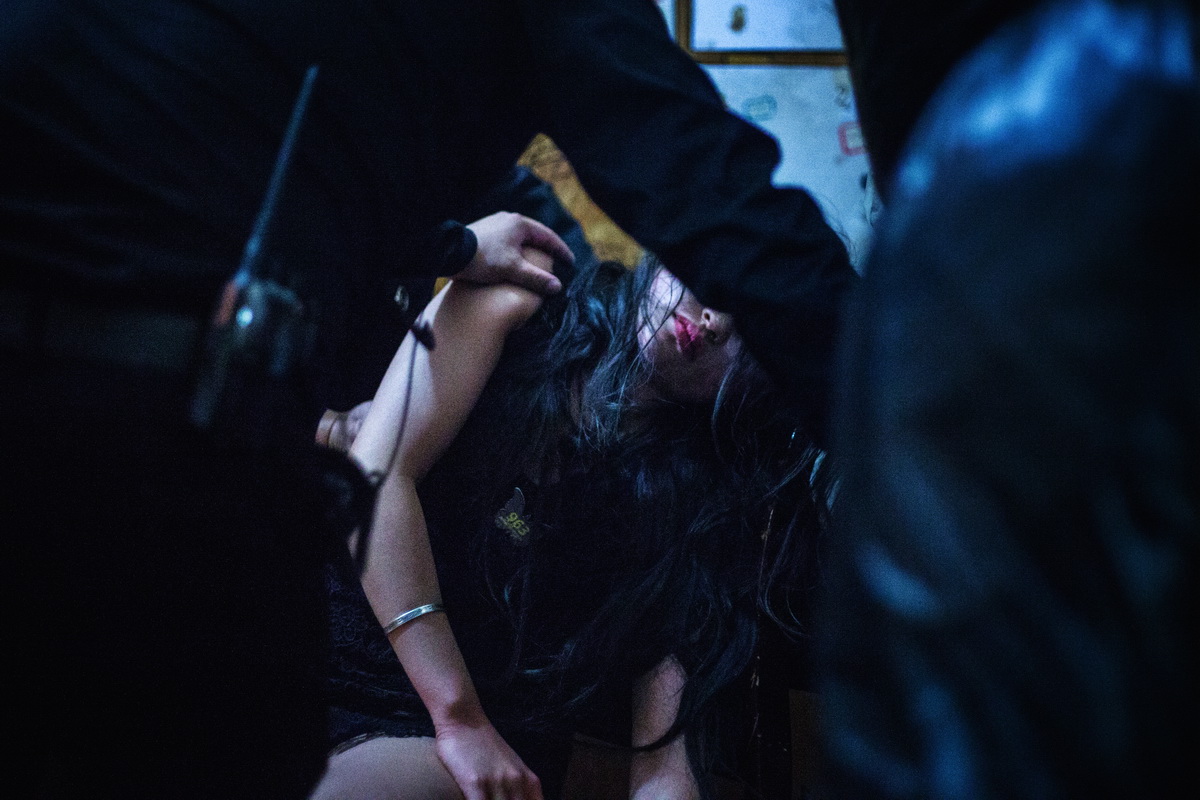

Due to China’s ban on strip clubs and sex work, Sergey stresses that employees were limited strictly to dancing, drinking and playing games with customers – though that didn’t stop things from getting sordid. “The only thing that I didn’t like was a show where a Chinese girl started to put a beer on herself, and then visitors could come and pour beer on her,” he remembers. “Every visitor tried to do something more disgusting than the other. They poured beer on her tits, tried to pour it in her ass or on her vagina – so it was really ugly.” Aside from that, he insists that the atmosphere in the club was fun, “friendly” and welcoming.
After two years, the performer and model is still living in China – and while he still works mainly as a dancer, photography is slowly becoming a bigger part of his life. “Everything (inspires me),” he says. “It can be as movies and music, so it can be alcohol and porn… The only thing that I like now is that I’m trying to work in different styles. I don’t restrict myself to one kind of photography.”
Enjoyed this article? Like Huck on Facebook or follow us on Twitter.
You might like

The sharp rise of video game photography
Point, shoot — As the entertainment medium’s fidelity levels increase and developers build more powerful tools, a growing community of gamers are pushing the boundaries of image making in virtual worlds. Vicky Jessop meets people at the forefront of the emerging artform.

Joyous photos from the heart of the UK’s radical free festival movement
Common Grounds — The photographer has been capturing British counterculture for the past half century. A new exhibition looks at his archive sitting at the intersection of music, community and grassroots protest.

The lasting community legacy of a legendary Californian boxing gym
Moretón — Since opening in the ’80s, the Coachella Valley Boxing Club has trained multiple world champions, while providing a vital hub for local youth. In his new photobook, Darren Vargas documents its tight-knit, Chicano-led community, while also weaving a deeply personal story.

Inside the grunge golden age with Hole’s former bassist
My ’90s Rock Photographs — Melissa Auf der Maur’s new photobook is a sprawling visual memoir of her time at the heart of the US scene, from Tinker to The Smashing Pumpkins.

Introducing ‘The Chaos Isles’, a new photozine by Huck and Yushy
Normal Island — From unlicensed raves to the solstice at Stonehenge, furries to giant vegetable growers, Yushy is one of the UK’s best lensmen of its wild side. ‘The Chaos Isles’ will be sent out exclusively to Club Huck+ members.

Join Club Huck+ to get the most from Huck
Dispatches from the sharp edge of culture — Members get our print magazine, special photozines, The Huck Long Read newsletter, discounts from our friends and partners, digital versions of back issues and priority access to events.


