A history of she-punks, from Poly Styrene to Pussy Riot
- Text by Miss Rosen
- Photography by Janette Beckman, courtesy of Fahey/Klein Gallery

Vivien Goldman still remembers what it was like to be the only woman in the room when she began working as a music journalist in London during the early 1970s. “My whole generation was very into music and there was a very vibrant music press known as ‘the inkies,’” Goldman recalls. “It’s a relic now, but it was started by young rebels.”
“There were hardly any women in the field. When you look back it’s insane. I remember big battles at editorial meetings. There was real hostility to my ideas of covering more women and encouraging women. People would say things like, ‘Women don’t make music. Women aren’t into music.’ I was like, ‘Look at me! I’m here in front of you!’ But it was a phalanx of the patriarchy.”
For Goldman, punk was and forever will be a liberating force for women – one which she explores across time and around the globe in the captivating new book Revenge of the She-Punks: A Feminist Music History from Poly Styrene to Pussy Riot (University of Texas Press). Taking a lateral approach, Goldman weaves a fascinating tapestry that threads together themes of identity, money, love, and protest over five decades.
“It’s about what binds us together as women artists, and our concerns,” she says. “I set off on a quest for research and my intent was to look around the world. I wanted to bust open that projection of punk that it only happened in a few blocks in the Lower East Side and West London.”
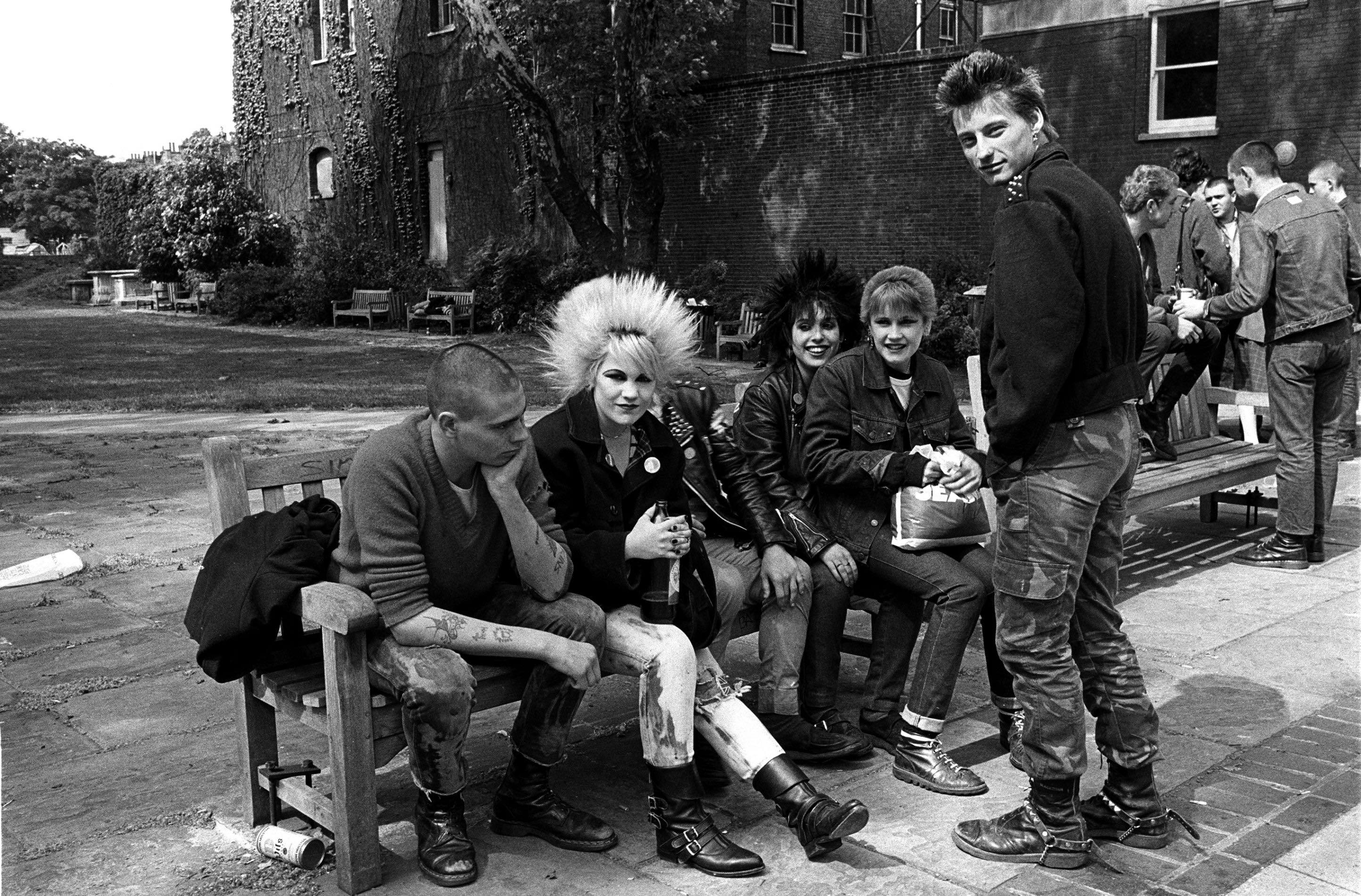
Punks, Worlds End London, 1978
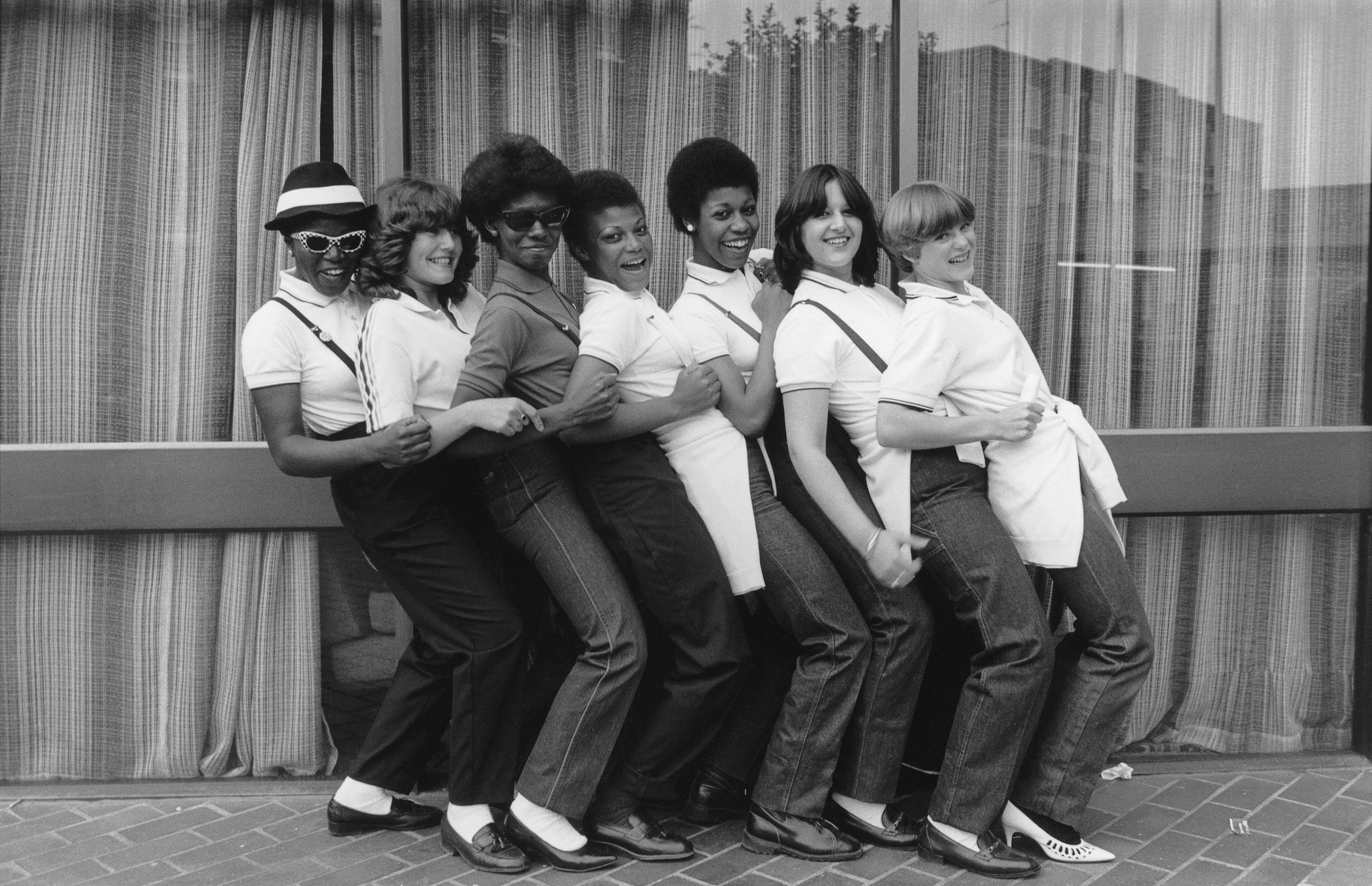
Ska Girls
“It was more than that. It was a moment of active liberation for women, and it encouraged them to express themselves artistically. Anyone can have a go at punk – even women. [Until then] women were often just projections of a reductive male industry view. Everyone had to be packaged like a pop star and be fuckable.”
For Goldman, the personal is still political. Punk has been the definitive force in her life, shaping her voice and community and paying it forward in this book, which showcases her own stories alongside Poly Styrene, Blondie, the Raincoats, Bikini Kill, and Pussy Riot. It provides a richly-layered cultural history of women acting in their best interest.
She adds that punk is the perfect vehicle for personal liberation, creative expression, and political resistance. “It’s a primal burst, where you don’t have to be a big virtuoso, especially to express anger, frustration, your urge for a better world – something revolutionary. That is what punk is for and that’s why it’s still here.”
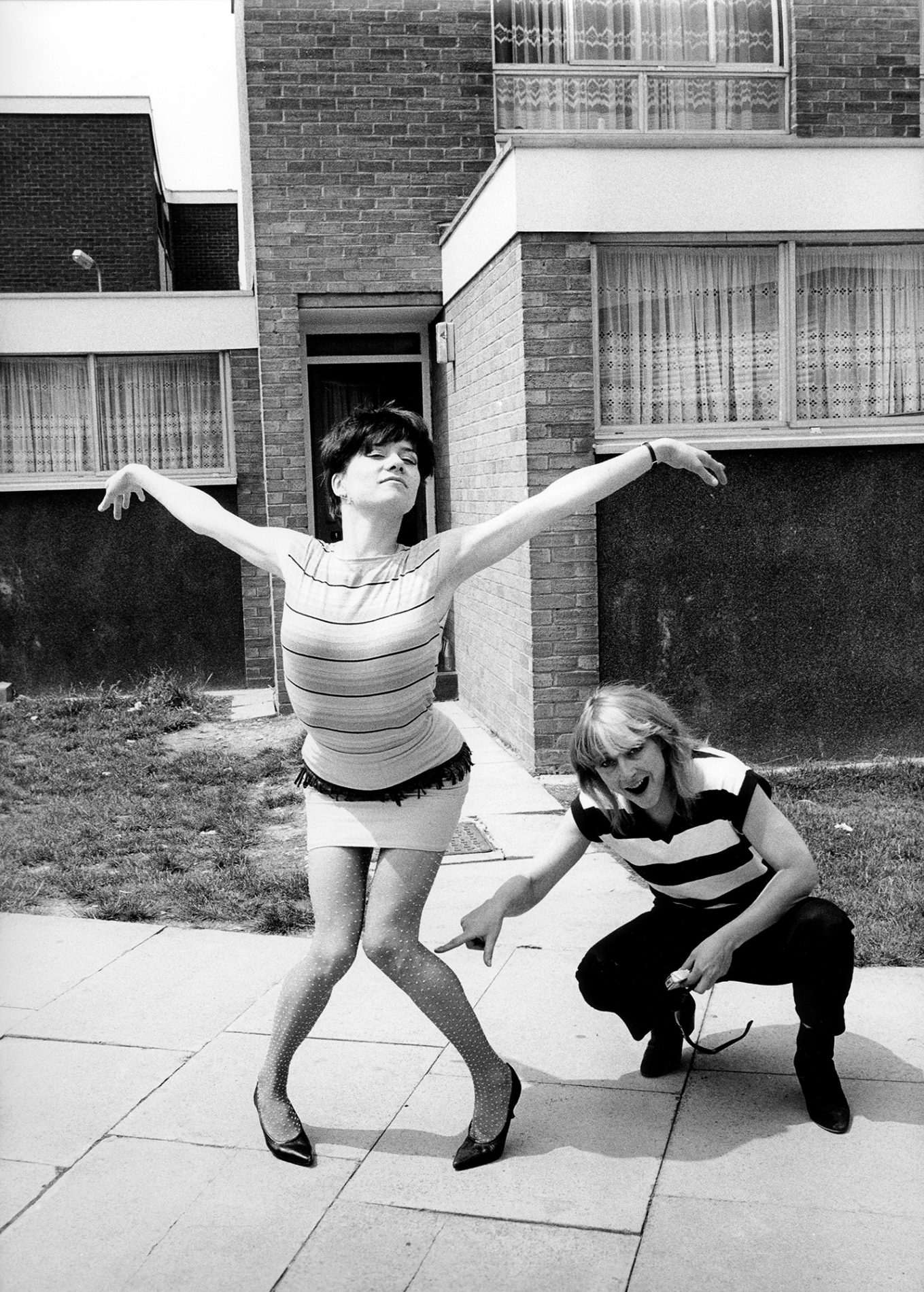
The Mo-dettes, Ramona Kate London 1980

Debbie Harry, London 1979

Go Gos, Los Angeles 1980
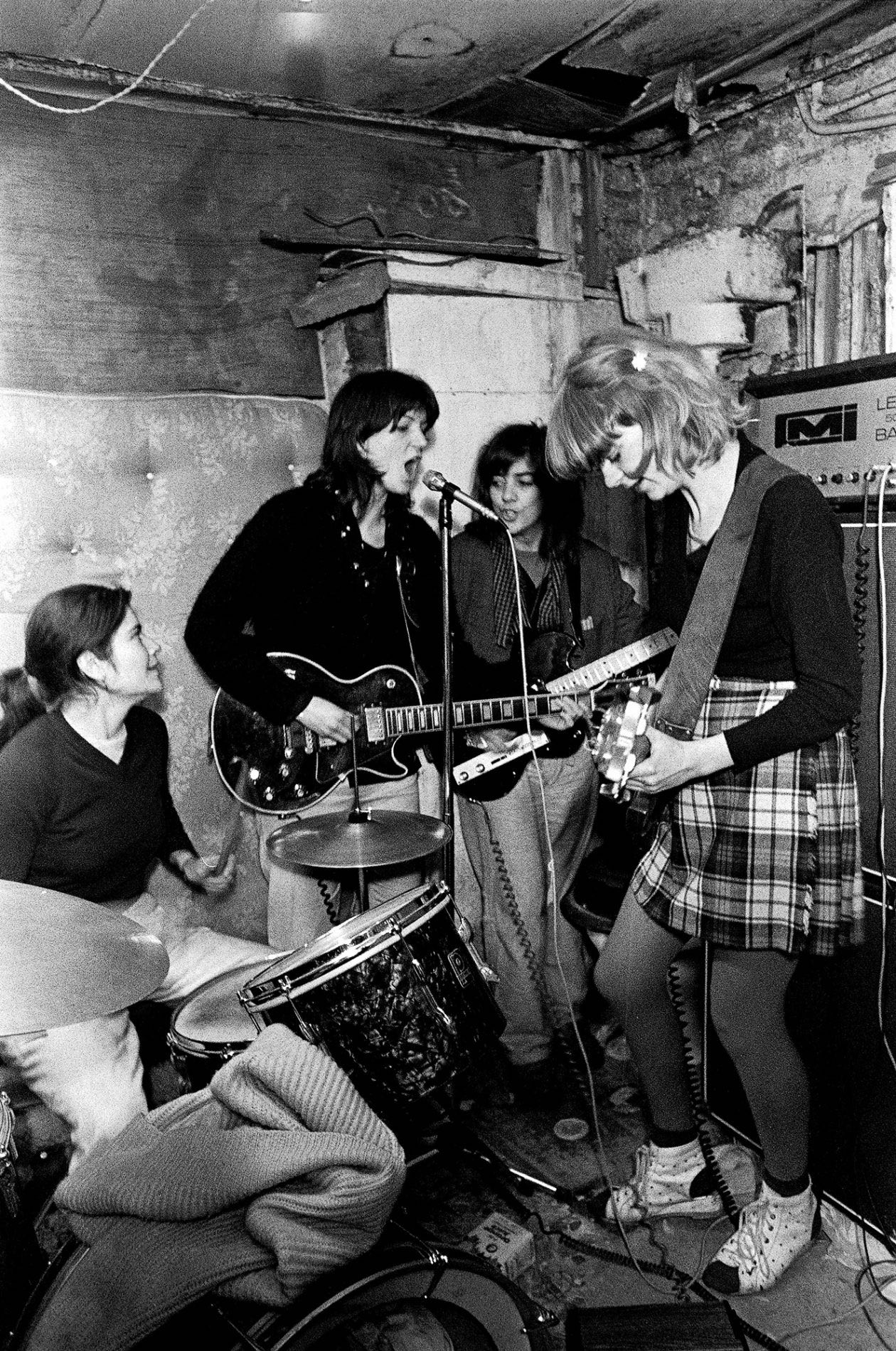
The Raincoats, London 1979
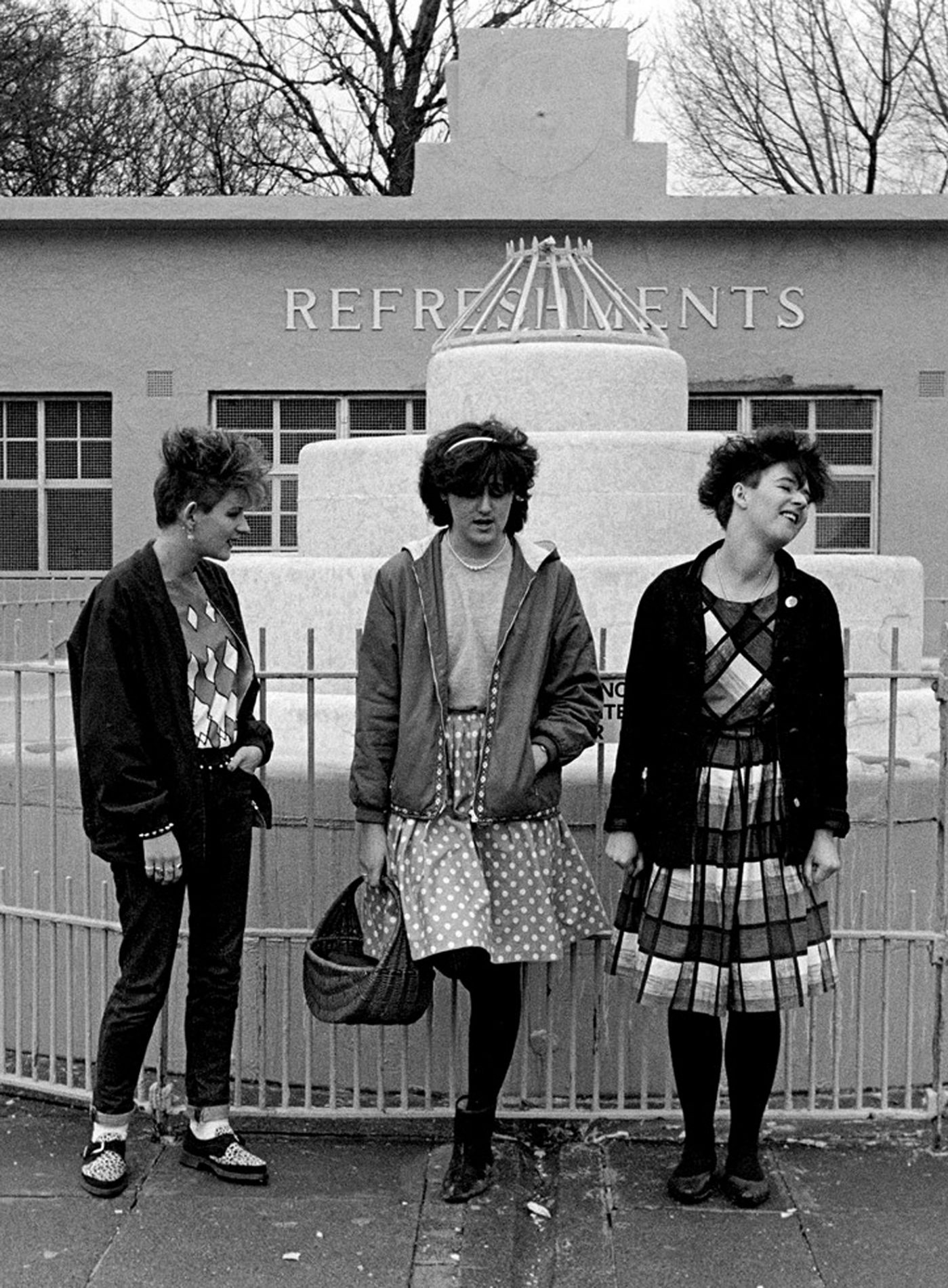
The Marine Girls, London 1980

Poison Ivy, The Cramps
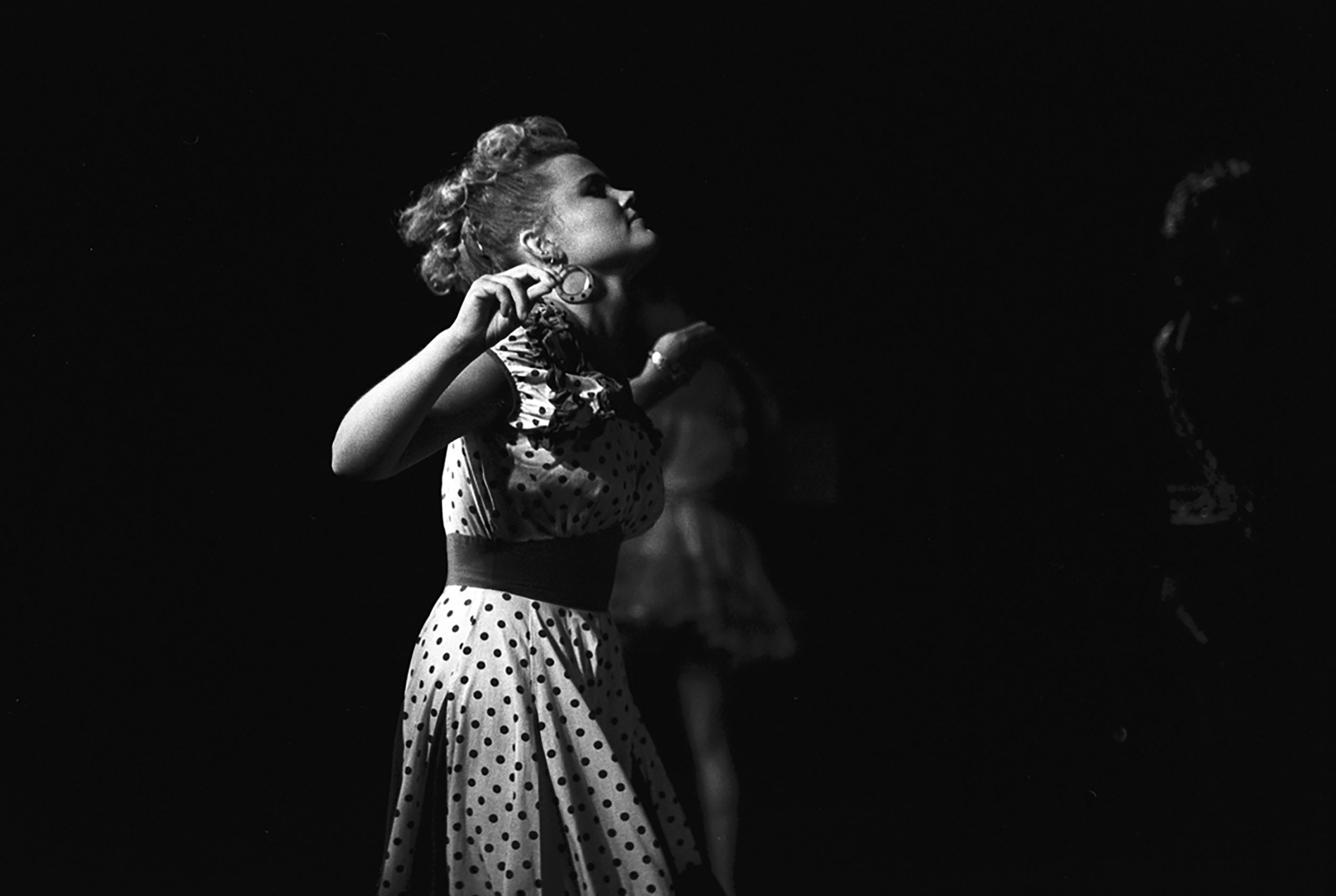
Belinda Carlisle Go Gos LA 1982
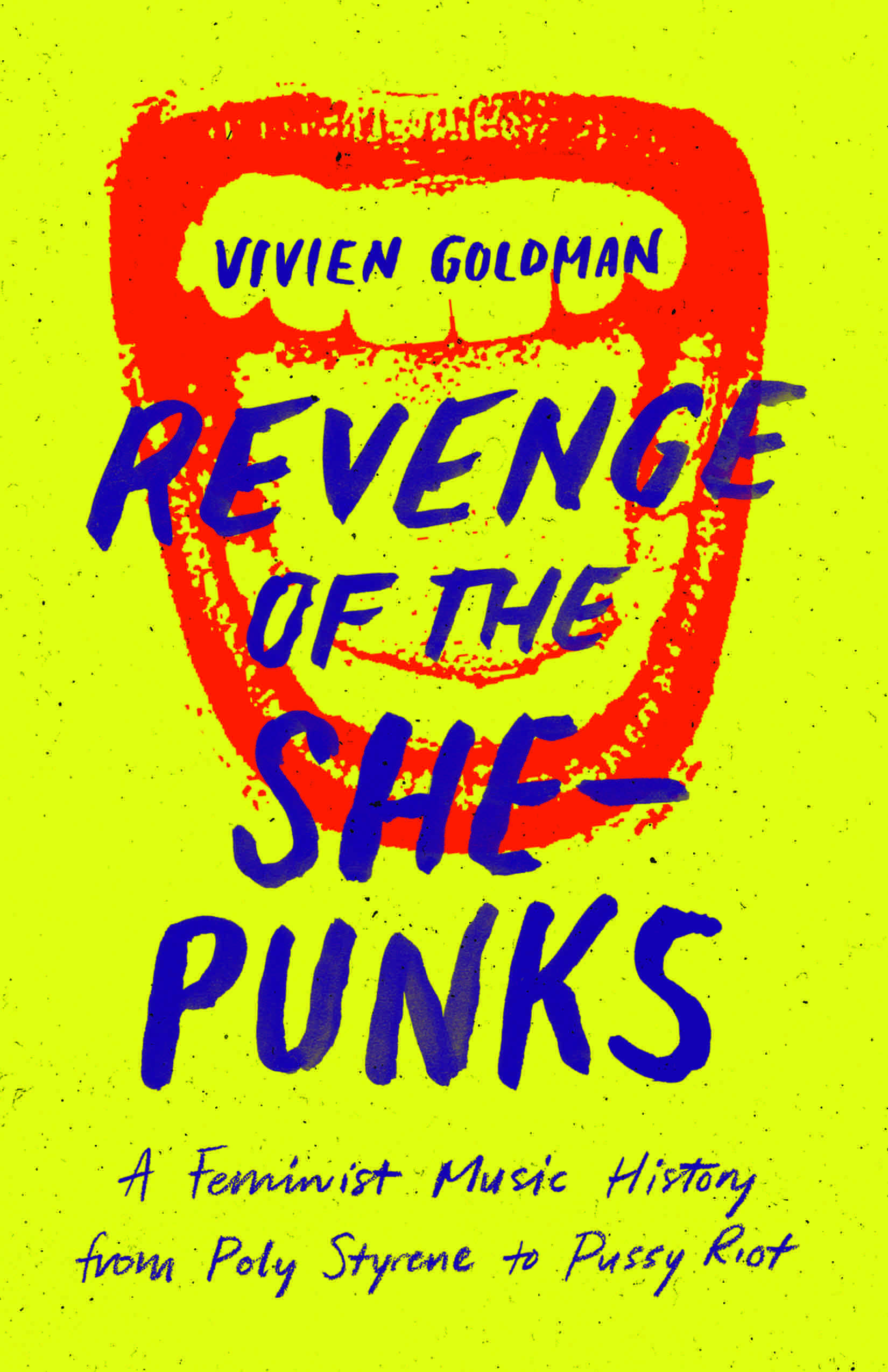
Revenge of the She-Punks: A Feminist Music History from Poly Styrene to Pussy Riot is available now on University of Texas Press.
Follow Miss Rosen on Twitter.
Enjoyed this article? Like Huck on Facebook or follow us on Twitter.
You might like

In photos: Black Texas life since emancipation
Kinship & Community — A new photobook and exhibition showcases the rich culture, history and community of African American folks in the Lone Star State, whose existence in the region predates colonial Britain.
Written by: Miss Rosen

American Football: The One With The Feelings
Many moons — The Midwest emo architects transformed a college experiment into a coming-of-age soundtrack. 25 years on, their latest iteration sees them bottle the same magic for the ups and downs of middle life.
Written by: Tracy Kawalik

Inside Parkuir: the art project queering sport, space and our bodies
Lie and play — Founded by Maria Laudes and Guiu Gimeno, it provides a framework for engaging, subverting, and celebrating the small details that make people unique – and queer.
Written by: Molly Lipson

Youthful joy & end-of-era poignancy at a London school prom
Leavers — For several years, Lewis Khan documented young people as they celebrated the last of their school days and the completion of their exams. The series is now collated in a new self-published photobook and short film.
Written by: Zoe Whitfield

Harry Gruyaert’s vintage, kaleidoscopic scenes of New York
A Sense of Place — For 50 years, the Belgian photographer and Magnum Photos member has been capturing NYC’s colourful chaos. A new photobook and exhibition showcase his unique, technicolour view of the city.
Written by: Miss Rosen

In the pit at one of the UK’s last stock car & banger speedways
Stock Car Racing Isn’t Dead — Photographer Liam McCarthy spent time in and around the Arlington Raceway’s circuit, capturing the diehard community that keeps the sport alive.
Written by: Isaac Muk


