You should probably stop having sex with robots
- Text by Alex King
- Photography by Laurene Boglio

Since the dawn of time, human beings have searched for ways to get sexual gratification from whatever objects were lying around. Archaeologists have discovered primitive DIY sex toys (stones with penis-shaped holes carved in to them), and with every new technological innovation, from electronic toothbrushes to virtual reality, someone, somewhere finds a way to use it to help them get their rocks off.
By the ’90s, when robotics technology became more advanced, people started imagining robots as social beings capable of friendship, companionship and emotional connections. So it’s no great surprise that the next step would be trying to fuck them.
Anthropomorphised robots have the potential to fulfil the ultimate male fantasy: not just a glorified vibrator, but a humanlike sexual object that provides love and sex unconditionally – and never says ‘no’.
We’ve glimpsed this future on screen, although current technology is a long way behind popular culture. But people like Matt McMullen, CEO of ‘love doll’ manufacturer RealDoll, is making strides to bridge the gap. Announced in June, Harmony is a RealDoll that will blink, open its mouth, have a conversation with you and give the appearance that ‘she’ (it) enjoys the act of sex.
Artificial intelligence researcher David Levy from the University of Maastricht told LiveScience in 2007 that “love and sex with robots are inevitable. It may sound a little weird, but it isn’t. Once you have a story like, ‘I had sex with a robot …and it was great!’ appear someplace like Cosmo magazine, I’d expect many people to jump on the bandwagon.”
Robophilia might seem as embarrassing now as Tinder was just a few years ago, but as our social attitudes evolve with technology, it could become the new normal. In a report produced for online sex shop Bondara, Dr Ian Pearson claimed that advances in sex tech would make 2050 the year that human/robot sex overtakes human/human.
While robot sex might not be everyone’s cup of tea, is there anything wrong with an adult pounding a bit of circuit-board? Is it really that much different to our ancestors sticking their penises into carved stones? Could it be a more palatable alternative to human prostitution?
Dr Kathleen Richardson is a Senior Research Fellow in the Ethics of Robotics at De Montfort University and leader of the Campaign Against Sex Robots. She warns that the normalisation of sex with robots poses harm to users and grave consequences for wider society and has called for an outright ban on robots developed for sex.
Kathleen believes that sex with robots is fundamentally different from using a vibrator, for example, because employing something we embody with human characteristics as a sex object degrades our capacity to maintain empathy or trust with other human beings.
“People have relationships with inanimate objects like the Eiffel Tower, but to think that we can have a relationship with anything and that it’ll be okay is wrong,” Kathleen explains. “We are a social species, our humanity is made and remade through our social interactions. We learn and innovate in our behaviour all the time; we’re spontaneous and continue to develop our intelligence throughout our lives. We don’t just need sex, we need touch and emotional connection. We can’t mechanise this process without negative consequences. It’s a recipe for creating a future of psychopaths.”
Advocates for sex robots argue that they could help fulfil the needs of the lonely, disabled or others who struggle to maintain conventional sexual relations. They argue that it’s no different to prostitution which, although few countries have legalised, is still generally accepted; it’s the oldest profession in the world.
But Kathleen isn’t alone in highlighting the potential dangers of sex with robots. “Sexbots would always be available and could never say no, so addictions would be easy to feed,” Joel Snell, a research fellow at Kirkwood College, told the Daily Star. “People may become obsessed by their ever-faithful, ever-pleasing sex robot lovers. People will rearrange their lives to accommodate their addictions.”
Kathleen sees our embrace of sex robots as the symptom of a deeper sickness. She argues that our society’s flawed separation of the body from the idea of personhood leads to objectification and damaging abuses against the self, from self-harm and body modification to the sex trade. She argues that sex robots are just an extension of the logics of the sex trade, which she characterises as the exploitation of the human body for cash.
So, what’s the ultimate objective of her battle against the sex robots? “Abolish the sex trade,” Kathleen explains. “Recognise it as a commercial, damaging industry that impacts all our relationships. Like slavery, abolition would be difficult. There are always people with power who want their needs met without taking others’ feelings into account – that’s why we have race and class. But it won’t harm human beings to always seek human sexual consensual relations.”
Is that possible? Two of the most powerful forces that motivate human beings are the desire to alter our consciousness and have sex. When the War on Drugs has been an abject failure, and prohibition has led to huge and unexpected harms, stopping the sex trade entirely seems all the more impossible.
“I want to bring an end to people abusing their power over others,” Kathleen explains. “Money doesn’t give you right to exploit people. I’d rather live in a world where we recognise and respect the feelings of other human beings.”
Of course that’s a world we all want to live in – and it’s hard to imagine anyone standing up to speak out against consensual human sexual relations. But waging a war of abolition against the sex trade, and wiping out sex robots in the process, seems like an unwinnable battle.
While advocates for sex workers’ rights might protest at robots taking work from human beings, if robot sex workers could help reduce the demand for exploitation and trafficking of real human beings, then that could only be positive – but that’s a big if.
There’s fierce disagreement about whether sex dolls encourage or discourage harmful behaviours in the real world. There’s no way to know how human beings would be affected psychologically by robot sex.
With more and more of our lives played out on screens and away from real human beings, the lure of robots who promise both unconditional love and sex, seems another unwelcome reason to invest even less of ourselves in the real world and in genuine human relationships – the pathway to a narcissistic dystopia.
But when men are already lining up to part with upwards of $6,000 for the current generation of ‘dumb’ RealDolls, it’s hard to imagine business missing the opportunity to make $billions from developing the technology, and horny consumers being able to resist the intelligent sex robots of the future.
Kathleen Richardson will be speaking at The Rise Of Sex Robots: The Future of Sex, Prostitution and Porn on October 8 at Southbank Centre.
Enjoyed this article? Like Huck on Facebook or follow us on Twitter.
You might like

The raw, fledgling intimacy of Peter Hujar’s contact sheets
Hujar:Contact — A new photobook highlights the process of the legendary queer photographer, and his process of growing into the artist he ultimately became.
Written by: Miss Rosen

Jesse Glazzard’s messy portrait of queer friends, lovers and chosen family
The Sound of Dirt and Beauty — The photographer’s debut monograph explores tender, unpolished moments shaped by the people who he surrounds himself with, while offering a window into the UK’s working-class LGBTQ+ community.
Written by: Sunny Sunday
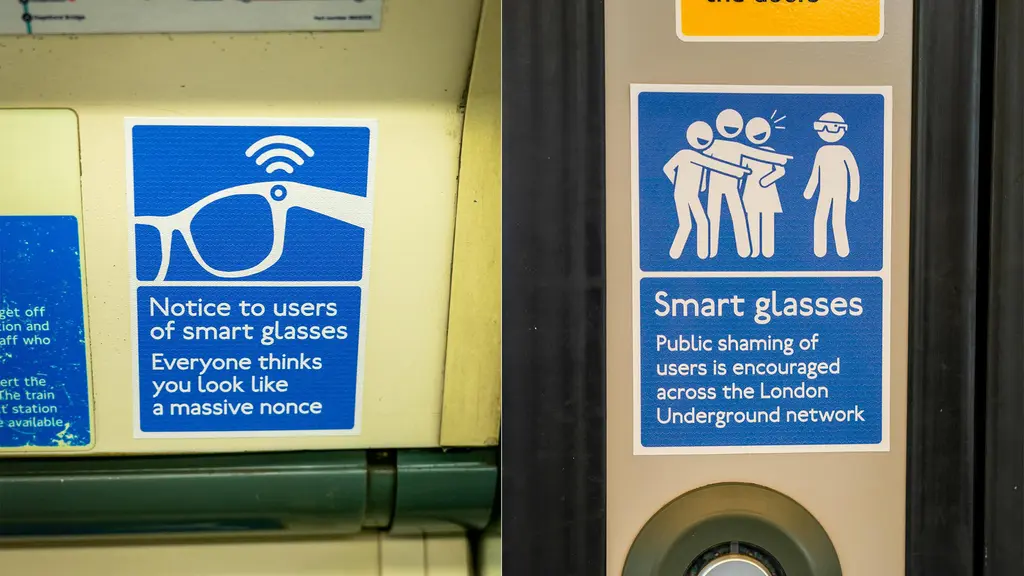
Activists slam “pervert glasses” in new guerrilla campaign
Everyone Hates Elon — Stickers have appeared on the London Underground network, criticising the wearable technology’s covert filming capabilities.
Written by: Isaac Muk

Behind the curtain at Alternative Miss World 1981
Olympia glamour — Running a subversive take on the traditional beauty pageant, the Andrew Logan organised event prioritised underground creativity and invention. Photographer David Corio went behind the scenes at its biggest edition.
Written by: Miss Rosen

What life on the Strait of Hormuz is really like
Southern Winds — Bandar Abbas based photographer Morteza Niknahad has been capturing the diverse communities and stories of his local region since he first picked up a camera. His new series highlights the human impact of war.
Written by: Isaac Muk

Nick Haymes’s intimate portrait of his family’s life
Chronograph — Over 25 years, the photographer documented his son’s lives as they grew into adults. The resulting photobook is an exploration of the passage of time, as well as the optimism of youth.
Written by: Miss Rosen


