Activists claim victory after major UK festivals drop Barclays as a sponsor
- Text by Ben Smoke
- Photography by Shutterstock

After months of campaigning, groups including Bands Boycott Barclays, Palestine Solidarity Campaign and the Peace & Justice Project are today claiming victory in their fight to get Barclays dropped as a sponsor of major UK festivals.
The bank had been listed as a headline or major sponsor of several prominent UK festivals owned by Live Nation including Latitude, Isle of Wight and Download, which is taking place this weekend. It was announced today the bank had been asked to ‘suspend its sponsorship’.
The news comes after years of resistance to and action around the bank’s inclusion as a sponsor at major cultural events because of Barclays’ alleged ties to the arms trade. Action has only increased in the months after Israel began its military action in Gaza.
According to new research by Campaign Against the Arms Trade, Palestine Solidarity Campaign and War on Want, Barclays has over $2.5 billion in shareholdings in and has provided over $5 billion in loans to companies associated with the IDF’s ongoing military activity in Gaza. Israeli military forces have so far killed over 35,000 people according to Palestinian authorities, 70 per cent of whom are women and children. In January, the ICJ ruled that there was a “real and imminent risk” of genocide carried out by IDF against Palestinians.
A quarter of the lineup for The Great Escape festival, also owned by Live Nation, withdrew from performing last month in protest at the inclusion of the bank as a sponsor. When approached in May, Barclays did not offer specific comment on its alleged ties to the arms trade, instead pointing to a recently released Q+A they published on the subject. In it, they state, “Barclays has been the subject of criticism in relation to Gaza based on two arguments: that Barclays is an investor in these businesses, and that we provide a range of financial services to clients which produce equipment used by the Israeli Defence Force.
“We have been asked why we invest in nine defence companies supplying Israel, but this mistakes what we do. We trade in shares of listed companies in response to client instruction or demand and that may result in us holding shares. We are not making investments for Barclays and Barclays is not a “shareholder” or “investor” in that sense in relation to these companies.”
Despite The Great Escape going ahead, albeit with a diminished lineup, activists continued to work with artists to put pressure on Live Nation to remove Barclays as a sponsor for future events. Today a spokesperson from Barclays confirmed to Huck that “Barclays was asked and has agreed to suspend participation in the remaining Live Nation festivals in 2024.”
In a statement given over email, the spokesperson said, “Barclays customers who hold tickets to these festivals are not affected and their tickets remain valid. The protestors’ agenda is to have Barclays debank defence companies which is a sector we remain committed to as an essential part of keeping this country and our allies safe. They have resorted to intimidating our staff, repeated vandalism of our branches and online harassment. The only thing that this small group of activists will achieve is to weaken essential support for cultural events enjoyed by millions. It is time that leaders across politics, business, academia and the arts stand united against this.”
A spokesperson from Bands Boycott Barclays told Huck “This is a victory for the Palestinian-led global BDS movement. As musicians, we were horrified that our music festivals were partnered with Barclays, who are complicit in the genocide in Gaza through investment, loans and underwriting of arms companies supplying the Israeli military. Our demand to Barclays is simple: divest from the genocide, or face further boycotts. Boycotting Barclays, also Europe’s primary funder of fossil fuels, is the minimum we can do.”
British rock band Enter Shikari, who are scheduled to appear at this weekend’s Download festival posted on their socials that they had been ‘in discussions with the festival’ over the sponsorship by Barclays and were pleased to announce the bank was being dropped.
PLEASE READ. 🍉@DownloadFest @bands_boycott @BDSmovement
— ENTER SHIKARI (@ENTERSHIKARI) June 14, 2024
Solidarity,
Enter Shikari ❤️ pic.twitter.com/rvZDgWMZXa
The band had previously signed the Music for a Ceasefire letter demanding an immediate ceasefire in Gaza. The letter was coordinated by the Peace & Justice Project’s Music for the Many campaign. On the news that Barclays had been dropped as a sponsor, campaign convener Samuel Sweek told Huck, “This is an absolutely massive victory for our movement and shows the incredible power we have if we stand together against the profiteers of war. This sends a strong message to other festival organisers around the world: if they don’t stand on the side of humanity and cut ties with the war machine, we will continue to organise in solidarity with the Palestinian people — and we will win.”
Live Nation were approached multiple times for comment but had not responded at the time of publishing.
Enjoyed this article? Follow Huck on X and Instagram.
Support stories like this by becoming a member of Club Huck.
You might like

Why have a quarter of The Great Escape’s line up pulled out?
At least 126 acts have withdrawn from the Brighton festival in protest at the inclusion of Barclays as a sponsor because of the bank's alleged links with atrocities in Gaza, Ben Smoke explains.
Written by: Ben Smoke

Enter Shikari, Kneecap and more on why musicians are calling for a permanent ceasefire in Gaza
Over 1200 musicians, performers and artists have signed an open letter, organised by Jeremy Corbyn’s Peace and Justice Project.
Written by: Ben Smoke

One year of Jeremy Corbyn’s Music for the Many
Photographer Emily-Jayne Nolan went down to Moth Club, Hackney to capture the anniversary show of Peace & Justice Project’s campaign to save grassroots music venues.
Written by: Ben Smoke

Sports Banger is throwing a party to mark 90 years since the Battle of Cable Street
“Fascists hate dancing” — The October event will bring DJs, live music, sound system culture and anti-fascist politics together in East London.
Written by: Ella Glossop

Is Field Maneuvers the most fun time ever? Yes probably
Collective joy — Huck’s art director Samuel White went to the 2026 edition, braving a wet start and interviewing FLINTA* collective and arm wrestling legends Uhaul Dyke Rescue in the process.
Written by: Samuel White
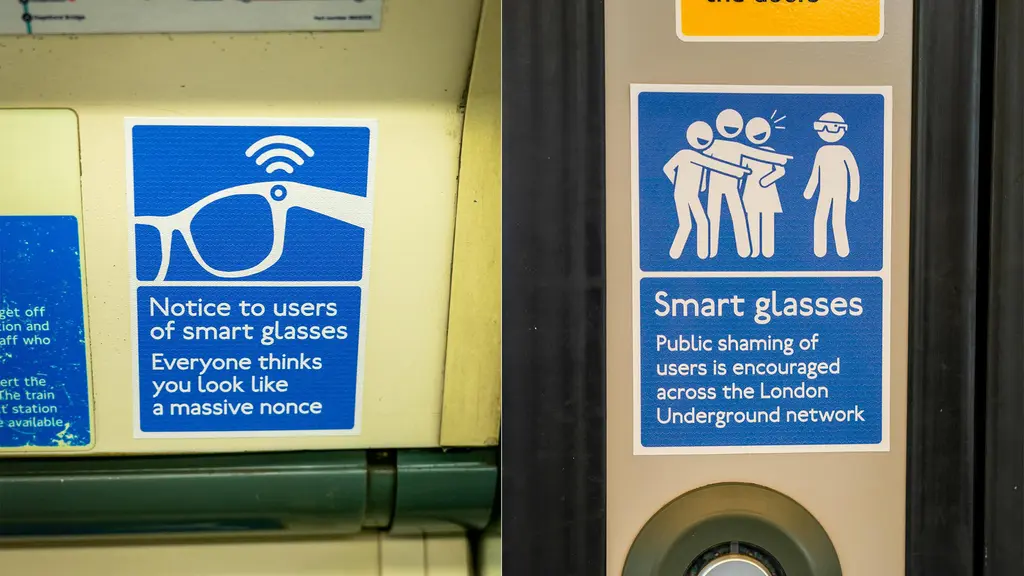
Activists slam “pervert glasses” in new guerrilla campaign
Everyone Hates Elon — Stickers have appeared on the London Underground network, criticising the wearable technology’s covert filming capabilities.
Written by: Isaac Muk


