Exploring the strange, secretive lives of England’s adult babies
- Text by Dominique Sisley
- Photography by Polly Borland

How much do you really know about adult babies? The sexual fetish – otherwise known as paraphilic infantilism – is probably one of the most maligned and marginalised in existence. Participants, in an effort to get turned on sexually, wear adult-sized nappies, shit themselves, and co-opt cooing, baby speak. Even for the carnally adventurous, it’s a lot.
For photographer Polly Borland, though, this world has always been misunderstood. In her 90s photo series, The Babies, she attempts to shine a light on its darkest corners – capturing a group of British men who regularly indulge in the practice of ‘adult babying’. The project, which was taken over six years from 1994-1999, has now been resurrected for an exhibition at the Los Angeles’ Mier Gallery.
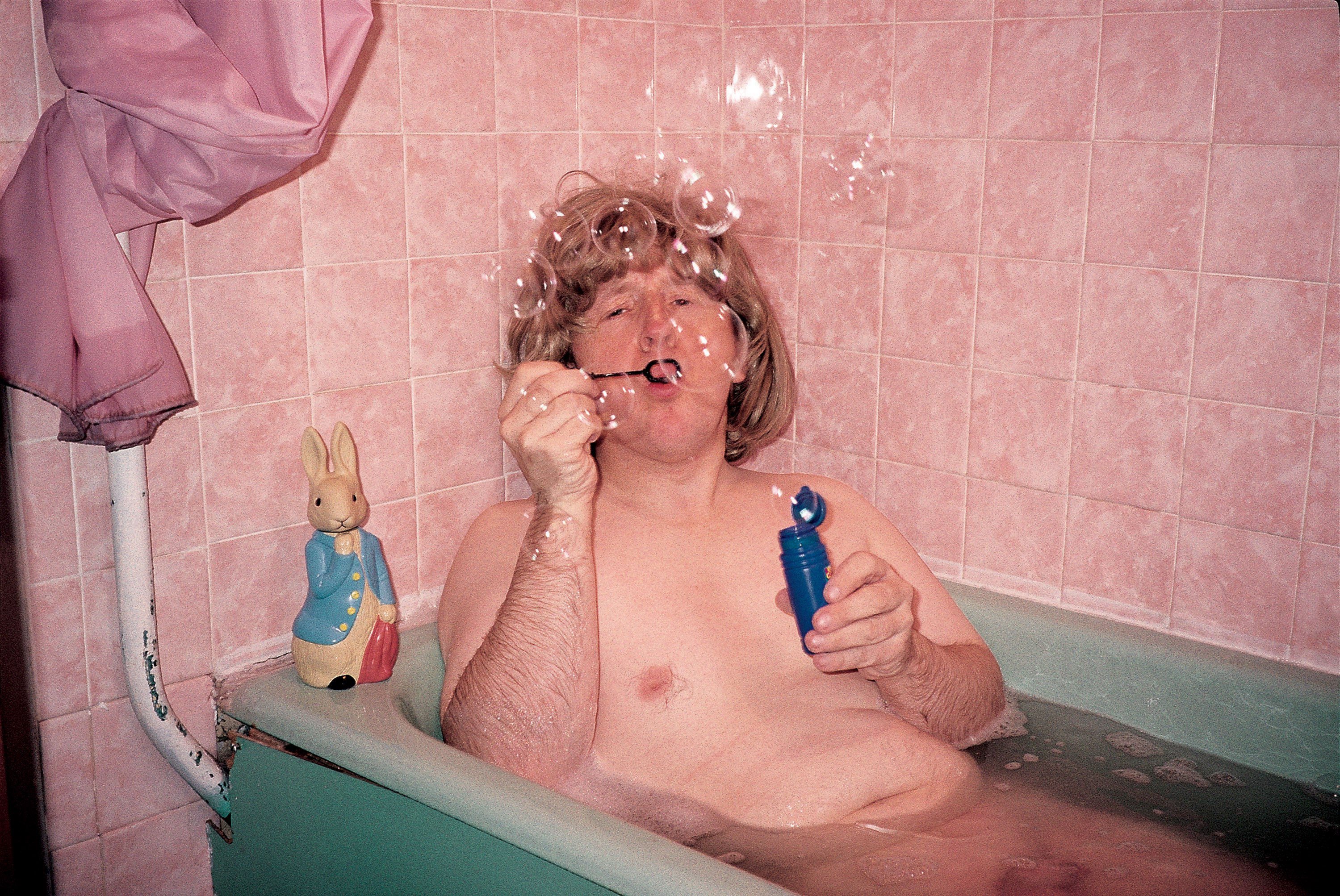
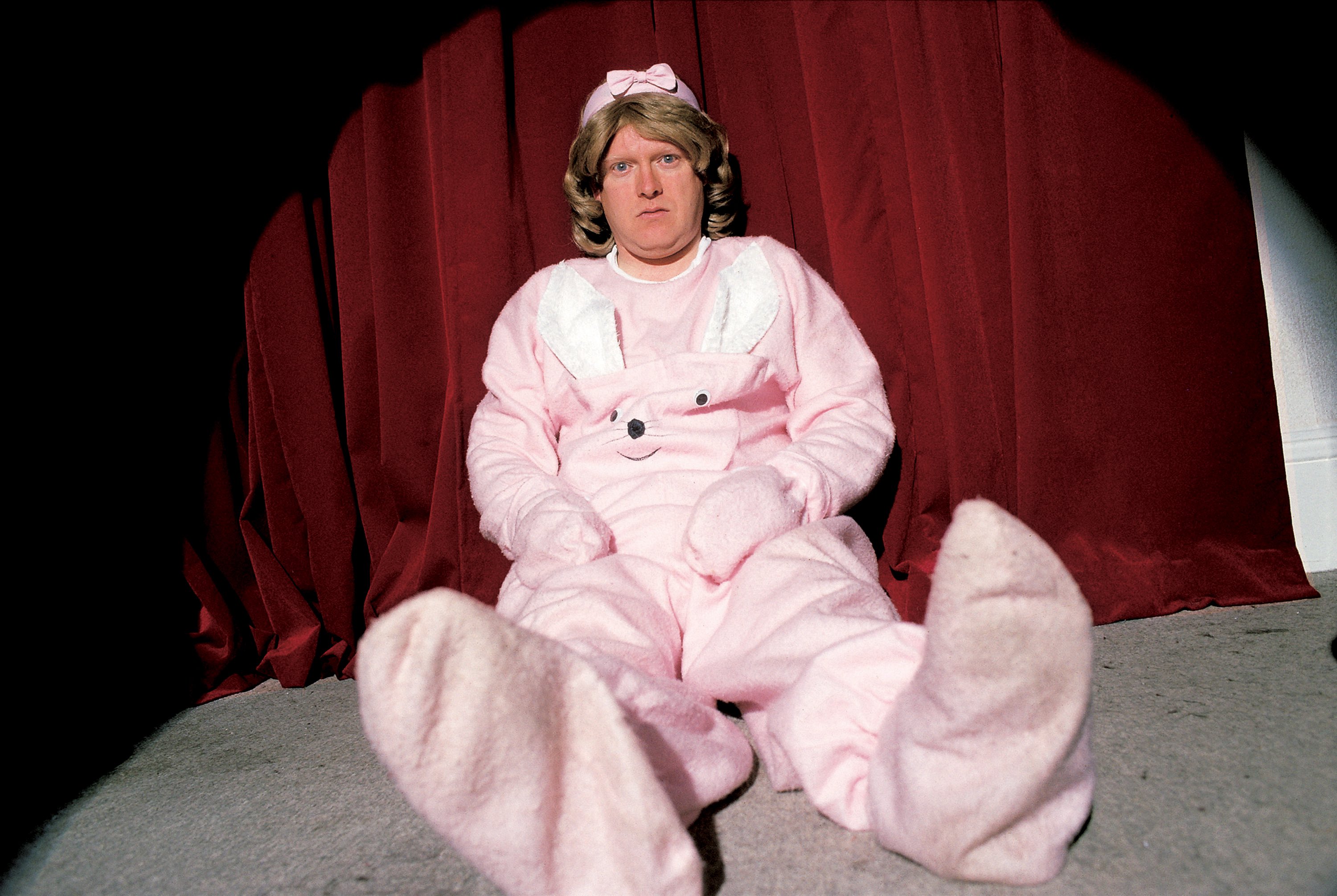
At the time the photos were taken, Australian-born Borland was living in England. She claims to have found most of her subjects at an underground club in Kent. “I found it to be mainly a male phenomenon,” she remembers. “Occasionally, female partners of the babies would dress up to please their partner, but I didn’t find much evidence otherwise of female participation in the culture. It should be noted, however, that many adult male babies would role play as female babies, not really in a sexual way of course but more in a playful act of imagination.”
The photographer adds that, from her experience, the movement was highly varied and “individualistic”, with Borland finding many differences in how each “baby” would choose to express themselves. “Everywhere I went I found different preferences,” she says. “ down to which kind of nappies they chose to wear, whether they were terry towelling or disposable. Different babies chose to be infants and some to be young toddlers.”
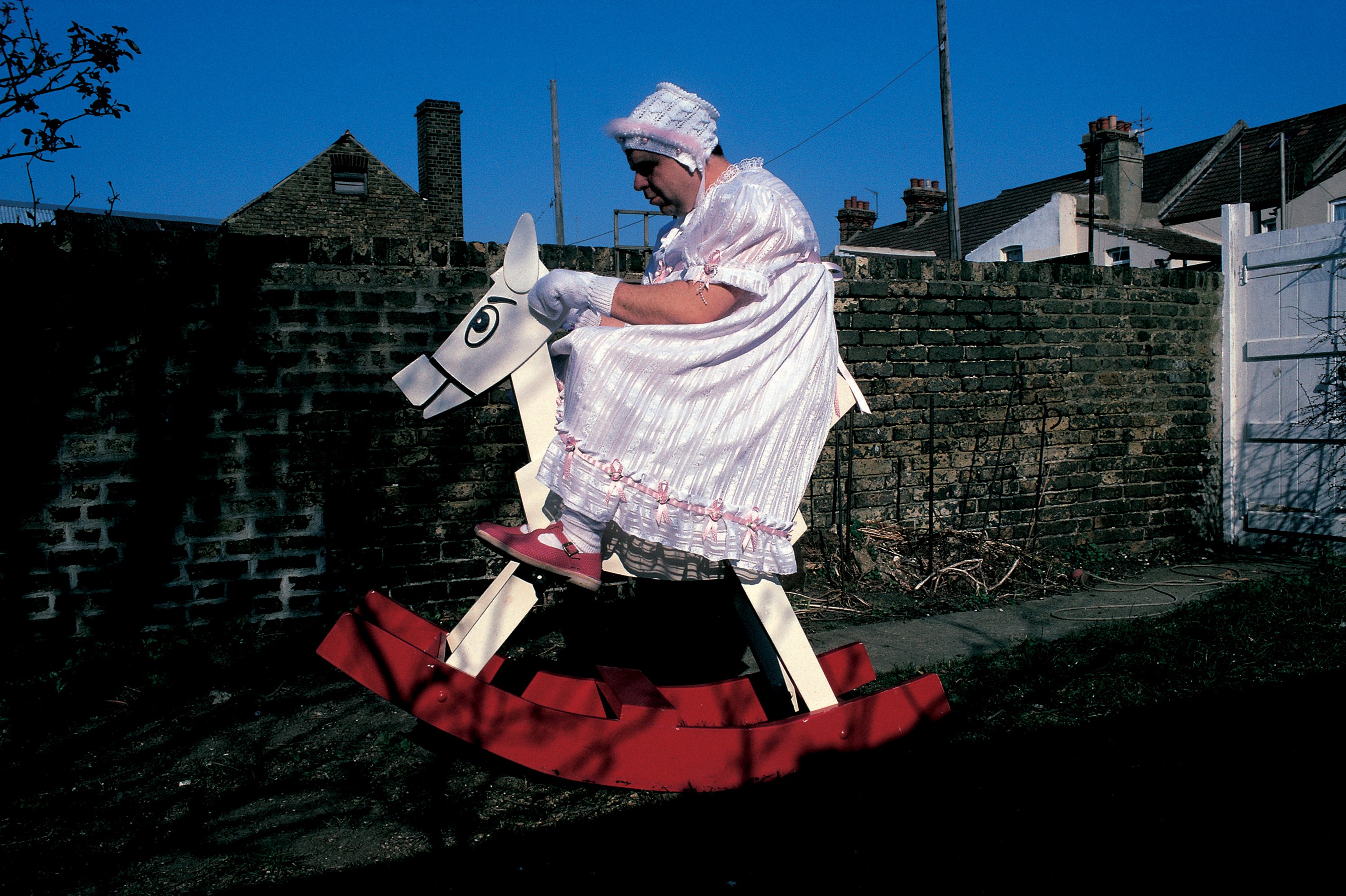
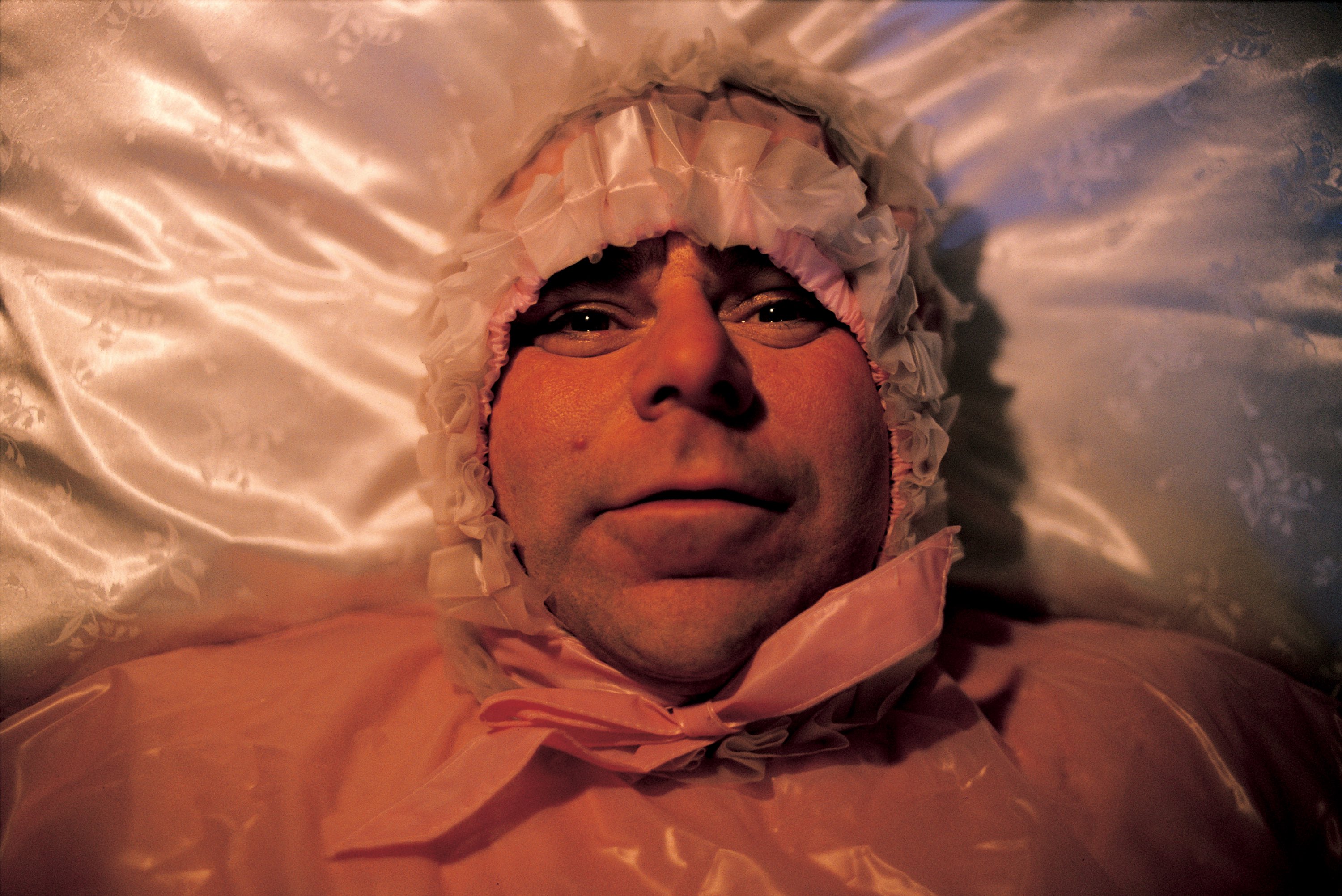
The show is running at the Mier until August 19th, alongside the photographer’s Tapestries – a series of woven interpretations of Queen Elizabeth II. According to Borland, the response to both projects has been mixed.
“A lot of younger people who came to my opening thought the work was beautiful and amazing, while others found it the most challenging body of work they have ever seen! I’m happy with both of these reactions, as I’d like my work to evoke strong responses from viewers,” she tells Huck. “[It’s down to] my own desire to explore life all its infinite glory, which means unpacking things that are sometimes difficult to look at.”
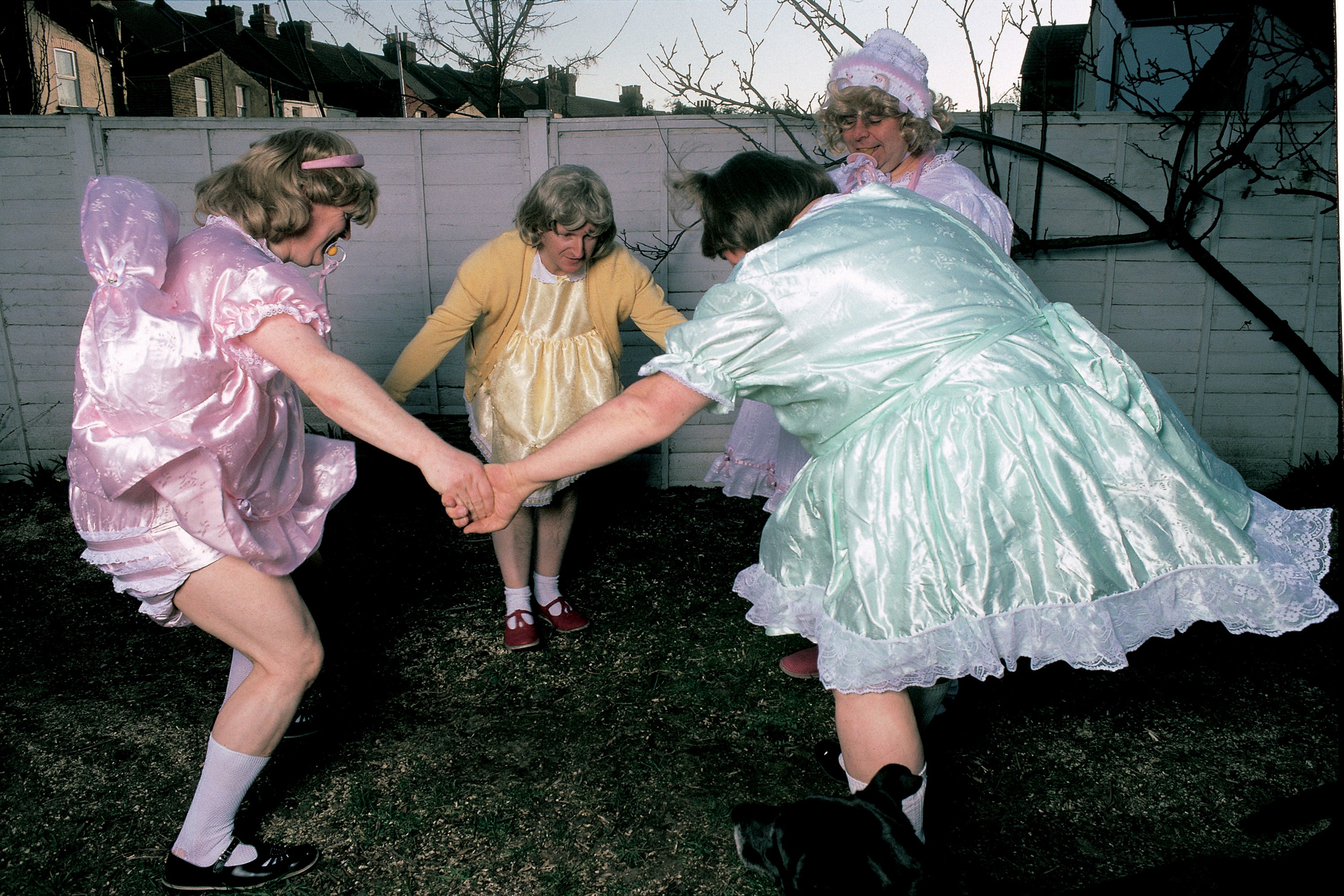
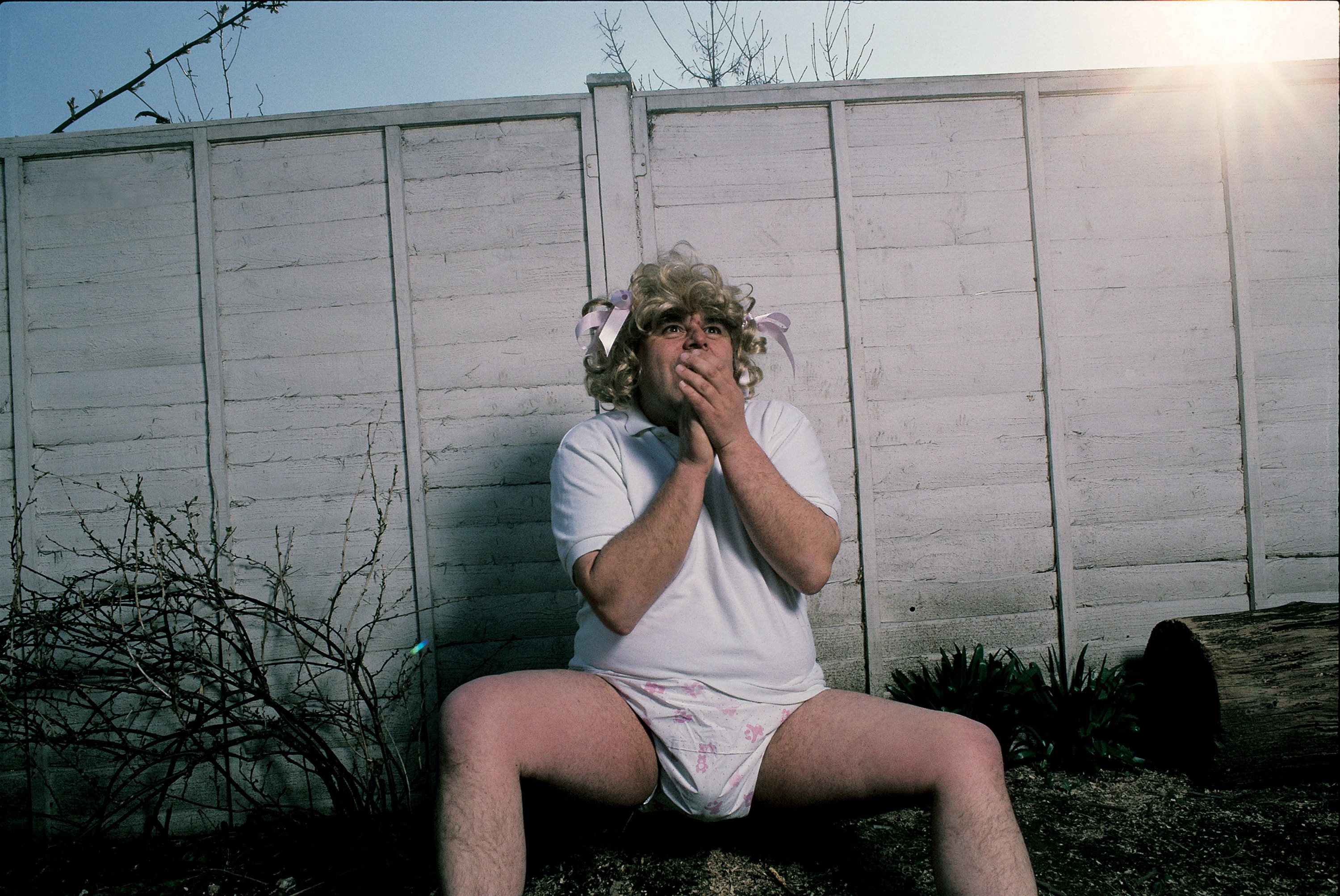
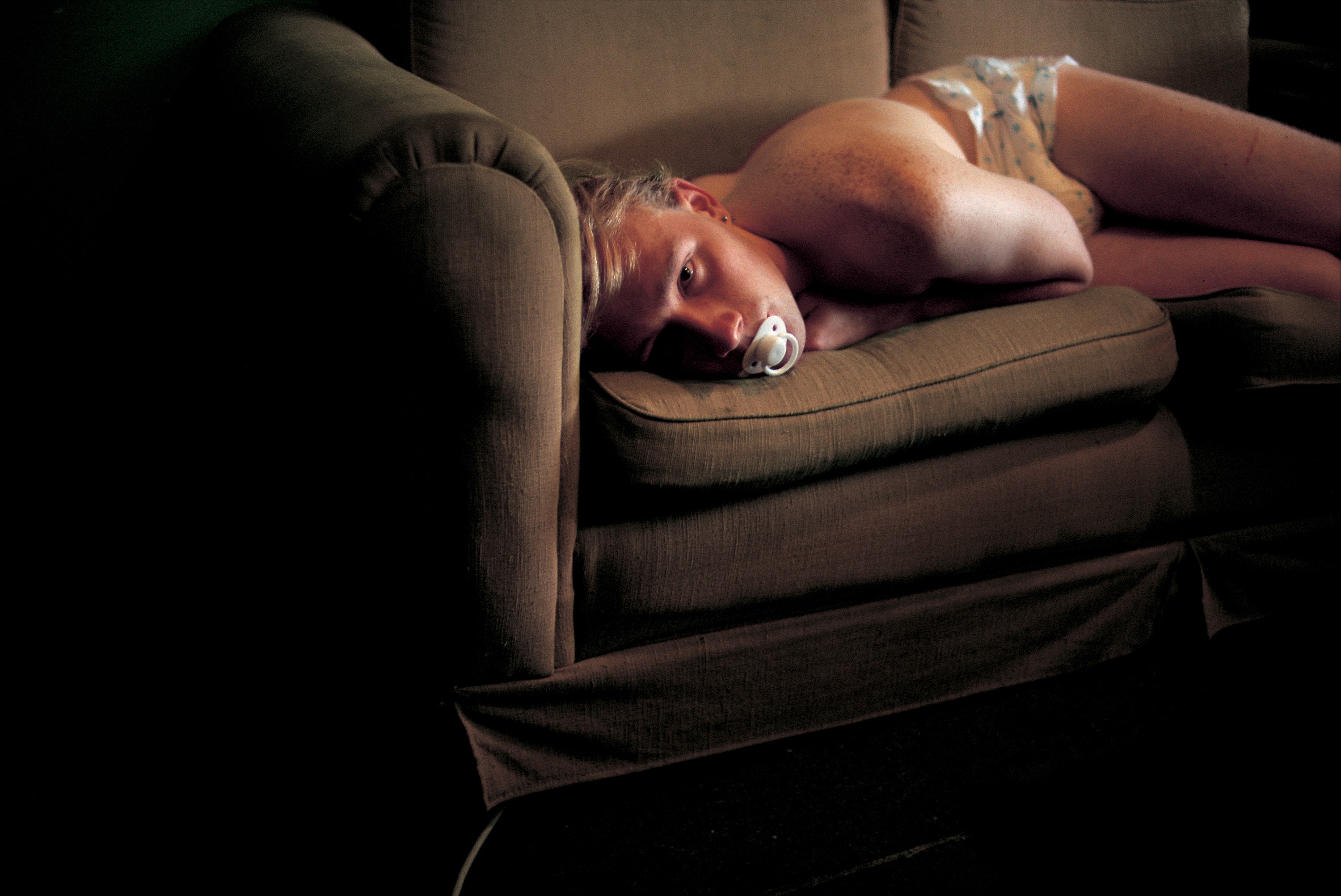
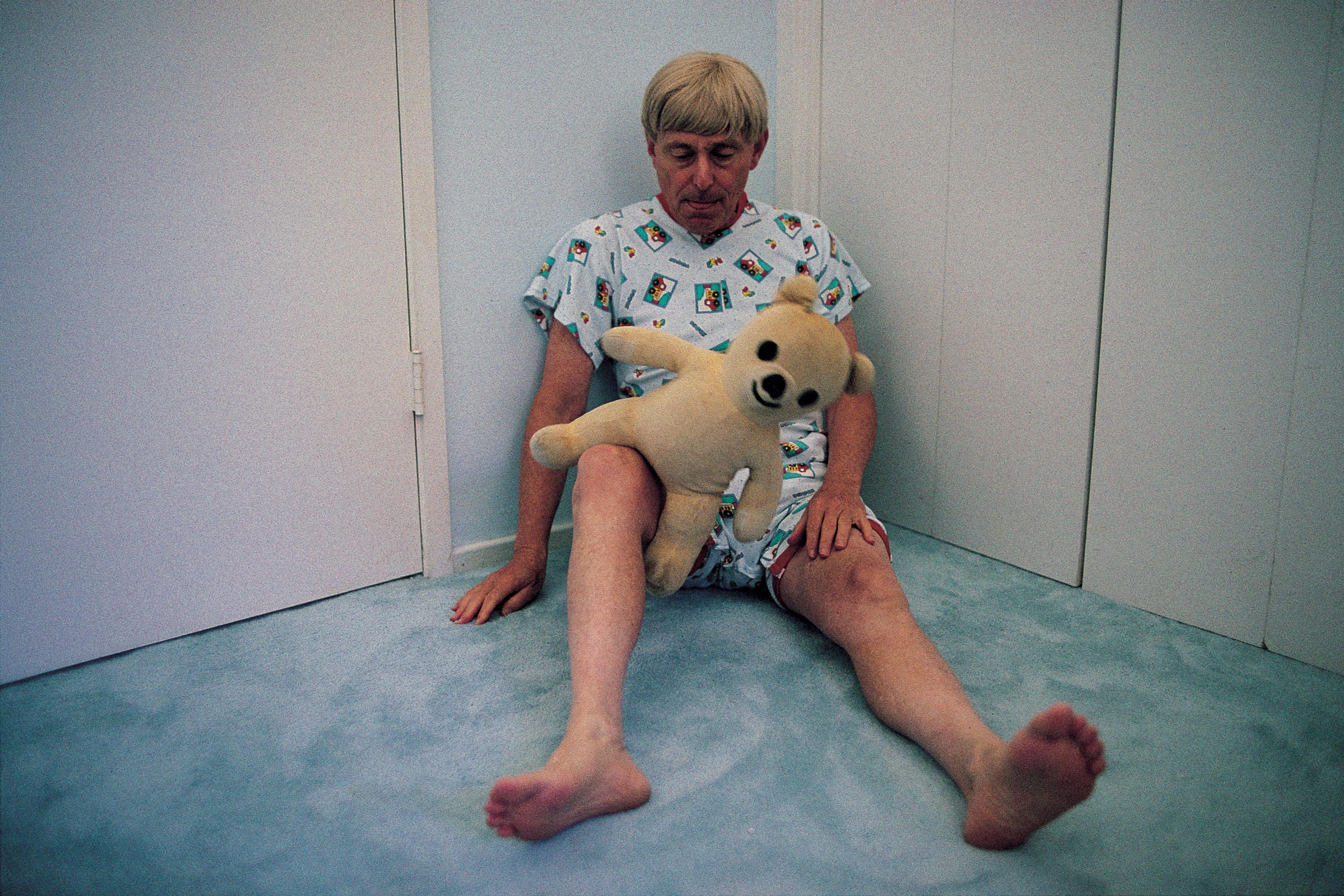
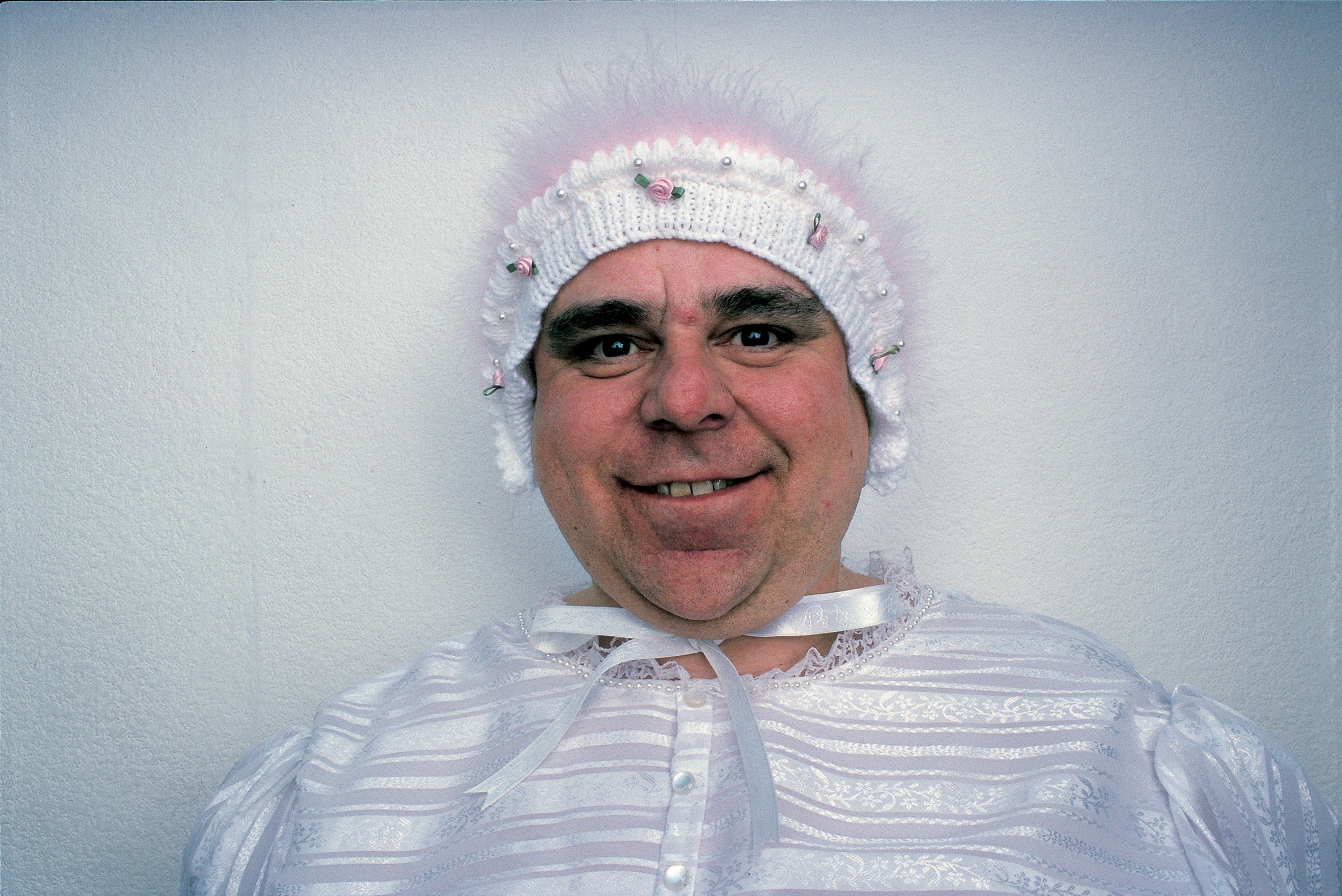
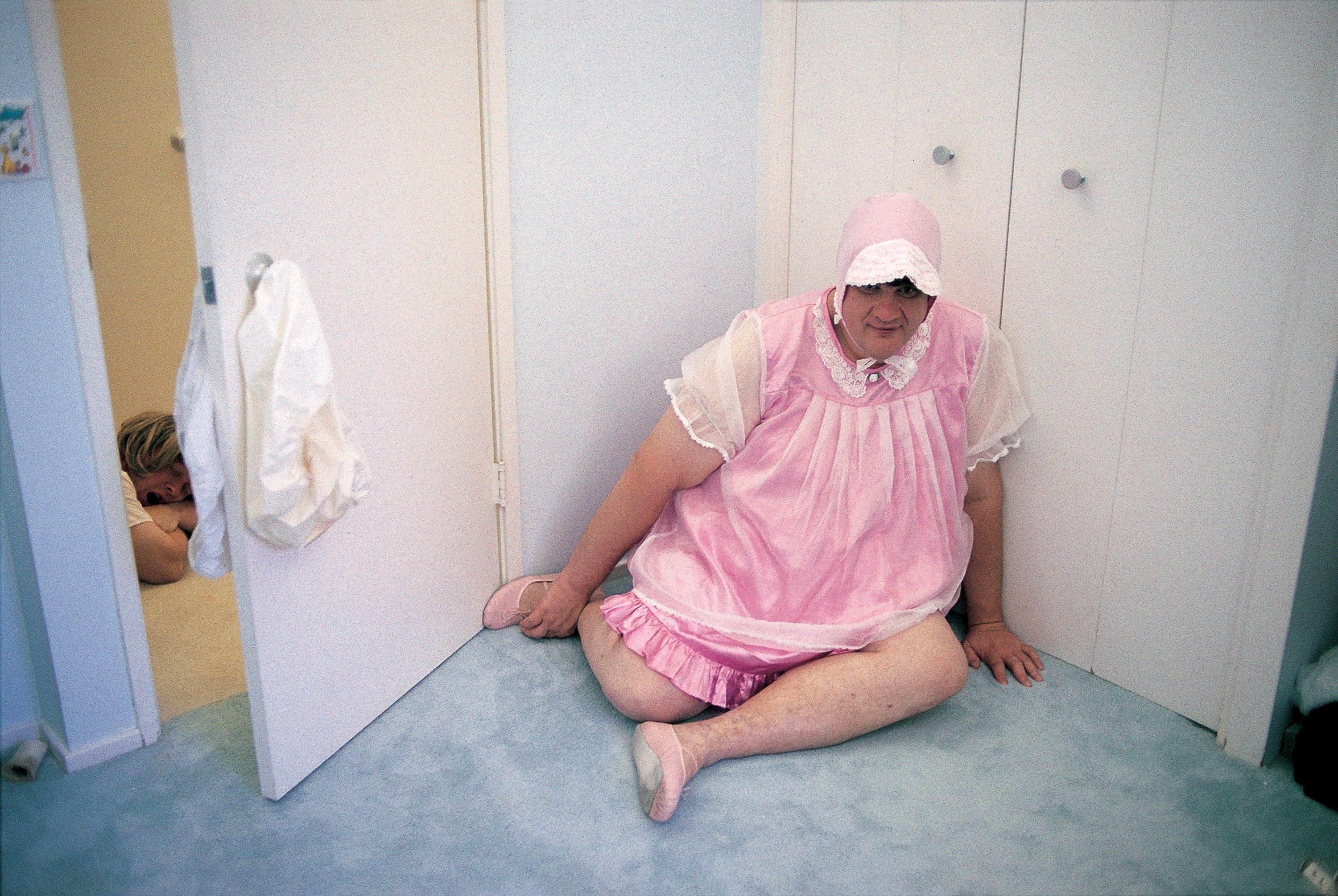
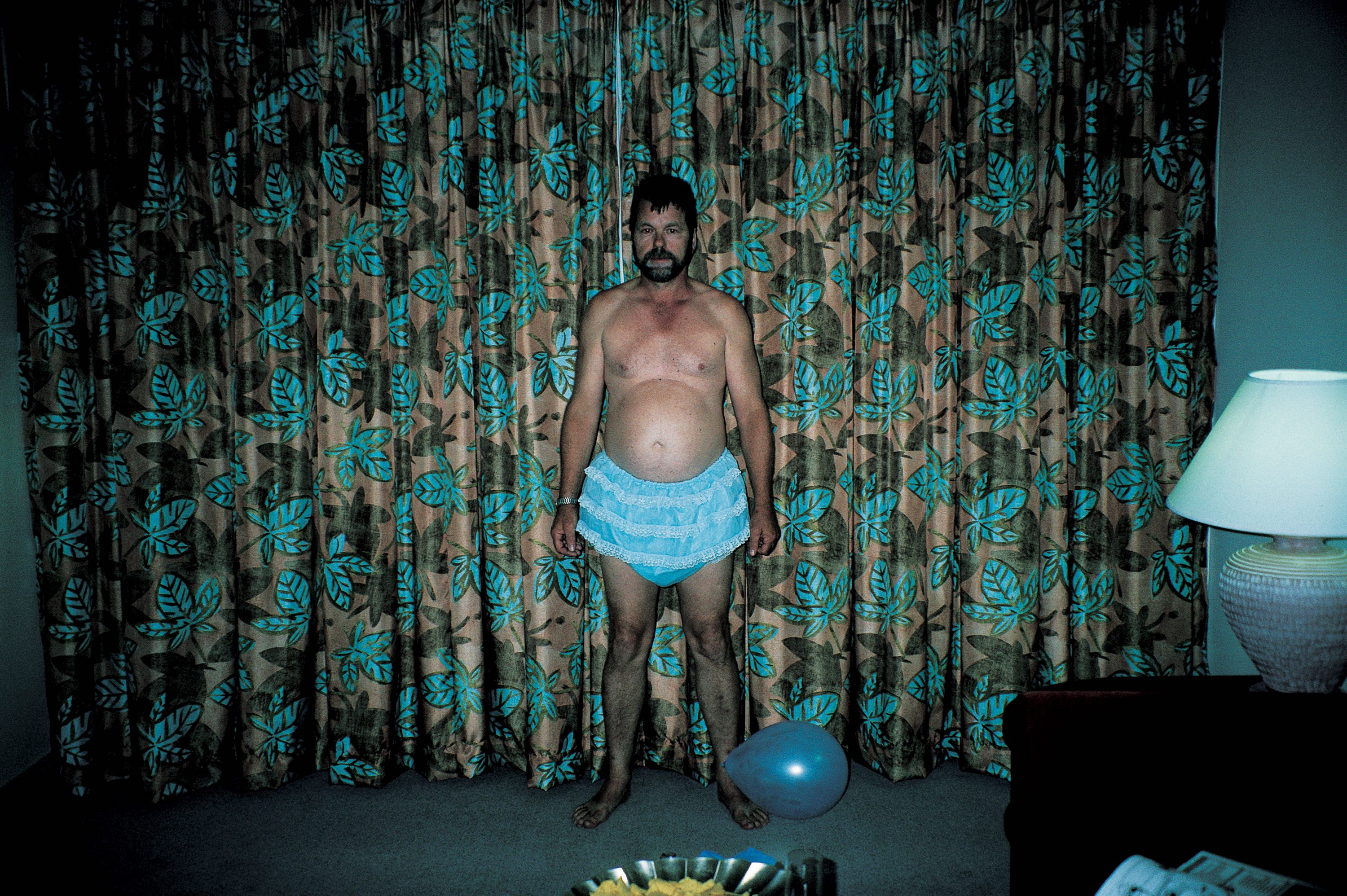
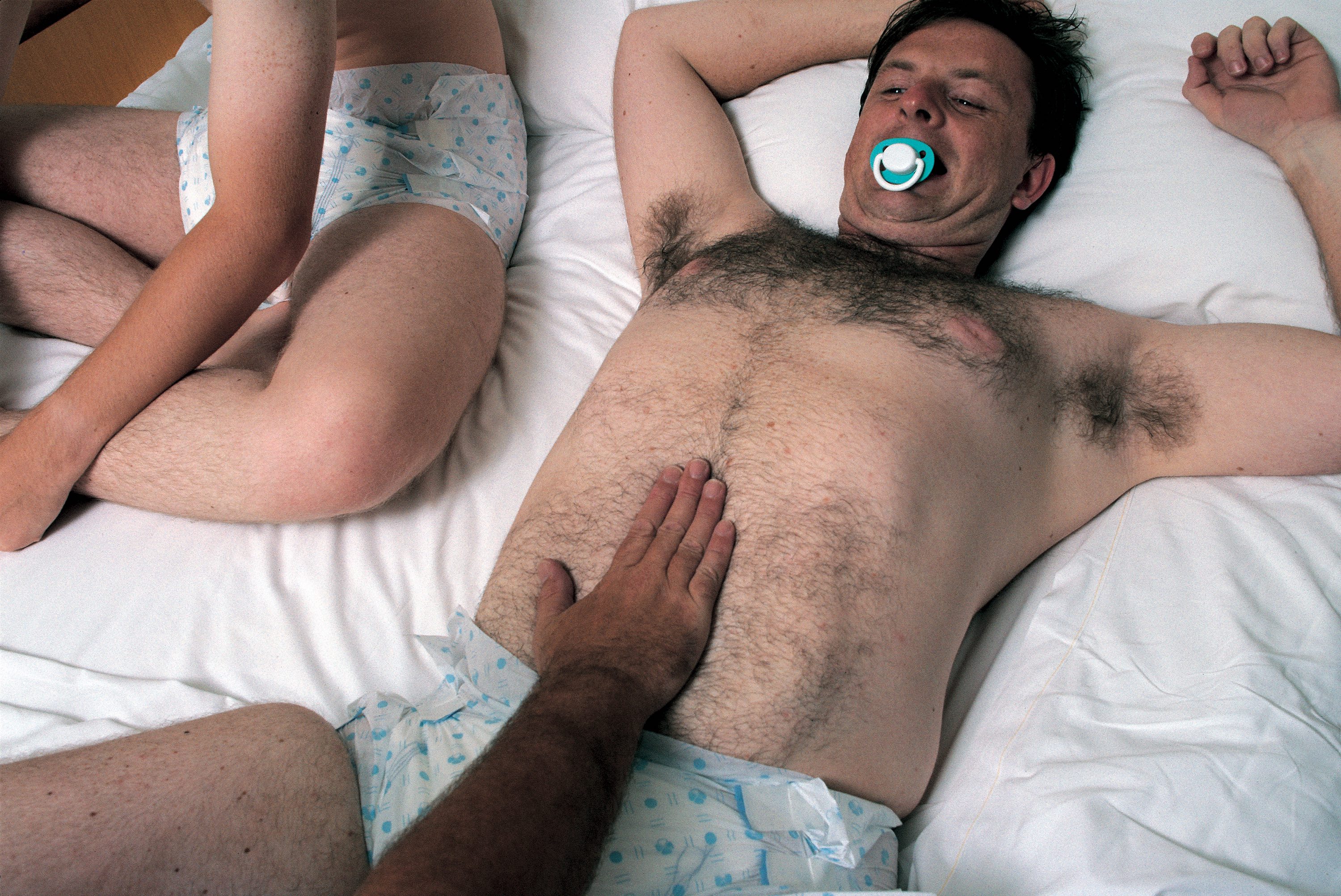
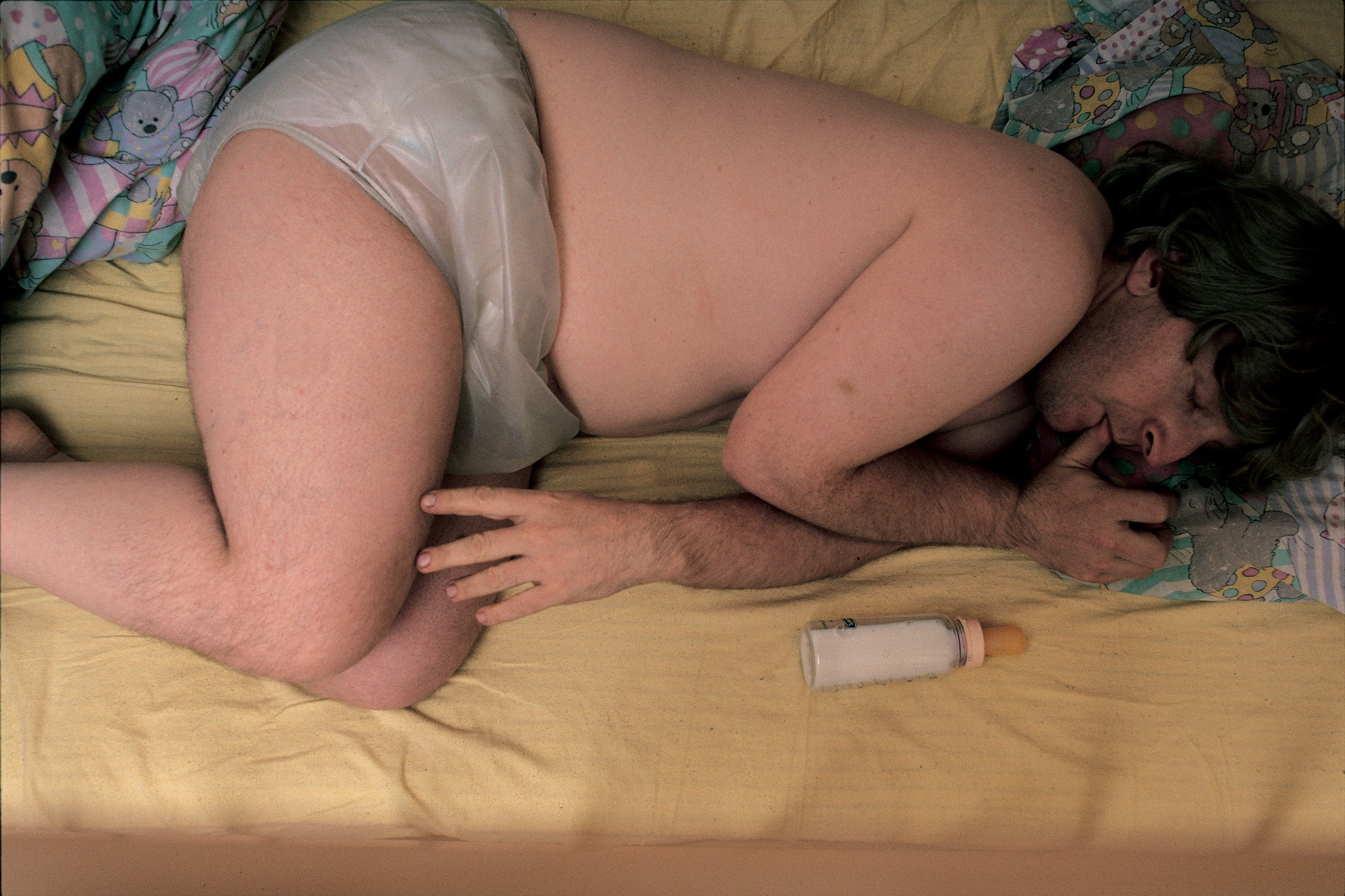
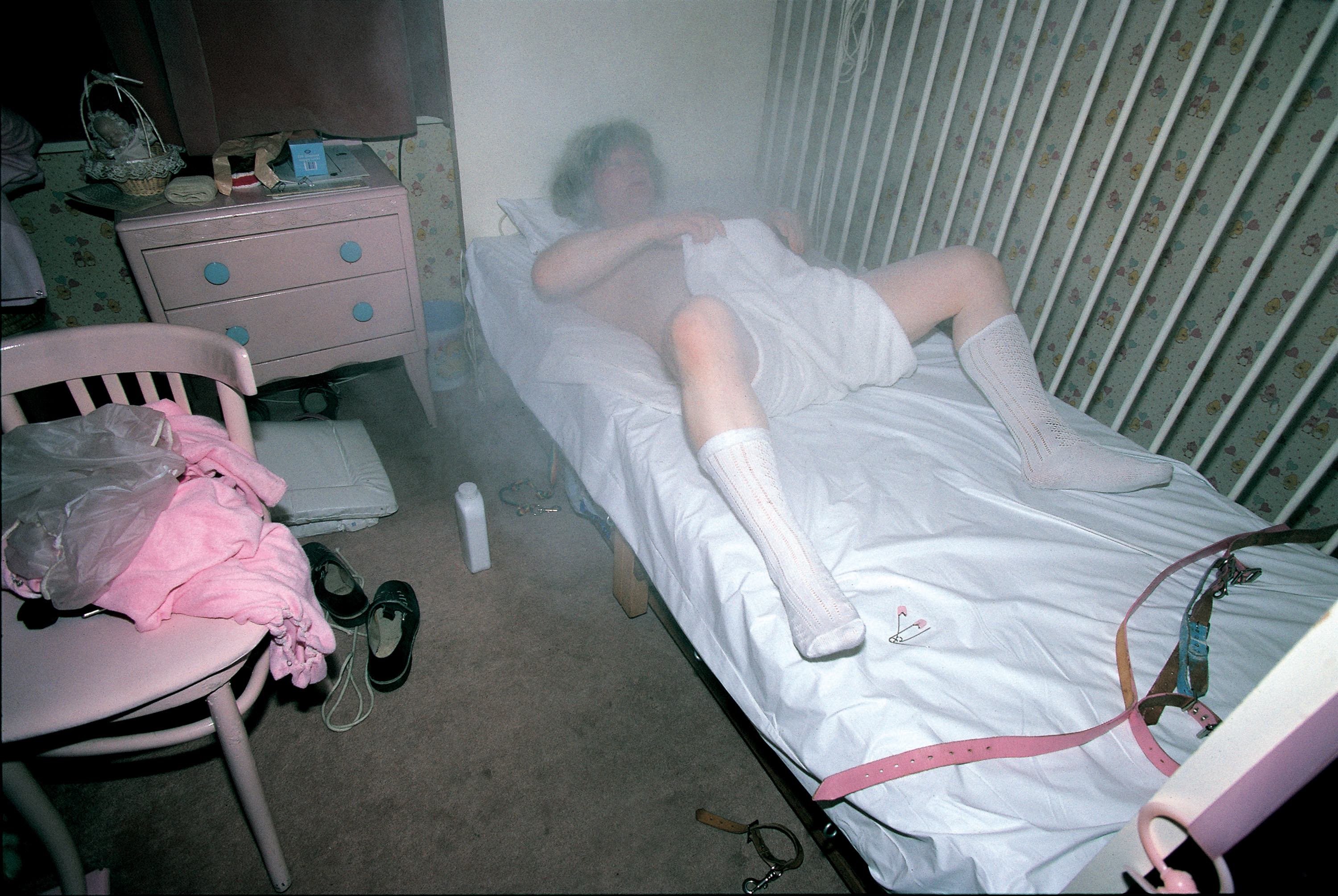
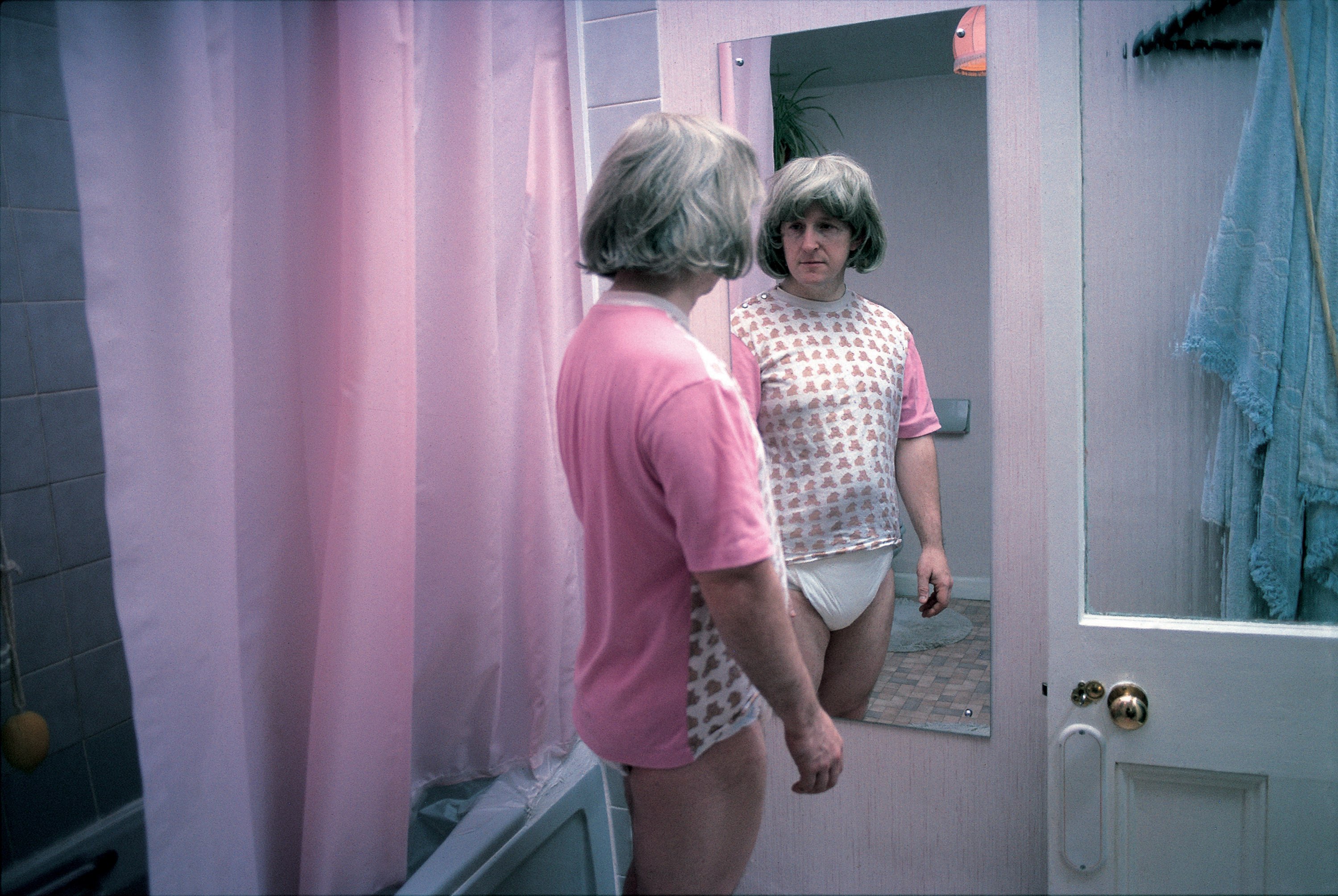
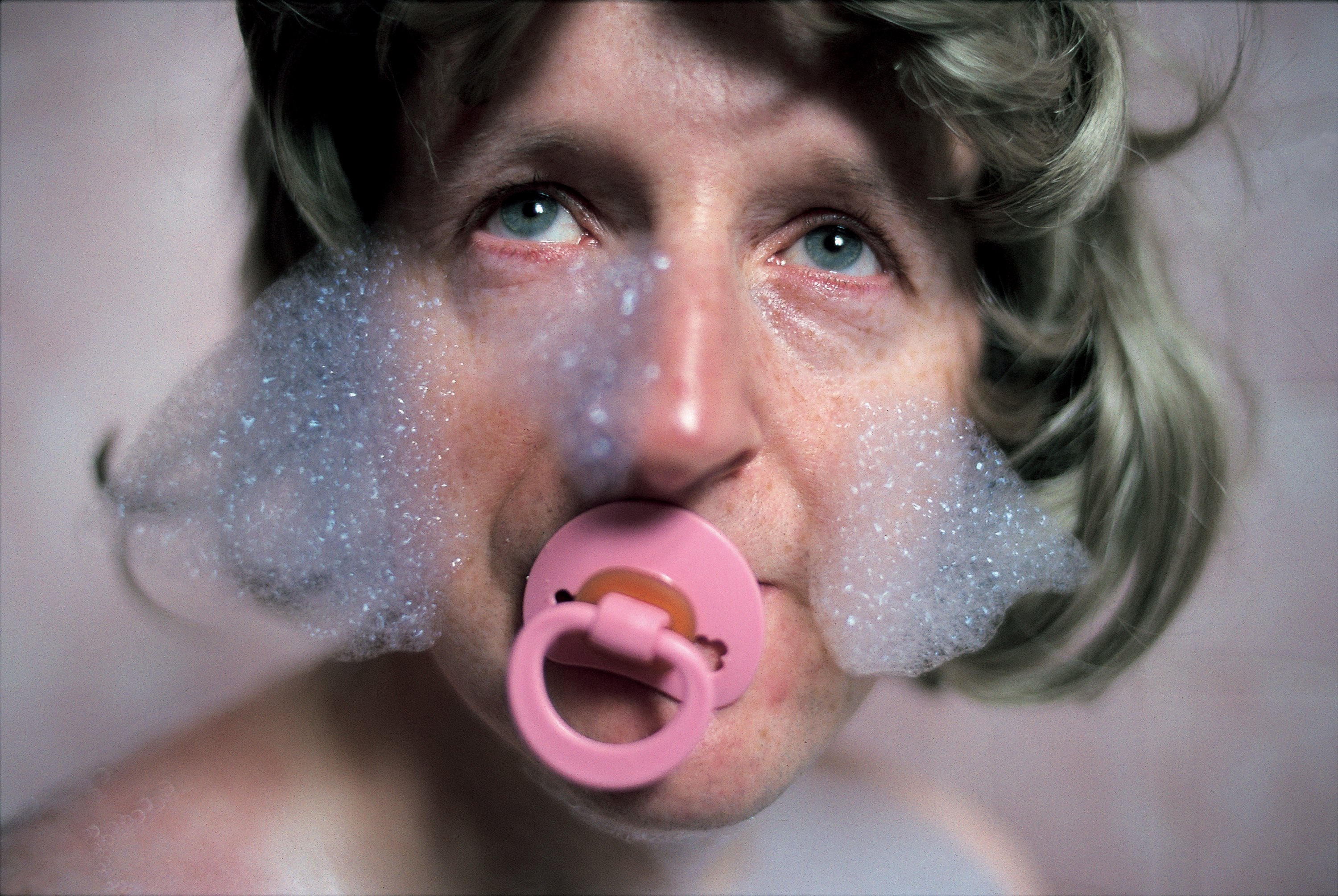
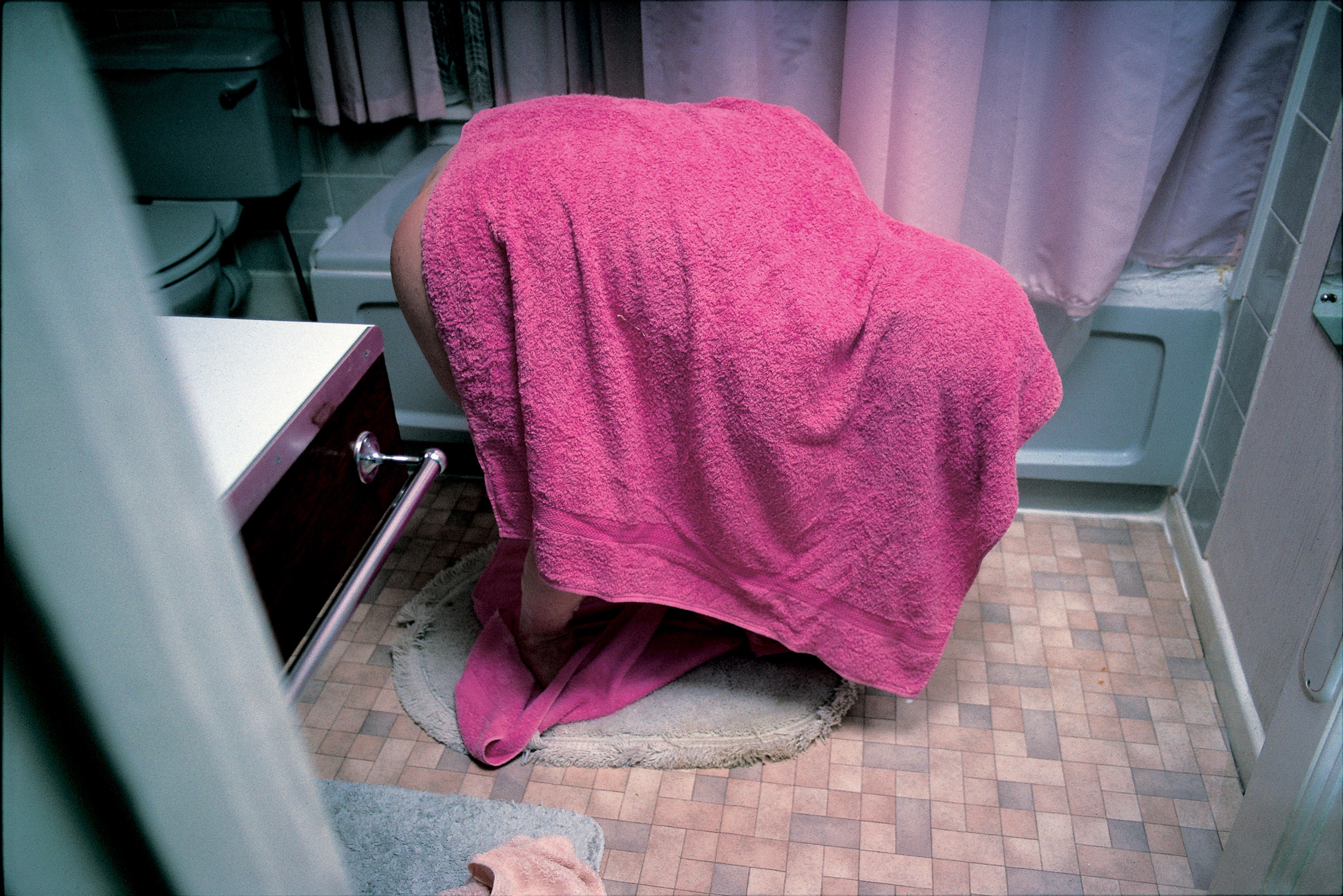
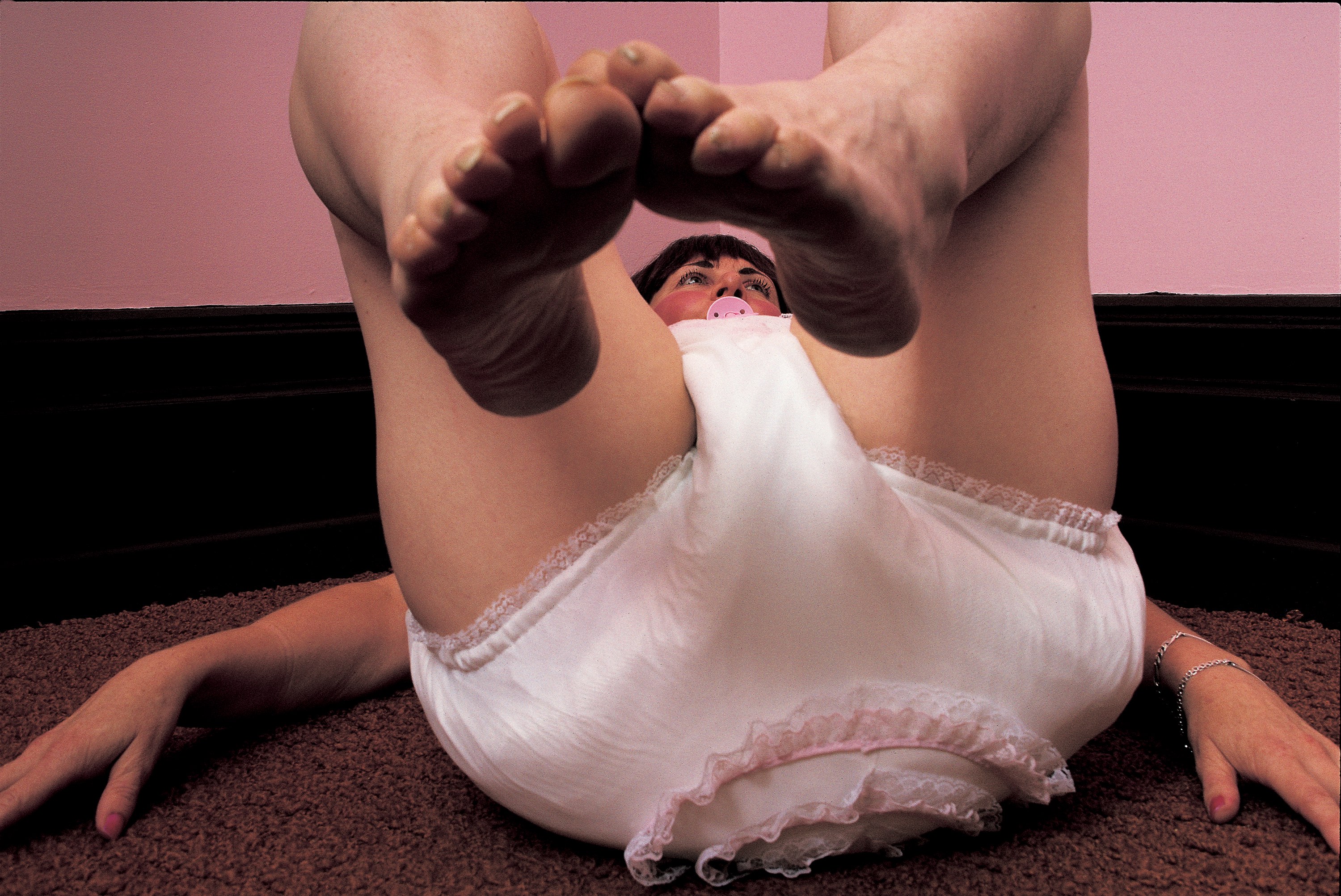
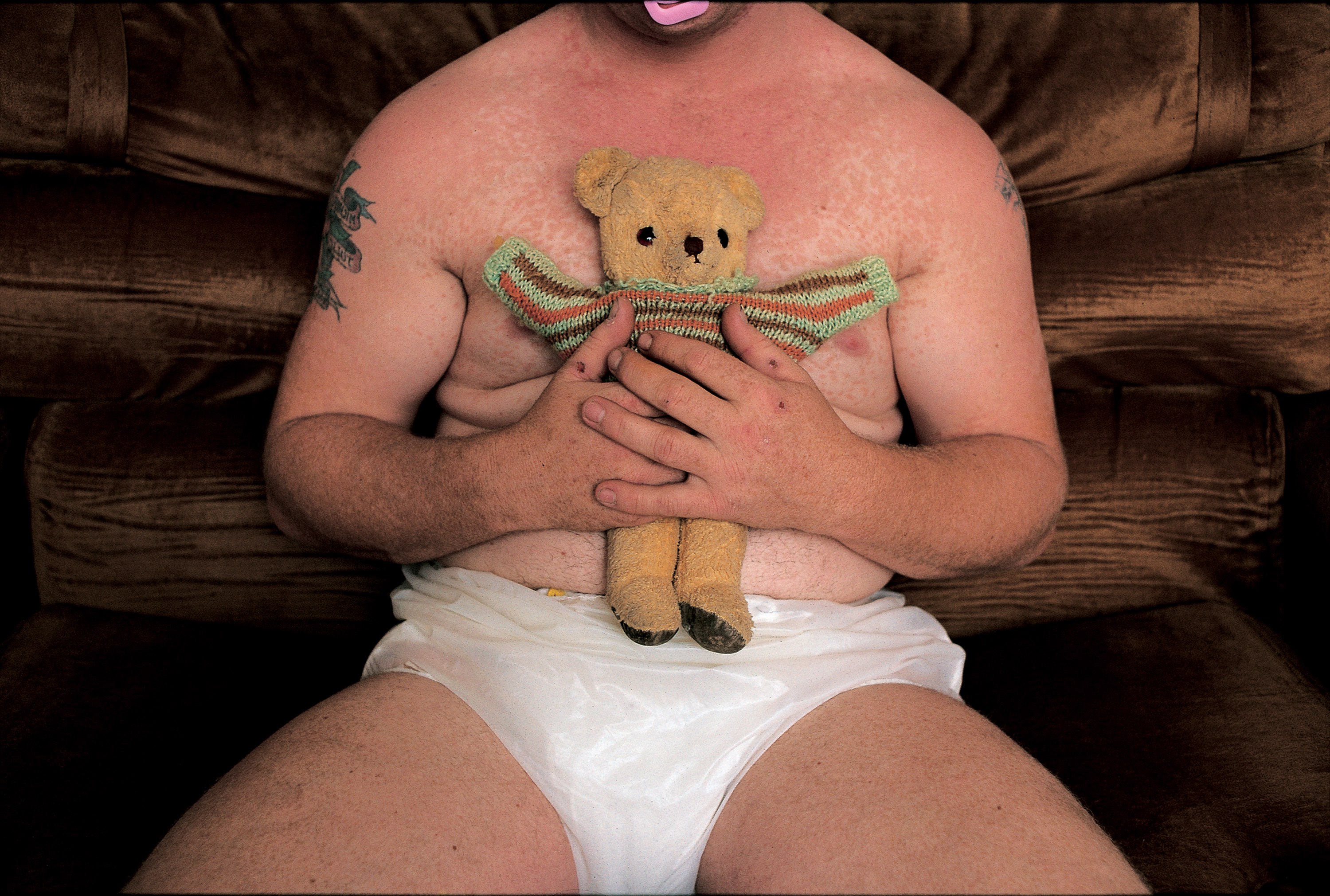
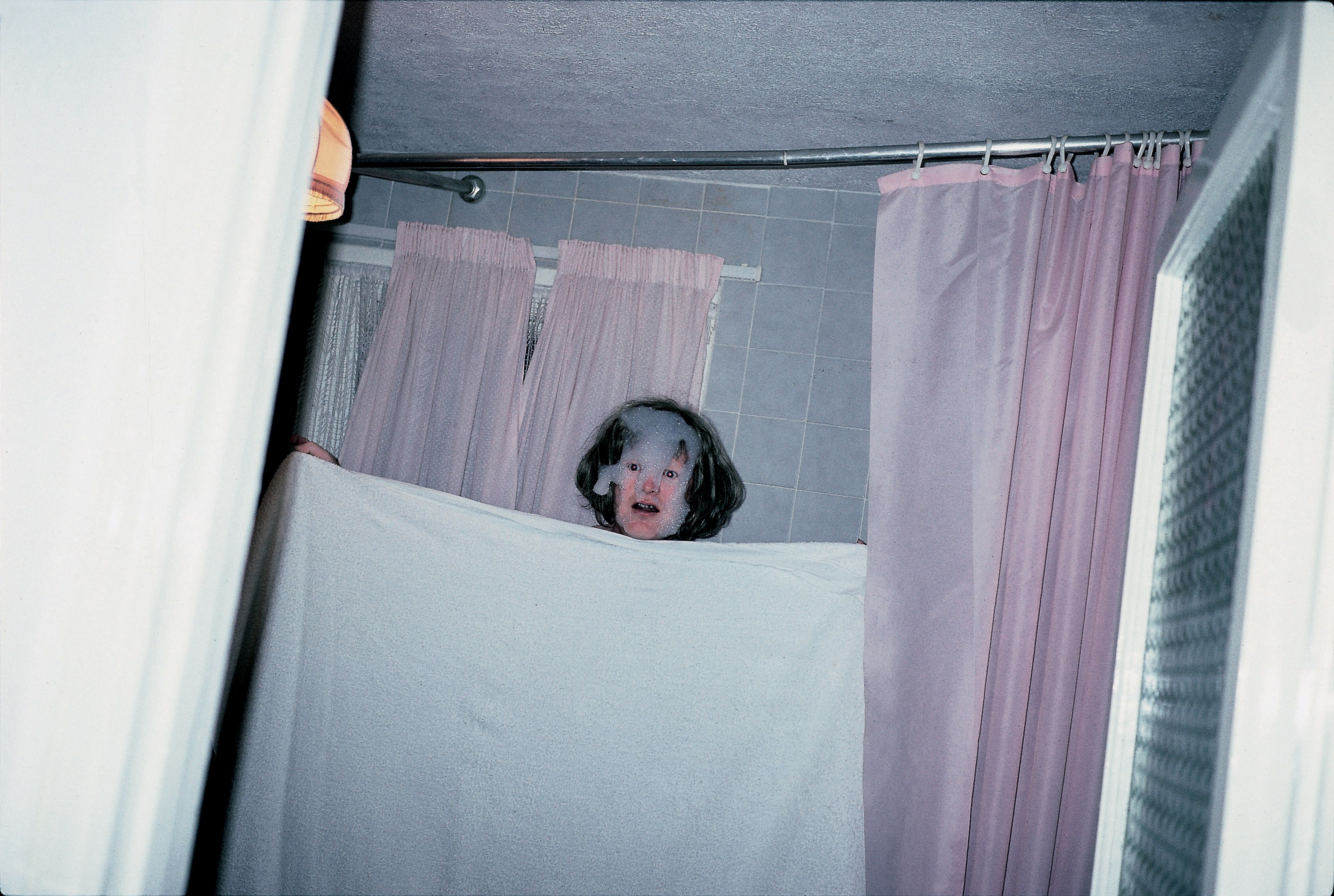
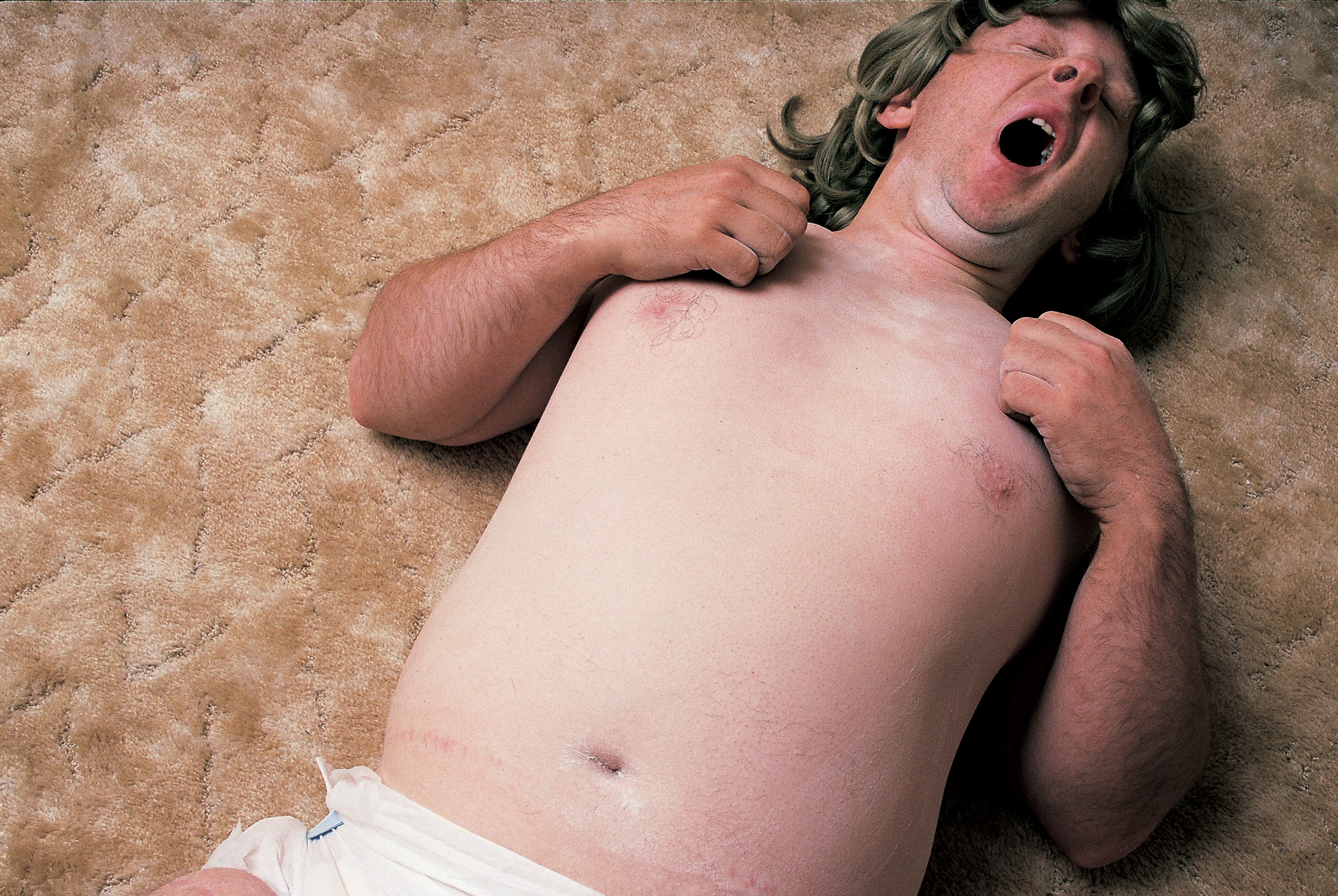
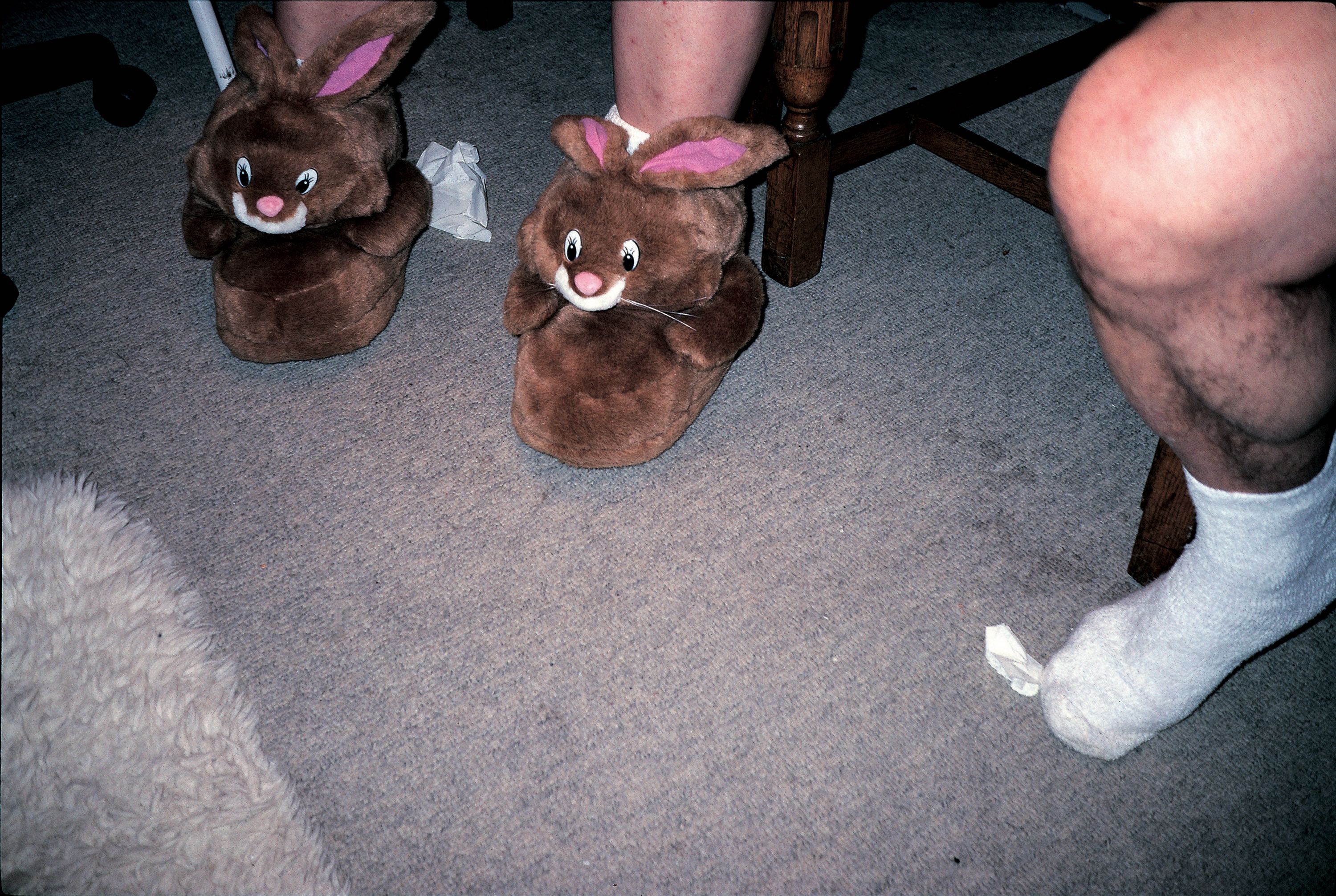
Polly Borland’s The Babies and Tapestries is running at LA’s Mier Gallery until August 19th.
Enjoyed this article? Like Huck on Facebook or follow us on Twitter.
You might like

The raw, fledgling intimacy of Peter Hujar’s contact sheets
Hujar:Contact — A new photobook highlights the process of the legendary queer photographer, and his process of growing into the artist he ultimately became.
Written by: Miss Rosen

Jesse Glazzard’s messy portrait of queer friends, lovers and chosen family
The Sound of Dirt and Beauty — The photographer’s debut monograph explores tender, unpolished moments shaped by the people who he surrounds himself with, while offering a window into the UK’s working-class LGBTQ+ community.
Written by: Sunny Sunday

Behind the curtain at Alternative Miss World 1981
Olympia glamour — Running a subversive take on the traditional beauty pageant, the Andrew Logan organised event prioritised underground creativity and invention. Photographer David Corio went behind the scenes at its biggest edition.
Written by: Miss Rosen

New exhibition highlights British radical living over 200 years
Earthly Paradise — Taking place at the William Morris Gallery, it explores the homes and lives of artists, writers, musicians and more, as well as the conditions that allowed them to thrive.
Written by: Isaac Muk

What life on the Strait of Hormuz is really like
Southern Winds — Bandar Abbas based photographer Morteza Niknahad has been capturing the diverse communities and stories of his local region since he first picked up a camera. His new series highlights the human impact of war.
Written by: Isaac Muk

Nick Haymes’s intimate portrait of his family’s life
Chronograph — Over 25 years, the photographer documented his son’s lives as they grew into adults. The resulting photobook is an exploration of the passage of time, as well as the optimism of youth.
Written by: Miss Rosen


