What does it mean to be an Afropunk today?
- Text by Dominique Sisley
- Photography by Theo McInnes

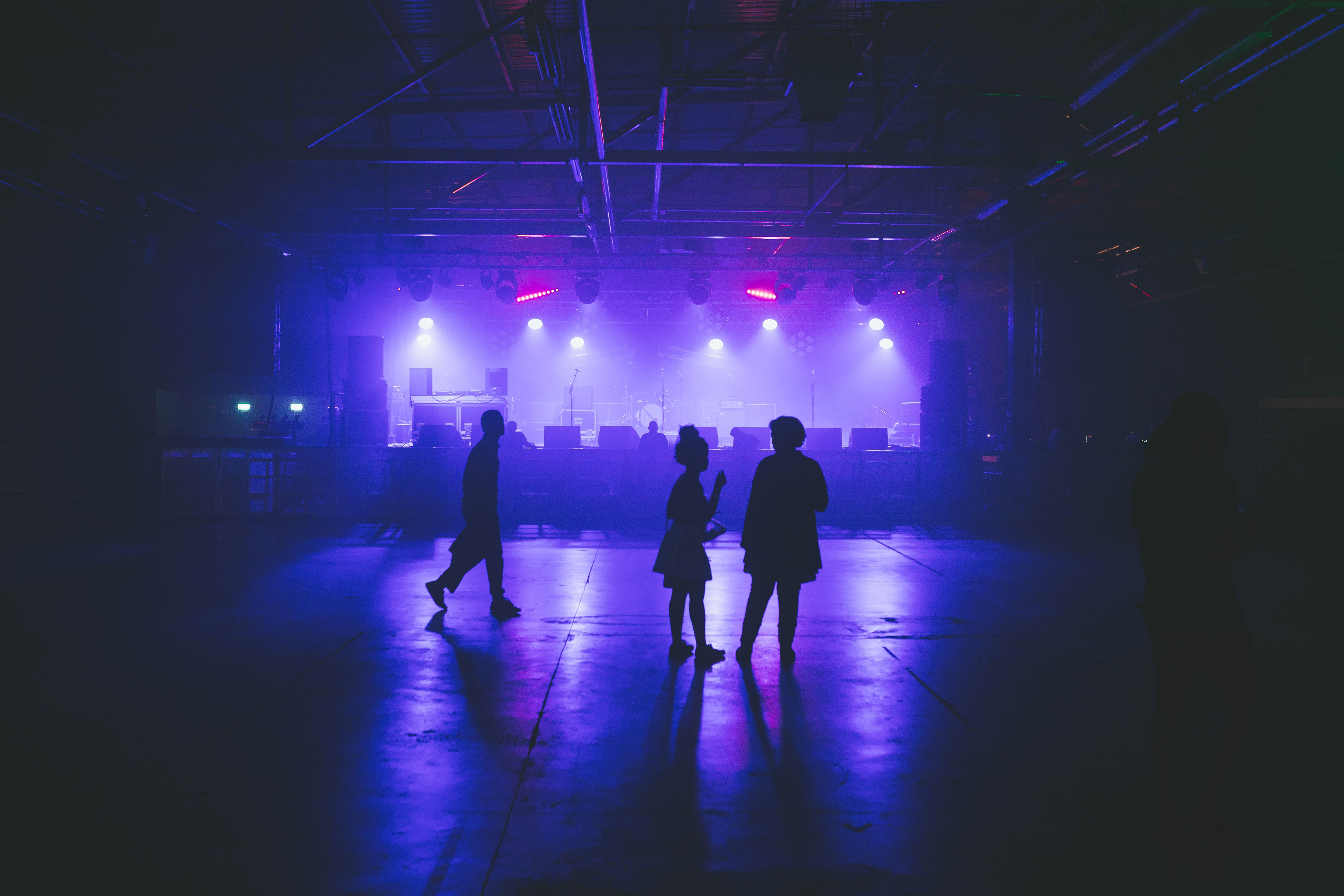
This weekend, Afropunk returned to the UK for its second consecutive year. The Brooklyn-born arts festival has been celebrating black subcultures since its inception in 2005; sidestepping the music mainstream to venture into darker, less explored territory.
Initially created as a way of unifying the black punk community, the festival has actually become much more inclusive over the years. Now, rather than limiting itself to one particular genre, Afropunk is focused on showcasing the diversity of black creative culture; with some of the biggest names in soul, rock, R’n’B and dance music appearing across the global line-ups.
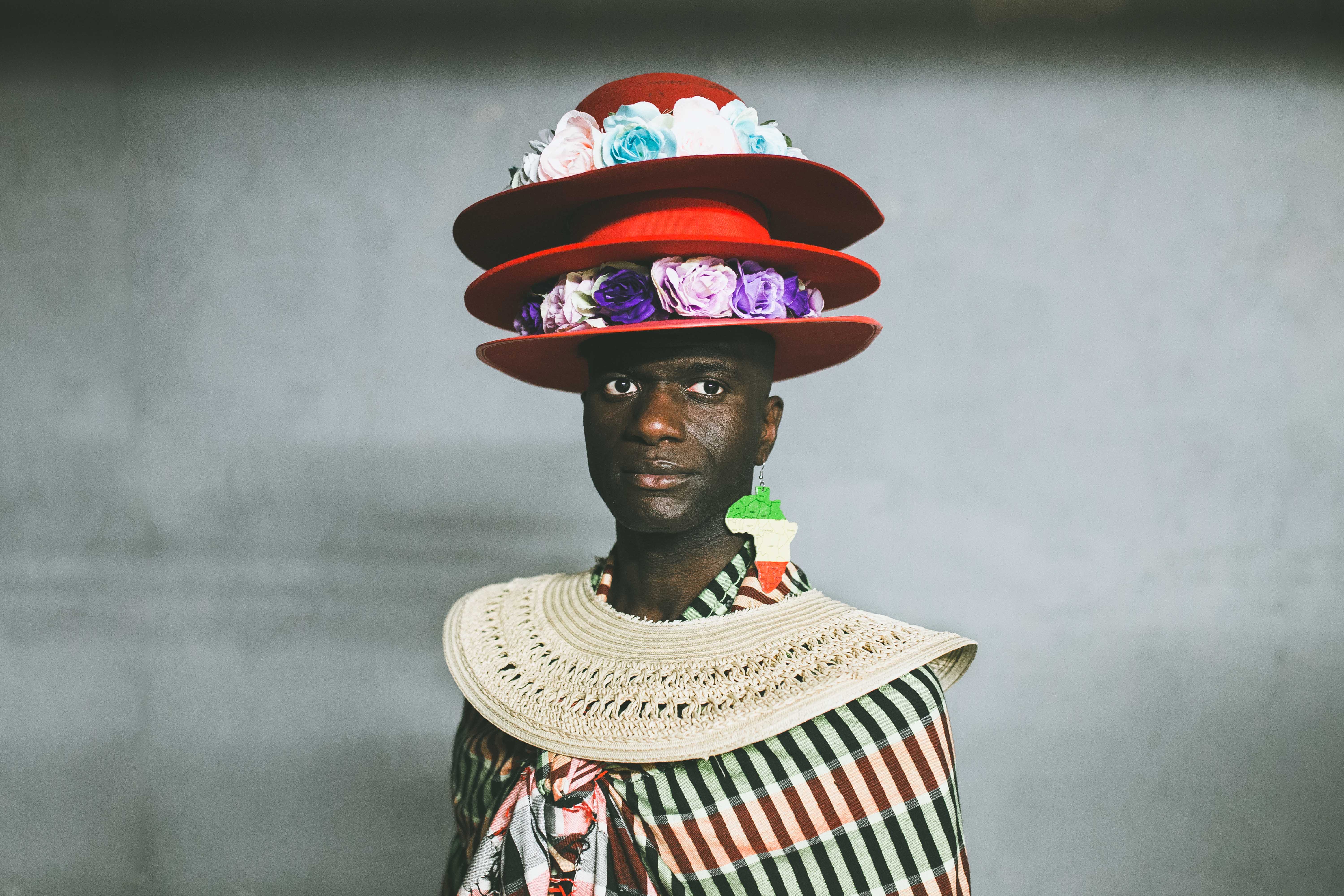
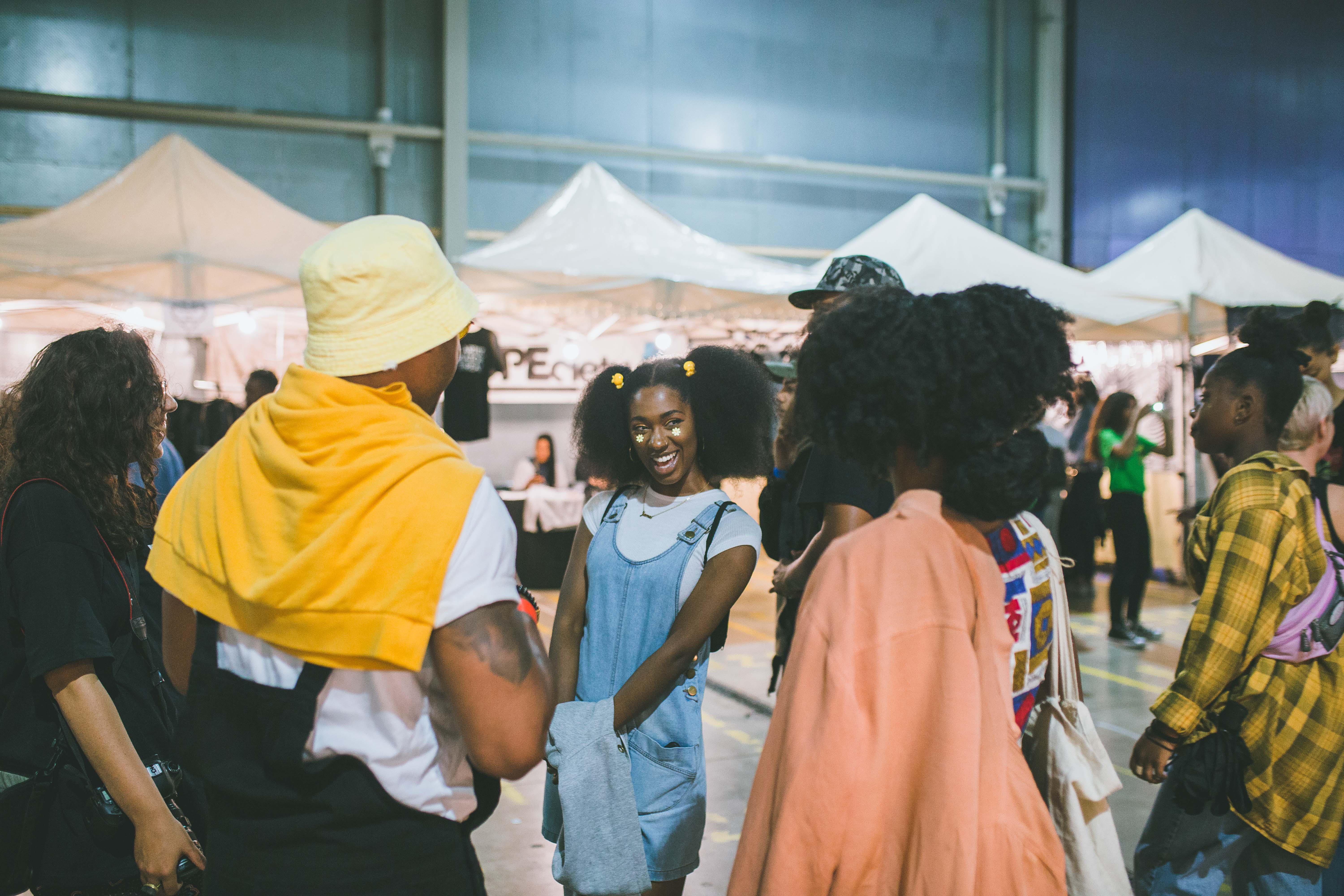
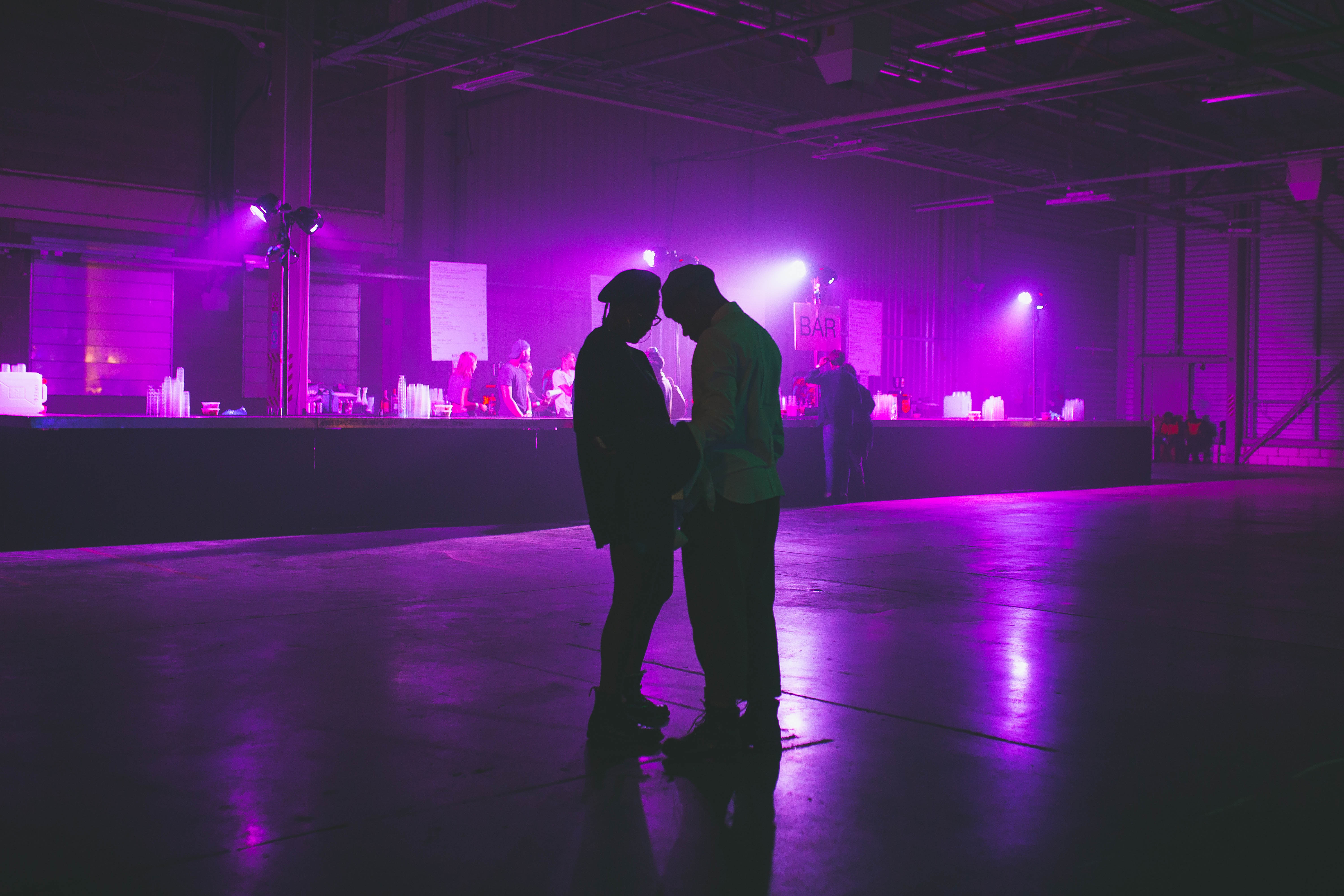
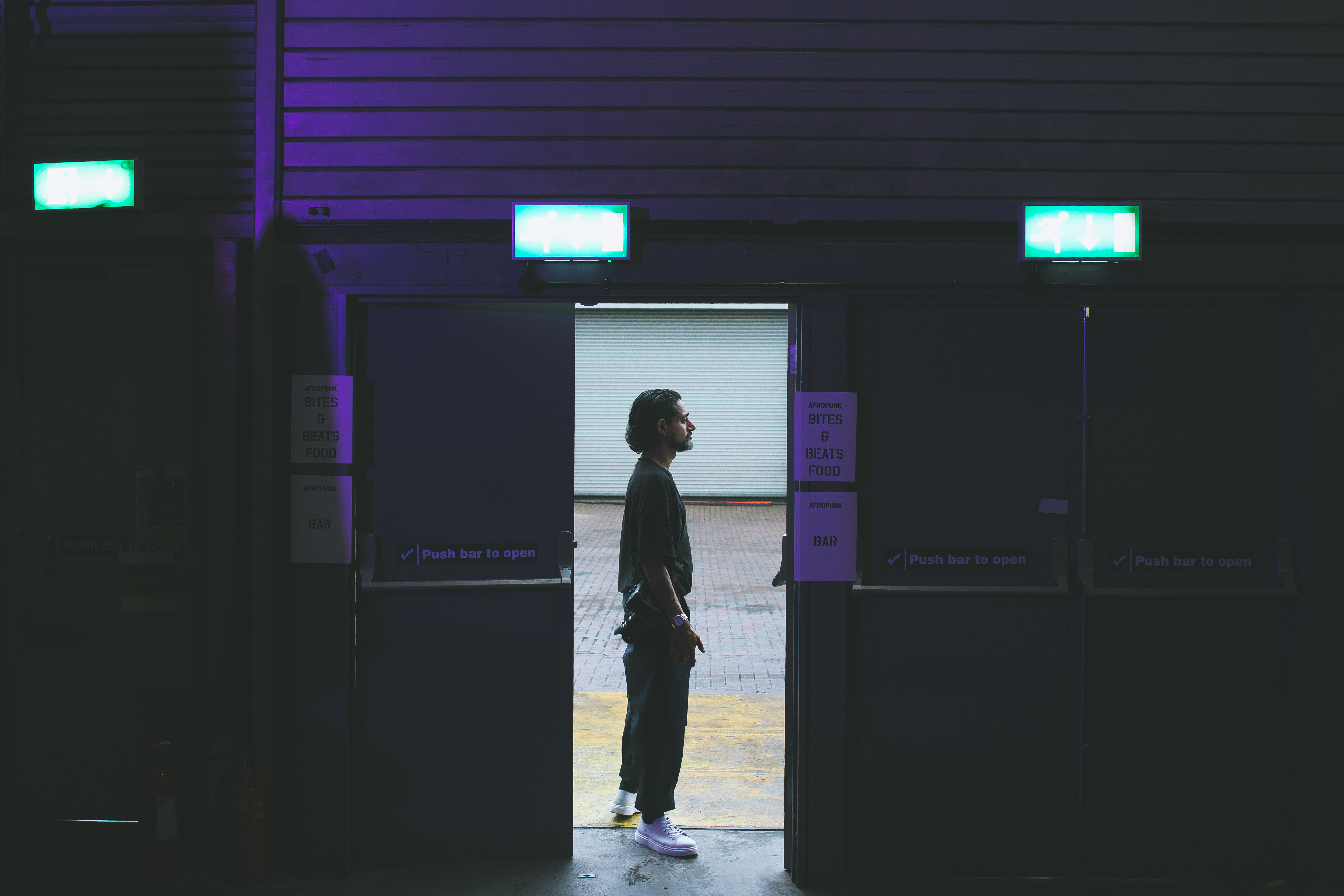
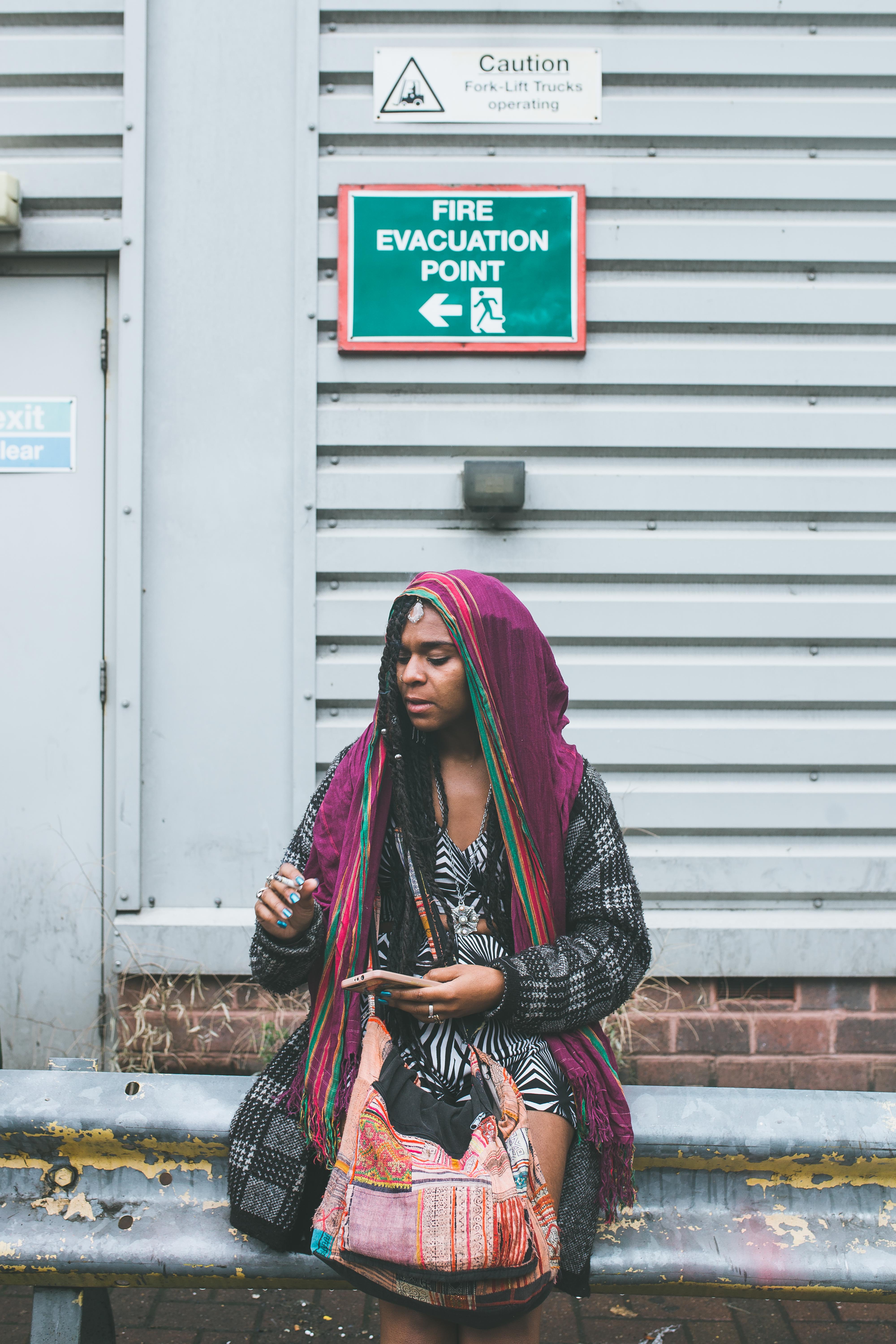
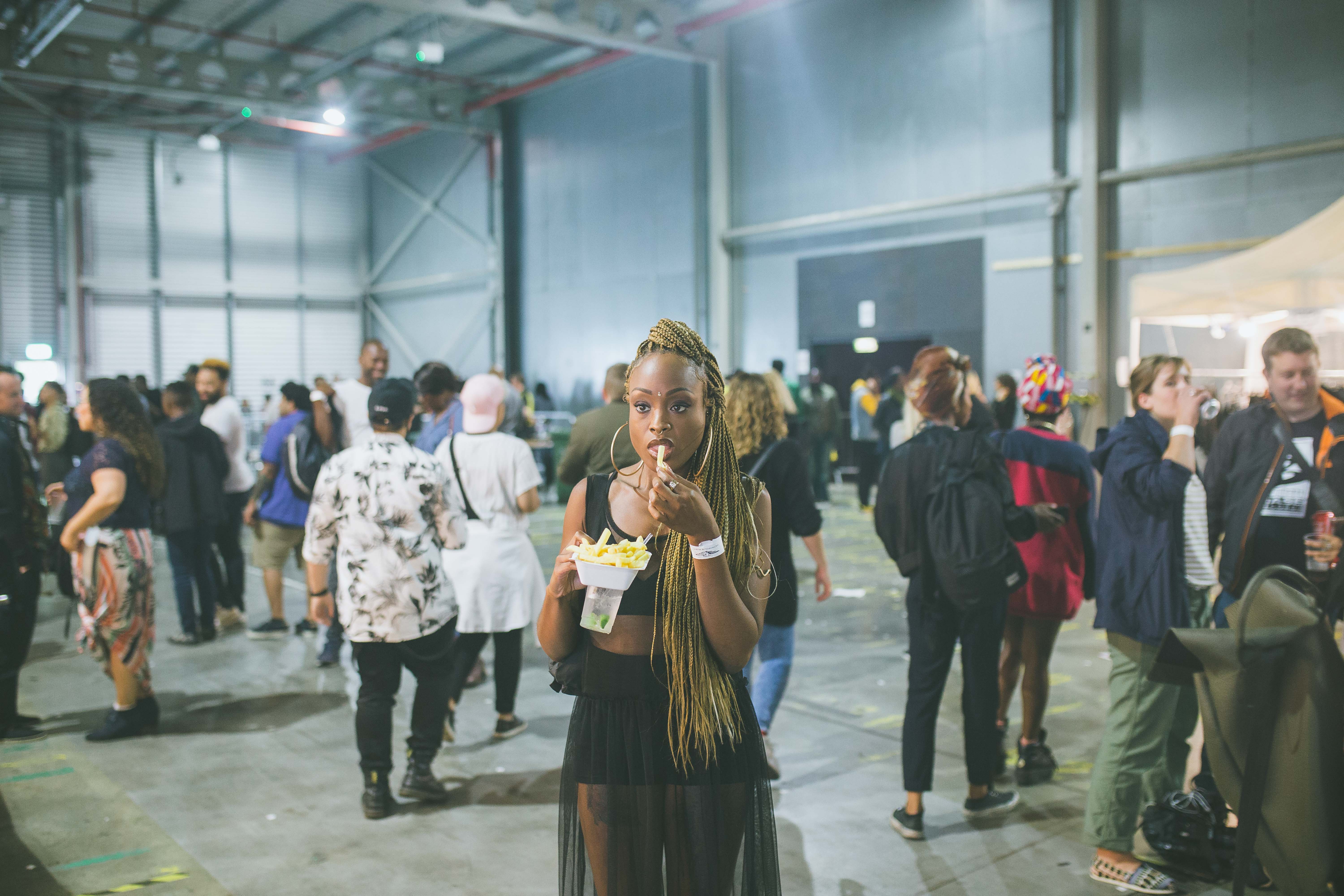
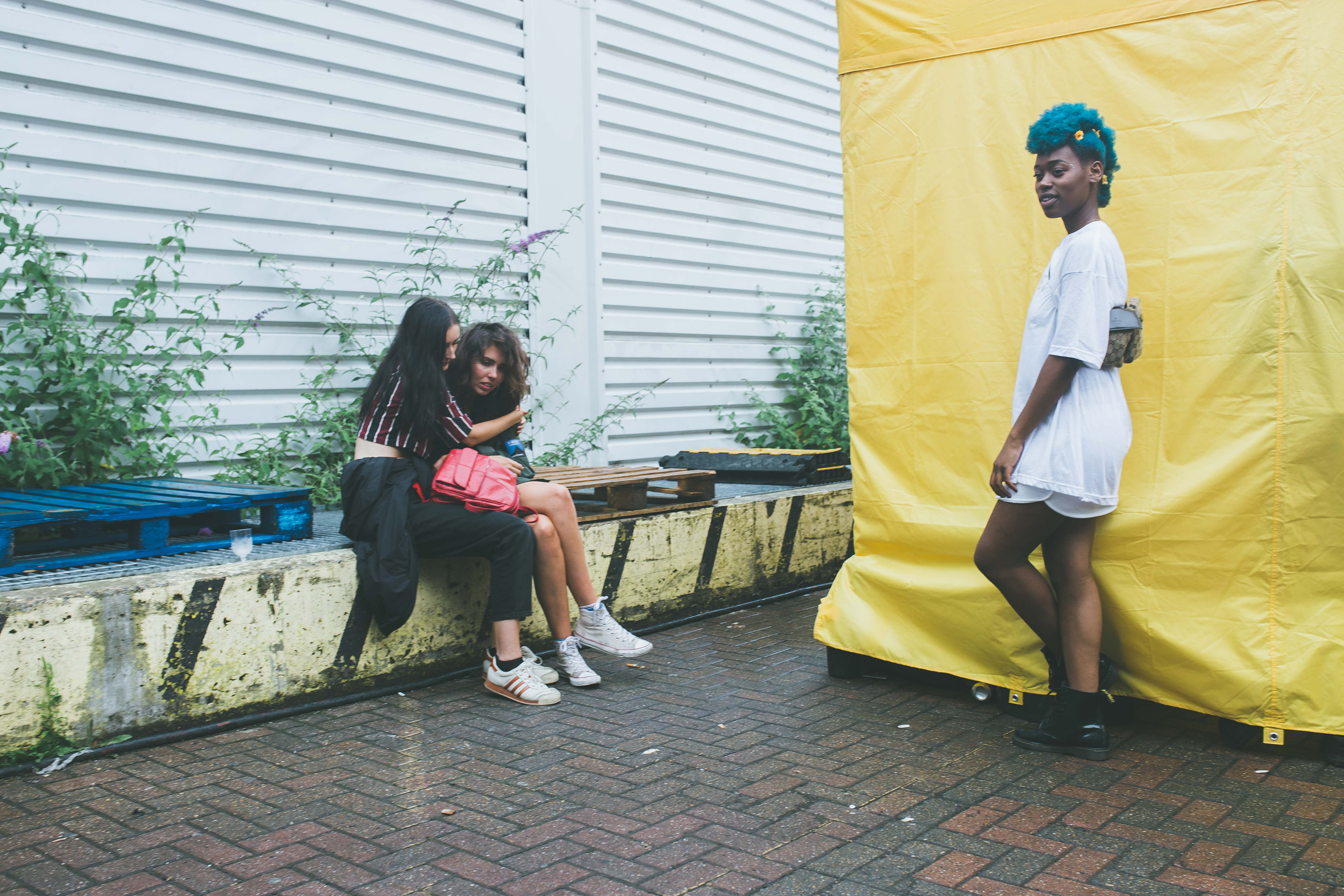
In its return to London this weekend, the crowd was reflective of this new, more diverse approach. “Elements of punk are still around,” says Kimberley Nichole, who arrived at the Printworks-set event after years of attending the original festival in Brooklyn. “Afropunk really showcases how black musicians, we do a bunch of everything, we don’t just R‘n’B and hip hop – we do techno, grime, we do punk rock, we do rock and roll. I think the good thing about it expanding is it just shows the diversity of the black musician.”
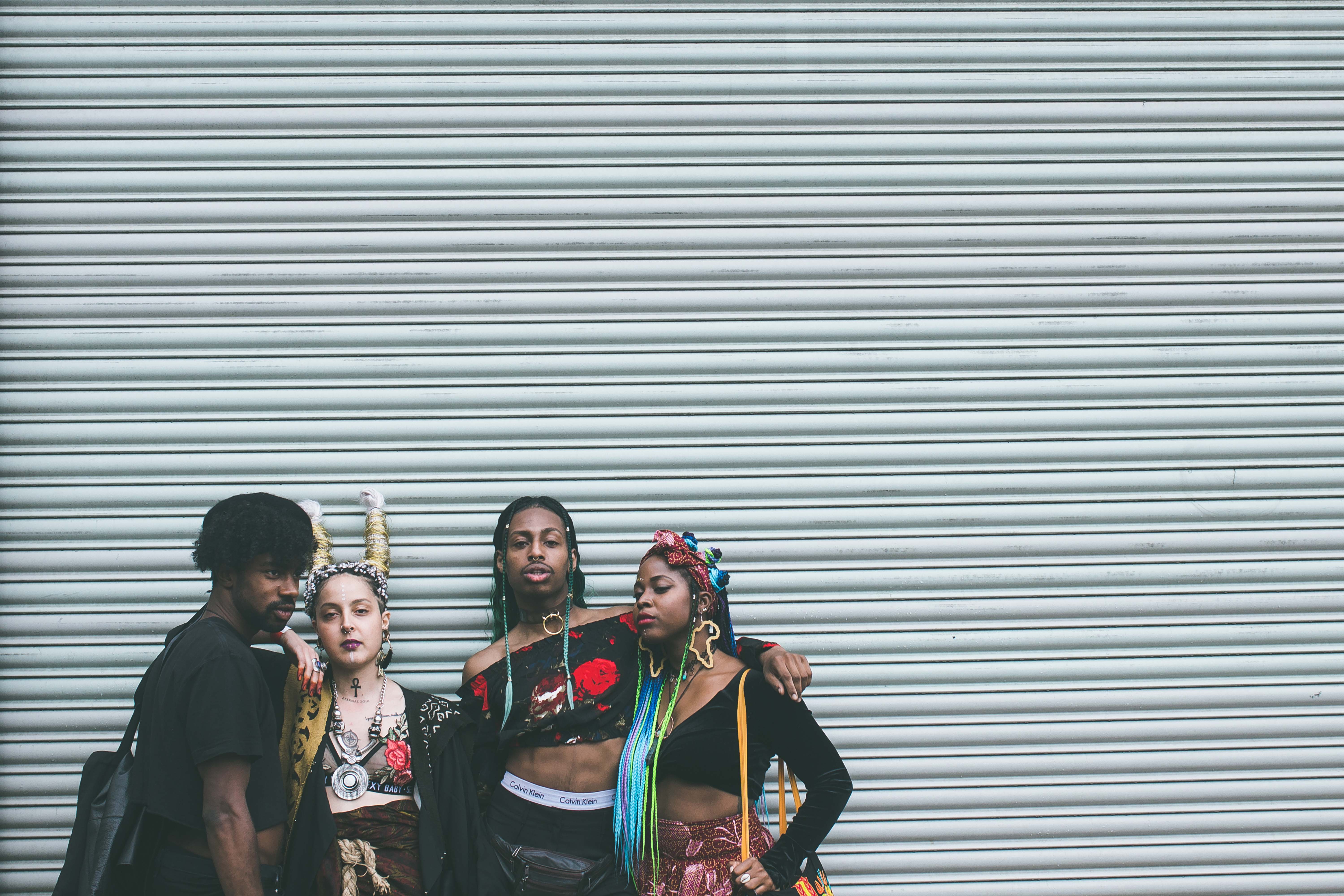

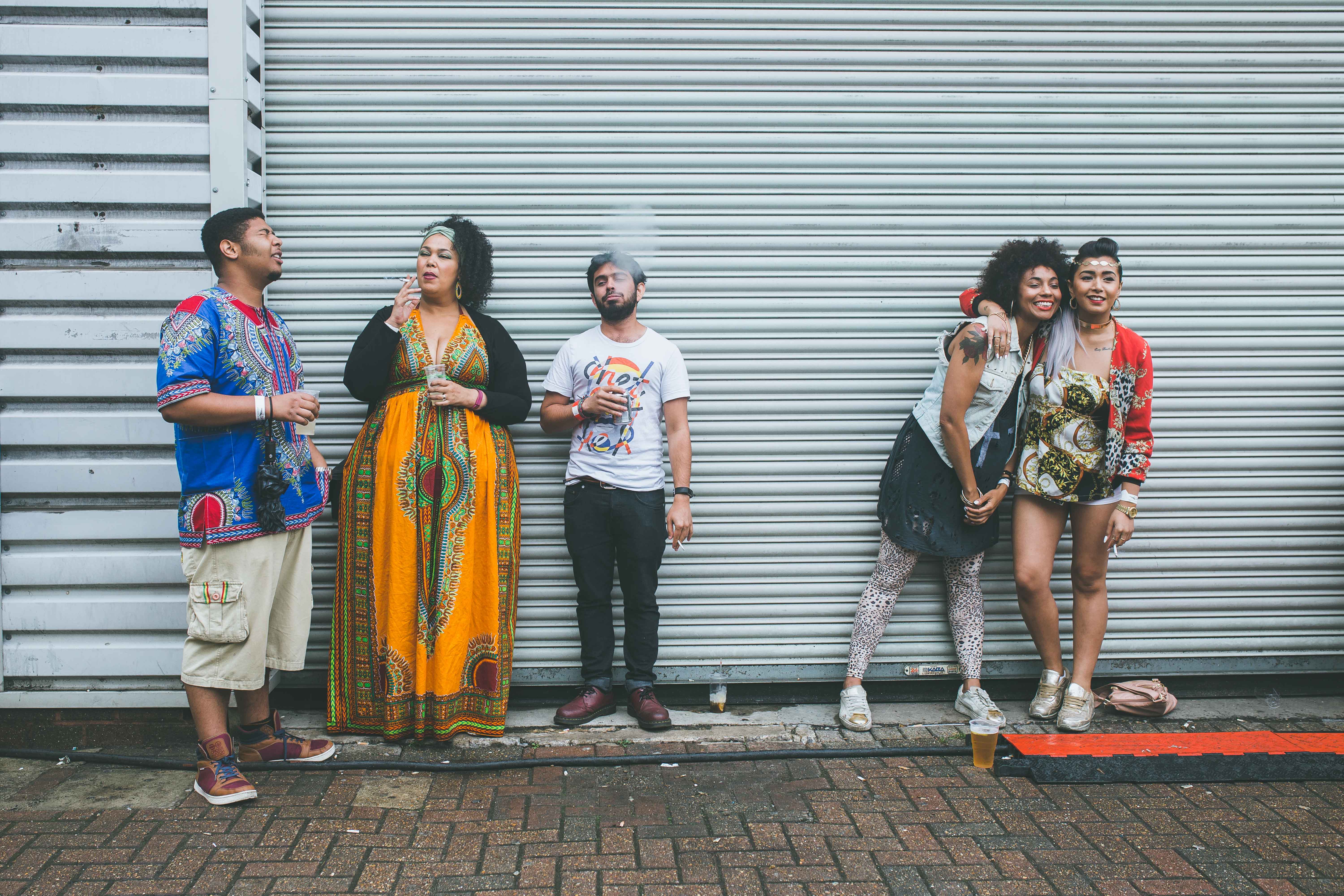
“It’s not about colour – it’s about being together and unity,” adds Tola, from London. “If you just think that having a cup of tea and biscuits is British culture, it’s not. It’s about diversity and everyone’s culture being intertwined into one.”
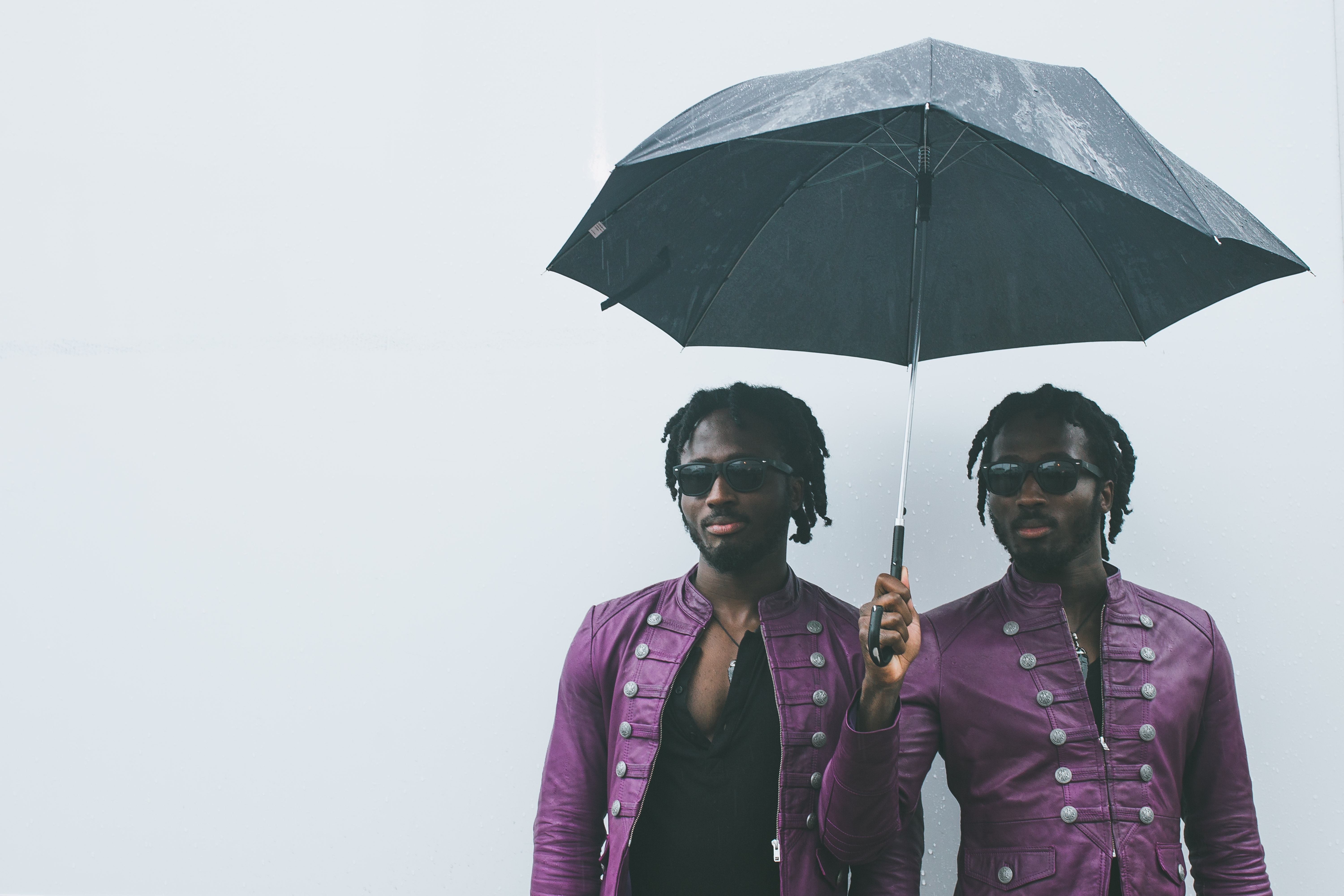
But does Afropunk’s expansion spell danger for its future? As offshoots of the festival spring up in cities around the world, some sceptics have raised concerns that its sense of identity will suffer – especially now that big brands and corporations are starting to get involved. “I think anything that brings focus to music that’s not in the mainstream is a good thing,” says Nubia, a first-time attendee of the festival. “It’s just up to the organisers, creators and promoters to try and keep their hands on it and keep it organic.”
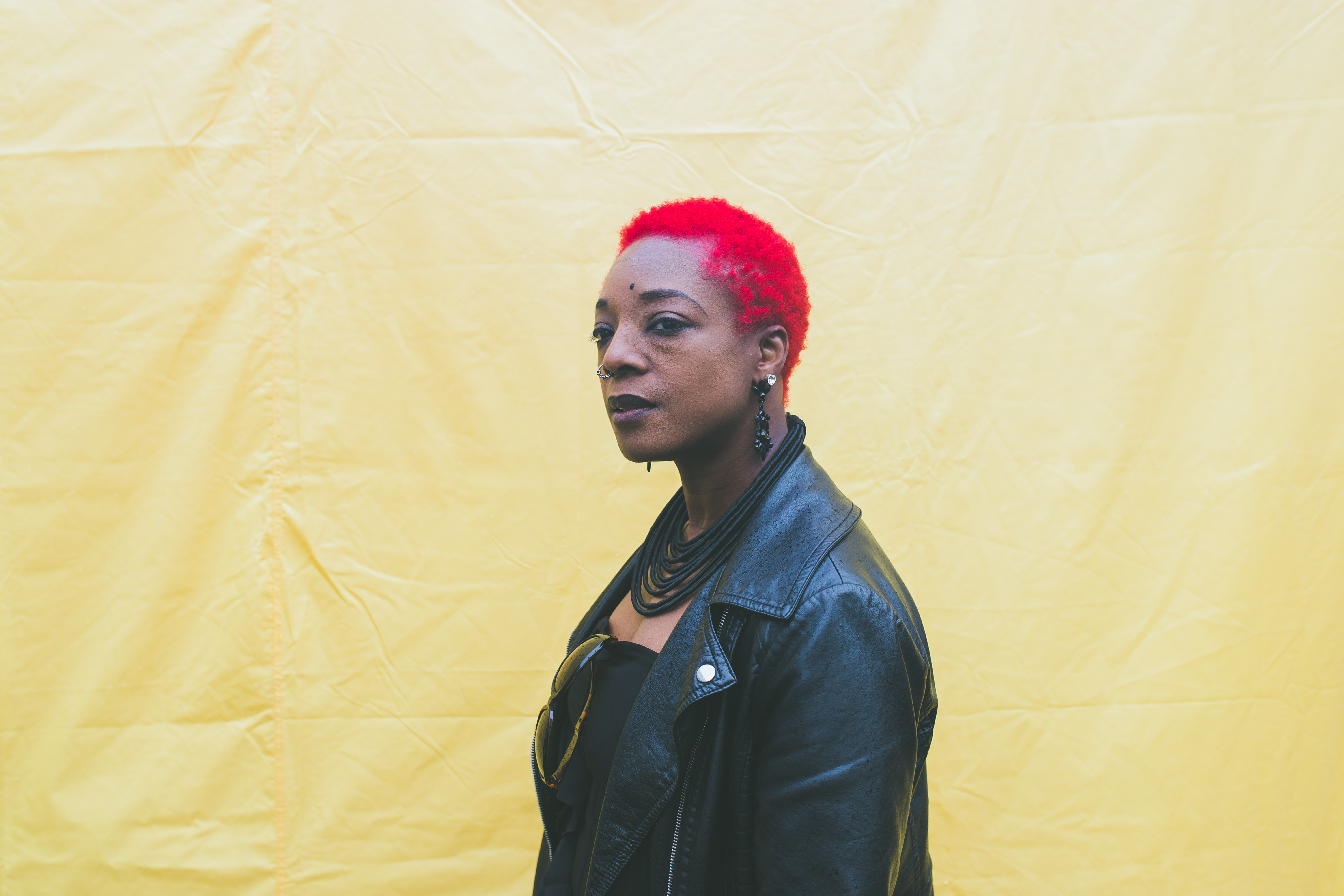
“There’s nothing wrong with partnering with corporations and big money to get a wider, broader audience – but I feel like Afropunk is still Afropunk. I don’t feel like it’s being watered down. It still feels very authentic,” adds Kimberley. “I’m inspired to see people that look different, that dress differently, and are just living and laughing and proud.”


 Enjoyed this article? Like Huck on Facebook or follow us on Twitter.
You might like

Is Field Maneuvers the most fun time ever? Yes probably
Collective joy — Huck’s art director Samuel White went to the 2026 edition, braving a wet start and interviewing FLINTA* collective and arm wrestling legends Uhaul Dyke Rescue in the process.
Written by: Samuel White
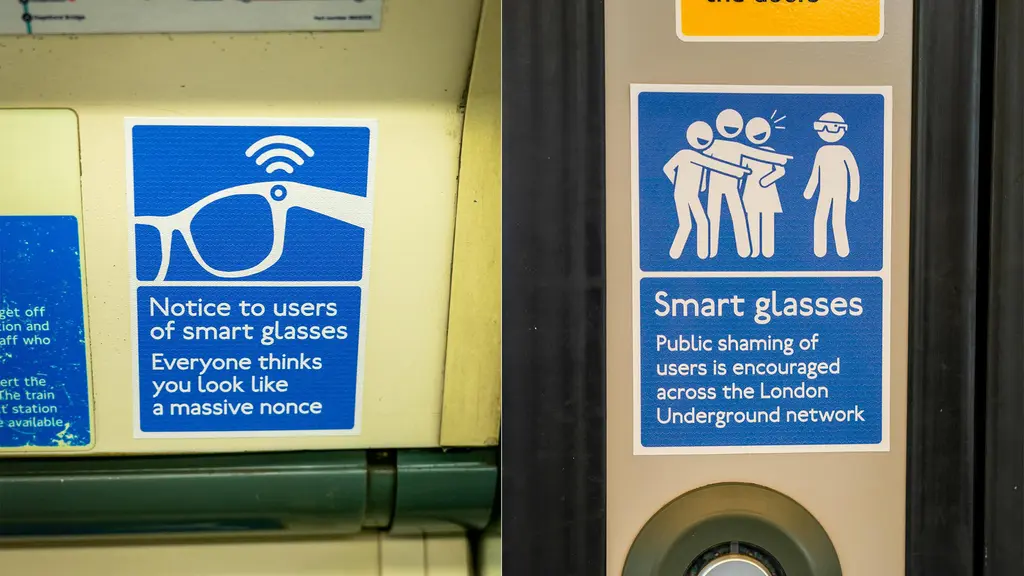
Activists slam “pervert glasses” in new guerrilla campaign
Everyone Hates Elon — Stickers have appeared on the London Underground network, criticising the wearable technology’s covert filming capabilities.
Written by: Isaac Muk

Behind the curtain at Alternative Miss World 1981
Olympia glamour — Running a subversive take on the traditional beauty pageant, the Andrew Logan organised event prioritised underground creativity and invention. Photographer David Corio went behind the scenes at its biggest edition.
Written by: Miss Rosen

Dan Lacey: “BMX is forever evolving”
Overground — Steph Pomphrey caught up with the two-wheel legend after his latest meet in east London, chatting about fatherhood, music and action sports within the outdoor industry.
Written by: Steph Pomphrey

The battle for the soul of lockpicking
Under locksport and key — In recent years, breaking locks for fun has grown from a niche hobby into an activity followed by millions of people. As it has matured, so have tensions over who sets the rules.
Written by: Jack Dennison-Thompson

New exhibition highlights British radical living over 200 years
Earthly Paradise — Taking place at the William Morris Gallery, it explores the homes and lives of artists, writers, musicians and more, as well as the conditions that allowed them to thrive.
Written by: Isaac Muk


