What does it mean to be an Afropunk today?
- Text by Dominique Sisley
- Photography by Theo McInnes

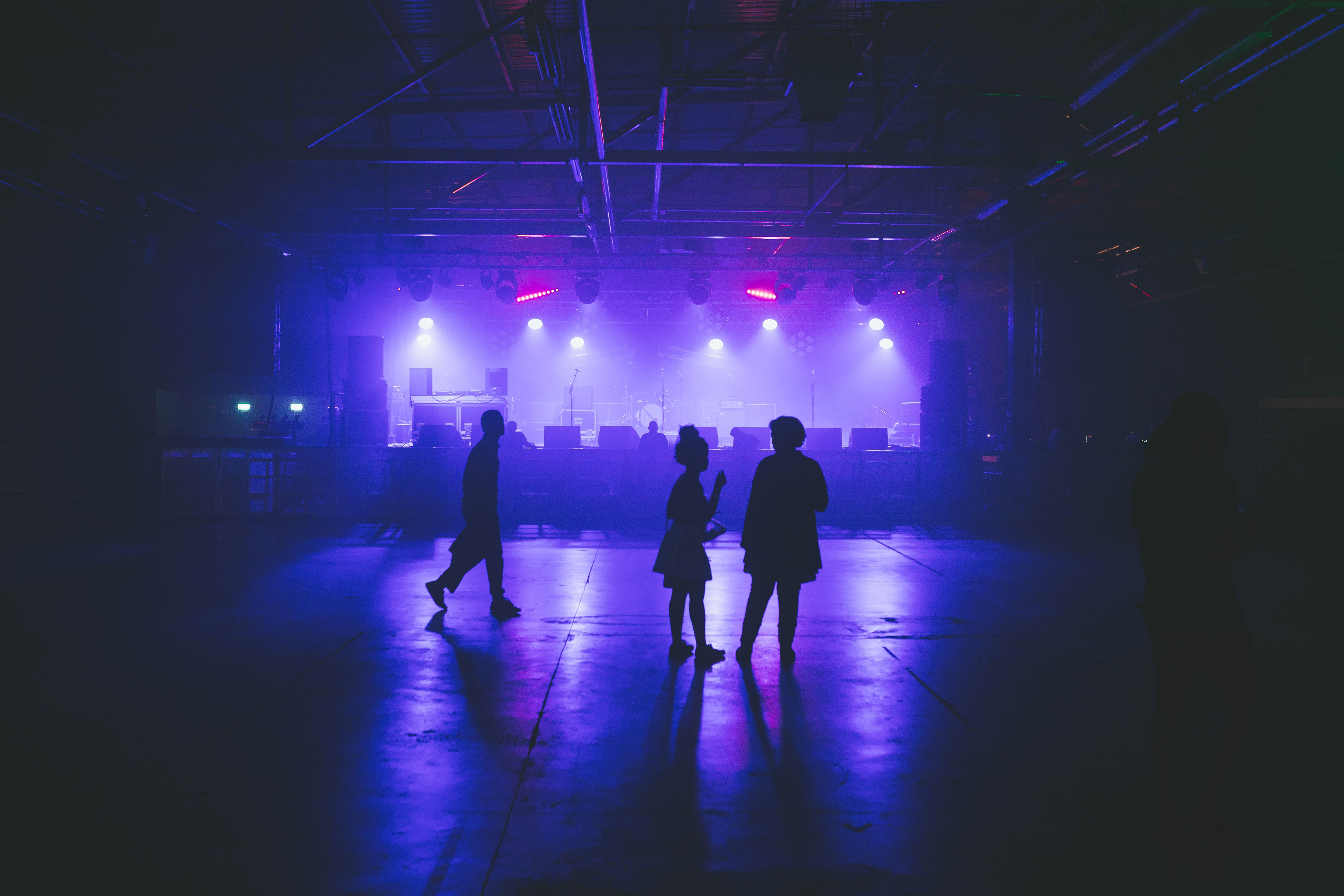
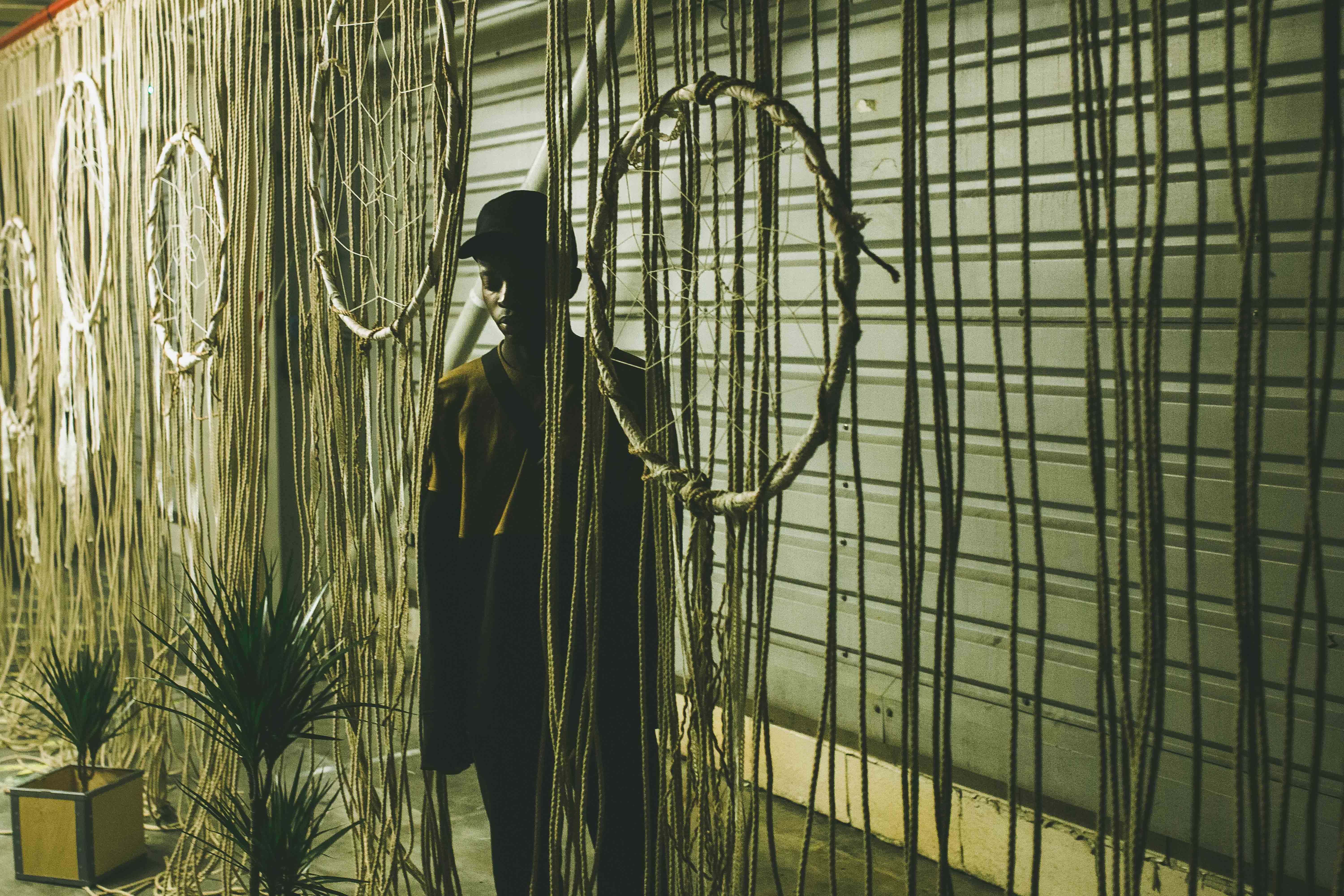
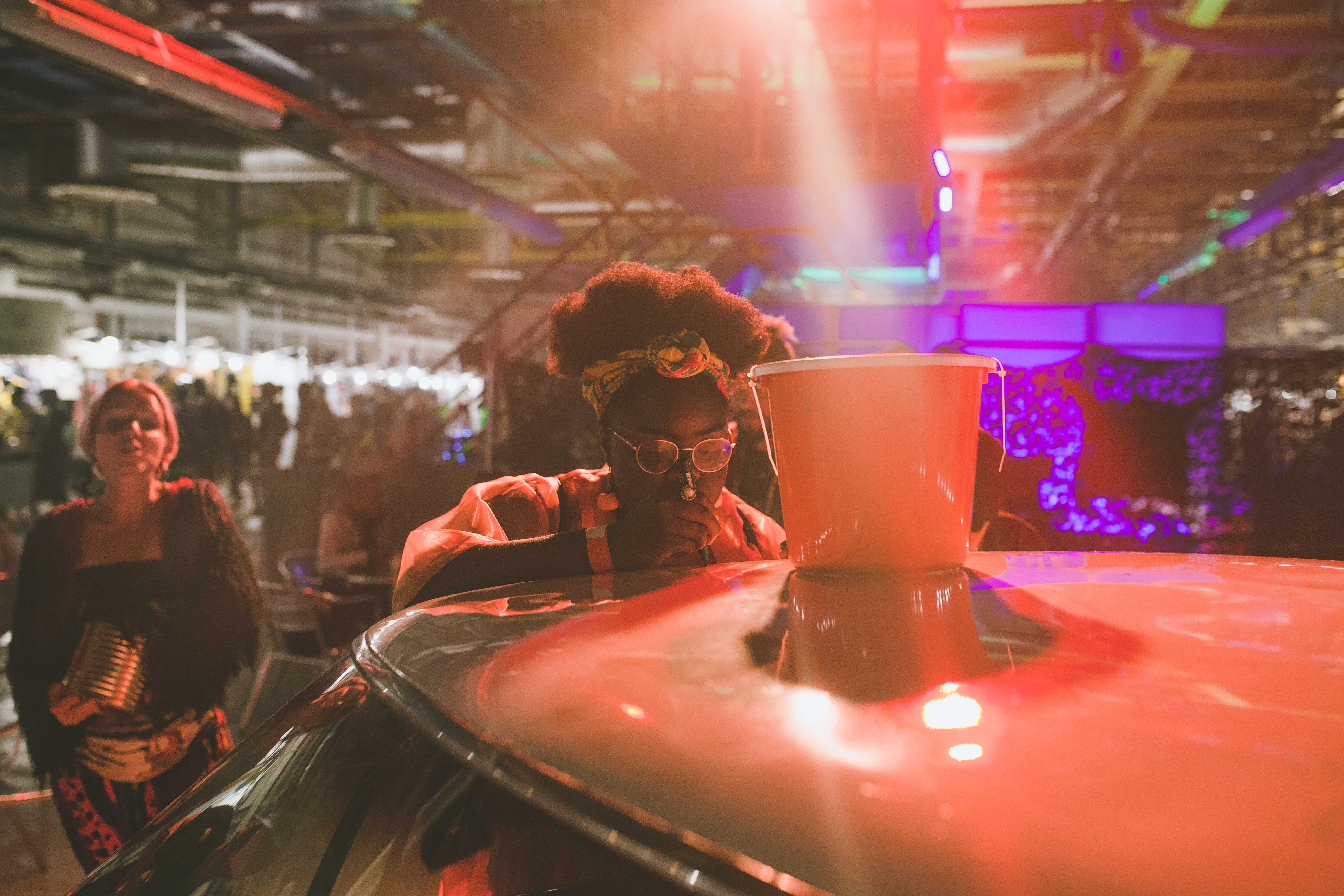
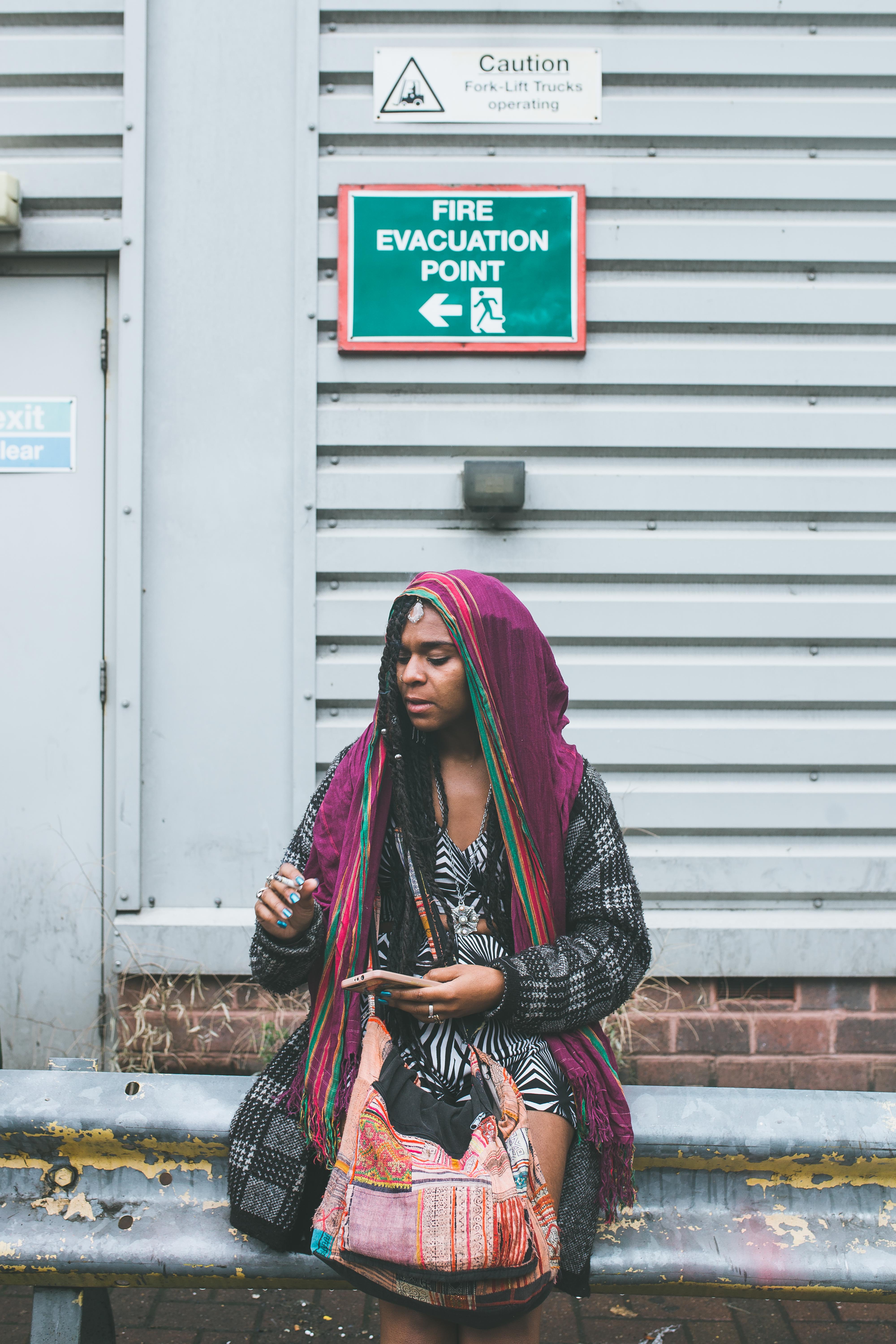
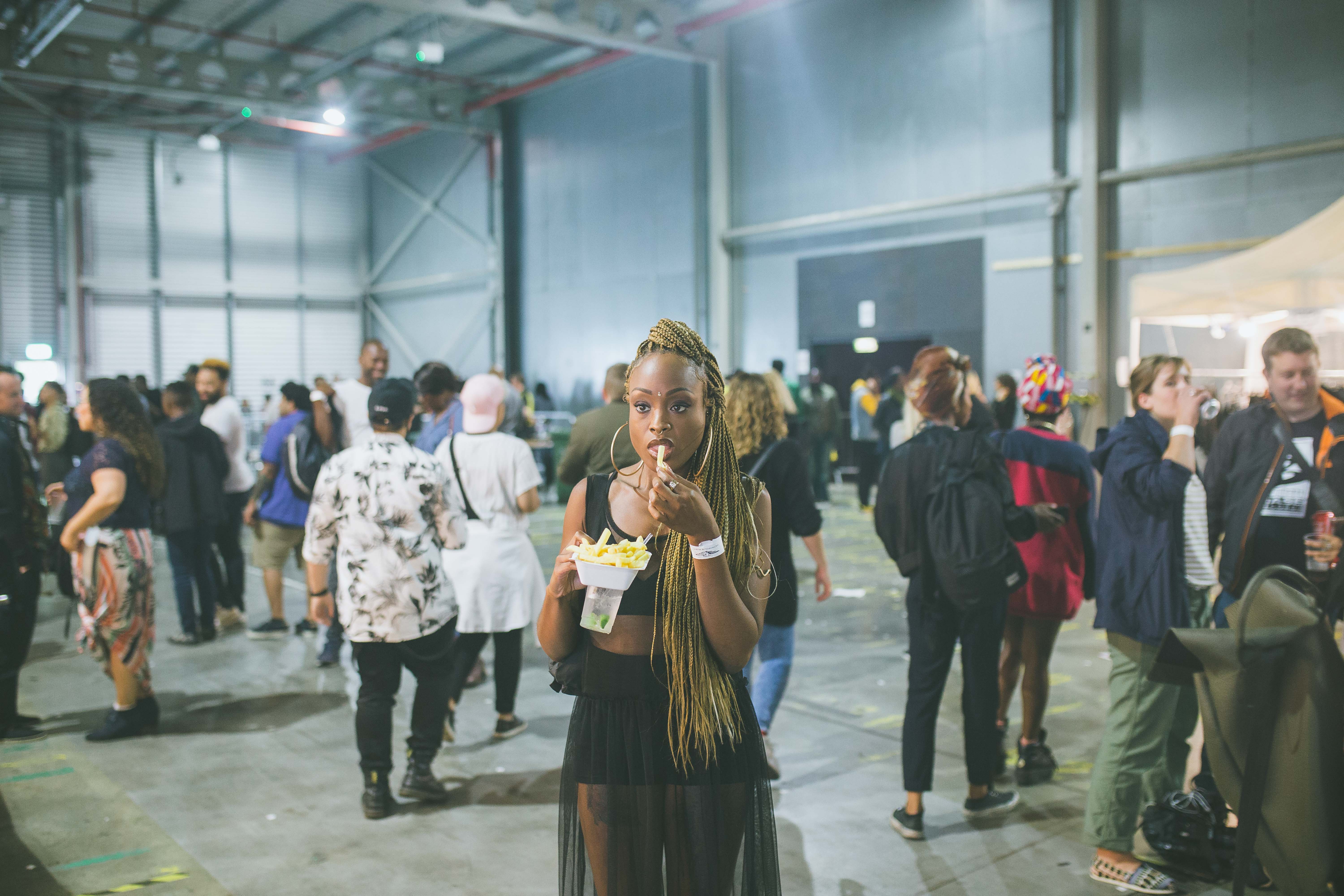
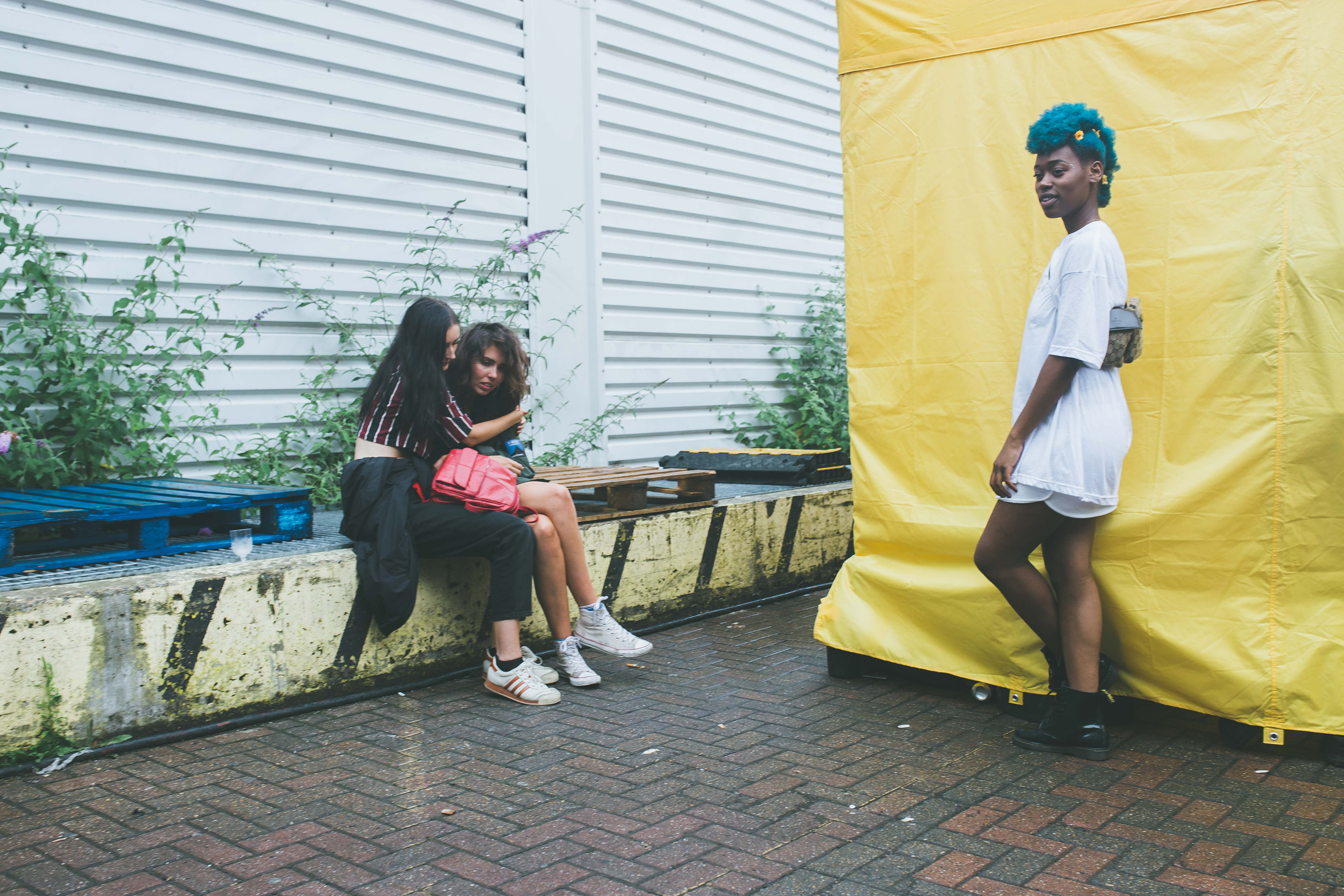
This weekend, Afropunk returned to the UK for its second consecutive year. The Brooklyn-born arts festival has been celebrating black subcultures since its inception in 2005; sidestepping the music mainstream to venture into darker, less explored territory.
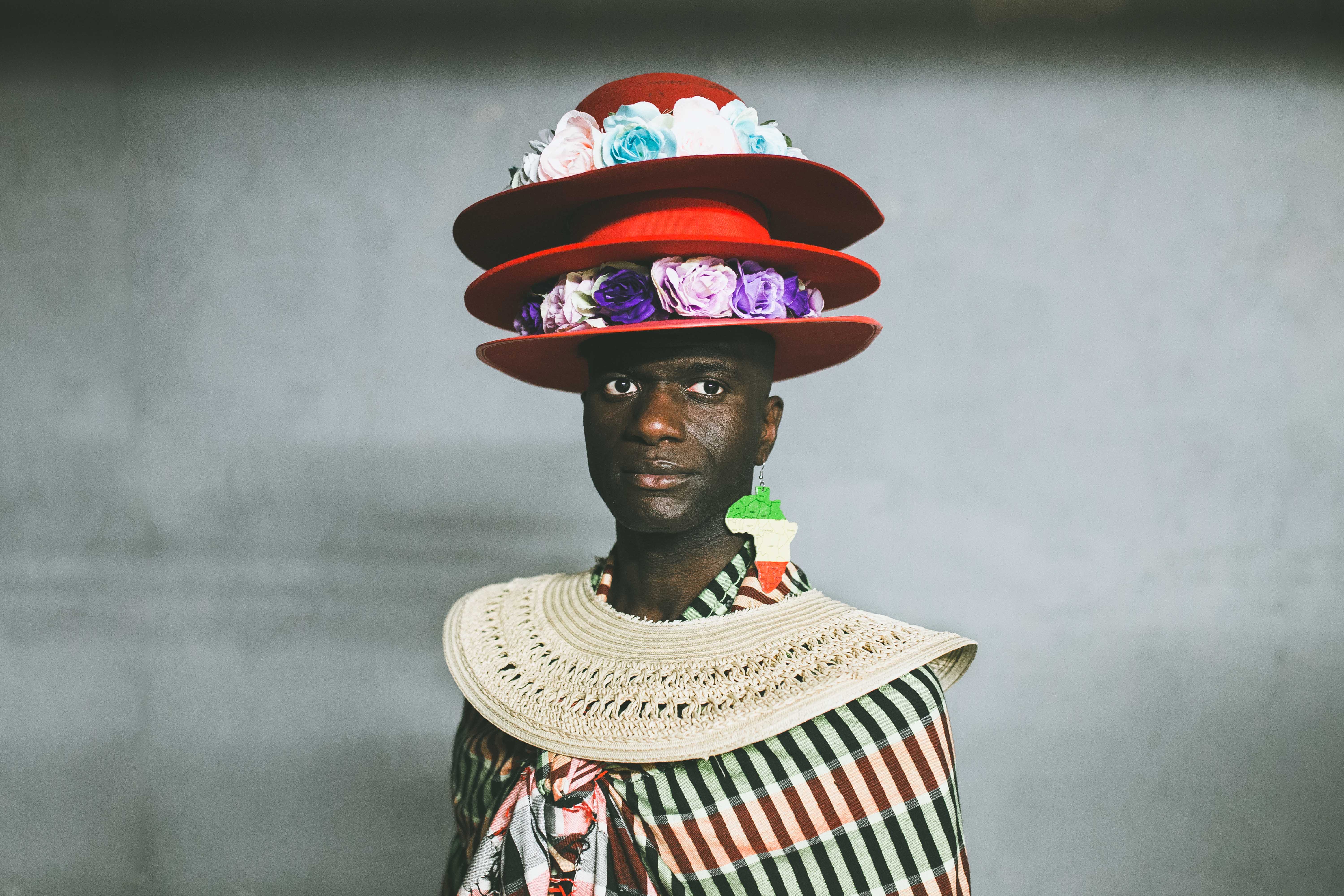
Initially created as a way of unifying the black punk community, the festival has actually become much more inclusive over the years. Now, rather than limiting itself to one particular genre, Afropunk is focused on showcasing the diversity of black creative culture; with some of the biggest names in soul, rock, R’n’B and dance music appearing across the global line-ups.
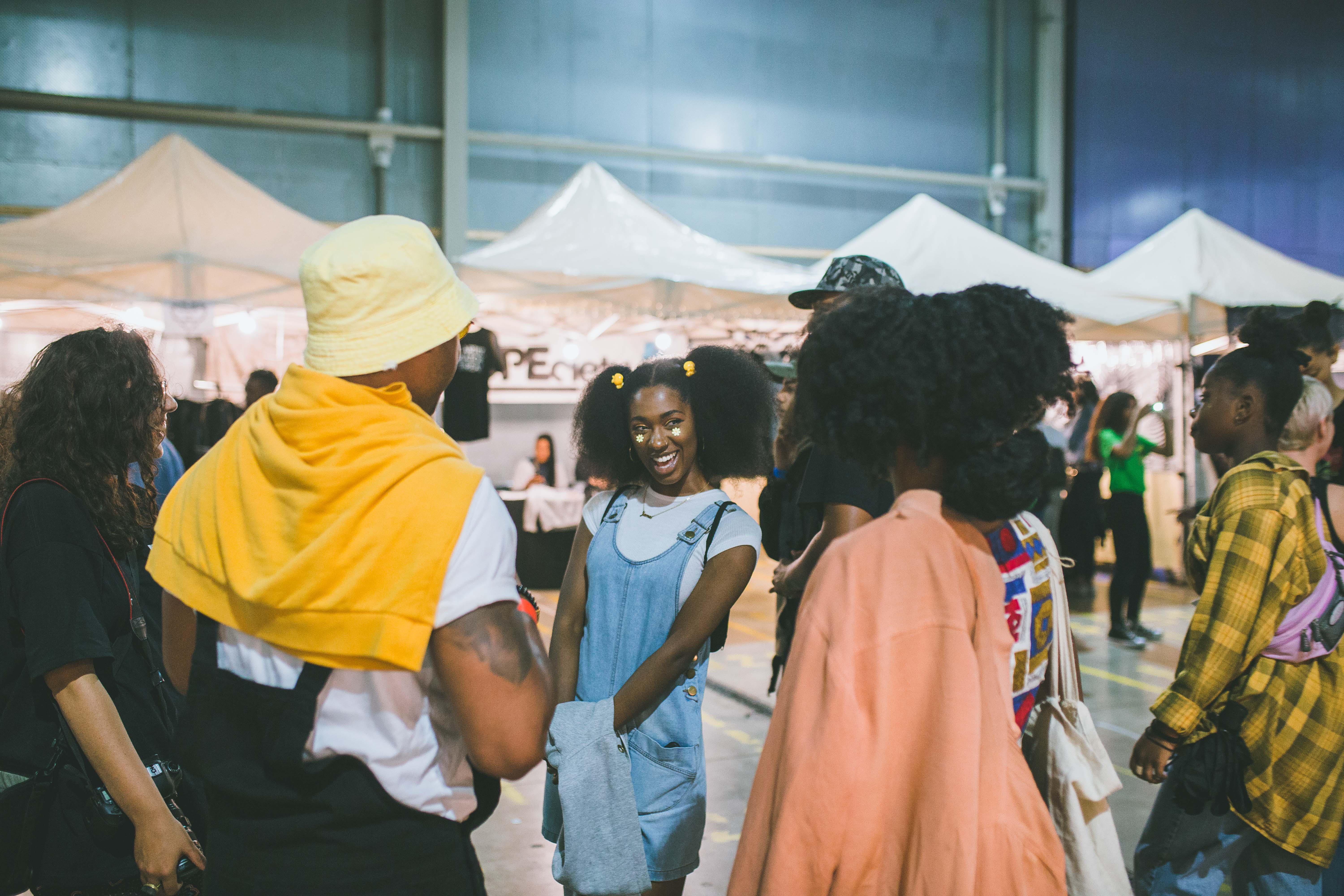
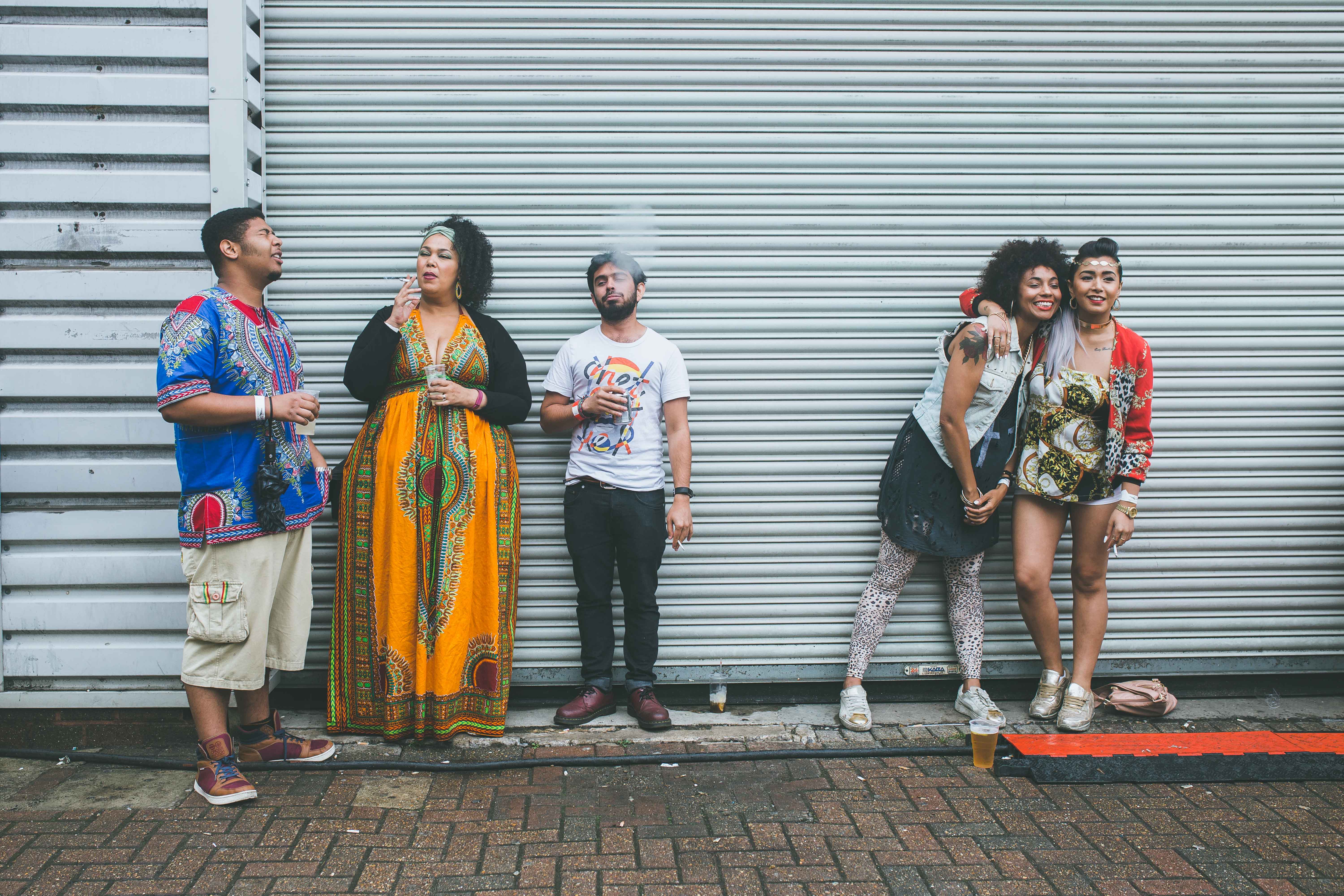
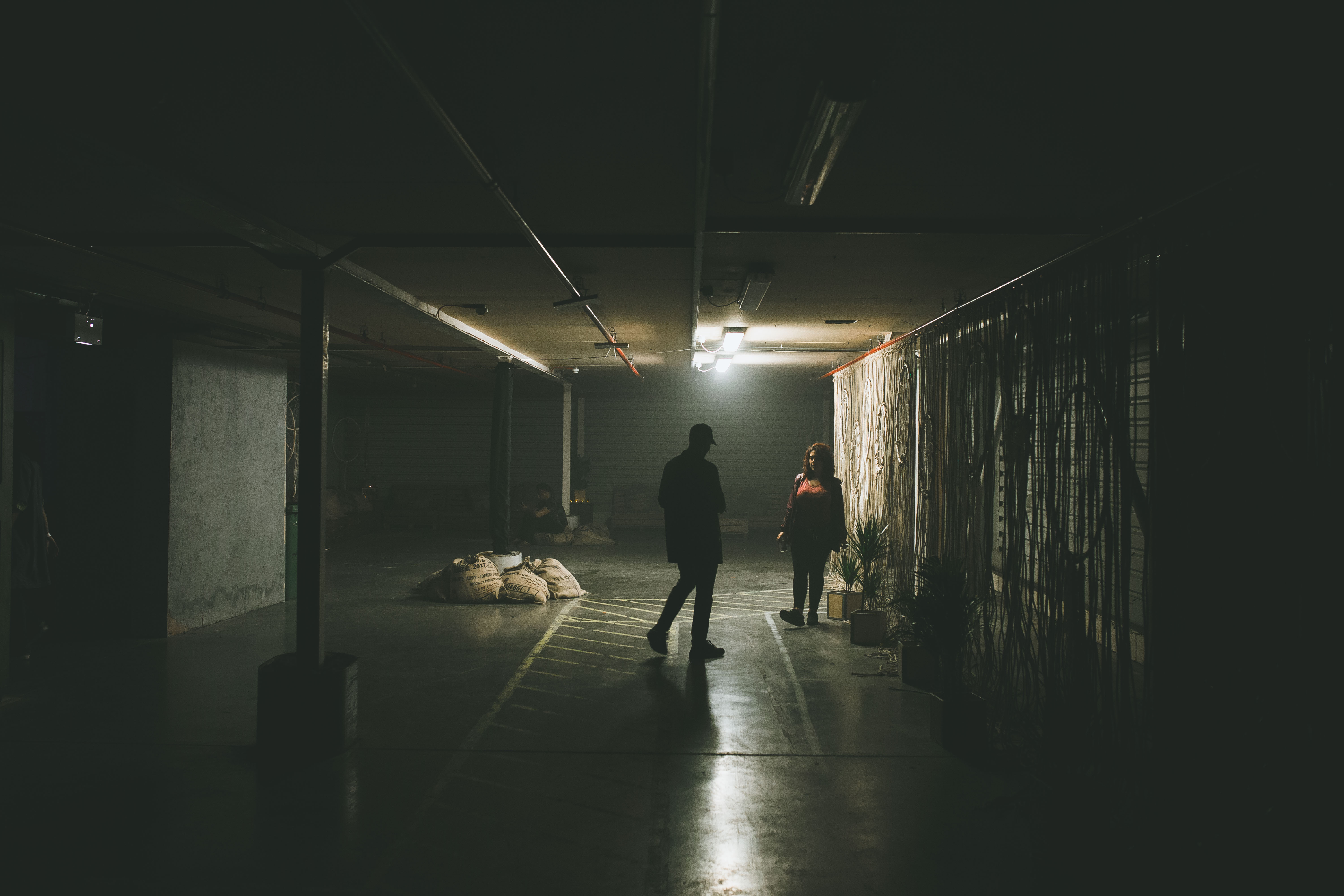
In its return to London this weekend, the crowd was reflective of this new, more diverse approach. “Elements of punk are still around,” says Kimberley Nichole, who arrived at the Printworks-set event after years of attending the original festival in Brooklyn. “Afropunk really showcases how black musicians, we do a bunch of everything, we don’t just R‘n’B and hip hop – we do techno, grime, we do punk rock, we do rock and roll. I think the good thing about it expanding is it just shows the diversity of the black musician.”
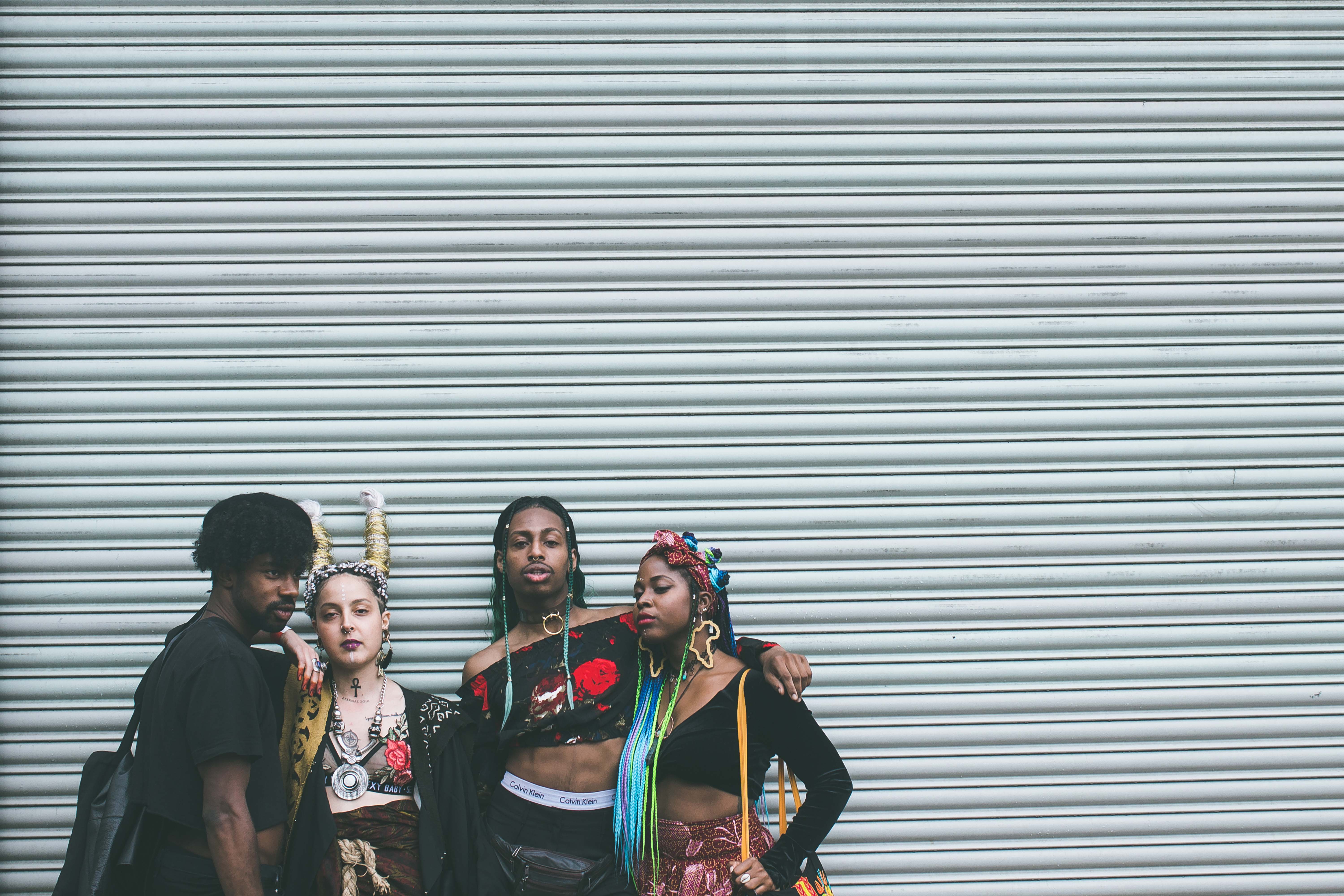
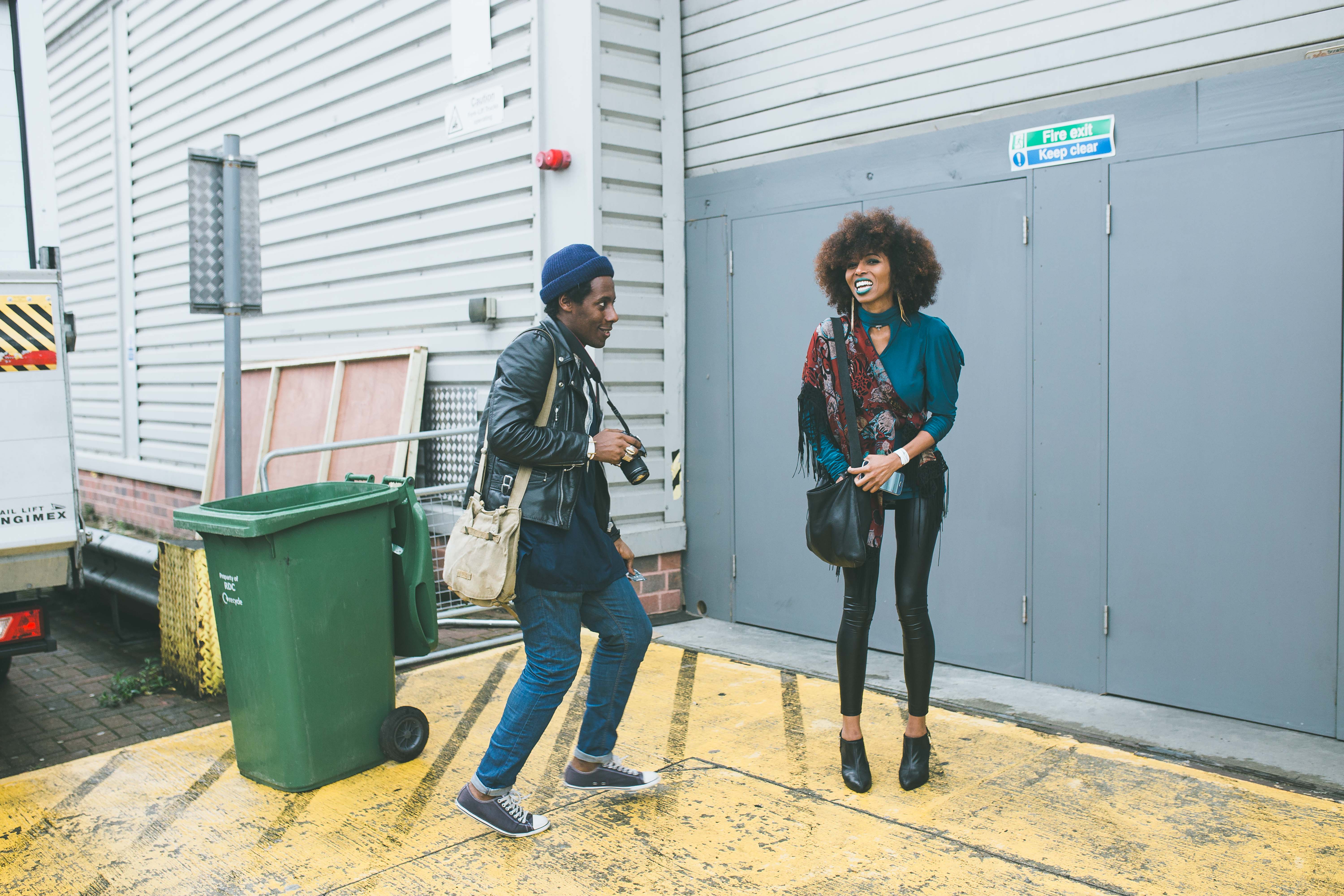
“It’s not about colour – it’s about being together and unity,” adds Tola, from London. “If you just think that having a cup of tea and biscuits is British culture, it’s not. It’s about diversity and everyone’s culture being intertwined into one.”
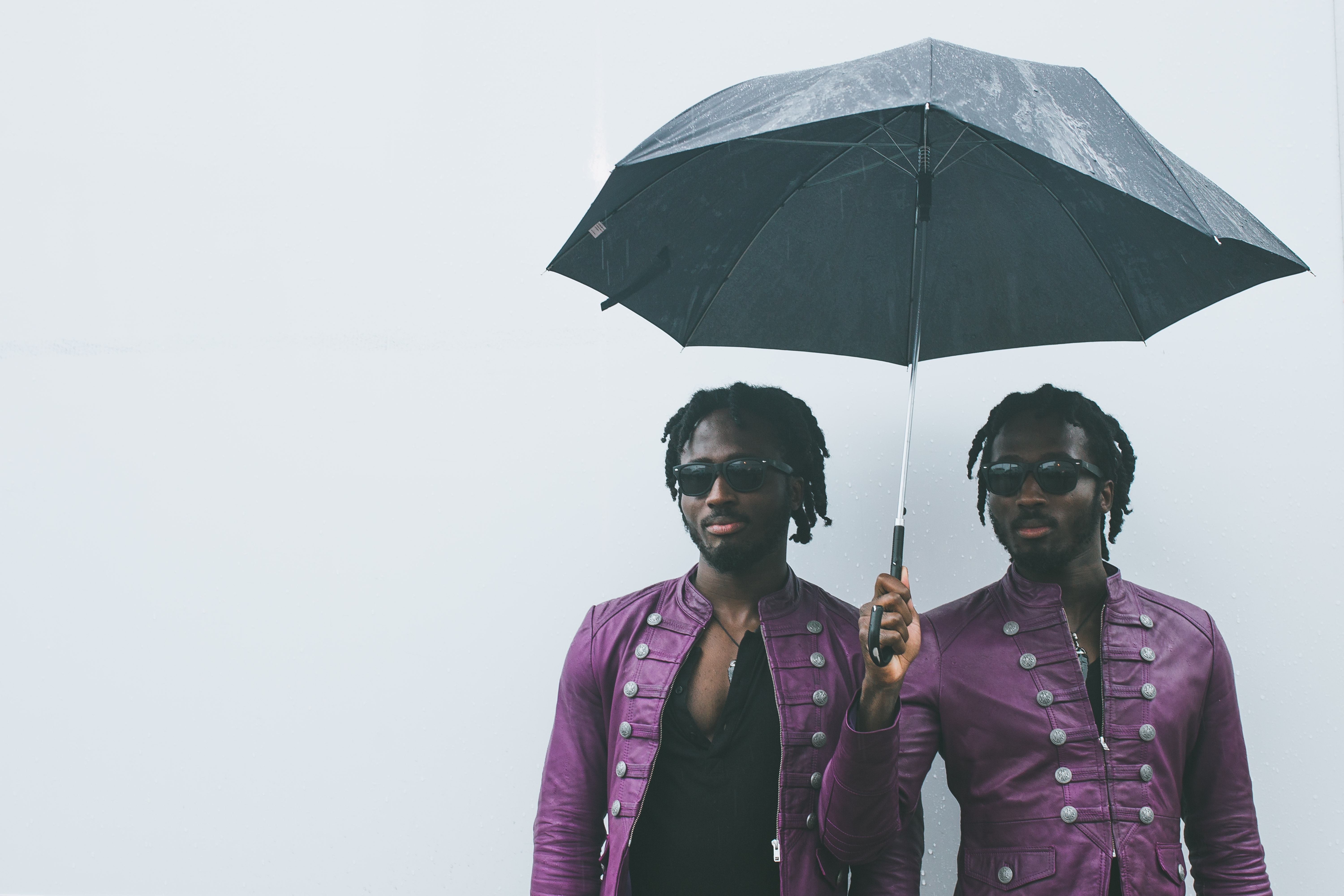
But does Afropunk’s expansion spell danger for its future? As offshoots of the festival spring up in cities around the world, some sceptics have raised concerns that its sense of identity will suffer – especially now that big brands and corporations are starting to get involved. “I think anything that brings focus to music that’s not in the mainstream is a good thing,” says Nubia, a first-time attendee of the festival. “It’s just up to the organisers, creators and promoters to try and keep their hands on it and keep it organic.”
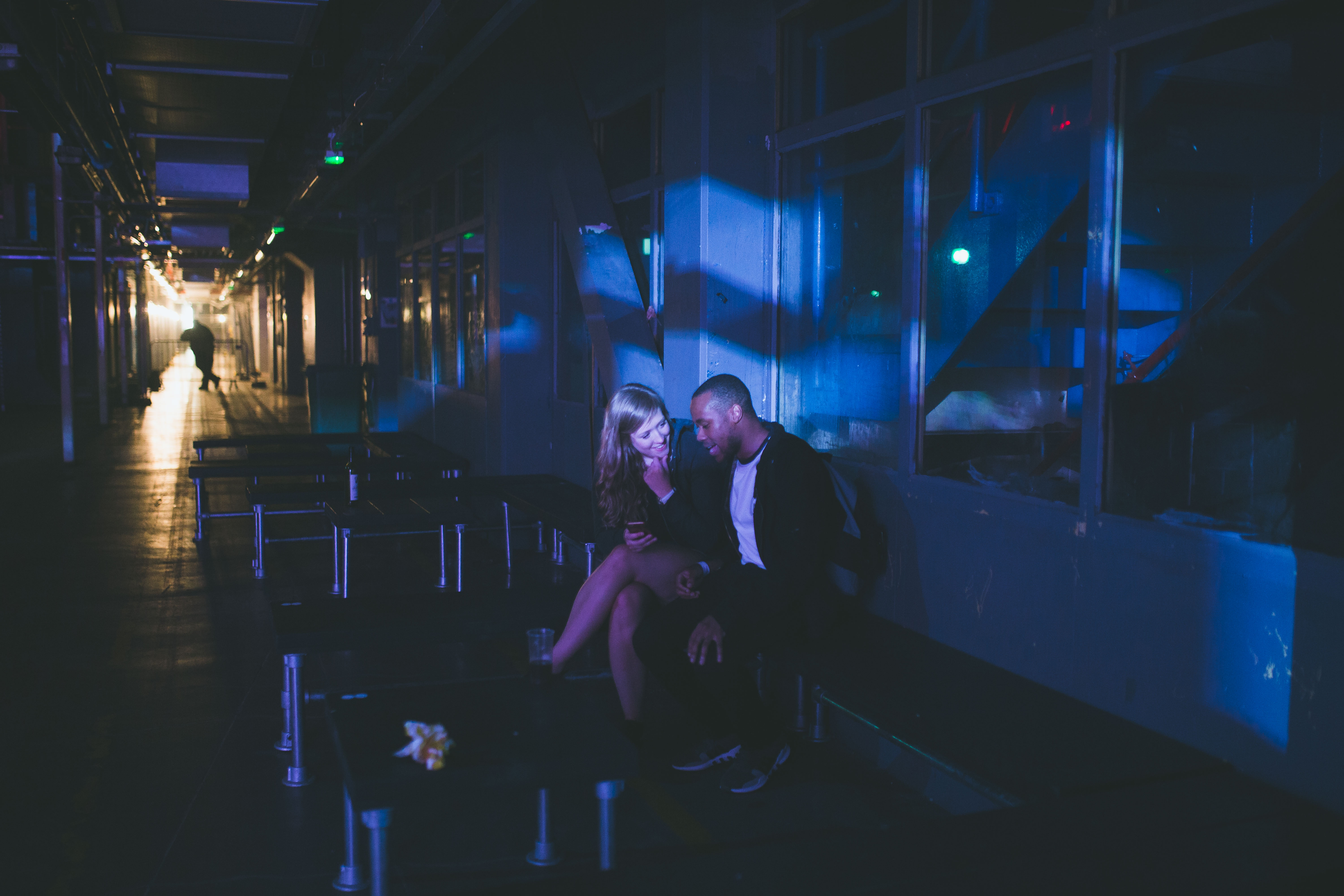
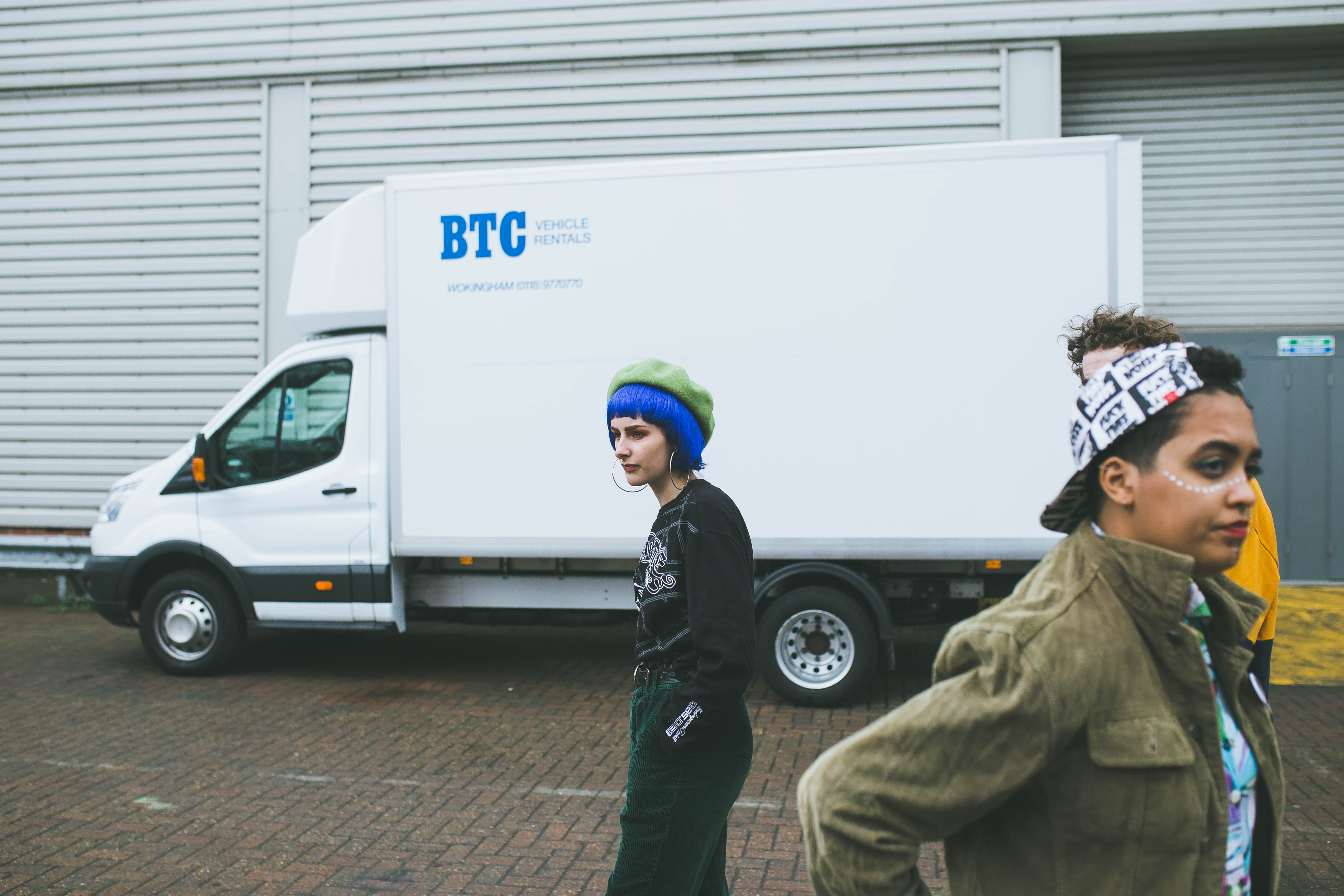
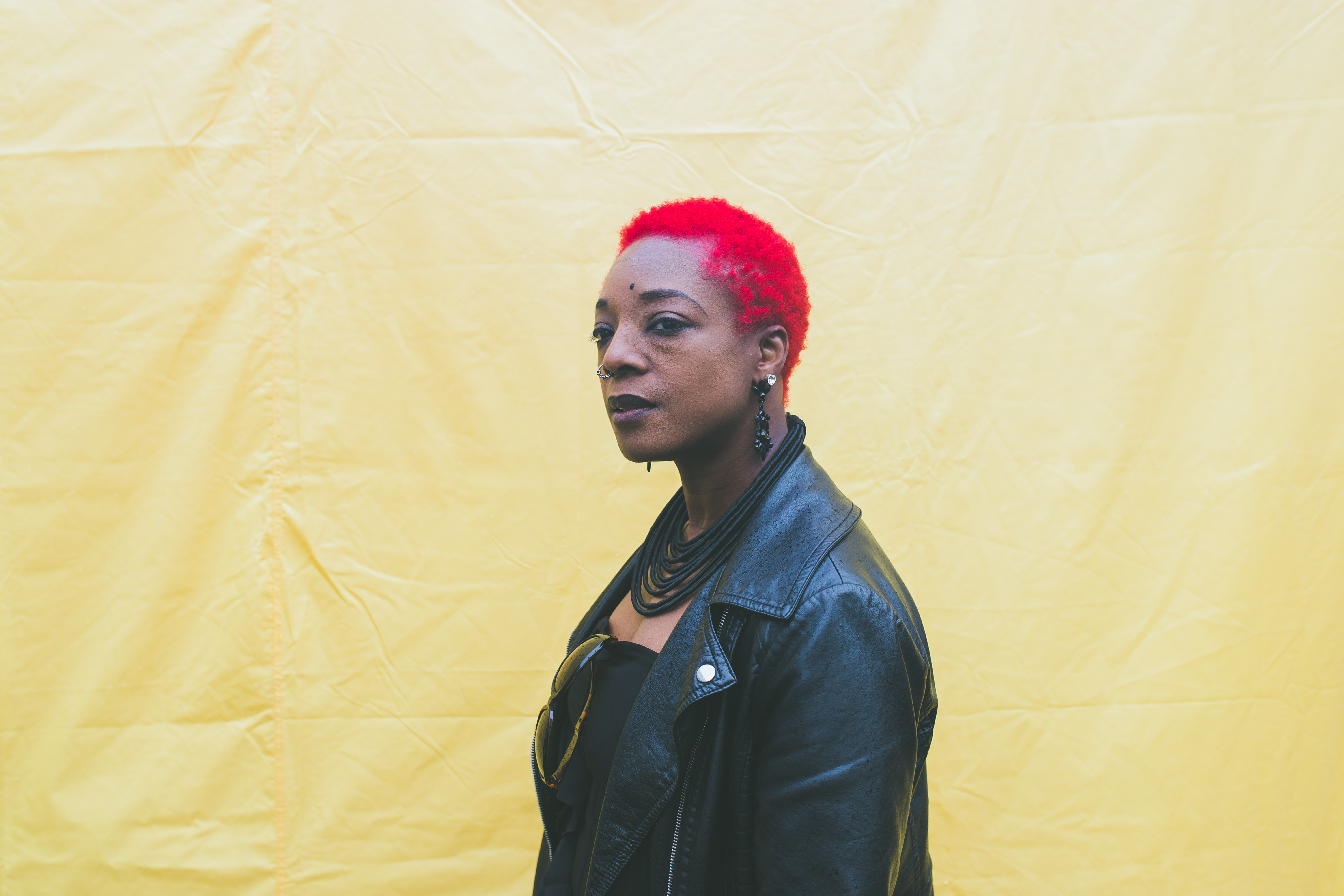
“There’s nothing wrong with partnering with corporations and big money to get a wider, broader audience – but I feel like Afropunk is still Afropunk. I don’t feel like it’s being watered down. It still feels very authentic,” adds Kimberley. “I’m inspired to see people that look different, that dress differently, and are just living and laughing and proud.”
 Enjoyed this article? Like Huck on Facebook or follow us on Twitter.
You might like

American Football: The One With The Feelings
Many moons — The Midwest emo architects transformed a college experiment into a coming-of-age soundtrack. 25 years on, their latest iteration sees them bottle the same magic for the ups and downs of middle life.
Written by: Tracy Kawalik

London’s largest indoor skatepark to be demolished for padel courts
Better Extreme — The Barking skatepark’s fate follows that of similar indoor spaces in recent years, with operators GLL citing falling visitor numbers as the reason behind the decision.
Written by: Isaac Muk

Youthful joy & end-of-era poignancy at a London school prom
Leavers — For several years, Lewis Khan documented young people as they celebrated the last of their school days and the completion of their exams. The series is now collated in a new self-published photobook and short film.
Written by: Zoe Whitfield

A major Nan Goldin exhibition is coming to London
You Never Did Anything Wrong — Opening at the Hayward Gallery in November, the show will debut a new film from the artist and activist, alongside a slate of recent work.
Written by: Jack Dennison-Thompson

Joe James: “I will never be absent in my children’s lives because I know it doesn’t feel nice”
Hard Feelings — As the silky MC prepares to release his debut album ‘The Ends Never Ends’, he joins our column on fatherhood and masculinity to discuss leaving his childhood home at 16, the manosphere and his risk-embracing approach to life.
Written by: Robert Kazandjian

Sepia splashed memories of Britain’s ’90s squatting and free party scene
Bygones — Moving into a Hackney squat at the age of 19, Tom Hunter spent years living on London’s edges, while documenting the vibrant, creative community and culture that it enabled. Huck’s art director Sam White chats to him about the freedom that existed, the collectivism and what’s been lost over the decades since.
Written by: Samuel White


