A two-decade love affair with Arizona, in photos
- Text by HUCK HQ
- Photography by David Hurn / Magnum Photos

A new book dedicated to David Hurn’s two-decade love affair with Arizona is being published this month. The publication, titled Arizona Trips, contains images of the legendary photographer’s numerous trips to the state; capturing everything from cheerleaders, wild horse wrangling, and Dolly Parton look-alike competitions.
Hurn, who is originally from Wales, came to the US after winning the Bicentennial Fellowship in 1979 – a one-year award for photographers who want to shoot the country. After being asked to choose a state, he opted for Arizona. “It was the most right-wing state in America and Wales at that time was probably the most left-wing part of the UK,” he remembers. “Also, it’s the driest state in America and Wales is the wettest. So it seemed to me it was such an extraordinary contrast.”
The Magnum photographer ended up returning to Arizona repeatedly between 1979 and 2001, turning his lens to ordinary people in ordinary pursuits.
“Life as it unfolds in front of the camera is full of so much complexity, wonder and surprise that I find it unnecessary to create new realities,” adds Hurn. “There is more pleasure, for me, in things as they are.”
Arizona Trips is being released to tie in with Magnum’s 70th birthday this year. An accompanying exhibition of his work is also on display at the National Museum Cardiff until March 11 2018.
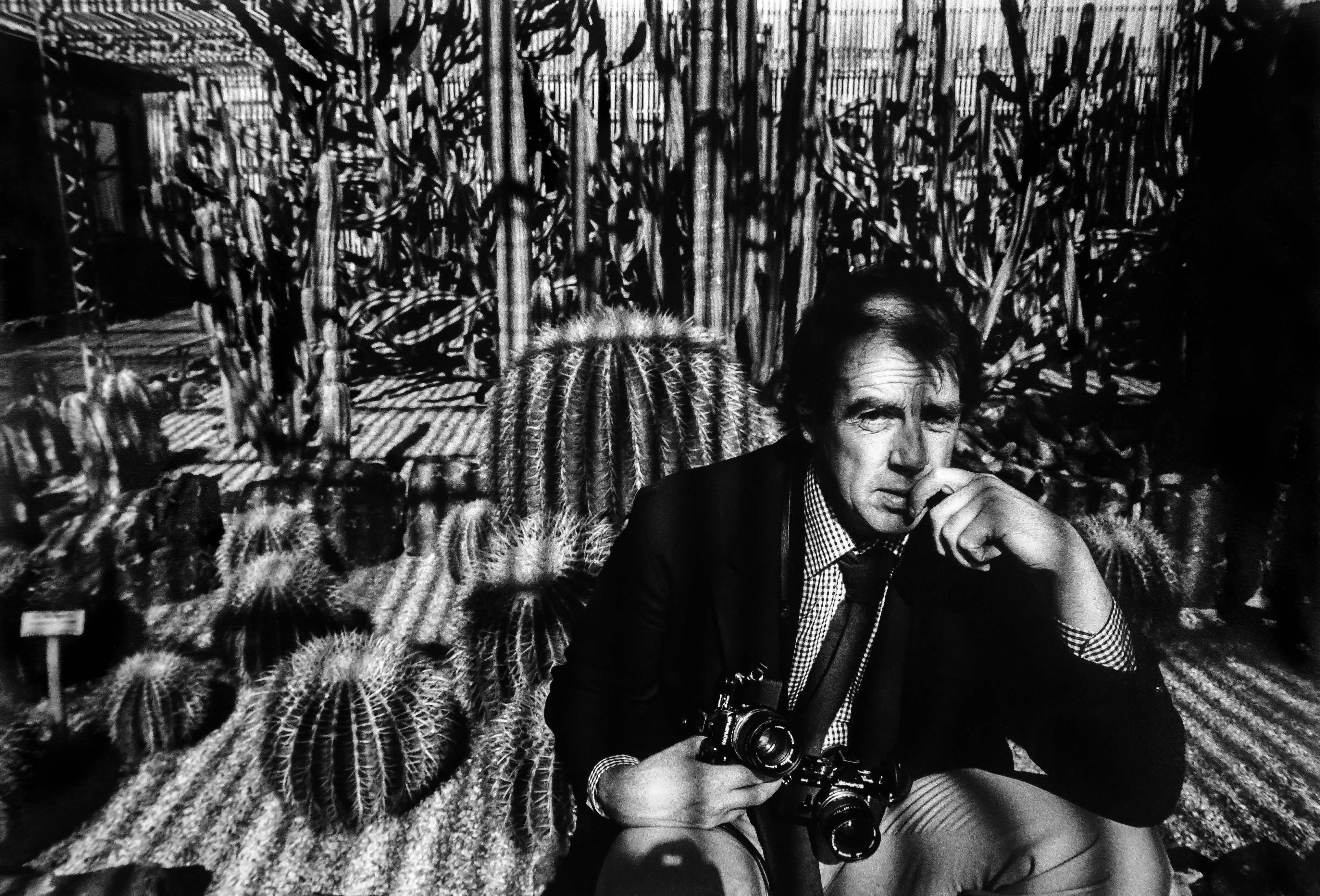
Tempe. David HURN in the Botanical gardens, photographer by his friend Bill JAY. 1980. 2017. Courtesy Magnum Photos
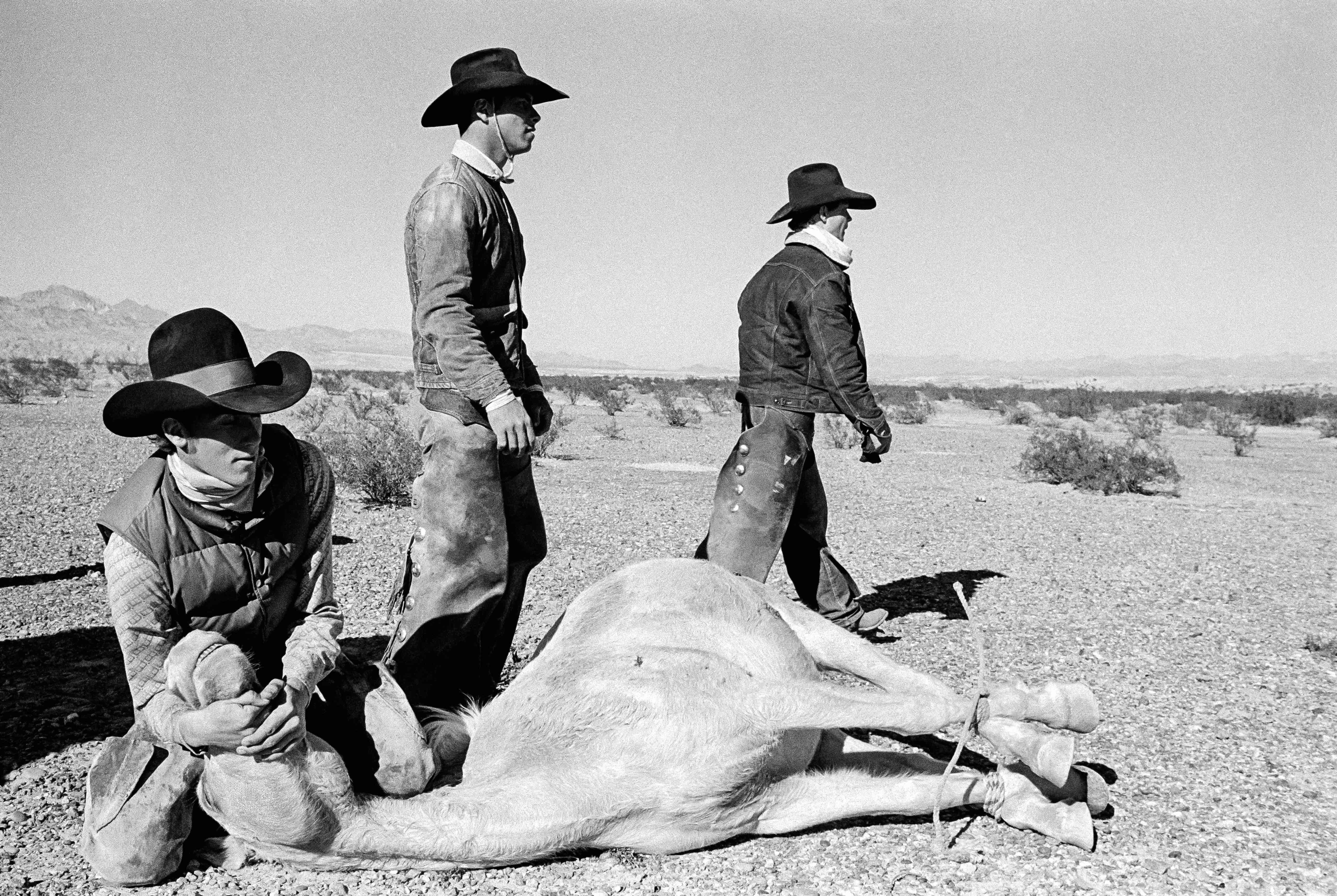
The round-up of the last wild horses in the desert of Arizona. 1980. Courtesy Magnum Photos
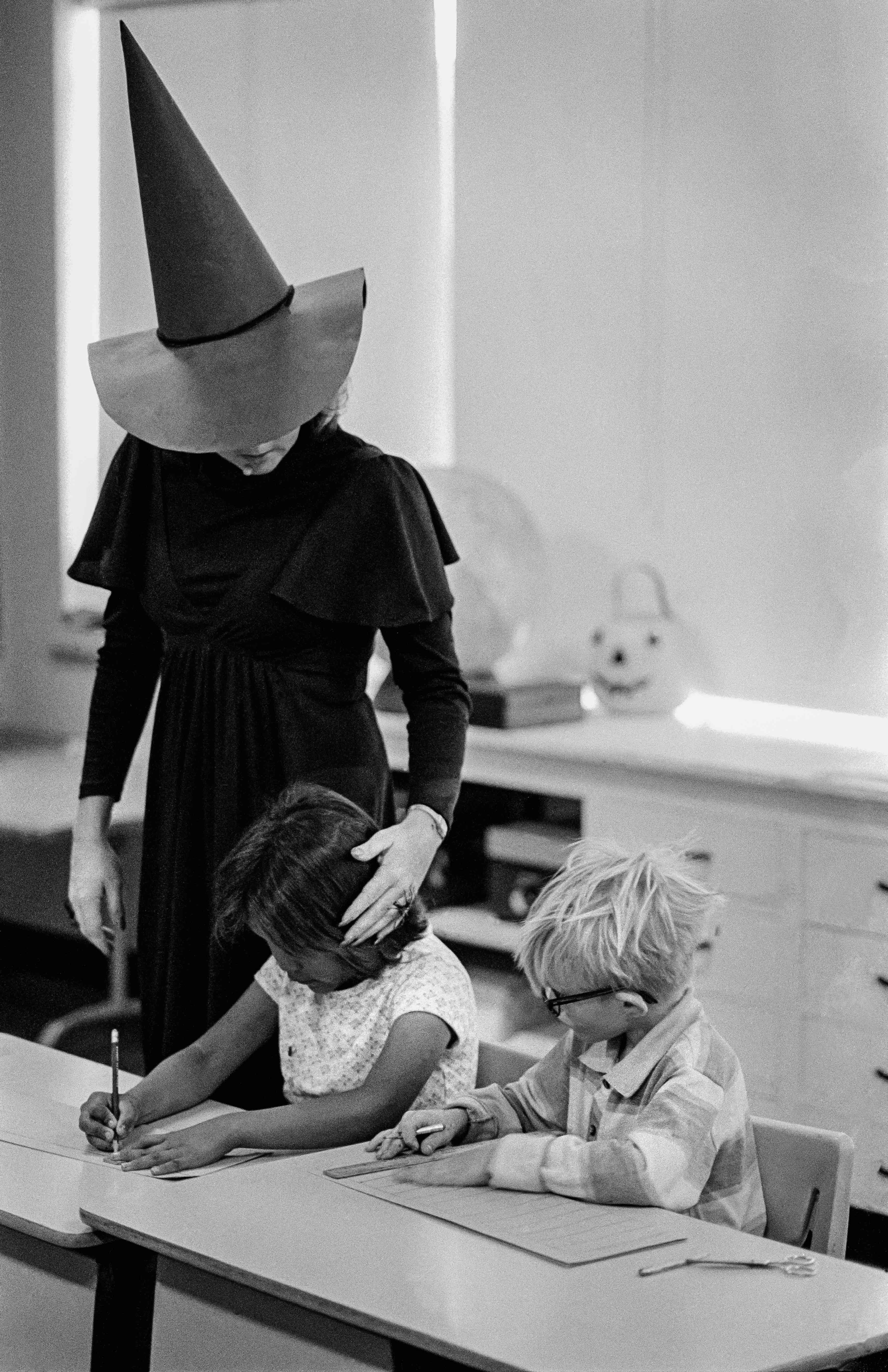
Kennilworth Elementary school in Phoenix where the students get into the spirit of Halloween celebrations with the help of a dressed up teacher. 1979. Courtesy Magnum Photos
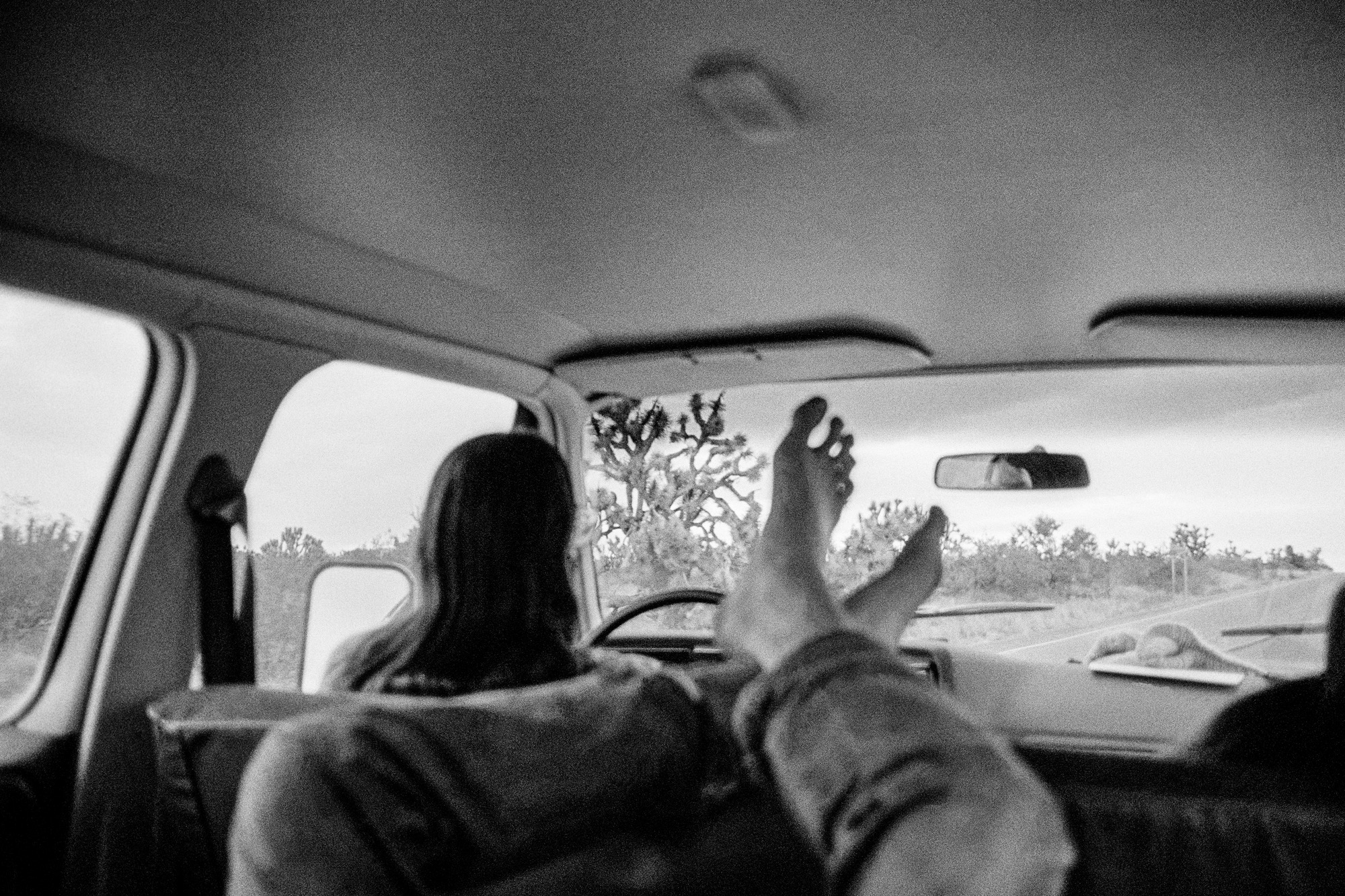
On the road from California to Arizona via Joshua Tree Forest. 1979. Courtesy Magnum Photos
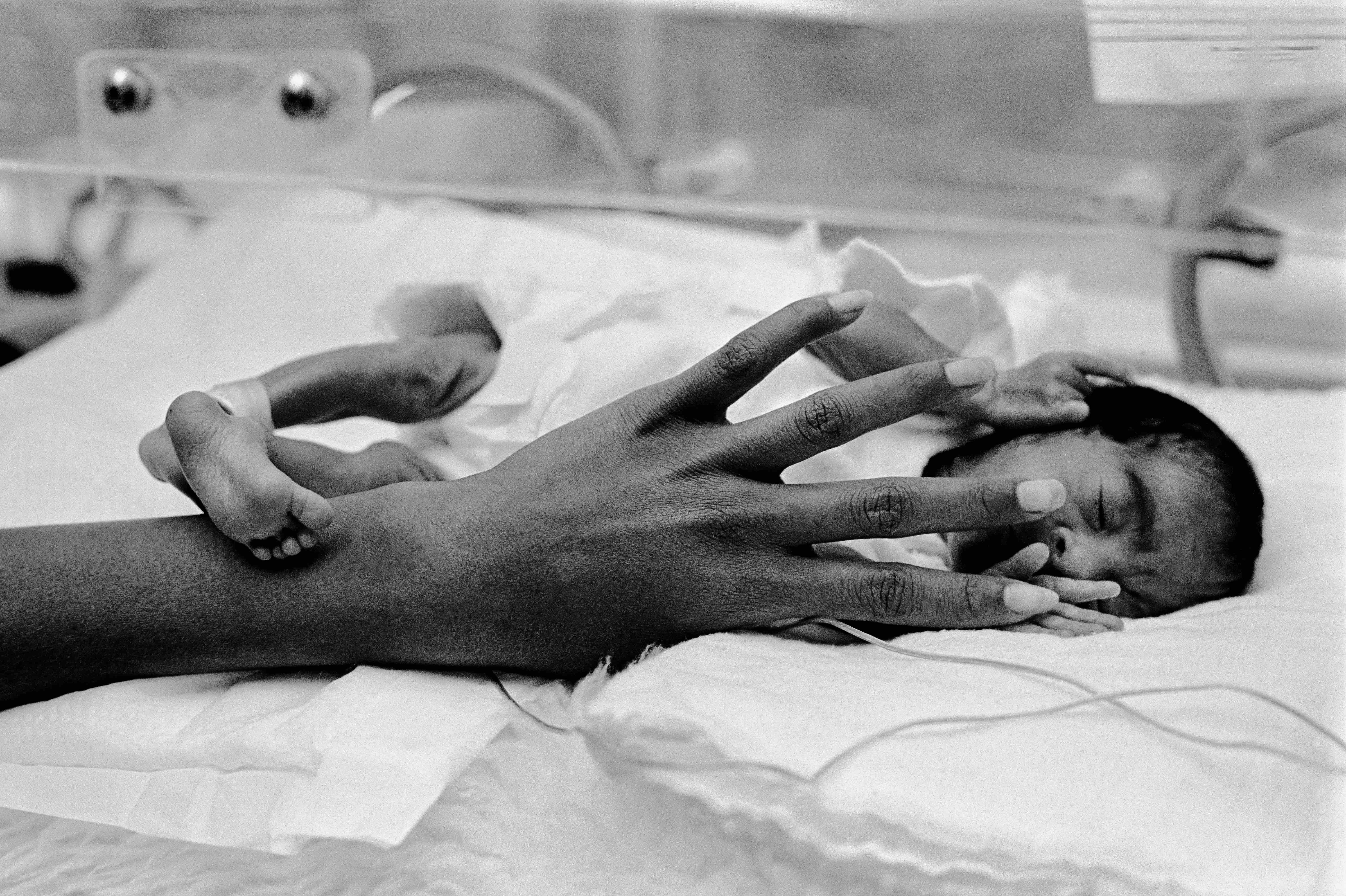
Phoenix. Preemie Baby unit at St Joseph’s Hospital. She has a head too large by half for her body. With little to flesh them out, her features are skull-tight and wizaned. Her arms and legs are no thicker than her mothers fingers. Her ears have no cartilage. Not long ago she would have been a miscarried fetus, not a baby. To-day she is a Preemie baby, although barely 2lb, destined to survive to be a normal child. 1980.Courtesy Magnum Photos
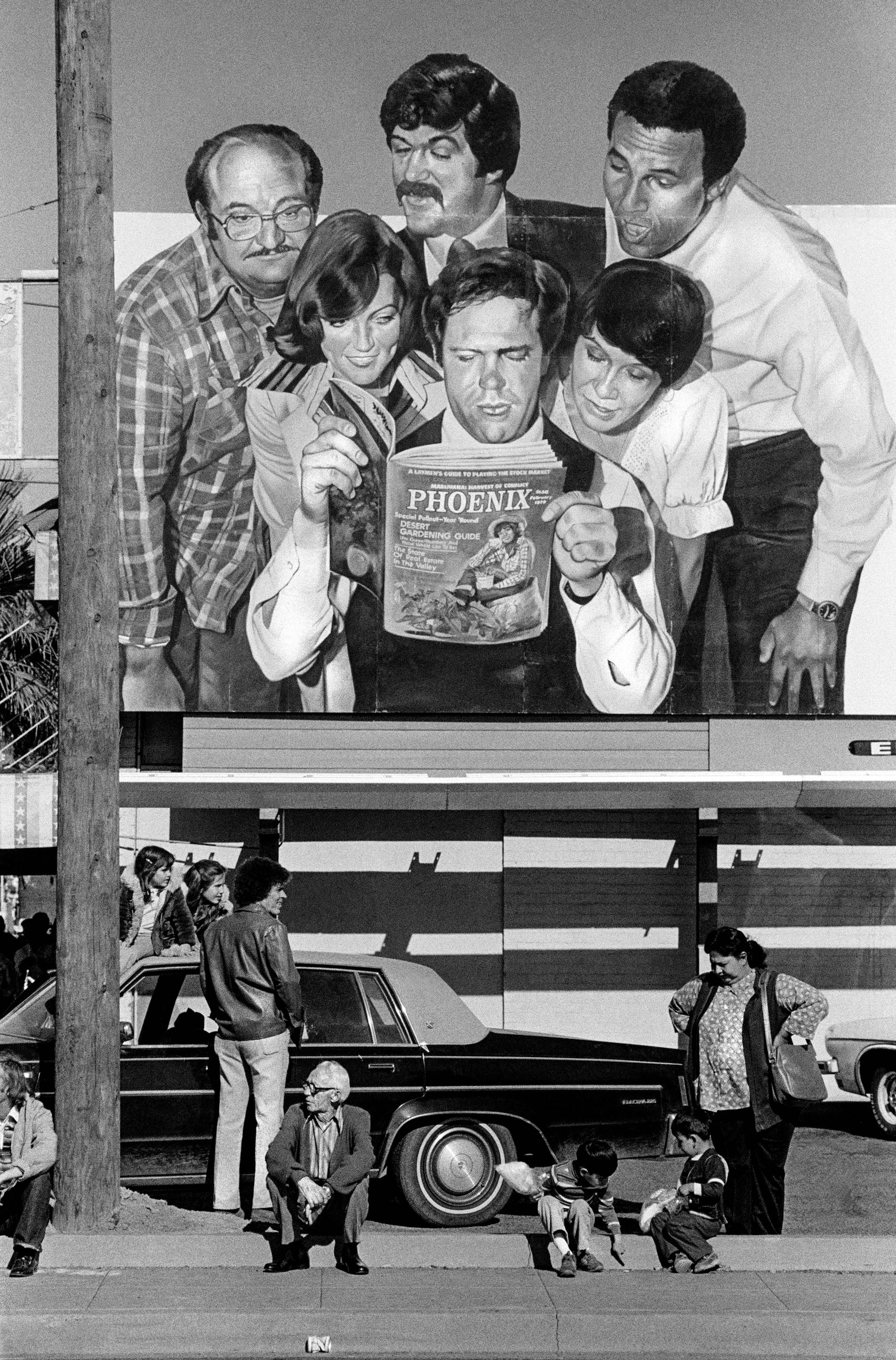
Phoenix is one of the fastest growing cities in the USA. Posters abound promoting the fact that it is a great place to live. 1979.Courtesy Magnum Photos
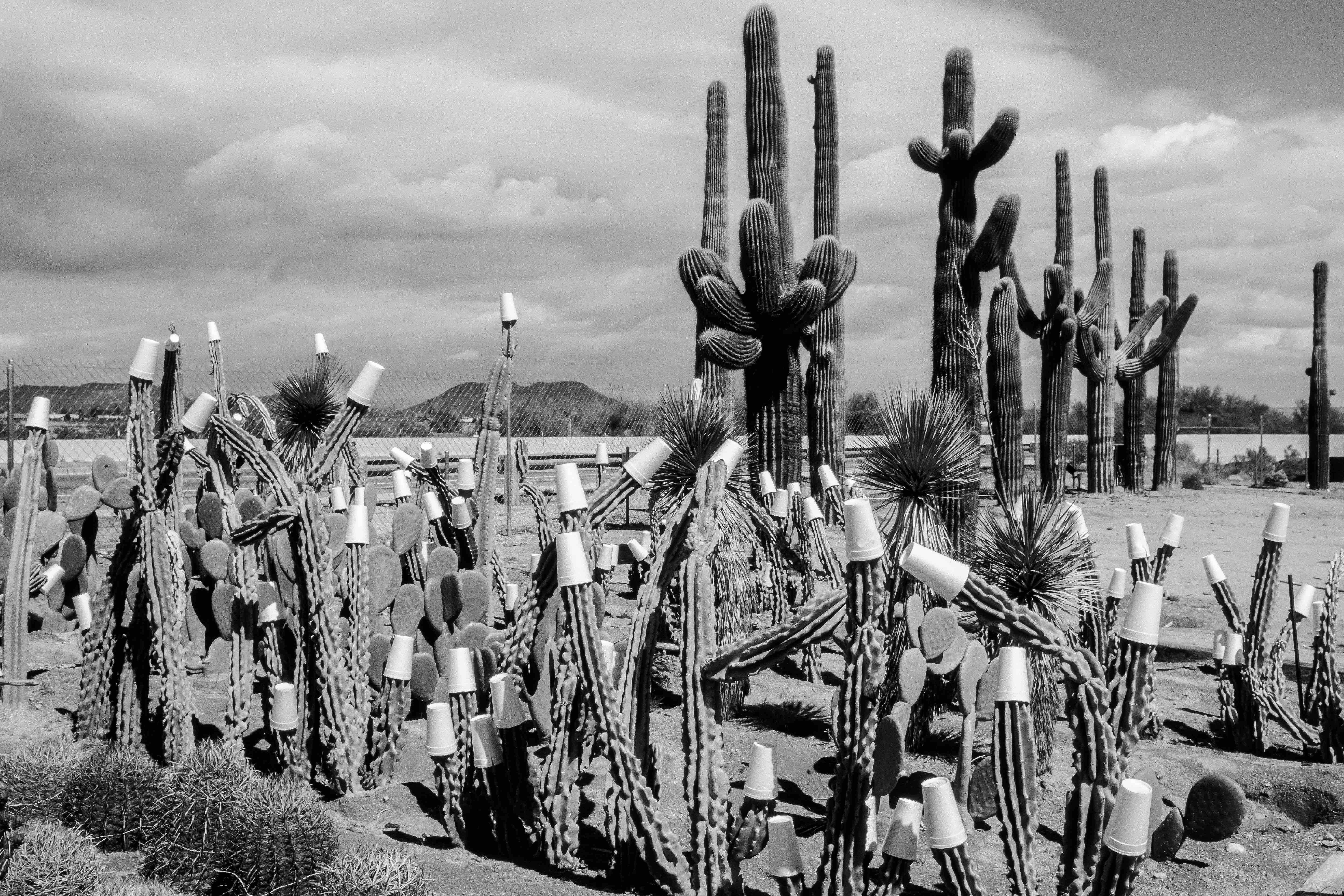
Winter cactus garden. Paper cups to protect against night frosts. 1992.Courtesy Magnum Photos
You might like

Jesse Glazzard’s messy portrait of queer friends, lovers and chosen family
The Sound of Dirt and Beauty — The photographer’s debut monograph explores tender, unpolished moments shaped by the people who he surrounds himself with, while offering a window into the UK’s working-class LGBTQ+ community.
Written by: Sunny Sunday

Behind the curtain at Alternative Miss World 1981
Olympia glamour — Running a subversive take on the traditional beauty pageant, the Andrew Logan organised event prioritised underground creativity and invention. Photographer David Corio went behind the scenes at its biggest edition.
Written by: Miss Rosen

New exhibition highlights British radical living over 200 years
Earthly Paradise — Taking place at the William Morris Gallery, it explores the homes and lives of artists, writers, musicians and more, as well as the conditions that allowed them to thrive.
Written by: Isaac Muk

What life on the Strait of Hormuz is really like
Southern Winds — Bandar Abbas based photographer Morteza Niknahad has been capturing the diverse communities and stories of his local region since he first picked up a camera. His new series highlights the human impact of war.
Written by: Isaac Muk

Nick Haymes’s intimate portrait of his family’s life
Chronograph — Over 25 years, the photographer documented his son’s lives as they grew into adults. The resulting photobook is an exploration of the passage of time, as well as the optimism of youth.
Written by: Miss Rosen

Kristina Rozhkova’s scatty, confronting portrait of captivity
Gut Feeling — The Russian artist’s 2024 arrest and subsequent detention opened her eye towards the omnipresent dynamics of power and control. Her new photobook is a stark exploration of being trapped.
Written by: Isaac Muk


