Five things we learnt from Billy Bragg’s Changing Britain talk
- Text by Katherine McLaughlin

Singer-songwriter and activist Billy Bragg discussed the evolution of his career between 1979-1997 at the Purcell Room, Southbank Centre, on Saturday as part of their continuing Changing Britain season.
Between talk of Thatcher, 2-tone and an acoustic guitar set he also touched upon the current political landscape of Britain.
Here are five things we took away from the evening.
Cynicism is our worst enemy
Though he doesn’t agree with Russell Brand regarding voting, Bragg recognises that Brand is simply reflecting the way in which he sees the world and that truly is the job of a political artist.
We need an electoral reform
Bragg believes that Great Britain has lost its belief in the voting system to bring about change. He stated that there needed to be some sort of reform to make sure every single vote counts in the future.
Social media = social change?
Though Bragg embraces social media he has noticed that this generation looks to the internet in a bid to elicit social change, rather than popular music. When he started out if he wanted to be heard his only option was to use music as a conduit to make the world a better place. People are now getting their politics from Twitter.
Radical music comes in all genres
If it wasn’t for the miners’ strike Bragg would never have been politicised. Bragg is a product of his time and that can’t be expected to be repeated in this generation in the same way. Bragg thinks that the real radical political music is coming from the urban music scene which is less digestible for a mainstream audience.
People need to take a stand
Bragg respects the reasons why Chief political commentator Peter Osborne recently resigned from the Daily Telegraph. He stood up for what he believed in.
Billy Bragg was at Southbank Centre on Saturday 25 April March as part of Changing Britain Festival which runs until 9 May.
You might like

Is Field Maneuvers the most fun time ever? Yes probably
Collective joy — Huck’s art director Samuel White went to the 2026 edition, braving a wet start and interviewing FLINTA* collective and arm wrestling legends Uhaul Dyke Rescue in the process.
Written by: Samuel White
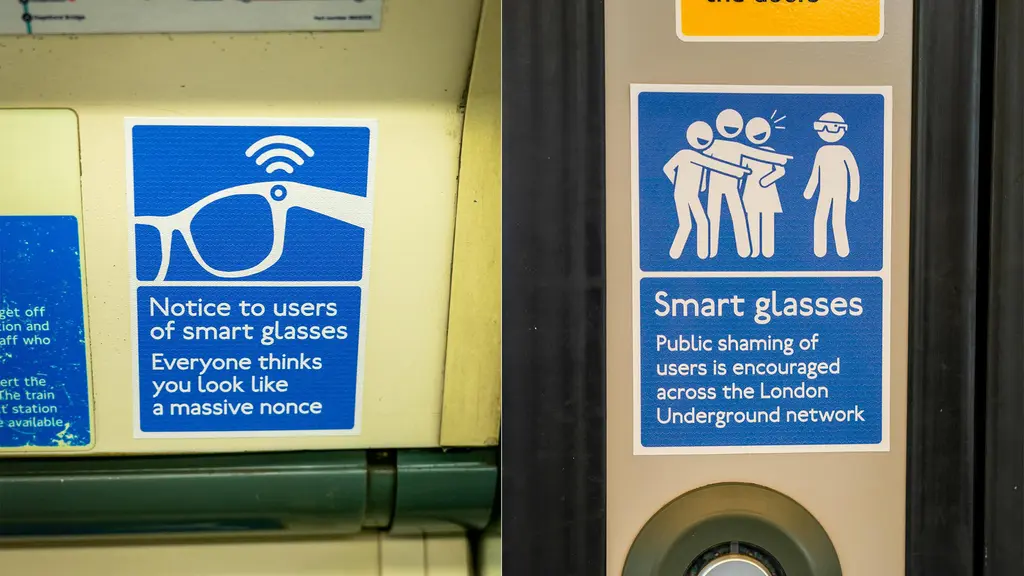
Activists slam “pervert glasses” in new guerrilla campaign
Everyone Hates Elon — Stickers have appeared on the London Underground network, criticising the wearable technology’s covert filming capabilities.
Written by: Isaac Muk

Behind the curtain at Alternative Miss World 1981
Olympia glamour — Running a subversive take on the traditional beauty pageant, the Andrew Logan organised event prioritised underground creativity and invention. Photographer David Corio went behind the scenes at its biggest edition.
Written by: Miss Rosen

Dan Lacey: “BMX is forever evolving”
Overground — Steph Pomphrey caught up with the two-wheel legend after his latest meet in east London, chatting about fatherhood, music and action sports within the outdoor industry.
Written by: Steph Pomphrey

The battle for the soul of lockpicking
Under locksport and key — In recent years, breaking locks for fun has grown from a niche hobby into an activity followed by millions of people. As it has matured, so have tensions over who sets the rules.
Written by: Jack Dennison-Thompson

New exhibition highlights British radical living over 200 years
Earthly Paradise — Taking place at the William Morris Gallery, it explores the homes and lives of artists, writers, musicians and more, as well as the conditions that allowed them to thrive.
Written by: Isaac Muk


