Bloody Chunks: Vietnam's underground metal scene
- Text by Cian Traynor
- Photography by Neil Massey

As soon as photographer Neil Massy moved to Vietnam, he wanted to cut through its veneer: a vibrant country with a young population still defined by war.
There was something about the culture, the people and their attitude to life that he and his wife connected with – so much so that after three visits, they settled in for six years.
“I had travelled a lot with my work but had never lived in another country,” he says. “The only way I felt I could learn anything of meaning about Vietnam was to spend time there, to get under the skin of day-to-day life.”
His instincts lead him to a sporadic series of free gigs in Saigon (Ho Chi Minh City) where teenagers freaked out to the sounds of rock and metal.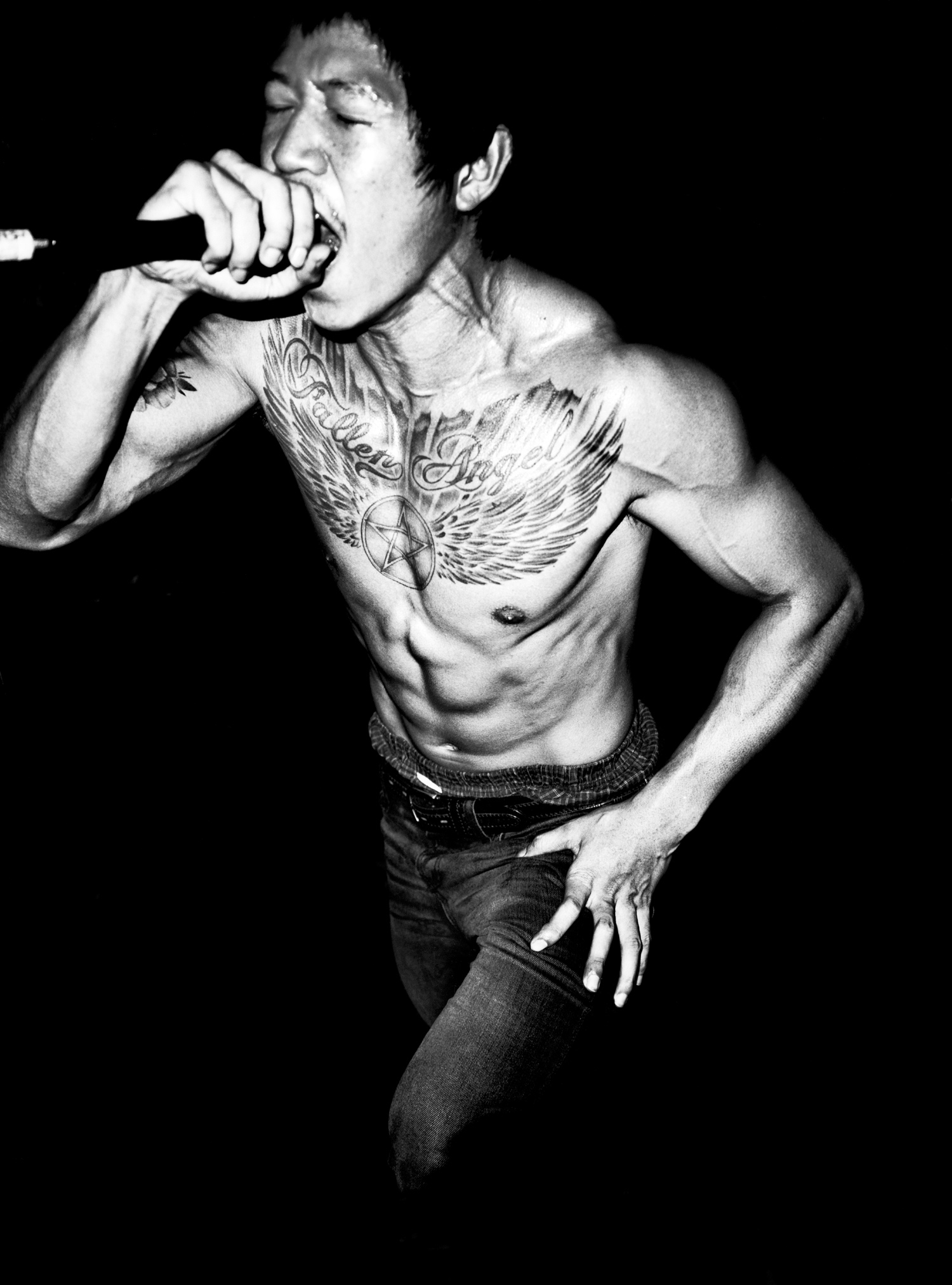
Eventually he befriended musician Trung (pronounced ‘Choum’) of grindcore band Wuu. He’s the founder of Vietnam’s first and only metal label, Bloody Chunks Records, and the man widely credited for developing Vietnam’s current metal scene.
Through Trung, Massey gradually developed a better understanding of that subculture and saw the potential in capturing its combination of brutal energy and hardcore following.
“My formative years were spent shooting and watching bands like the Damned and Fugazi,” he says. “The energy and spirit of the metal gatherings resonated with my early experiences at punk gigs: full-on and exhilarating.”
Though Massy hadn’t shot in black-and-white for 12 years, just developing the film proved difficult. It was only salvaged when a search for processing chemicals in the backroom of a photo shop in Saigon turned up a kilo of powdered developer and some crystal fixer.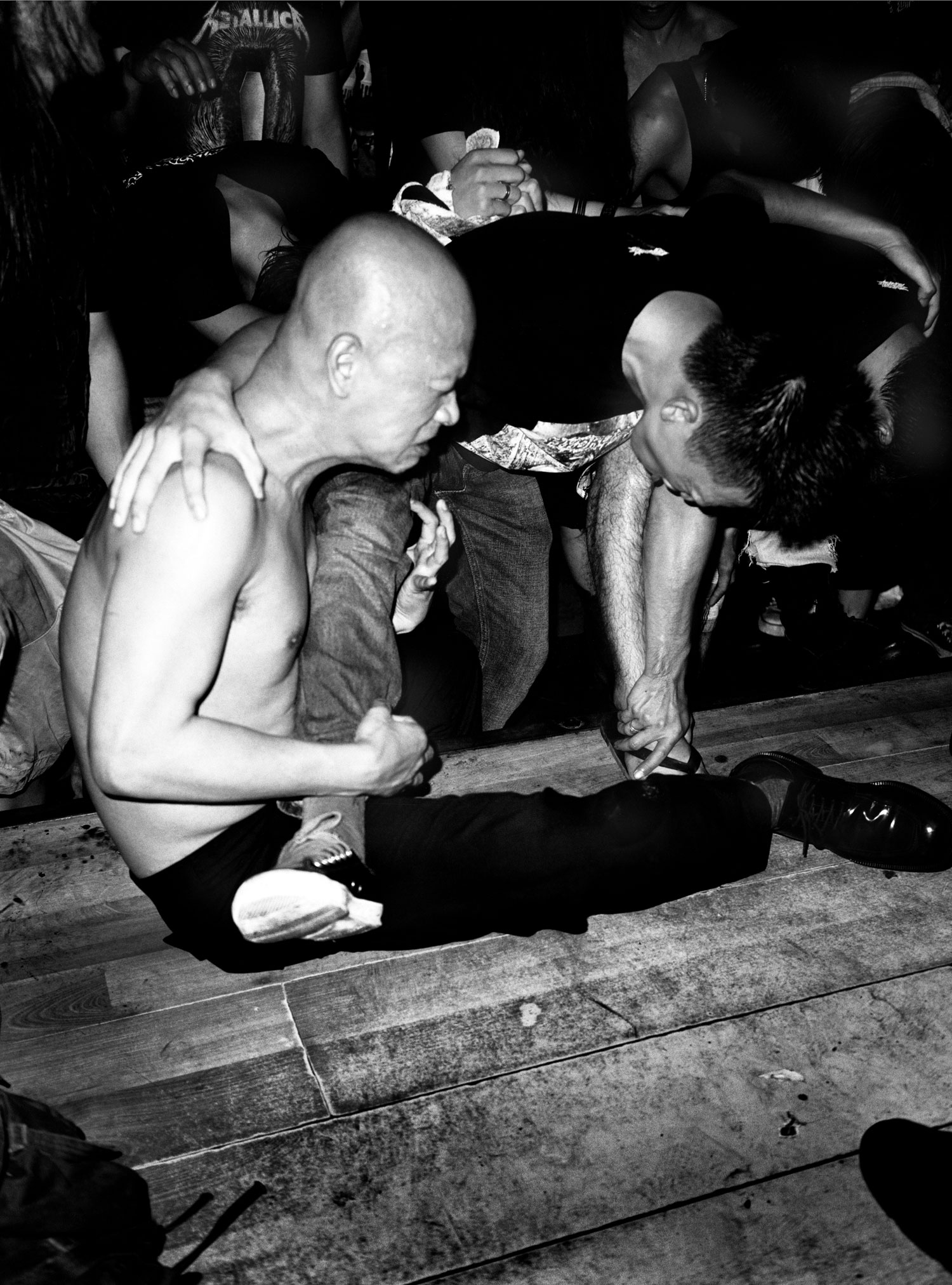
Using used some clear vinegar as stop bath and some old German medium format film, Massy came up with a home processing kit that felt perfectly in keeping with the DIY spirit of his subject.
While editing over a thousand shots, Massey quickly recognised that there was more to these gigs than just music. For many young Vietnamese, it was a welcome means of escape.
“Pressure to conform in Vietnam comes from all sides,” he says. “From the communist government but, even more so, from within the family unit itself. In Vietnam, filial responsibility and obligation is central to the family structure… which makes self-expression and finding your own voice more challenging.”
Check out more of Neil Massey’s work.
Enjoyed this article? Like Huck on Facebook or follow us on Twitter.
You might like

Jesse Glazzard’s messy portrait of queer friends, lovers and chosen family
The Sound of Dirt and Beauty — The photographer’s debut monograph explores tender, unpolished moments shaped by the people who he surrounds himself with, while offering a window into the UK’s working-class LGBTQ+ community.
Written by: Sunny Sunday

Behind the curtain at Alternative Miss World 1981
Olympia glamour — Running a subversive take on the traditional beauty pageant, the Andrew Logan organised event prioritised underground creativity and invention. Photographer David Corio went behind the scenes at its biggest edition.
Written by: Miss Rosen

New exhibition highlights British radical living over 200 years
Earthly Paradise — Taking place at the William Morris Gallery, it explores the homes and lives of artists, writers, musicians and more, as well as the conditions that allowed them to thrive.
Written by: Isaac Muk

What life on the Strait of Hormuz is really like
Southern Winds — Bandar Abbas based photographer Morteza Niknahad has been capturing the diverse communities and stories of his local region since he first picked up a camera. His new series highlights the human impact of war.
Written by: Isaac Muk

Green Man is more than a music festival
Planting roots — For nearly a quarter century, the fiercely independent weekender has been flying the flag for Welsh arts and music. As an ecosystem now bubbles around it, Anna Stafford meets the people who keep the fire burning.
Written by: Anna Stafford

Nick Haymes’s intimate portrait of his family’s life
Chronograph — Over 25 years, the photographer documented his son’s lives as they grew into adults. The resulting photobook is an exploration of the passage of time, as well as the optimism of youth.
Written by: Miss Rosen


