Inside Booters: the Hooters-inspired supper club celebrating butch identity
- Text by Megan Wallace
- Photography by Z. Raza-Sheikh

Butchify everything — From a viral performative butch contest, to a packed ButchtoberFest celebration, Booters is taking over London’s dyke nightlife.
Amidst a mania of “performative male” contests, where men pick their favourite books, sing Clairo songs and sport tote bags, a bar in South London sets the scene for a different spin on the trend – a performative butch contest. With 42 contestants – sporting carabiners and tattered copies of Stone Butch Blues – and 300 visitors early looking on, the Old Nun’s Head is crammed with dyke energy. But beyond the night itself, an image of three femmes craning to get a view of the action began making the rounds on TikTok, and has been viewed over 160,000 times.
The organisers behind the event are Booters: an event that bills itself as “the dyke diner experience, for butches, studs, bois, mascs and those who love us”. Throwing their first party in July 2024, the collective’s premise is gleefully subversive: each event is styled on the American sports bar Hooters, but with butch servers – in a celebration of queer masculinity. Since then, the team has collaborated on a trio of NYC pop-ups at Brooklyn lesbian bars the Cubbyhole, Ginger’s Bar and Soft Butch; put on a fully-funded dyke and trans wood-working class, and celebrated their first birthday with a Trans Pride barbecue.
Speaking to one of Booters’ founders, Oran Keaveney, it quickly becomes clear that the origins of the event are as camp and silly as you might expect. “I really wanted to do something that centered around food, because I love having my dinner. Food is such a great, unpretentious way to bring people together. [Lesbian club night] Butch, Please had been running for a while, but I wanted to add to the options of spaces uplifting different types of butchness,” Keaveney says. “These ideas were swirling around in my head, and then myself and the co-founder of Booters, Ariane Trueblood, were just at the pub. We started riffing off the idea that I’d been invited to a butch orgy and started calling it ‘the borgy’. We then started butchifying everything, butch party being ‘barty’, and all these stupid puns. Then we were like, butch hooters would be Booters…”


I meet Keaveney and the wider team during a packed ‘ButchtoberFest’ (a portmanteau of butch and Oktoberfest) celebration in Walthamstow, where they’ve taken over the Queer Brewing taproom. It’s chilly, but that doesn’t stop London’s dyke community from coming out in force. From an outdoor grill where Bavarian-inspired hotdogs (with a vegan option, of course) are cooked up, to ButchtoberFest bingo including squares asking participants to track down carabiners and lesbian manicures among the crowd, a drag performance from Saint Patrick Star, and a steinholding competition, it has the energy of a queer summer camp social.
Beyond the importance of carving out a space for exploring butchness as an identity, culture, and community, there is, of course, the fact that these events can be pretty sexy. Booters is known for the popularity of its butch servers (who you can tip with Booters Bucks bought on entrance), as well as its signature party game – a “whip-off” involving squirting whipped cream in the mouths of event-goers. After initial complaints that the event could be objectifying to butch and masc members of the community, the event series has recovered well – attracting femmes, butches, and all manner of individuals eager to participate.
For Keaveney, the event series is a reclamation of butch sexuality – a point of view that is all the more powerful when we consider the regressive gender ideals that are pushed elsewhere. “Butchness is about subverting the ways that cis-het people do gender. Booters is being run by butches and trans people and we’re flaunting our sexiness in whatever way we want. We’re kind of being like, how can you platform sexiness without it being inherently objectifying?” They also point out that their uniform – a white tee, hacking the Hooters logo in order to spell Booters – isn’t particularly tight or revealing. “You just have to wear the shirt and style it in whatever way you want.”
“We started riffing off the idea that I’d been invited to a butch orgy and started calling it ‘the borgy’. We then started butchifying everything, butch party being ‘barty’, and all these stupid puns. Then we were like, butch hooters would be Booters…” Oran Keaveney, Booters co-founder
At a time when queerness, gender-non-conforming identities and especially transness are under attack, the event is proudly run for and by those communities – and aims to celebrate the nebulous, diverse, difficult-to-pin-down nature of butch identity. “Performances of masculinity – especially in comedy or drag – can focus on toxic masculinity as the main way to perform masculinity,” Keaveney adds. “Booters is a space for people to butch it up in a way that’s a positive representation, one which you can find sexy and allows people to flaunt their masculinity.”
While butchness is associated with lesbian masculinity, it’s also a personal experience which is subjective for each person who identifies under the umbrella, as well as their own journey with identity – something which Booters, as a proudly trans-inclusive event, is at pains to emphasise. “The main thing I hoped is that Booters would help to expand this idea that being butch is interchangeable with being transmasc[uline]. Some people assume that if you identify as butch, you are on your way to transitioning,” Keaveney explains. “Some people transition and they no longer resonate with the term butch, but there are a lot of trans men who are still connected to the butch community.”
Specifically, the team makes a concerted effort to show the range of butchness which exists beyond the media stereotypes. “We always make a point of not having all-white lineups, of having a diversity of body types, a mixture of butch trans women, trans men, non-binary people, and cis people – people just love seeing their version of butchness represented,” Keaveney adds. “Often, if a butch does make it to TV or whatever, it’s going to be the most conventionally attractive, skinny, white masc who is shown. We try to show that there are many different types of butch – there is no ‘right’ way to be butch.”


Megan Wallace is a journalist and editor. Follow them on Instagram.
Buy your copy of Huck 82 here.
Enjoyed this article? Follow Huck on Instagram and sign up to our newsletter for more from the cutting edge of sport, music and counterculture.
Support stories like this by becoming a member of Club Huck.
You might like

The Drag collective fighting for a queer, independent Wales
Photographer Megan Winstone captures Cŵm Rag amid a banner year, from climbing Yr Wyddfa in aid of Trans Aid Cymru to selling out Wales Millennium Centre.
Written by: Ben Smoke

Jordan Stephens: “I don’t like using the term ‘Toxic Masculinity’ anymore”
In the latest edition of our masculinity column Hard Feelings, the Rizzle Kicks singer and author talks about his childhood, vulnerability, his relationship with his mum and more.
Written by: Robert Kazandjian

Portraits that capture non-binary life in America
Outside and in between — In an intimate and collaborative photo series, Chloe Aftel turns her lens to one of the most misrepresented groups in the US.
Written by: Nicole Lane

Jesse Glazzard’s messy portrait of queer friends, lovers and chosen family
The Sound of Dirt and Beauty — The photographer’s debut monograph explores tender, unpolished moments shaped by the people who he surrounds himself with, while offering a window into the UK’s working-class LGBTQ+ community.
Written by: Sunny Sunday
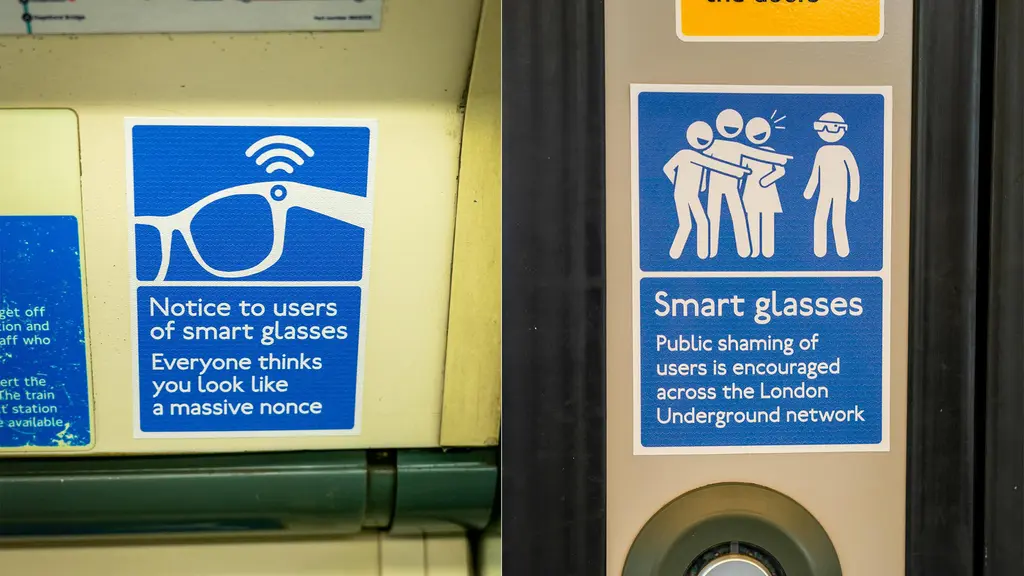
Activists slam “pervert glasses” in new guerrilla campaign
Everyone Hates Elon — Stickers have appeared on the London Underground network, criticising the wearable technology’s covert filming capabilities.
Written by: Isaac Muk

Behind the curtain at Alternative Miss World 1981
Olympia glamour — Running a subversive take on the traditional beauty pageant, the Andrew Logan organised event prioritised underground creativity and invention. Photographer David Corio went behind the scenes at its biggest edition.
Written by: Miss Rosen


