Can Russell Brand's Trew Era Café kick off a social change revolution?
- Text by Megan White
- Photography by Megan White

Russell Brand opened his very own Trew Era Café on March 27 on the New Era Estate, Hoxton – the site of a successful residents’ battle against rent hikes last year.
The café is a self-supporting, not-for-profit social enterprise project staffed by ex-offenders and recovering drug addicts. Brand says he aims to open similar projects across London.
“Thanks for coming to this thing, I feel like a minor royal without the allegations,” he told the huge crowd. “This estate was supposed to be closed by Westbrook [developers], but because of these women and the way they organised and the way they confronted that authority, it wasn’t able to happen.
“We’ll start more and more of these social enterprises. Eventually, we will trade with one another in our own currency. We are going to create our own systems, our own federations, our own currencies, our own authorities.”
Brand also criticised political parties, stating that they only help themselves, and that we should create our own systems.
“Politics is dead – this is the end of politics,” he said. “What we’re discussing now is what comes after, something worse or something better. They’re already preparing for something worse. Police are becoming militarised across the world. We have an opportunity to create something better. It will start with small enterprises like this, which put the power where it belongs – with the people.”
The opening also featured the founders of the New Era estate campaign, Lindsey Garrett and Lynsay Spiteri, and Focus E15 mother Jasmine Stone.
The café will also have its own beehives and chickens to make their own produce and trade with similar projects across London, more of which Brand hopes to establish.
Find out more about Trew Era Cafe.
You might like
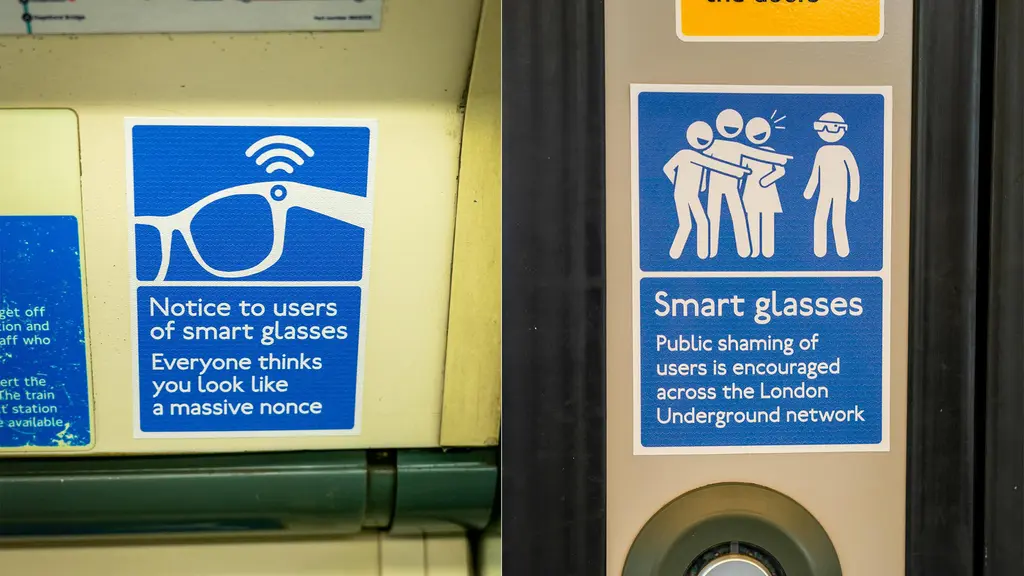
Activists slam “pervert glasses” in new guerrilla campaign
Everyone Hates Elon — Stickers have appeared on the London Underground network, criticising the wearable technology’s covert filming capabilities.
Written by: Isaac Muk

Behind the curtain at Alternative Miss World 1981
Olympia glamour — Running a subversive take on the traditional beauty pageant, the Andrew Logan organised event prioritised underground creativity and invention. Photographer David Corio went behind the scenes at its biggest edition.
Written by: Miss Rosen

Dan Lacey: “BMX is forever evolving”
Overground — Steph Pomphrey caught up with the two-wheel legend after his latest meet in east London, chatting about fatherhood, music and action sports within the outdoor industry.
Written by: Steph Pomphrey

The battle for the soul of lockpicking
Under locksport and key — In recent years, breaking locks for fun has grown from a niche hobby into an activity followed by millions of people. As it has matured, so have tensions over who sets the rules.
Written by: Jack Dennison-Thompson

New exhibition highlights British radical living over 200 years
Earthly Paradise — Taking place at the William Morris Gallery, it explores the homes and lives of artists, writers, musicians and more, as well as the conditions that allowed them to thrive.
Written by: Isaac Muk

Pink Floyd’s Roger Waters joins team of new Palestinian resistance documentary
Freedom Theatre — Directed by Rishi Pelham, the film spotlights a theatre operating in the Jenin refugee camp.
Written by: Ella Glossop


