Searching for joy in the midst of Ukraine's bloody conflict
- Text by Michael Segalov
- Photography by Christopher Nunn

When 34-year-old photographer Christopher Nunn first set foot in Ukraine, it was very much as a tourist. His grandmother – Ukrainian by birth – began to suffer from Alzheimer’s in 2013, so Christopher decided to try and reconnect with the country which he’d grown up listening to stories about while she was still around. It was a way of keeping his connection with her strong.
She’d left her hometown of Kalush set in the foothills of the Carpathian Mountains, in the Ivano-Frankivsk Oblast (province) of western Ukraine in the wake of WW2, so this was a place Christopher had always felt drawn to. But on his first pilgrimages to the country he headed to its biggest cities, sticking to whatever tourist trail Ukraine could offer while roaming the streets and learning about its culture. Soon he began venturing off the beaten track.
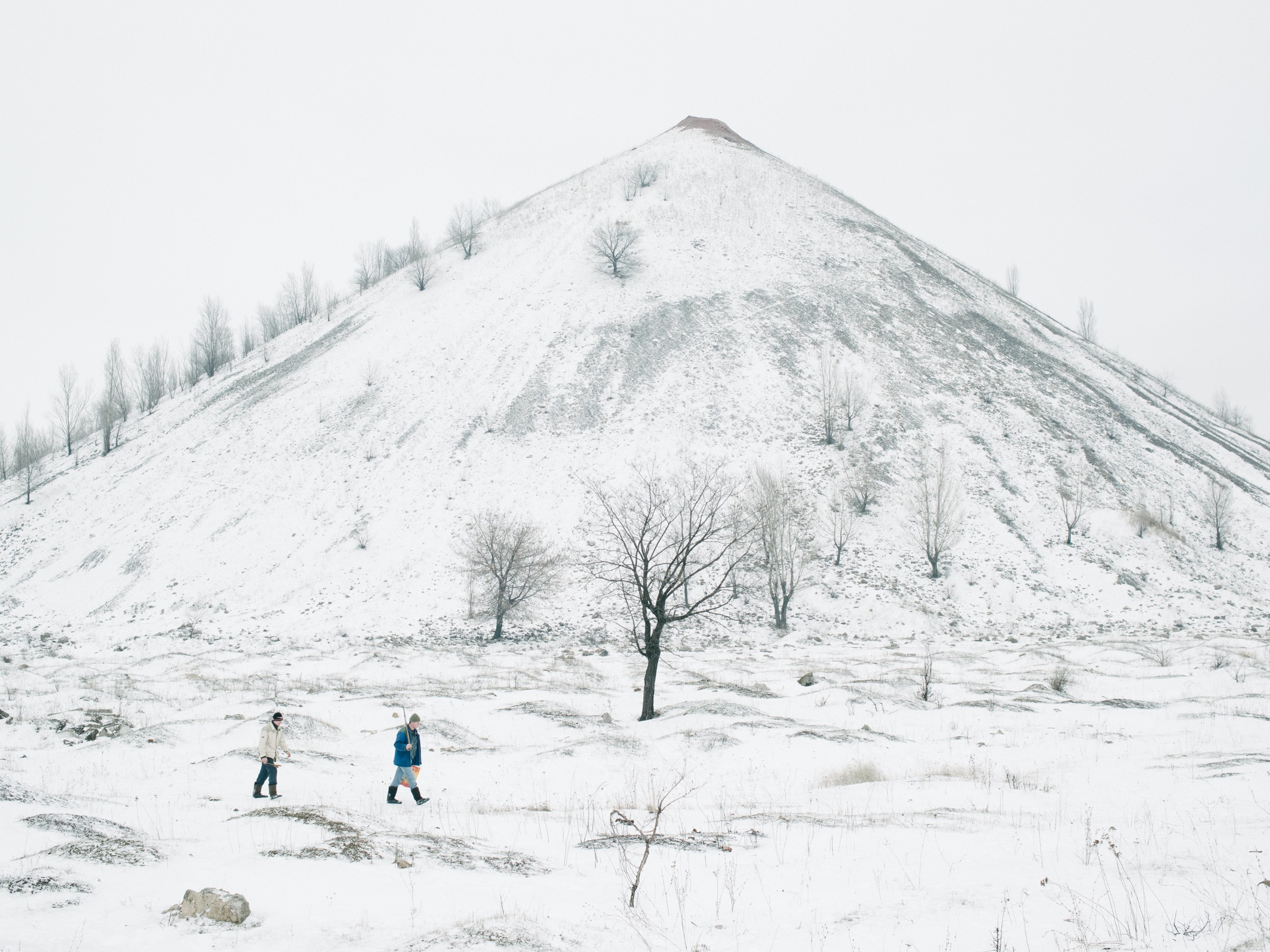
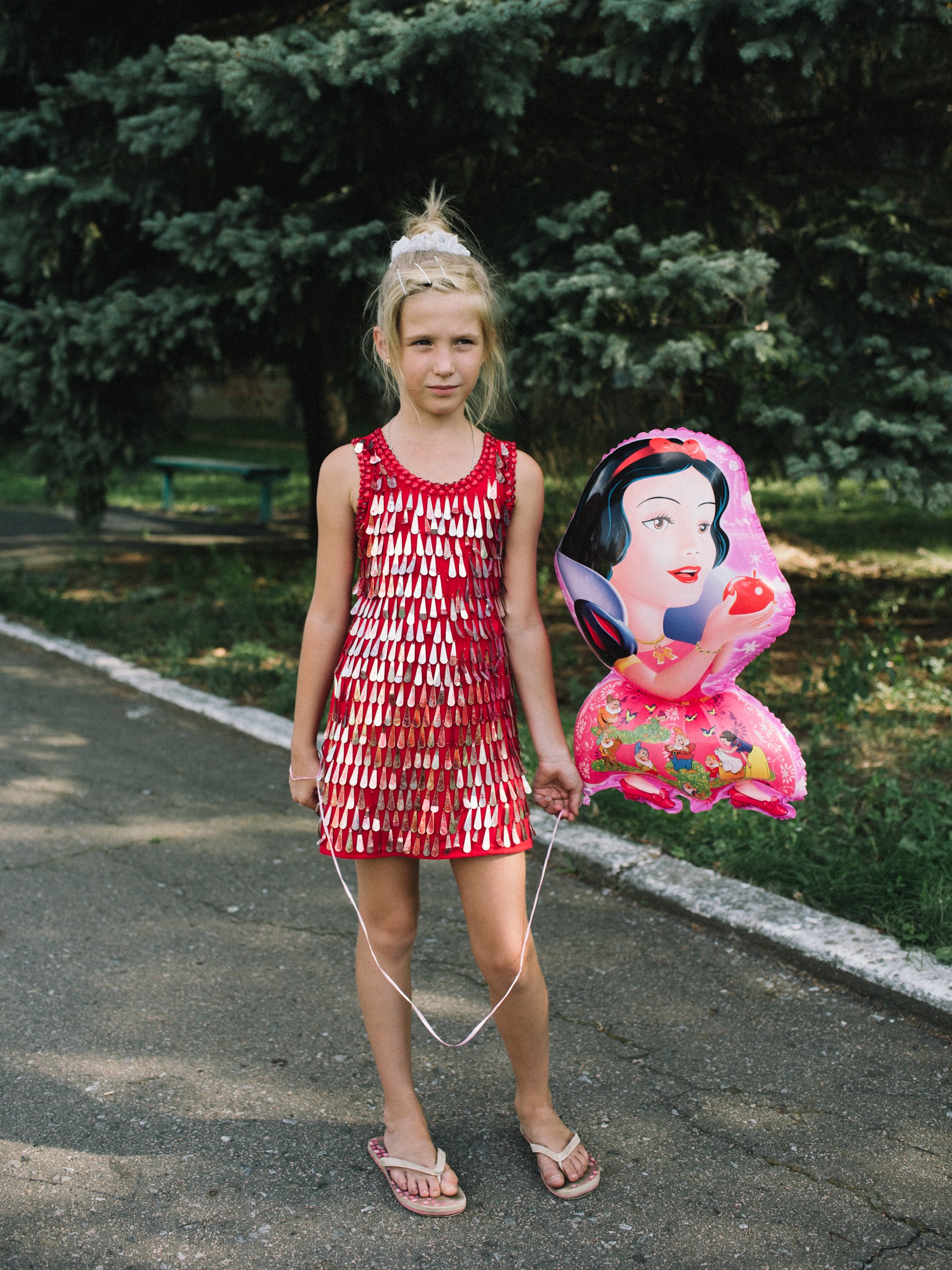 “My first few trips were just as a tourist, I didn’t speak the language or know anyone,” Christopher tells me from his home in Huddersfield. “I wasn’t photographing anyone either. I wanted to immerse myself in the place, going alone, and without any plan. I started exploring and meeting people.”
In January 2014 Christopher ended up in Donetsk, just months before the War in Donbass would throw the country deep into a bloody conflict. “When everything started to kick off I tried to tackle it as a photojournalist,” Christopher explains, “but I quickly realised it wasn’t how I like to work, so I took a slower approach”
“I was at the protests and riots during the uprising in the east, when with military began to built up. I documented this but moved away from the flashpoints and concentrated on a more domestic and human side of the unfolding conflict”
As far as Christopher was concerned his presence in the unfolding conflict zone was accidental, his plan to capture another, more human side of the country – conflict or otherwise – would go on. That’s not to say he deserted the dangerous frontline of the fighting – much of his time was spent just a stone’s throw from the raging battles.
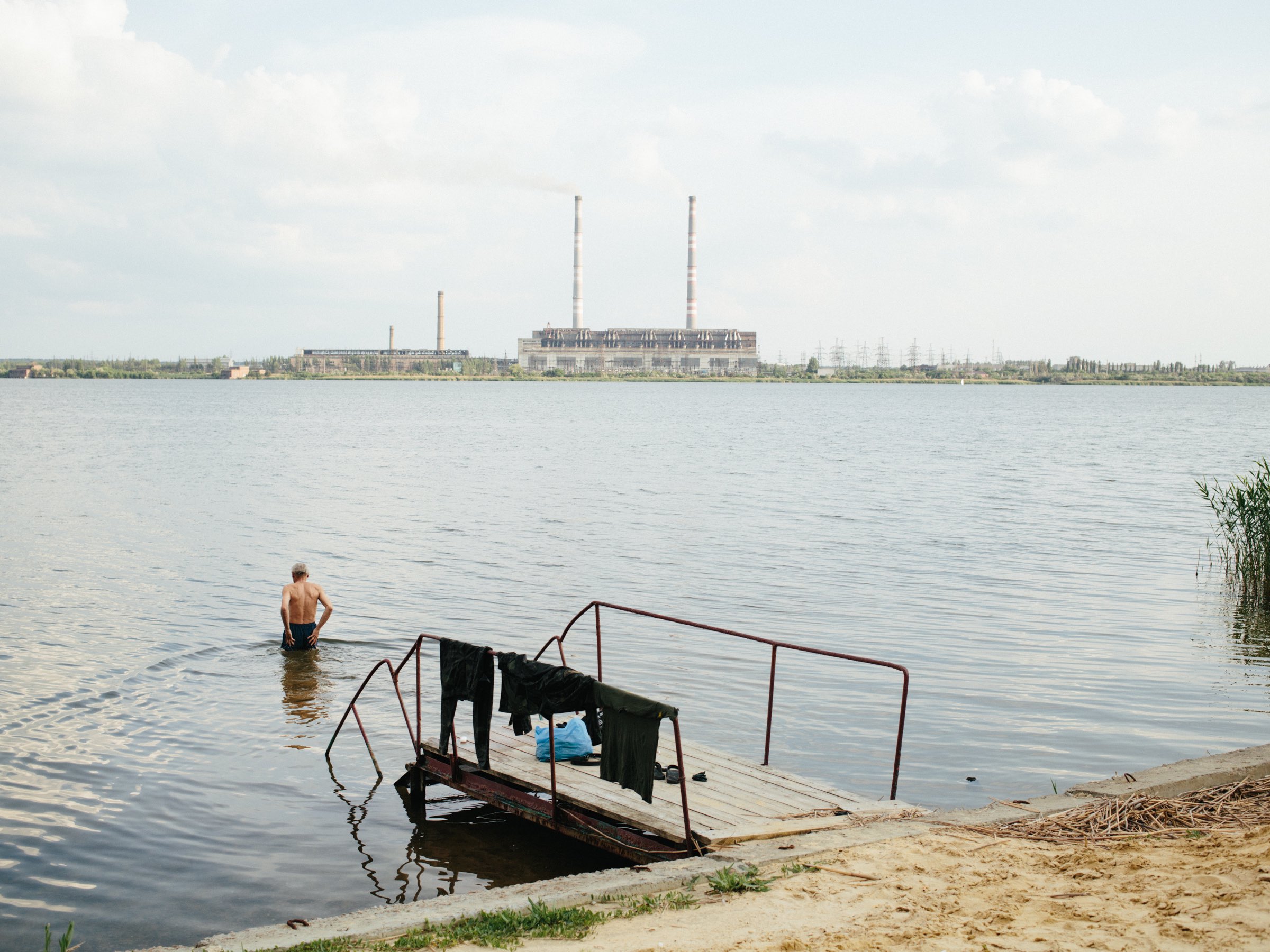
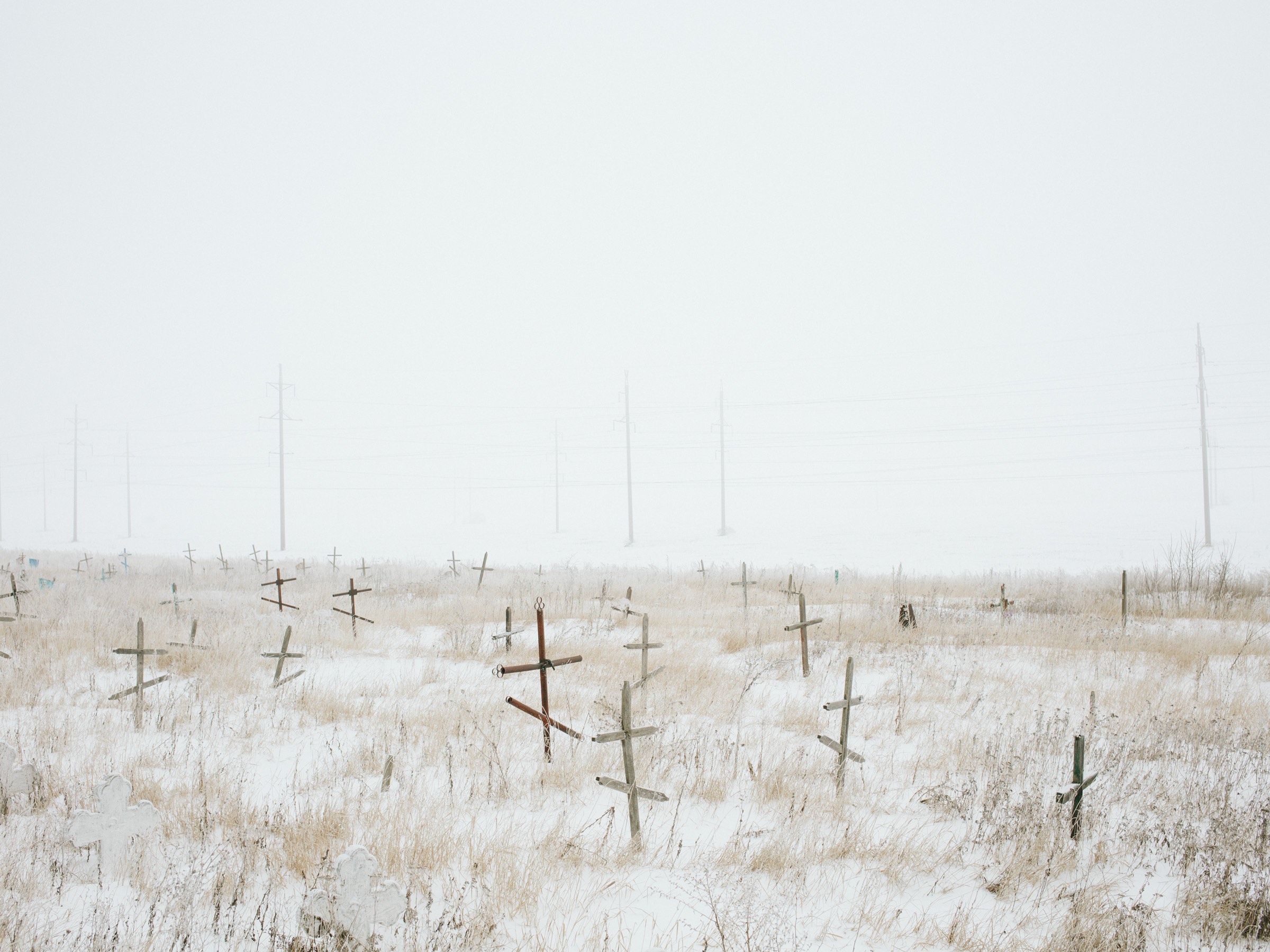
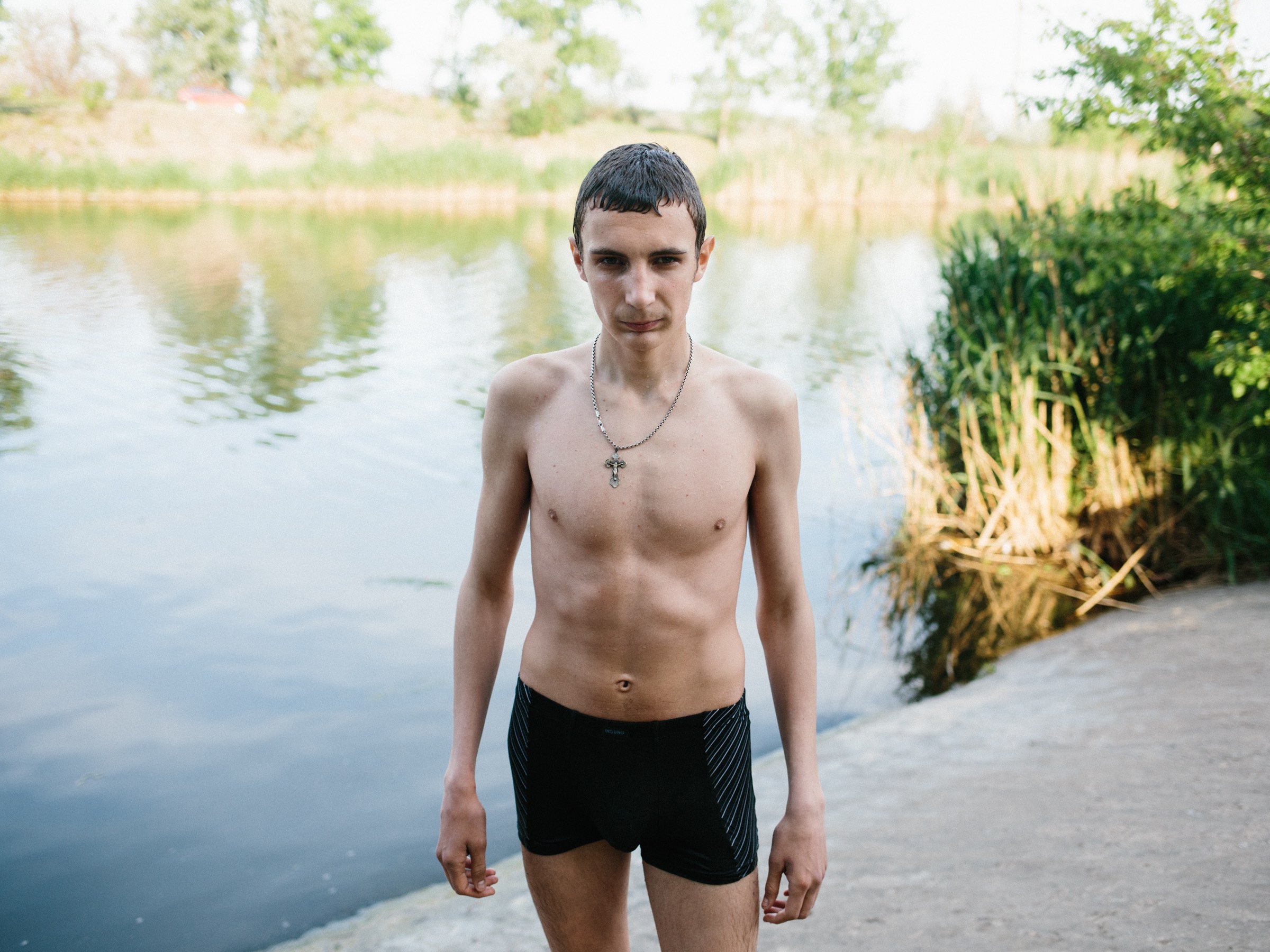 Recent media coverage of Ukraine has focused on the ongoing armed conflict and political chaos that has marred the country over the last two years, but in Holy Water Christopher takes a quieter look at the periphery of these events in a collection of photographs exploring everyday life, ordinary domestic moments, and chance meetings against a backdrop of political turmoil and instability.
Themes of escapism, alcohol, friendships and religious iconography permeate the work.
Over repeated trips, and with a focus on Ukraine’s fragile east, the project reflects a personal journey, shaped by the people he has met, driven by curiosity and desire to better understand the human condition.
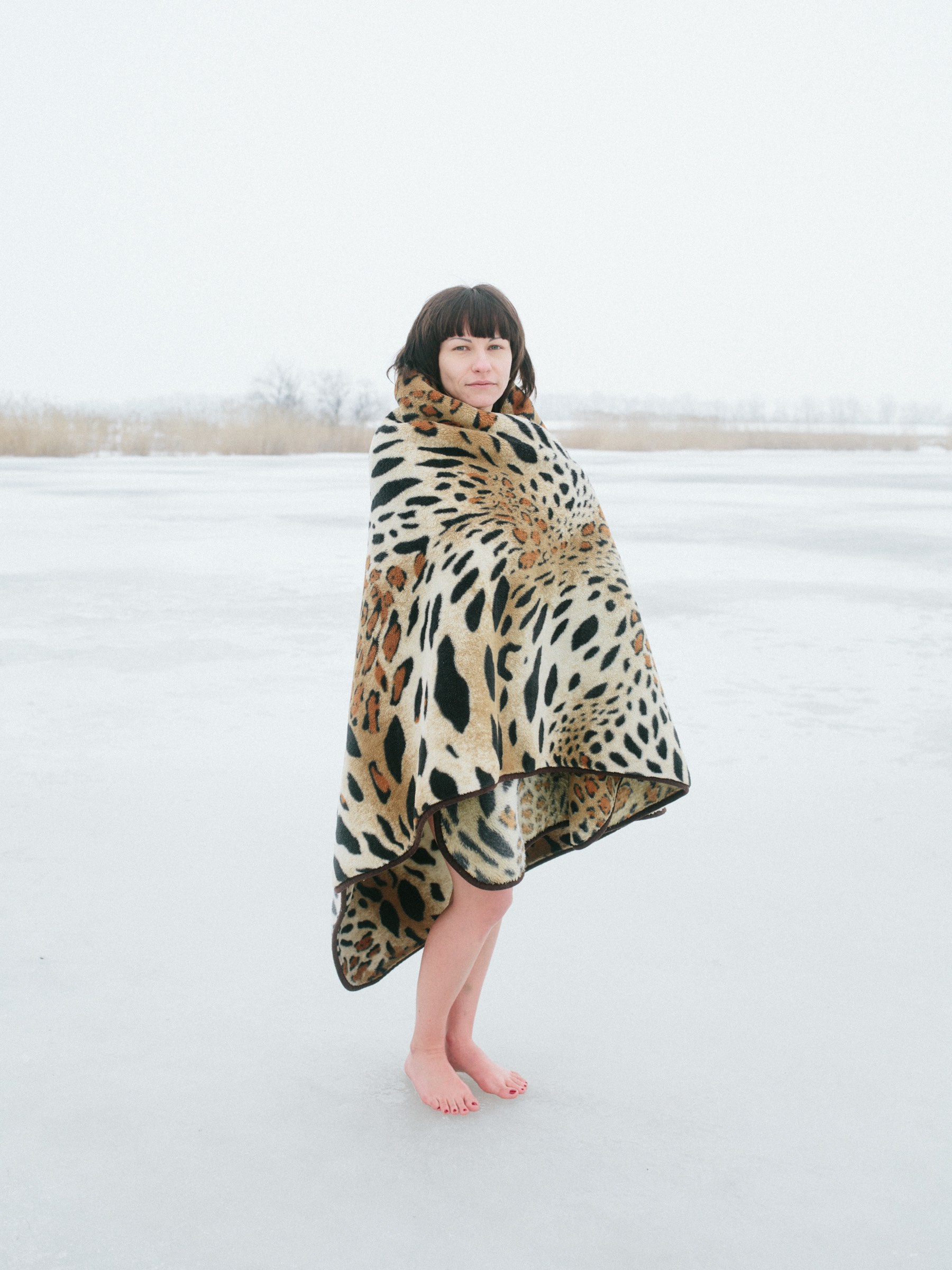
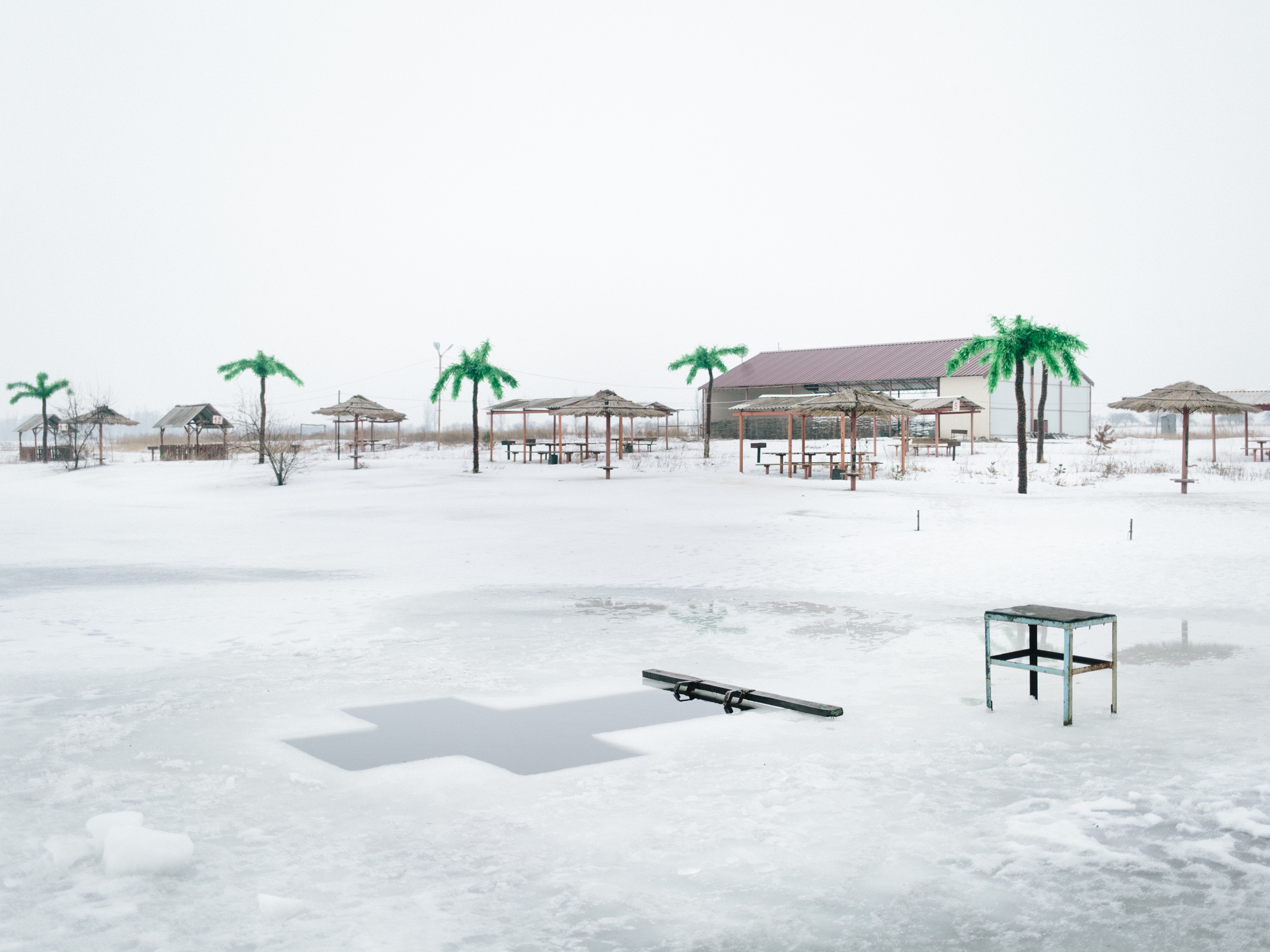
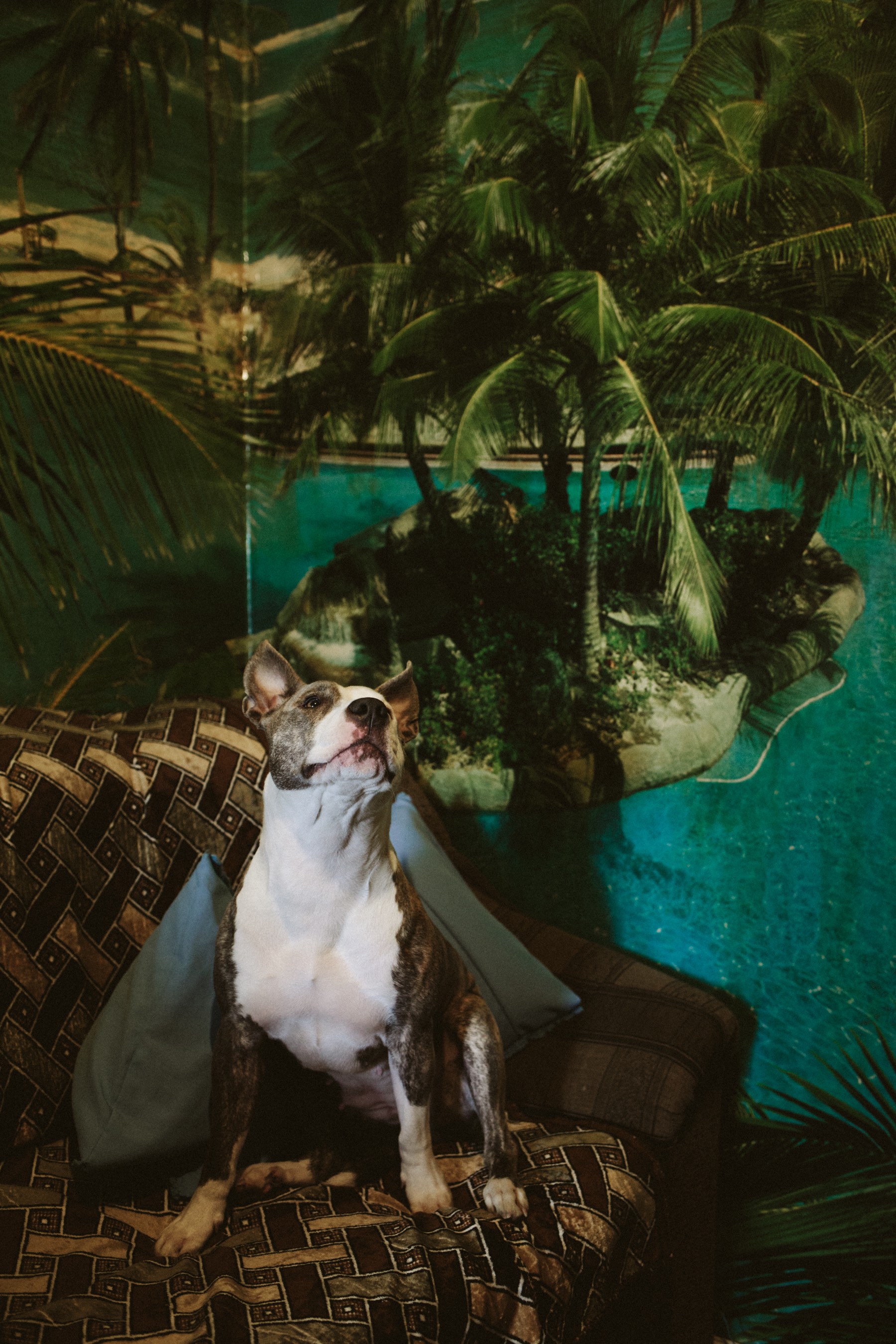 “There are quite a lot of shots of swimming and people relaxing around water, that’s something I was always drawn to,” Christopher says. “Even in far east Ukraine where it’s pretty grim anyway, though you’ve got the war now, it was pretty grim before. But people love to escape and go swimming in the local rivers and reservoirs. Thats’ what I do in Ukraine anyway, that’s how I spend my time there, it’s escapism for me.”
It’s these waters that Christopher sees as holy, providing relief and relaxation for those whose lives are right now so often so dark. Alcohol and religion provide a similar divine comfort too.
“In between shooting this work I was gong to frontline positions, going to see soldiers, working on both sides of the conflict line,” he adds.
It was in February 2017 that Christopher took his last major trip, heading to a town called Avdiivka just north of Russian-Backed separatist held Donetsk. He travelled with his friend and fixer, Vova, and their plan was to visit a friend named Elena.
“Towards the end of January there had been a spike in fighting around Avdiivka. All the press were there, which is usually what I avoid, but I was close by so went to check it out.” Christopher had arranged to spend time with Elena to find out about her life, about the difficulties of getting by in the midst of a battleground.
Her son had already moved away to try and find a safer place of refuge. Christopher and Vova were to stay in his room.
“Artillery fire could be heard all afternoon when we arrived,” Christopher recalls. “In the evening we were inside Elena’s apartment talking and having some food. A shell landed outside the kitchen window. I received injuries to my face and eyes from the blast which blew out the windows. My left eye was almost destroyed. Elena was in the kitchen smoking and she was killed. Thankfully Vova was in the hallway and was uninjured physically, but we’re both struggling with the psychological trauma of that night.”
Despite efforts to document the human side of the conflict, Christopher in just one moment became consumed by the uncompromising violence of war.
“You can only do this if you have a real interest and connection to a place, and a desire to tell stories and engage with people, their culture and their lives. You’ve got to think about your motivation to keep on returning. It was the people who kept me going back all that time.”
Her son had already moved away to try and find a safer place of refuge. Christopher and Vova were to stay in his room.
“Blasts and artillery fire could be heard all afternoon when we arrived,” Christopher recalls. “Then a shell landed outside the kitchen window. I got a face full of glass and plastic from a window frame that destroyed my left eye. Elena was in the kitchen smoking and she was killed.”
Despite efforts to document the human side of the conflict, Christopher in just one moment became consumed by the uncompromising violence of war.
I ask Christopher if he has any advice for other photographers setting out to explore their own histories, or those who find themselves in the midst of a global conflict zone. He has the same words of wisdom to offer for both.
“You can only do this if you have a real interest and connection to a place, you’ve got to think about your motivation to keep on returning. It was the people who kept me going back all that time.”
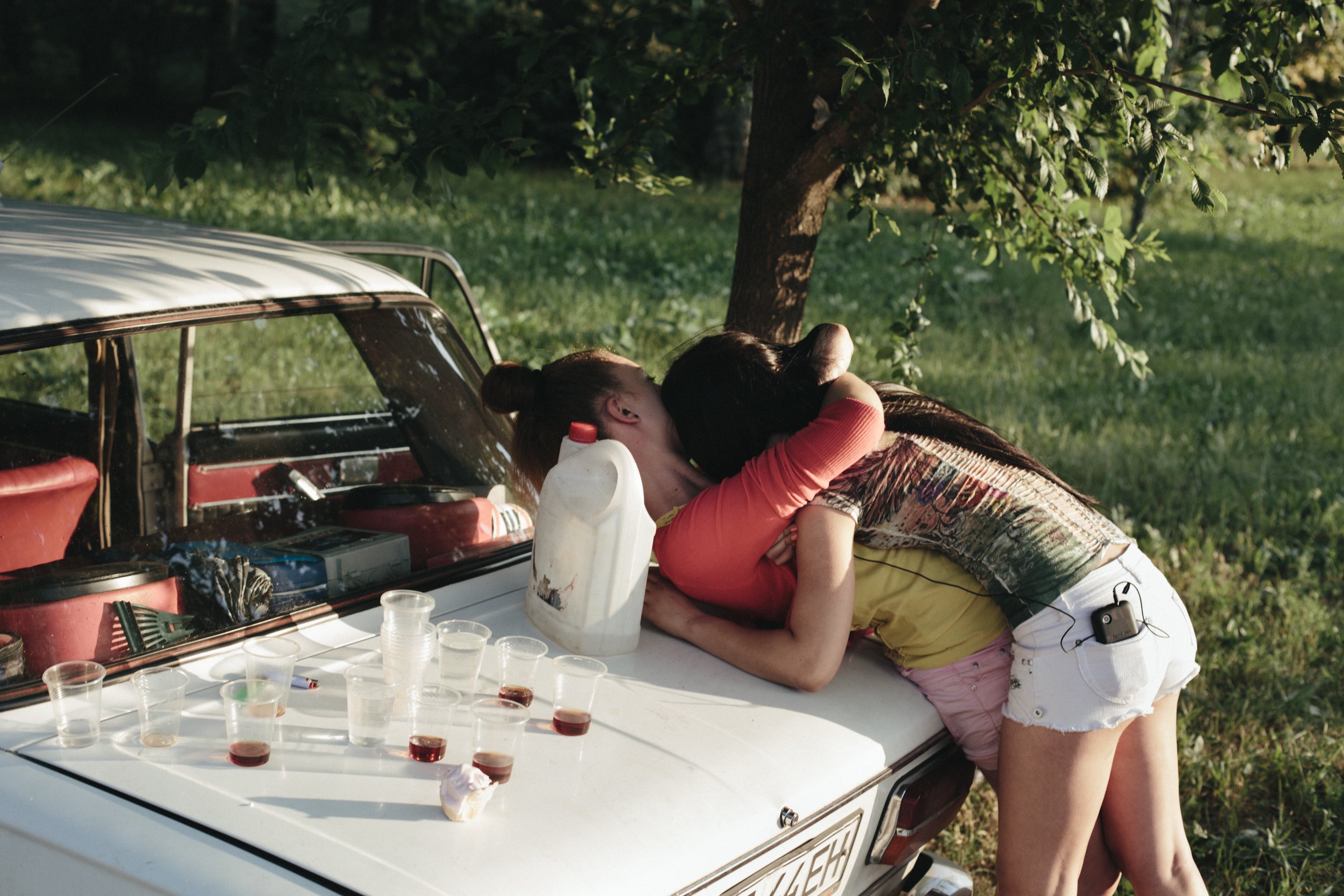
“It takes time, you can’t rush anything, I never planned to work in the way I did, but from being there so long it developed naturally.”
“You have to take time to understand where you are, and the context of what’s going on. I think ultimately what I was doing subconsciously was trying to show a more human side of a place that I felt really connected to, despite it being in our consciousness because of war.”
Find out more about Christopher’s work and follow him on Instagram, or check out Holy Water published by Village.
Enjoyed this article? Like Huck on Facebook or follow us on Twitter.
You might like

Jesse Glazzard’s messy portrait of queer friends, lovers and chosen family
The Sound of Dirt and Beauty — The photographer’s debut monograph explores tender, unpolished moments shaped by the people who he surrounds himself with, while offering a window into the UK’s working-class LGBTQ+ community.
Written by: Sunny Sunday

Behind the curtain at Alternative Miss World 1981
Olympia glamour — Running a subversive take on the traditional beauty pageant, the Andrew Logan organised event prioritised underground creativity and invention. Photographer David Corio went behind the scenes at its biggest edition.
Written by: Miss Rosen

New exhibition highlights British radical living over 200 years
Earthly Paradise — Taking place at the William Morris Gallery, it explores the homes and lives of artists, writers, musicians and more, as well as the conditions that allowed them to thrive.
Written by: Isaac Muk

What life on the Strait of Hormuz is really like
Southern Winds — Bandar Abbas based photographer Morteza Niknahad has been capturing the diverse communities and stories of his local region since he first picked up a camera. His new series highlights the human impact of war.
Written by: Isaac Muk

Nick Haymes’s intimate portrait of his family’s life
Chronograph — Over 25 years, the photographer documented his son’s lives as they grew into adults. The resulting photobook is an exploration of the passage of time, as well as the optimism of youth.
Written by: Miss Rosen

Kristina Rozhkova’s scatty, confronting portrait of captivity
Gut Feeling — The Russian artist’s 2024 arrest and subsequent detention opened her eye towards the omnipresent dynamics of power and control. Her new photobook is a stark exploration of being trapped.
Written by: Isaac Muk


