Clayton Patterson raises the ghosts of the Lower East Side’s anarchic past
- Text by Alex King
- Photography by Clayton Patterson / Jason Wyche / Ai Weiwei

Artist Clayton Patterson forms a connection between today’s sanitised Lower East Side and its grittier, anarchic past when some of New York’s most iconic artists, such as The Velvet Underground, William S. Burroughs and Madonna, rubbed shoulders with junkies, gang members and corrupt cops.
When Clayton and his partner Elsa Rensaa arrived from western Canada 1979, they experienced a sensory overload and set about documenting the area’s unparalleled conflict and creativity.
Over the following decades, Clayton went on to not only document life on the LES, but actively contribute to it, building bridges to maintain and disseminate culture, highlighting the grassroots creativity overlooked by the art establishment through his gallery, and standing together with the community to protect the neighbourhood’s alternative – often misunderstood – way of life.
“I first met Clayton in 1988 during the Tompkins Square riot,” explains artist Ai Weiwei, whose shot of Clayton with ‘Dump Koch’ written on his hands for a court date was his first picture published in the New York Times. “His work is concerned with the truth, with facts. He has relentlessly devoted himself to a kind of culture that examines authority. He has devoted himself to recording what is really going on, to giving his true account.” A genuine outlaw artist, Clayton’s work is not for the consumption of the rich or the elite, but for people from the block who mainstream society often deems transgressive. “I really like his style,” continues Weiwei. “His style is like no-style. I should say it is antistyle.”
Clayton’s role as an activist, photographer, filmmaker, local historian and curator sometimes overshadow his prolific output as an artist, but his new retrospective Outside In at Howl Arts lets his work take centre stage – alongside paintings by his co-conspirator, Elsa.
Clayton Patterson: Outside In – featuring paintings by Elsa Rensaa is at Howl Arts, NYC, through August 14.
You might like

Photographing America’s 20th century rebels
Rebels With a Cause — A new monograph looks back at Jean-Pierre Laffont’s extensive archive documenting counterculture, art, activism and more, shaping the country as it is today.
Written by: Isaac Muk

Exploring girlhood and land ancestry in Sudan’s cotton fields
Cotton Queen – A new feature debut from filmmaker Suzannah Mirghani explores the legacy of colonialism and the fight for self-determination through the tender eyes of a teenage girl.
Written by: Roxana Diba

Sports Banger is throwing a party to mark 90 years since the Battle of Cable Street
“Fascists hate dancing” — The October event will bring DJs, live music, sound system culture and anti-fascist politics together in East London.
Written by: Ella Glossop

The raw, fledgling intimacy of Peter Hujar’s contact sheets
Hujar:Contact — A new photobook highlights the process of the legendary queer photographer, and his process of growing into the artist he ultimately became.
Written by: Miss Rosen
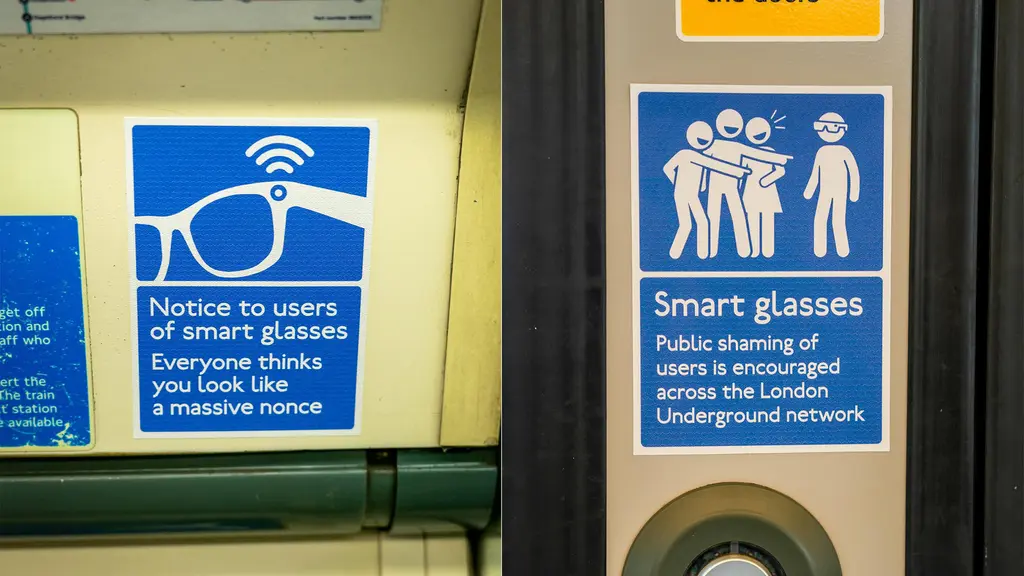
Activists slam “pervert glasses” in new guerrilla campaign
Everyone Hates Elon — Stickers have appeared on the London Underground network, criticising the wearable technology’s covert filming capabilities.
Written by: Isaac Muk

New exhibition highlights British radical living over 200 years
Earthly Paradise — Taking place at the William Morris Gallery, it explores the homes and lives of artists, writers, musicians and more, as well as the conditions that allowed them to thrive.
Written by: Isaac Muk


