Five easy ways to convince your nan and grandad to vote Labour
- Text by Dawn Foster

With polls open in the UK’s general election, any campaigning is now very much last minute. There’s no time to dash to a far flung marginal, so aside from sending out missives to your echo chambers on Facebook and Twitter, what can you do? Talk to who you know, who may still be wavering: your family, especially the older generations.
Polls have shown the biggest divide between the 18-24-year olds and over 65s in this election, with a massive 82% of under 25s planning to vote Labour, and 64% of over 65s backing the Tories. So talking to your grandparents and other family members could be a huge vote winner: and you have a greater chance of changing their mind than a stranger with a clipboard and rosette on a doorstep. But how do you broach the topic? Carefully, and armed with a few handy tactics.
Talk class politics
For all the talk of generational differences between voters, class remains an issue. Chances are, you share a rough economic background with your relatives (unless one uncle made an unexpected million by sheer chance) and you can use that to bridge the gap. If your family are predominantly low earners, point out how under the Conservatives the number of working families in poverty has risen, so more people in poverty are employed than unemployed.
Compare Labour’s policies on the minimum wage (£10 by 2020) to the Tories’ disingenuous fudge on their so-called living wage, and how the cuts have made life much harder for low earners.
If they’re more affluent, discuss how the dementia tax means they’re unlikely to be able to pass on as much to their children if they get ill in old age, and that thanks to Conservative policy on housing, it’s almost impossible for young people to buy houses when older people were able to get mortgages straight out of university.
The Millennials/Boomers divide is a very simplistic narrative: you’re much more likely to have socioeconomic similarities with family members, so highlighting the differences in life chances in relation to class, when they were your age and now, bridges that gap and encourages them to consider your combined interest.
Ask why they’re voting, not who for
Older relatives are more likely than younger voters to be reticent about discussing how they vote, upholding the secrecy of the ballot. If your parents or grandparents don’t want to discuss how they vote, focus instead on asking them to listen to your reasons for voting, saying you hope they’ll keep them in mind but won’t press them to reveal their voting intention.
You’ll have a better idea of how they’re likely to vote based on past conversations: if you think they’re a steadfast voter with a certain party allegiance, zone in on why you think this election is different, and how the political landscape has shifted enough to warrant many people voting differently. If you think they’re a swing voter, or are wavering, discuss which policies you think show the difference between the parties.
Keep it positive
Politics, by its oppositional nature, encourages conflict – with your family, you’ll understandably want to avoid heated rows. To do so, keep positive: you might think Conservative politicians are heartless automatons set on the mass scale destruction of the working class, and that Conservative voters with low incomes are turkeys voting for Christmas, but if you tell your aspirational Tory aunt that, the atmosphere will freeze the cup of tea you’ve just made her.
Rather than go on the attack, start discussing what it is about Labour policies that have won you over: point out that you’re enthused about the election in a way you haven’t been for years, and detail why. By starting negative, people immediately become defensive, and much more likely to dig their heels in than change position. Offering a more positive, open conversation, and asking them what it is about their voting choice appeals to them is much more likely to produce a constructive conversation.
Appeal to the personal
You also know them better than most people: what their personal challenges are, what they care about, who they know and what’s important to them. If you have a family member who’s been ill recently or has a chronic health condition, talk about which parties would improve treatment for them locally, and what the effect of NHS cuts have been on their day to day life.
If they have kids in school or university, point out the differences between the education policies of the main parties: will their children leave university saddled with upwards of £50,000 of debt or having accessed free education? Will their classmates go hungry (aside from their 6.8p Tory breakfasts), and have their local schools been affected by cuts?
Politics can seem abstract and removed from day to day life, so forcing a discussion on how it affects people directly, especially people they know, can forge connections on the issues and make people ponder the impact of their vote on their loved ones.
Do your homework, it pays
The personal touch is important, but so too is data: key figures can stick in your head for days. The fact that the Conservative manifesto is barely costed is key, but going into a discussion with an older relative armed with one or two memorable figures is a good way of ensuring they continue to mull your arguments. If they think the Conservatives have increased employment, point out nearly a million people are on zero hours contracts. Find out how much their local school is likely to gain or lose under each party and note it down – my local primary school is scheduled to lose £327,853 under the Tories but gain £22,130 under Labour.
If they think the Tories have a strong stewardship of the economy, show them that while Osborne claimed he’d eliminate the deficit by 2015, Hammond has now revised that point to 2020. Flooding people with facts will make them zone out, but one or two well placed figures will add weight to the emotional arguments you’ve made about personal friends and family members.
Overall, remember that a row will only anger people: telling a family member you care about this election and would appreciate the chance to discuss why you’re so exercised about democracy this time around is unlikely to elicit scorn.
Respect is key – making clear that you don’t want to condemn, but understand their political positions, and have the opportunity to put your own views across. They might not admit to changing their mind, or even agree to tell you their voting intention: but if 2015 was the year of the ‘Shy Tory’, 2017 could be the year intergenerational conversations drive an army of ‘Shy Corbynistas’ to the polling booth.
Dawn Foster is a journalist based in London. Follow her on Twitter.
Enjoyed this article? Like Huck on Facebook or follow us on Twitter.
You might like
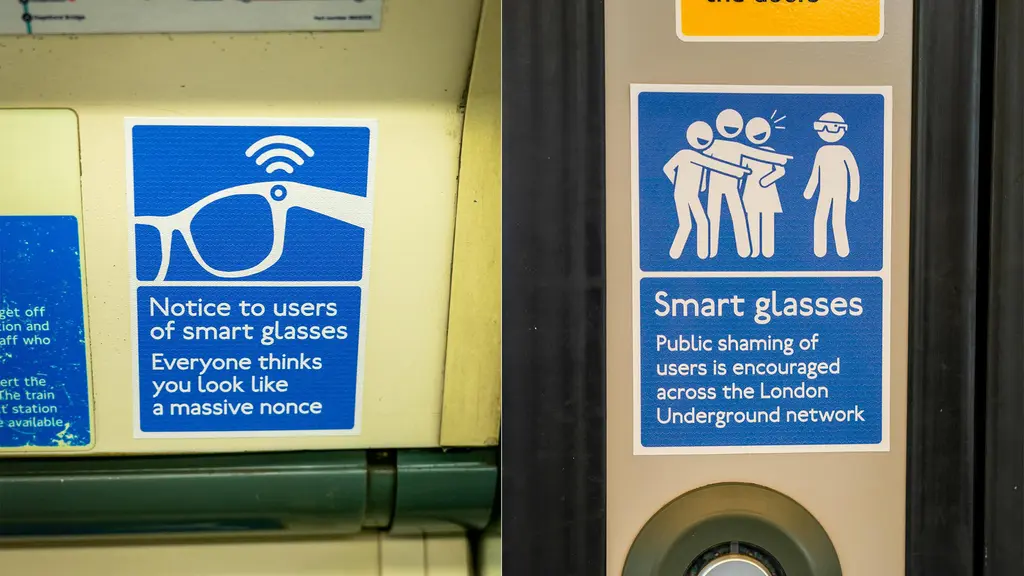
Activists slam “pervert glasses” in new guerrilla campaign
Everyone Hates Elon — Stickers have appeared on the London Underground network, criticising the wearable technology’s covert filming capabilities.
Written by: Isaac Muk

New exhibition highlights British radical living over 200 years
Earthly Paradise — Taking place at the William Morris Gallery, it explores the homes and lives of artists, writers, musicians and more, as well as the conditions that allowed them to thrive.
Written by: Isaac Muk

Pink Floyd’s Roger Waters joins team of new Palestinian resistance documentary
Freedom Theatre — Directed by Rishi Pelham, the film spotlights a theatre operating in the Jenin refugee camp.
Written by: Ella Glossop

Just Stop Oil holds first protest in 17 months
No new drilling — Having previously said that it was “hanging up the hi-vis”, the climate activist group has blocked a road outside Parliament to protest Andy Burnham opening the door for new oil and gas extraction licenses in the North Sea.
Written by: Ella Glossop

In photos: The enduring resistance of Notting Hill Carnival
Carnival of Resistance — A new photobook by Wayne Campbell and Wayne Crichlow reflects on the protest beginnings of Europe’s biggest street festival, along with the traditions keeping its original spirit alive today.
Written by: Isaac Muk

Tens of thousands gather to remember Jason Arday at London vigil
Stand Up to Racism — It took place in Trafalgar Square, with speakers paying tribute to the former Cambridge professor’s life and achievements, while calling for accountability over the reporting he faced from the mainstream press.
Written by: Ella Glossop


