Photos of what San Francisco really looked like in the '60s
- Text by Isaac Muk
- Photography by Elaine Mayes

In the summer of 1967, a twenty-something Elaine Mayes, who had been living in San Francisco for nearly a decade and other parts of the Bay Area before that, decided to move to the Haight-Ashbury district. She wasn’t alone, it was the tail-end of the Summer of Love, and joining her were an estimated 100,000 beatnik-inspired, free-love searching, psychedelic drug-experimenting members of the hippie movement from across the country.
As a freelance photographer who was establishing herself in the local publishing industry, interested in documenting the world and people around her, Mayes felt she needed to see what was happening for herself. She moved into a commune on Central Street in the area, “essentially living out of a suitcase.”
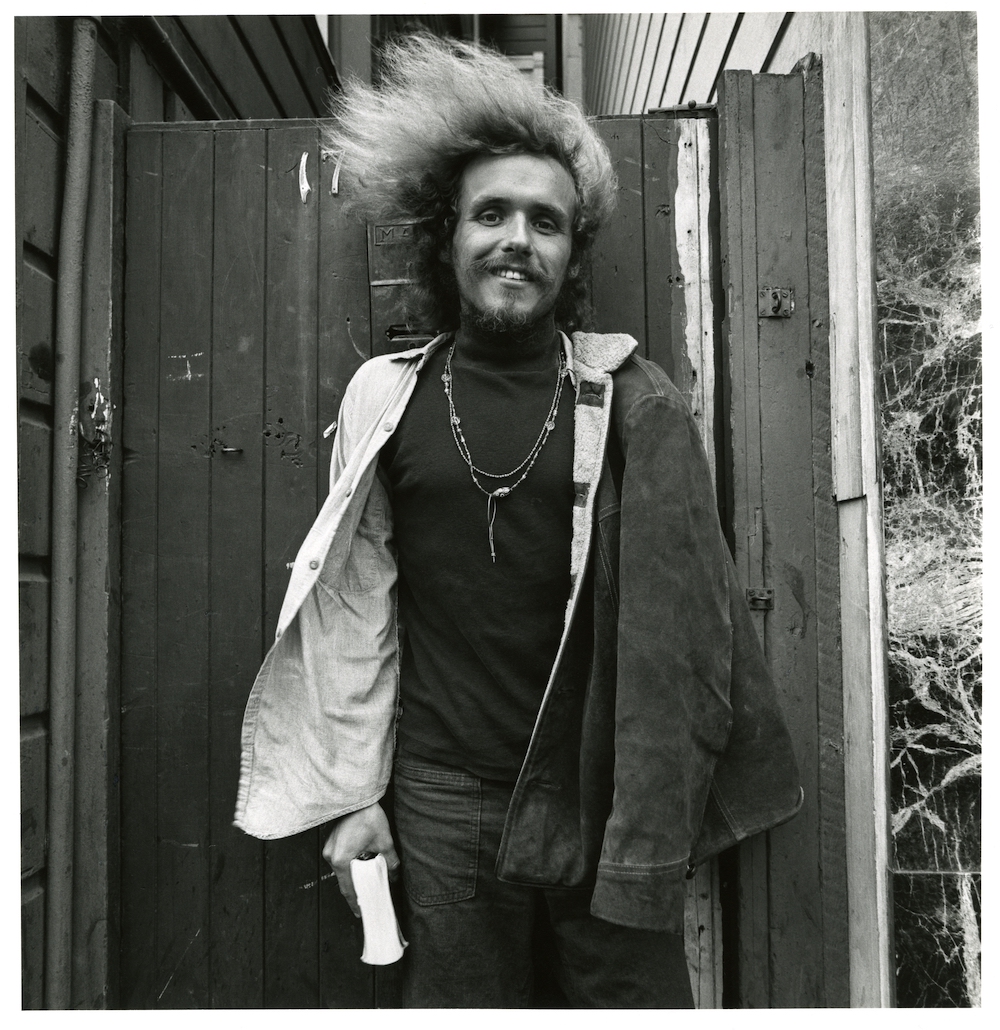
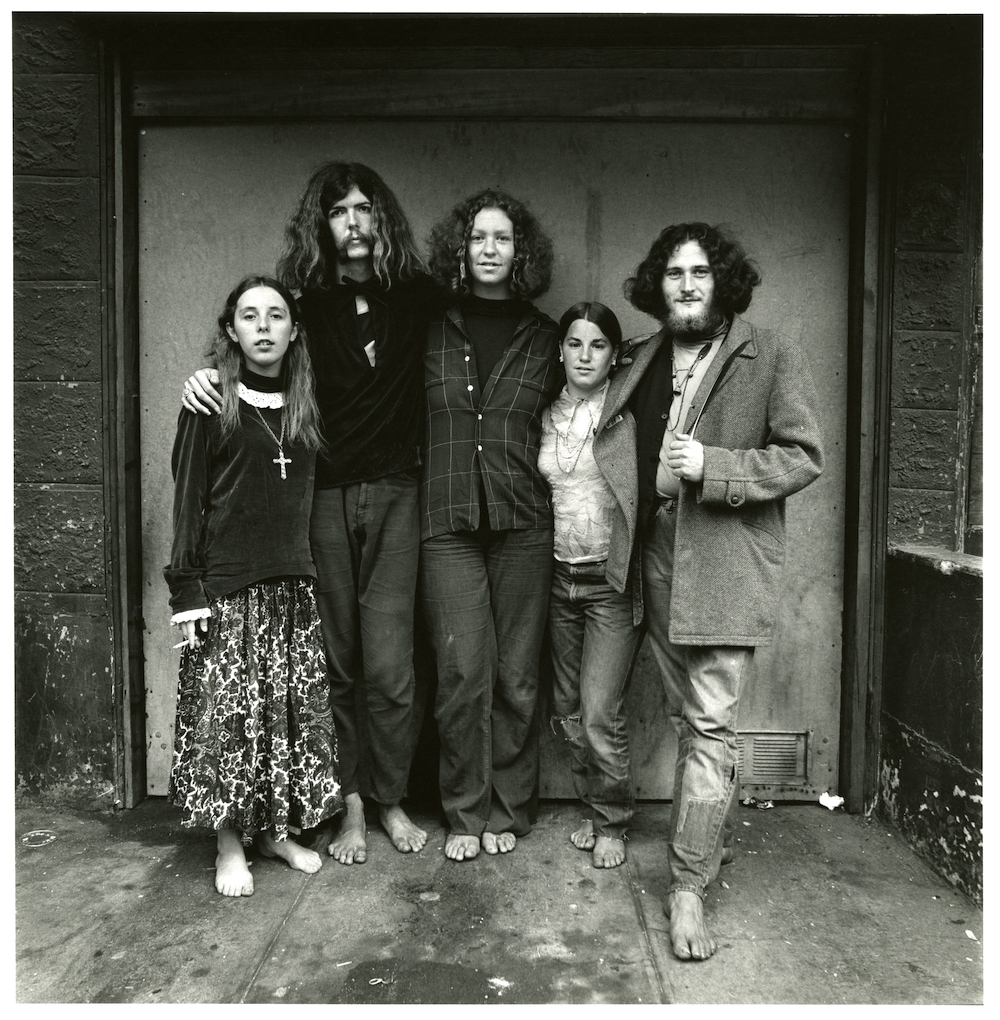 The hippie movement had been bubbling beneath the surface in the years before as a growing yet underground countercultural phenomenon, but that summer, centred around the Haight-Ashbury district, saw an explosion in its visibility and its place in the cultural consciousness. With a rise in popularity and access to psychedelics – particularly magic mushrooms and a new drug called LSD – as well as a burgeoning music scene, bookmarked by the now-legendary Monterey Pop Festival where the likes of The Grateful Dead, Janis Joplin and Jimi Hendrix performed, thousands wanted to experience the fun and free love for themselves.
Yet it was also propelled by extensive media coverage, which in turn led to more people travelling to San Francisco – an exponential multiplying effect, which eventually caused a swarm. But Mayes felt that the media’s representation of what life was actually like in the Haight and of the hippie movement, which often focussed on the hedonism and drug taking of those involved, was over-exaggerated, overly negative and often just plain wrong.
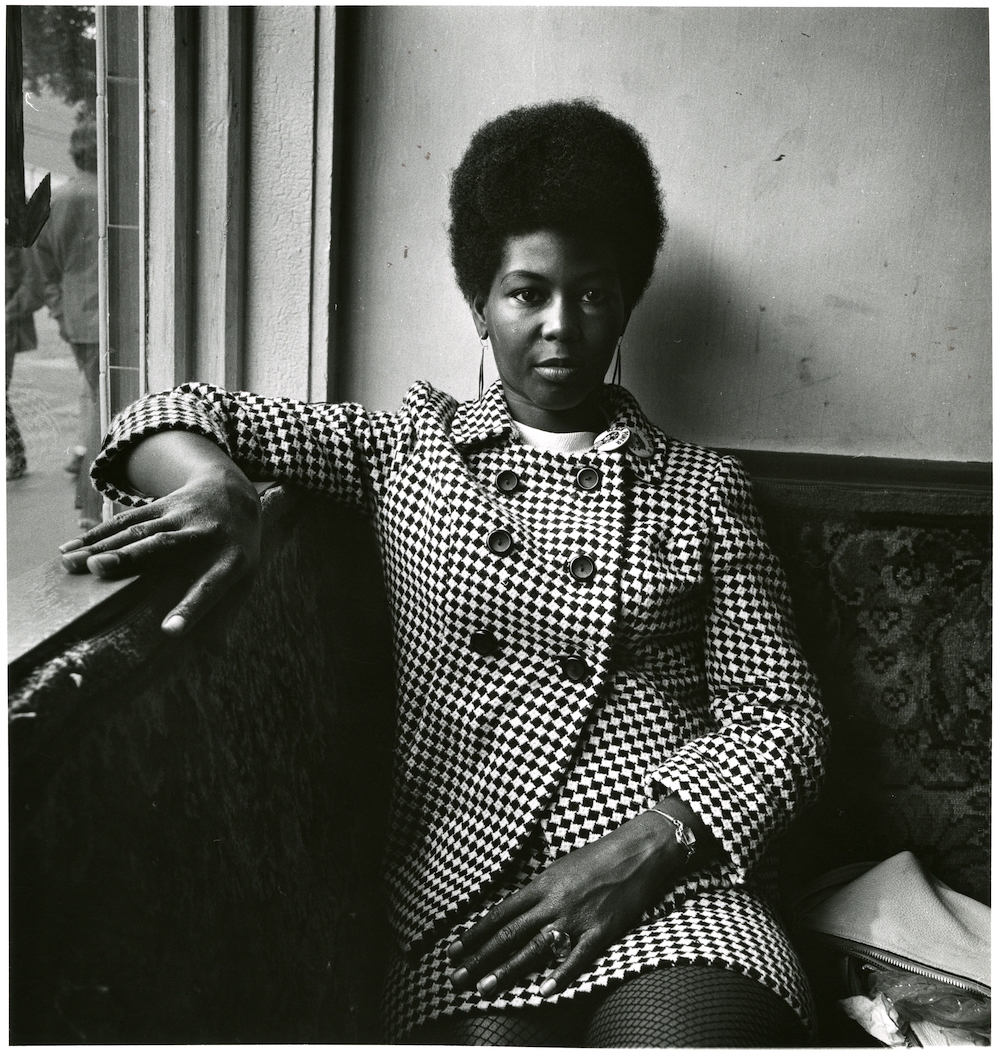
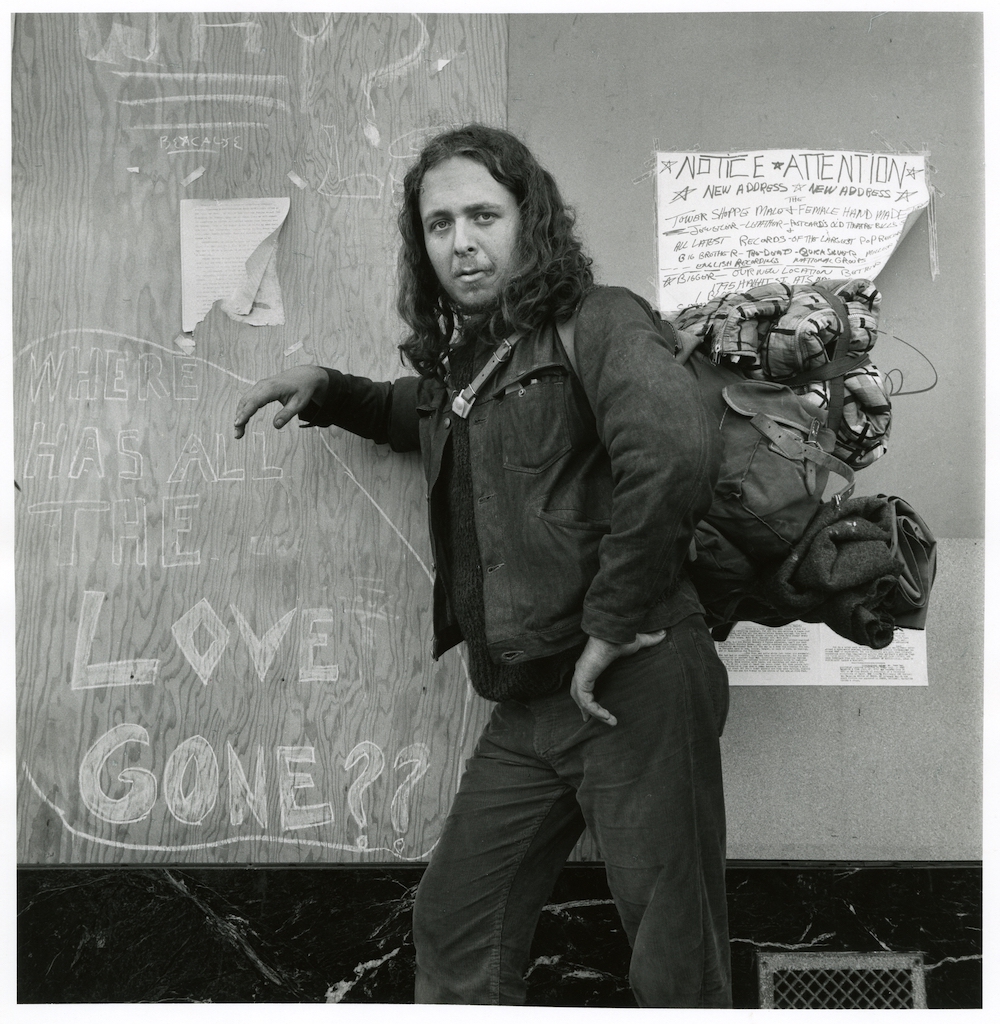 So she decided to start making her own series of pictures. “I wanted to do a portrait series because the press was promoting and talking about what was going on and it wasn’t accurate,” Mayes says. “There were a lot of people coming to this district and hanging around, looking around – they were trying to find out what everybody was doing there.”
Walking around the streets of the neighbourhood armed with her camera, she would ask passers-by in the street if she could stop and take their picture, building an archive of people who lived in the area. Now, over half a century later, a number of her portraits are presented in her new photobook The Haight Ashbury Portraits 1967-1968.
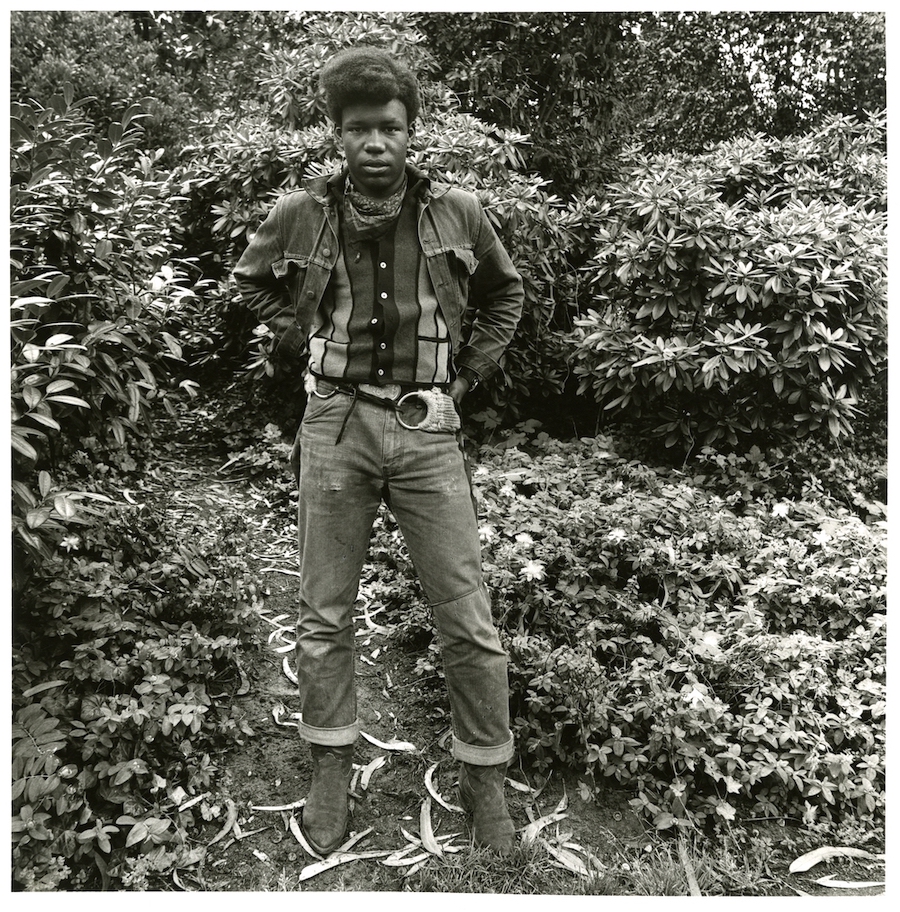
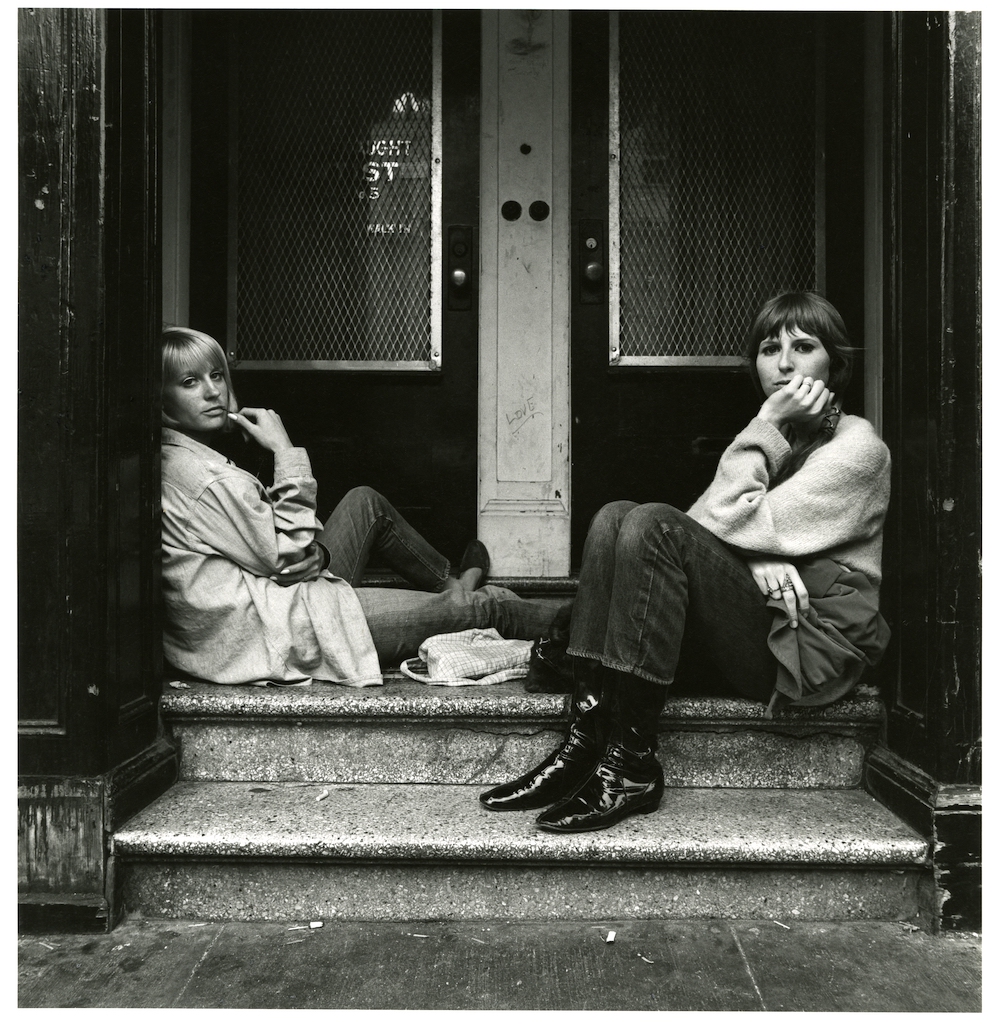
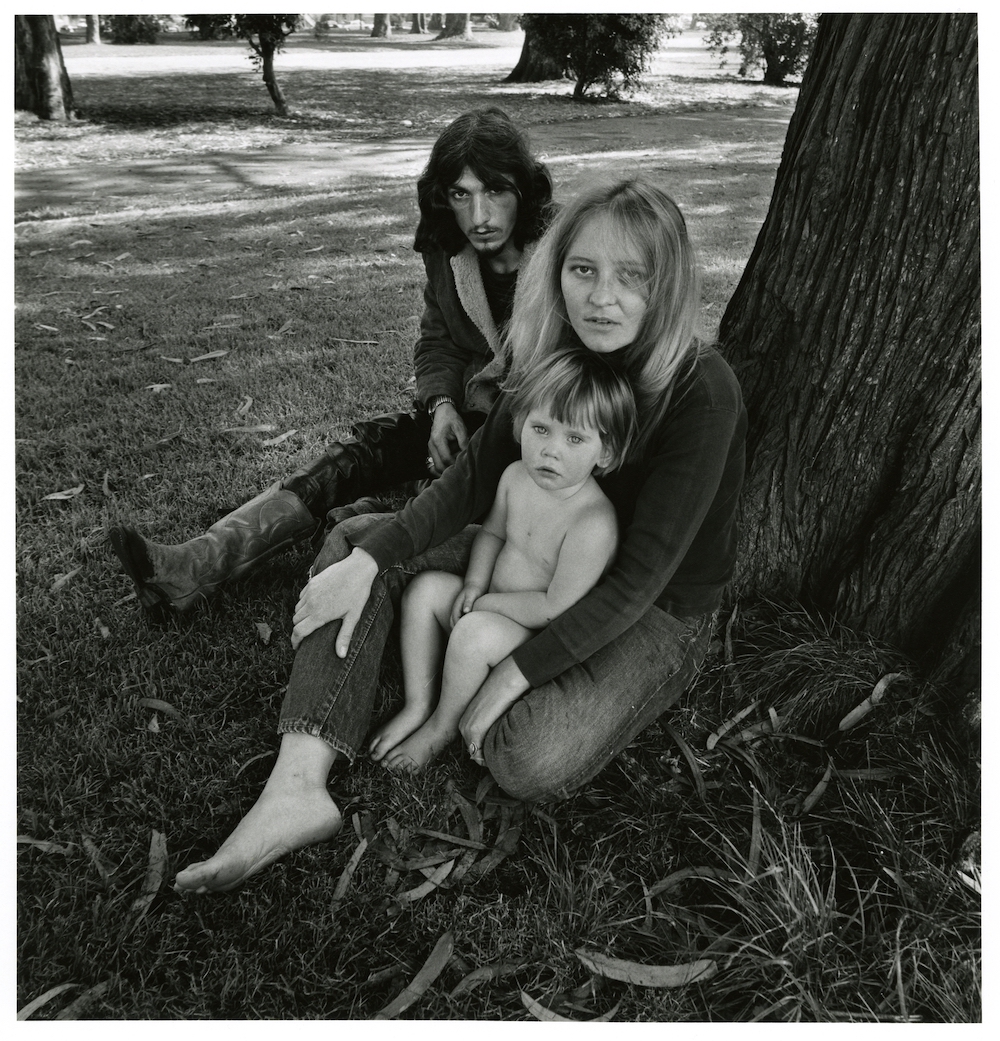 The photographs are an intimate, up-close-and-personal look at the characters of the Haight, from the hippies and bohemians, to the families, students and communes. But unlike the drug-filled, hedonistic world that they supposedly inhabited, the photographs present a humility – a powerful normality that stands apart from the caricatures of hippies that linger in the popular imagination today.
While the Summer of Love formed an important cultural moment, its experience wasn’t uniform. As people came searching for fun and community, others were forced to leave. “The area was the place where students from San Francisco State University lived,” Mayes says. “Before that it had been an Italian neighbourhood and then it was a Black neighbourhood – the hippies displaced the Black [people].
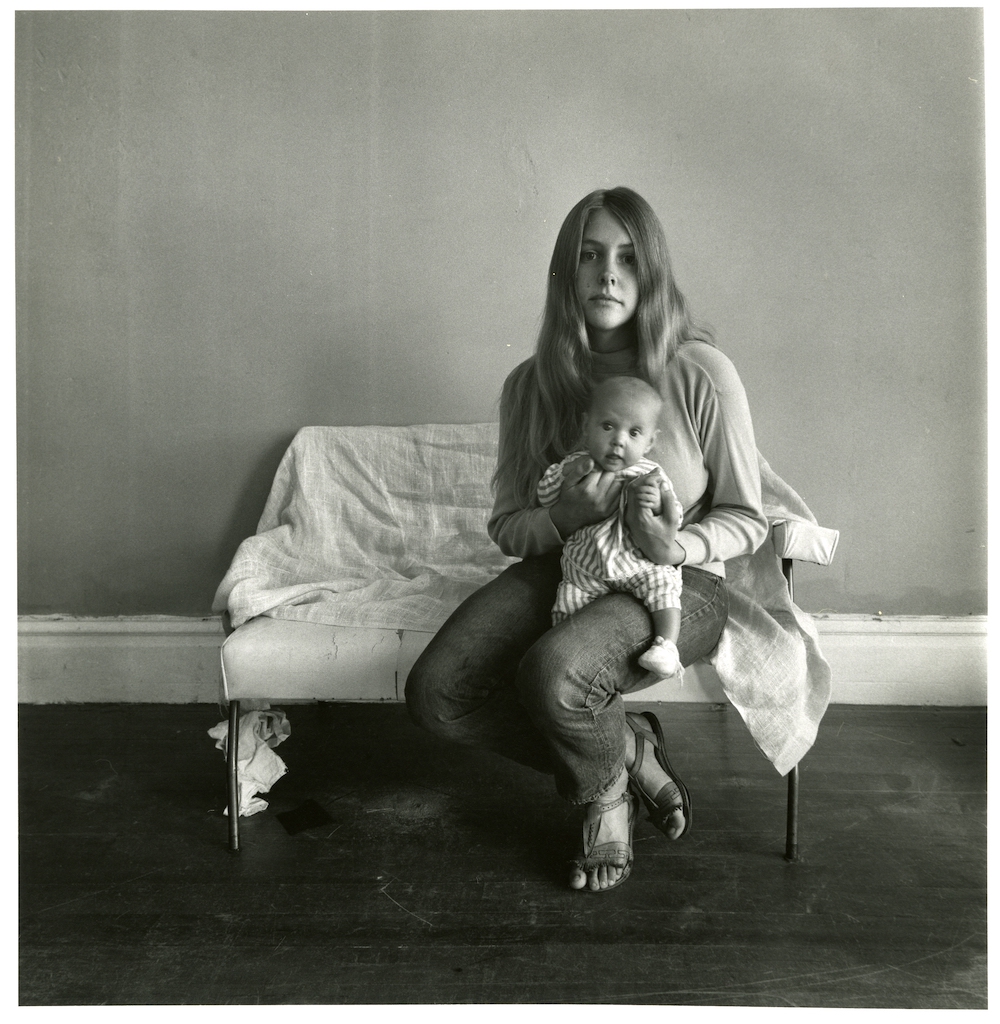
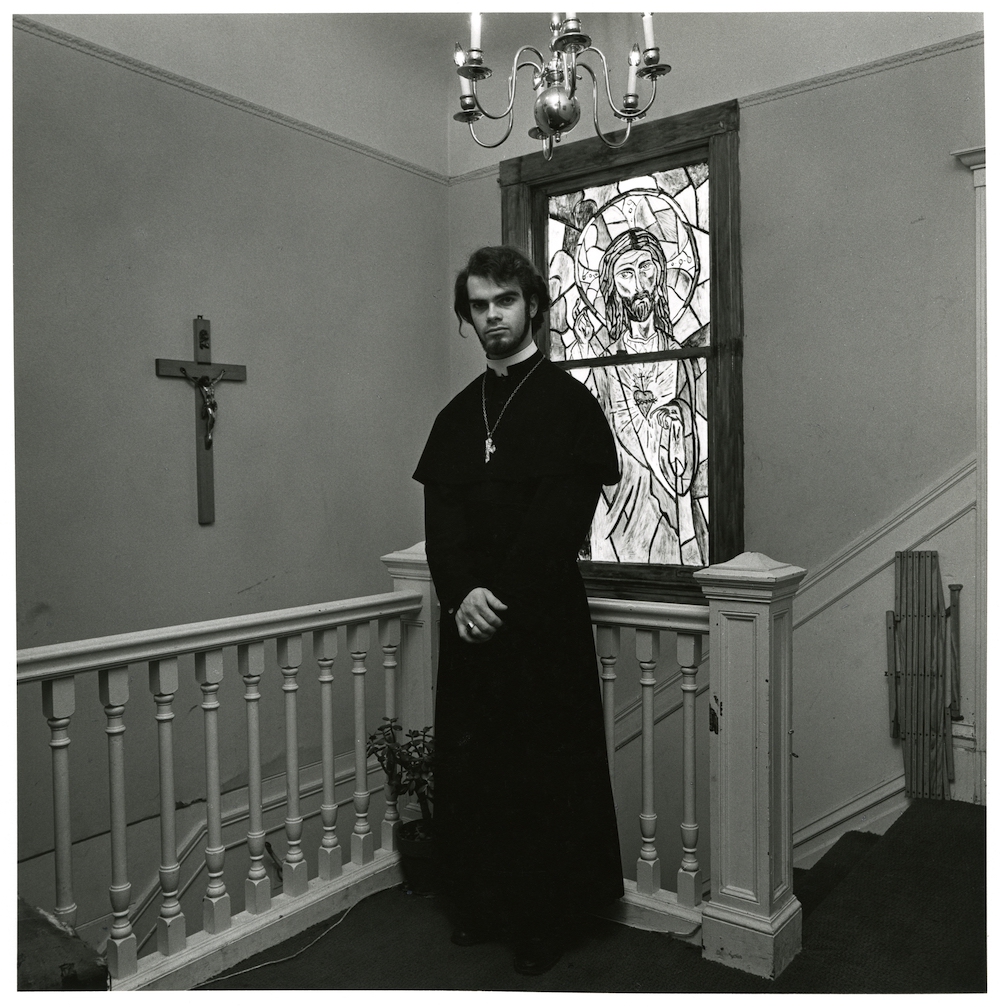 The Summer of Love would eventually tail off into winter, and like the communities who had lived in the area before, the demand for housing would eventually price out the hippie communities that populated the Haight for those years. “It was a place in flux,” Mayes continues. “I took the portraits because I didn’t think anybody was telling the truth about the Haight and I thought it was the most accurate record I could make – real life was different.”
The Haight Ashbury Portraits 1967-1968 by Elaine Mayes is published by Damiani, with a corresponding exhibition on display at Deborah Bell Photographs in New York until March 4, 2023.
Follow Isaak on Twitter.
Enjoyed this article? Like Huck on Facebook or follow us on Twitter.
You might like

Queer resistance & sun-soaked solidarity at the world’s largest trans pride march
Our Future, Our Fight — Over the weekend, over 150,000 people marched at the London Trans+ Pride, with the parade ending at Trafalgar Square for the first time in history.
Written by: Ella Glossop

In photos: Black Texas life since emancipation
Kinship & Community — A new photobook and exhibition showcases the rich culture, history and community of African American folks in the Lone Star State, whose existence in the region predates colonial Britain.
Written by: Miss Rosen

Youthful joy & end-of-era poignancy at a London school prom
Leavers — For several years, Lewis Khan documented young people as they celebrated the last of their school days and the completion of their exams. The series is now collated in a new self-published photobook and short film.
Written by: Zoe Whitfield

Harry Gruyaert’s vintage, kaleidoscopic scenes of New York
A Sense of Place — For 50 years, the Belgian photographer and Magnum Photos member has been capturing NYC’s colourful chaos. A new photobook and exhibition showcase his unique, technicolour view of the city.
Written by: Miss Rosen

In the pit at one of the UK’s last stock car & banger speedways
Stock Car Racing Isn’t Dead — Photographer Liam McCarthy spent time in and around the Arlington Raceway’s circuit, capturing the diehard community that keeps the sport alive.
Written by: Isaac Muk

Inside Lower Duck Pond, the nicest town on the internet
/r/HaveWeMet — With a population of 2,500 and no fixed location, the subreddit is a space for roleplaying citizens to solve mysteries, host fictional events and ultimately connect. In an internet that’s often divided and toxic, Vicky Jessop hangs out in one of its most wholesome corners.
Written by: Vicky Jessop


