Formerly incarcerated women on life after life
- Text by Eva Clifford
- Photography by Sara Bennett

“I shed the day the minute I cross over the threshold. I am home.” These are the words of 45-year-old Claude, one of the women who took part in Sara Bennett’s The Bedroom Project, about formerly incarcerated women and their transition to normal life after being released from prison.
Of the 17 women photographed, most were convicted of homicide and spent between 14 to 35 years in a maximum-security prison. Each portrait is shot in the woman’s own bedroom, making it the most intimate photography project Bennett has produced to date.
Having worked as a public defender specialising in victims of domestic violence and the wrongly convicted, Bennett comes from a unique background which adds credibility to her work as a photographer. Before this series, she worked on two other projects about formerly incarcerated women: Spirit on the Inside and Life After Life in Prison.
“My goal in all of my photography is to show the humanity in people who are, or were, incarcerated,” explains Bennett. “I believe that if judges, prosecutors and legislators could see lifers as real individuals, they would rethink the pointlessness of extremely long sentences and arbitrary parole denials.”
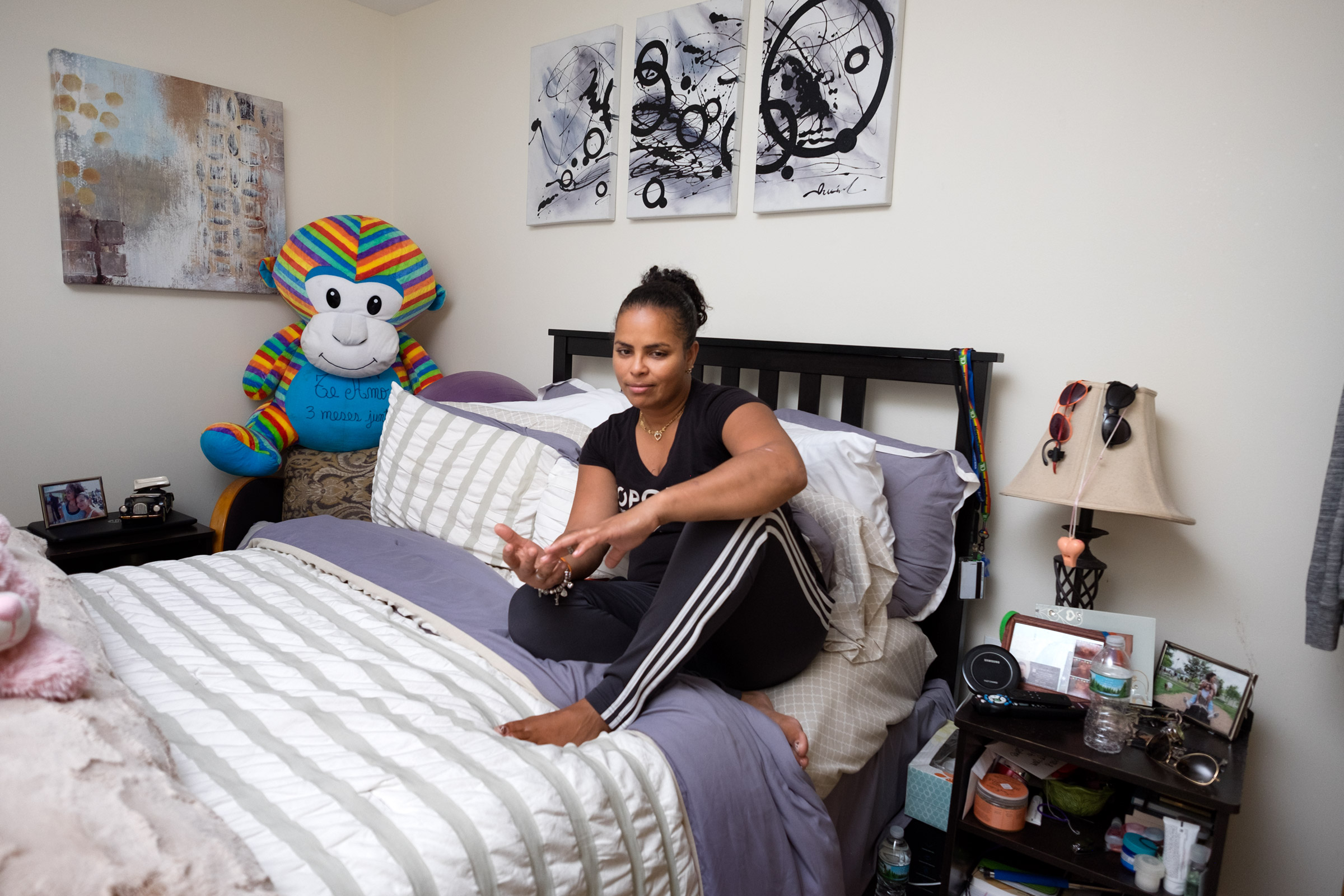
“Look where I am now!” Evelyn, 42, in an apartment she shares with her roommate, five years after her release. Queens, NY (2017)
The US currently leads the world in mass incarceration. Today, according to The Sentencing Project, there are 2.2 million people in the nation’s prisons and jails, and the fastest growing segment of the population is women.
Bennett says that photographing women was a natural choice for her. “When I was a defence attorney, I had many women clients and on many levels, it was easier for me to connect with them,” she says. “When people think about the effects of mass incarceration, they never think about women, nor do they think about the toll women’s incarceration takes on families and children.”
The decision to photograph the women in their rooms was also fitting, as the women’s bedrooms offer the solace, comfort, and privacy they did not have in prison.
“For decades, the women lived in cells, which were randomly inspected, they were locked in every evening, and they were forced to move at a moment’s notice. Now, these bedrooms are their own. There’s a sense of intimacy, self, and pride. They all have items on display that would have been contraband in prison.”
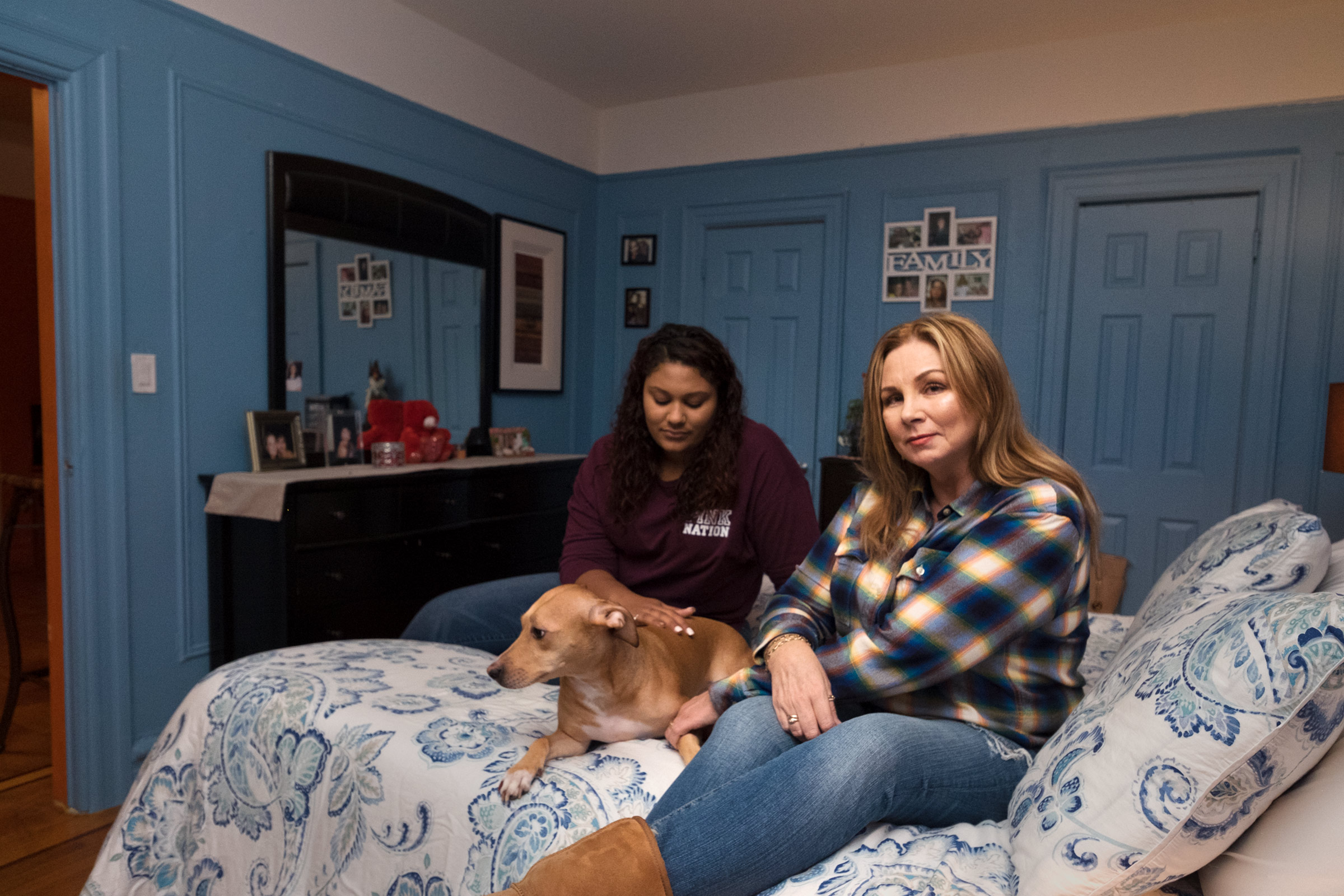
“Re-entry is a lifetime process.” Mary, 51, with her niece, Trish, in her own apartment, 19 years after her release. Brooklyn, NY (2017)
While Bennett’s professional background helped greatly in terms of getting access to these women, she says she tried never to violate that trust.
“Before I bring out my camera, I talk with the women at length, listen to their stories, and hear what they’ve been through,” she says. “One of my challenges is that the women talk to me so much that it’s hard for me to get a shot where they’re not mid-sentence.”
Alongside the portraits, Bennett has invited each woman to caption their own image. Although most of these women respect their new-found freedom, it becomes clear after reading these captions that their freedom might not be as complete as we’d imagine; some of them end up in homeless shelters or else have no other option, but to drift from place to place.
Perhaps the resilience of these women is best summed up in a quote by 70-year-old Rosalie: “There is always sunshine after the storm. After 27 years… the gates opened and I walked through. I don’t dwell on the past. I keep moving forward.”
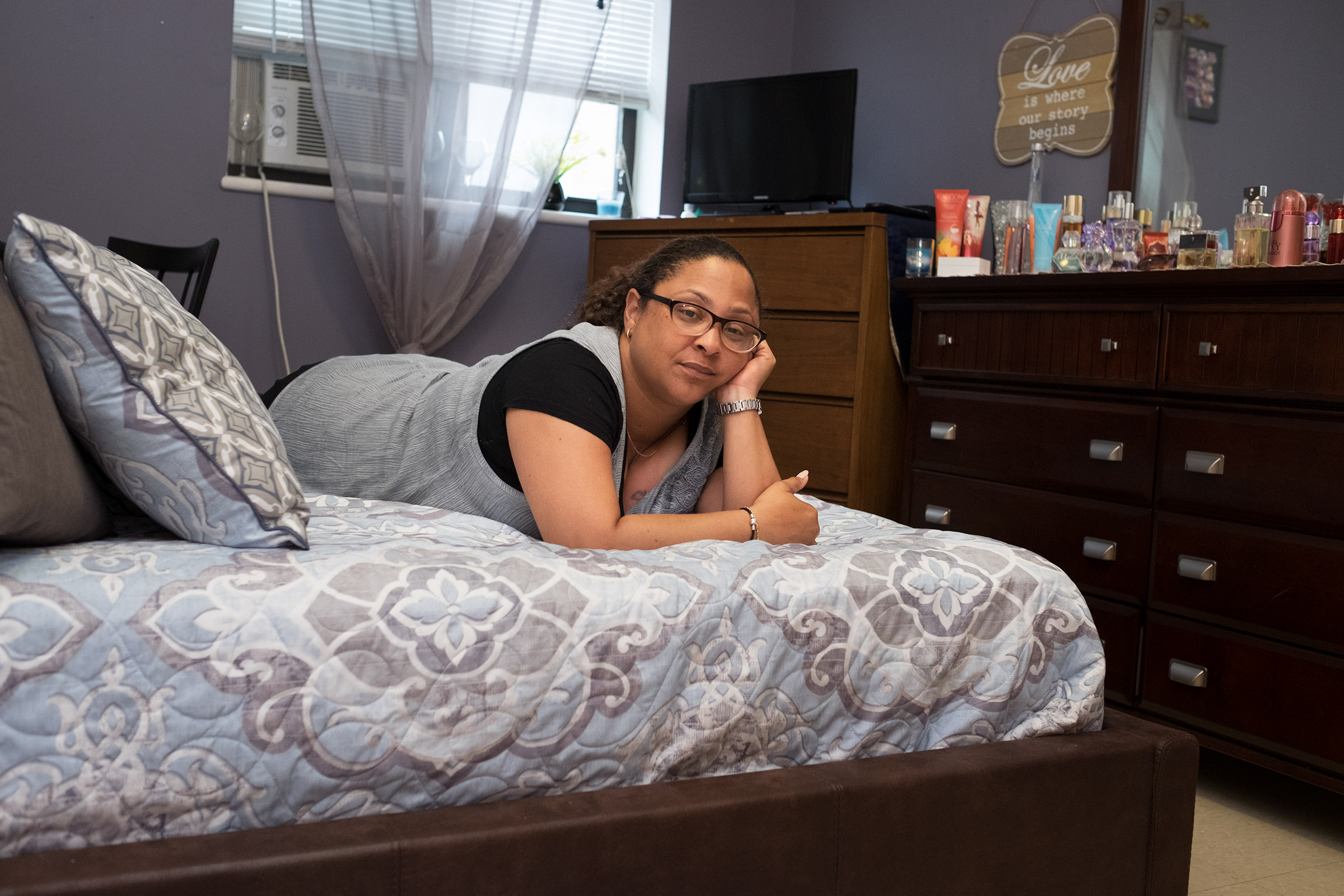
“When I step into my room, I feel like I’m stepping into another world.” Claude, 45, in transitional housing four months after her release. Corona, NY (2017)
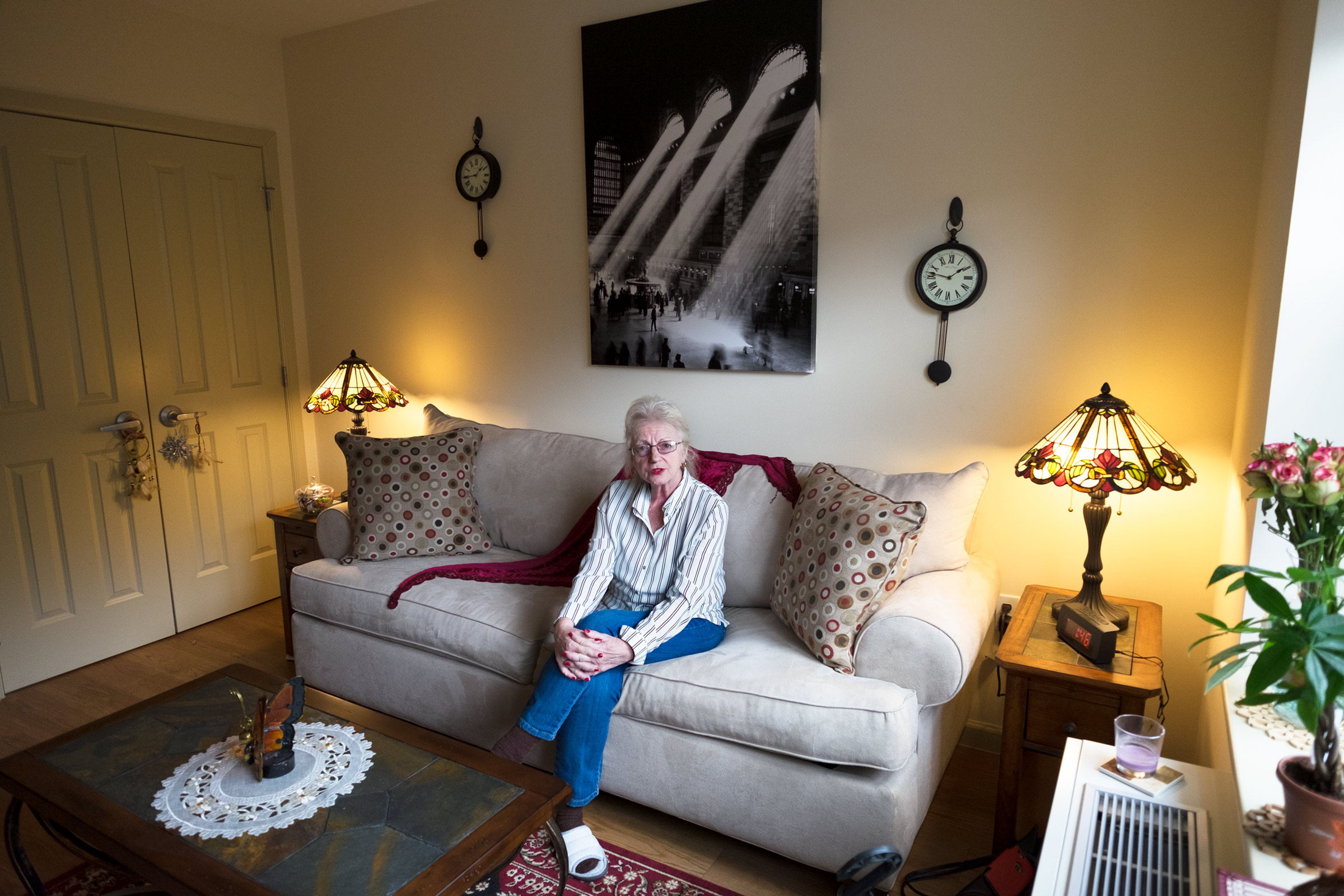
“There is always sunshine after the storm.” Rosalie, 70, on her sofa bed in her own apartment five months after her release. Brooklyn, NY (2017)
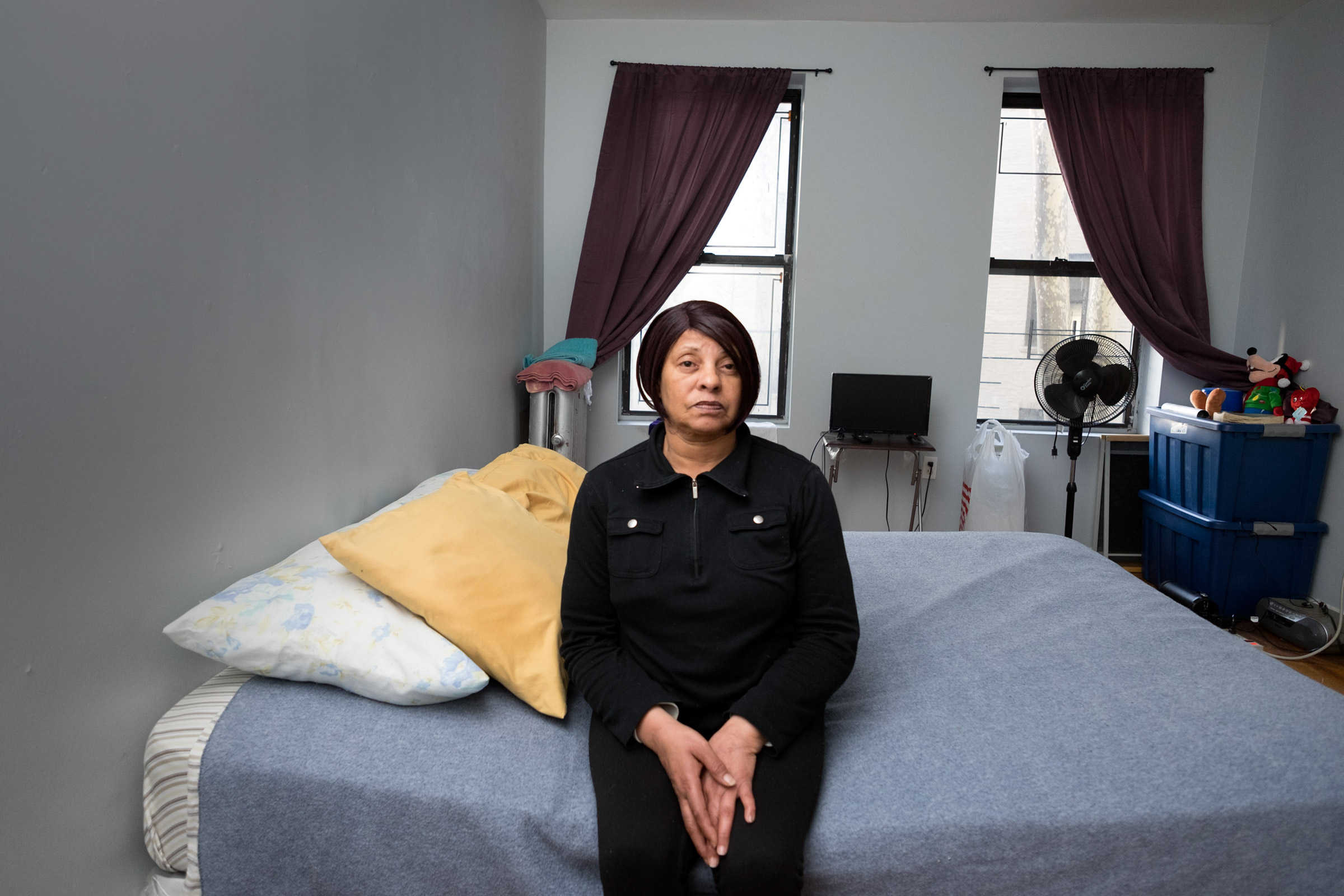
“Until I get off parole, my life is messed up. I can’t do what I want.” Valerie, 62, in an apartment she shares with her roommate. Bronx, NY (2018)
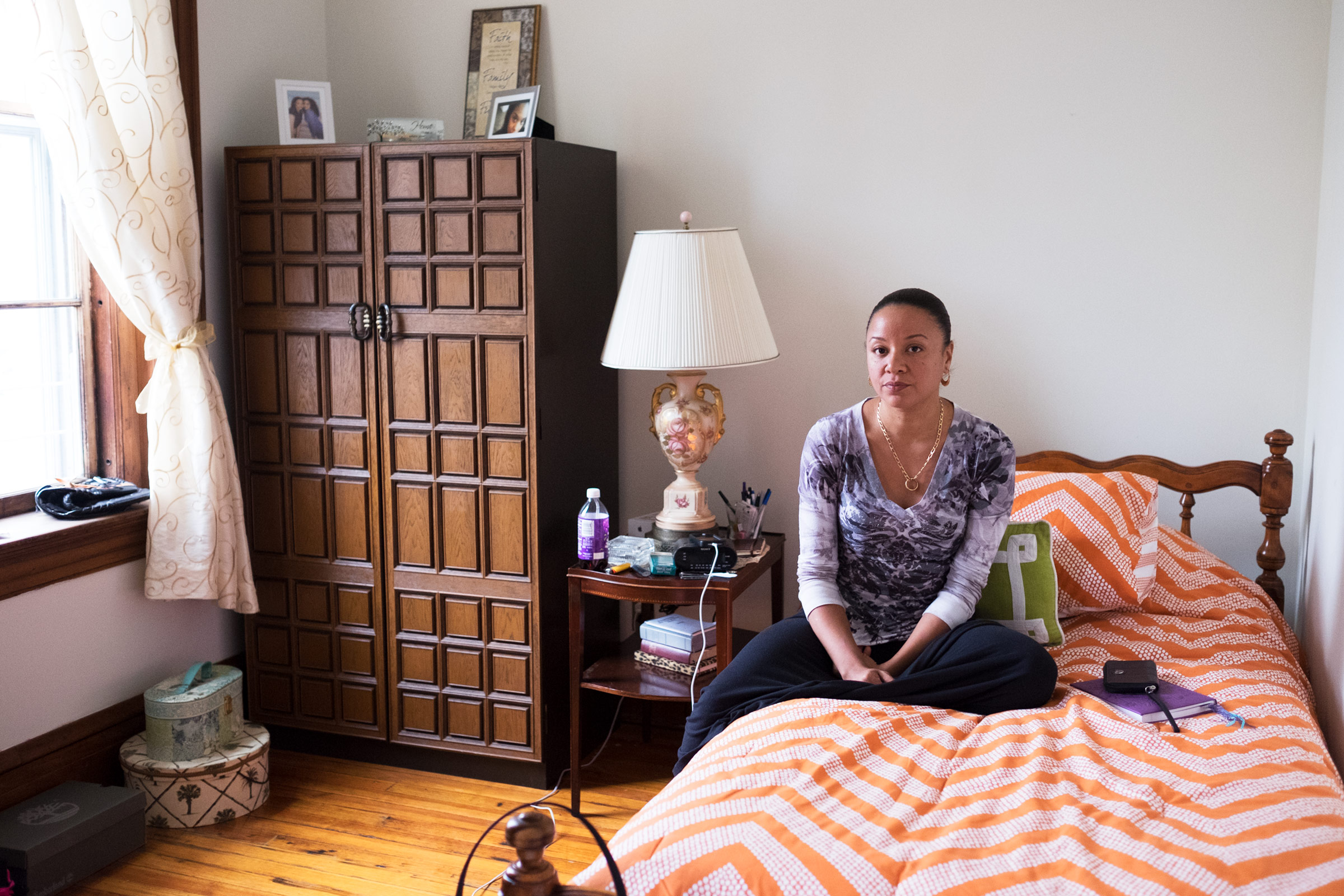
“My reentry is starting now.” Keila, 40, in transitional housing six months after her release. Astoria, NY (2014)
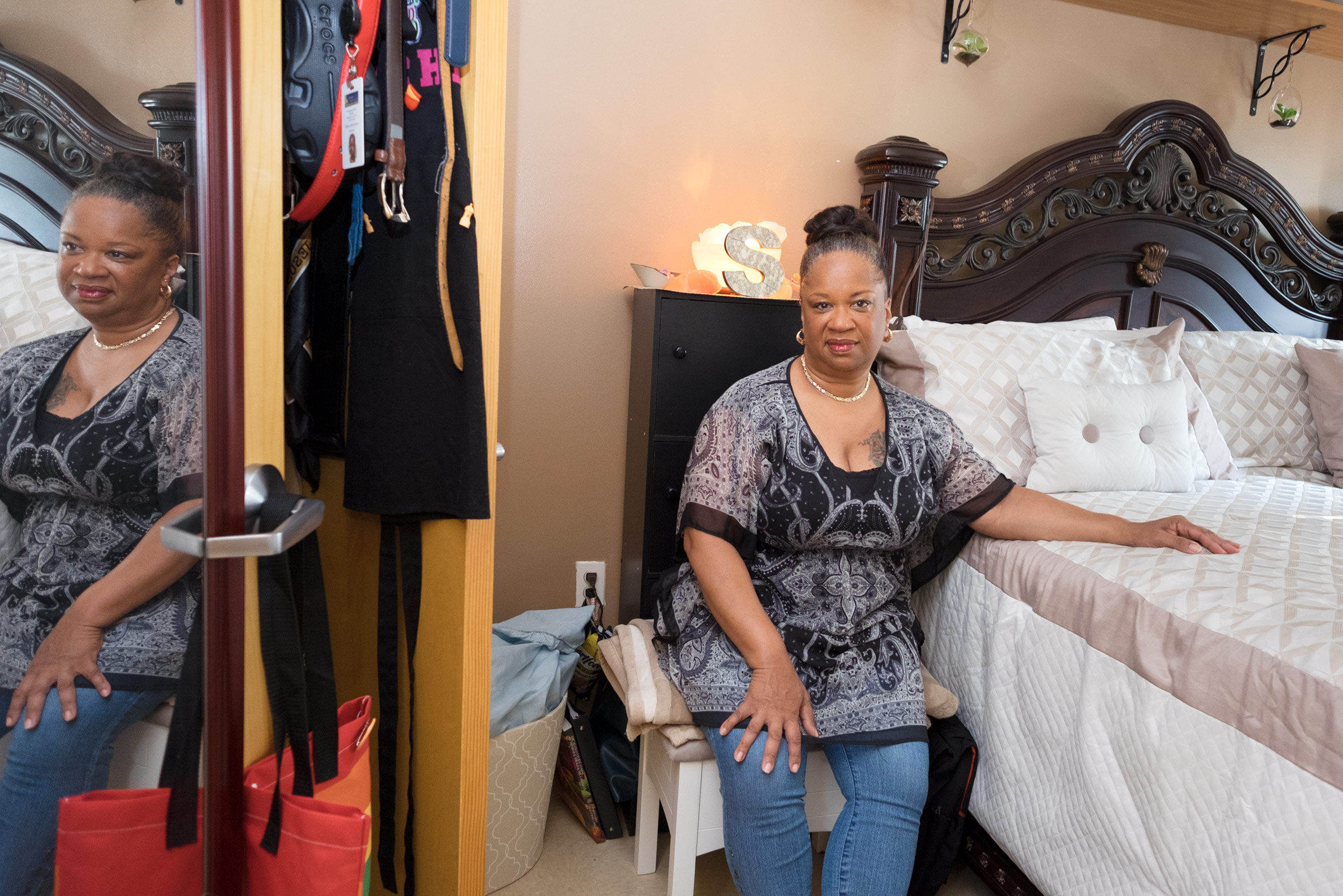
“I love turning the key in my door.” Sharon, 57, back in supportive housing seven years after her release. Corona, NY (2017)
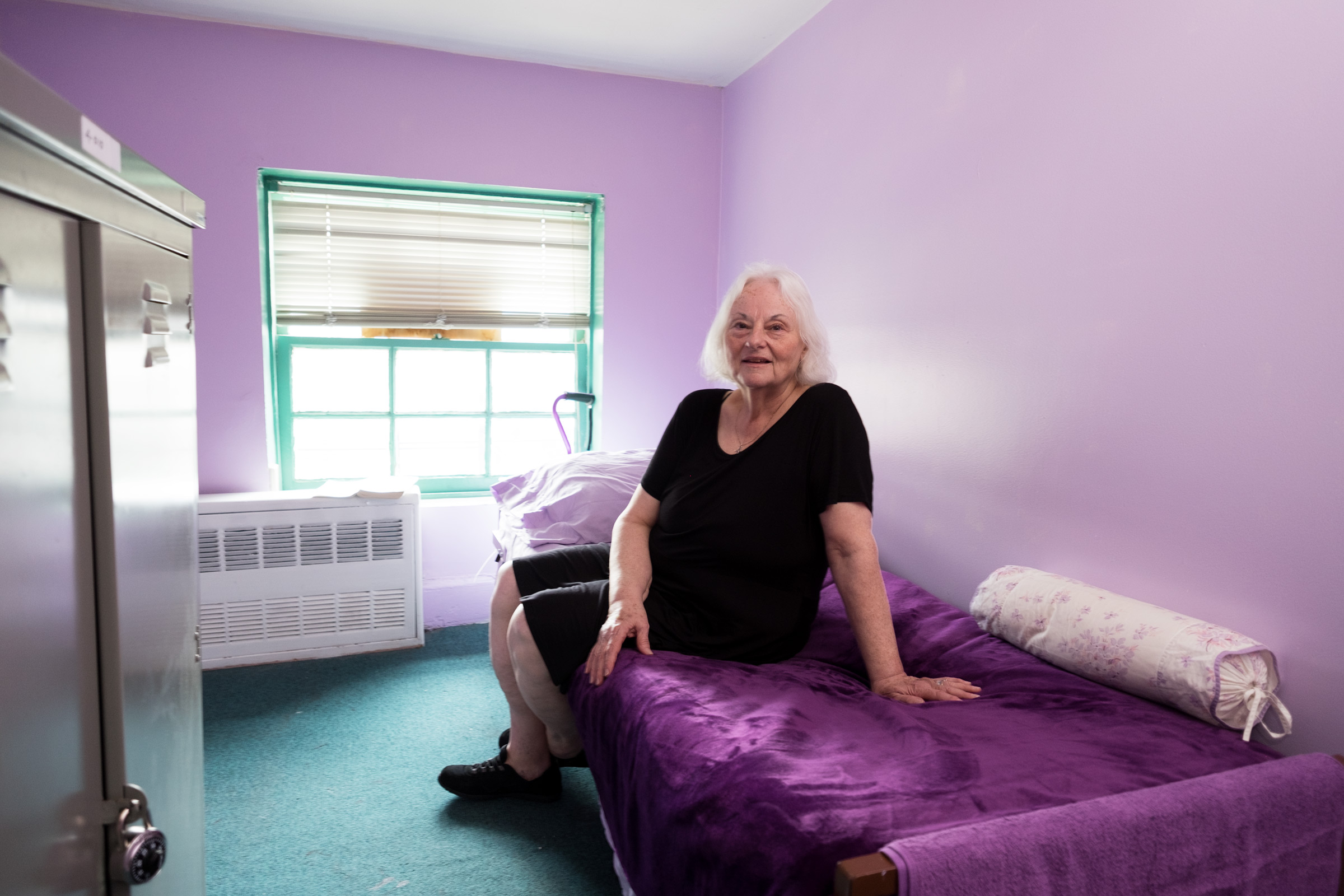
“In this room, I find comfort, privacy, peace of mind and, finally, I find my freedom.” Karen, 69, in a homeless shelter one month after her release. East Village, NY (2017)
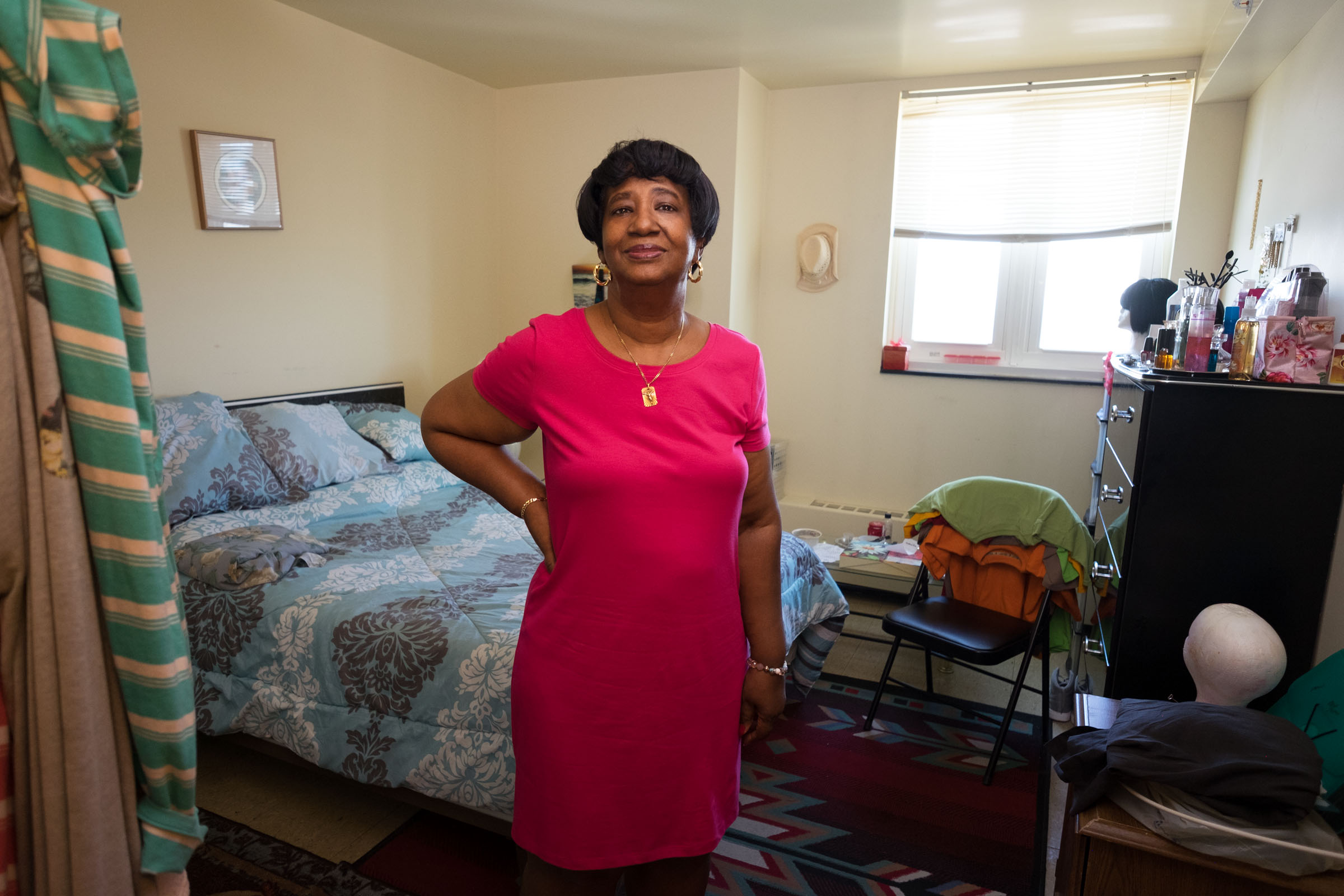
“I thank God every day that I am alive and safe.” Linda, 70, in her own apartment, 14 years after her release. Albany, NY (2017)
See more of the project on Life After Life In Prison.
Enjoyed this article? Like Huck on Facebook or follow us on Twitter.
You might like

Halcyon, end of summer days in ’80s Massachusetts
Bell Pond — Stephen DiRado’s new photobook is a nostalgic look at blissed out moments of young love, family and coming of age at a swimming pond in Worcester, Massachusetts.
Written by: Miss Rosen

Photographing America’s 20th century rebels
Rebels With a Cause — A new monograph looks back at Jean-Pierre Laffont’s extensive archive documenting counterculture, art, activism and more, shaping the country as it is today.
Written by: Isaac Muk

The groundbreaking photography of Gordon Parks
Voices in the Mirror — A new exhibition dives deep into the legendary lensman’s archive, who captured the Civil Rights Movement and Black America like no other.
Written by: Miss Rosen

A chaotic portrait of an ’80s American farming family
Holy Cow! — Melonie Bennett grew up on a farm in Maine in the ’80s, and documented her family’s idiosyncratic daily life. She presents those humorous, everyday memories in a new exhibition and photobook.
Written by: Miss Rosen

Nick Danziger’s striking vision of everyday British life in the ’90s
The British 1994-1999 — The renowned photojournalist returned to his birth country on the cusp of the Millennium, capturing its contradictions with humour and wit.
Written by: Miss Rosen

Exploring girlhood and land ancestry in Sudan’s cotton fields
Cotton Queen – A new feature debut from filmmaker Suzannah Mirghani explores the legacy of colonialism and the fight for self-determination through the tender eyes of a teenage girl.
Written by: Roxana Diba


