The grit and glamour of L.A.'s cinematic streets
- Text by Cian Traynor
- Photography by Julian Caldwell

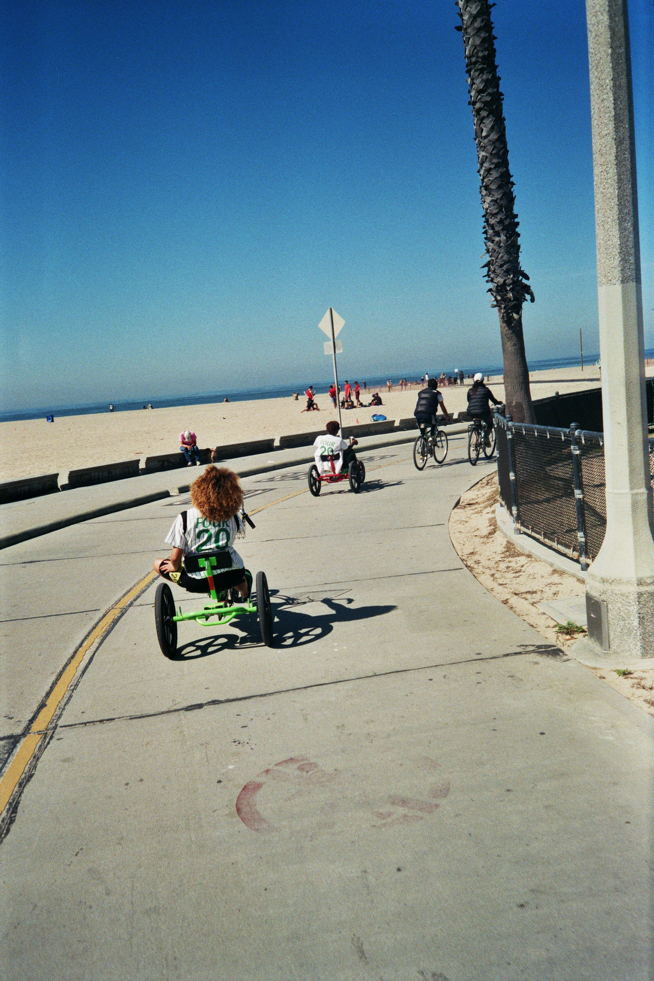
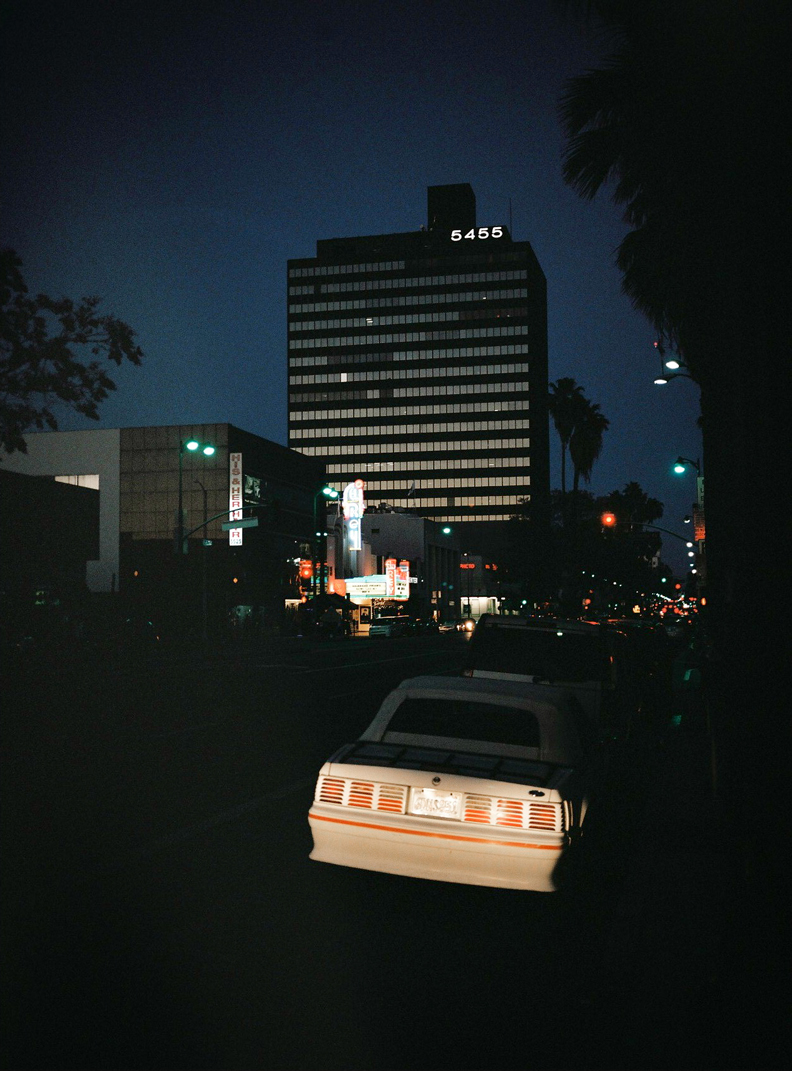
Julian Caldwell had a pretty fixed idea of what to expect from the city of his dreams: Cadillacs, palm trees and picture-perfect sunsets.
The 19-year-old British photographer saved enough money to spend a week there on a solo visit: half of that time changing bed sheets in youth hostels, half of it hitting the streets with a camera in hand.
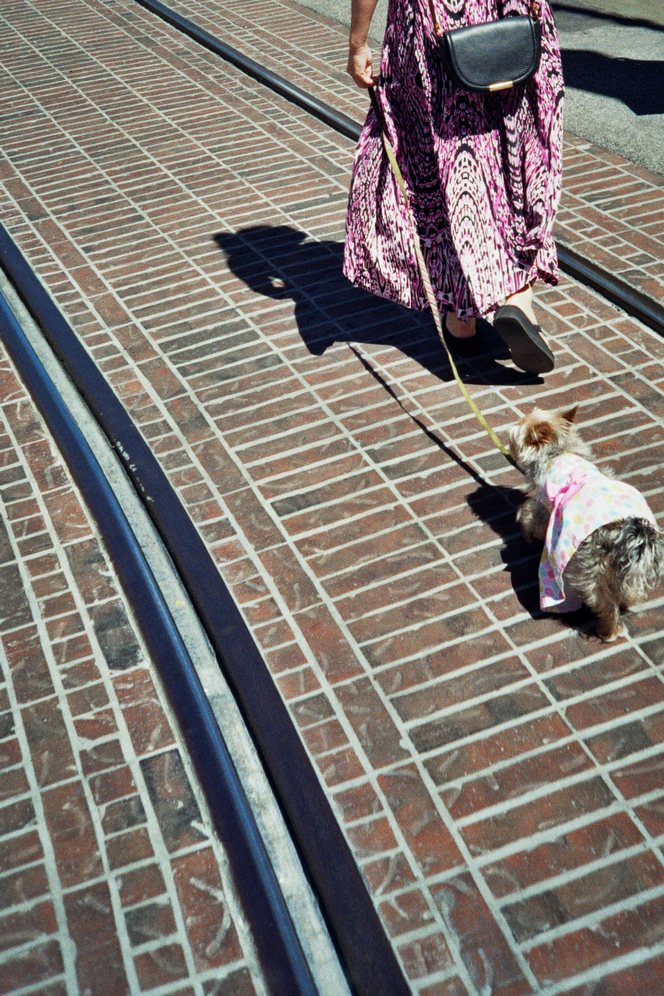
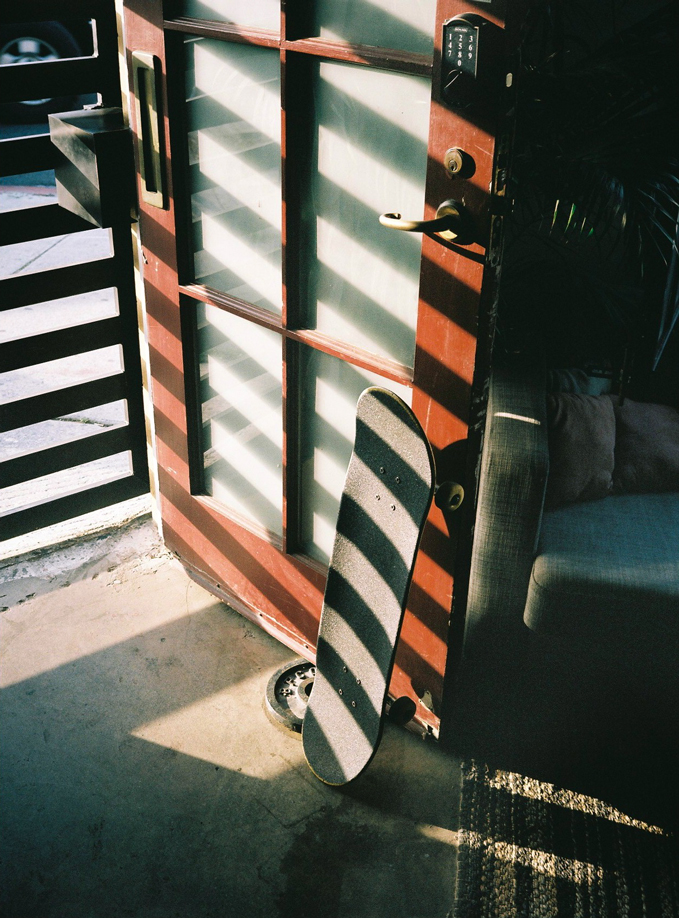
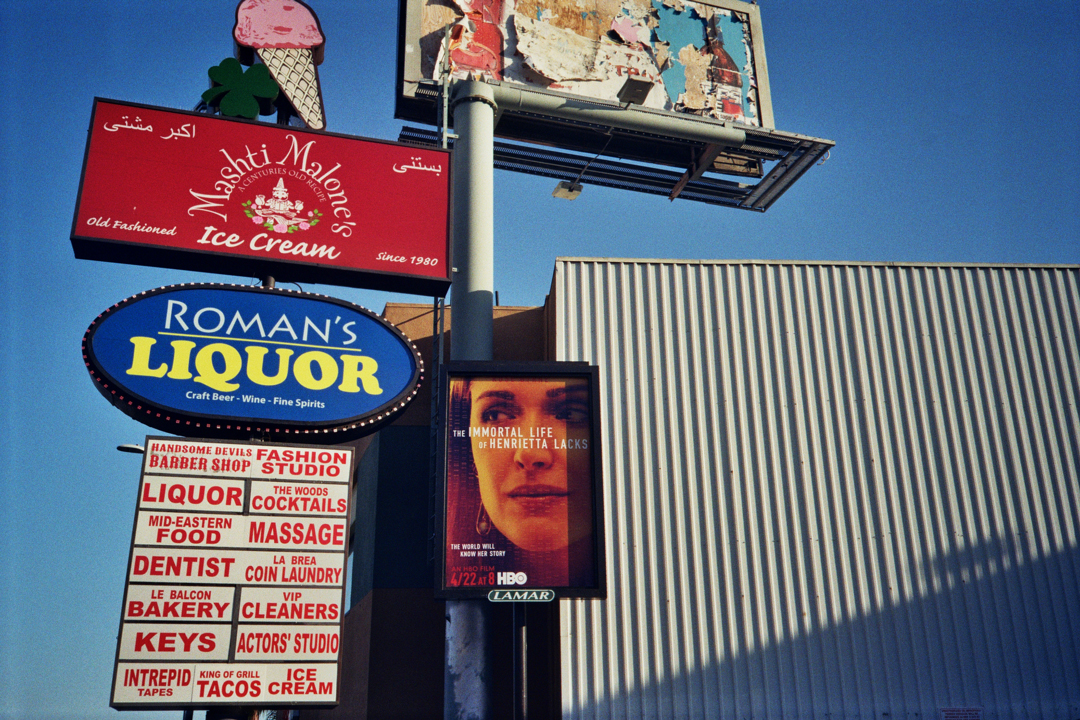
“It’s a place almost everyone feels familiar with on some level, from memories of films growing up or the music they listen to now,” he says.
“You quickly get the sense, however, that locals have to deal with this constant stream of visitors all searching for the stereotypical signifiers of the city, skimming over anything that doesn’t sit within their preconceived version.”
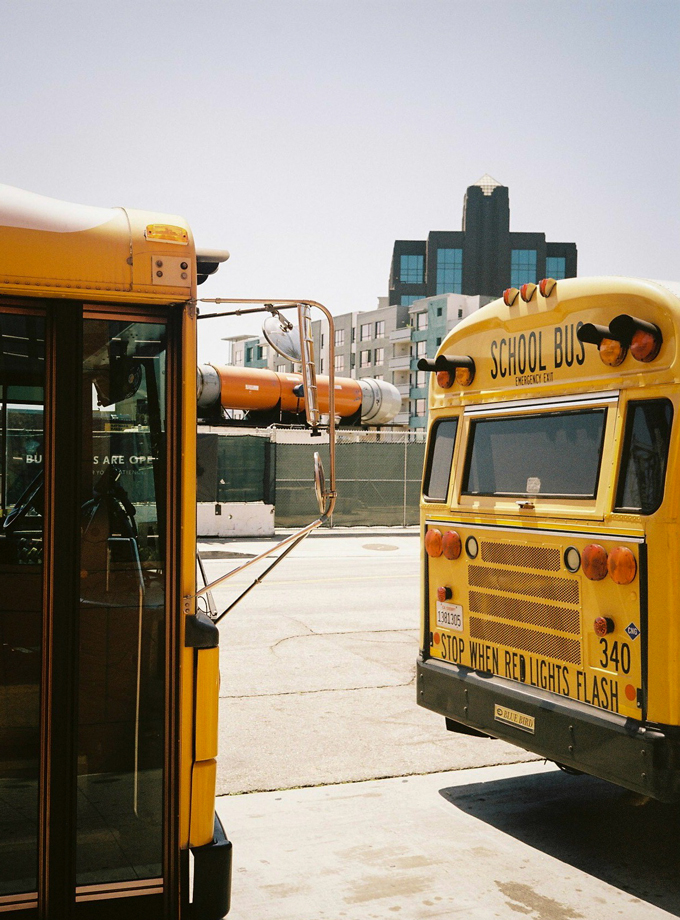
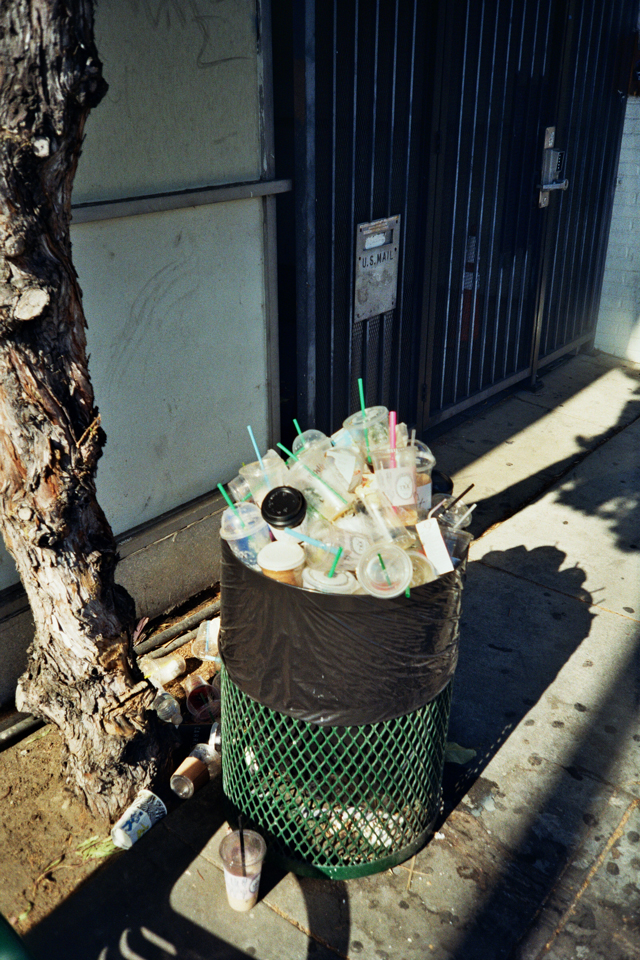
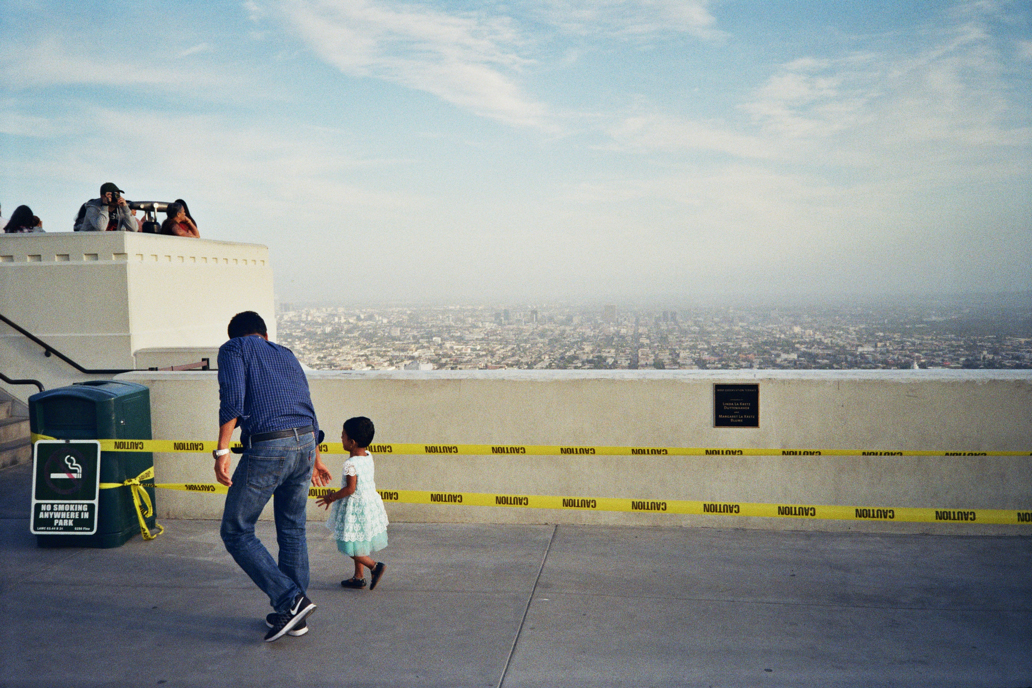
Those things were hard to miss: the luxury tour buses taking people on tours of celebrities’ homes, the trash cans brimming with discarded smoothies, the gleaming sports cars parked outside designer boutiques.
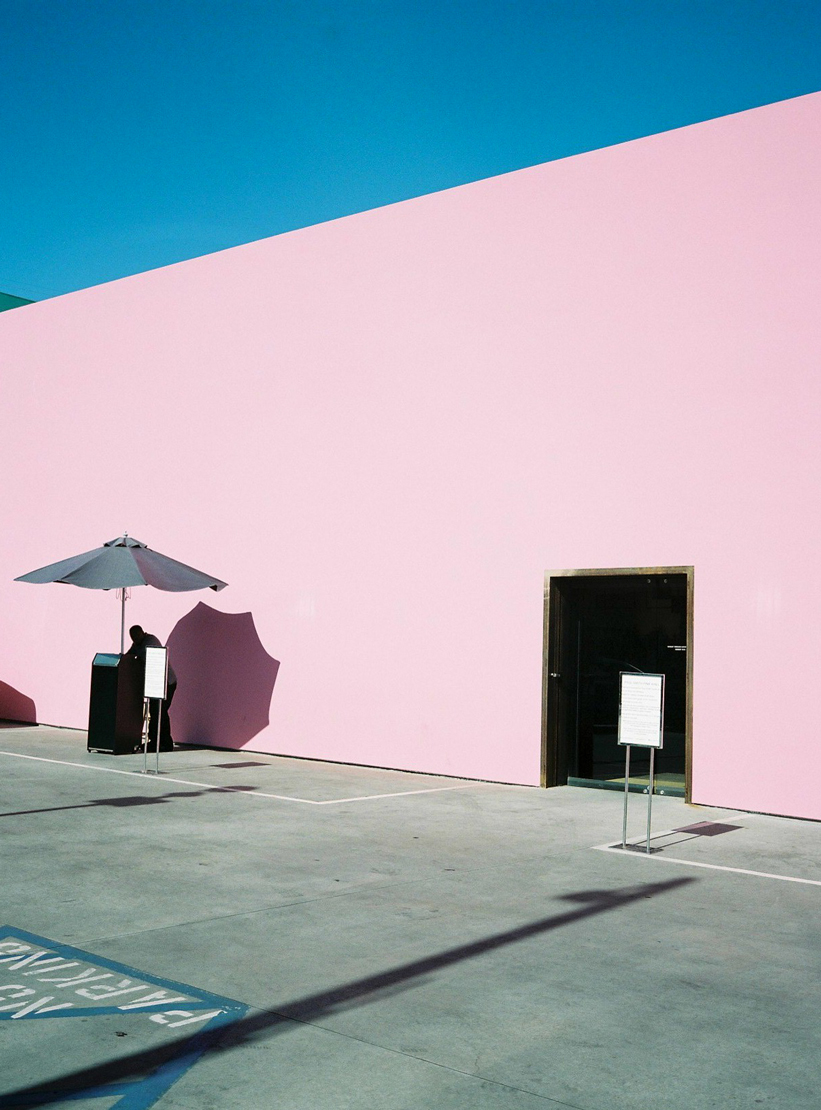
But as Julian drifted off the tourist trail, he found an unforgiving place wary of cameras. It was there that someone pulled him aside and told him to be careful of what he shot, that one day those images might come back to haunt him.
“I feared that this is what everyone there viewed me as: a wealthy, white infiltrator whose only purpose was to humiliate or expose the community,” he says.
In reality, Julian had effectively been preparing for this moment for years.
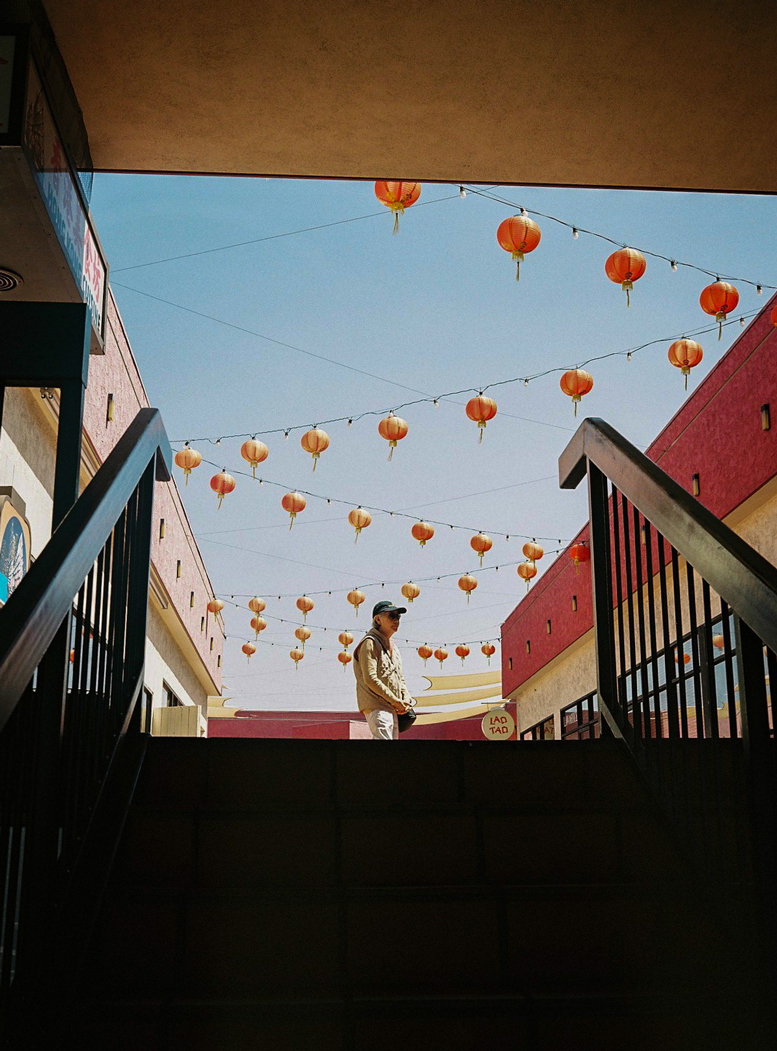
He’d been keep a photo blog since the age of 15, cultivating pictures of L.A. that helped train his eye for colour and design. “Embarrassing in retrospect, but I think this definitely honed an awareness of composition,” he says.
Recognising his own intentions – to respectfully capture how L.A.’s affluent and deprived co-exist – Julian felt flustered but undaunted by that encounter on the street.
“I was so blown away by the sheer volume of homelessness there, which was on another level to anywhere else I’ve ever been, that to not put some focus on it would’ve been skimming over a massive component to the city,” he says.
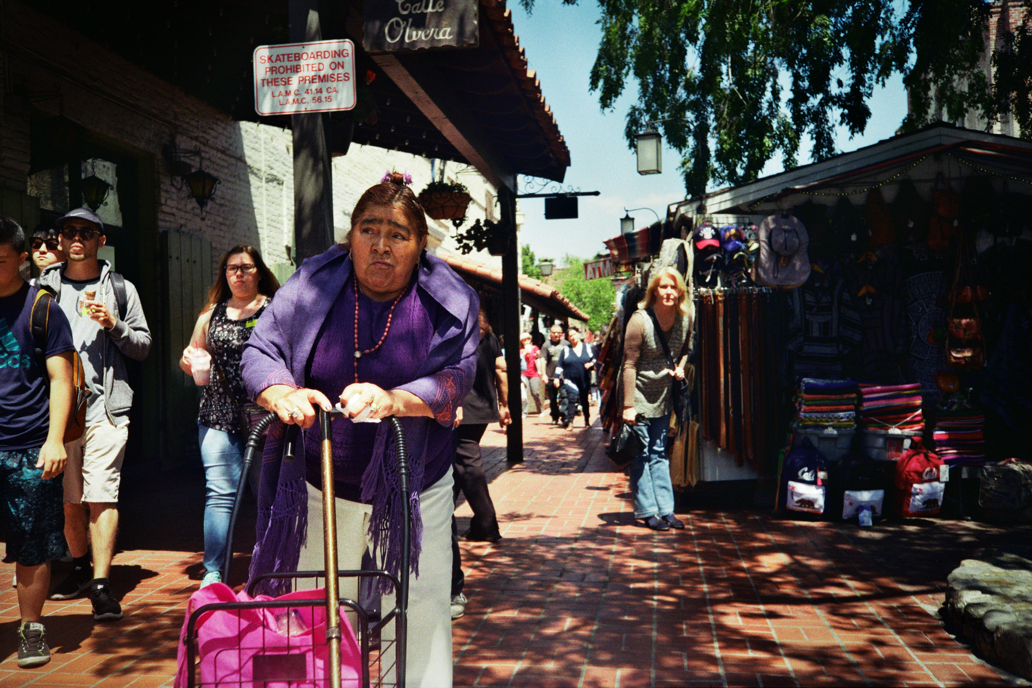
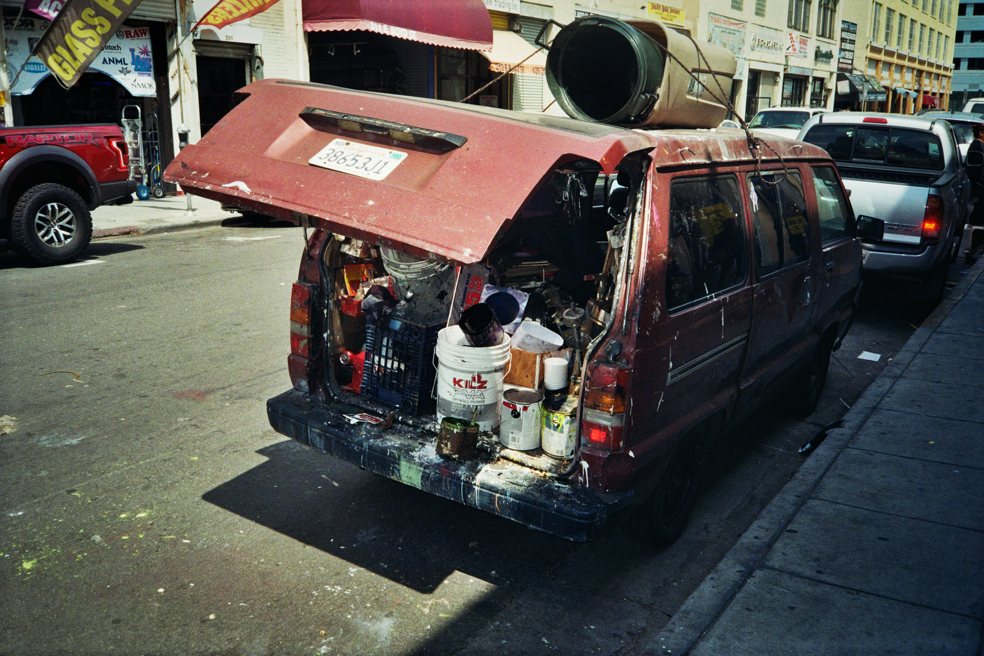
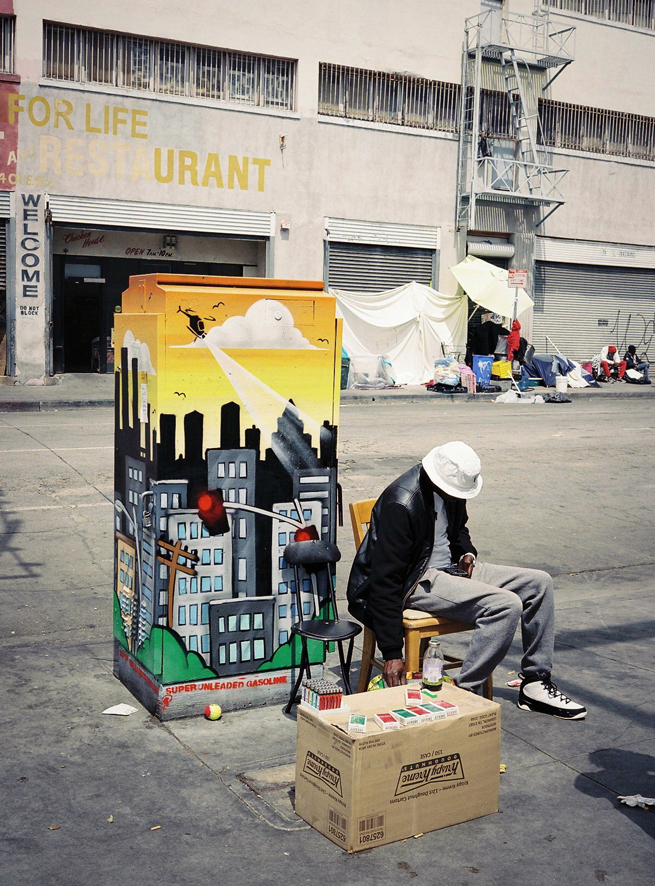
As Julian spent more time in neighbourhoods south of the city, he thought of his portraits as a gesture of recognition: a way to acknowledge the quiet dignity of those hustling to survive.
“You’d often see tarps spread out on the street with an array of random items for sale or trade, from battered old shoes to near-mint condition Air Jordans, and sometimes people would ask to have their picture taken,” says Julian, who’s from Bristol but is about to move to London for an internship in radio production.
“Interactions with these characters that reminded me how photographing a downtrodden community does not imply humiliation, and can in fact do a lot to reveal a spirit and warmth that often goes overlooked.”
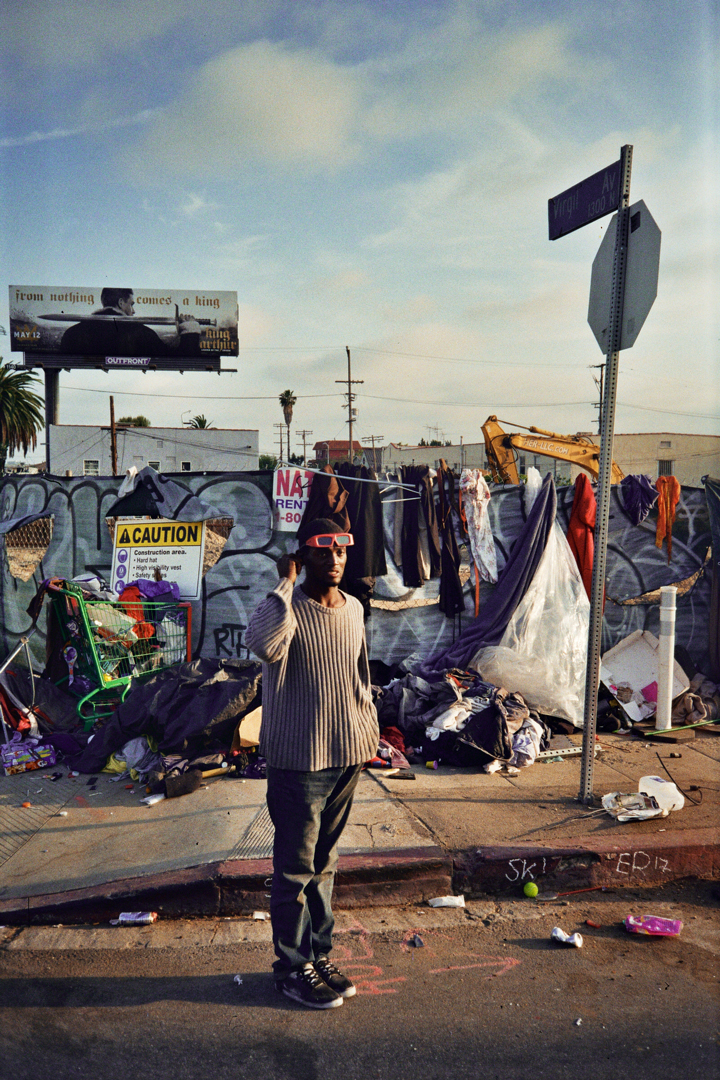
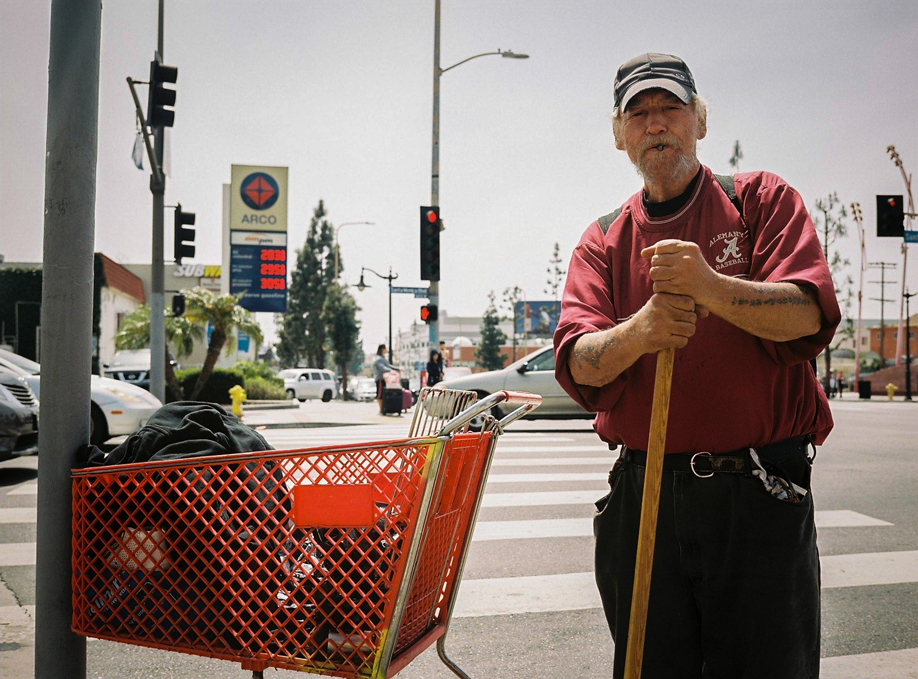
“This man asked that I send prints of the photos to an address of a friend, as it had been years since someone took his photo.”
By contrast, the thing that struck Julian about LA’s prosperous neighbourhoods was just how closed-off they felt – all big cars, big houses, big dogs and big fences.
Any glimpses of that side of life felt fleeting and detached.
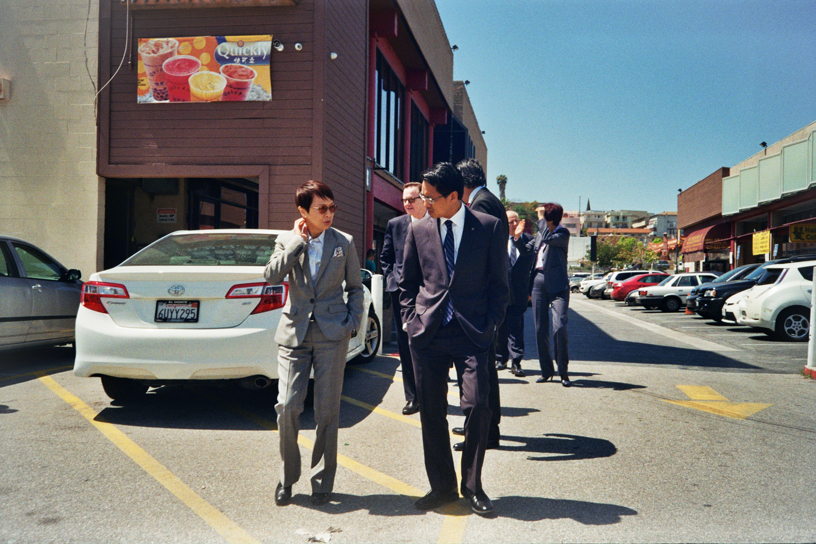
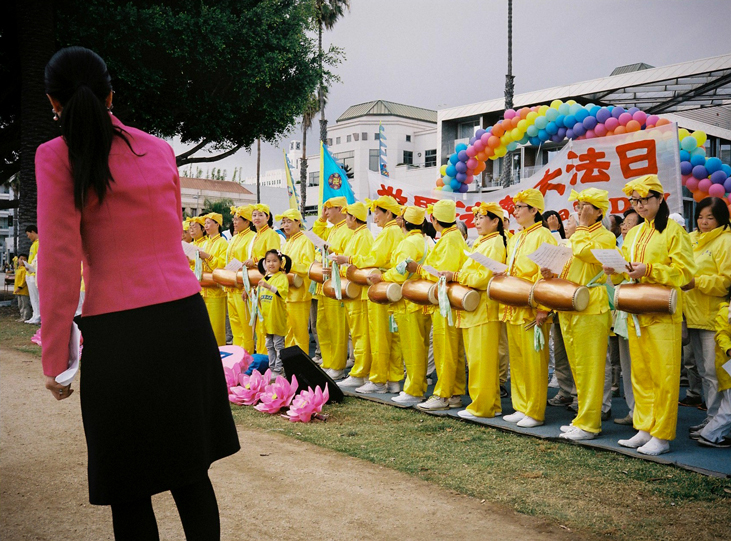
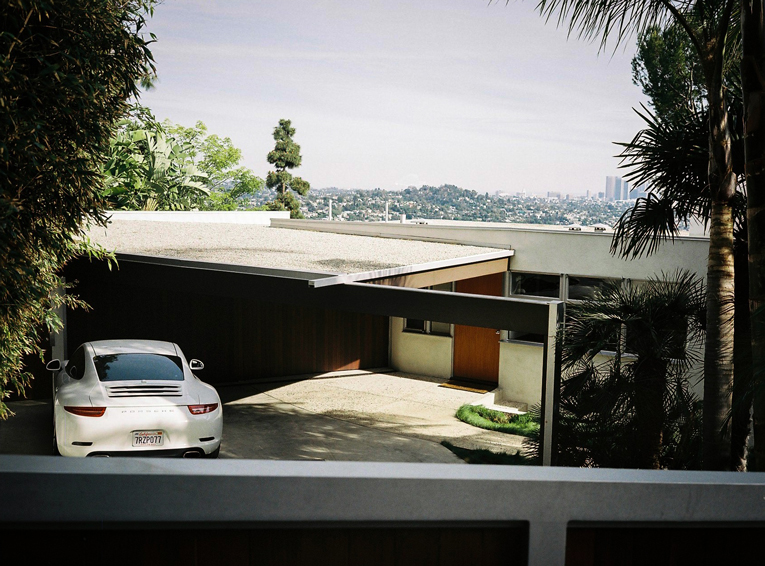
“Even still, I think the best photos are always the ones you feel uncomfortable, rushed or unsure taking,” he says.
“I had gone out there with the aim of simply following my nose, shooting whatever I found to be bizarre or interesting – which turned out to be almost everything.
“Despite the extreme disparity between poverty and wealth, the unpretentious and the fairytale facade, what will stick with me is the energy I found somewhere in the middle.”
Check out Julian Caldwell’s project, Street Files LA.
Enjoyed this article? Like Huck on Facebook or follow us on Twitter.
You might like

Jesse Glazzard’s messy portrait of queer friends, lovers and chosen family
The Sound of Dirt and Beauty — The photographer’s debut monograph explores tender, unpolished moments shaped by the people who he surrounds himself with, while offering a window into the UK’s working-class LGBTQ+ community.
Written by: Sunny Sunday

Behind the curtain at Alternative Miss World 1981
Olympia glamour — Running a subversive take on the traditional beauty pageant, the Andrew Logan organised event prioritised underground creativity and invention. Photographer David Corio went behind the scenes at its biggest edition.
Written by: Miss Rosen

New exhibition highlights British radical living over 200 years
Earthly Paradise — Taking place at the William Morris Gallery, it explores the homes and lives of artists, writers, musicians and more, as well as the conditions that allowed them to thrive.
Written by: Isaac Muk

What life on the Strait of Hormuz is really like
Southern Winds — Bandar Abbas based photographer Morteza Niknahad has been capturing the diverse communities and stories of his local region since he first picked up a camera. His new series highlights the human impact of war.
Written by: Isaac Muk

Nick Haymes’s intimate portrait of his family’s life
Chronograph — Over 25 years, the photographer documented his son’s lives as they grew into adults. The resulting photobook is an exploration of the passage of time, as well as the optimism of youth.
Written by: Miss Rosen

Kristina Rozhkova’s scatty, confronting portrait of captivity
Gut Feeling — The Russian artist’s 2024 arrest and subsequent detention opened her eye towards the omnipresent dynamics of power and control. Her new photobook is a stark exploration of being trapped.
Written by: Isaac Muk


