Hanging out with Kiev’s skaters, punks and club kids
- Text by HUCK HQ
- Photography by Hiroyuki Koshikawa

In 2015, three years after first falling in love with the city, Hiroyuki Koshikawa finally moved to Kiev.
Originally from Japan, the self-taught photographer (who, up until that point, had been living in Berlin) first visited the Ukrainian capital in 2012. Something about the city’s energy – the blend of the historical and the underground – stuck with him. He knew he had to come back.
However, there was one thing that always troubled him about Kiev, and Ukraine in general. When it came to its recent depictions in both the media and popular culture, the world seemed solely preoccupied with violence, conflict and the country’s relations with Russia.
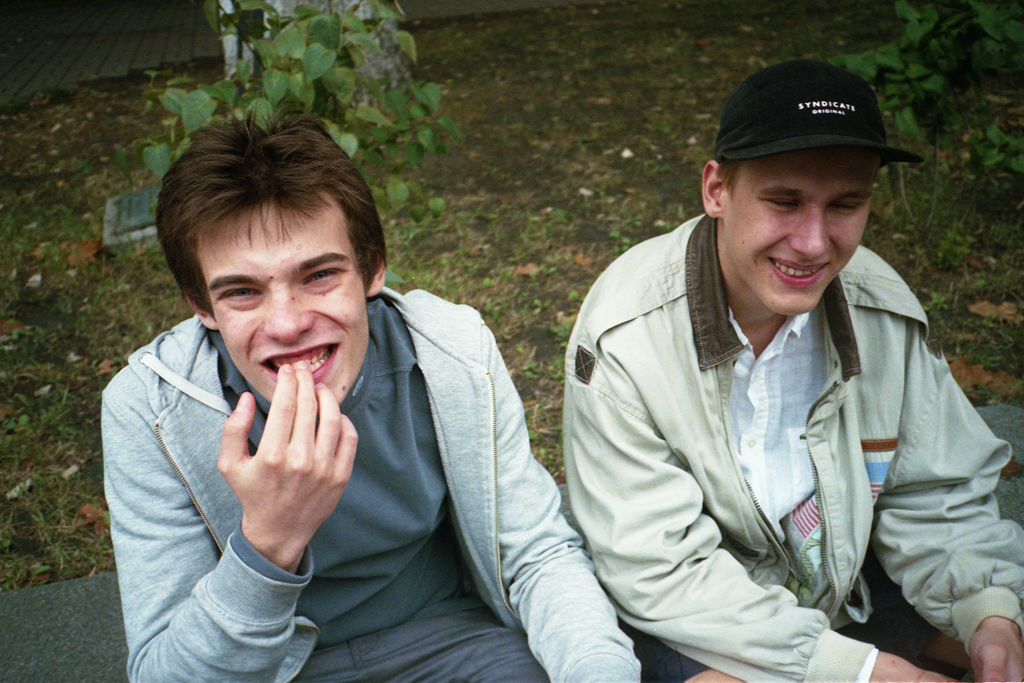
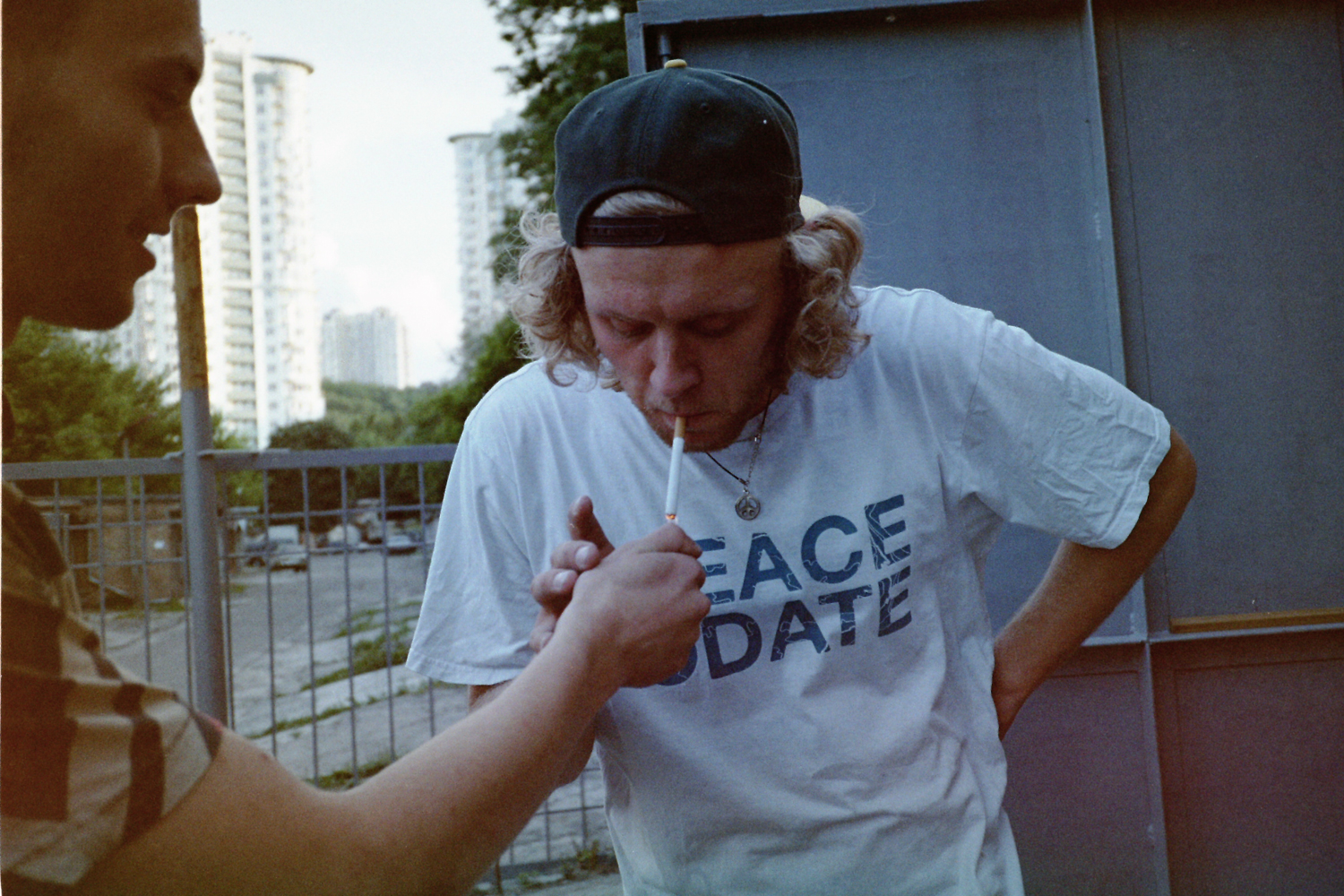
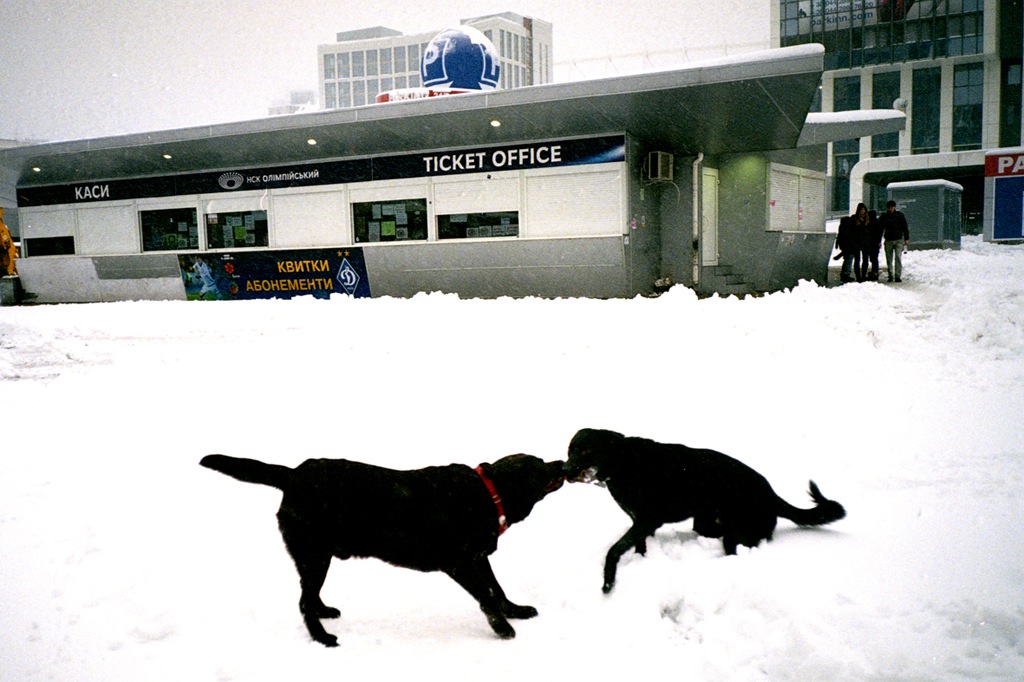
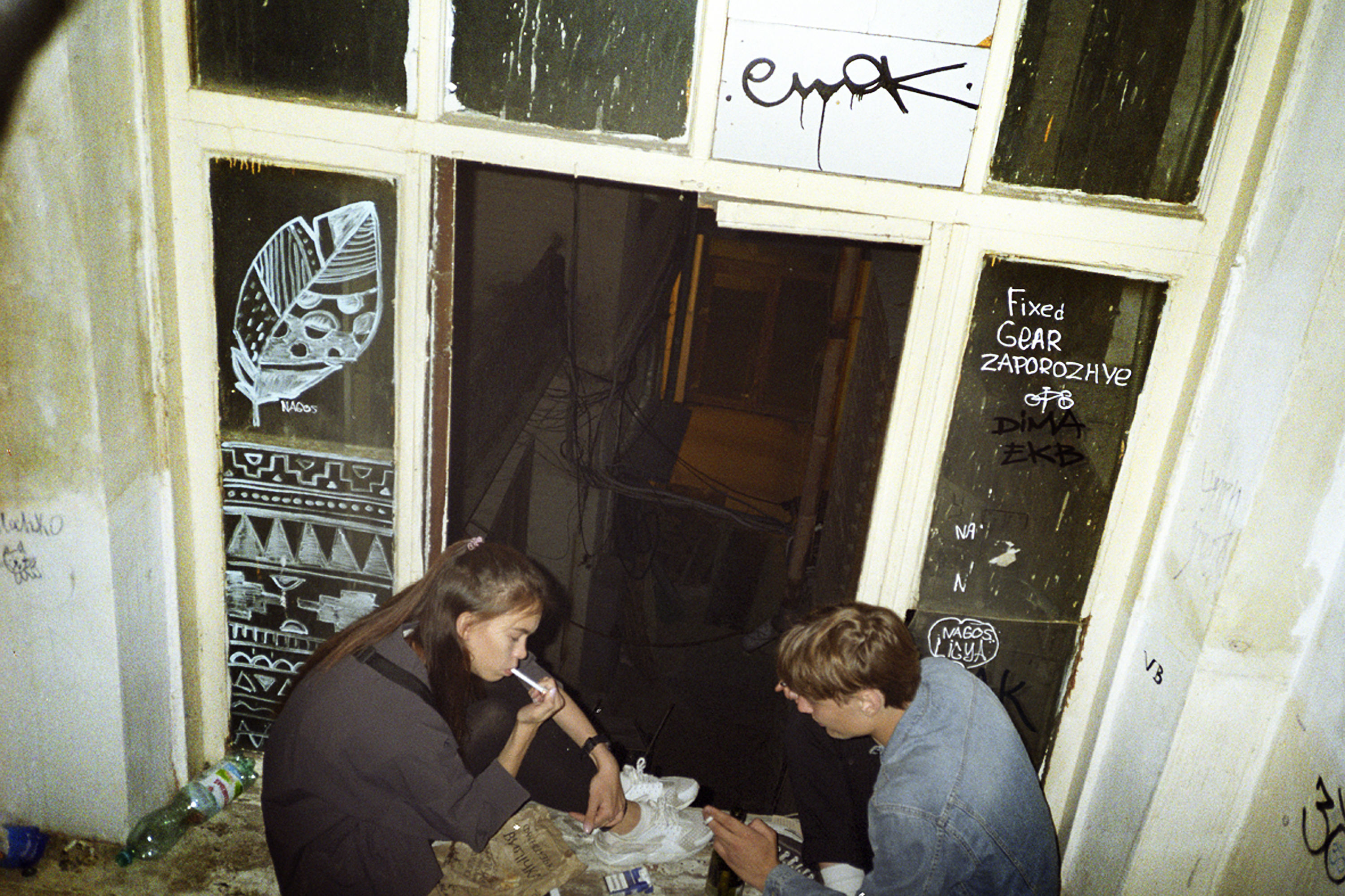
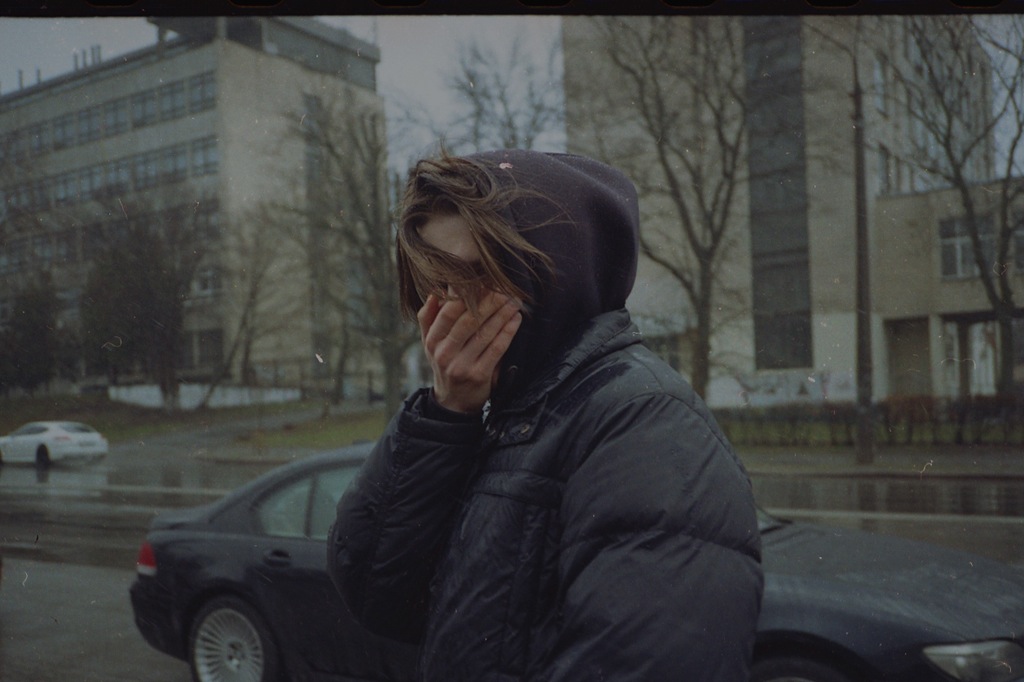
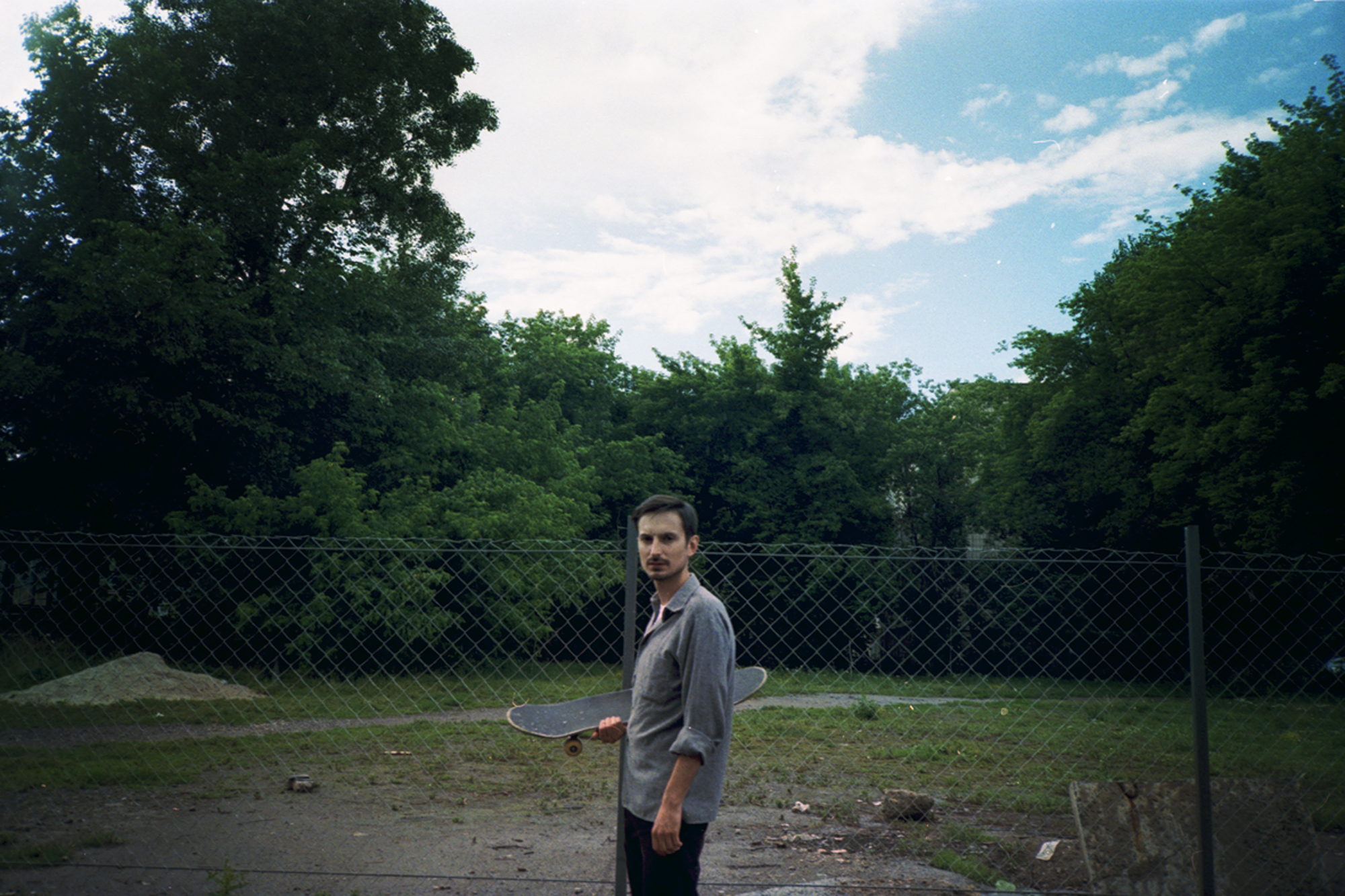 So, in his new home, Koshikawa set out to depict a different side of the city. Enlisting the help of a ragtag group of models, skaters, punks and club kids, he began shooting what life was really like for young people living in Ukraine.
“The the reality is that we almost never talk in terms of war,” he explains. “What we do talk about are everyday concerns: working, studying, making something new. That’s the reality and the daily life.”
“Once me and my Ukrainian friend were interviewed by big media about youth culture but in the end the questions that they asked were almost all about war. The media often make war the only excessive topic and it made us disappointed.”
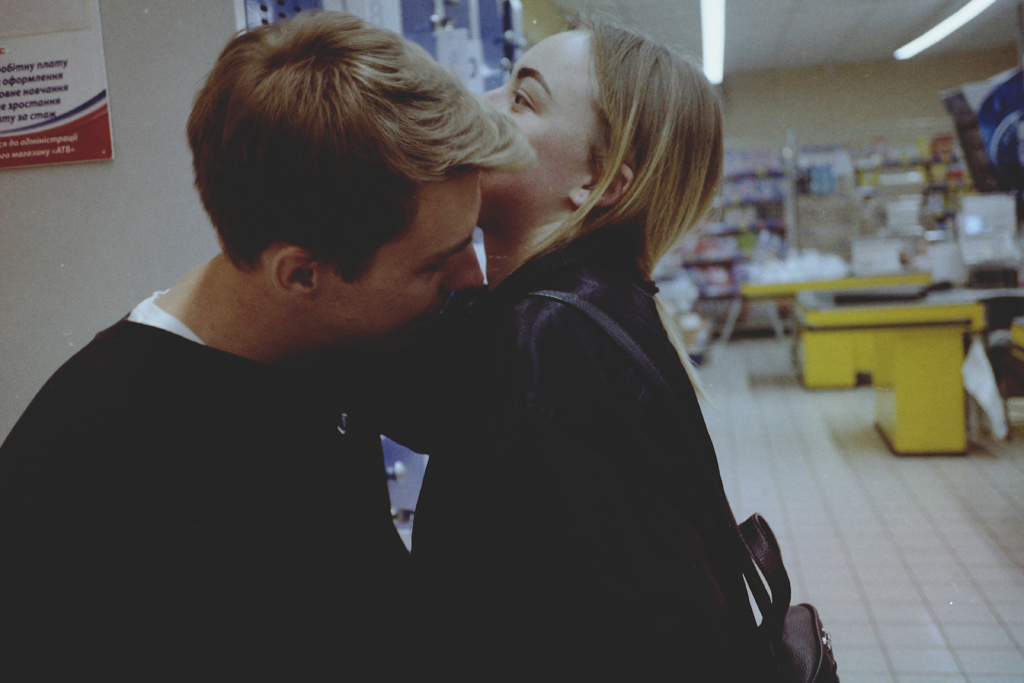
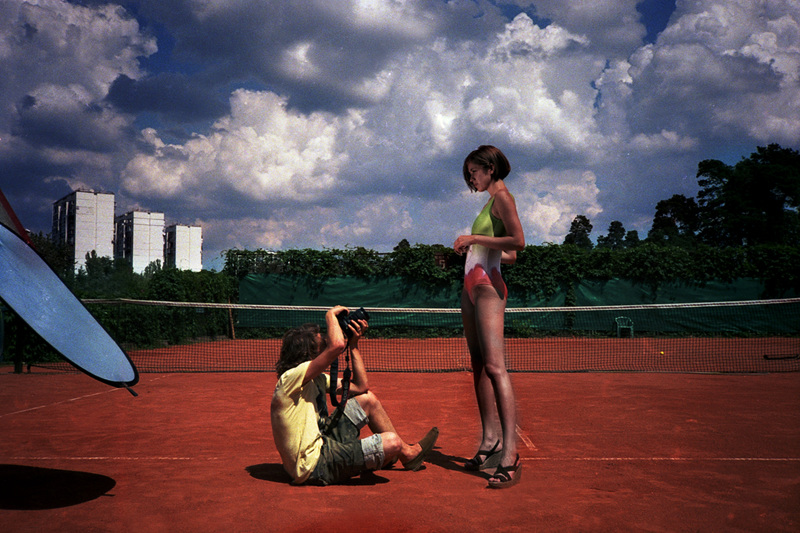
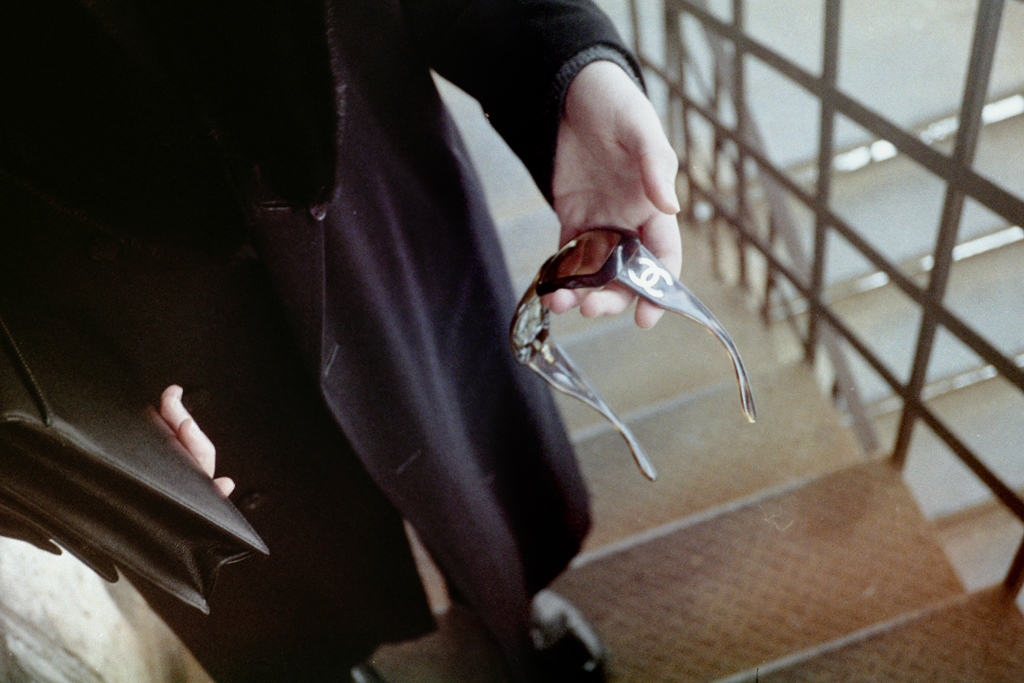
In response, the photos come together to form a whirlwind counter-narrative, following his friends as they make their way around the city.
From DIY photoshoots and street corner gatherings, to skate days and early-morning parties referred to – somewhat harrowingly – as ‘Vodka savages’, Koshikawa’s shots capture Ukraine’s young people in their natural habitat, no holds barred.
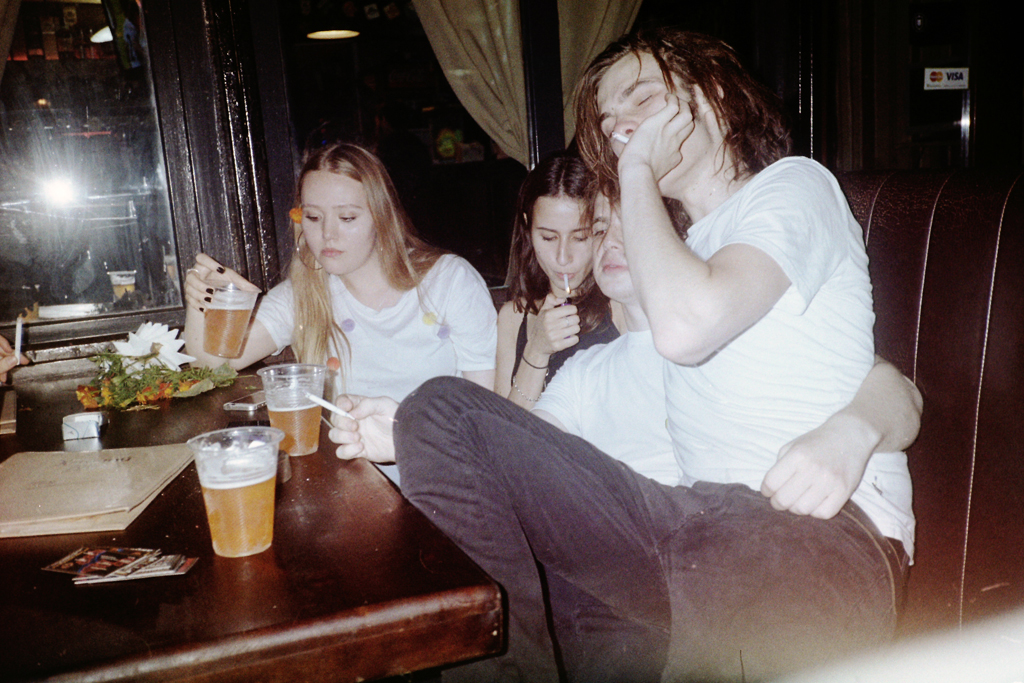
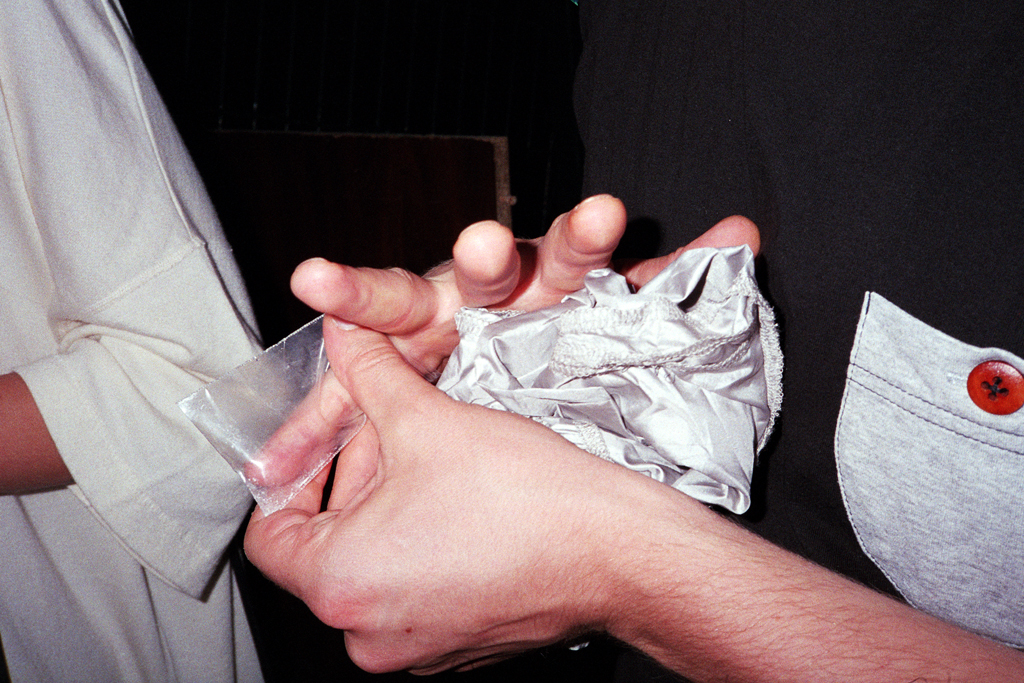
“I enjoyed being with them so much. At some points I felt like I was inside of the movie,” he says.
“Youth is not forever and everything goes by, so there is no repetition. But still, in struggling to catch those obscure moments, I saw an impermanent beauty from them. It was a very beautiful time.”
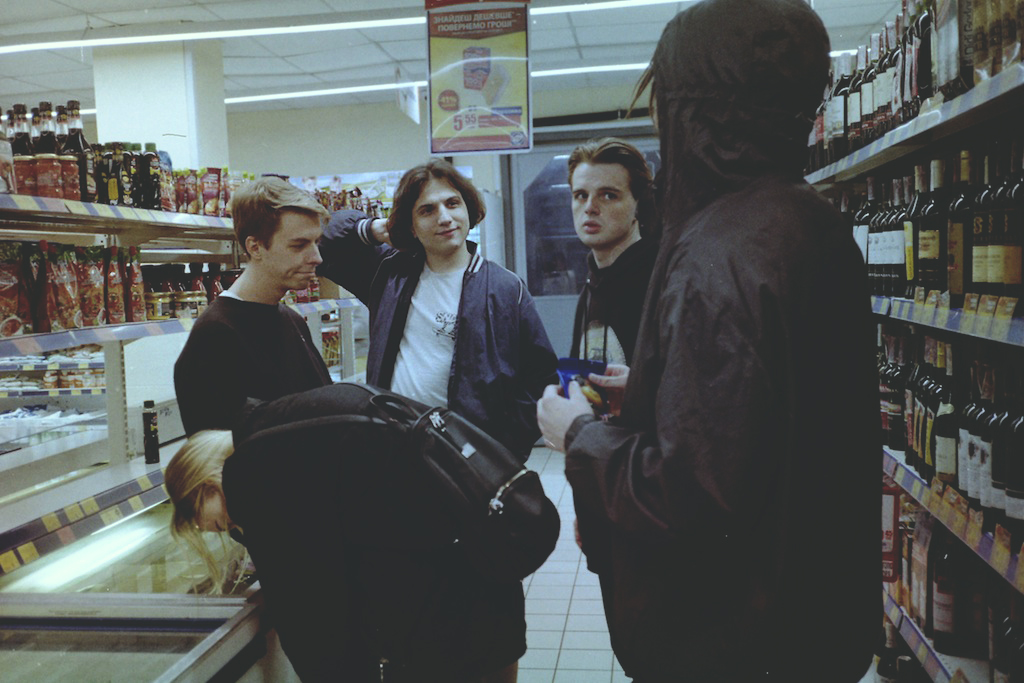
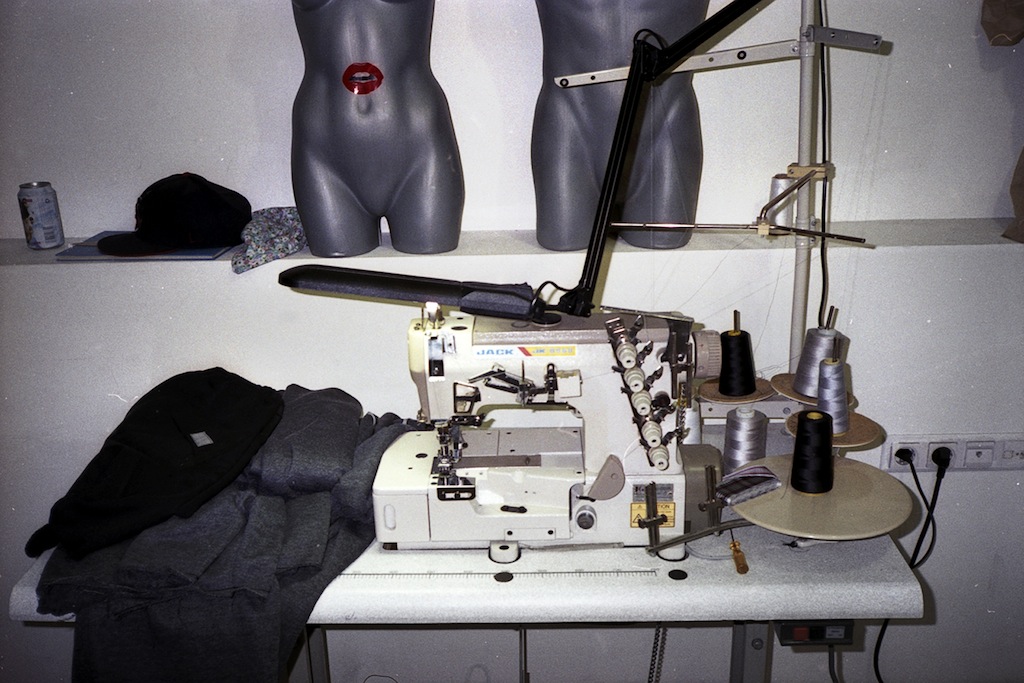
See more of Hiroyuki Koshikawa’s work on his official website.
Enjoyed this article? Like Huck on Facebook or follow us on Twitter.
You might like

Signs of solidarity as London marks three years of genocide in Palestine
Never forget — 250,000 people gathered on Saturday as Israeli attacks have continued in Gaza and the West Bank. Daisy Schofield photographed the diverse people and placards in attendance.
Written by: Daisy Schofield

Landmark new exhibition is celebrating 50 years of female punk
God Save the Queens – The Museum of Youth Culture is bringing together rare photography, archive material and a one-night-only supergroup featuring members of X-Ray Spex, The Slits and The Raincoats.
Written by: Ella Glossop

Halcyon, end of summer days in ’80s Massachusetts
Bell Pond — Stephen DiRado’s new photobook is a nostalgic look at blissed out moments of young love, family and coming of age at a swimming pond in Worcester, Massachusetts.
Written by: Miss Rosen

Photographing America’s 20th century rebels
Rebels With a Cause — A new monograph looks back at Jean-Pierre Laffont’s extensive archive documenting counterculture, art, activism and more, shaping the country as it is today.
Written by: Isaac Muk

The groundbreaking photography of Gordon Parks
Voices in the Mirror — A new exhibition dives deep into the legendary lensman’s archive, who captured the Civil Rights Movement and Black America like no other.
Written by: Miss Rosen

A chaotic portrait of an ’80s American farming family
Holy Cow! — Melonie Bennett grew up on a farm in Maine in the ’80s, and documented her family’s idiosyncratic daily life. She presents those humorous, everyday memories in a new exhibition and photobook.
Written by: Miss Rosen


