
I Am Thalente
I Am Thalente is an inspiring documentary-in-progress about a once homeless South African skateboarder Thalente Biyela, who finds education, travel and a new community through his passion for and dedication to skating.
Director Natalie Johns first started filming Thalente in December 2011 and, with the support of respected OG skaters like Kenny Anderson, Guy Mariano, and Marc Johnson, she’s been able to help Thalente realise many of his skateboarding dreams, also learning to read and write along the way.
Now Natalie and her crew are trying to crowdfund enough money for them to complete the documentary. They released the teaser video above two months ago to encourage people to donate to the project and now there’s only one day left to help the team reach their goal.
We caught up with the prolific filmmaker to find out what challenges there were in bringing Thalente’s story to life.
How were you introduced to Thalente and when did you decide to start shooting him?
A little over two years ago I was introduced to Thalente through Tammy Smith – a surfer and long time family friend who was trying to figure out a way for him to get off the streets. My brothers knew Thalente well too. They told me about his story and asked if I could help make him any sort of video that would get him exposure. The story was intriguing, and Thalente had captured the hearts of people I trusted and cared about, so I was naturally drawn to him and his story. We sat down for our first on-camera conversation in December 2011.
What’s your background in documentary filmmaking?
In ’98 I left South Africa for the UK where I started my career. The first big doc I worked on was out of MTV back in 2001. We created the Nike Freestyler documentaries, which brought together music and sport. My particular passion was music and so over the years I ended up specialising in live-music film and music documentary which eventually took me to the US in 2005. I generally get a call to capture the story of an album or an artist. But there is always a story to it. I guess over the years I became known as a director who could capture the heart in the story, something which led to me working a lot with organisations like Amnesty International for example.
In 2012 I created a two-hour music documentary that captured Aung San Suu Kyi’s first visit to Ireland, after twenty-five years under house arrest, to receive the Ambassador of Conscience Award from Amnesty International. It was a story that was also very near and dear to artists like Bono, Damien Rice and Lupe Fiasco who were all part of the documentary and had been championing her release for years. In my 15 years of filmmaking I’ve directed or produced over 100 productions, with a cross section of artists from indie to mainstream, however I still believe in and firmly adhere to the ideology of the documentary makers I still most look up to. Albert Maysles of the Maysles Brothers said: “As a documentarian I happily place my fate and faith in reality. It is my caretaker, the provider of subjects, themes, experiences – all endowed with the power of truth and the romance of discovery. And the closer I adhere to reality the more honest and authentic my tales. After all, the knowledge of the real world is exactly what we need to better understand and therefore possibly to love one another. It’s my way of making the world a better place.”
What were the challenges in presenting Thalente’s story to a global audience?
There are actually two audiences within our global audience – the skate community and the general public. The skate community were far more critical and needed more than a tough background story to accept him. He was just another story like hundreds of others before him, he needed to prove himself to the global skate community, something which became part of the story. For the general public, I wanted Thalente’s story to leave an impact on thinking and change perspectives – this needed to be a positive story, but a brutally honest one for it to resonate and really make a difference.
Thalente’s is a rare success story. Do you think skateboarding can be transformative for other South African youth?
YES!!! Thalente was given his first skateboard around age 10, and with it he found something he could get good at. Something to focus on instead of kicking around the streets all day long. In his own words, “It changed the way I saw the world.” Being good at something makes us all feel like we are a valuable member of society and that we have something to contribute. It’s empowering. But skateboarding alone doesn’t save kids. The older generation or more established skaters need to guide and encourage the kids; help them learn life’s lessons. After I read this question I asked Thalente something I had not before, I asked if he thinks he would have been interested in the opportunity to learn to read and write had he not skateboarded or developed his passion for it. He replied, “Oh no… I would have been running around sniffing glue, you wouldn’t have been able get to me.”
What’s your relationship with South Africa? Is it important for you that you represent what’s going on there in an authentic light?
I grew up in South Africa and my family all still reside there. I consider myself very proudly South African. There simply is no point in even picking up the camera for me if we are not sticking to the truth – the truth is what brings about change.
Why did you decide to go beyond the role of documentarian/observer and facilitate education and a visa for Thalente? Were you concerned about involving yourself in the story?
I never thought of myself as part of the story, I only thought of my duty to the story. I went beyond because I realised what it would actually take to help him and that that was as much a part of the story as his past was. I also genuinely, like so many others, just wanted to help Thalente. Even with the best intentions some things just don’t work out, and that’s okay, but as a result a lot of people have let Thalente down over the years. I guess I wanted to make sure that he had one thing he could rely on in life.
What are the major things you have learnt from Thalente?
Working with Thalente, I have learned that patience and acceptance are far more powerful than brute force; that kindness is more important that being right; and that we lead best, and with unquestionable success, by example. They were not easy lessons to learn, but I am grateful for these lessons and hope to be able to share his story and them with this film.
How do you hope your documentary will have an impact?
It is more than just a story of a young man realising his dream; my hope is that this film will change perspective and those helping our homeless youth world over find their own way off the streets.
How far along is the doc and what will the crowdfunded money be used for?
We are two thirds through shooting. The crowd funding covers the last two-three months shoot and the three months of editing and post production to complete the film.
Do you have any other projects in the pipeline?
Yes, I have another monster of a feature length documentary about independent music… but I’ll save that for the next story!
You have one more day to help crowdfund the completion of the I Am Thalente documentary by donating at Natalie’s Seed & Spark page.
You might like

Signs of solidarity as London marks three years of genocide in Palestine
Never forget — 250,000 people gathered on Saturday as Israeli attacks have continued in Gaza and the West Bank. Daisy Schofield photographed the diverse people and placards in attendance.

Landmark new exhibition is celebrating 50 years of female punk
God Save the Queens — The Museum of Youth Culture is bringing together rare photography, archive material and a one-night-only supergroup featuring members of X-Ray Spex, The Slits and The Raincoats.

Photographing America’s 20th century rebels
Rebels With a Cause — A new monograph looks back at Jean-Pierre Laffont’s extensive archive documenting counterculture, art, activism and more, shaping the country as it is today.

Exploring girlhood and land ancestry in Sudan’s cotton fields
Cotton Queen – A new feature debut from filmmaker Suzannah Mirghani explores the legacy of colonialism and the fight for self-determination through the tender eyes of a teenage girl.

Sports Banger is throwing a party to mark 90 years since the Battle of Cable Street
“Fascists hate dancing” — The October event will bring DJs, live music, sound system culture and anti-fascist politics together in East London.
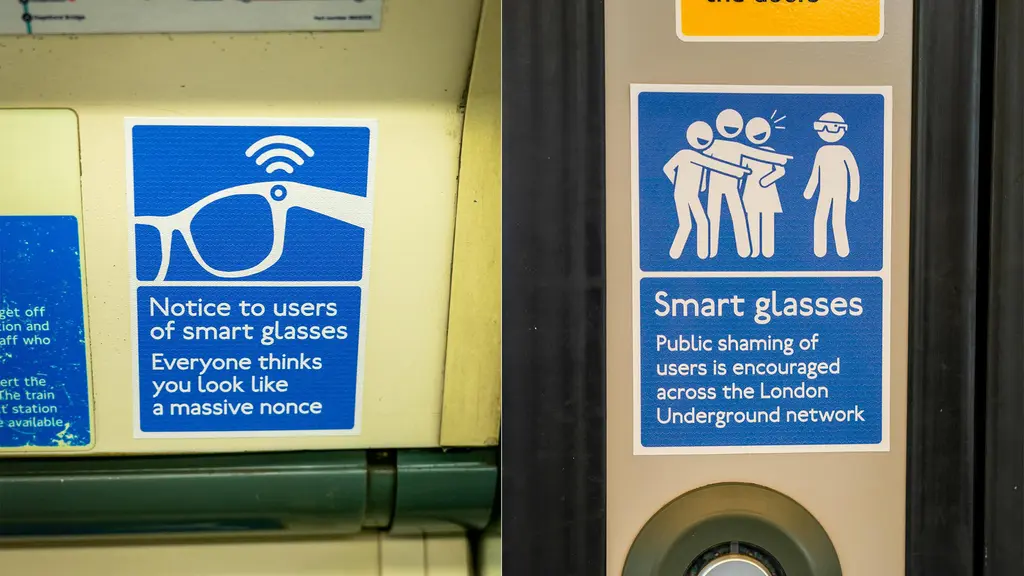
Activists slam “pervert glasses” in new guerrilla campaign
Everyone Hates Elon — Stickers have appeared on the London Underground network, criticising the wearable technology’s covert filming capabilities.


