LGBTQI people in India are still fighting to be heard
- Text by Sophie Church
- Photography by Sunil Gupta // Charan Singh

Photography is an art form which can start conversation. “Delhi: Communities of Belonging”, a collection of images and text that explores what it means to be LGBTQI in India today is no exception to this rule. Photographers Sunil Gupta and Charan Singh have collaborated to create a book that captures the every-day lives of the LGBTQI community in New Delhi, giving an insight into the struggles faced by queer Indians across the sprawling country.
Two years in the making, the project sees an honesty and frankness from the subjects that makes the personal feel incredibly pertinent for readers around the globe.
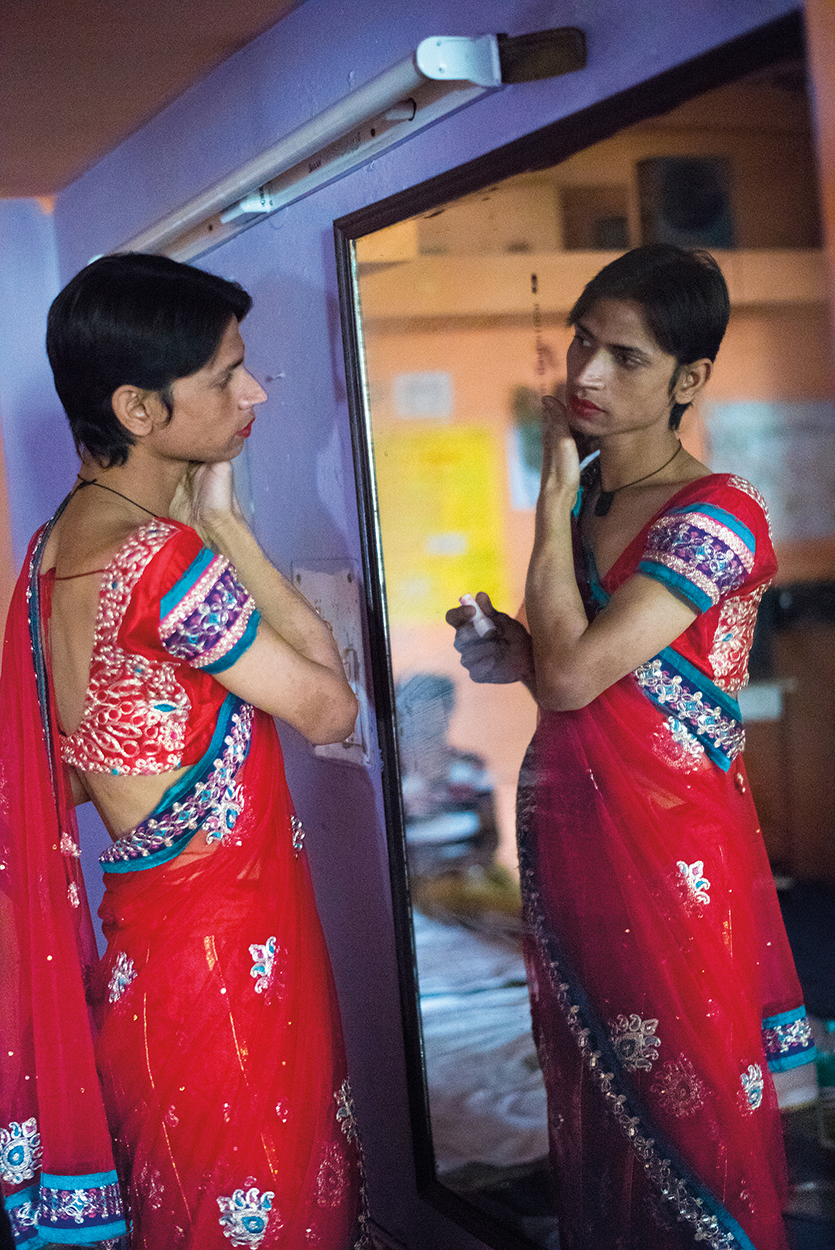
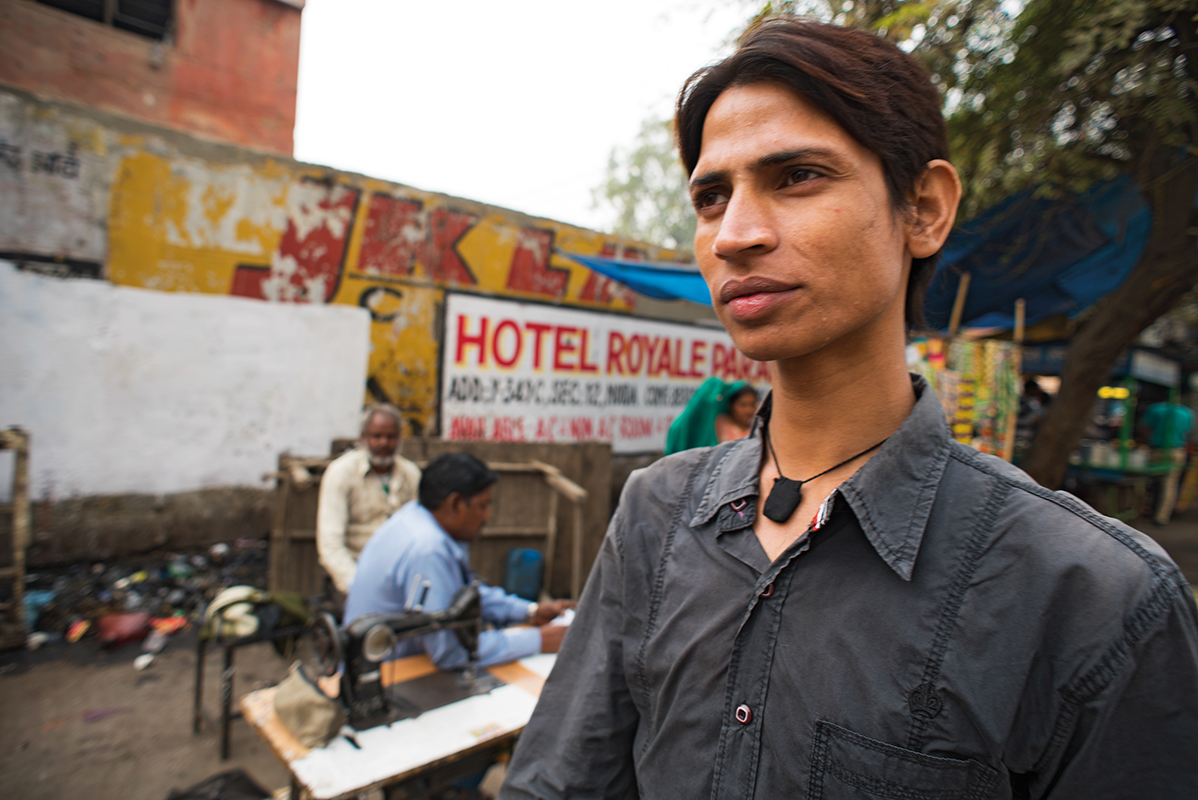
“We didn’t want our pictures to exoticise the subject”, says Charan. “We wanted to portray every-day life. At first glance this situation is terrible, but despite everything there are loads of people just living their lives normally. These people have managed to negotiate day to day life.”
“Managing to negotiate” is a part of life for many queer people living in India today. The stories in the book are those of marginalisation: people being asked to leave their family homes, bullied at school and attempting suicide are alarmingly commonplace. It took years to build the relationships that make this book so intimate, allowing otherwise unheard stories to be retold.
Take the experiences of Jatin, a gay man who would often cruise in parks to find sexual partners, who is now married with two daughters.
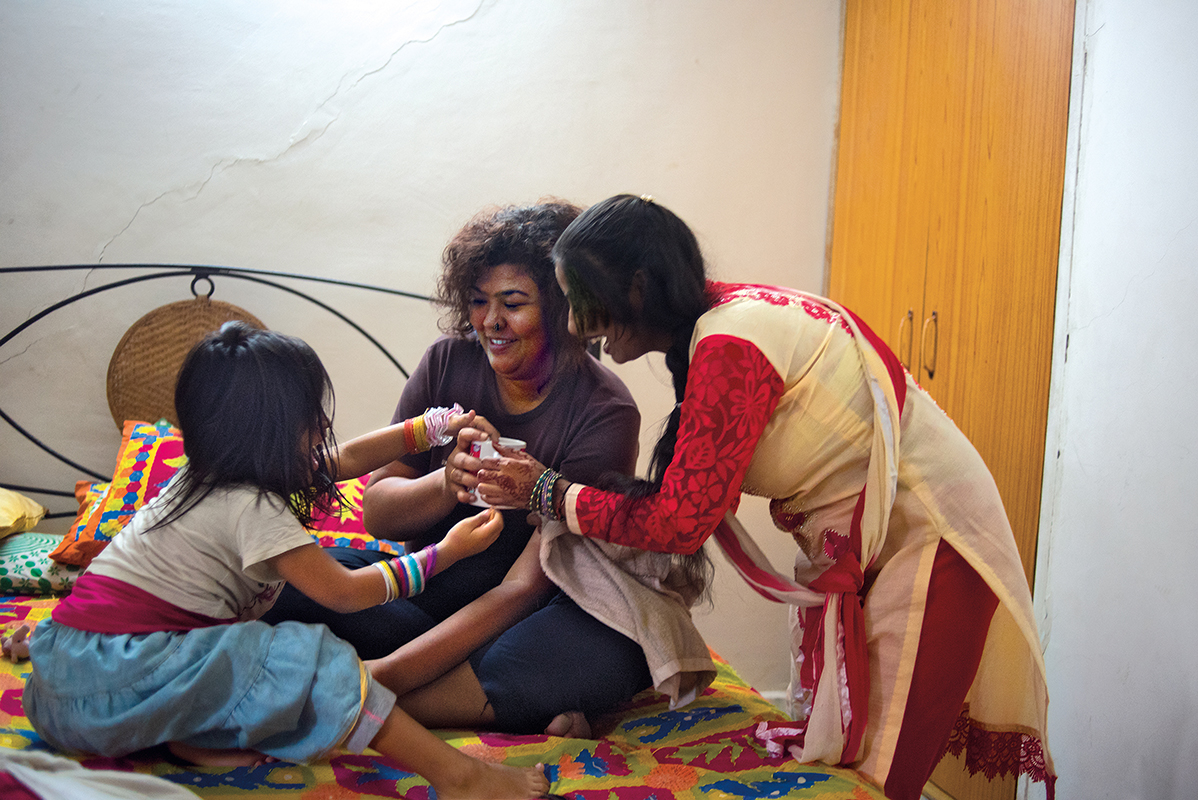
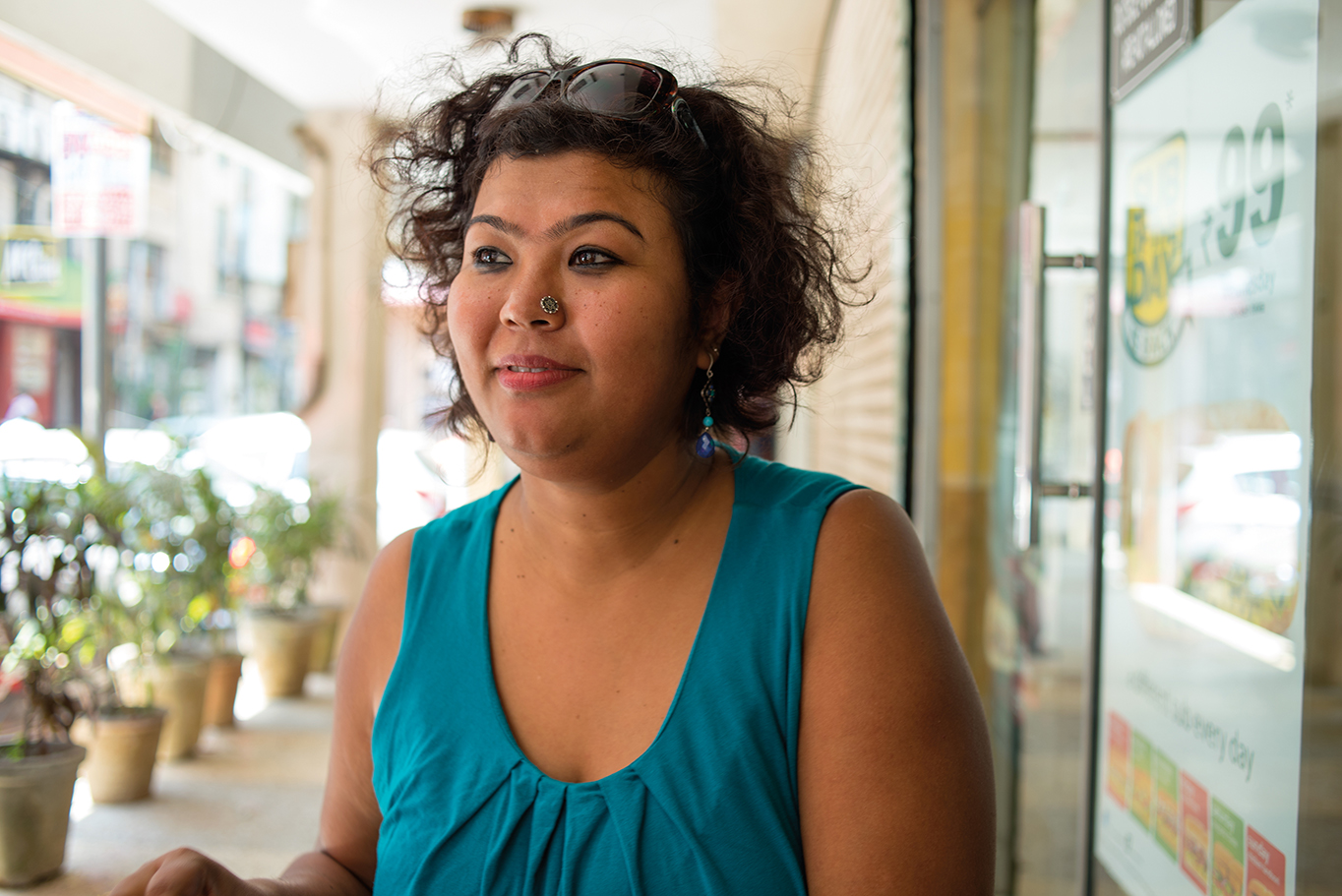
“It’s a difficult situation”, he says in the book. “I feel stuck with my marriage, but I do feel that I must sacrifice my desires and protect my family. I should change. There is no other way”. Jatin adds that if the law had allowed him to be free, he would never have married a woman. It’s a negotiation of his surroundings rather than liberation.
Many of the stories are of those who have been unable to define their sexuality, adding to the feeling of being outsiders, of being different. Sunil believes this in part is due to the use of restrictive Western gay terminology being applied to an entirely different context.
“When we talk about India we often talk about the English-speaking India”, says Sunil. “India has a colonial legacy of an English-speaking elite. People better off will be English speaking- they will be more able to define their sexuality.”
“Identity choice becomes unavailable for worse off people. They just don’t know the words to express what they feel or what their sexuality is.”
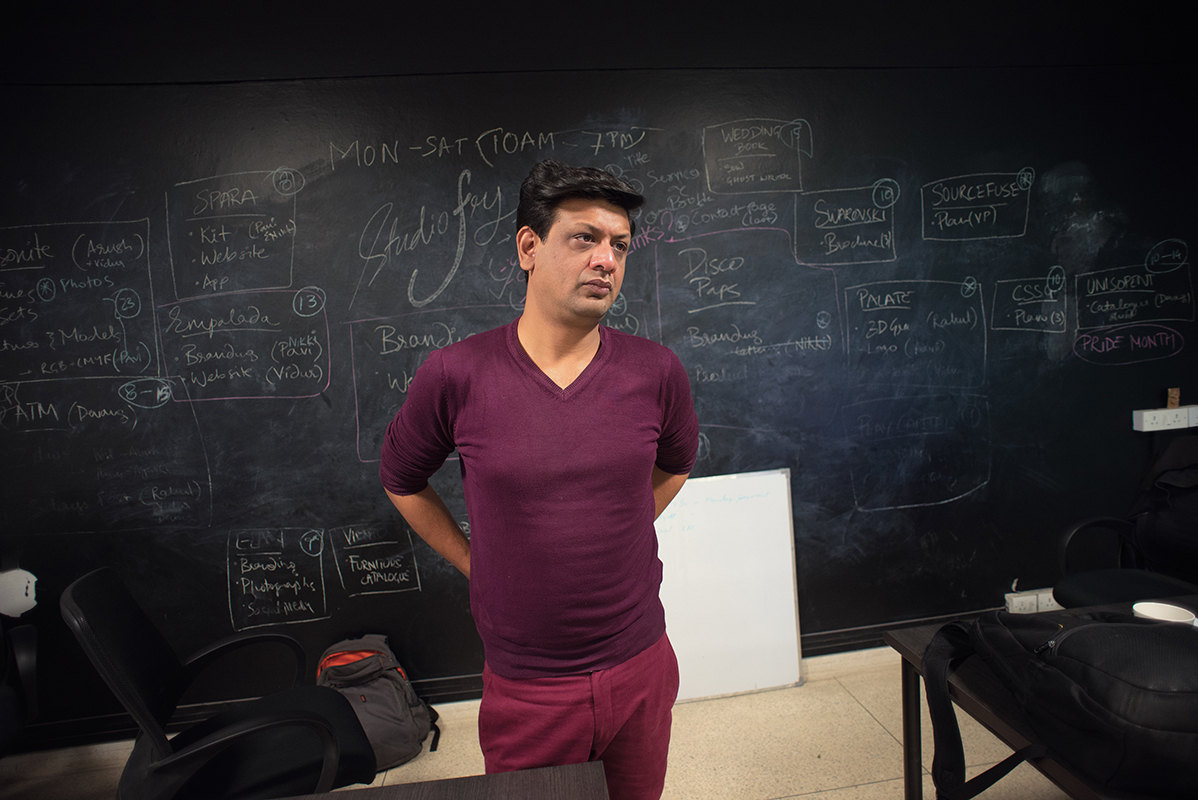
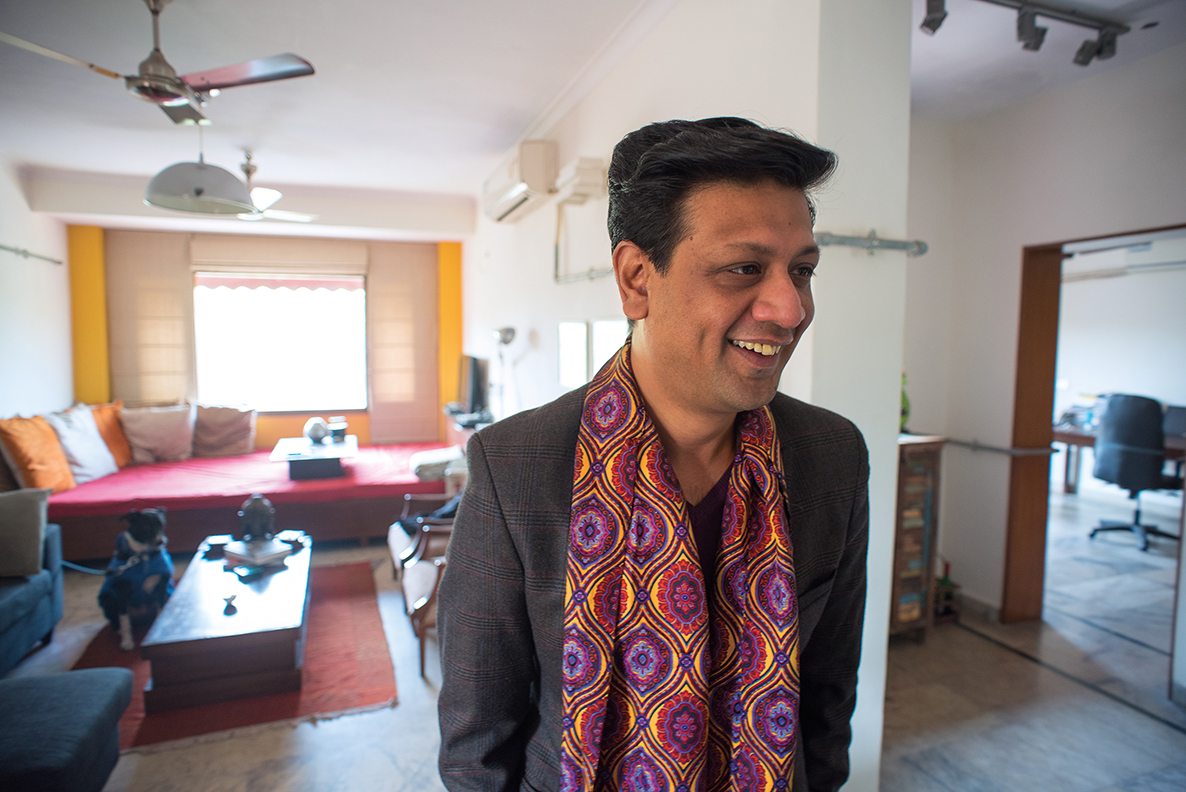
It’s not just the language used to talk about LGBTQI issues that’s English, same-sex sexual relationships were criminalised in India in 1860, just two years after British colonial rule began. While a 2009 Delhi High Court ruling found that the outlawing of consensual sexual relations between those of the same gender was in violation of fundamental rights provided by the Indian Constitution, it’s a ruling that’s been fought at every turn. Currently same-sex relationships remain illegal.
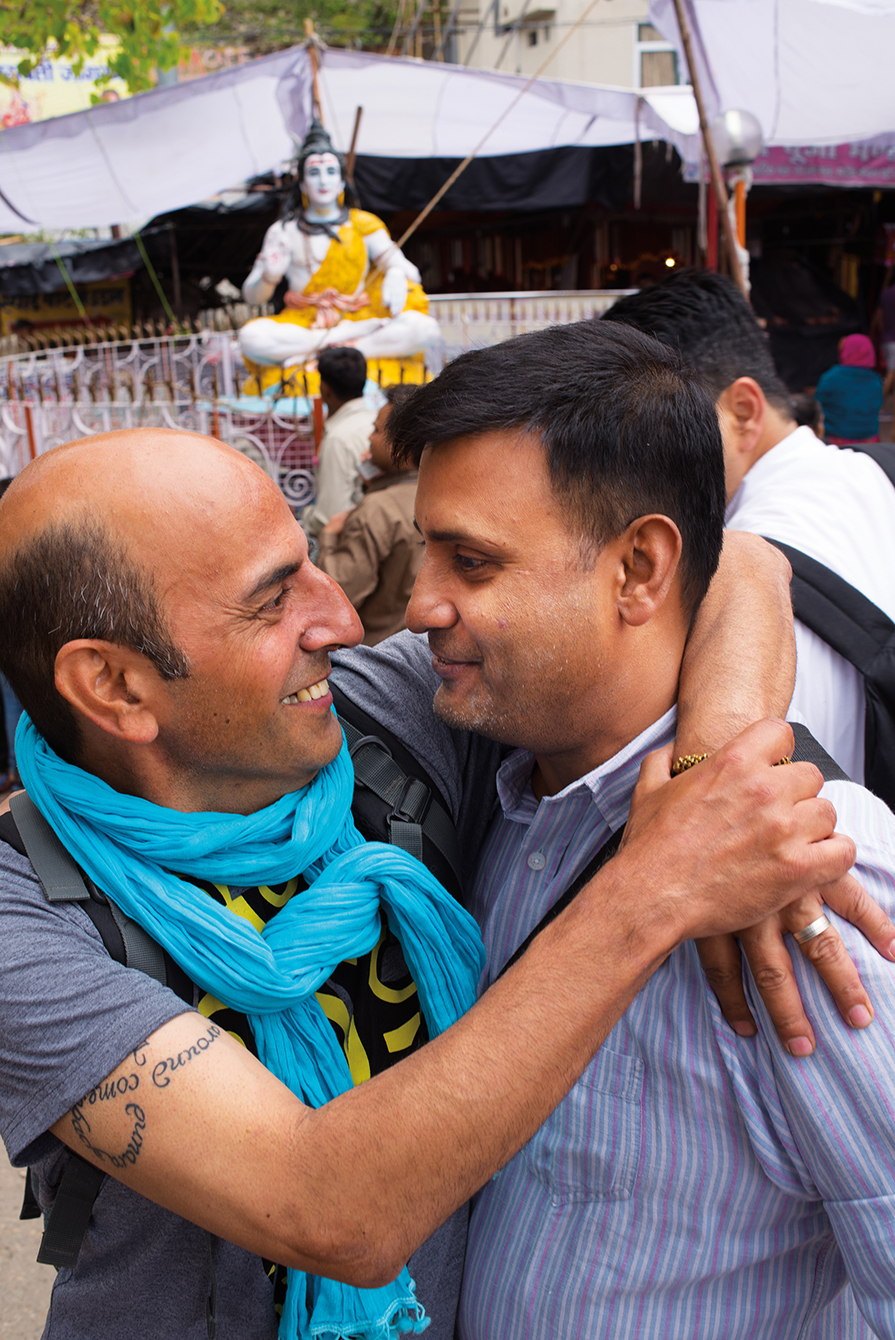
Another character in the book, Chapal, speaks of his inability to classify his sexual preferences. “I had a lot of sex with my cousins, between men, but they were straight on the surface and no one spoke about it. It was something that you grew out of…I knew the words for [being gay], but there was no information, only books and school friends experimenting with masturbation.”
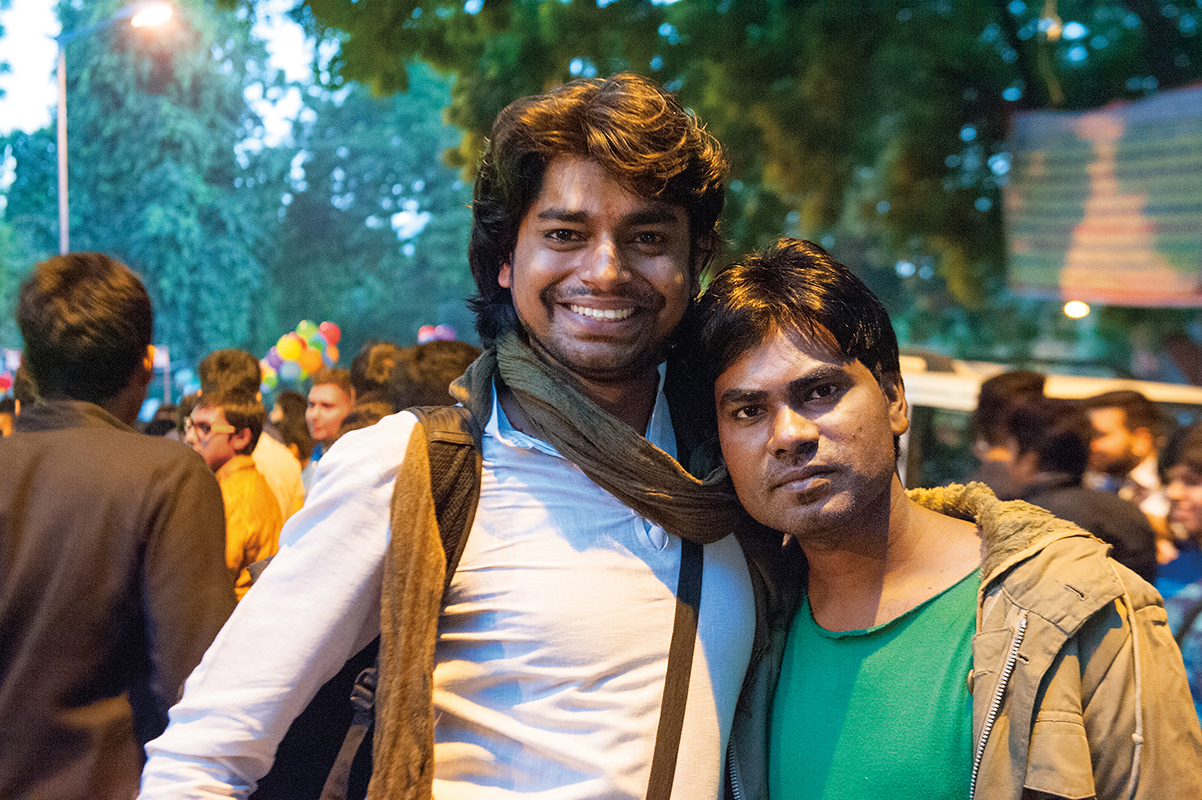
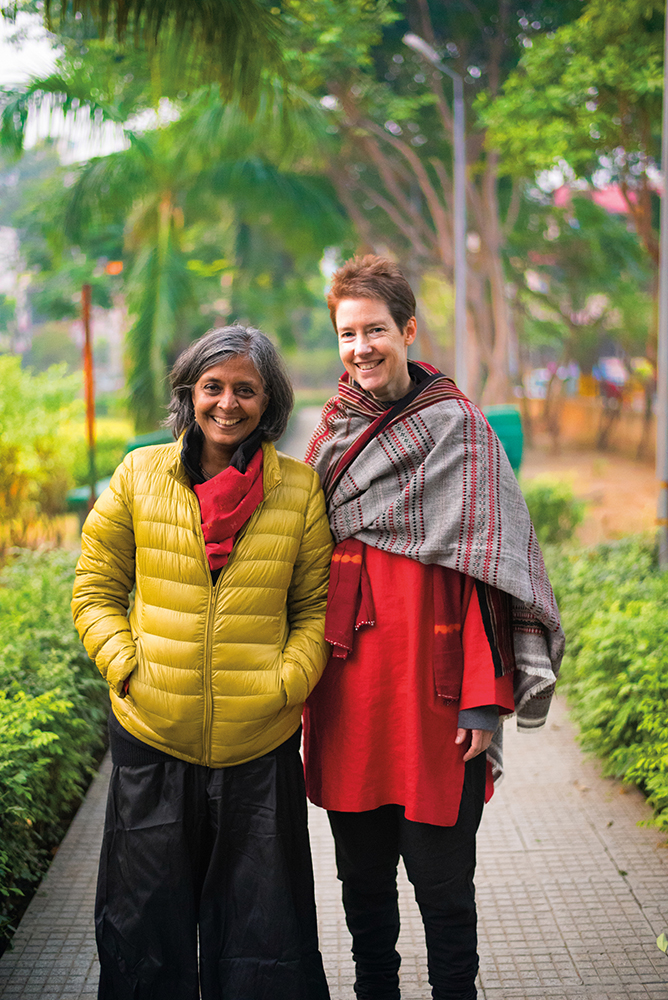
However, all the people the pair photographed have formed close ties within their own communities, and the struggle for LGBTQI rights continues. Student campuses, community centres tasked with combatting HIV, activist and voluntary groups provide spaces where members of the queer community can meet, share their experiences and take stock. “We found that people start to spill over into other people’s stories, they start to cross boundaries of class structure”, says Sunil.
“This is a common experience of people who feel differently, who only start to feel better when they are with like-minded people.”
Grab a copy of Delhi: Communities of Belonging.
Enjoyed this article? Like Huck on Facebook or follow us on Twitter.
You might like

Jesse Glazzard’s messy portrait of queer friends, lovers and chosen family
The Sound of Dirt and Beauty — The photographer’s debut monograph explores tender, unpolished moments shaped by the people who he surrounds himself with, while offering a window into the UK’s working-class LGBTQ+ community.
Written by: Sunny Sunday

Behind the curtain at Alternative Miss World 1981
Olympia glamour — Running a subversive take on the traditional beauty pageant, the Andrew Logan organised event prioritised underground creativity and invention. Photographer David Corio went behind the scenes at its biggest edition.
Written by: Miss Rosen

New exhibition highlights British radical living over 200 years
Earthly Paradise — Taking place at the William Morris Gallery, it explores the homes and lives of artists, writers, musicians and more, as well as the conditions that allowed them to thrive.
Written by: Isaac Muk

What life on the Strait of Hormuz is really like
Southern Winds — Bandar Abbas based photographer Morteza Niknahad has been capturing the diverse communities and stories of his local region since he first picked up a camera. His new series highlights the human impact of war.
Written by: Isaac Muk

Nick Haymes’s intimate portrait of his family’s life
Chronograph — Over 25 years, the photographer documented his son’s lives as they grew into adults. The resulting photobook is an exploration of the passage of time, as well as the optimism of youth.
Written by: Miss Rosen

Kristina Rozhkova’s scatty, confronting portrait of captivity
Gut Feeling — The Russian artist’s 2024 arrest and subsequent detention opened her eye towards the omnipresent dynamics of power and control. Her new photobook is a stark exploration of being trapped.
Written by: Isaac Muk


