Inside a juvenile delinquent facility for girls
- Text by Miss Rosen
- Photography by Lilla Szasz

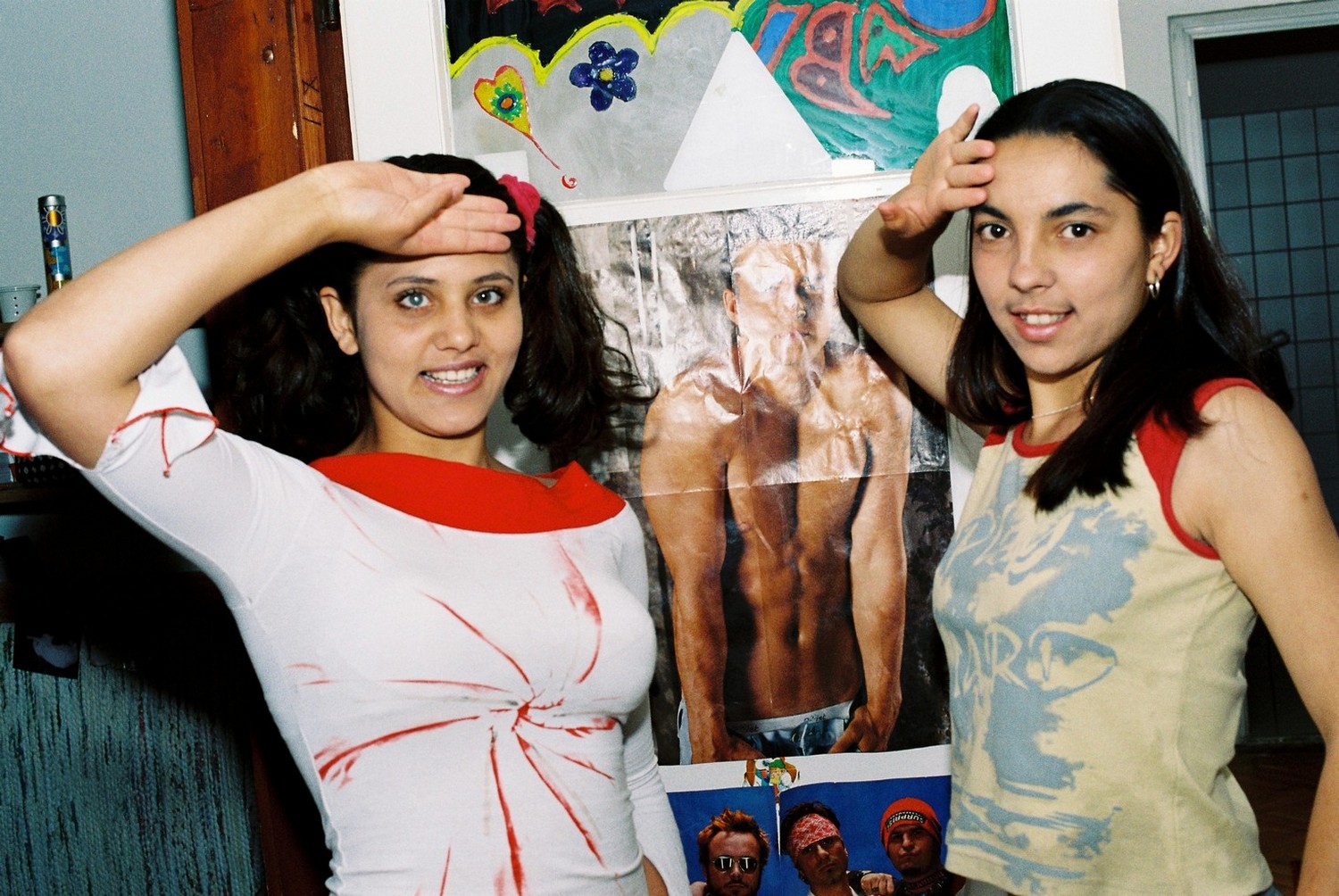
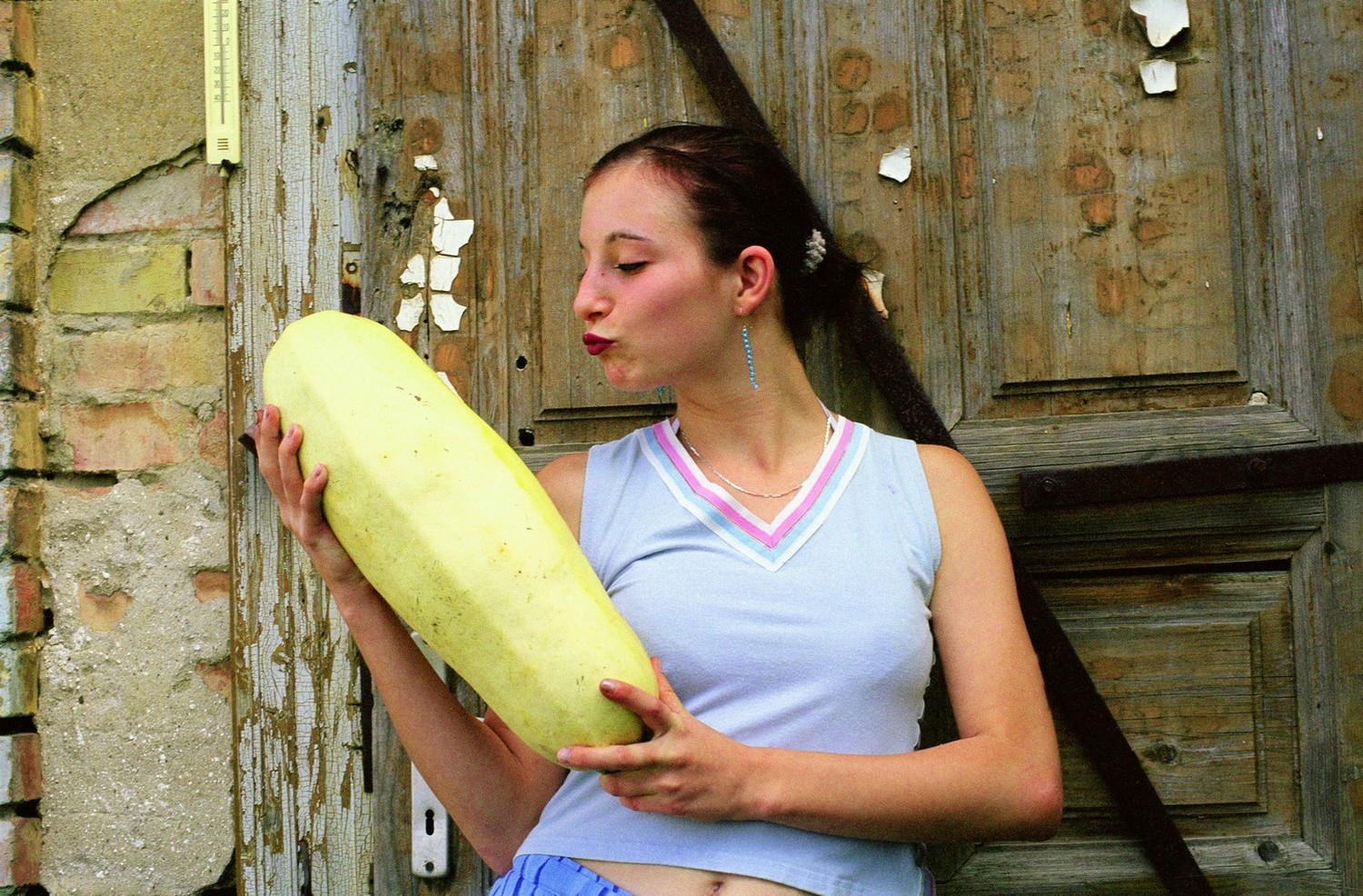
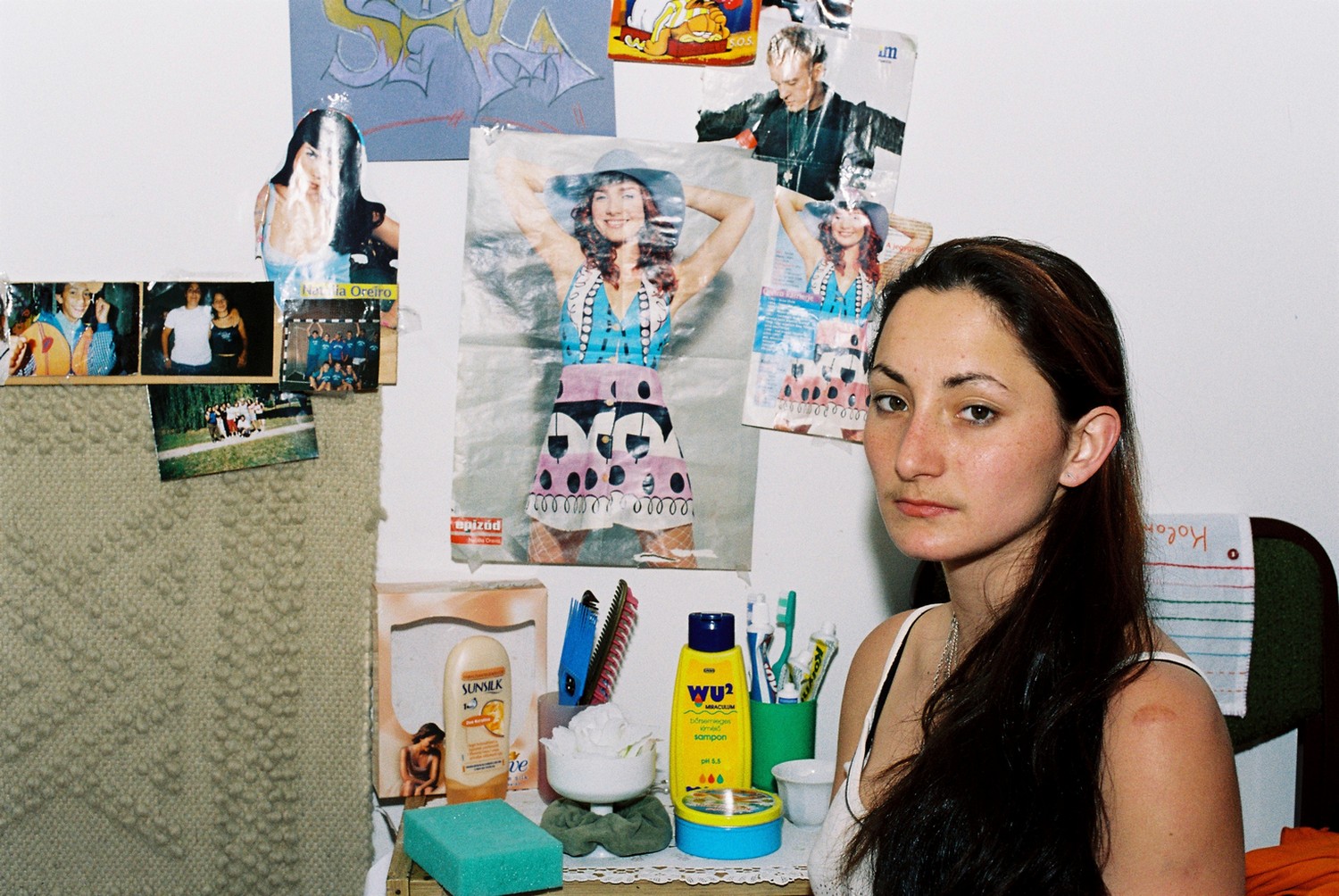
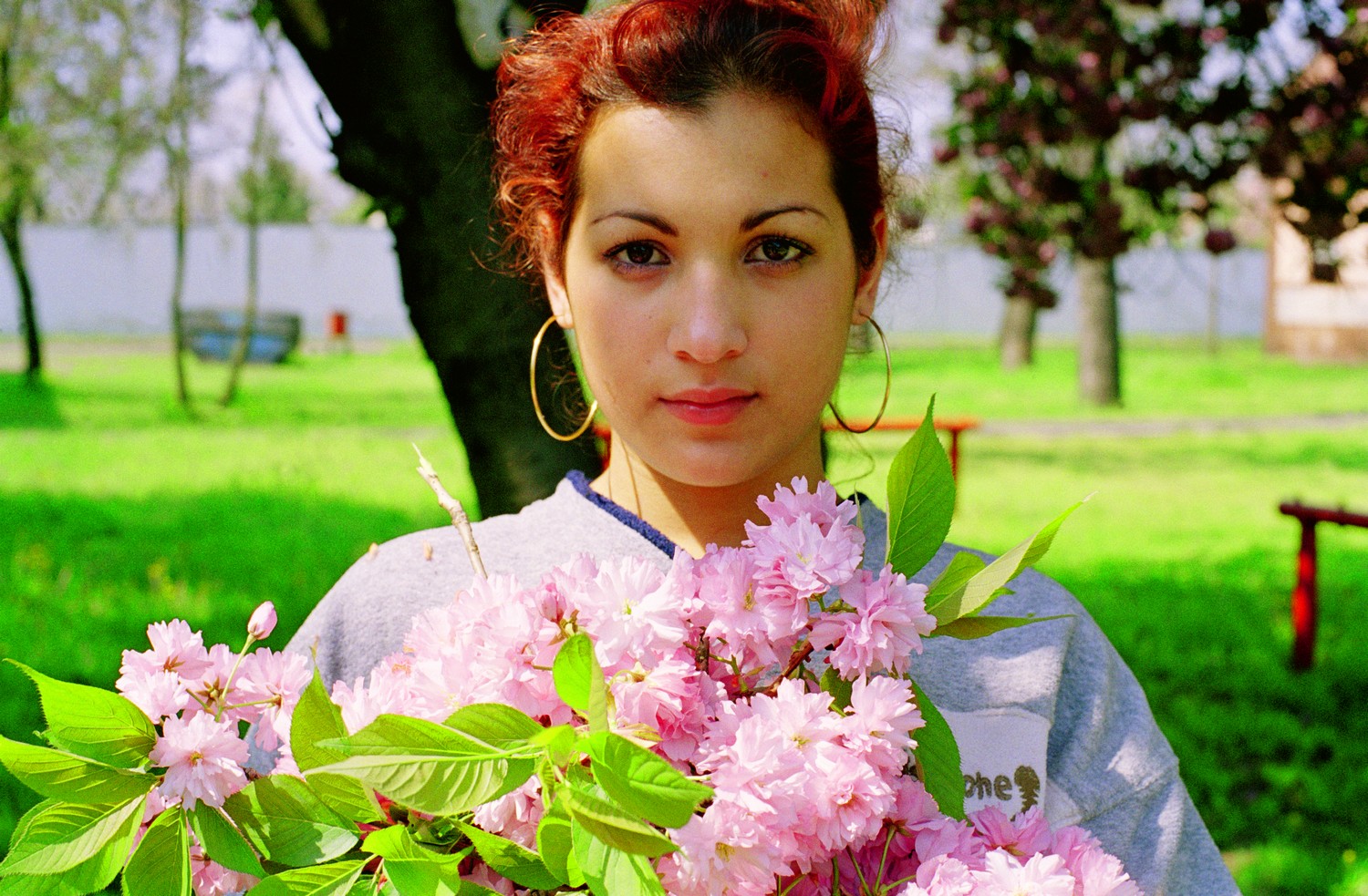
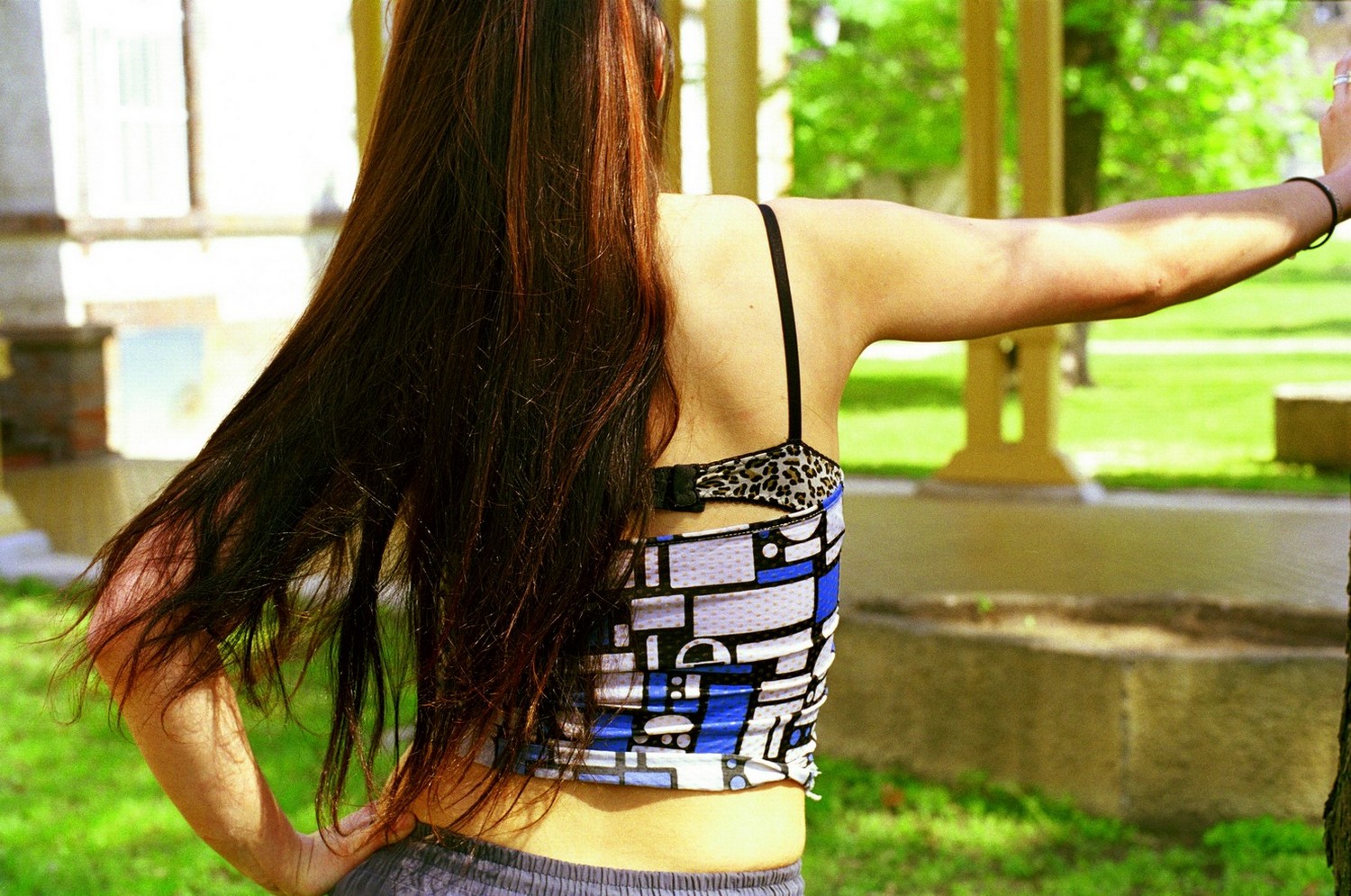
When we think of juvenile delinquency, we usually imagine teenage boys taking out their rage on the world. But what of the girls who have turned to crime: the teen who stabs her father to death? The thief, the prostitute, or the burglar? Hungarian photographer Lilla Szasz sought them out for her series, Daughters, a portrait of teens aged 14-18 living in one of Budapest’s oldest correctional institutions.
“I was working on a larger project on women living in public shelters observing how they live together as a community in different stages of their lives,” Szasz recalls. “In 2005 I was invited to participate in a group exhibition examining the female identity, exploring issues, and bringing to bring to light questions that are as yet unanswered. The organisers asked me to make new work for the show, so I paged through the phone register looking for an idea. This is how I discovered the correctional facility. I was curious and contacted them.”
Built in 1890, the institution was then home to 60 teen girls, each living there for two years on average. It acted as a halfway house, providing care for girls awaiting trial, released from prison, or removed from children’s homes.
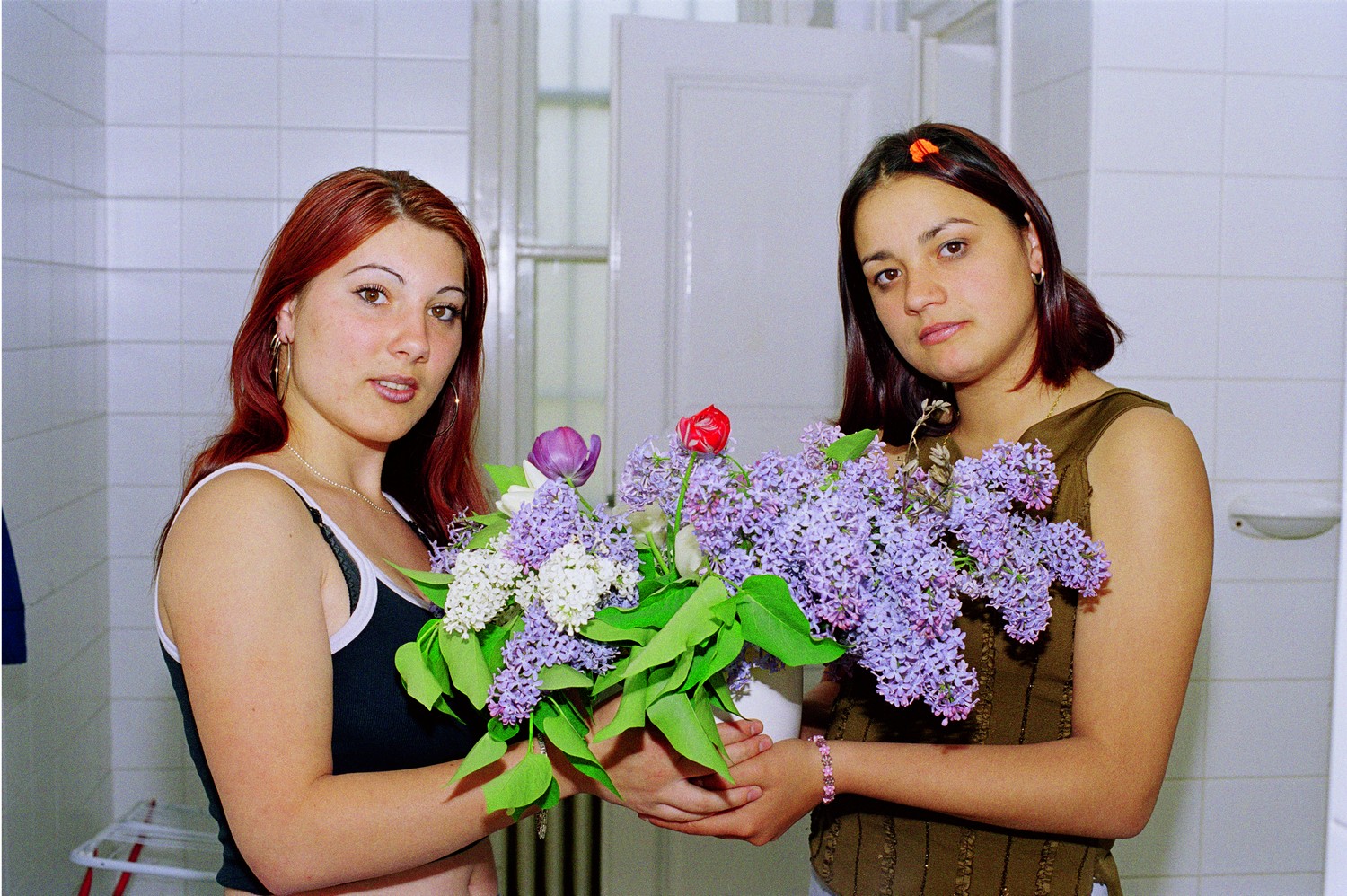
“Most of the girls suffered from a trauma that had defined their lives at an early age, affecting their socialisation, their psychological state, and their behaviour. In many cases, these children knew exactly how to burgle a house but they had no idea how to make a simple scrambled egg or cut a loaf of bread,” Szasz explains. “The institution aimed to help them to process this trauma, to lead the way back to life.”
When the girls were not doing chores, schoolwork, sports, or therapy, they were regular teenage girls, listening to music, sharing stories and fantasies, quarrelling amongst themselves, or dreaming of the free day each month when they were allowed to go into the city. But leaving the premises was not always a good thing. “In some cases, they never returned,” Szasz remembers. “Others had to be taken back by the police, sometimes drugged.”
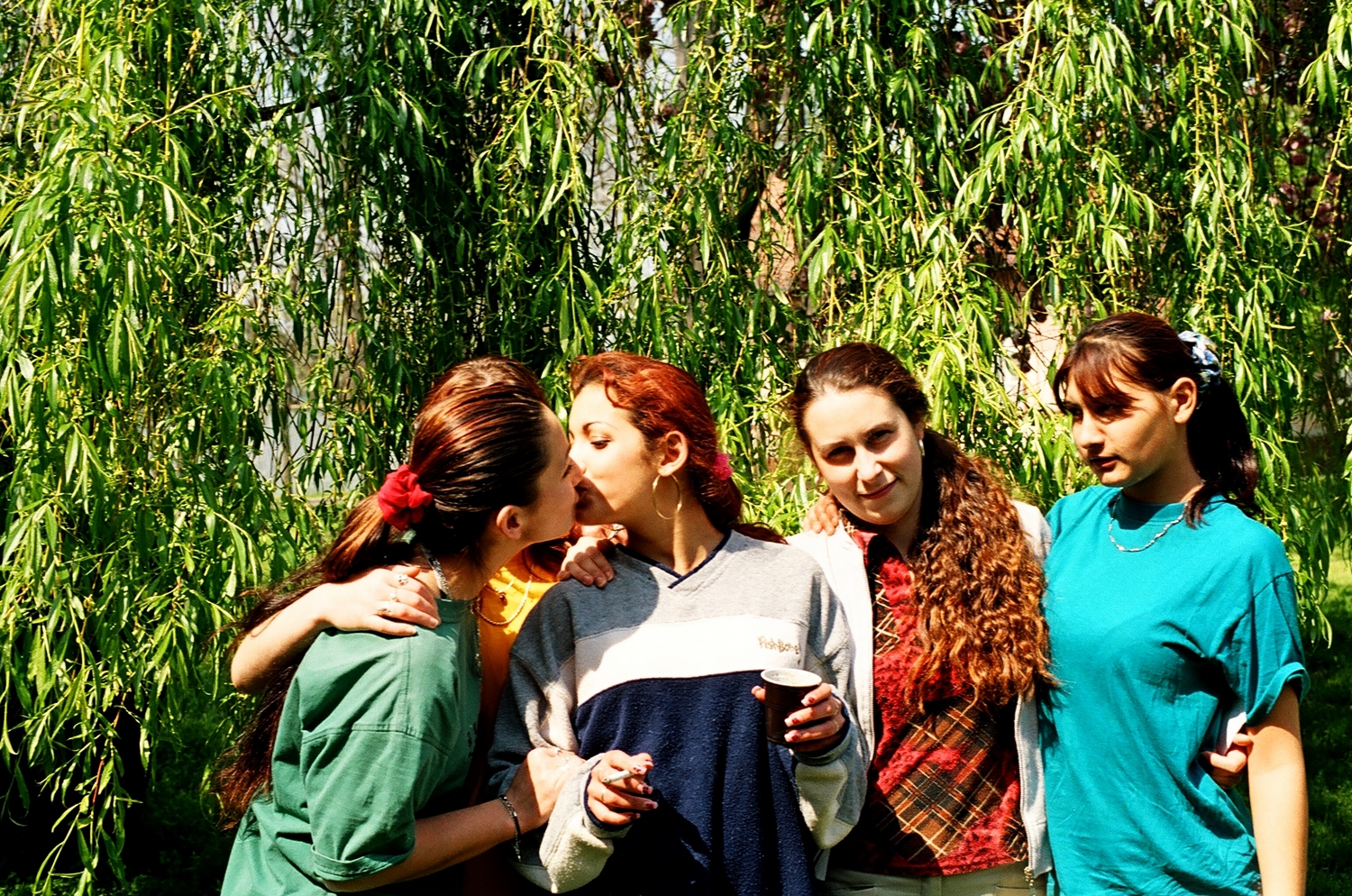
Given the heaviness of their young lives, Szasz decided not to focus on their tragedies. Instead, she gave them the gift of personal empowerment and creativity, tapping into their sources of happiness despite their circumstances. “I was drawn to their very impulsive behaviour, their wild and raw beauty, and how they tried to look like their idols in the posters above their beds. I loved watching them as they acted like their dreams,” Szasz reveals.
“This gave me the idea of asking what ‘beauty’ meant to them and how they would like to be photographed. They loved it. The photos have them the opportunity to safely play and to act out dreams of who they wished to become. They loved to think and organize their ideas. It would be naive to think that my project helped them in long-term but maybe for a short while, they could be beautiful without any risk.”
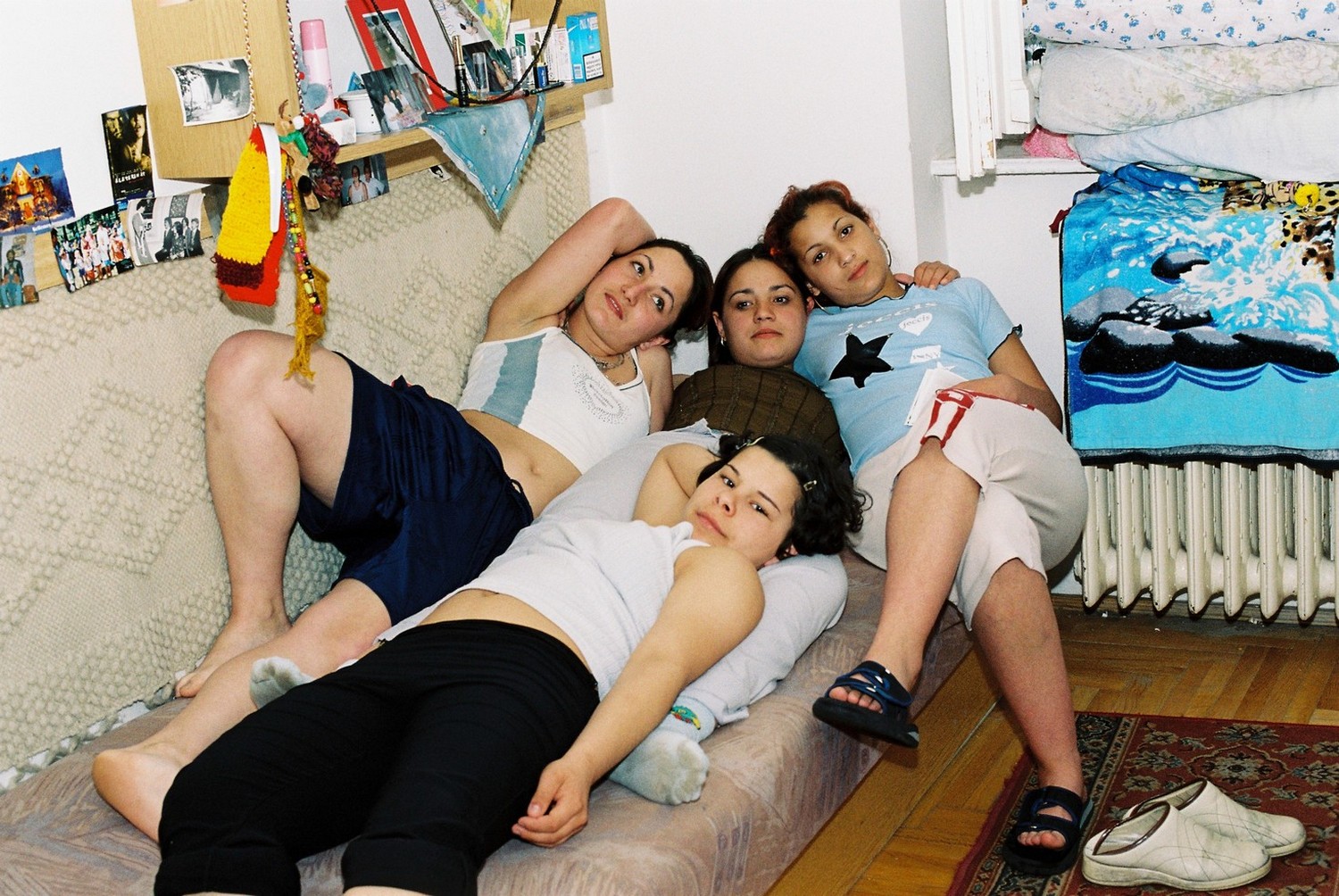
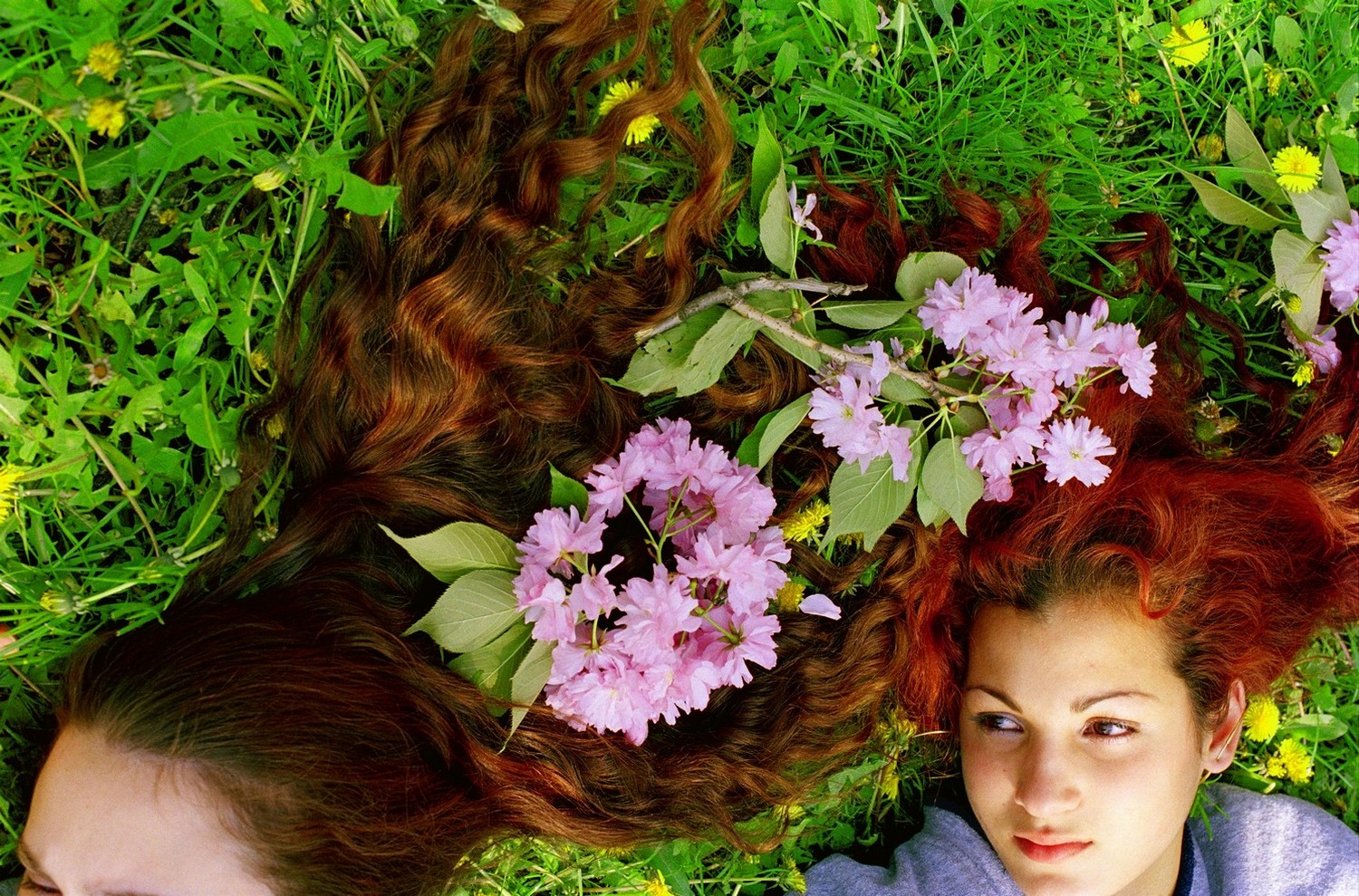
See more of Lilla Szasz’s work on her official website.
Follow Miss Rosen on Twitter.
Enjoyed this article? Like Huck on Facebook or follow us on Twitter.
You might like

The art of paying attention: How Austria’s Alps reward slowing down
Lebensgefühl — With a growing movement of art and music rooted in the area’s mountains, trees and waterfalls, the region is showcasing the importance of the human relationship to nature.
Written by: Sophie Lou Wilson

Grainy, yearning memories of Europe’s ’90s free rave heyday
Never Alone — A new photobook from Cheyenne Clementi and Valentina Morandi presents pictures they made over seven years while touring the continent as part of the Tekno Mobil Squad soundsystem crew. It archives parties, people and a lifestyle largely consigned to the past.
Written by: Isaac Muk

Queer resistance & sun-soaked solidarity at the world’s largest trans pride march
Our Future, Our Fight — Over the weekend, over 150,000 people marched at the London Trans+ Pride, with the parade ending at Trafalgar Square for the first time in history.
Written by: Ella Glossop

In photos: Black Texas life since emancipation
Kinship & Community — A new photobook and exhibition showcases the rich culture, history and community of African American folks in the Lone Star State, whose existence in the region predates colonial Britain.
Written by: Miss Rosen

Youthful joy & end-of-era poignancy at a London school prom
Leavers — For several years, Lewis Khan documented young people as they celebrated the last of their school days and the completion of their exams. The series is now collated in a new self-published photobook and short film.
Written by: Zoe Whitfield

Harry Gruyaert’s vintage, kaleidoscopic scenes of New York
A Sense of Place — For 50 years, the Belgian photographer and Magnum Photos member has been capturing NYC’s colourful chaos. A new photobook and exhibition showcase his unique, technicolour view of the city.
Written by: Miss Rosen


