The insurgency of Californian youth captured on film
- Text by Spot
- Photography by Spot, Alex Marks (portrait)

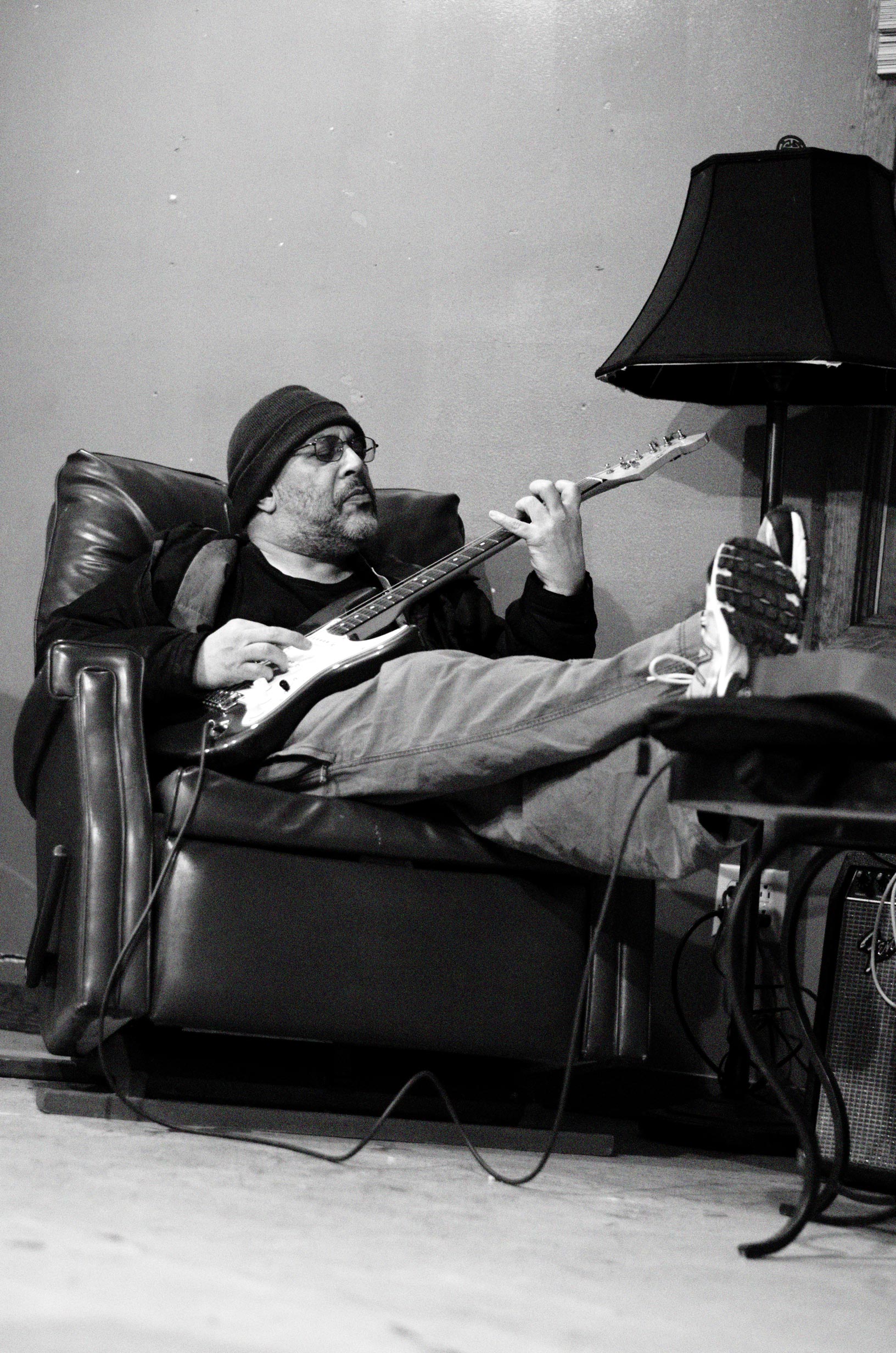
Spot
I got my first guitar the winter the Beatles started taking over the pop charts. It was pretty good timing because the early ’60s were rife with energetic music that gave budding guitar-slingers tons of material upon which to cut their teeth and, by the mid-’60s garage and psychedelic explosion, there was a lot of melodic adventure as well. In the latter half of the decade I was pickin’ pretty good and by the early ’70s I’d crossed into the world of gigging musicians and was beginning to make some headway. But to play original music and survive? Forget it. Sure, I was writing intricate compositions and had almost aced auditions with some big-name artists but there was the reality of making a living and, with no fanfare whatsoever, there were Top 40 bar gigs where a drink tab and a (usually) meagre wad of money made the requests for ‘Proud Mary’ and ‘Evil Ways’ a little more bearable. It wasn’t all bad. Some of it was wretched. At best, I played with good musicians who likewise chalked it up to ‘payin’ dues’. 
With dedication comes knowledge and a sense of self-awareness that, all too often, takes unsuspecting journeymen down artificially lit paths where one must acknowledge one’s own talent and evaluate it against the talents of others. When striving to be professional it has to be done with a clear head and, hopefully, the muses are kind. My relentless hours of practise were paying off; sophisticated chart-reading and orchestra gigs were coming my way; it rarely made more money than Top 40 but I saw it as a means to an end. But then I developed a cockeyed ritual of purity wherein I would not even touch my own instrument unless I had thoroughly washed my hands since cleanliness kept strings from losing their tone and ‘it improved sustain!’ It was guitar geek fanaticism that mostly alienated people.
Then came the day when I was hired to replace a country band’s guitarist for a weekend – he and his wife, both archery aficionados, needed to shoot in an important tournament. He insisted I spend a couple of days with him to learn the tunes and signature licks. No problem. I freely admitted I didn’t know much about actually playing country music – it’d be a good learning experience. Within a few tunes, however, I realised I was a much better technical player than he was, and didn’t feel the need for his going into depth on some pretty simple progressions. For the most part I kept my mouth shut about it but, yeah, I had copped ‘the attitude’.
The gentleman suffered me graciously but didn’t let up on showing me stuff that I was convinced I already knew. At the end of the second day he was satisfied I could cover the gig without embarrassing anyone. He then gave me a good-humoured pep talk about copping attitude, to which I half listened until he asked to play my precious Strat. I didn’t want to insult the man who was making me money but…
“Well, I, uh, kinda like people to wash their hands before playing any of my instruments. I mean, I do the same myself when I play.”
“Oh, c’mon,” he drawled. “I ain’t been eatin’ fried chicken or nothin’. I ain’t gonna hurt it.” 
To save face, I grinned, “Oh, I guess it’s okay,” and handed my precious over. For about five minutes he picked some smooth, sweet, ear-opening chords and phrases that were beyond the technical realm; they came from someplace deep inside him that made his good-ol’-boyness dissipate, and made me not care what Chet Atkins or Peter Green were doing that day. This guy was here now and I was witnessing firsthand who he really was. He was not trying to impress, he was just playing my guitar in a way I had never imagined playing it. When done, he handed it back, the strings and neck oilier than usual, and smiled, “Thank you. I ain’t played a Fender in a long time. You got a really nice one there.” 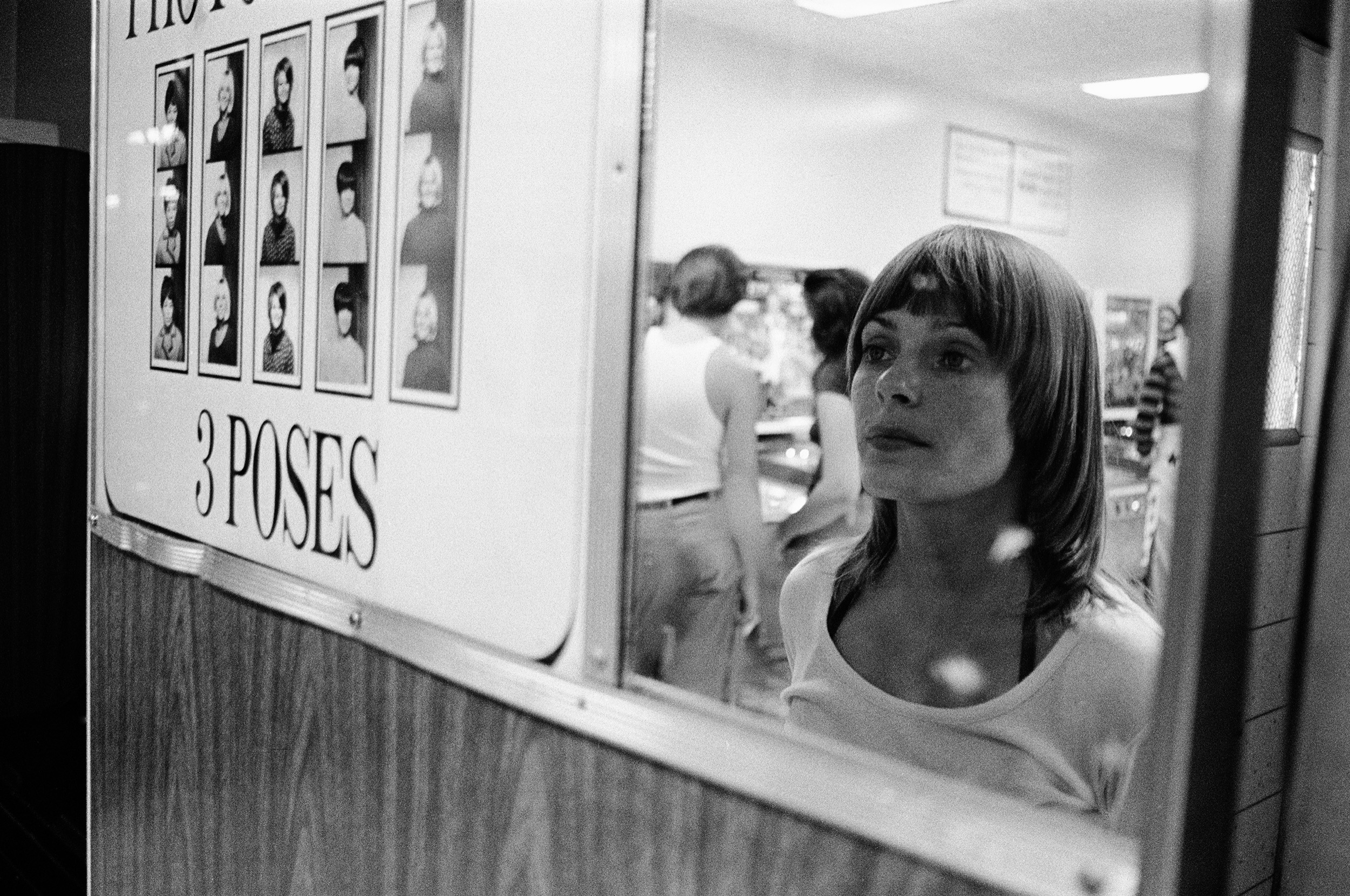
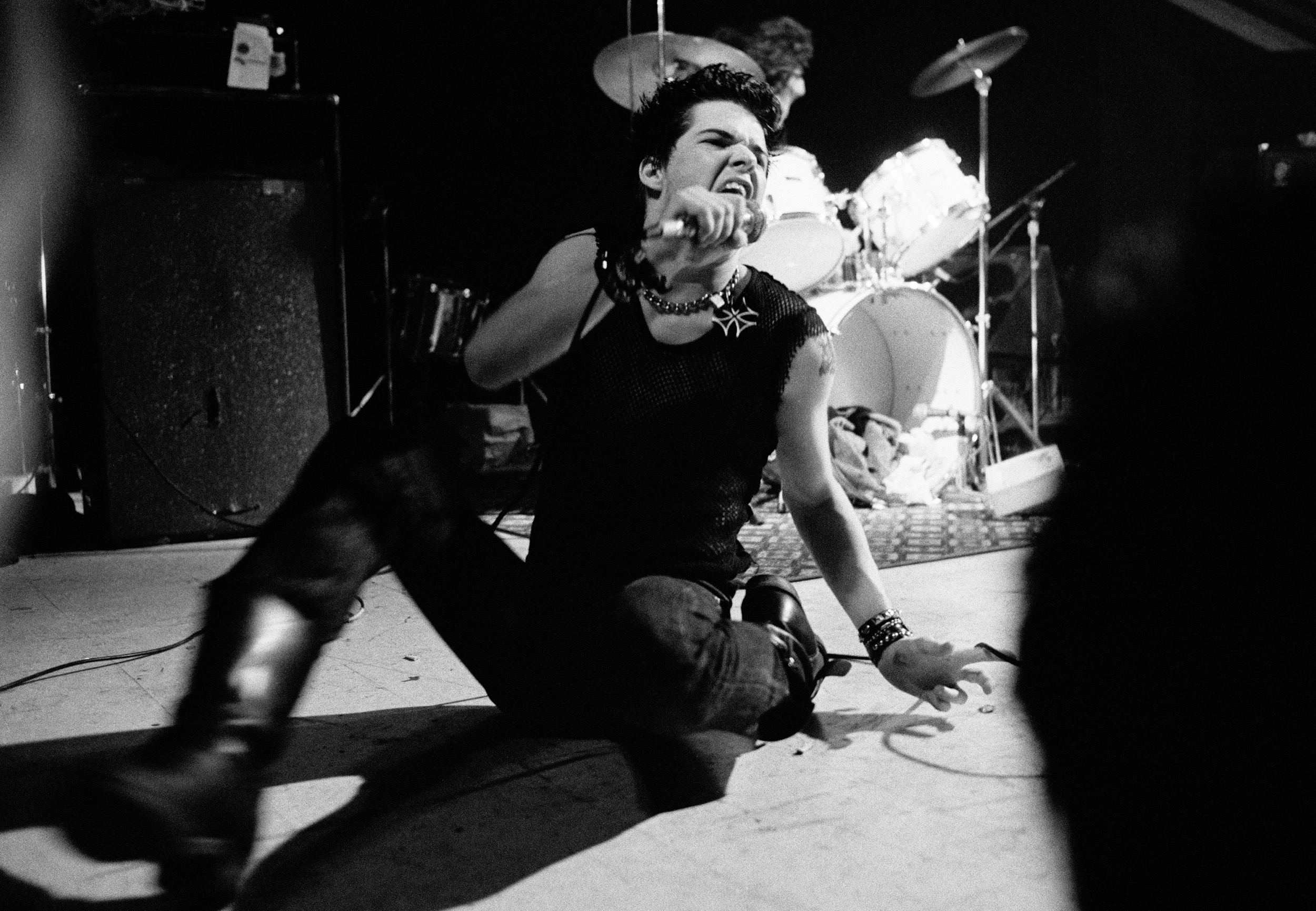 I went into the gig humbled but confident, had a lot of interesting conversations with the band’s friends and, at the end of the second night, a latecomer wanted to show me his guitar. It was an old, red Fender Coronado with clunky flatwound strings and a buildup of corrosion and dirt and, nah, this guy didn’t even try to keep his axe clean. But it had a nice neck with a great, worn-in feeling. Too bad I didn’t have a chance to plug it in. The gig made me a little more money than I was used to but, more importantly, I’d pulled it off and had a helluva lotta fun amongst folks I would normally have not related to. After that weekend I slouched out of my ‘Purity Ethic’ and enjoyed playing a lot more and quit being such a tightass. I always knew that feel was as important as technique but, thanks to a guitarist whose name I don’t remember, I also discovered that no matter how good you are or how much you know, you can always learn something from someone who doesn’t know near as much as you do.
Yeah, buddy. 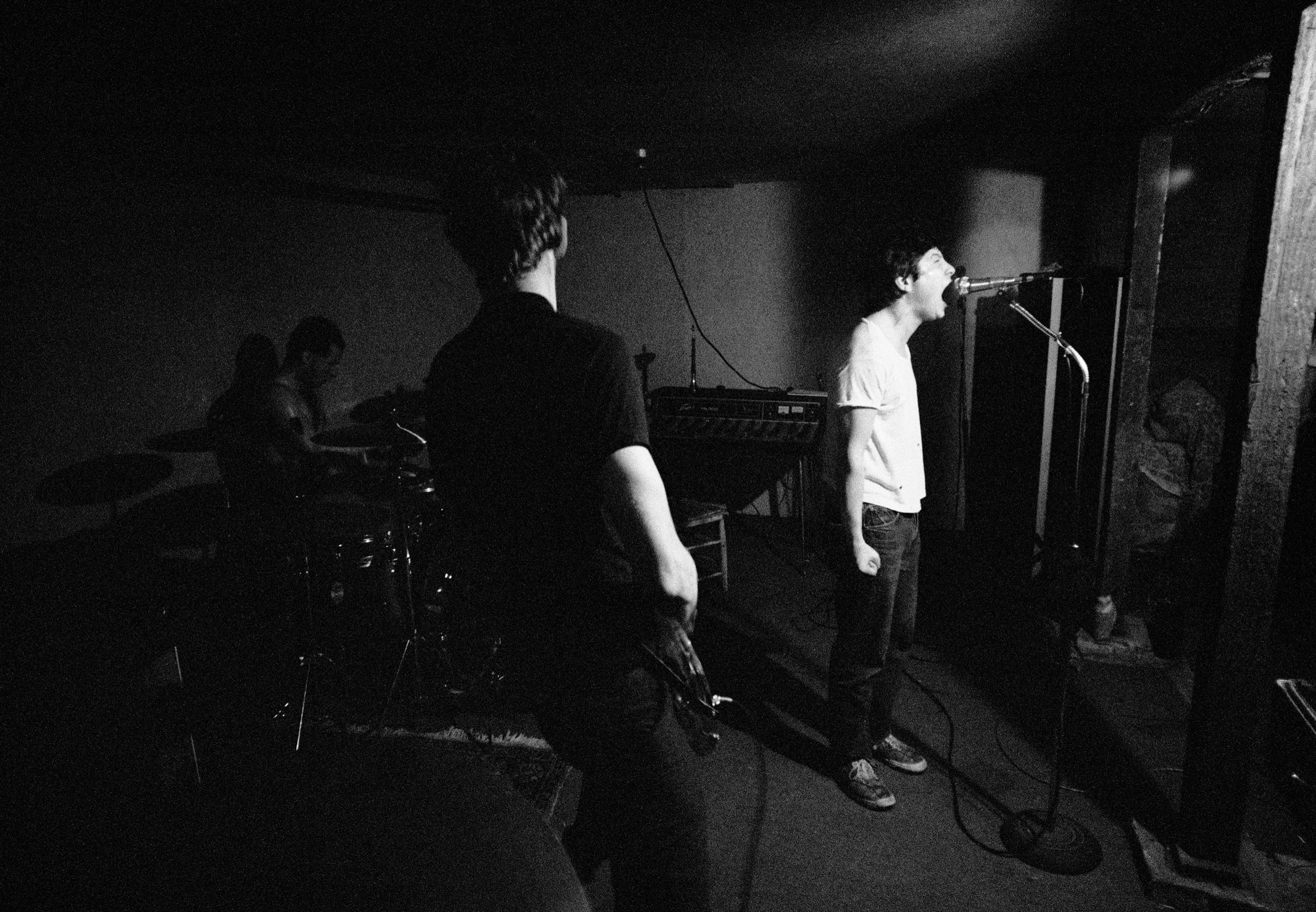
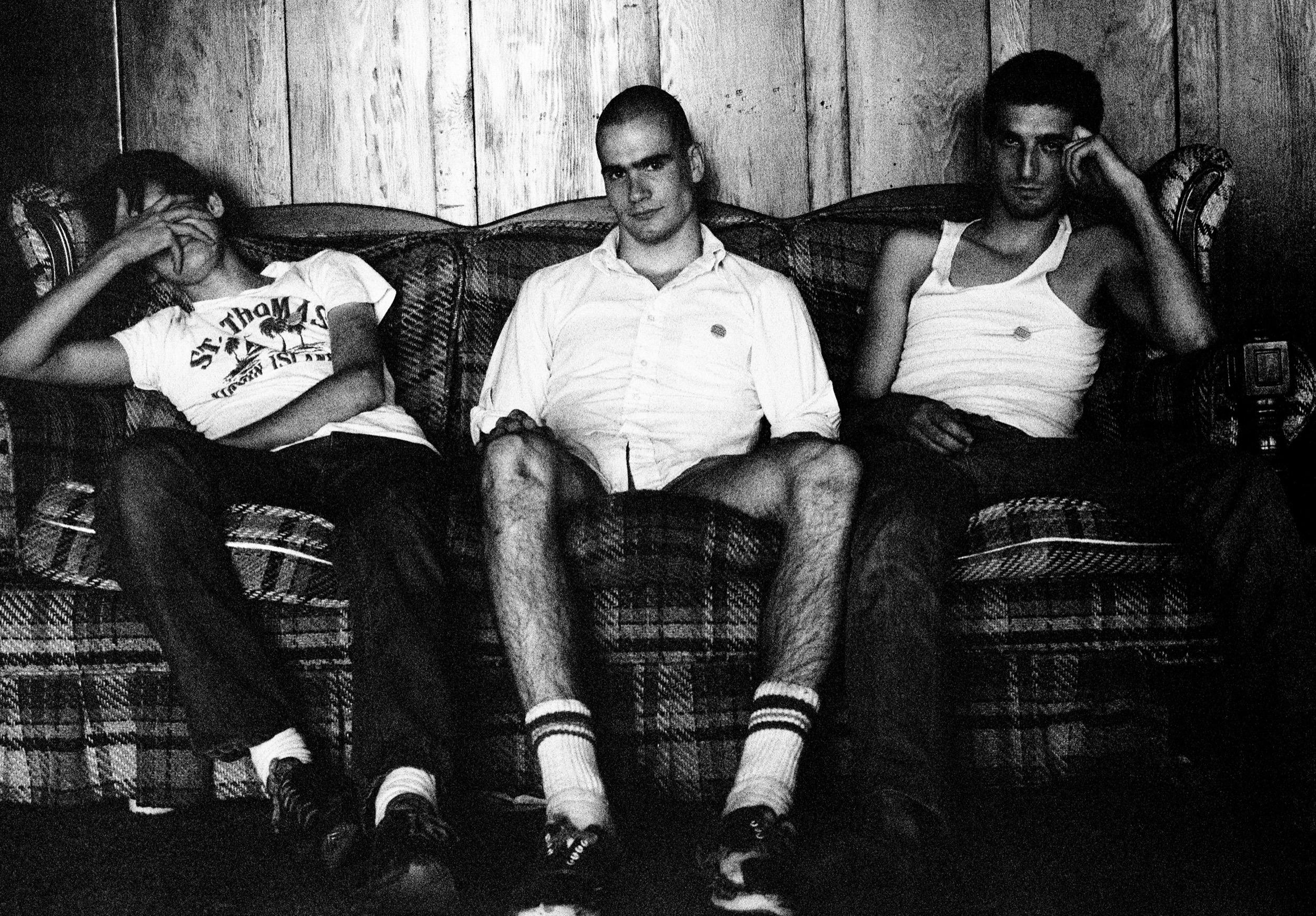
Sounds of Two Eyes Opening is published by Sinecure Books.
This article originally appeared in Huck’s Fiftieth Special, a collection of fifty personal stories from fifty inspiring lives. Grab a copy now to read all fifty stories in full and subscribe to make sure you don’t miss another issue.
Enjoyed this article? Like Huck on Facebook or follow us on Twitter.
You might like

Is Field Maneuvers the most fun time ever? Yes probably
Collective joy — Huck’s art director Samuel White went to the 2026 edition, braving a wet start and interviewing FLINTA* collective and arm wrestling legends Uhaul Dyke Rescue in the process.
Written by: Samuel White

Jesse Glazzard’s messy portrait of queer friends, lovers and chosen family
The Sound of Dirt and Beauty — The photographer’s debut monograph explores tender, unpolished moments shaped by the people who he surrounds himself with, while offering a window into the UK’s working-class LGBTQ+ community.
Written by: Sunny Sunday

Behind the curtain at Alternative Miss World 1981
Olympia glamour — Running a subversive take on the traditional beauty pageant, the Andrew Logan organised event prioritised underground creativity and invention. Photographer David Corio went behind the scenes at its biggest edition.
Written by: Miss Rosen

New exhibition highlights British radical living over 200 years
Earthly Paradise — Taking place at the William Morris Gallery, it explores the homes and lives of artists, writers, musicians and more, as well as the conditions that allowed them to thrive.
Written by: Isaac Muk

What life on the Strait of Hormuz is really like
Southern Winds — Bandar Abbas based photographer Morteza Niknahad has been capturing the diverse communities and stories of his local region since he first picked up a camera. His new series highlights the human impact of war.
Written by: Isaac Muk

Green Man is more than a music festival
Planting roots — For nearly a quarter century, the fiercely independent weekender has been flying the flag for Welsh arts and music. As an ecosystem now bubbles around it, Anna Stafford meets the people who keep the fire burning.
Written by: Anna Stafford


