Joyful photos of London youth culture in the 50s and 60s
- Text by Miss Rosen
- Photography by Roger Mayne

Strolling through North West London one weekend in 1956, British photographer Roger Mayne (1929–2014) happened upon Southam Street in the neighbourhood now known as Notting Hill. Captivated by the locals who had turned the street into their playground, Mayne found what he had been searching for – a community he could chronicle for the sheer joy of making art.
That same year, Mayne had solo exhibitions at London’s Institute of Contemporary Art and the George Eastman House in Rochester, New York, and knew he needed a meaningful personal project to balance his professional ambitions.
Over the next five years, Mayne created a captivating chronicle of working class youth culture around Southam Street, his work becoming the definitive document of the nation’s first generation of teenagers. Novelist Colin McInness invited Mayne to contribute an image from the collection for the cover of his 1959 coming-of-age novel, Absolute Beginners, cementing the photographer’s place in British cultural history.

Teddy Girls, Battersea Fun Fair, 1956.

Teddy Boy and Girl, Petticoat Lane, London, 1956.

Girl Jiving, Southam Street, North Kensington, London, 1957.
In 1969, Southham Street was largely demolished during the city’s urban renewal campaign, leaving Mayne’s photographs of the era all that remain. A new exhibition – Roger Mayne: What he saved for his family, at Gitterman Gallery in New York – revisits this landmark body of documentary work.
The work on view comes from a conversation gallerist Tom Gitterman had with Mayne when he began representing the photographer in 2005. Looking through Mayne’s archive, Gitterman quickly realised that there were very few full sized prints left of his key images.
“I suggested to Roger that we set aside some for his family,” Gitterman remembers. “This box became known as ‘Ann’s Box’ and was passed to his wife after his death, and then to his children after her death.”
For the exhibition, Gitterman drew prints from ‘Ann’s Box,’ bringing together vintage prints that capture scenes of vibrant street life. Teddy boys and girls, decked out in their Edwardian best, pose with the perfect blend of glamour and insouciance while younger children lose themselves in the thrills of street sports.

Goalie, Brindley Road, Paddington, London, 1956.

Brindley Road, Paddington, London, 1956.
“Roger was a quiet man with a glint in his eyes,” Gitterman says. “His memory of his work was remarkable. Because he lived in the neighbourhood, he saw many of his subjects frequently and they trusted him. The candid nature of his images comes out of his inherent honesty and decency.”
Mayne used photography to build connections and explore the world in which he lived, while simultaneously preserving it for posterity. “He knew that with the modernisation of working class neighbourhoods after the war, life in the streets would change,” says Gitterman.
As a contemporary of artists from the St. Ives School including Roger Hilton, Terry Frost and Patrick Heron, Mayne aspired to create prints that could hang beside their paintings. He understood how to compose images in the camera to create what he described to Peace News in 1960 as a “particular mixture of reality and unreality.”
“The photographer’s power to select…makes it possible for photography to be an art,” Mayne continued. “Whether it is good art depends on the power and truth of the artist’s statement.”

Teddy Boy Group, Princedale Road, North Kensington, London, 1957.

Teenagers, Soho, London, 1959.

Saint Stephen’s Gardens, Westbourne Park, London, 1957.
Roger Mayne: What he saved for his family is on view through March 25, 2023, at Gitterman Gallery in New York.
Enjoyed this article? Like Huck on Facebook or follow us on Twitter.
You might like

Jesse Glazzard’s messy portrait of queer friends, lovers and chosen family
The Sound of Dirt and Beauty — The photographer’s debut monograph explores tender, unpolished moments shaped by the people who he surrounds himself with, while offering a window into the UK’s working-class LGBTQ+ community.
Written by: Sunny Sunday
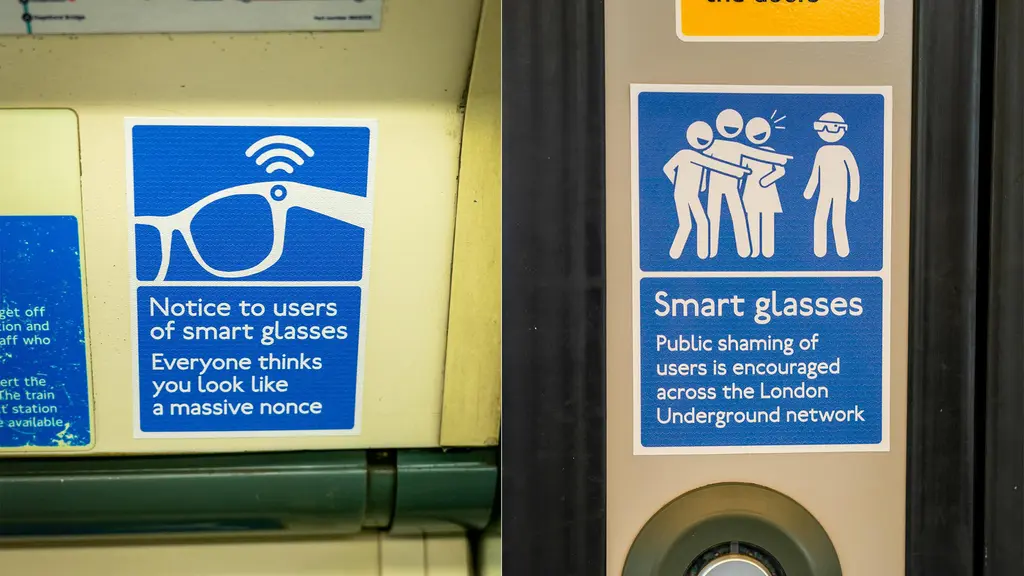
Activists slam “pervert glasses” in new guerrilla campaign
Everyone Hates Elon — Stickers have appeared on the London Underground network, criticising the wearable technology’s covert filming capabilities.
Written by: Isaac Muk

Behind the curtain at Alternative Miss World 1981
Olympia glamour — Running a subversive take on the traditional beauty pageant, the Andrew Logan organised event prioritised underground creativity and invention. Photographer David Corio went behind the scenes at its biggest edition.
Written by: Miss Rosen

Dan Lacey: “BMX is forever evolving”
Overground — Steph Pomphrey caught up with the two-wheel legend after his latest meet in east London, chatting about fatherhood, music and action sports within the outdoor industry.
Written by: Steph Pomphrey

The battle for the soul of lockpicking
Under locksport and key — In recent years, breaking locks for fun has grown from a niche hobby into an activity followed by millions of people. As it has matured, so have tensions over who sets the rules.
Written by: Jack Dennison-Thompson

New exhibition highlights British radical living over 200 years
Earthly Paradise — Taking place at the William Morris Gallery, it explores the homes and lives of artists, writers, musicians and more, as well as the conditions that allowed them to thrive.
Written by: Isaac Muk


