The erotic magazine making porn more inclusive
- Text by Ione Gamble

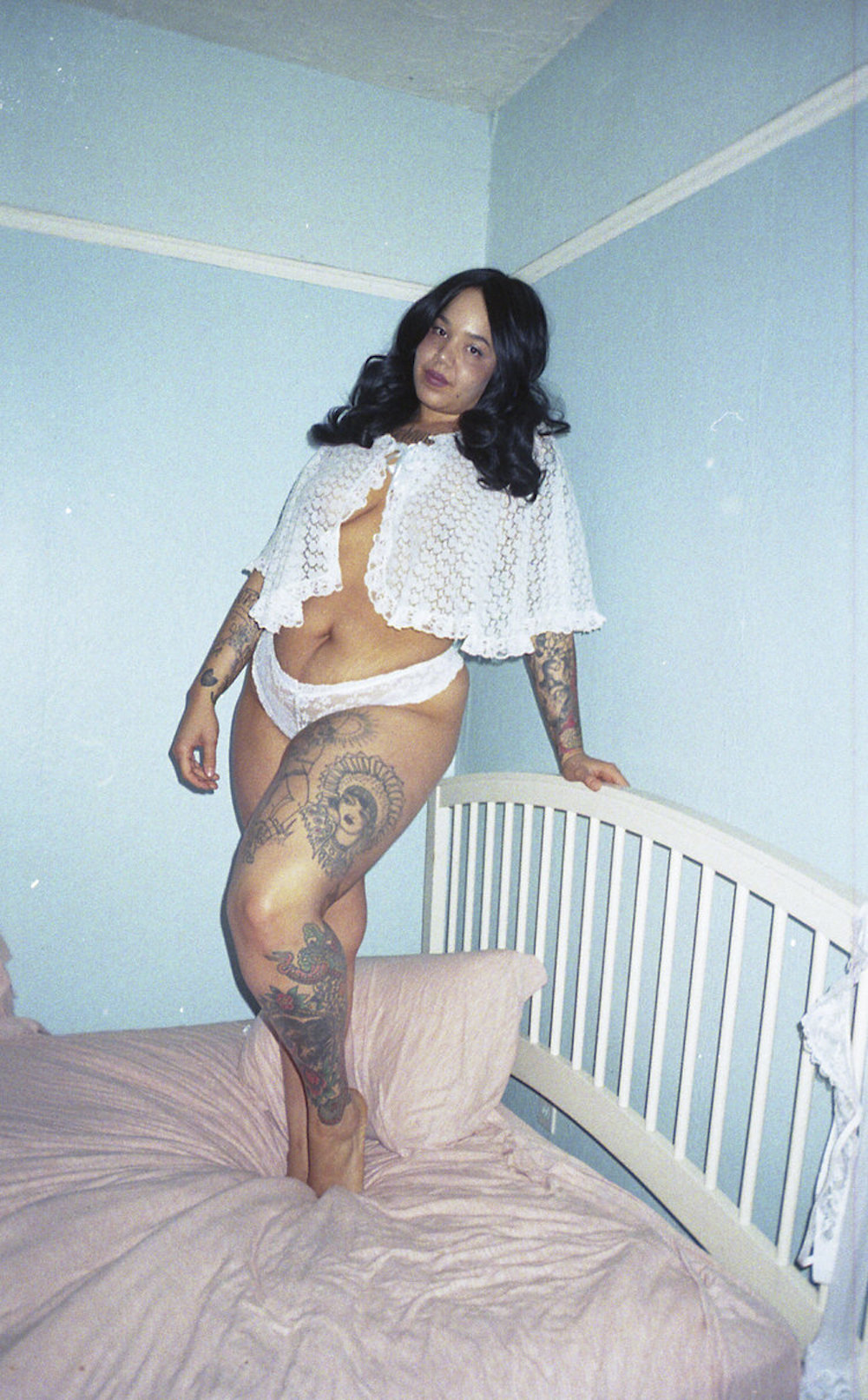
“I was not seeing myself represented in popular media, and if my body was being represented, it was the butt of the joke,” says Lauren Crow, the California-based artist who first picked up the camera to help make objective sense of her “young, fat, queer body.”
When it comes to fat bodies in visual culture, visibility is – to put it generously – lacking. Porn and sexual imagery, though, is a whole other ball game: at best, plus size people are festishised, at worst, we’re ridiculed. However, by using her own body as the impetus, Crow is looking to change that.
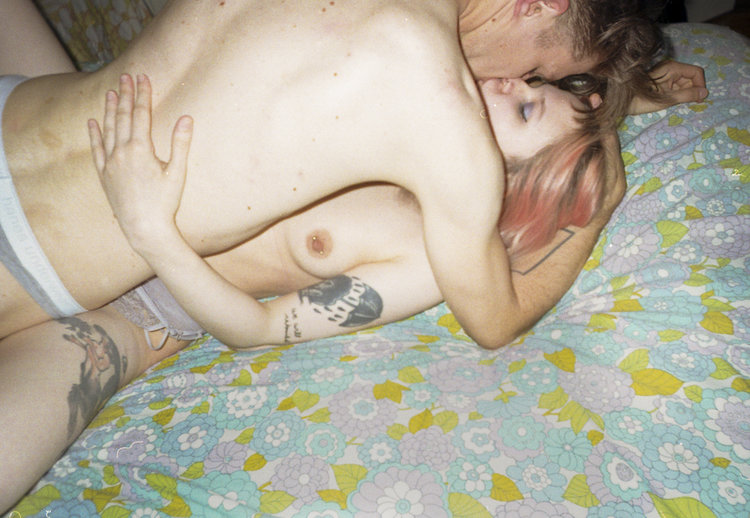
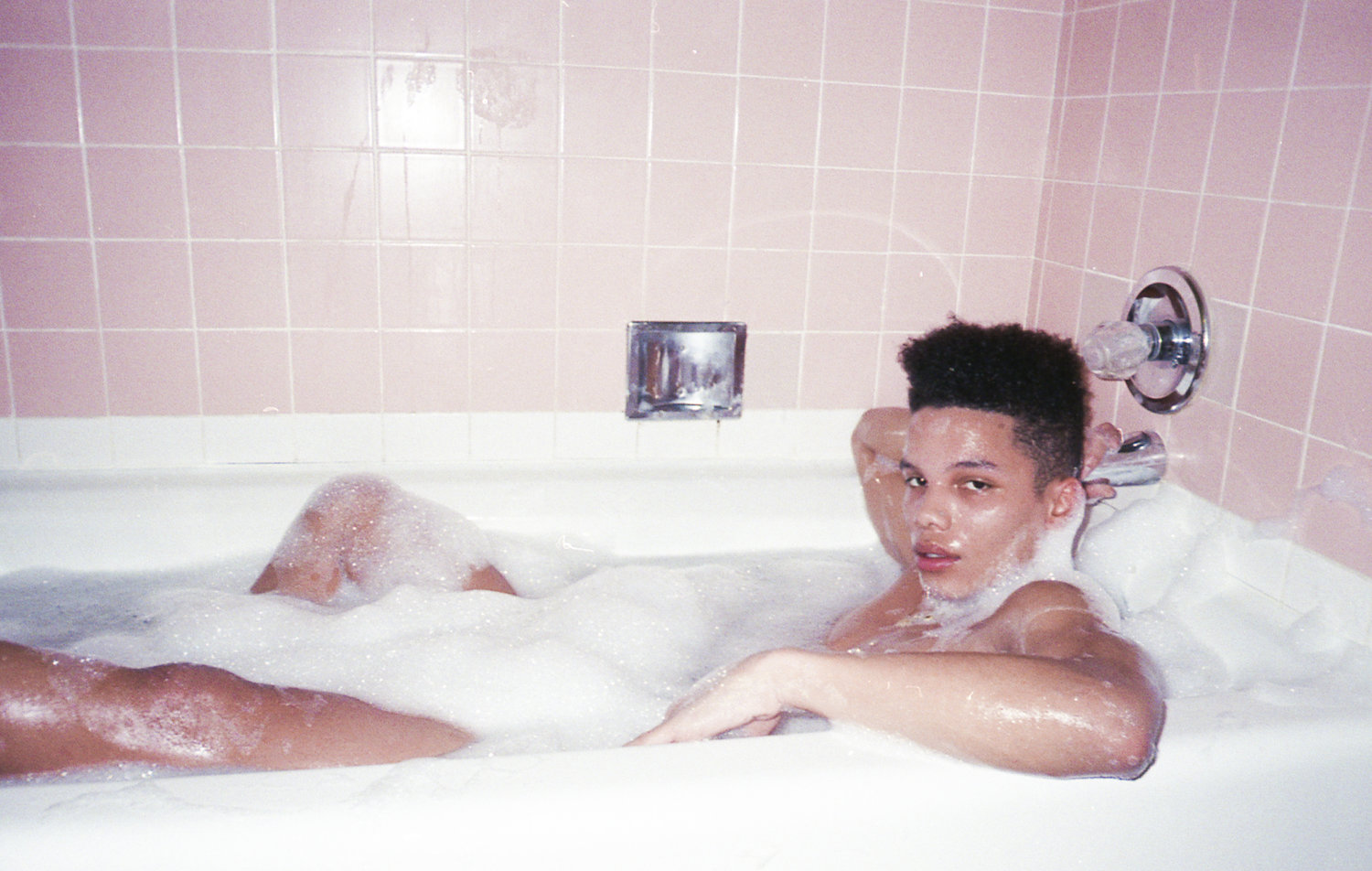
Through her publication Lascivious, Crow takes queues from bygone eras to reset the agenda on how we explore our desires. Operating as a modern day porn magazine, it sees glossy, high production values offset by grainy, harshly lit imagery harking back to the ‘60s and ‘70s. “Lascivious was just a logical way for me to organise and present about a year’s worth of images I was shooting,” she says.
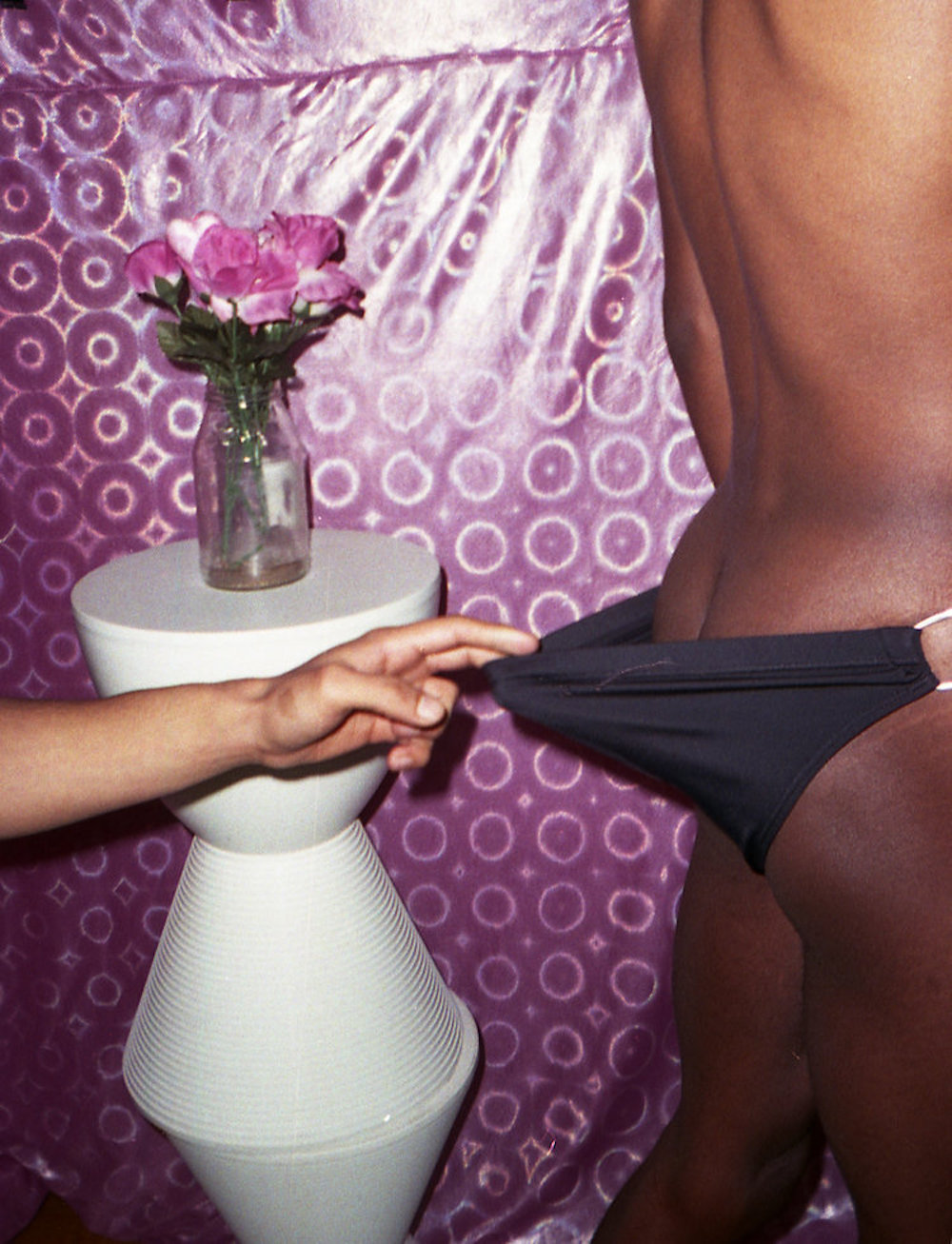
Although the publication began with an initial focus on Crow herself, her gaze has since widened. Depicting all bases of sexual behaviour from snogging to squirting, Lascivious prioritises consent when it comes to casting models.
Establishing boundaries and fostering a relationship based on mutual respect is key when it comes to photographing people’s most private moments. “While I know there are no 100 percent safe spaces, I am eager to have a detailed discussion prior to shooting, to let the model know they are in control.”

For Crow, sex and sexual imagery itself isn’t her primary interest. She’s more interested in intimacy in a much larger sense – be it platonic, romantic, or sexual. “What doesn’t fascinate me about intimacy?” she says. “It is such a multi-layered, beautiful, weird and complex thing that exists, lacks, ebbs and flows in every single person’s life.”
And while her work may have vastly expanded since her first self portraits, she finds that even the photographs she takes of others ultimately end up revealing something to – or about – herself. “Looking through my work” she says, “I am able to see my mental health and personal relationship with intimacy reflected back to me.”
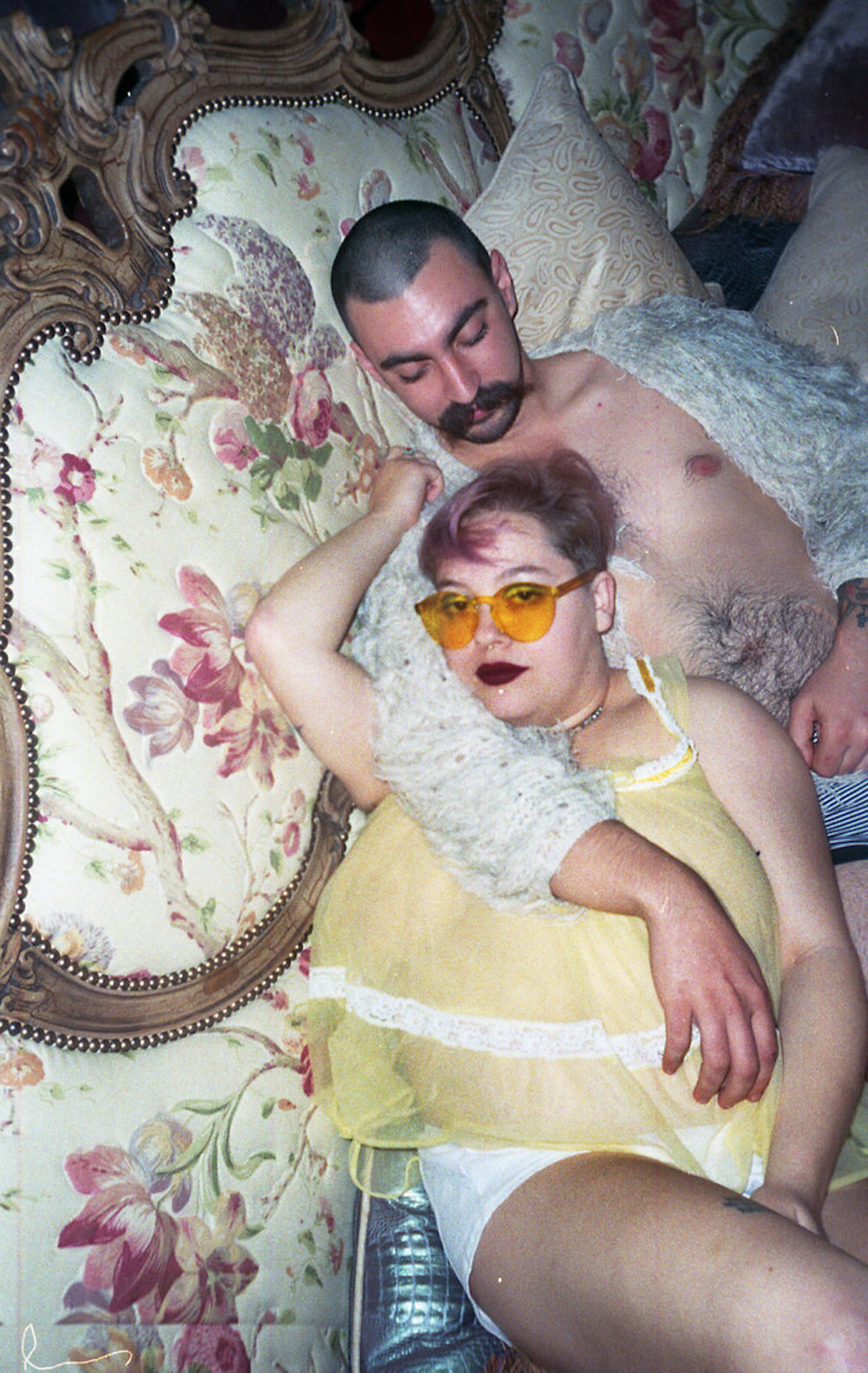
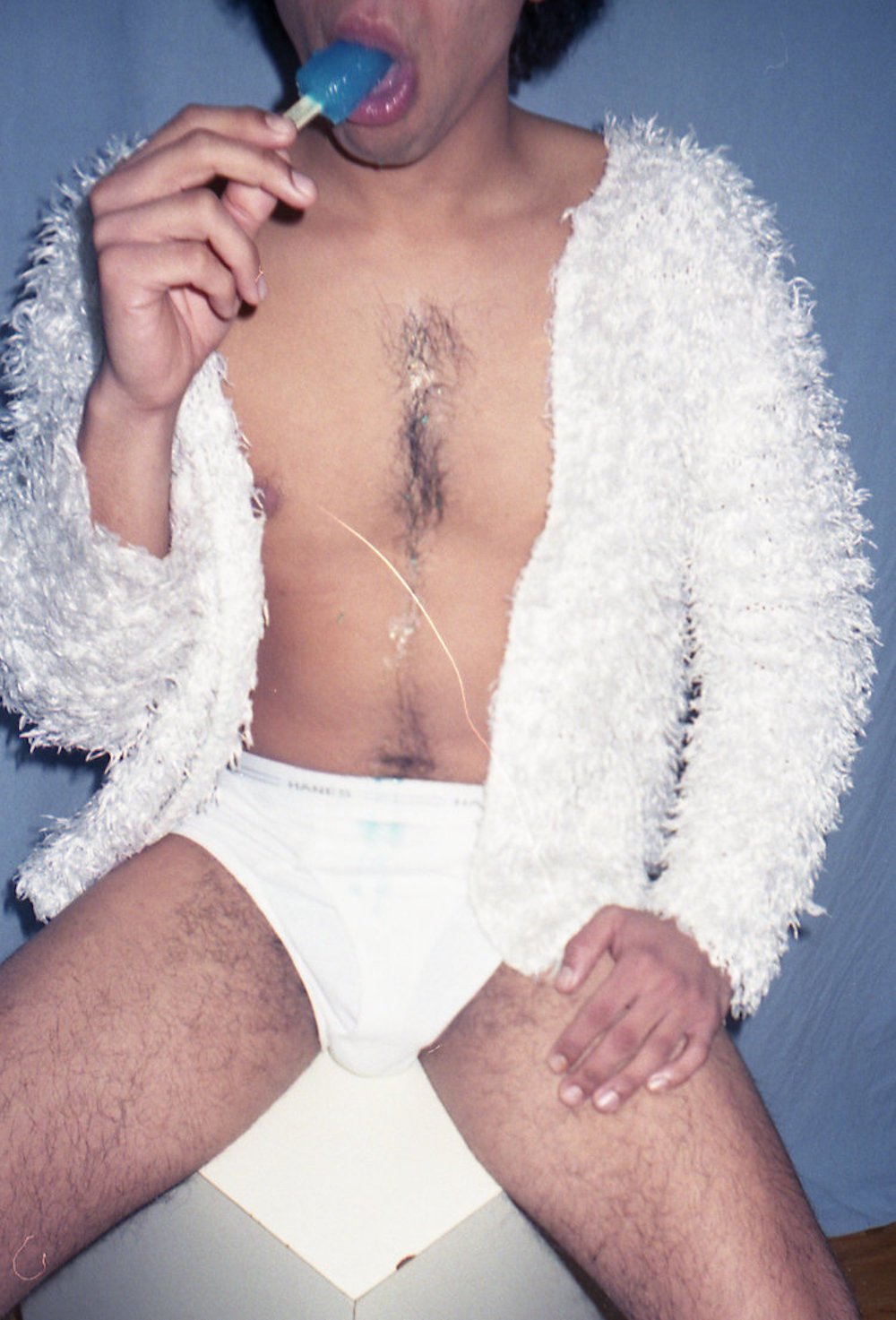
See more of Lauren Crow’s work on her official website.
Follow Ione Gamble on Twitter.
Enjoyed this article? Like Huck on Facebook or follow us on Twitter.
You might like

Jesse Glazzard’s messy portrait of queer friends, lovers and chosen family
The Sound of Dirt and Beauty — The photographer’s debut monograph explores tender, unpolished moments shaped by the people who he surrounds himself with, while offering a window into the UK’s working-class LGBTQ+ community.
Written by: Sunny Sunday

Behind the curtain at Alternative Miss World 1981
Olympia glamour — Running a subversive take on the traditional beauty pageant, the Andrew Logan organised event prioritised underground creativity and invention. Photographer David Corio went behind the scenes at its biggest edition.
Written by: Miss Rosen

New exhibition highlights British radical living over 200 years
Earthly Paradise — Taking place at the William Morris Gallery, it explores the homes and lives of artists, writers, musicians and more, as well as the conditions that allowed them to thrive.
Written by: Isaac Muk

What life on the Strait of Hormuz is really like
Southern Winds — Bandar Abbas based photographer Morteza Niknahad has been capturing the diverse communities and stories of his local region since he first picked up a camera. His new series highlights the human impact of war.
Written by: Isaac Muk

Nick Haymes’s intimate portrait of his family’s life
Chronograph — Over 25 years, the photographer documented his son’s lives as they grew into adults. The resulting photobook is an exploration of the passage of time, as well as the optimism of youth.
Written by: Miss Rosen

Kristina Rozhkova’s scatty, confronting portrait of captivity
Gut Feeling — The Russian artist’s 2024 arrest and subsequent detention opened her eye towards the omnipresent dynamics of power and control. Her new photobook is a stark exploration of being trapped.
Written by: Isaac Muk


