The Congolese dandies who see fashion as a way of life
- Text by Cian Traynor (intro). Interviews by Alice Mann
- Photography by Alice Mann / INSTITUTE

As a subculture, La Sape originally took root in Congolese society during colonial times, when ‘évolués’ would imitate bourgeoise elegance as a way of presenting their best selves.
But by 1960, when both the Republic of the Congo and its neighbour the Democratic Republic of the Congo found independence, ‘se saper’ (to dress up) became a means of empowerment across Kinshasa and Brazzaville – two African capitals facing each other across the Congo River.
Today a new generation of Congolese – emigrants known as ‘milikiste’ – are continuing the movement across Europe. La Sape is an acronym that literally translates as the ‘Society of Ambiance-makers and Elegant People’.
In everyday terms, these men believe that clothing is a vehicle to challenge limitations and celebrate difference. And when you’re trying to assert your identity in a space that’s not always so welcoming, that’s a pretty healthy attitude to have.
For the past two years, photographer Alice Mann has been spending time with a group of Congolese sapeurs living in London and Paris. When she takes their portrait, each participant dictates the shoot’s direction, styling themselves in their own clothes while sharing some insight about why they do what they do.
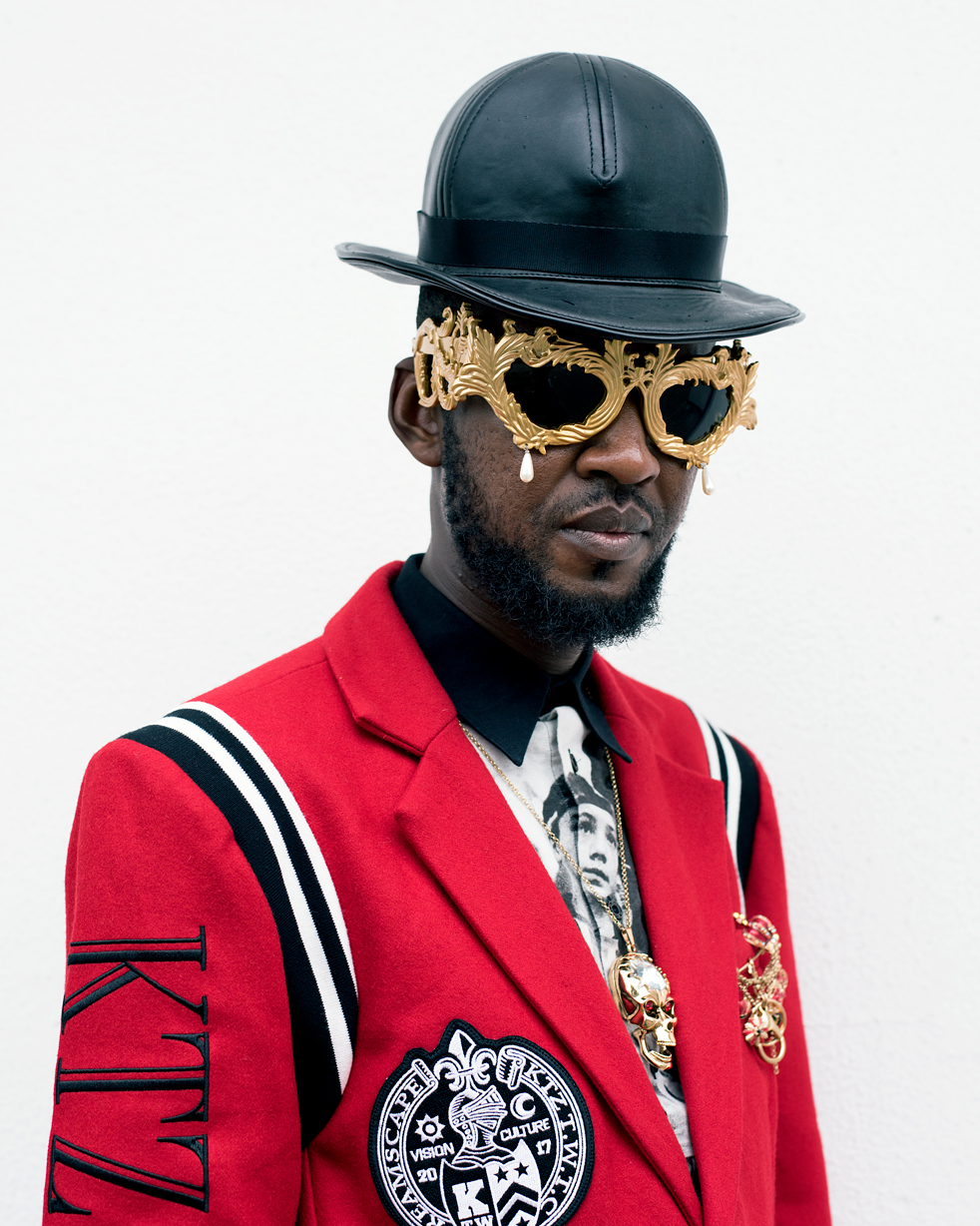
Yaya Beauga
“I think my dad inspired me. All my life, I never saw him wear trainers or dressing in a casual way. He always looked good and wore formal clothes – ‘classic’, that’s his dress code. Especially nice suits, nice waistcoats, proper shoes. So when I dress in suits now, I am thinking of him.
“I’m a decorator, an artist. You see, when I match colour, I never miss. You’ll see the way I play with it; it will be totally different. It’s always about having my own touch on something. I like that other people will see me and think, ‘This is Yaya style.’”
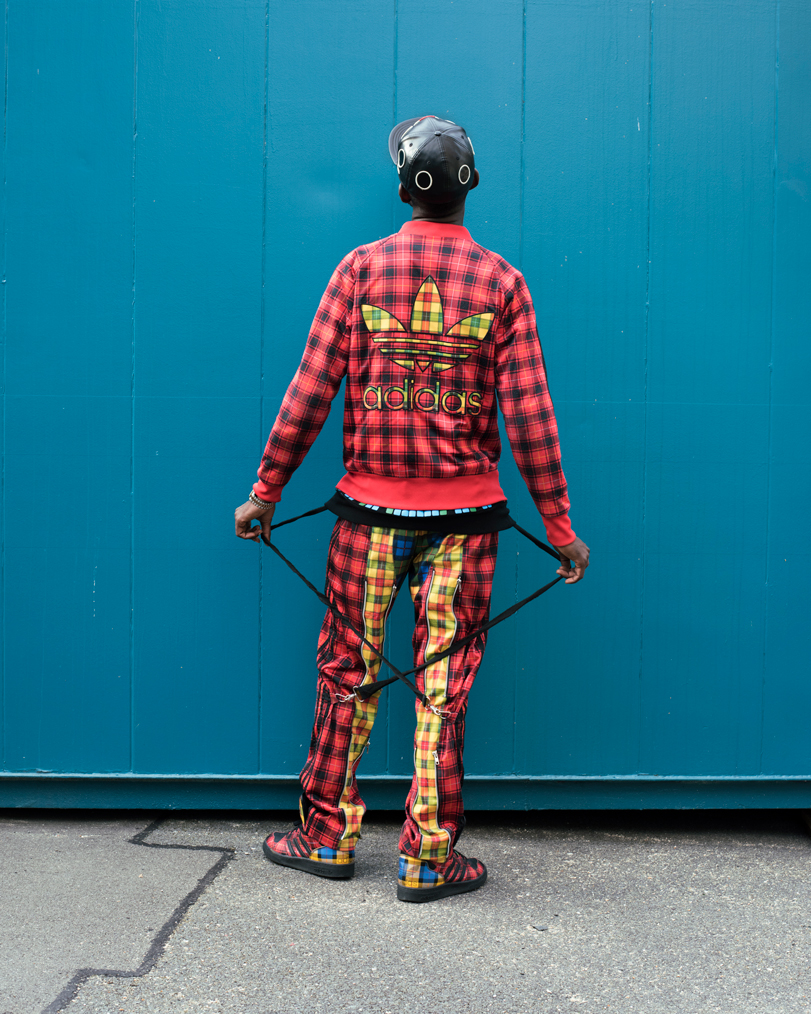
Theophile Munganga
“I knew I loved fashion from an early age. All of my mother’s family – the uncles, the aunties – were living in London, Germany and all over Europe. They would send us back designer garments that made me interested in travelling there. I remember wearing them and feeling really different, individual and proud.
“After I moved to Belgium to study, I came to London and had to work hard here for a long time just to be able to buy these things. You cannot buy these labels if you are not able to support yourself. But I love my body and I want to give myself the best. When you are looking good, you are feeling good.”
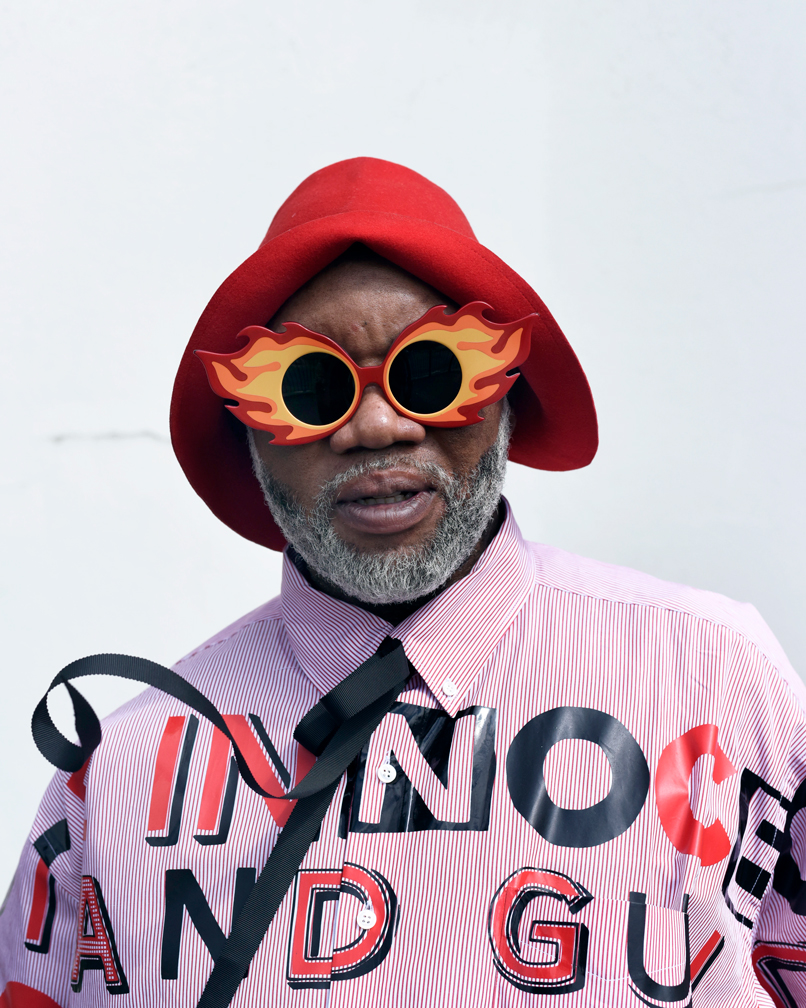
Diaquiesse Kiasungua, aka ‘Papa Yoyo’
“When I think about what I have to wear, I think about it like an artist: ‘What can I add to have maximum effect?’ Just like Salvador Dali, Pablo Picasso or Jean Metzinger will compose and use colours to make a painting, I see my body as the canvas and the clothes as the paint.
“The simple rule is that you must have an impact on viewers. Dressing gives an impression of how I want to be seen or judged, so it’s a very good device to express or conceal your true self. Clothing is a conversation between both you and the inner you, and between yourself and others.”
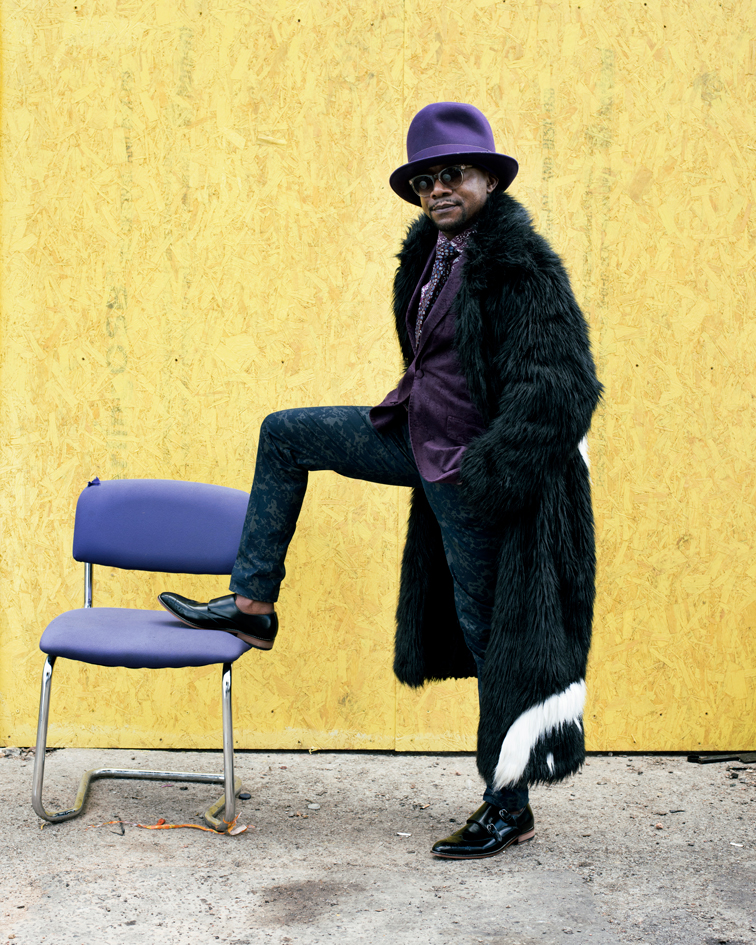
Prince Jamal
“When I was growing up, I was the youngest of five brothers and I always had this; it’s something I didn’t have to fight for. But one thing I make sure to do when I am looking good is to never leave the house without at least £20 in my pocket.
“The problem is that you see people going out, all dressed up in expensive designer clothes, and then asking others to buy them drinks at the bar or give them cigarettes.
“You’ll never see me doing that because it’s allowing yourself to be devalued. This is about the total presentation, being a respectable person: the way you talk, the way you walk, the personality… You have to be true to what you are showing.”
This article appears in Huck 64 – The Journeys Issue. Buy it in the Huck Shop or subscribe to make sure you never miss another issue.
Find out out more about Alice Mann or follow her on Instagram.
You might like

In photos: Lives of solitude at the world’s edge
Coirón — Pie Aerts’s new photobook documents years spent in close quarters with puesteros in Patagonia – a group of aging gauchos who live almost completely isolated existences.
Written by: Isaac Muk

The raw, fledgling intimacy of Peter Hujar’s contact sheets
Hujar:Contact — A new photobook highlights the process of the legendary queer photographer, and his process of growing into the artist he ultimately became.
Written by: Miss Rosen

Jesse Glazzard’s messy portrait of queer friends, lovers and chosen family
The Sound of Dirt and Beauty — The photographer’s debut monograph explores tender, unpolished moments shaped by the people who he surrounds himself with, while offering a window into the UK’s working-class LGBTQ+ community.
Written by: Sunny Sunday

Behind the curtain at Alternative Miss World 1981
Olympia glamour — Running a subversive take on the traditional beauty pageant, the Andrew Logan organised event prioritised underground creativity and invention. Photographer David Corio went behind the scenes at its biggest edition.
Written by: Miss Rosen

What life on the Strait of Hormuz is really like
Southern Winds — Bandar Abbas based photographer Morteza Niknahad has been capturing the diverse communities and stories of his local region since he first picked up a camera. His new series highlights the human impact of war.
Written by: Isaac Muk

Nick Haymes’s intimate portrait of his family’s life
Chronograph — Over 25 years, the photographer documented his son’s lives as they grew into adults. The resulting photobook is an exploration of the passage of time, as well as the optimism of youth.
Written by: Miss Rosen


