Letizia Battaglia: the Sicilian woman who shot the mafia
- Text by Miss Rosen
- Photography by Letizia Battaglia

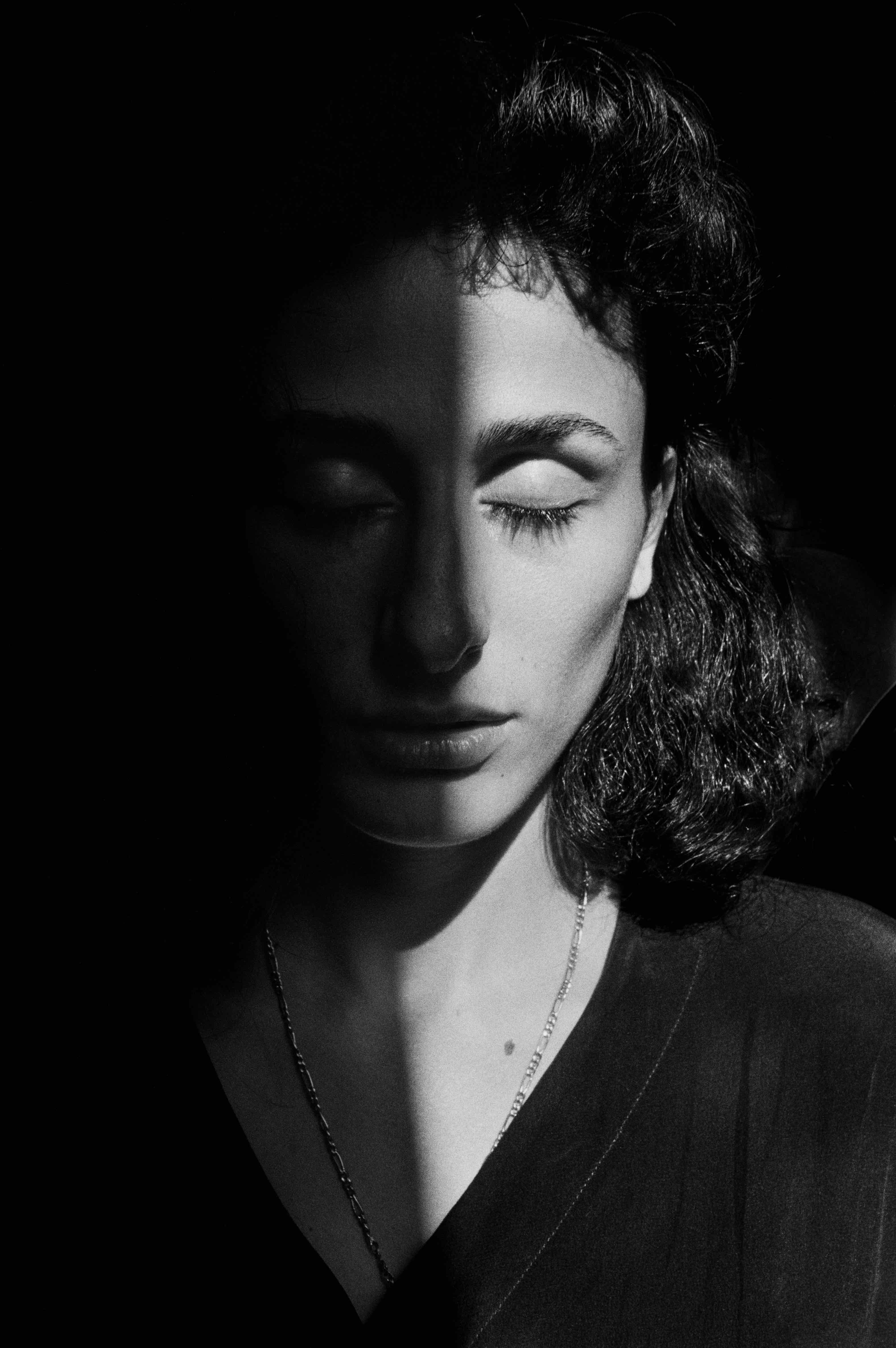
“I wasn’t a real person [before I picked up the camera],” says Sicilian photographer Letizia Battaglia in the powerful new documentary, Shooting the Mafia.
Battaglia took up photography at the age of 36, and eventually got a job working for L’Ora newspaper. Liberated from the constraints of patriarchy, which had stunted the full formation of her identity and agency until then, the position helped her come into her own.
When Battalia was just 10 years old, a man masturbated in front of her on a Palermo street. In retaliation, her father locked her away inside the house, refusing to allow her on the balcony in case another man should see her. She was then sent to a Catholic school, which turned her into an atheist. In rebellion, at 16, Battalia married the first man who asked her and bore him three daughters.
Her husband, like her father, denied Battaglia the freedom she craved and she eventually had to be hospitalised after having a mental breakdown. She spent two years in Switzerland recovering, returned to Sicily where she began to take lovers – one of whom was shot when her husband discovered them in bed together.
Shortly after, she got a divorce, and became the first Italian woman photographer at a daily newspaper. Three days into the job, she saw her first murder. “It never leaves you,” Battaglia says in the film.
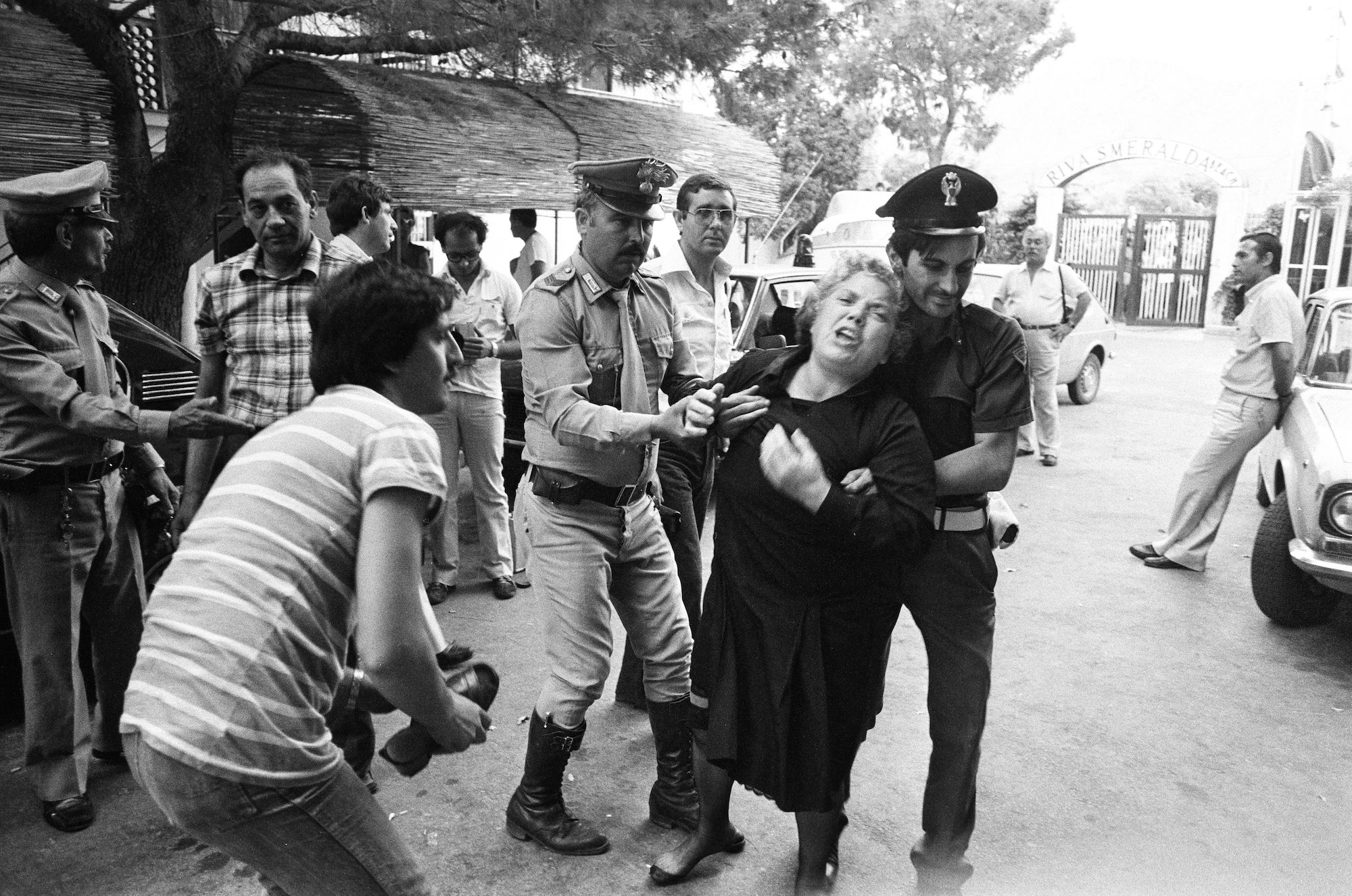

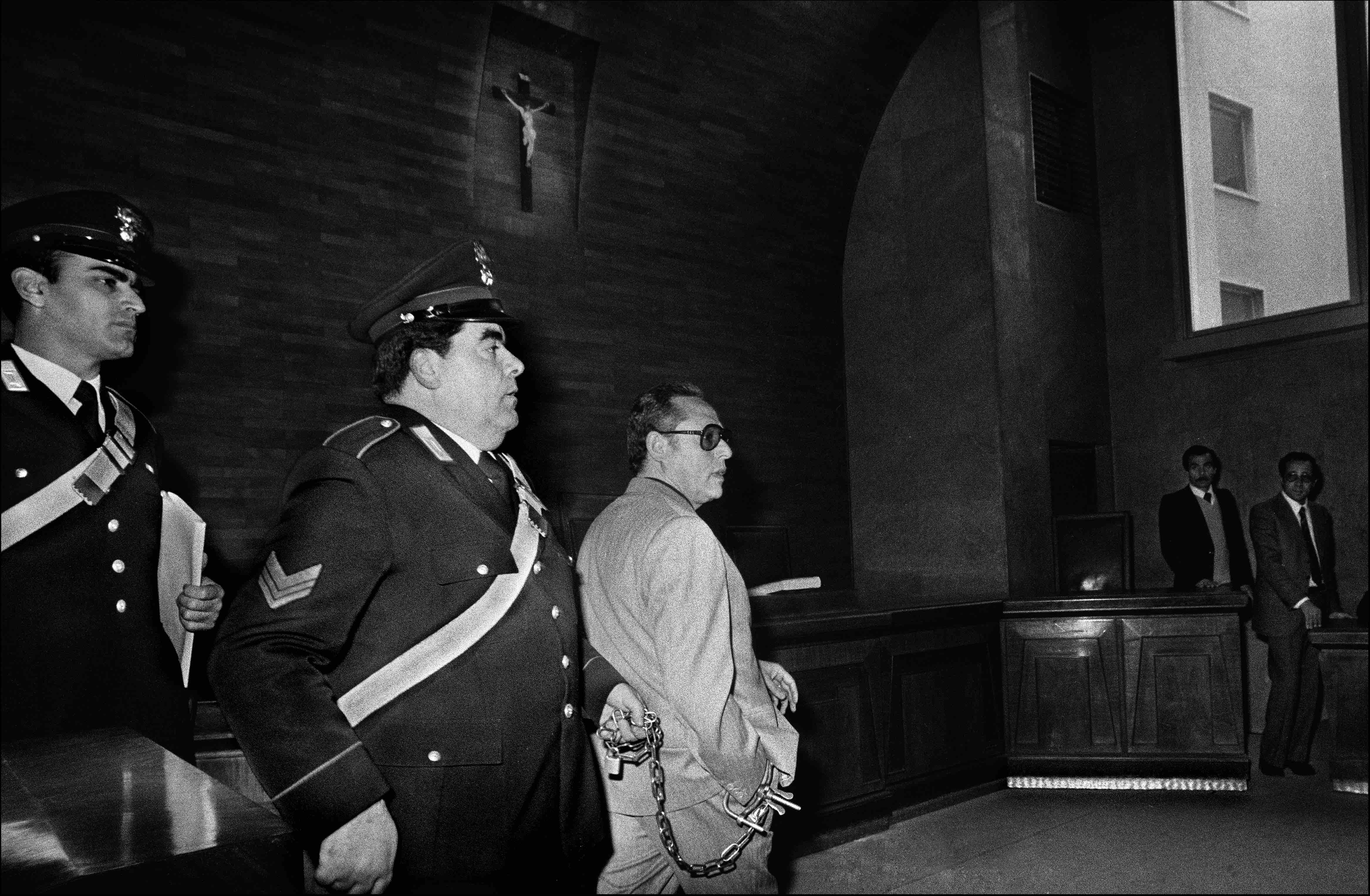
Over the next two decades, Battaglia photographed the victims of the mafia, boldly going so far as to show her work in Corleone, a small Sicilian farming town and home to one of the most powerful families, in order to directly challenge omerta, the mafia’s code of silence.
Battaglia received death threats. Her camera was smashed. But the mafia let her live. “Letizia’s photos were always on the front page of the newspaper and kept the killings in the minds of the people, particularly the magistrates,” says Kim Longinotto, the film director. “They are making the community look at what is happening. They are powerful threats against speaking out.”
Battaglia’s photographs humanised the victims, revealing how cowardly the mafia was for murdering trade unionists, women, and children – as well as judges who were being targeted for investigating organised crime.
At the same time, her photographs were of fearsome things. Devoid of Hollywood glamour and glitz, they were pictures taken inside a war zone. Rather than heroicise the killers, Battaglia cared about the dead, as well as those forced to live through violence and trauma. Shooting the Mafia reveals Battaglia courage and dedication to the people of her native land, while chronicling the mafia’s brutal reign over Sicily during the twentieth century.
After 20 years, Battaglia stopped taking photographs. One of her last photos shows a young boy who was shot in the back of his head after seeing his father murdered. “It was never the same,” she says in the film. “You can never be happy after that kind of horror.”

Follow Miss Rosen on Twitter.
Enjoyed this article? Like Huck on Facebook or follow us on Twitter.
You might like

In photos: Black Texas life since emancipation
Kinship & Community — A new photobook and exhibition showcases the rich culture, history and community of African American folks in the Lone Star State, whose existence in the region predates colonial Britain.
Written by: Miss Rosen

Youthful joy & end-of-era poignancy at a London school prom
Leavers — For several years, Lewis Khan documented young people as they celebrated the last of their school days and the completion of their exams. The series is now collated in a new self-published photobook and short film.
Written by: Zoe Whitfield

Harry Gruyaert’s vintage, kaleidoscopic scenes of New York
A Sense of Place — For 50 years, the Belgian photographer and Magnum Photos member has been capturing NYC’s colourful chaos. A new photobook and exhibition showcase his unique, technicolour view of the city.
Written by: Miss Rosen

In the pit at one of the UK’s last stock car & banger speedways
Stock Car Racing Isn’t Dead — Photographer Liam McCarthy spent time in and around the Arlington Raceway’s circuit, capturing the diehard community that keeps the sport alive.
Written by: Isaac Muk

Inside Lower Duck Pond, the nicest town on the internet
/r/HaveWeMet — With a population of 2,500 and no fixed location, the subreddit is a space for roleplaying citizens to solve mysteries, host fictional events and ultimately connect. In an internet that’s often divided and toxic, Vicky Jessop hangs out in one of its most wholesome corners.
Written by: Vicky Jessop

A major Nan Goldin exhibition is coming to London
You Never Did Anything Wrong — Opening at the Hayward Gallery in November, the show will debut a new film from the artist and activist, alongside a slate of recent work.
Written by: Jack Dennison-Thompson


