The rough charm of life in L.A.'s gaps
- Text by Biju Belinky
- Photography by Matt Martin

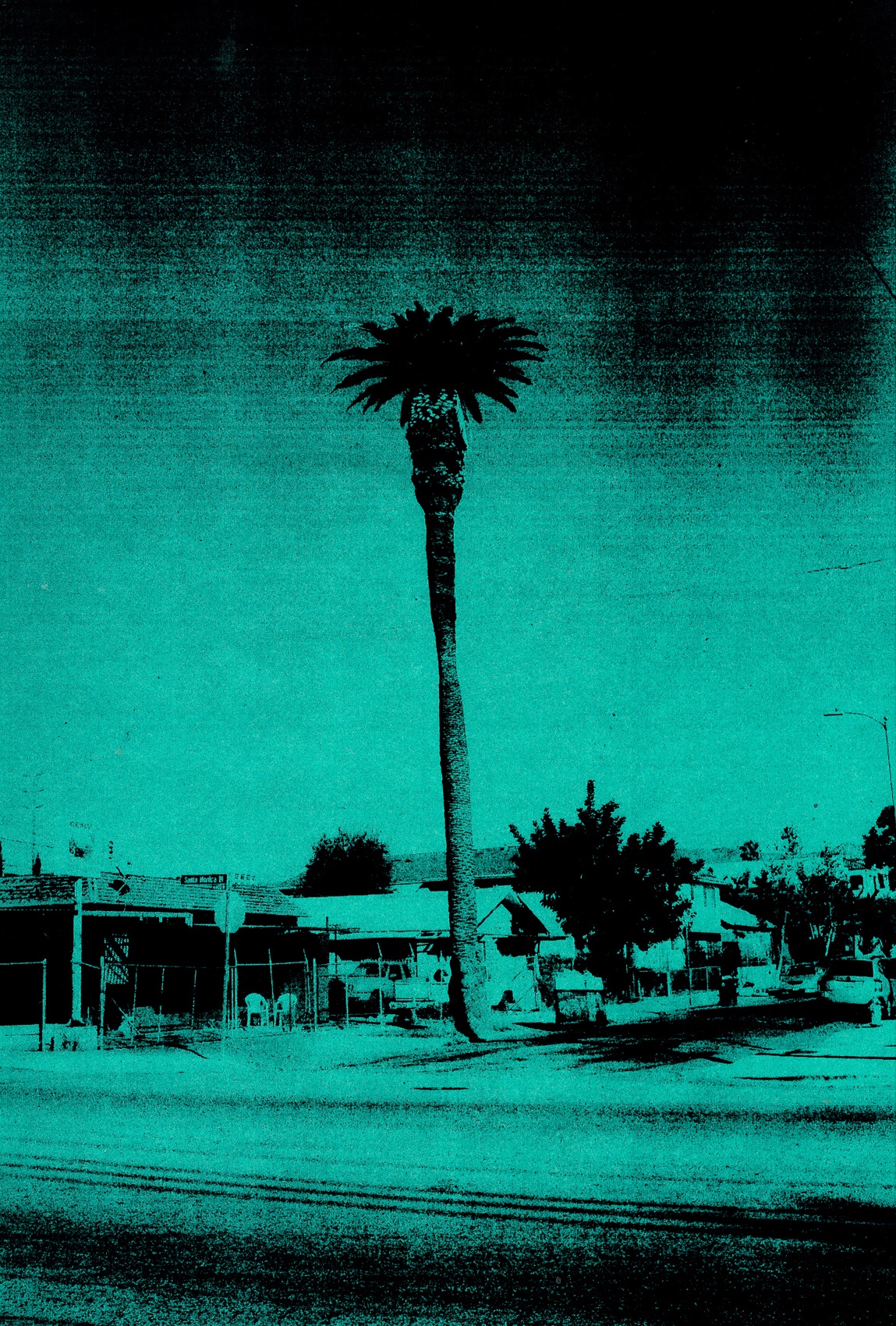
For Matt Martin, the only way to get a true sense of Los Angeles is to look in the gaps. Those long stretches of asphalt between each social hub, where being on foot is like being suspended in some sort of metallic wasteland, with nothing to remind you of humankind but the endless stream of cars and a few other vagrant souls.
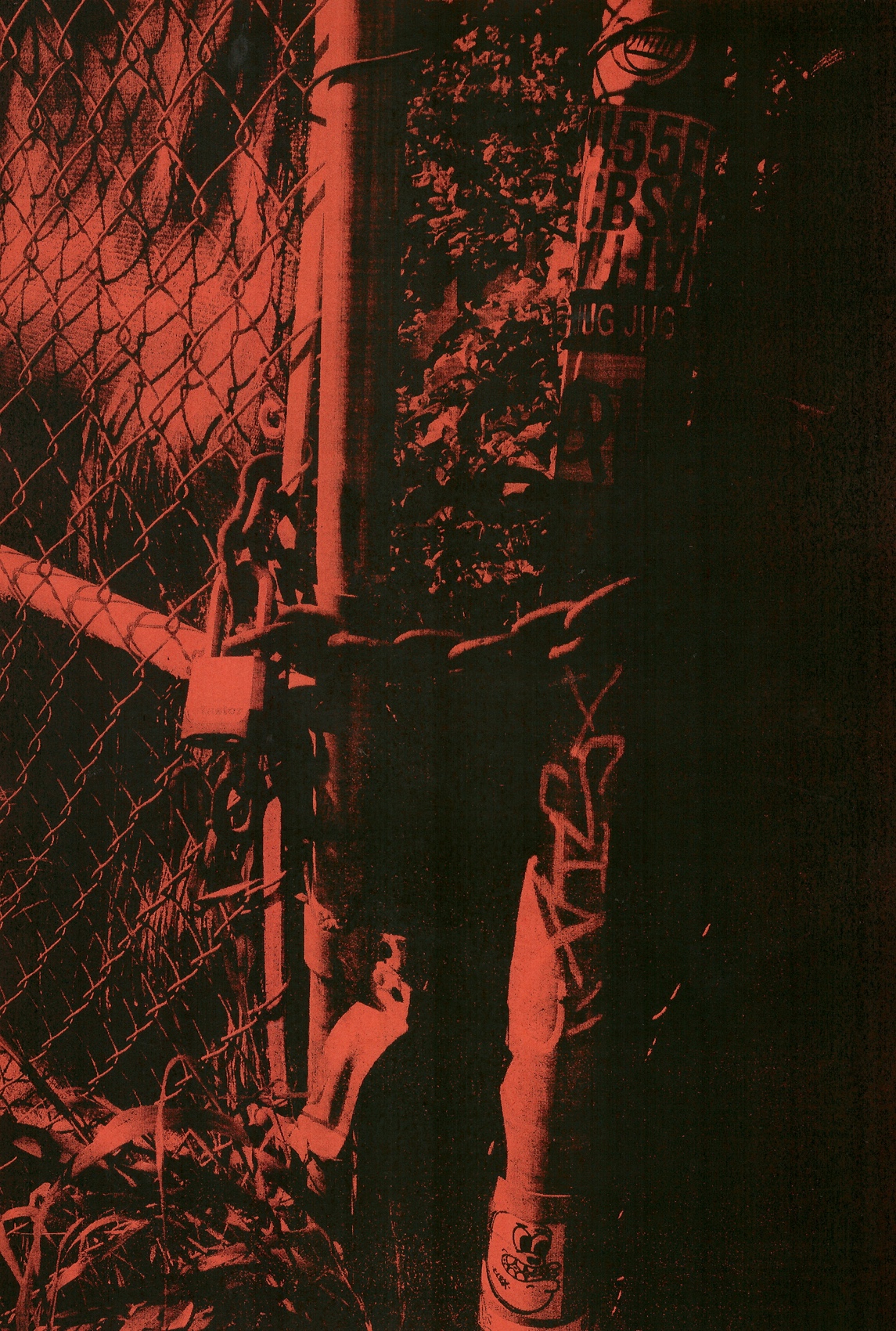
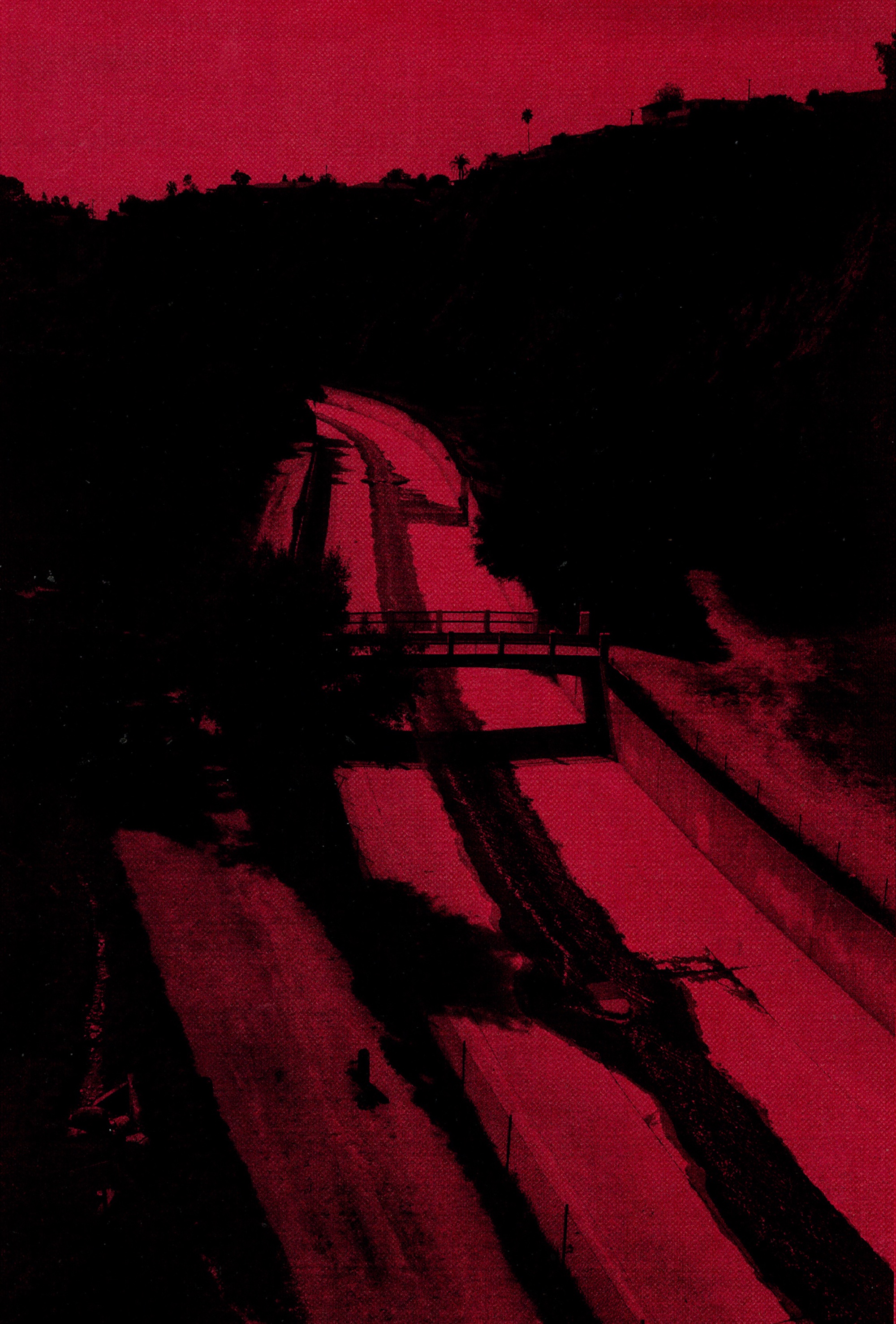
That’s what American Xerography was looking to capture. The project began back in 2014, and it’s a portrait of the West Coast landscape that reflects the way its cities have been built: industrial and organic, grandiose, but existing almost independently to the people who inhabit it.
Matt was particularly drawn to the way that, even when lost in the middle of huge national parks, there are traces of human interference, a slight curation of the nature surrounding you. A carved-out, long, winding road among the woods, leading the explorer to a postcard scene just as it is meant to be seen and photographed – a link between the spontaneous exploration of the past, and what is here today.
That relationship between now and then is also evident in the intentional roughness of Matt’s images, making each photograph impossible to place in the timeline of technology.
With a decisively DIY aesthetic reminiscent of ’90s zines and his own past photographing street art, the photographer and curator uses an old-school photocopier as his dark room, toying with brightness and contrasts until reaching the desired look. That is then passed on to paper, each colour and texture carefully selected, each image a unique, self-contained object.
“I fell in love with LA,” he muses. “At first I hated it, but then it just grew on me more and more. One time, we were having breakfast and the waiter said that what was amazing about the area was that ‘you could surf in the morning and snowboard in the evening.’ You can stay in California and have all aspects of weather and the sea and the mountains and the forests. It’s an interesting place to start from.”
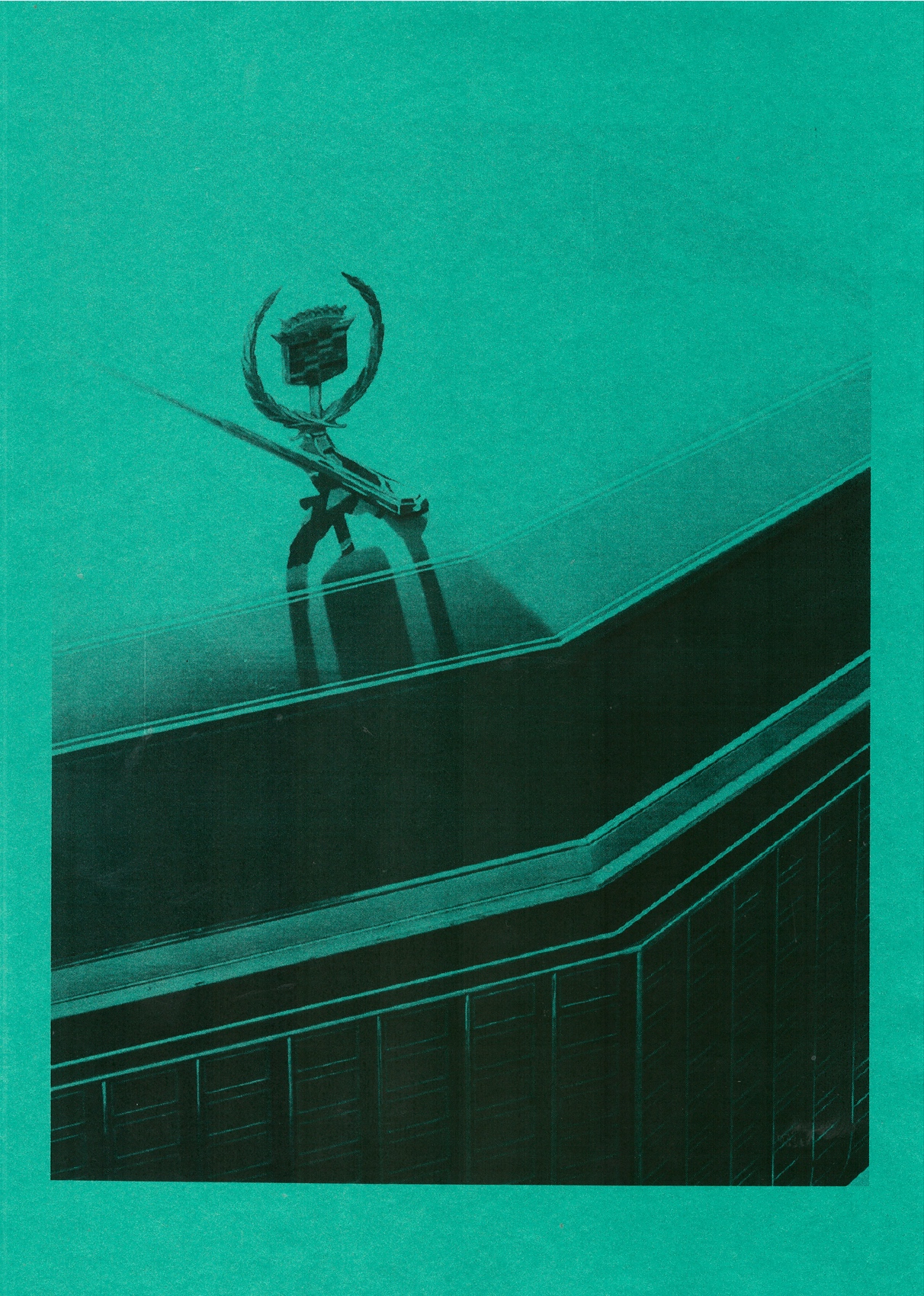
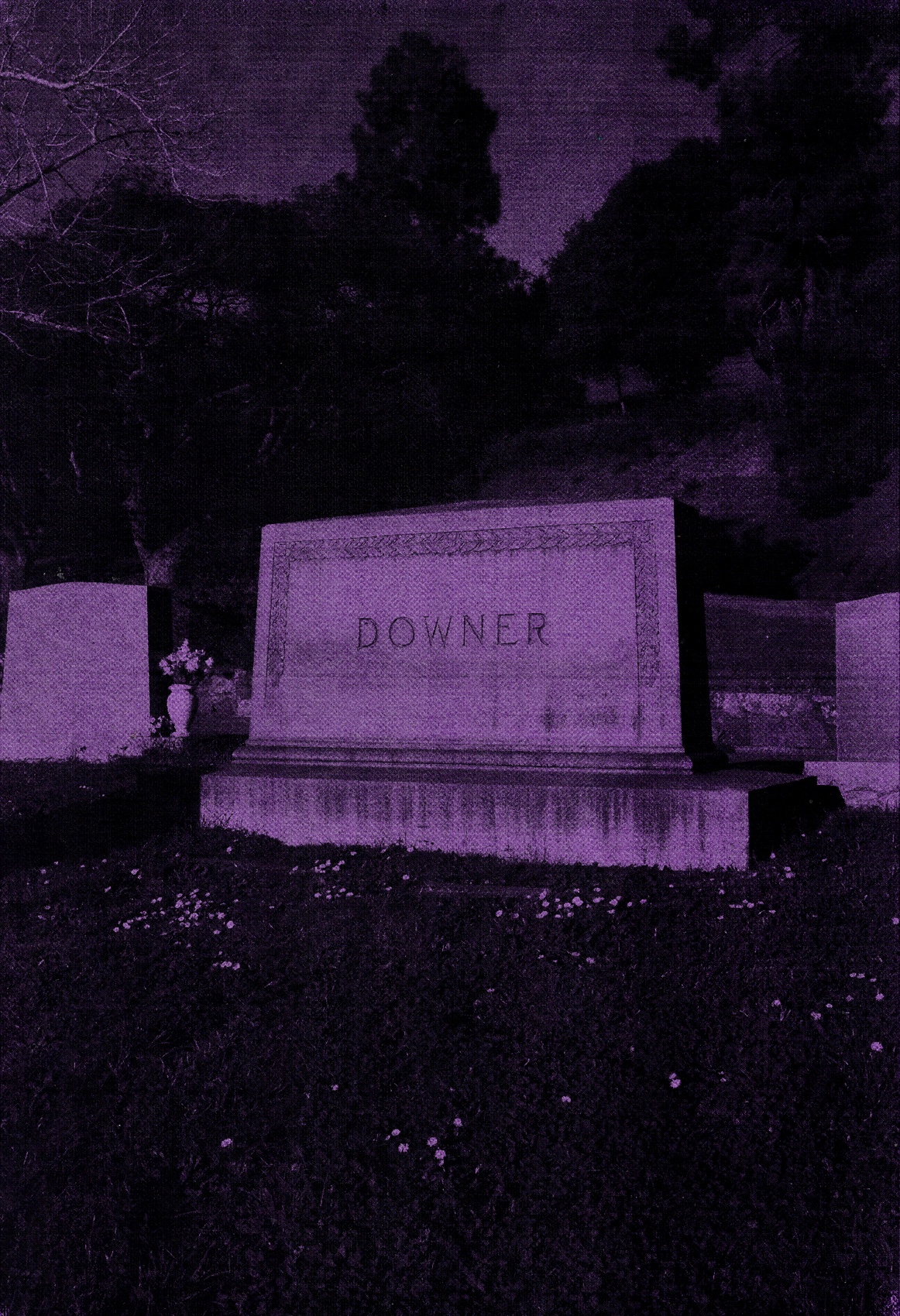
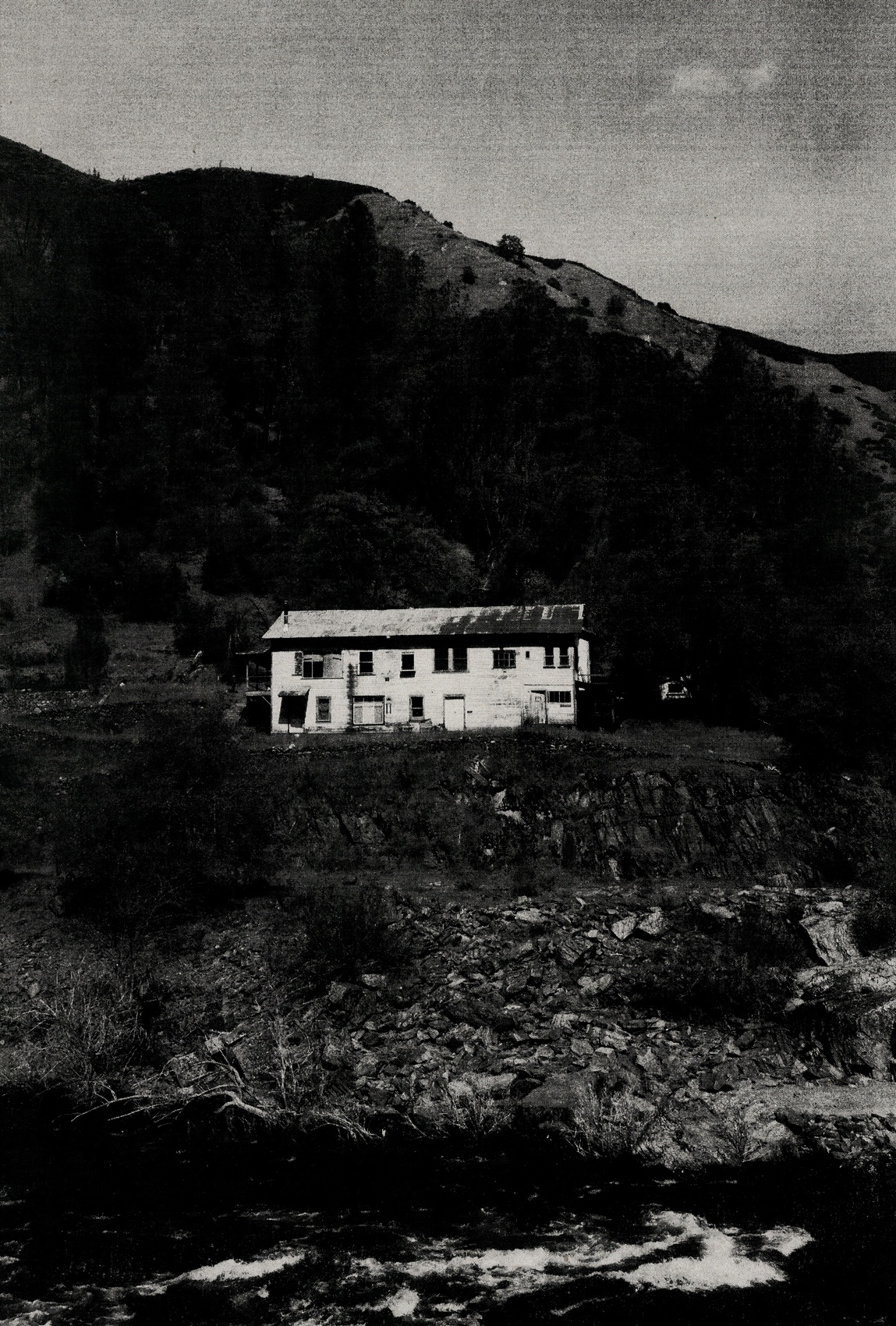
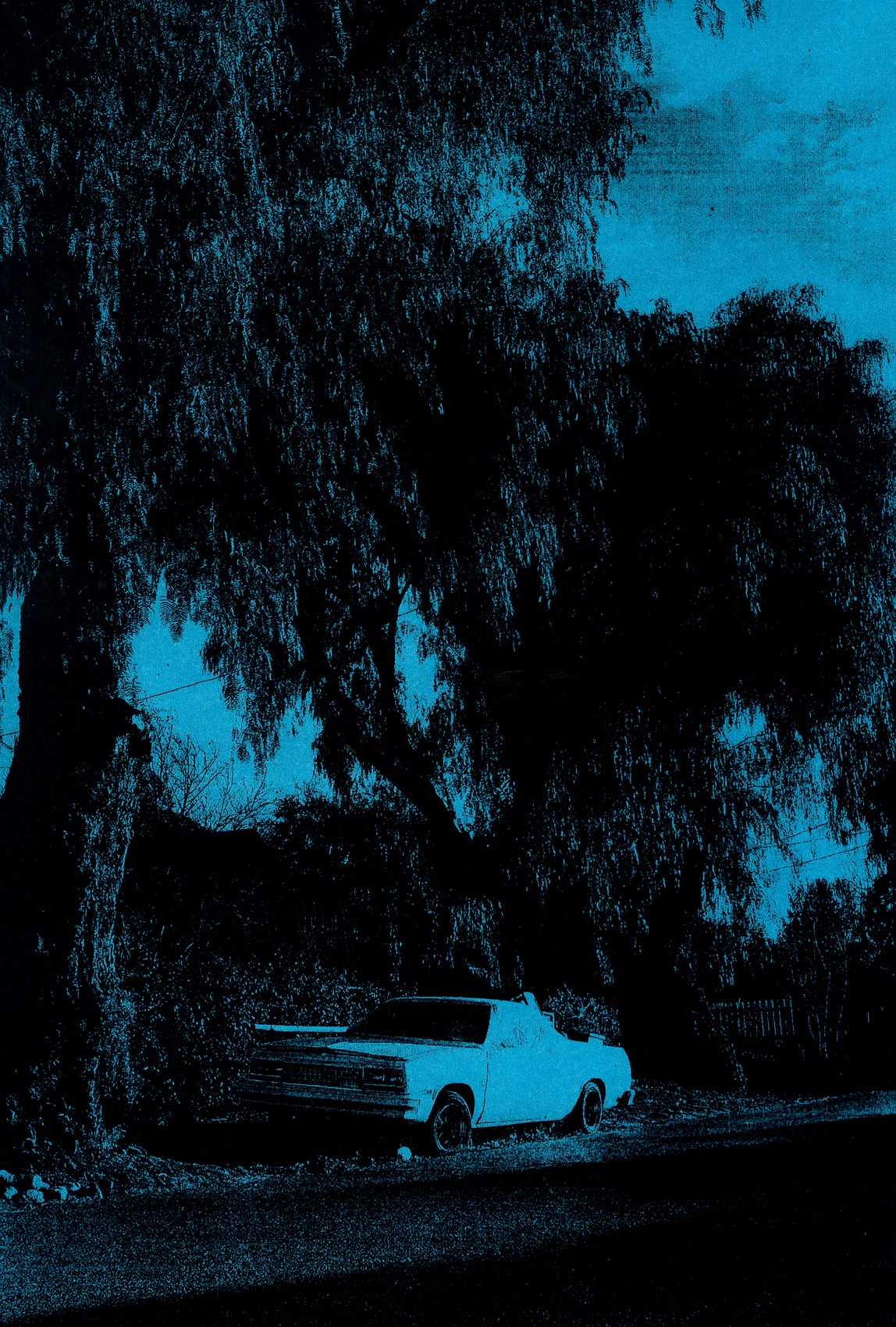
American Xerography by Matt Martin ran at Doomed Gallery on 18 May.
Enjoyed this article? Like Huck on Facebook or follow us on Twitter.
You might like

Jesse Glazzard’s messy portrait of queer friends, lovers and chosen family
The Sound of Dirt and Beauty — The photographer’s debut monograph explores tender, unpolished moments shaped by the people who he surrounds himself with, while offering a window into the UK’s working-class LGBTQ+ community.
Written by: Sunny Sunday

Behind the curtain at Alternative Miss World 1981
Olympia glamour — Running a subversive take on the traditional beauty pageant, the Andrew Logan organised event prioritised underground creativity and invention. Photographer David Corio went behind the scenes at its biggest edition.
Written by: Miss Rosen

New exhibition highlights British radical living over 200 years
Earthly Paradise — Taking place at the William Morris Gallery, it explores the homes and lives of artists, writers, musicians and more, as well as the conditions that allowed them to thrive.
Written by: Isaac Muk

What life on the Strait of Hormuz is really like
Southern Winds — Bandar Abbas based photographer Morteza Niknahad has been capturing the diverse communities and stories of his local region since he first picked up a camera. His new series highlights the human impact of war.
Written by: Isaac Muk

Nick Haymes’s intimate portrait of his family’s life
Chronograph — Over 25 years, the photographer documented his son’s lives as they grew into adults. The resulting photobook is an exploration of the passage of time, as well as the optimism of youth.
Written by: Miss Rosen

Kristina Rozhkova’s scatty, confronting portrait of captivity
Gut Feeling — The Russian artist’s 2024 arrest and subsequent detention opened her eye towards the omnipresent dynamics of power and control. Her new photobook is a stark exploration of being trapped.
Written by: Isaac Muk


