A photographer’s journey through his Kashmiri roots
- Text by Niall Flynn
- Photography by Mahtab Hussain

Growing up in ’80s Britain, Mahtab Hussain was no stranger to racism and discrimination.
Despite the fact he was born and raised in the country, it was quickly made apparent that many in the UK didn’t welcome him. At secondary school (a place where he was “pretty much the only Asian boy”) Hussain was often made to defend his Britishness when challenged by others.
“There were words like, ‘paki go home’, or, ‘go back to where you came from,” he says, recalling his childhood.
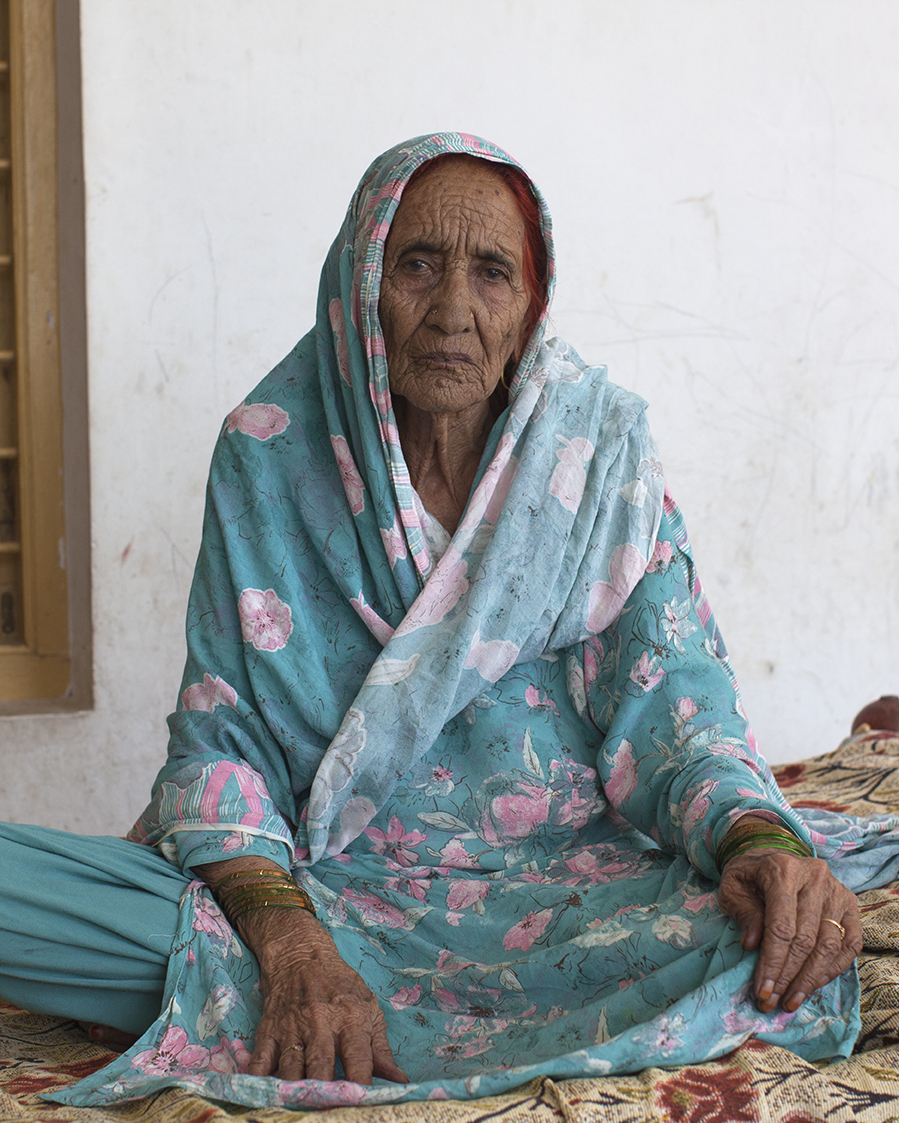
Naa-nee © Mahtab Hussain
“Over that period, I started to question my sense of belonging in England, because it was very apparent to me back then that I was not welcomed in the UK – a country I was born in and knew of no other.”
As a young man, he found himself rejecting his Pakistani/Kashmiri roots, because of the shame he was made to feel in his early years. And, while he eventually made peace with his dual identity in time, the idea of loss and displacement continued to punctuate his thoughts, often taking form in his work as a photographer.
So, in 2016, when he was offered the chance to visit Kashmir – the place his parents had once called ‘home’ – an opportunity presented itself to directly respond to the racist encounters of his childhood.
In a sense: Mahtab Hussain went back to where he had come from.
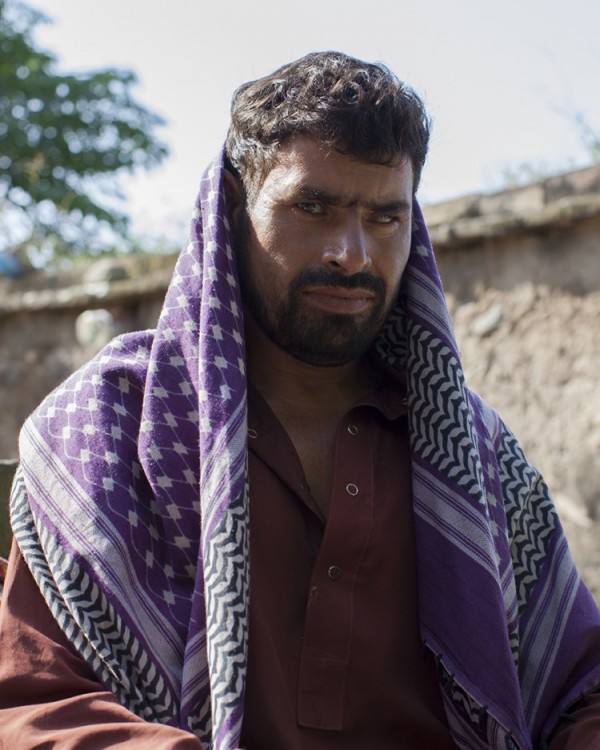
Caretaker © Mahtab Hussain
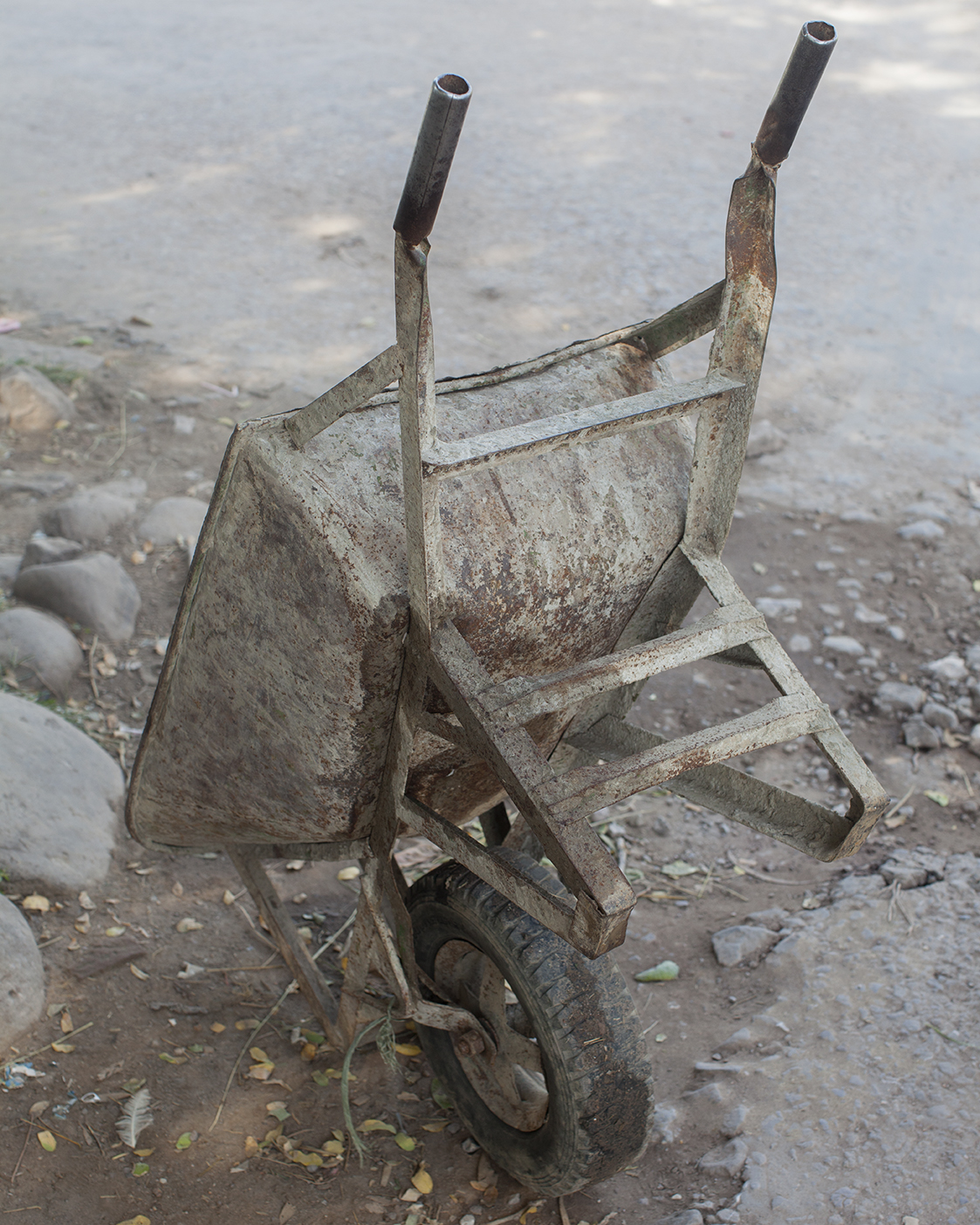
Wheel barrel © Mahtab Hussain
After being welcomed at the airport by distant relatives (“people my parents left behind to build a life in Britain”), Hussain spent 14 days in Kashmir, travelling from Isalamabad to Guja Khan, before finishing in Kolti, home to the small village in which his mother grew up.
“I began to speak my mother tongue and increasingly conversed fluently in Urdu. I discussed my parents, in particular my mother as a child, and I seized the chance to wander around the cornfields she would have run through, retracing some of the paths she would have taken, even sitting on the same well she once described to me.”
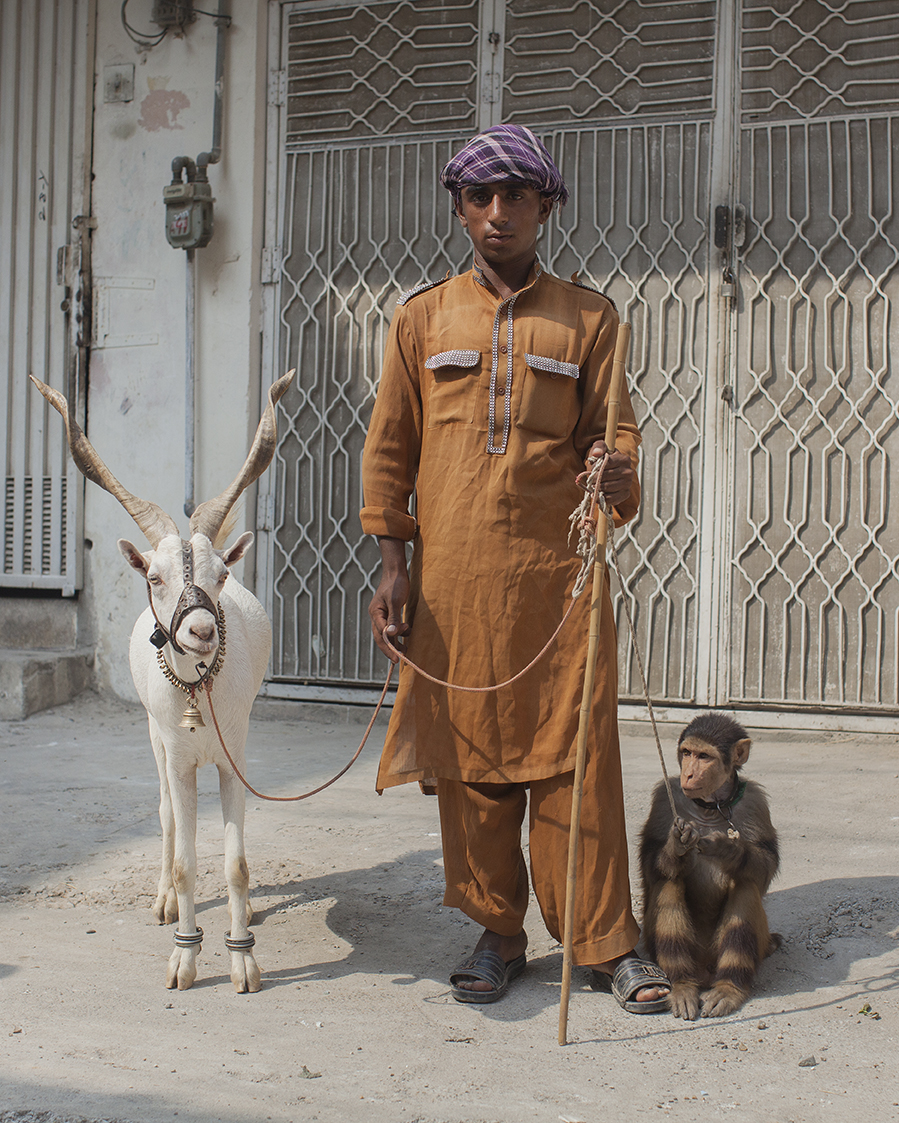
Animal entertainer © Mahtab Hussain
Though the entire experience was something he describes as “magical”, it was tinted also tinted with a certain sadness. Just as he began to fall in love with the country his parents had once called home, he came to realise that it would never truly be his. For Hussain, it transported him back to being a kid as he grappled with similar feelings of loss, resulting in a trip that was ultimately bittersweet.
“The best I could do was to collect memories with my camera, which I am delighted to share. The work grapples with what it is that I will never truly be able to own, while also existing as a celebration of abstract and conceptual work.”
“I want the viewer to fall in love with the images, to experience a homeland that for many, including myself, can never truly be owned as a promised land, a home in which there is no suffering of discrimination, racism or feelings of displacement.”
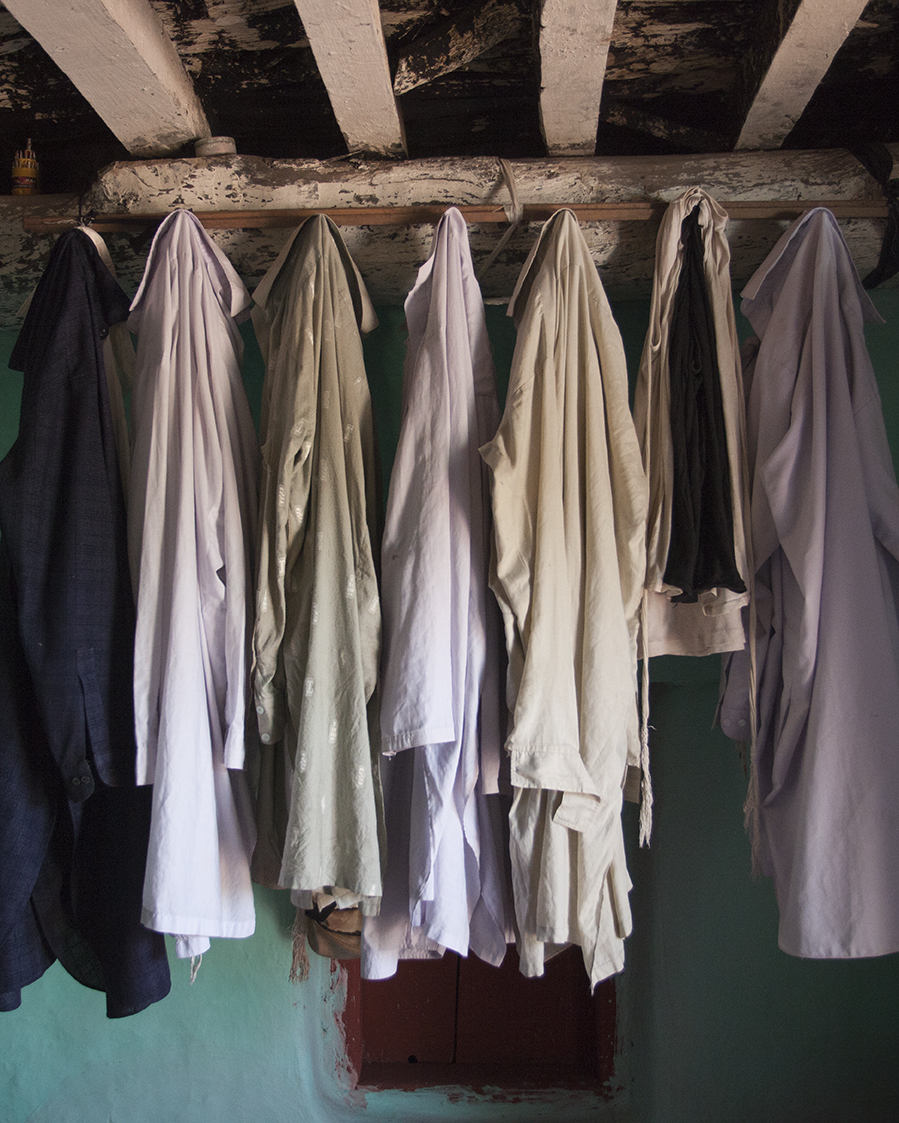
Shalwar Kameez’s on rack © Mahtab Hussai
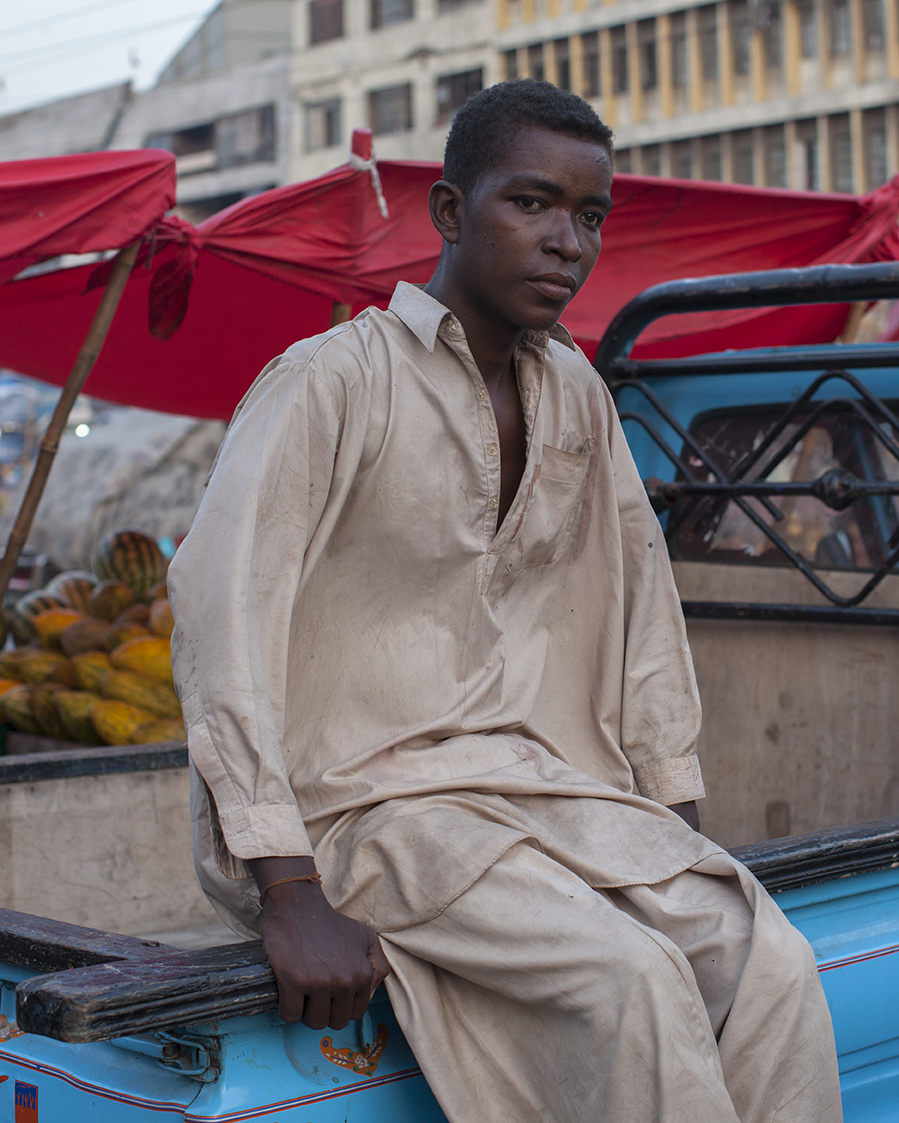
Rice seller © Mahtab Hussain
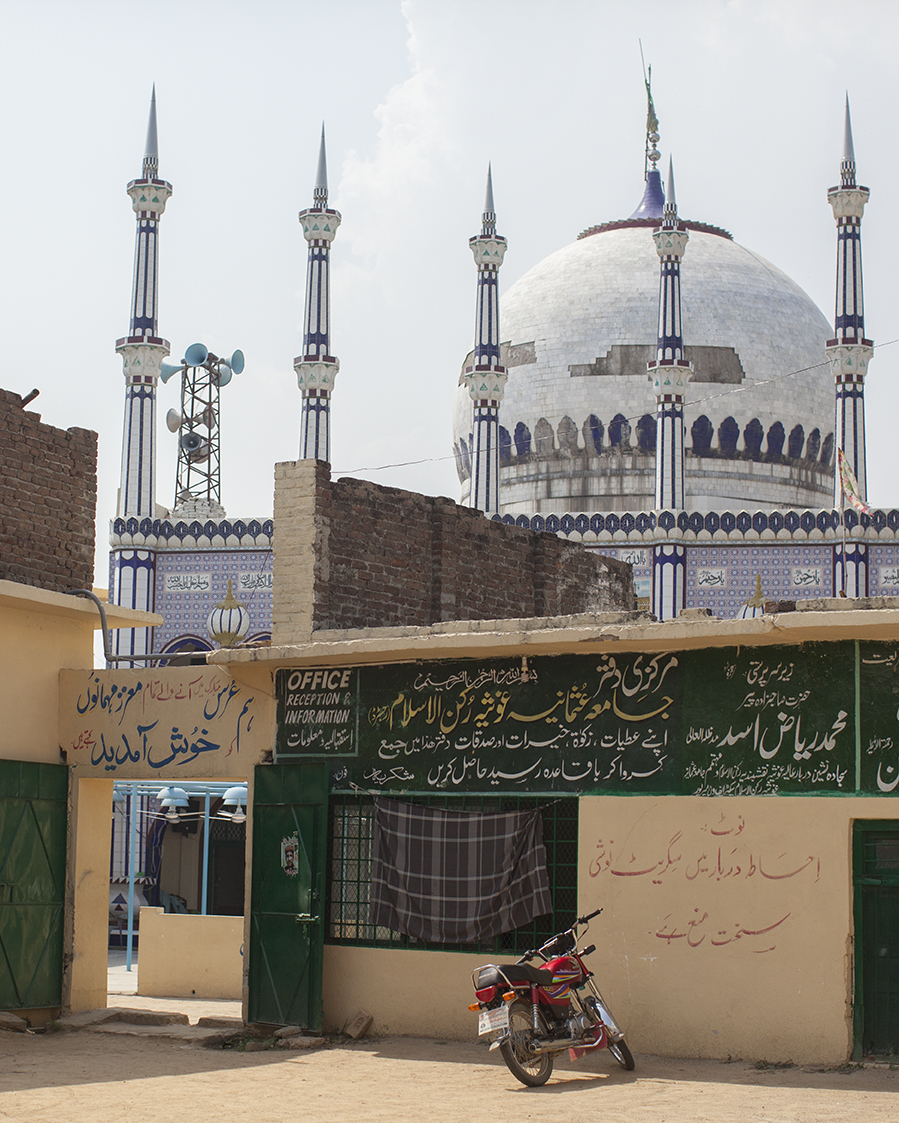
Mosque in Rathowa Mipur © Mahtab Hussain
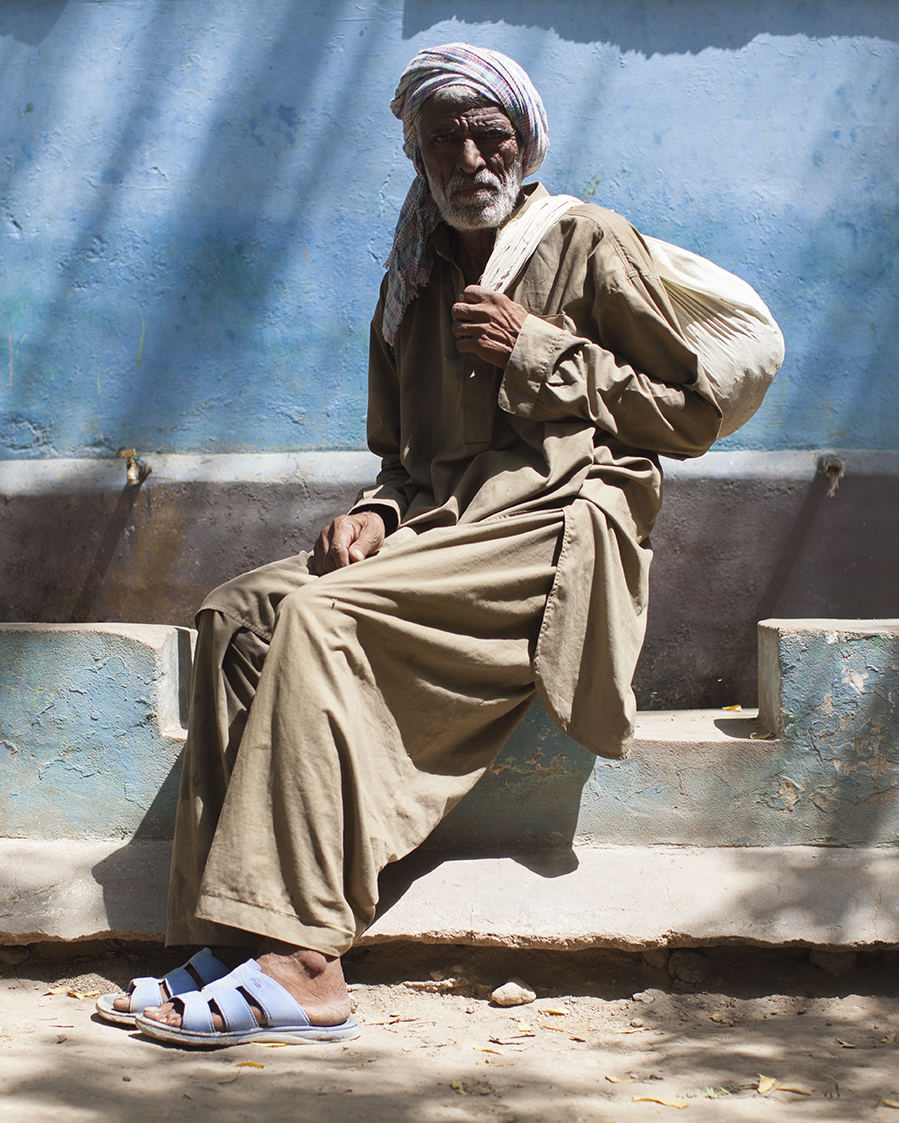
Man in cemetery © Mahtab Hussain
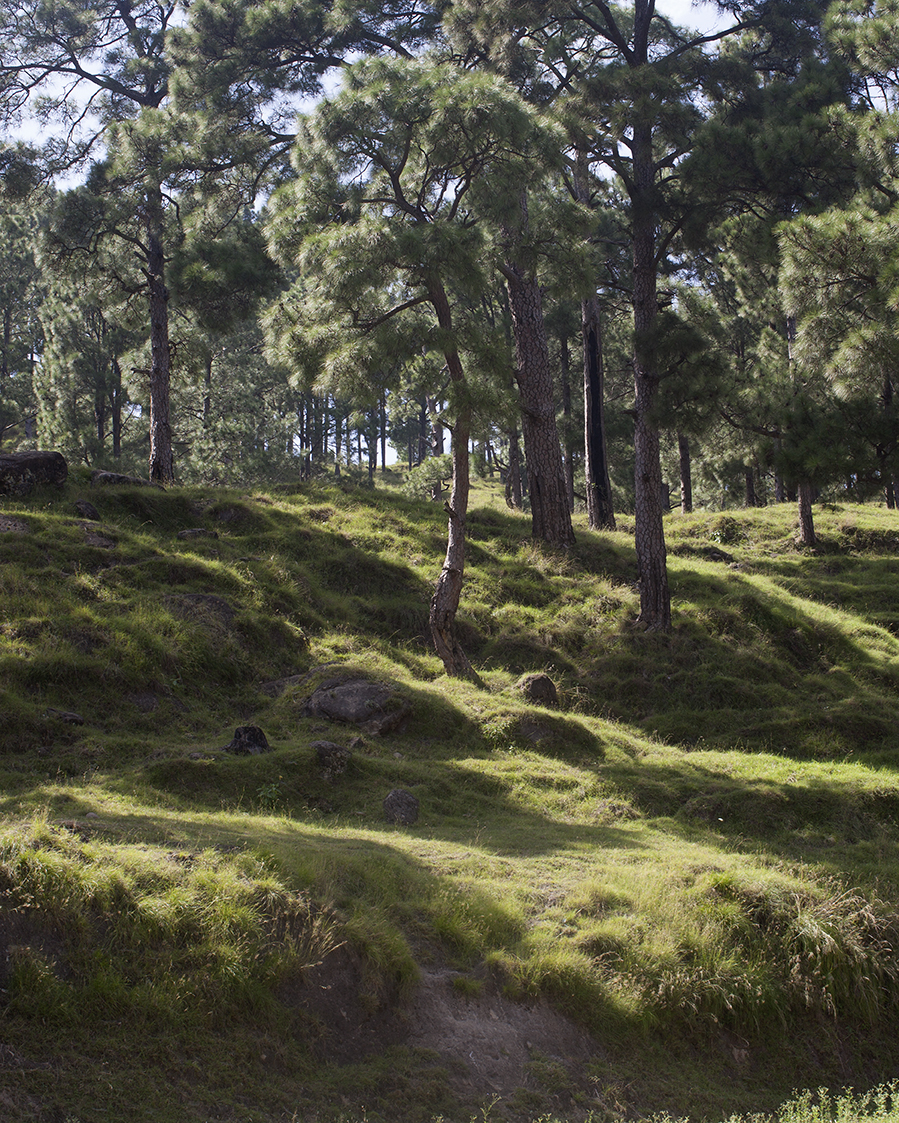
Forest in Suwana, Kashmir © Mahtab Hussain
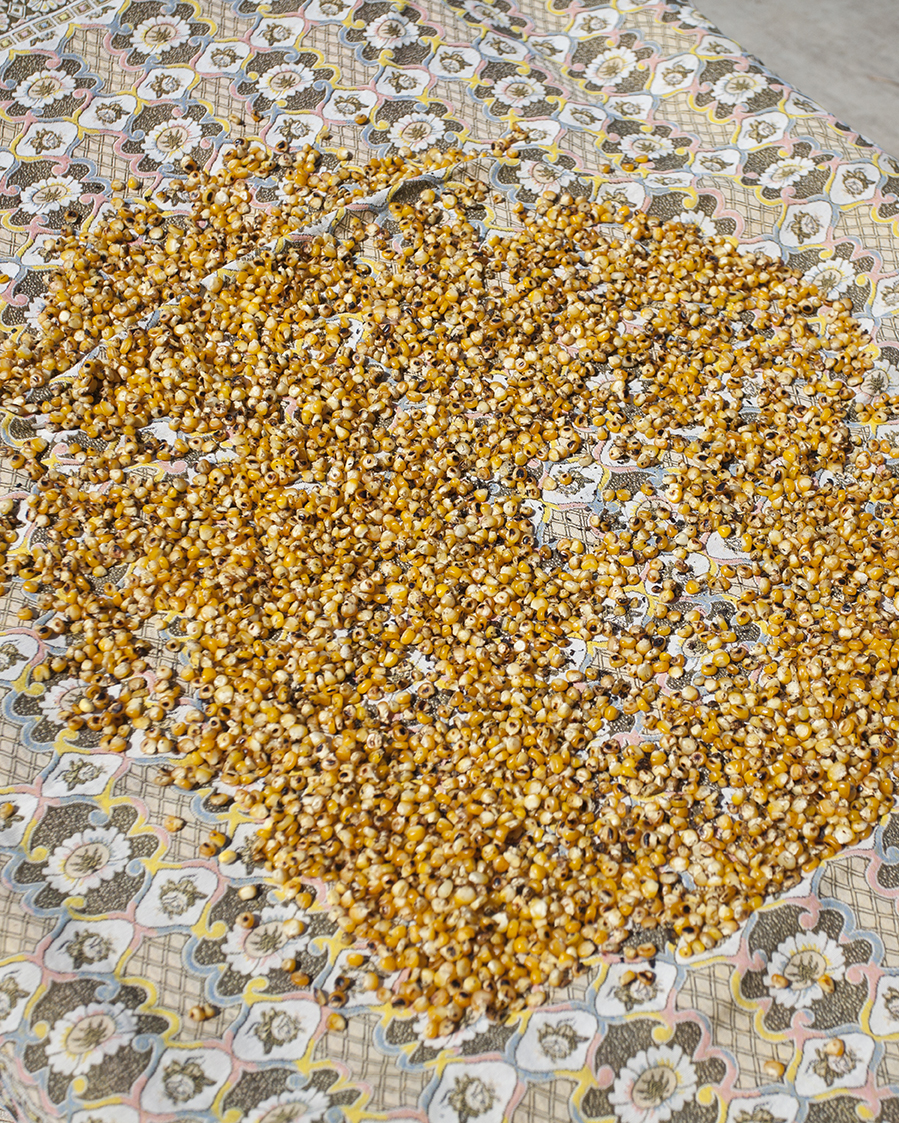
Corn on charpai © Mahtab Hussain
Going back to where I came from is showing at The New Art Gallery Walsall from 25 May – 2 September, 2o18.
The exhibition is accompanied by a fully illustrated publication, published by Ikon Gallery.
Enjoyed this article? Like Huck on Facebook or follow us on Twitter.
You might like

Jesse Glazzard’s messy portrait of queer friends, lovers and chosen family
The Sound of Dirt and Beauty — The photographer’s debut monograph explores tender, unpolished moments shaped by the people who he surrounds himself with, while offering a window into the UK’s working-class LGBTQ+ community.
Written by: Sunny Sunday

Behind the curtain at Alternative Miss World 1981
Olympia glamour — Running a subversive take on the traditional beauty pageant, the Andrew Logan organised event prioritised underground creativity and invention. Photographer David Corio went behind the scenes at its biggest edition.
Written by: Miss Rosen

New exhibition highlights British radical living over 200 years
Earthly Paradise — Taking place at the William Morris Gallery, it explores the homes and lives of artists, writers, musicians and more, as well as the conditions that allowed them to thrive.
Written by: Isaac Muk

What life on the Strait of Hormuz is really like
Southern Winds — Bandar Abbas based photographer Morteza Niknahad has been capturing the diverse communities and stories of his local region since he first picked up a camera. His new series highlights the human impact of war.
Written by: Isaac Muk

Nick Haymes’s intimate portrait of his family’s life
Chronograph — Over 25 years, the photographer documented his son’s lives as they grew into adults. The resulting photobook is an exploration of the passage of time, as well as the optimism of youth.
Written by: Miss Rosen

Kristina Rozhkova’s scatty, confronting portrait of captivity
Gut Feeling — The Russian artist’s 2024 arrest and subsequent detention opened her eye towards the omnipresent dynamics of power and control. Her new photobook is a stark exploration of being trapped.
Written by: Isaac Muk


