
Meet the stars of contemporary Hungarian photography

“It’s not enough to have talent, you also have to be Hungarian,” Robert Capa famously quipped, noting the impressive prevalence of his countrymen leaving their mark on photography throughout the 20th century. André Kertész, Brassaï, Martin Munkácsi, György Kepes, and László Moholy-Nagy are just a few of the artists who elevated the form and put their small landlocked country on the global art map.
Although many of these photographers left their homeland to move West, their spirit lives on at the Moholy-Nagy University of Art and Design Budapest. It is here, in 1984, that photography was recognised as a discipline for study, following in the spirit, experimentation, and recognition of the permeability between art and life that guided Moholy-Nagy throughout his career.
Now, in THIRTYTHREE (Hatje Cantz), editor Róna Kopeczky provides a survey of 46 of the University’s most impressive alumni over the past 33 years – including Sári Ember, Anna Fabricius, Viola Fátyol, Adél Koleszár, Gábor Arion Kudász, Péter Puklus, Gergely Szatmári, and Éva Szombat. An exhibition of the same name will be on view at the Robert Capa Contemporary Photography Center in Budapest (October 8–December 9, 2018).
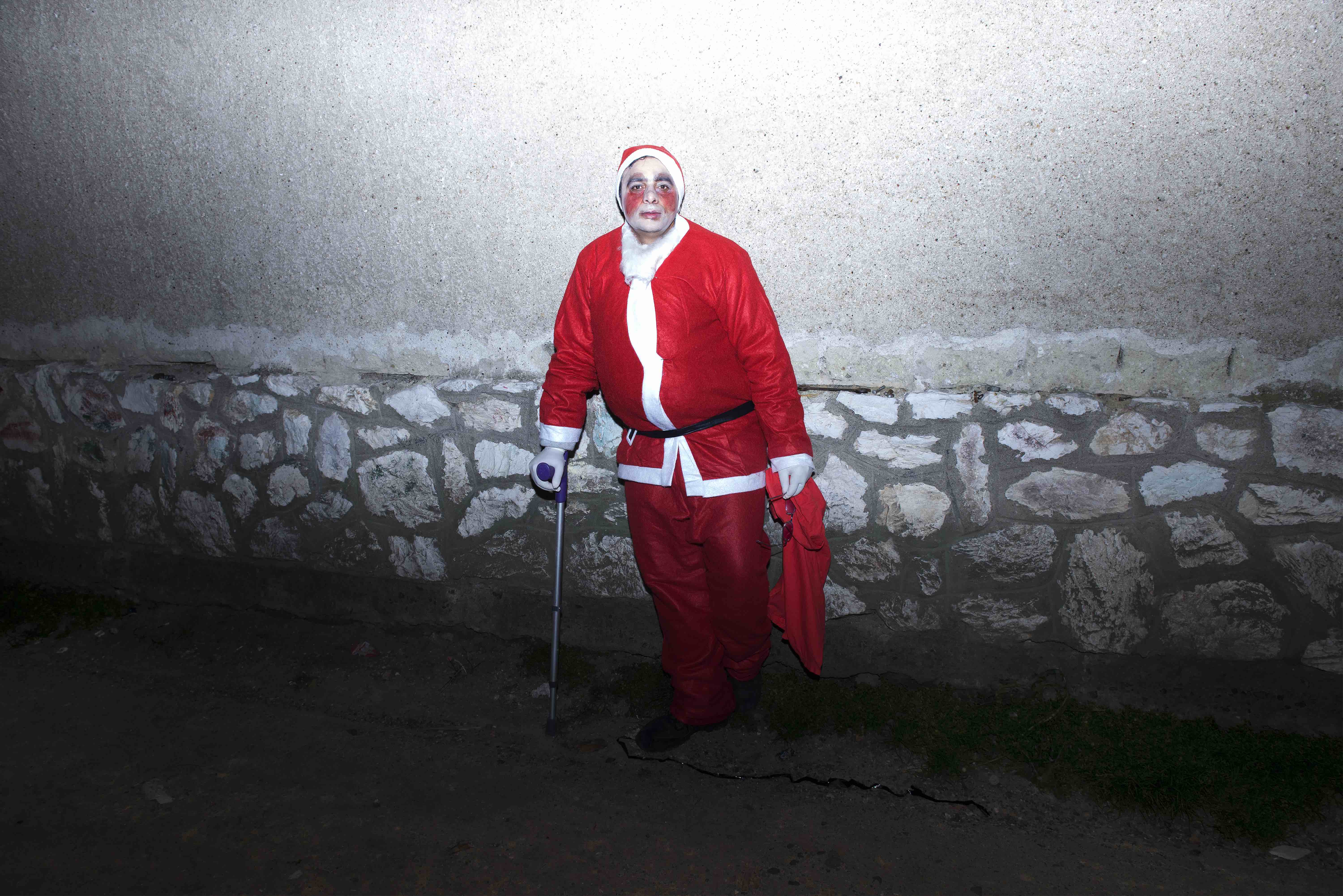
From the series Józsi’s Home, 2015. © Zsófi Sivák
“There is a very important tradition of realism in Hungary and historical photography started with the visual recording, the mimesis of a scene,” Kopeczky explains. “What the great Hungarian photographers gave to photography is a playful approach of the image, of the medium, of its raw materials. Experimentation with light and shadow, with realistic and abstract, with motion and stillness was fresh and opened the way to this permeability towards other media.”
With the establishment of the Moholy-Nagy University, photography is experiencing a renaissance, inspiring a new generation of artists to push the boundaries of the medium in order to inspire, provoke, and connect. The fall of the Soviet Union and the demise of the Eastern bloc has allowed for photography and free thought to flourish.
“The collapse of the Soviet Union opened borders and eyes, gave the opportunity for people to travel more and to start reinserting in the European blood flow,” Kopeczky says.
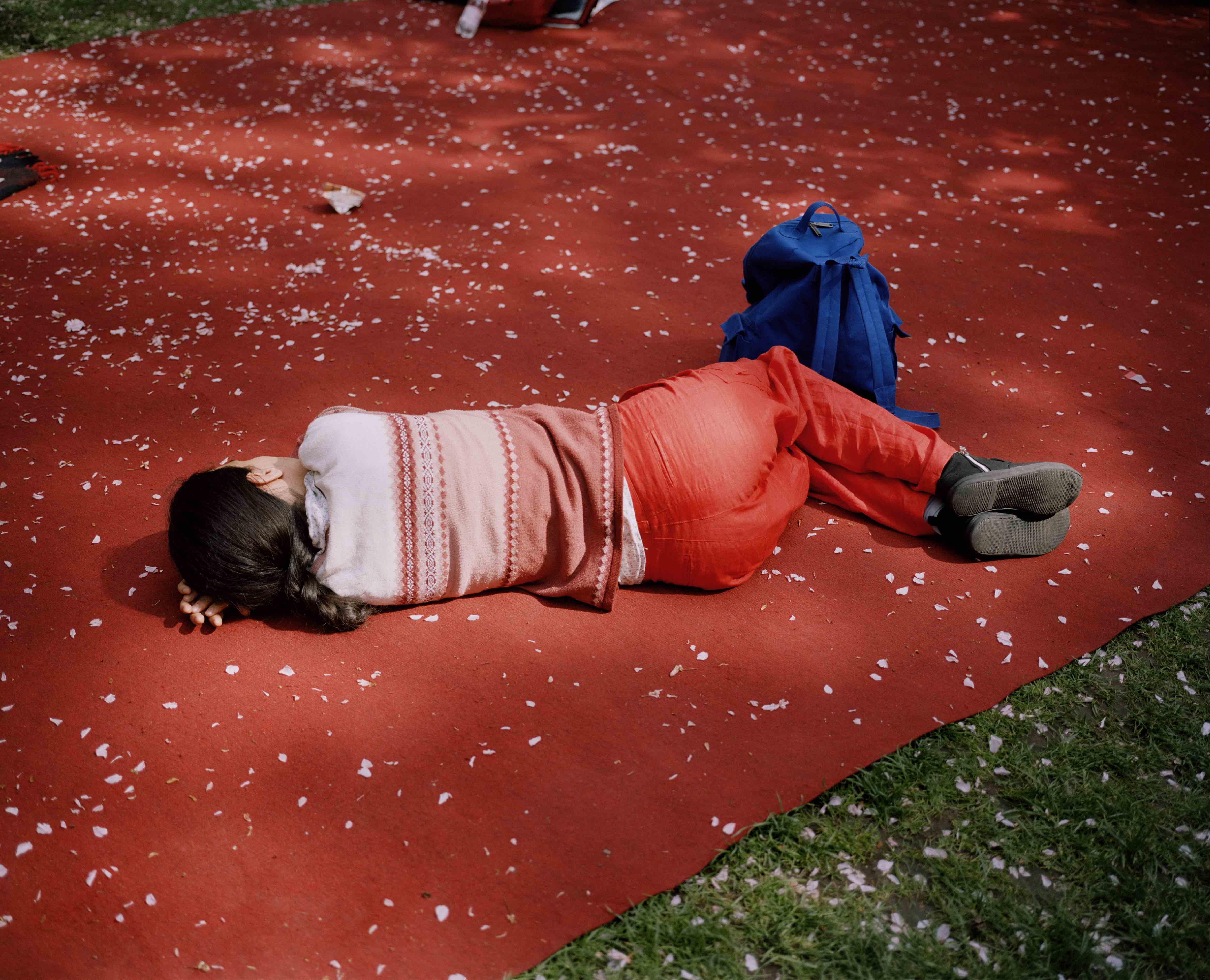
© Sari Ember
Hungarian photographer and university alumni Gábor Arion Kudász adds: “Would it be even possible to maintain a photography program in an oppressive, paranoid, authoritarian system? Photography is the tool of open dialogue. Our photography program was conceived just a few years before the fall of the socialist regime, so it can be said that the birth of the program grew with the change that completely transformed the routines of Hungarian society, our horizon expanded as we learned to see.”
THIRTYTHREE provides a broad look at a spectrum of topics and points-of-reference since Hungary regained its independence. The organising theme for the work was the notion of the horizon, understood both in an environmental, cultural and a psychological way.
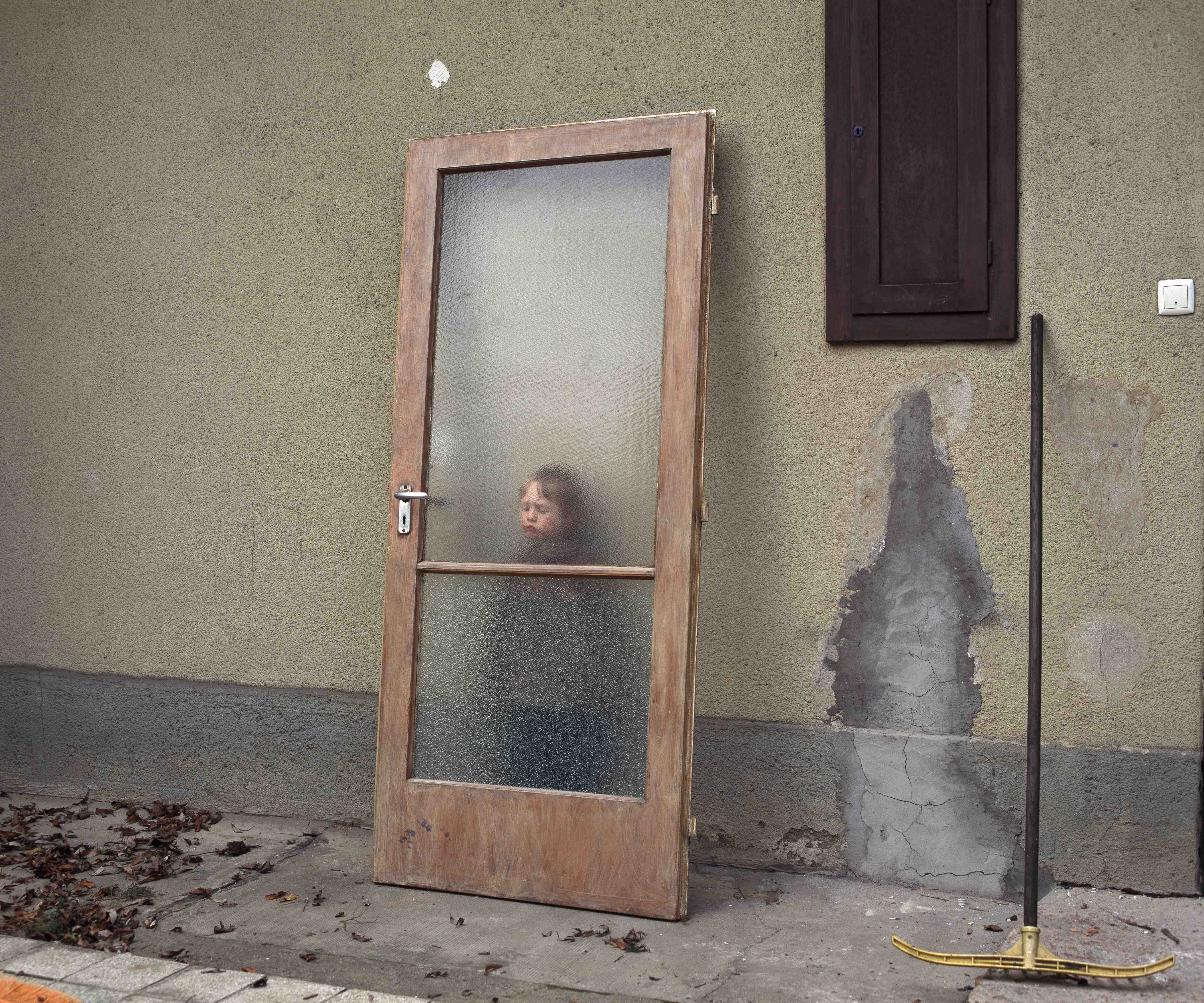
Momó with door, from the series Middle, 2011. © Gábor Arion Kudász
“The horizon as boundary, a landmark, a line that divides but also links different realms to each other,” Kopeczky explains. “The works revolve around complementary pairs that such as conscious and unconscious, reality and fiction, full and empty, presence and absence, present and past, nature and culture, abstract and realistic, sweet and bitter, composed and awkward, reassuring and unsettling, or hopeless and hopeful.”
The decision to celebrate the University’s 33rd anniversary with a book and exhibition is a symbolic one. “This number has a special significance in the perspective of the human lifetime, it marks a kind of summit or plateau, it is the completion of goals, and a high-point from where we are viewing the horizon of Hungarian photography,” Kudász adds. “Thirty-three is a jubilee of the work of a one-third century and it is an in-process status report that could be the 33rd in a row, but it’s the first of this kind.”
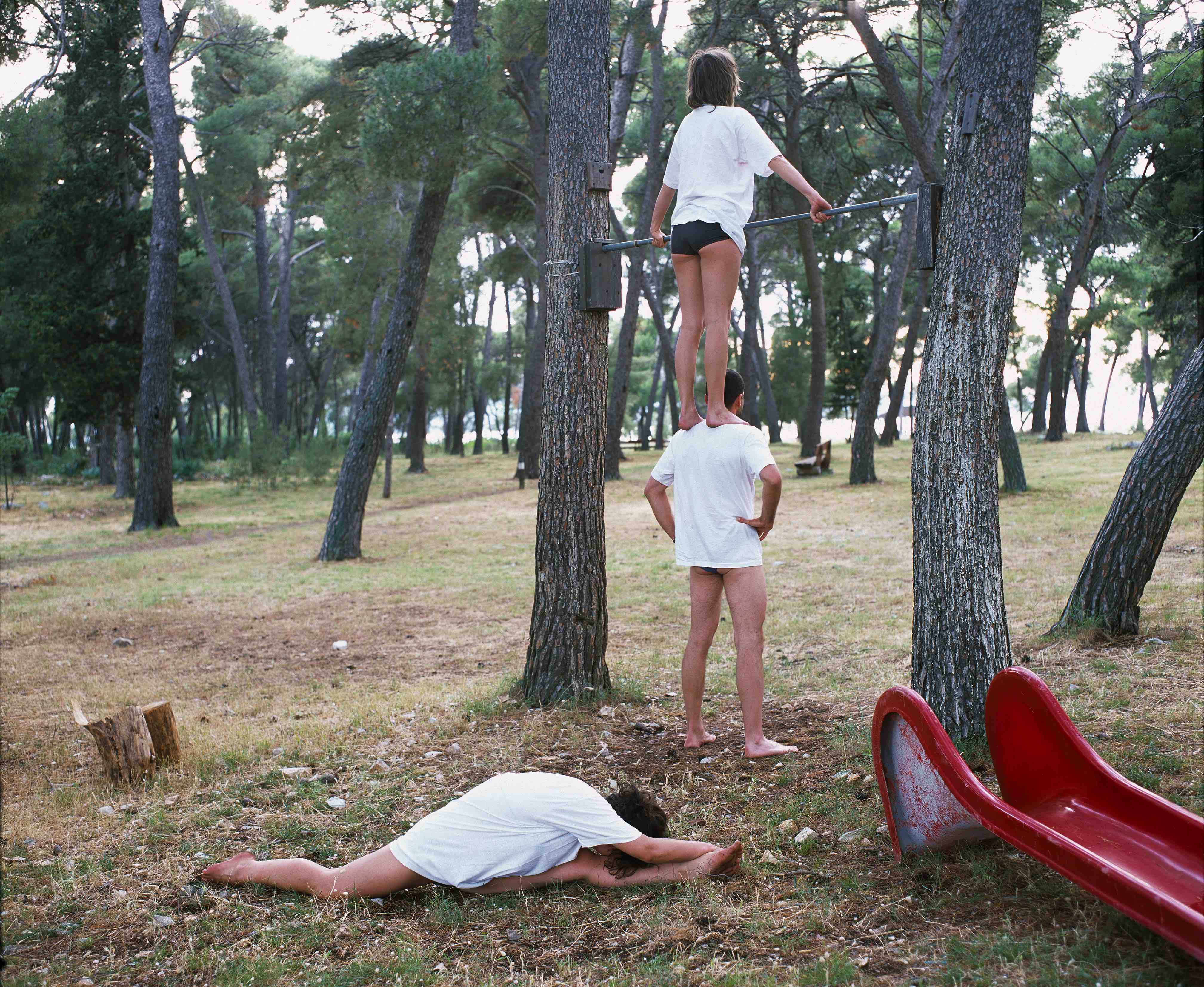
No.2, from the series By Rule, 2008. © Anna Fabricius
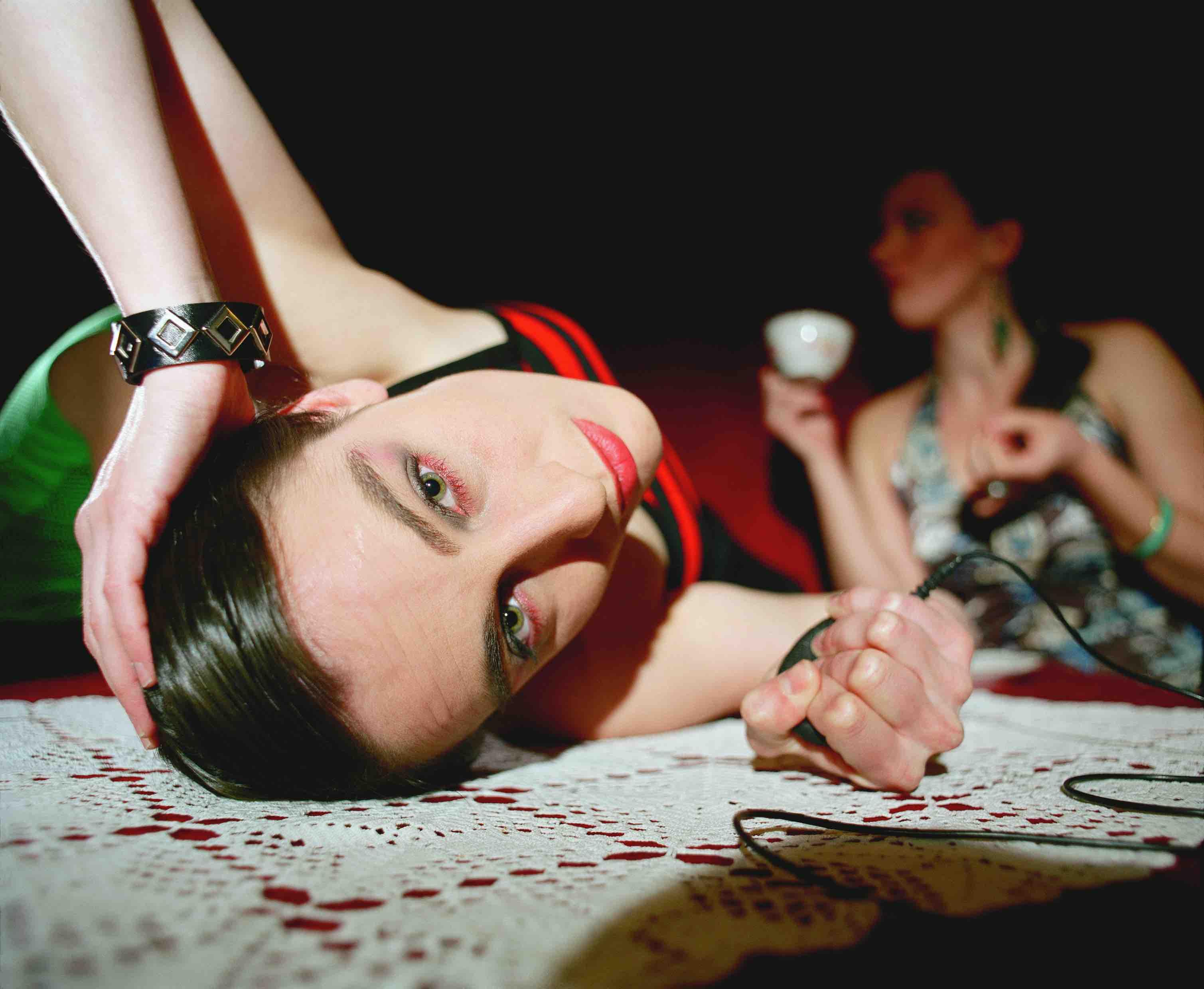
Self-timer #5, from the series Self-Timer, 2008. © Ágnes Éva Molnár

Thunder, from the series Epic Love Story Of A Warrior, 2014. © Peter Puklus
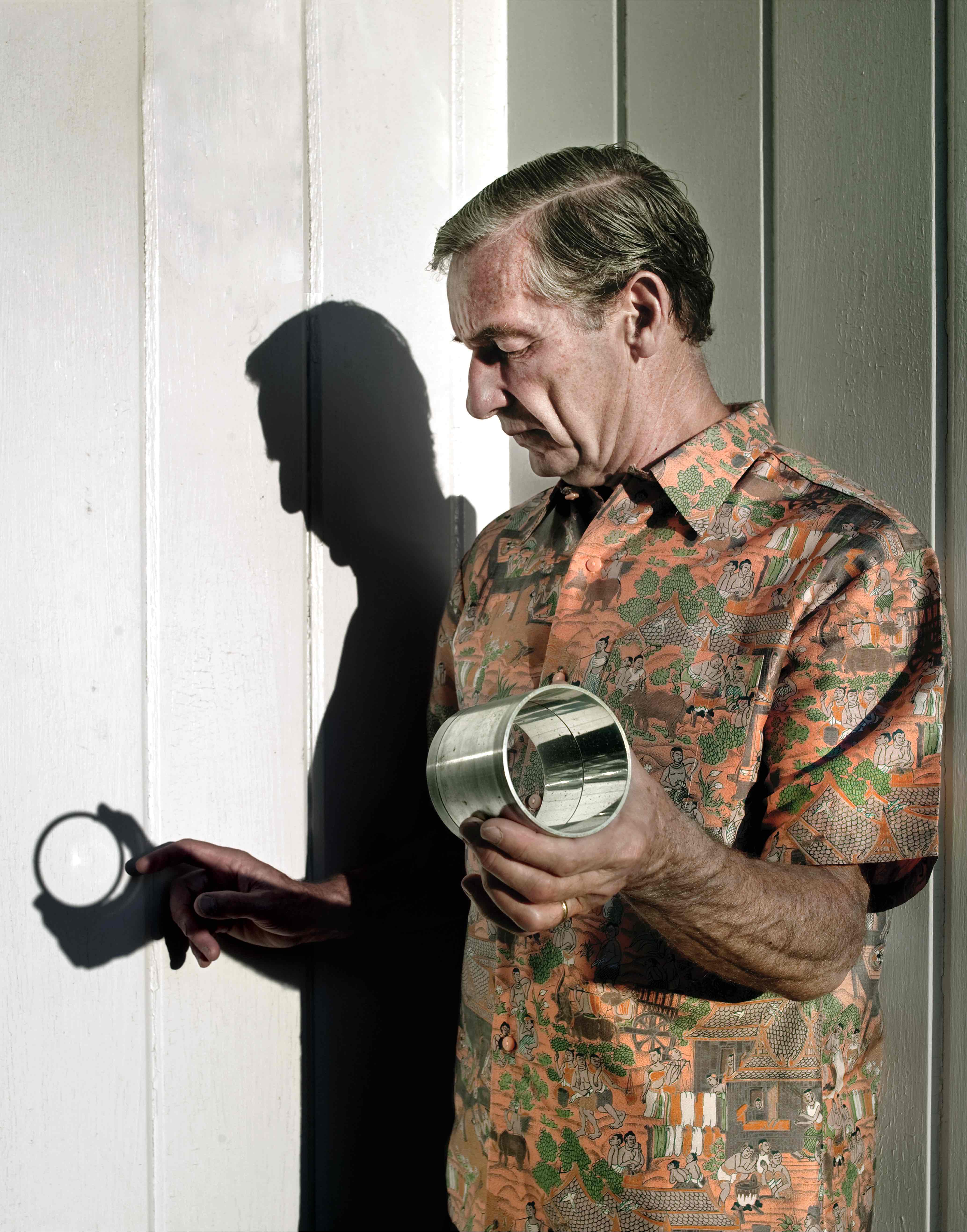
Scientist, from the series American Idler, 2008. © Gergely Szatmári
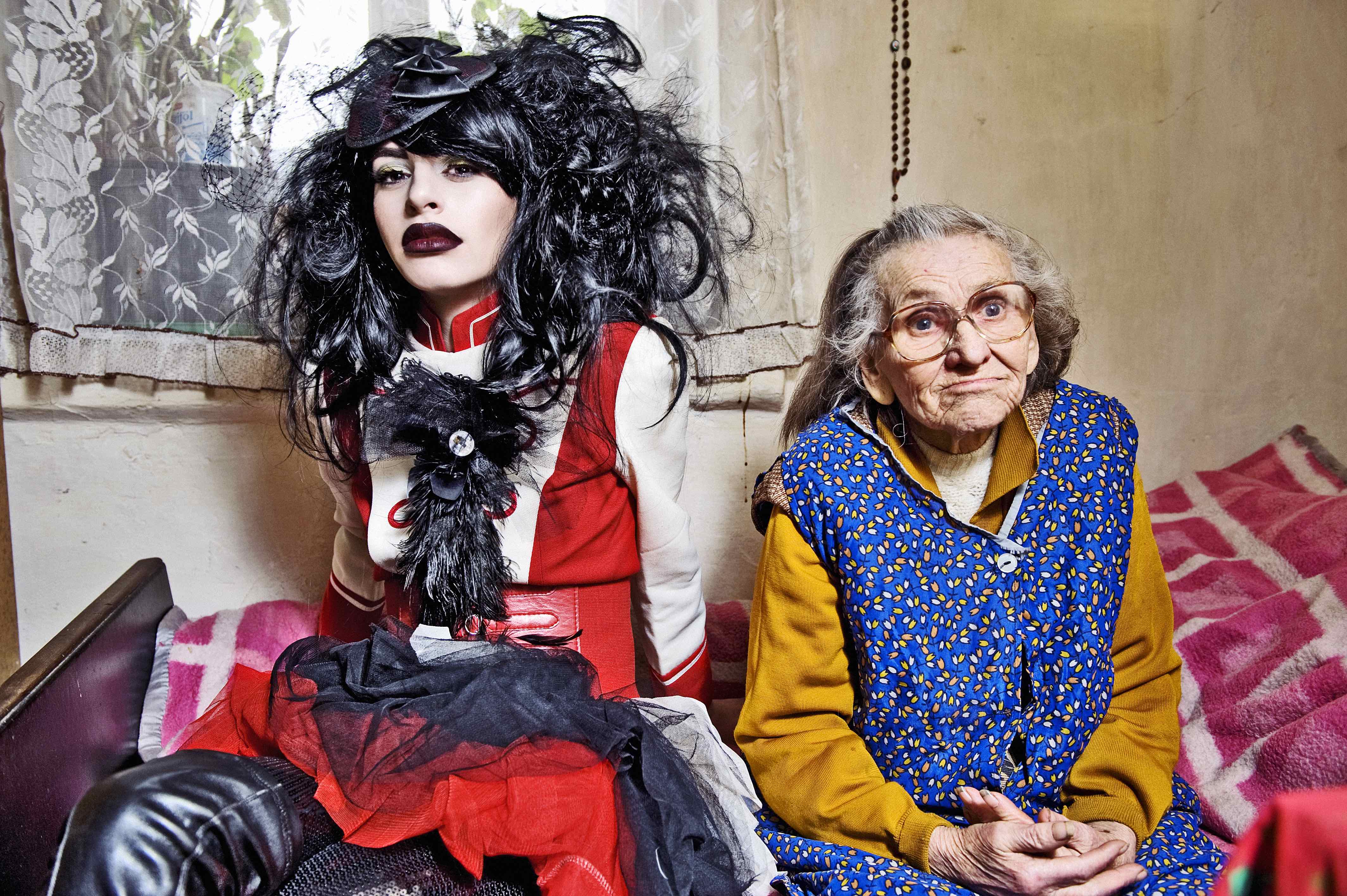
Lavan, from the series Practitioners, 2016 © Éva Szombat

From the series Outlaw’s Yard, 2010. © Barnabás Tóth
THIRTYTHREE is available now on Hatje Cantz.
Follow Miss Rosen on Twitter.
Enjoyed this article? Like Huck on Facebook or follow us on Twitter.
You might like

The lasting community legacy of a legendary Californian boxing gym
Moretón — Since opening in the ’80s, the Coachella Valley Boxing Club has trained multiple world champions, while providing a vital hub for local youth. In his new photobook, Darren Vargas documents its tight-knit, Chicano-led community, while also weaving a deeply personal story.

Inside the grunge golden age with Hole’s former bassist
My ’90s Rock Photographs — Melissa Auf der Maur’s new photobook is a sprawling visual memoir of her time at the heart of the US scene, from Tinker to The Smashing Pumpkins.

Introducing ‘The Chaos Isles’, a new photozine by Huck and Yushy
Normal Island — From unlicensed raves to the solstice at Stonehenge, furries to giant vegetable growers, Yushy is one of the UK’s best lensmen of its wild side. ‘The Chaos Isles’ will be sent out exclusively to Club Huck+ members.

Join Club Huck+ to get the most from Huck
Dispatches from the sharp edge of culture — Members get our print magazine, special photozines, The Huck Long Read newsletter, discounts from our friends and partners, digital versions of back issues and priority access to events.

Signs of solidarity as London marks three years of genocide in Palestine
Never forget — 250,000 people gathered on Saturday as Israeli attacks have continued in Gaza and the West Bank. Daisy Schofield photographed the diverse people and placards in attendance.

Landmark new exhibition is celebrating 50 years of female punk
God Save the Queens — The Museum of Youth Culture is bringing together rare photography, archive material and a one-night-only supergroup featuring members of X-Ray Spex, The Slits and The Raincoats.


