Michael Putland
- Text by Shelley Jones
- Photography by Michael Putland

To celebrate Huck 46: The Documentary Photography Special II, our annual celebration of visual storytelling, we are having a Huck website takeover – Shoot Your World – dedicated to the personal stories behind the photographs we love.
In this regular series, My Sweet Shot, we ask photographers to zone in on a single photograph from their archives that they feel best embodies the questions they’re broaching, generally, with their work.
Second up is iconic music photographer Michael Putland, whose incredible body of concert and documentary photography – featuring everyone from Siouxsie Sioux to The Clash – is being celebrated by Getty Images Gallery in a 50-year retrospective next month.
My Sweet Shot
By Michael Putland
“I left school when I was 16 and I got a job as a photography assistant, because I’d always loved photography. And I’d always loved music. So I’d go to concerts in the evenings and take little old cameras around and snap the artists as they were on stage. I found I could sell one or two of the prints and it all just developed from that really.
It was much easier back then. There were very few people doing it. You go to a big concert now and 40 people are shooting the show then they’re all escorted out of the hall after two numbers. I always used to shoot the whole show. The national press weren’t interested in those days, and there wasn’t much music press, so the artists were very pleased we were there trying to take their pictures. And you’d always get to go to the afterparty.
That’s how it was with this picture of Bob, Mick and Pete. An afterparty in the dressing room for a small amount of people. The Stones had done a gig in the Palladium Theatre in New York in 1978 and it Mick had just come off stage. All the Stones were there, as well as Bob Marley, Peter Tosh, Paul and Linda McCartney. It was a very elite group, if you like. And obviously I knew the Stones very well at that time, so I just snapped it really, it was a lovely moment.
I’ve always tried to photograph people’s character. And I think I’ve captured that, certainly with Bob and Mick, the pleasure in the moment. If I had a gift it was catching the person, catching what they were. And this was before digital, when it all became about making the person beautiful. I was more of a photojournalist. I always worked very hard never to take a photograph in those personal circumstances that I thought people wouldn’t like. I felt very privileged to be given that freedom. I loved the band and I was always respectful to them. I’d been watching them since their very early days because I was only a few years younger than them. That’s how it was in those days, The Who used to play my local pub. It was a fantastic period of time.
This is an image that people seem to like very much and people often ask me for it to hang on their walls. I think after my first Stones tour in 1973 people started to treat me differently. They thought, ‘Oh you must be okay!’ and I started working with really good people after that.
The first photographer I assisted said to me, ‘Kid, keep it simple.’ If you give me too many lights or a flash set-up I just go to pieces but if I’m in a darkened room with a little bit of light coming through and an atmosphere, then what skill I have, will shine through.”
Michael Putland’s retrospective A Life in Music – 50 Years on The Road runs at the Getty Images Gallery on Eastcastle Street, near Oxford Circus, from October 22 to November 22.
You might like

The raw, fledgling intimacy of Peter Hujar’s contact sheets
Hujar:Contact — A new photobook highlights the process of the legendary queer photographer, and his process of growing into the artist he ultimately became.
Written by: Miss Rosen

Jesse Glazzard’s messy portrait of queer friends, lovers and chosen family
The Sound of Dirt and Beauty — The photographer’s debut monograph explores tender, unpolished moments shaped by the people who he surrounds himself with, while offering a window into the UK’s working-class LGBTQ+ community.
Written by: Sunny Sunday
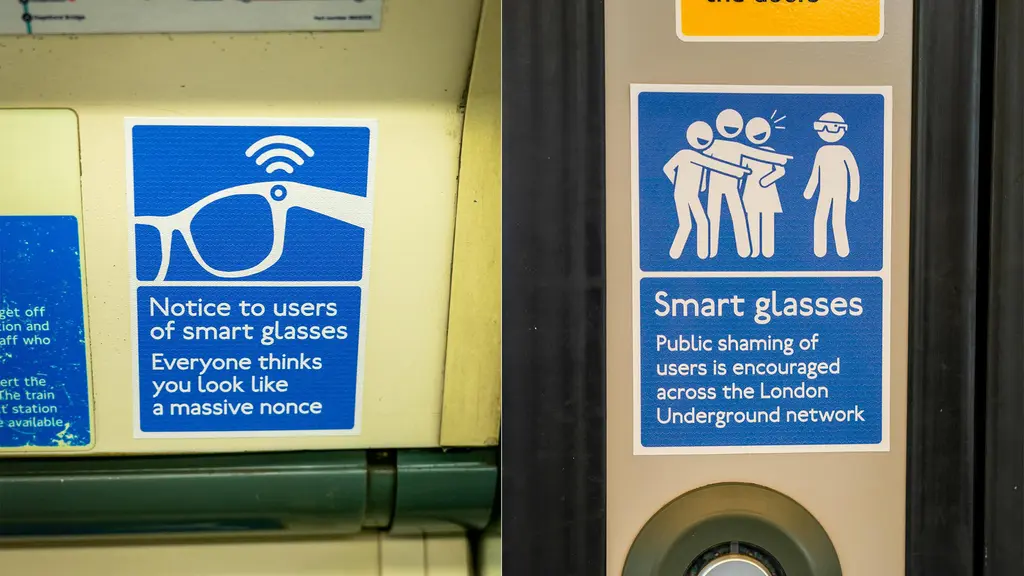
Activists slam “pervert glasses” in new guerrilla campaign
Everyone Hates Elon — Stickers have appeared on the London Underground network, criticising the wearable technology’s covert filming capabilities.
Written by: Isaac Muk

Behind the curtain at Alternative Miss World 1981
Olympia glamour — Running a subversive take on the traditional beauty pageant, the Andrew Logan organised event prioritised underground creativity and invention. Photographer David Corio went behind the scenes at its biggest edition.
Written by: Miss Rosen

Dan Lacey: “BMX is forever evolving”
Overground — Steph Pomphrey caught up with the two-wheel legend after his latest meet in east London, chatting about fatherhood, music and action sports within the outdoor industry.
Written by: Steph Pomphrey

The battle for the soul of lockpicking
Under locksport and key — In recent years, breaking locks for fun has grown from a niche hobby into an activity followed by millions of people. As it has matured, so have tensions over who sets the rules.
Written by: Jack Dennison-Thompson


