What life is really like for teenagers on the front line
- Text by Emanuele Amighetti
- Photography by Emanuele Amighetti

The war between Armenia and Azerbaijan has been a long one. It seems like the world just views these countries – particularly the landlocked region of Nagorno-Karabakh – as one big conflict zone.
The troubles started in 1988, escalating into a full-scale war when the Soviet Union collapsed in 1991. It left 65,000 ethnic Armenians and 40,000 ethnic Azeris displaced. Today, soldiers are still defending their positions over the frontline, despite an official ceasefire being signed. This is regularly broken, with casualties on both sides.
A few days after I first got there in April this year, the International Crisis Group published a deep and detailed report about Nagorno-Karabakh’s current situation. They pointed out how Armenia and Azerbaijan were closer to war than in any time since 1994. It made me realise that a ‘frozen conflict’ can escalate into a war in a very short time. It also made me realise how our lives can go on without being aware of what is happening a few hours flight away from us.
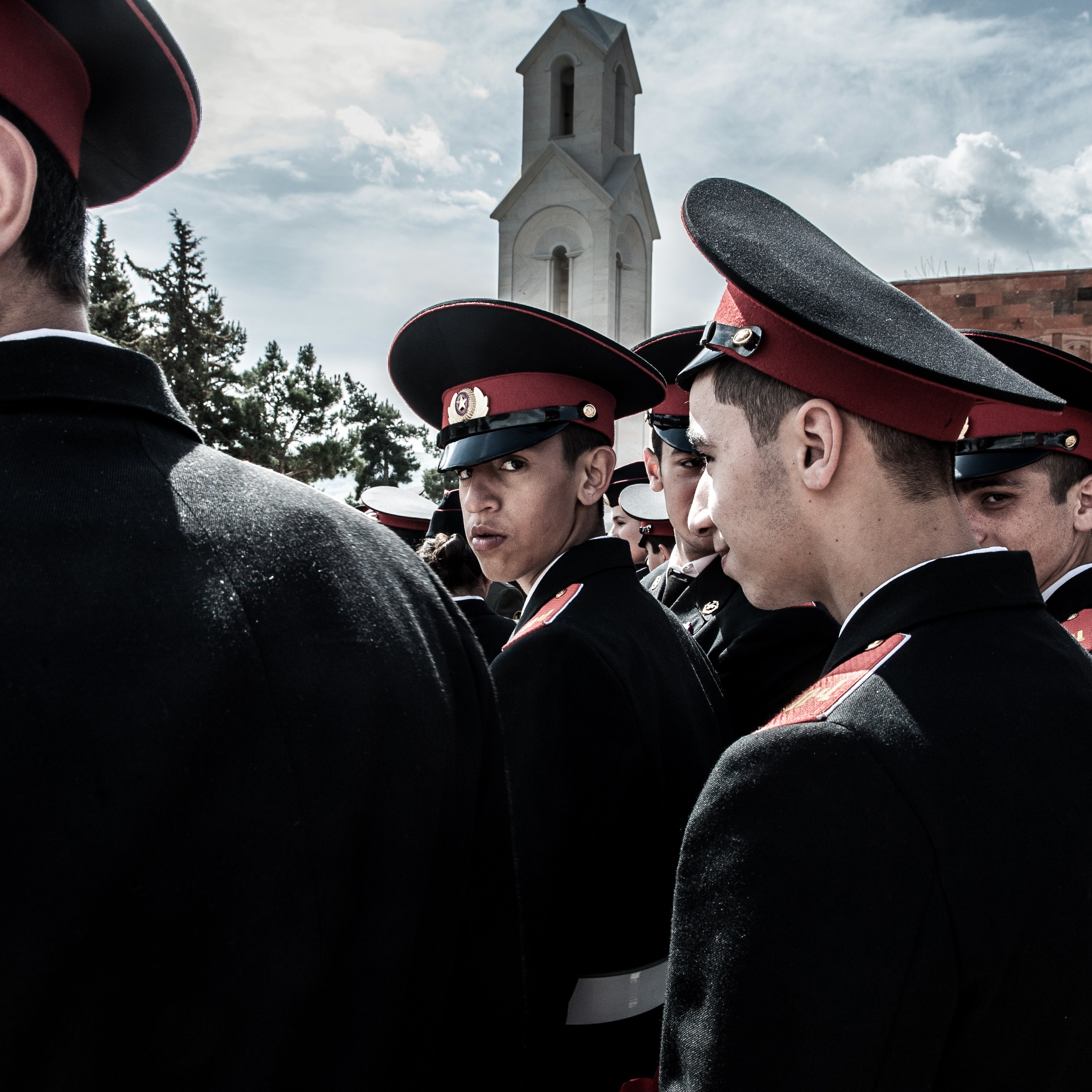
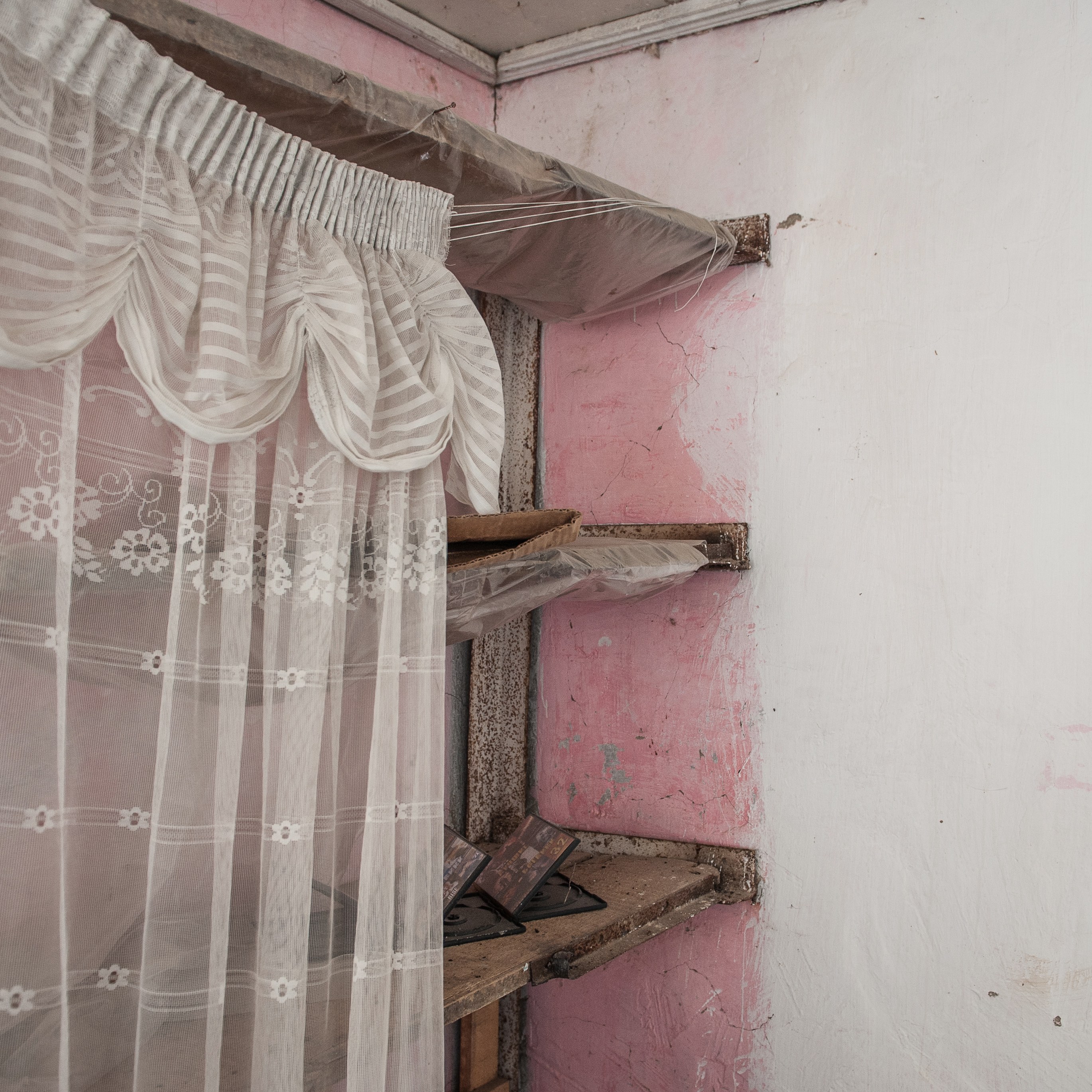
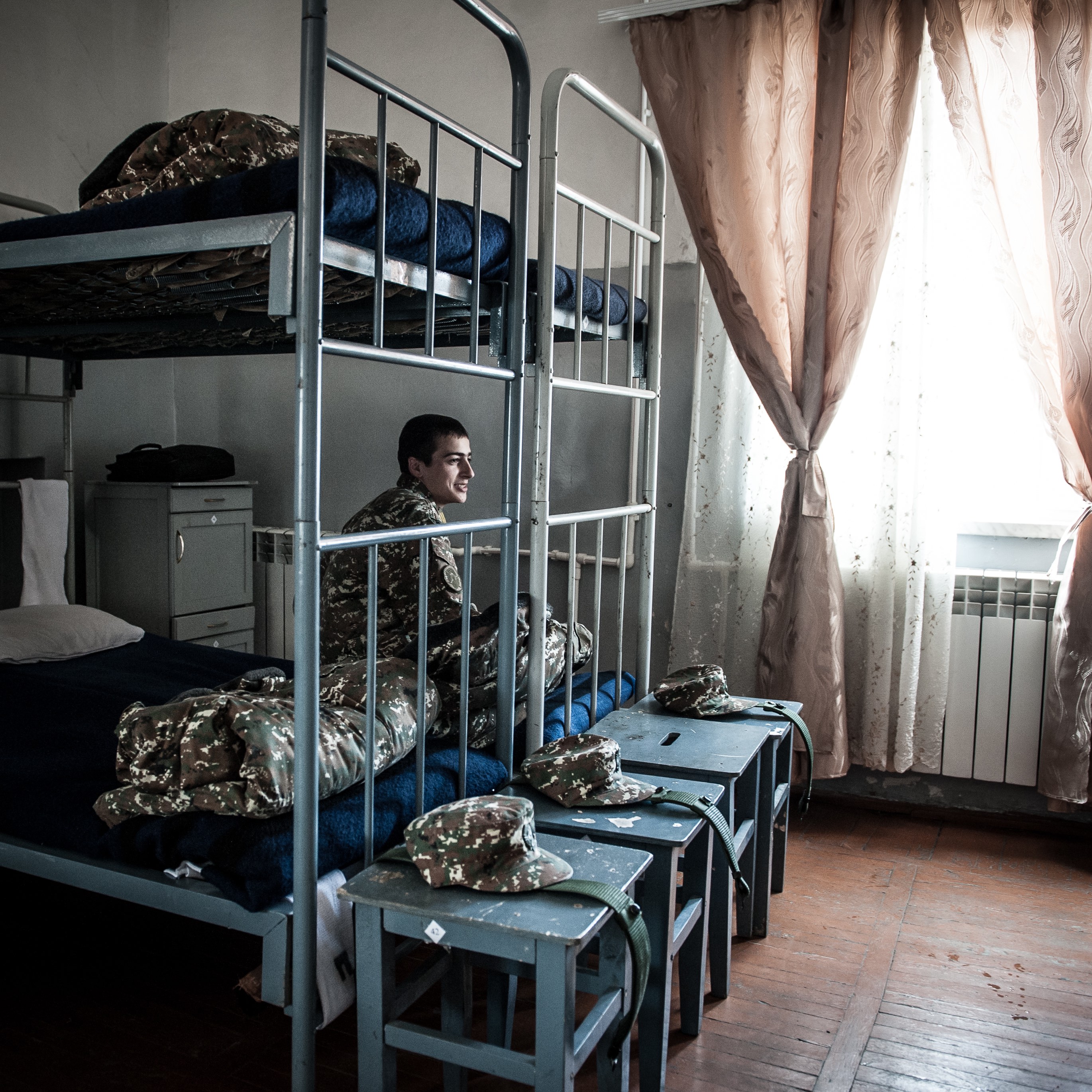
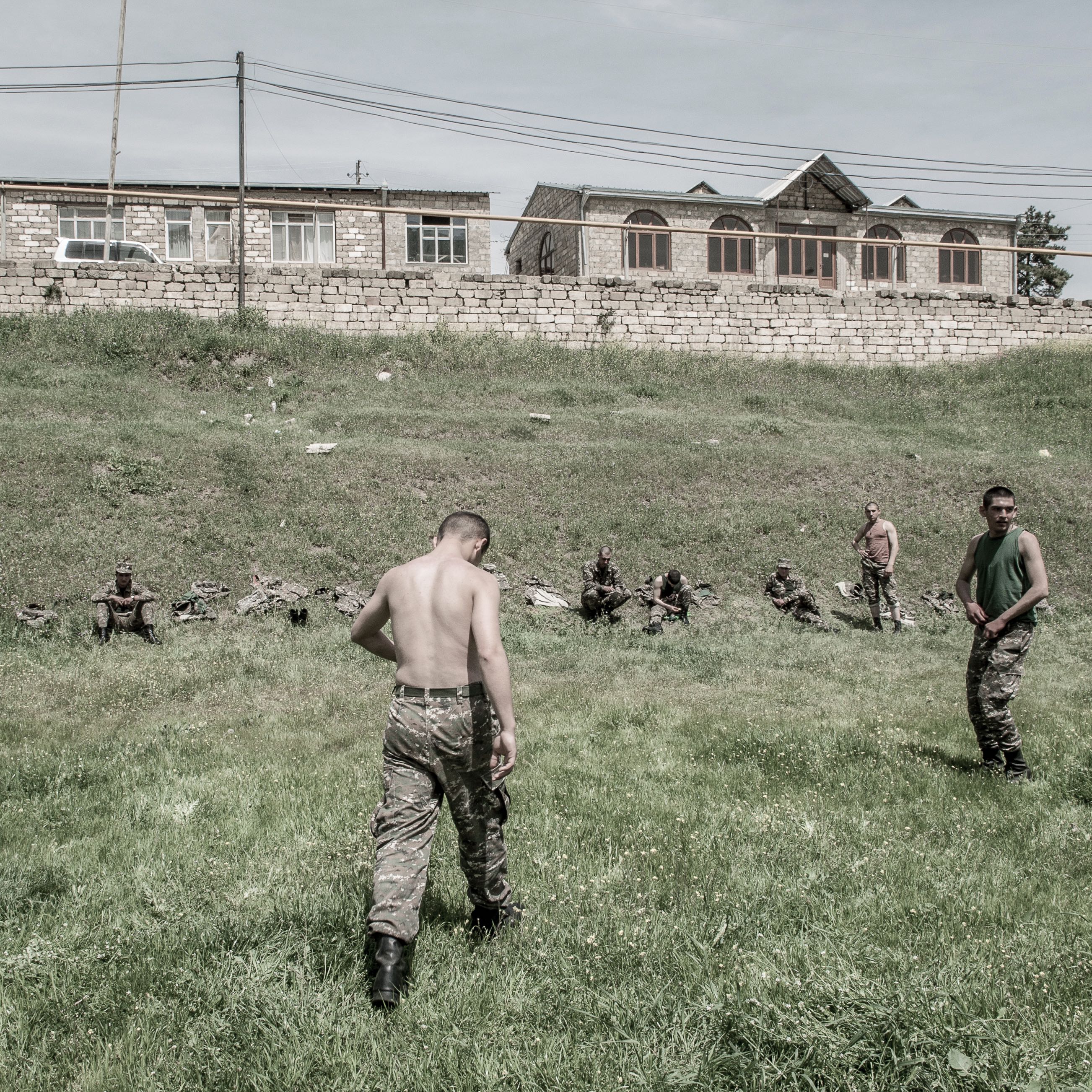
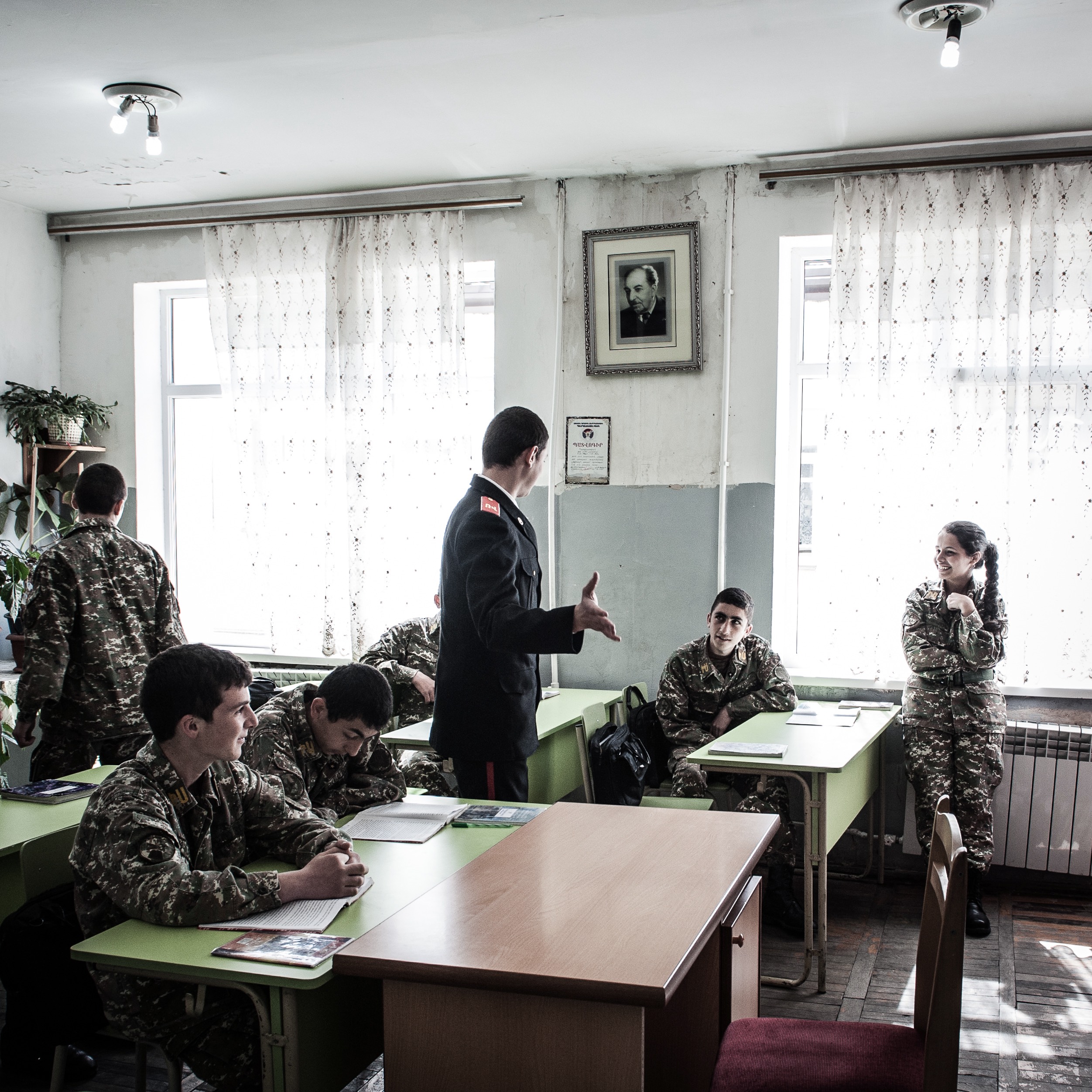
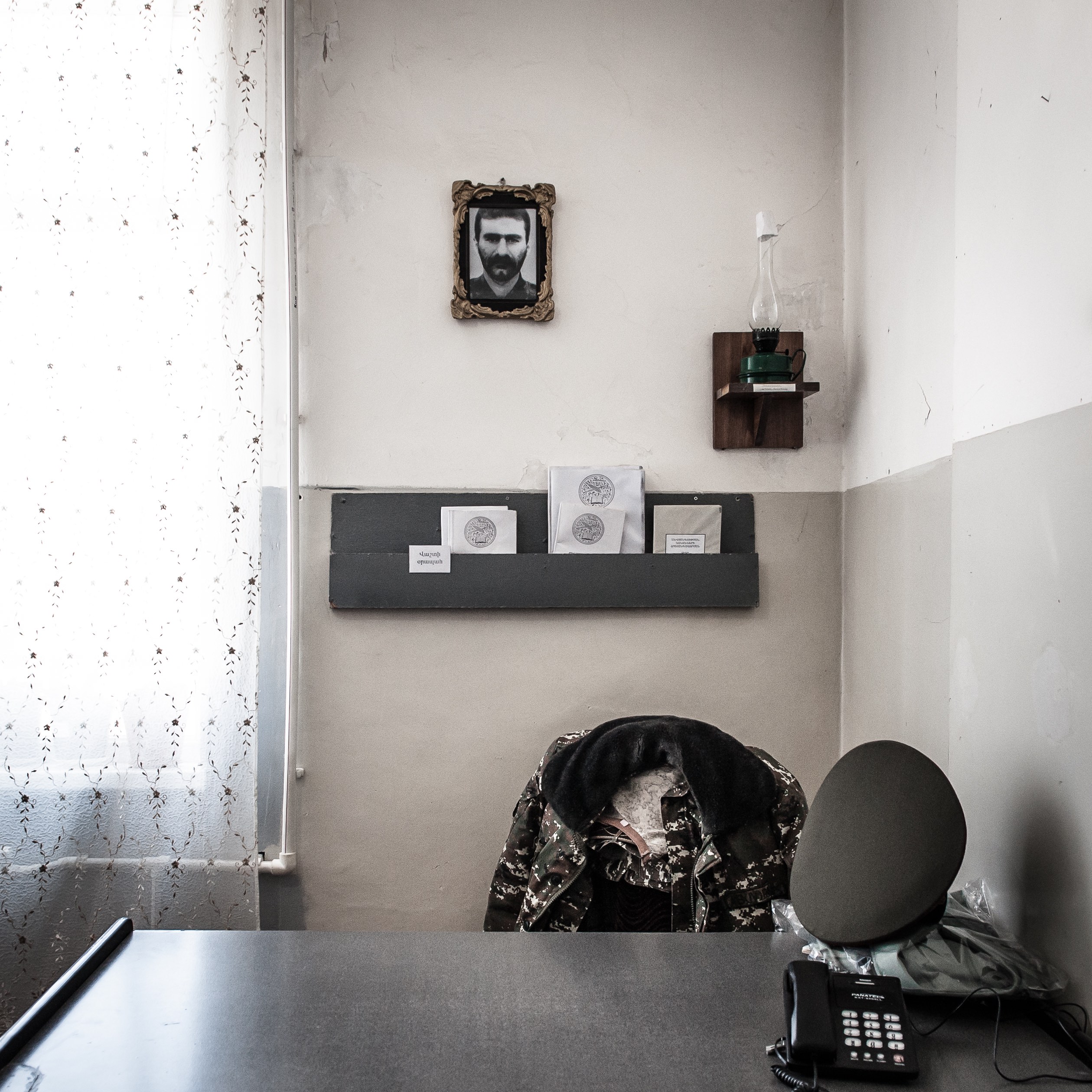
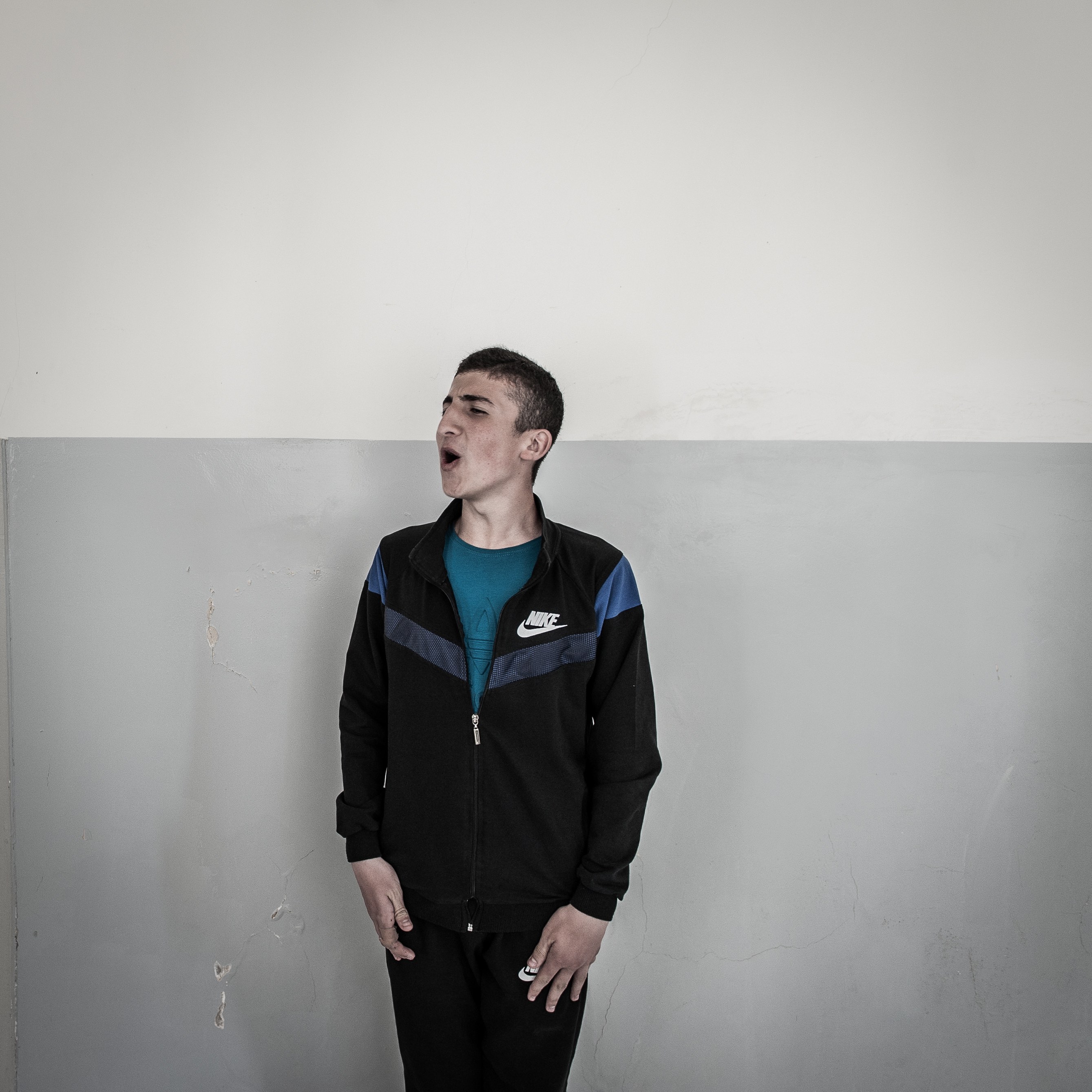
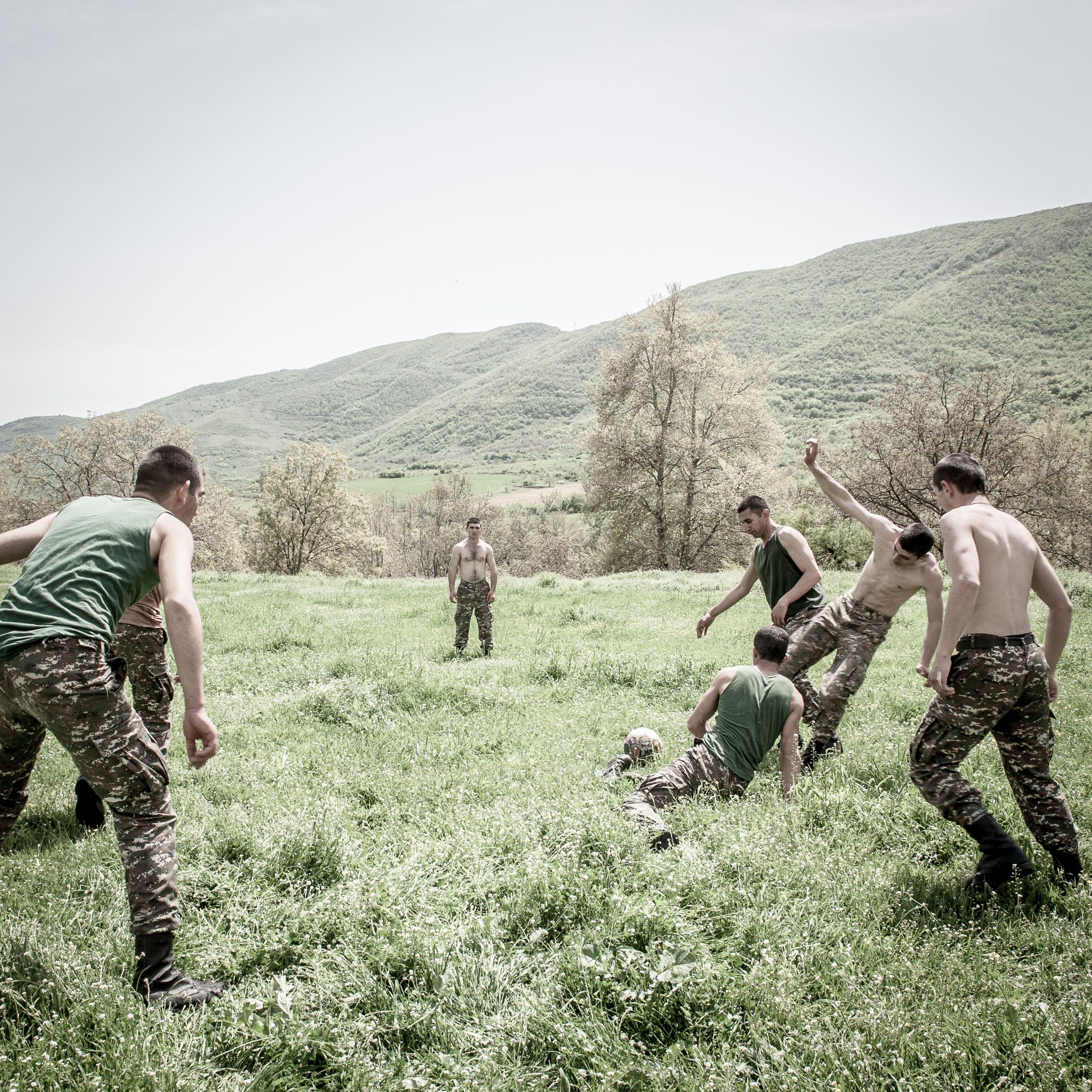
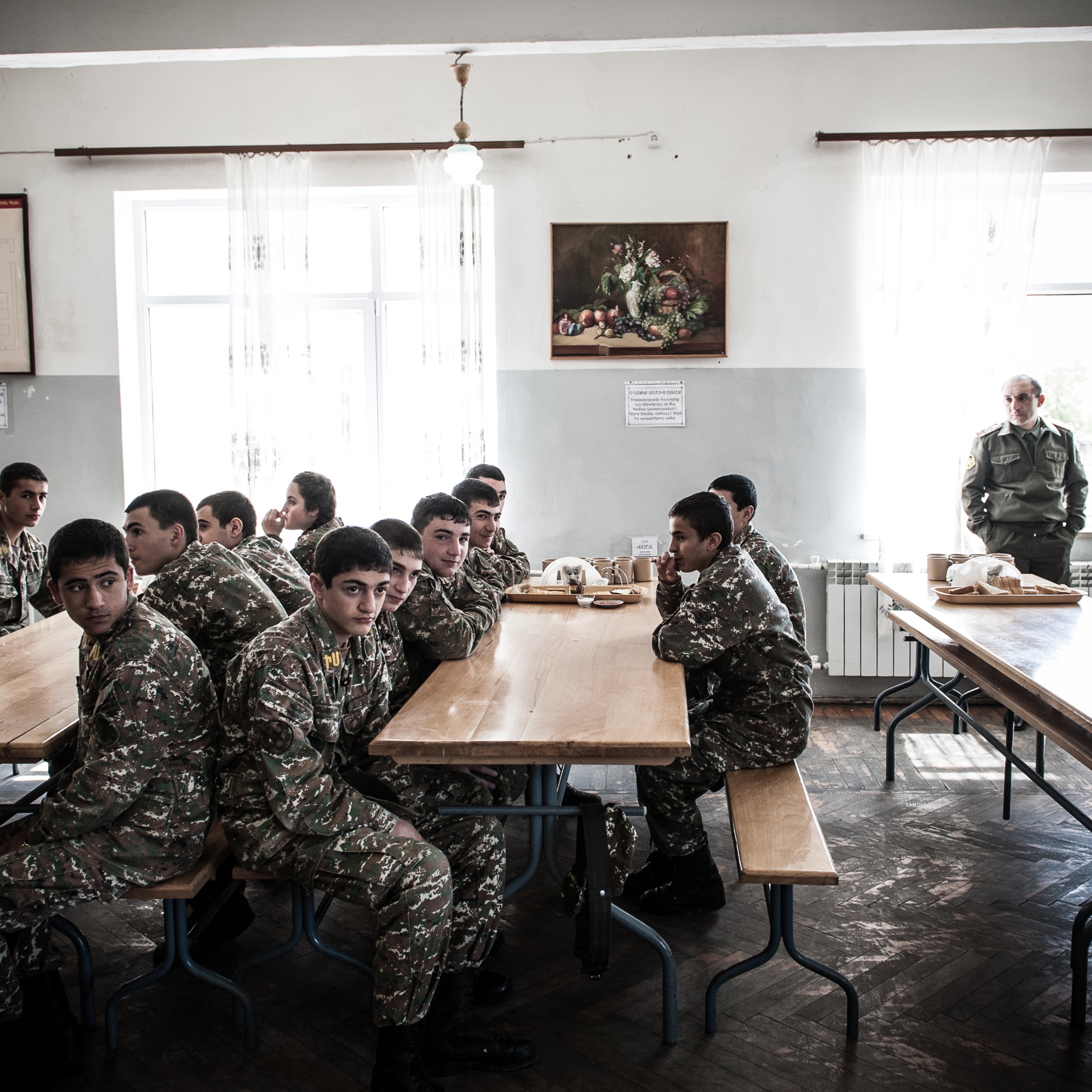
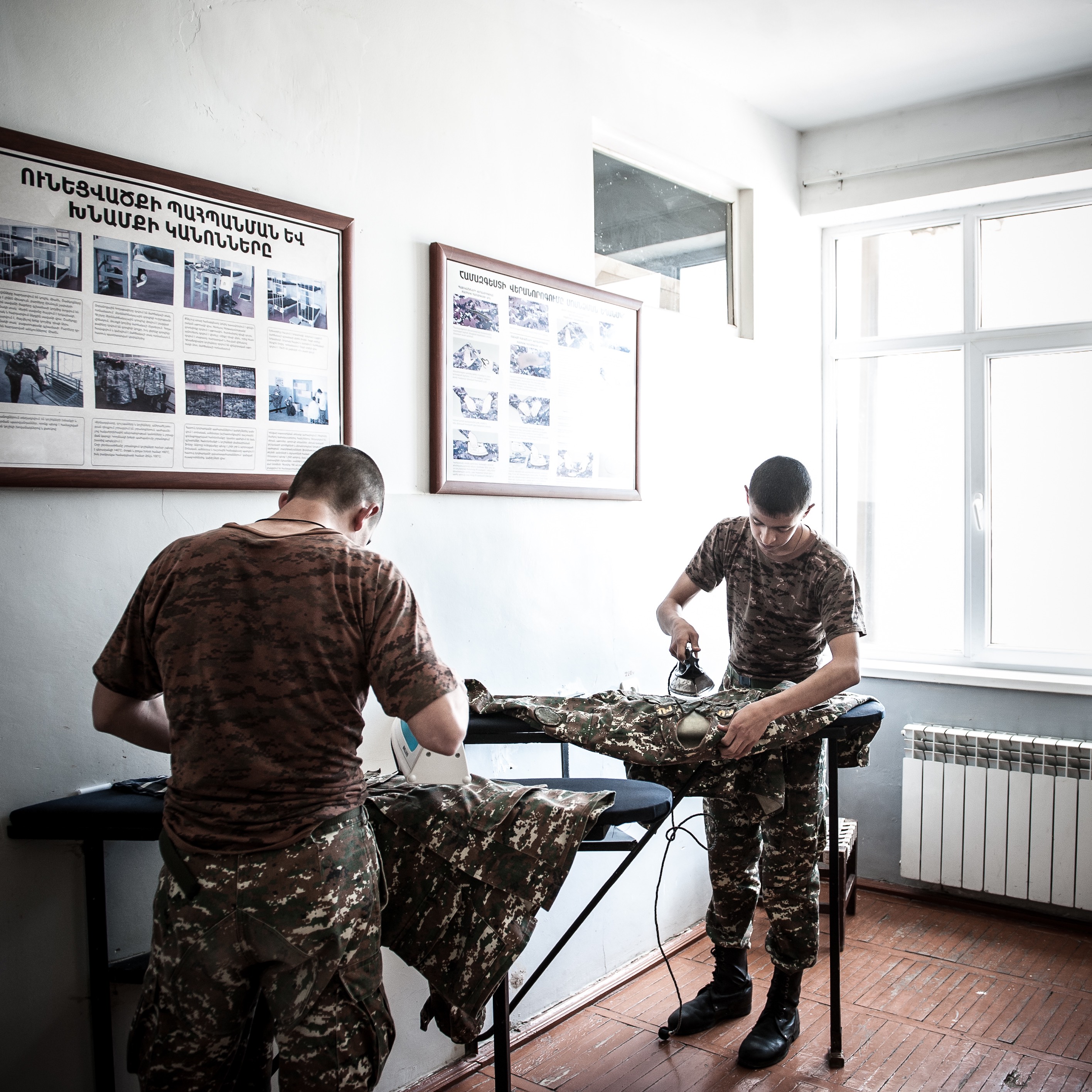
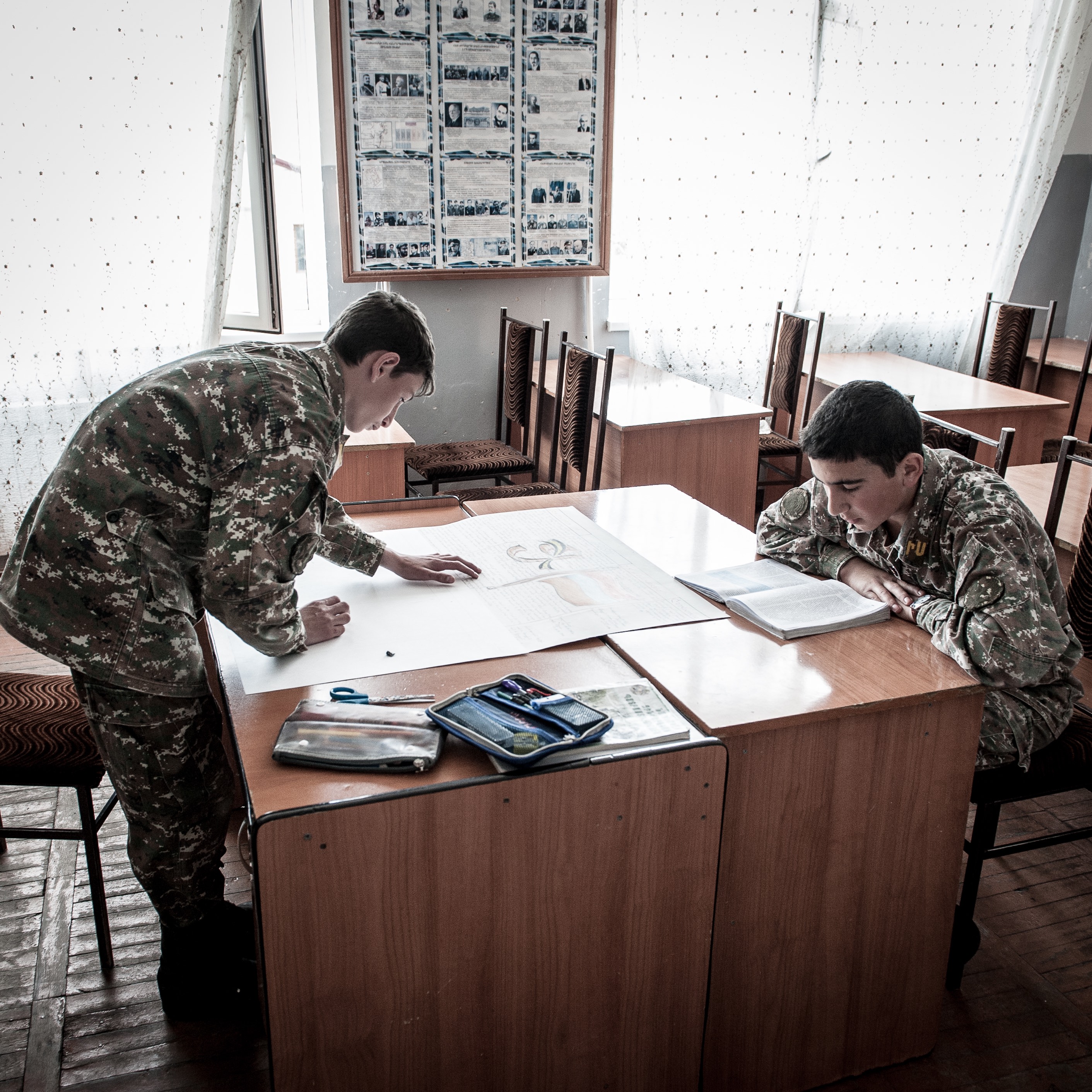
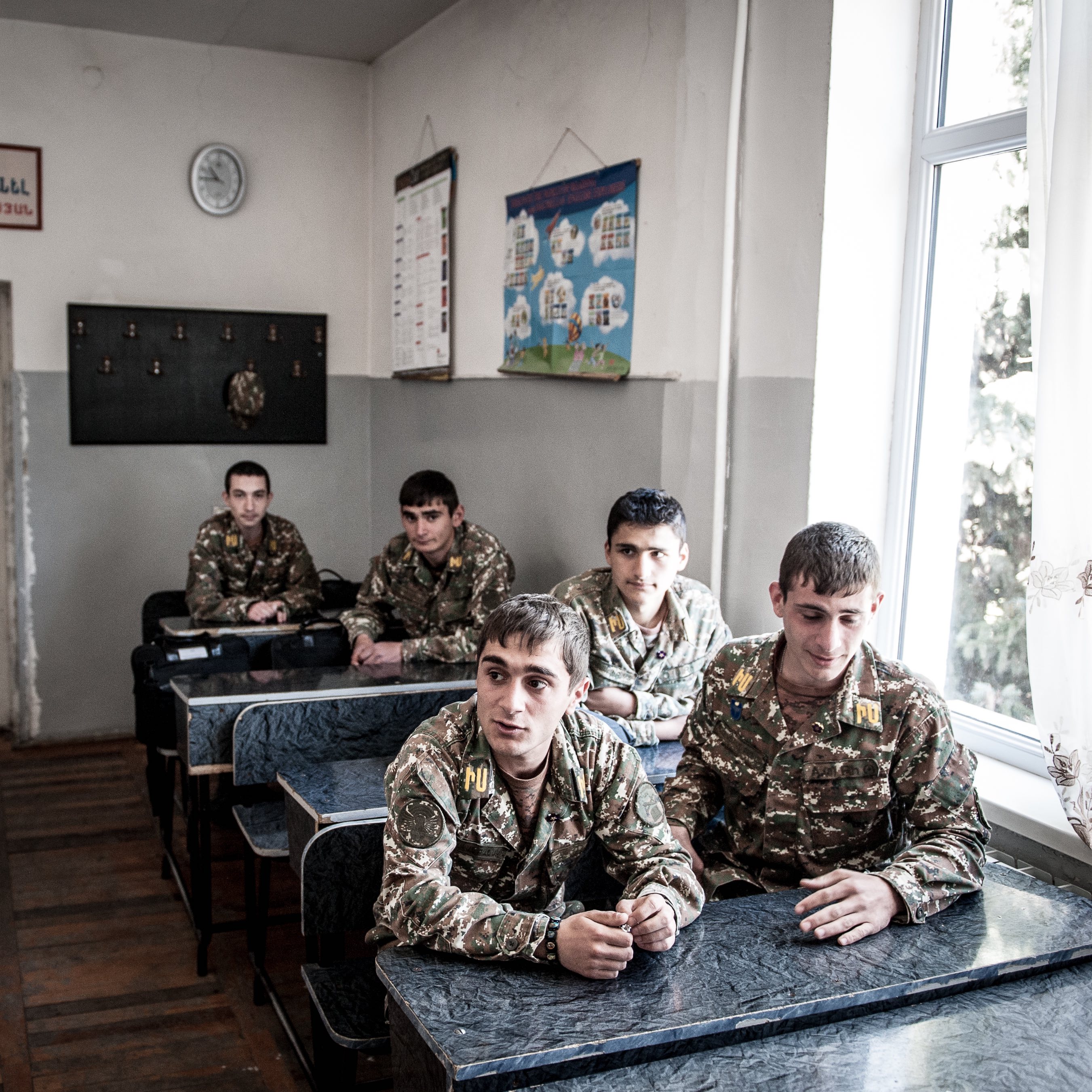
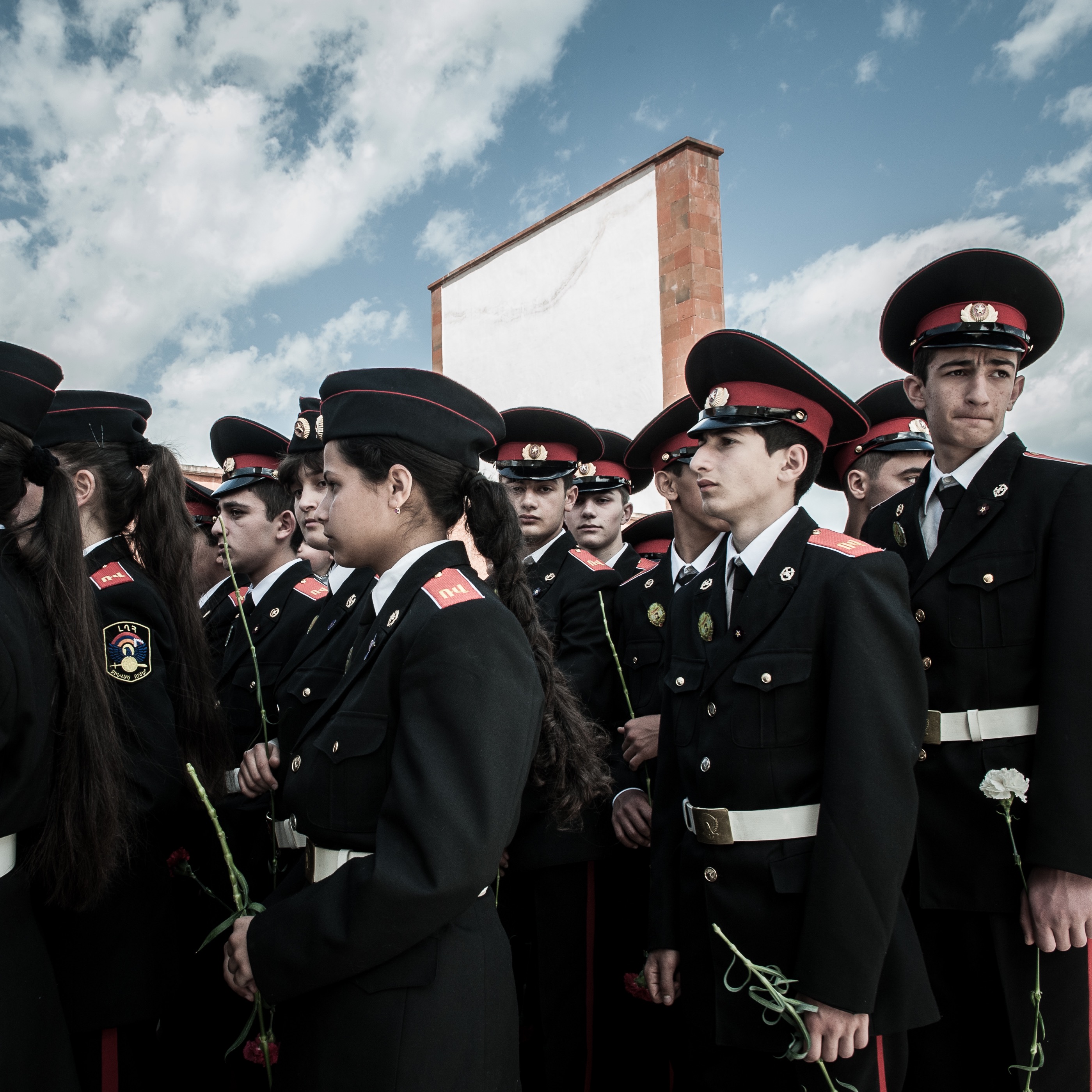
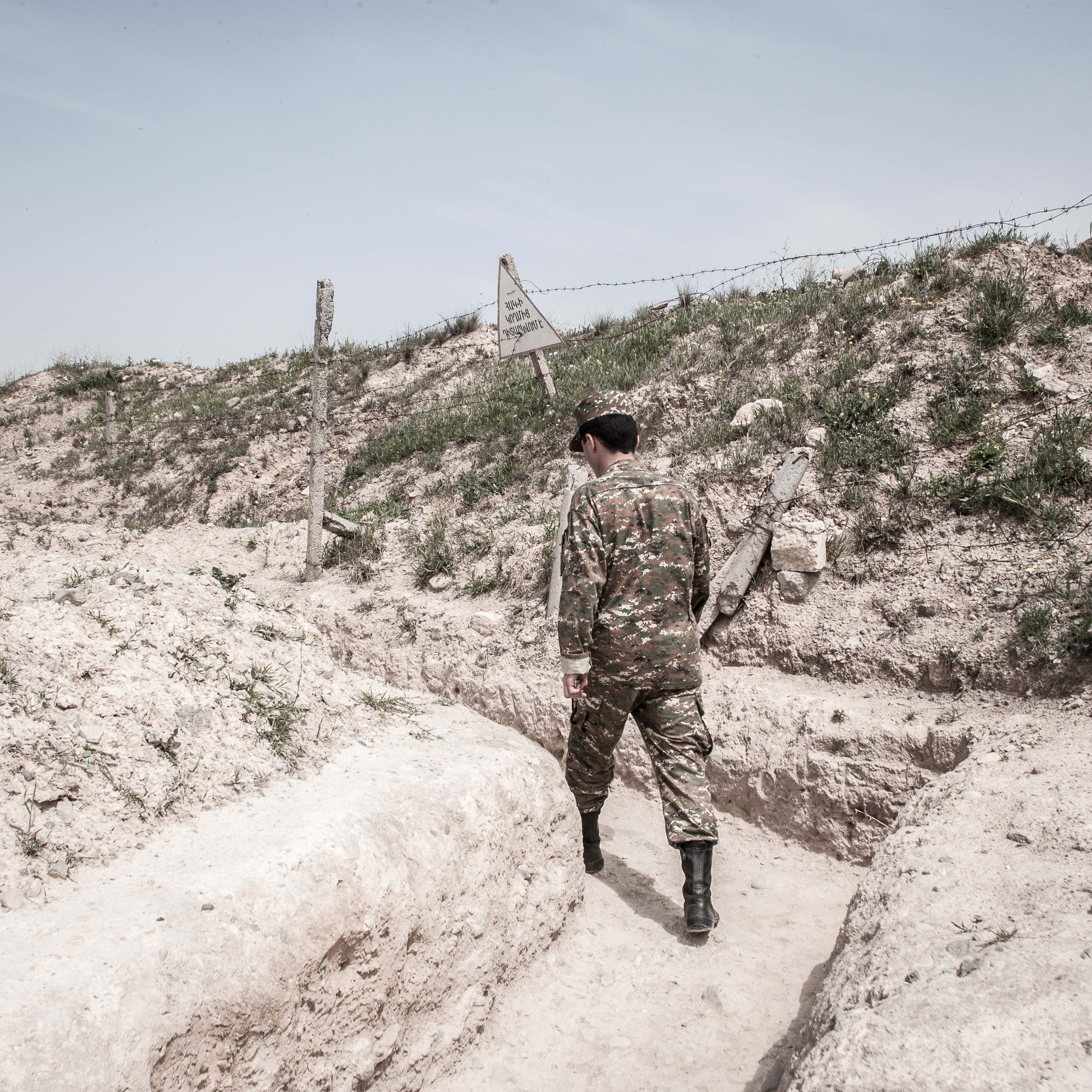
My project, Unrecognized Nation, Forgotten War, focuses on the young Artsakh citizens who are forced to become soldiers. Between the ages of 13-18, they wear uniforms and train in a military academy. Their everyday life is stuck in a military limbo, caused by a war that’s seen as normal and necessary – a war they grew up with. That’s what it means living in a region stalked by conflict: security measures trump most other considerations.
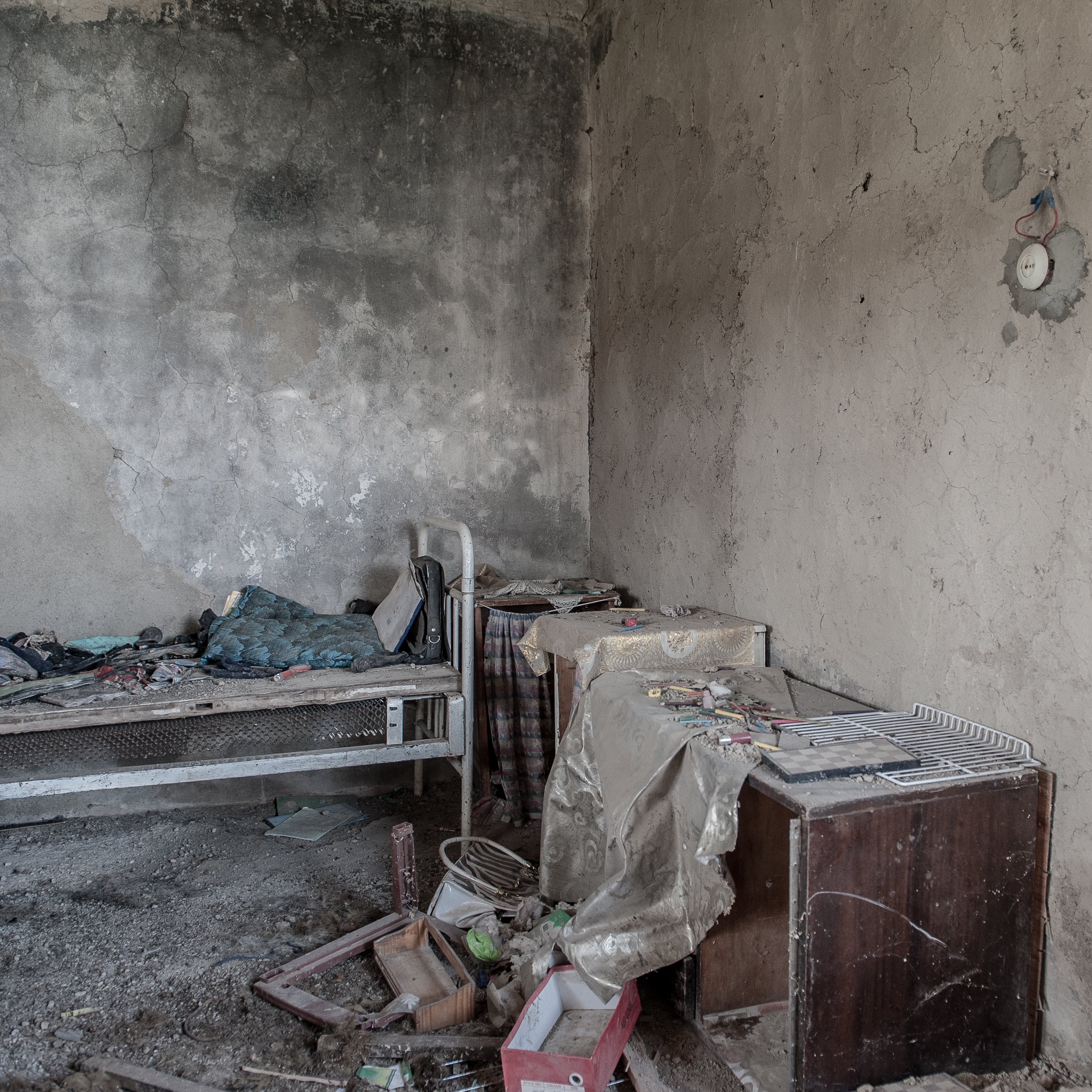
I arrived exactly one year after the 2016 Nagorno-Karabakh clashes, which saw the fighting escalate into a proper war. I decided to document what the conflict left behind and the influence it had, and still has, on the young military. On the front line, young soldiers take care of their enemy’s actions. In the military academy, they learn maths, history and English, after physical exercises and marches.
I wanted to humanise these young boys and girls, to explore their reactions. Instead, what I found was an extreme carefreeness. I broke up with all the prejudices I had.
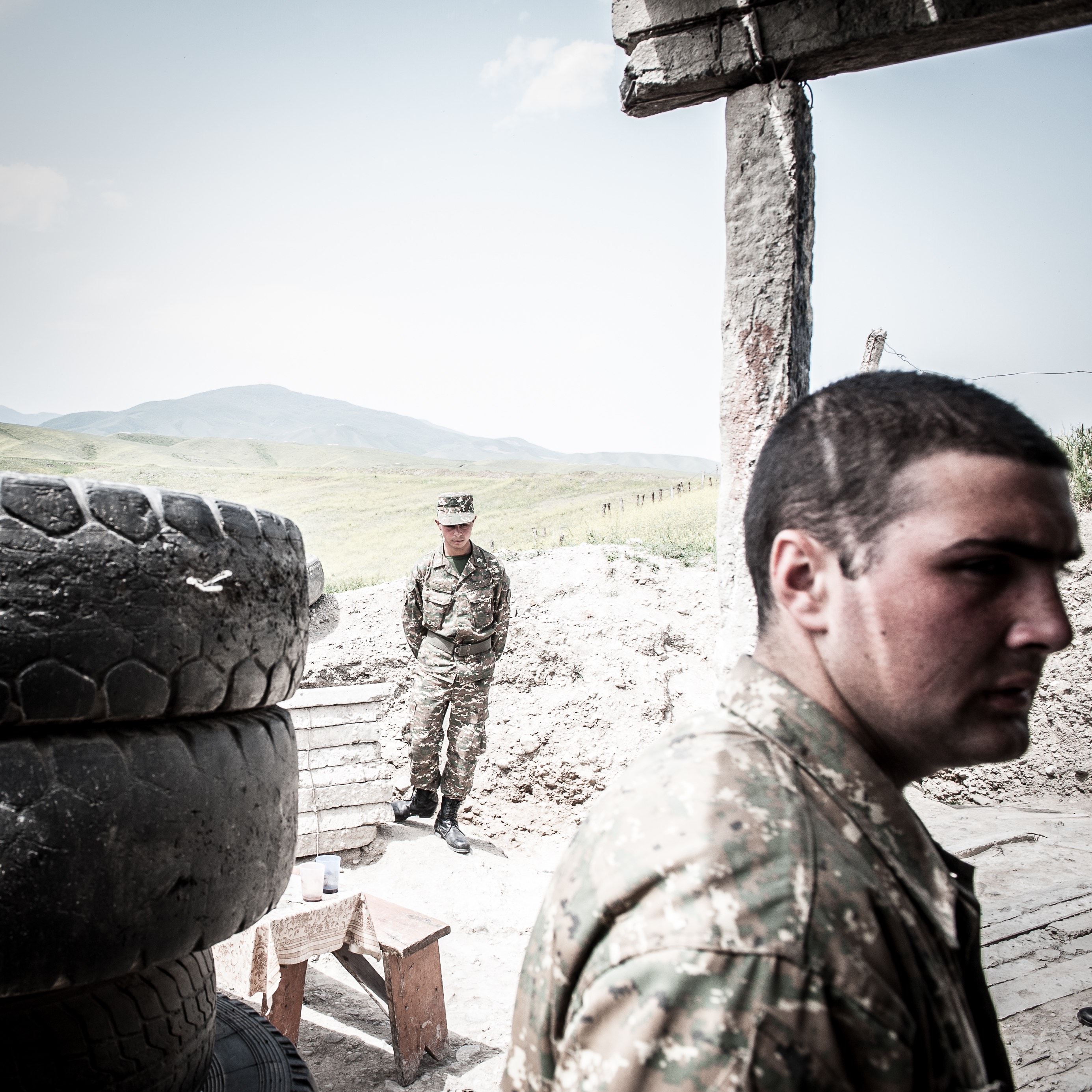
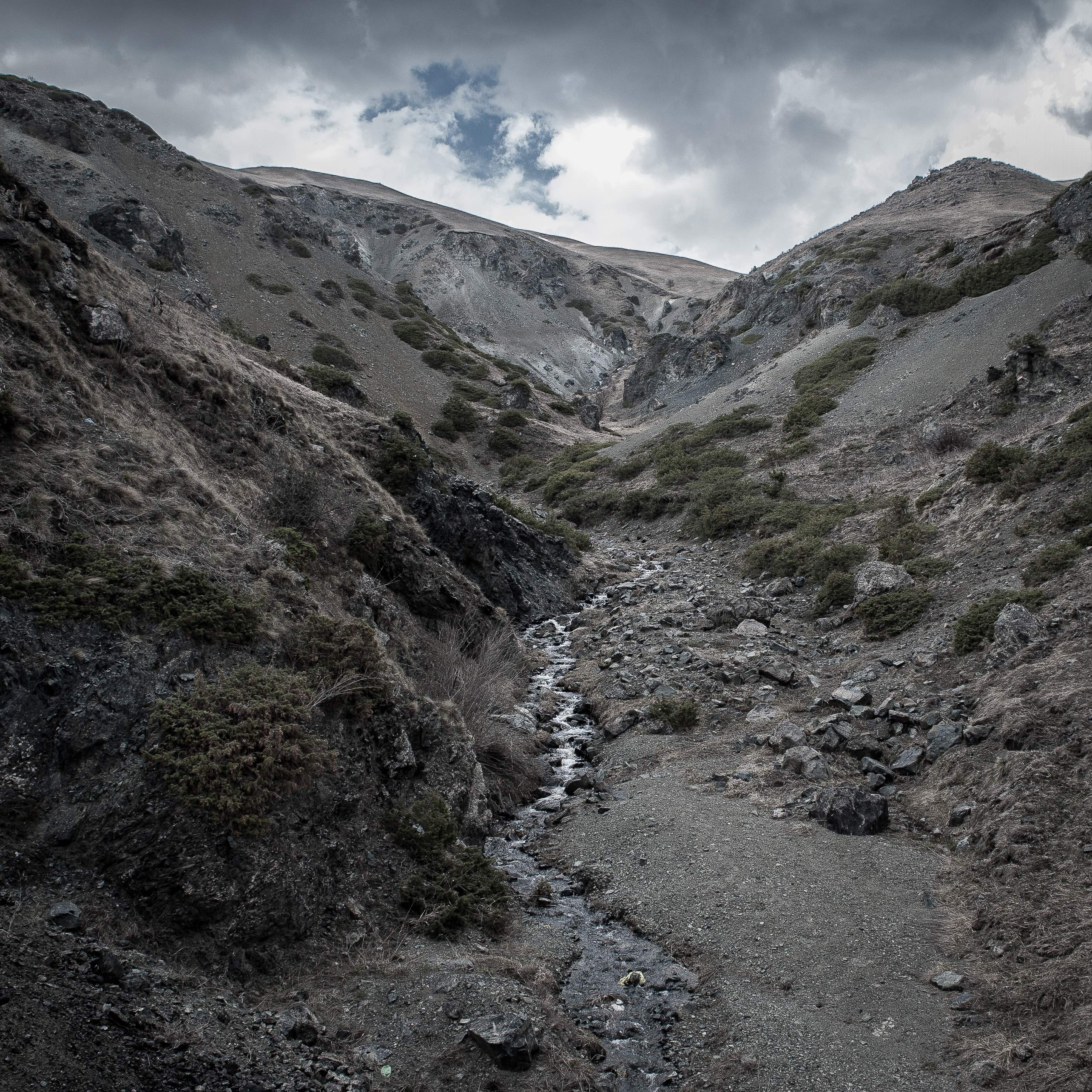
I learnt how it’s possible to feel the same as everyone else, even if you are born and live in an apparently different universe. I didn’t see any pain. I saw the same desires that I saw in countries we are able to live well in.
I am attracted to our relationships with the past and the present, and how human beings react to hardship. In this project, I wanted to investigate the sense of confusion that teenagers in war must feel. The aim was to give a sense of what they experience, their sufferings and personal reactions. The incredible dignity I found is what constantly inspires me.
Text has been edited for length and clarity.
More of Emanuele Amighetti’s work can be seen on his official website and Instagram.
Enjoyed this article? Like Huck on Facebook or follow us on Twitter.
You might like

The art of paying attention: How Austria’s Alps reward slowing down
Lebensgefühl — With a growing movement of art and music rooted in the area’s mountains, trees and waterfalls, the region is showcasing the importance of the human relationship to nature.
Written by: Sophie Lou Wilson

Grainy, yearning memories of Europe’s ’90s free rave heyday
Never Alone — A new photobook from Cheyenne Clementi and Valentina Morandi presents pictures they made over seven years while touring the continent as part of the Tekno Mobil Squad soundsystem crew. It archives parties, people and a lifestyle largely consigned to the past.
Written by: Isaac Muk

Queer resistance & sun-soaked solidarity at the world’s largest trans pride march
Our Future, Our Fight — Over the weekend, over 150,000 people marched at the London Trans+ Pride, with the parade ending at Trafalgar Square for the first time in history.
Written by: Ella Glossop

In photos: Black Texas life since emancipation
Kinship & Community — A new photobook and exhibition showcases the rich culture, history and community of African American folks in the Lone Star State, whose existence in the region predates colonial Britain.
Written by: Miss Rosen

Youthful joy & end-of-era poignancy at a London school prom
Leavers — For several years, Lewis Khan documented young people as they celebrated the last of their school days and the completion of their exams. The series is now collated in a new self-published photobook and short film.
Written by: Zoe Whitfield

Harry Gruyaert’s vintage, kaleidoscopic scenes of New York
A Sense of Place — For 50 years, the Belgian photographer and Magnum Photos member has been capturing NYC’s colourful chaos. A new photobook and exhibition showcase his unique, technicolour view of the city.
Written by: Miss Rosen


