Offbeat street scenes of vintage New York City
- Text by Miss Rosen
- Photography by Steven Edson

Steven Edson was just eight years old when he was blinded in one eye by a pebble thrown by another child. While recovering, his neighbour, who was also an eye doctor, gave him a camera and he began to shoot. He quickly fell in love with photography – a passion he shared with his father, who always took pictures at various family occasions.
At home, he would page through picture magazines like LIFE and National Geographic, and came to admire the work of street photographers like Robert Frank, Garry Winogrand, Lee Friedlander, Henri Cartier-Bresson, and Diane Arbus.
Growing up in New York City during the ’50s and ’60s, Edson got to know the streets of his native town, which soon became the backdrop for a series of black and white street photographs and portraits. “New York was rough and unpolished,” Edson recalls. “It was filled with buses, taxis, and trucks all honking their horns, while the fumes of exhaust spilt out into the street, choking your breath. The subway was also extremely loud but offered the thrill of sending you barreling down the tracks through the darkened tunnels.”
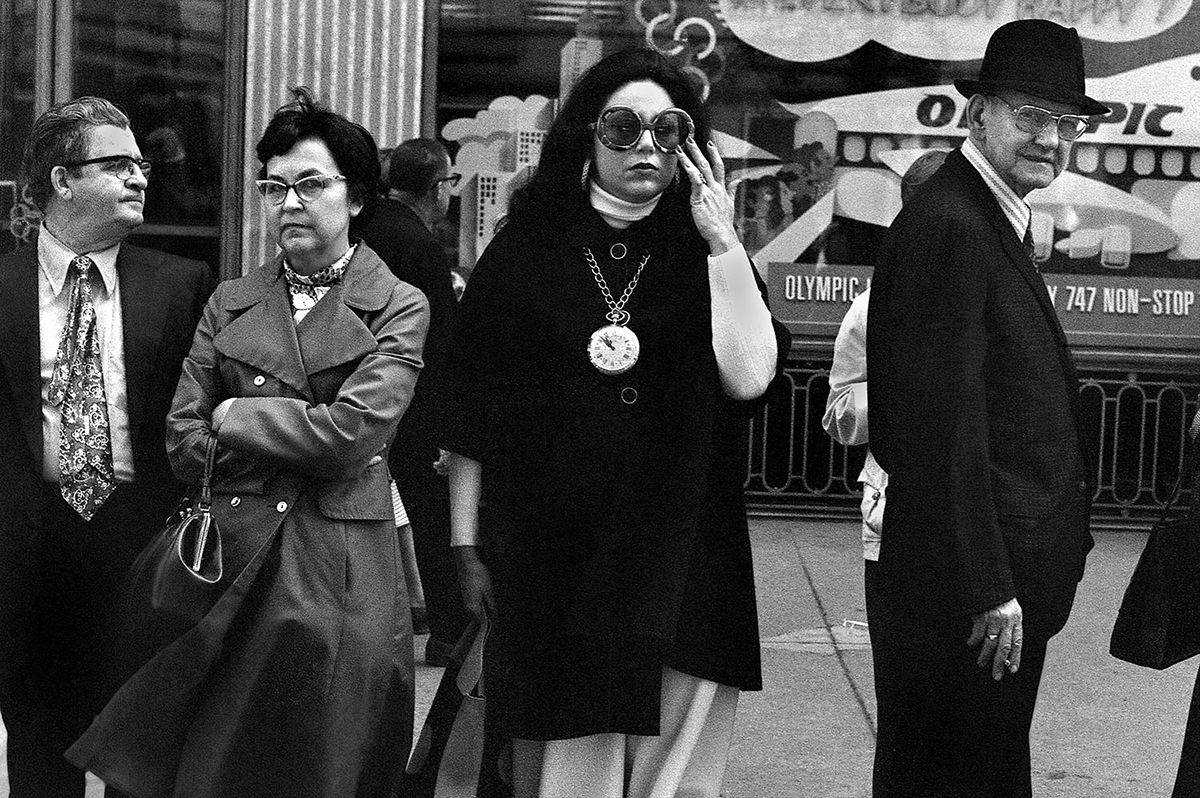
NYC street scene
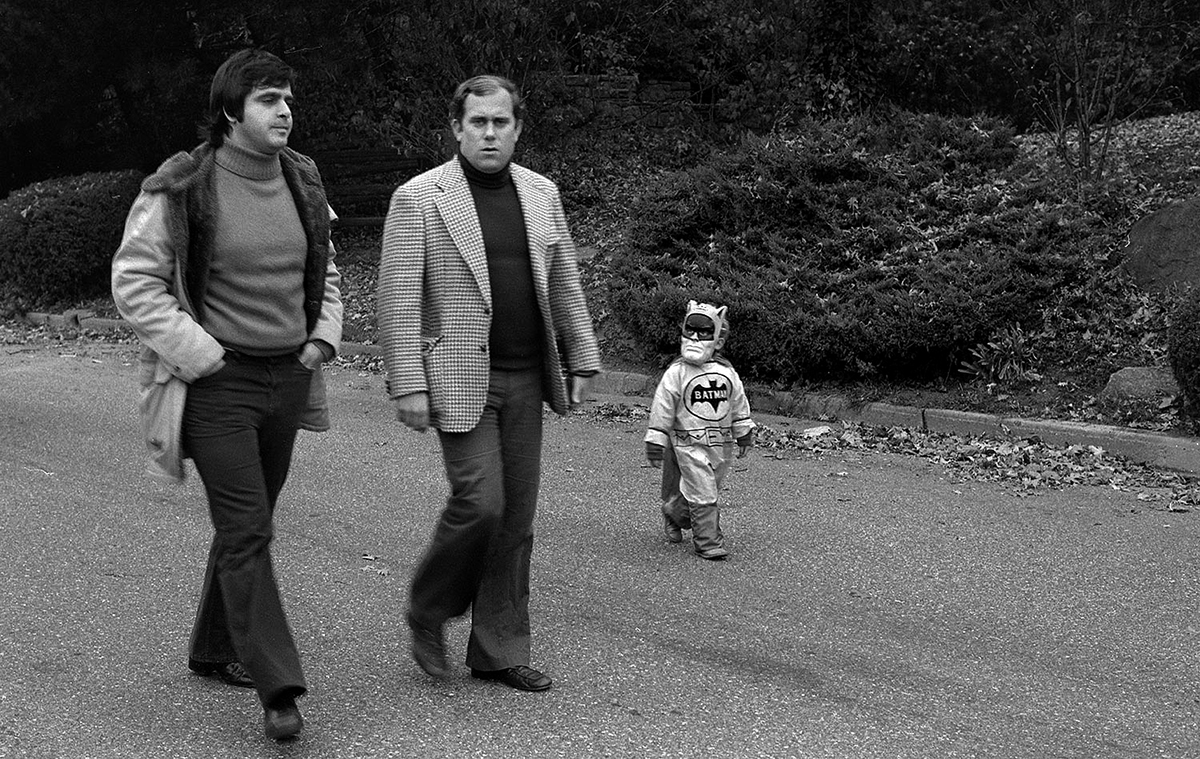
Little Batman
“The streets were alive and exciting, filled with people who had a sense of purpose – moving merchandise, clothing, food, the construction workers, office workers, and police all putting in the time on 8-6pm jobs.”
Throughout the ’70s, between the ages of 18 and 22, Edson could be found traversing Midtown, Greenwich Village, and lower Manhattan, where he easily connected with people. “Sometimes they were open and receptive to being photographed – and at other times, it was, ‘Get lost, kid!’” he remembers, laughing.
“I follow my instincts and remain open to what is happening around me. As a street photographer, I followed the light. When I got tired of a scene I was working, I would keep on moving until I found another situation that got my creativity flowing again. In a city like New York, you can go for days, weeks, or months like that without repeating oneself. It is what makes the city fun and exciting.”
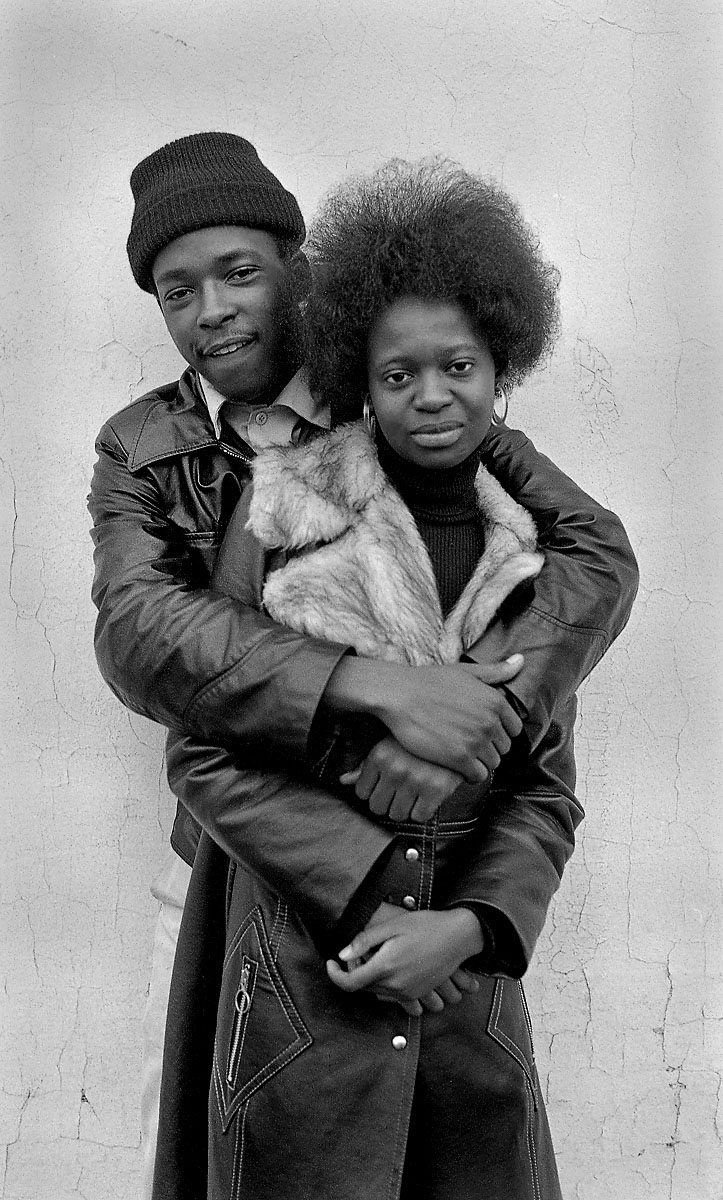
Man hugging woman, 1974
With the camera, Edson honed in on the nuances of daily life, the quirky and revealing details of the human condition that speak from one generation to the next. Whether taking candid photos or street portraits, he captured the quiet beauty of people as they went about their business.
“Politically, the United States was a mess with Richard Nixon as the President at the time,” he recalls. “We were undergoing a similar sense of political outrage as we are today. With the Vietnam War still raging and young men returning in body bags for a war no one really wanted. The oil embargo by OPEC also weighed heavily on peoples minds. The times were changing and there was a sense of less control and uncertainty than we had known previously in my life.”
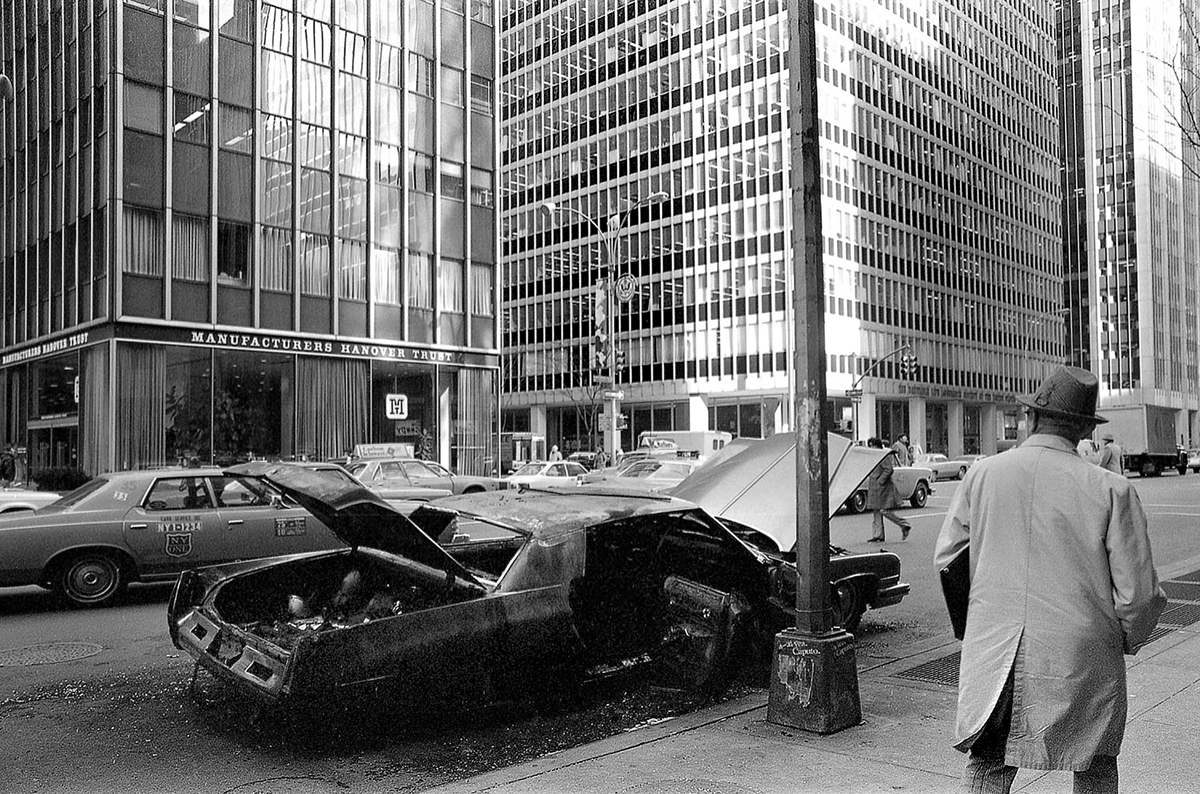
Burnt out Car on NYC Street, 1970’s
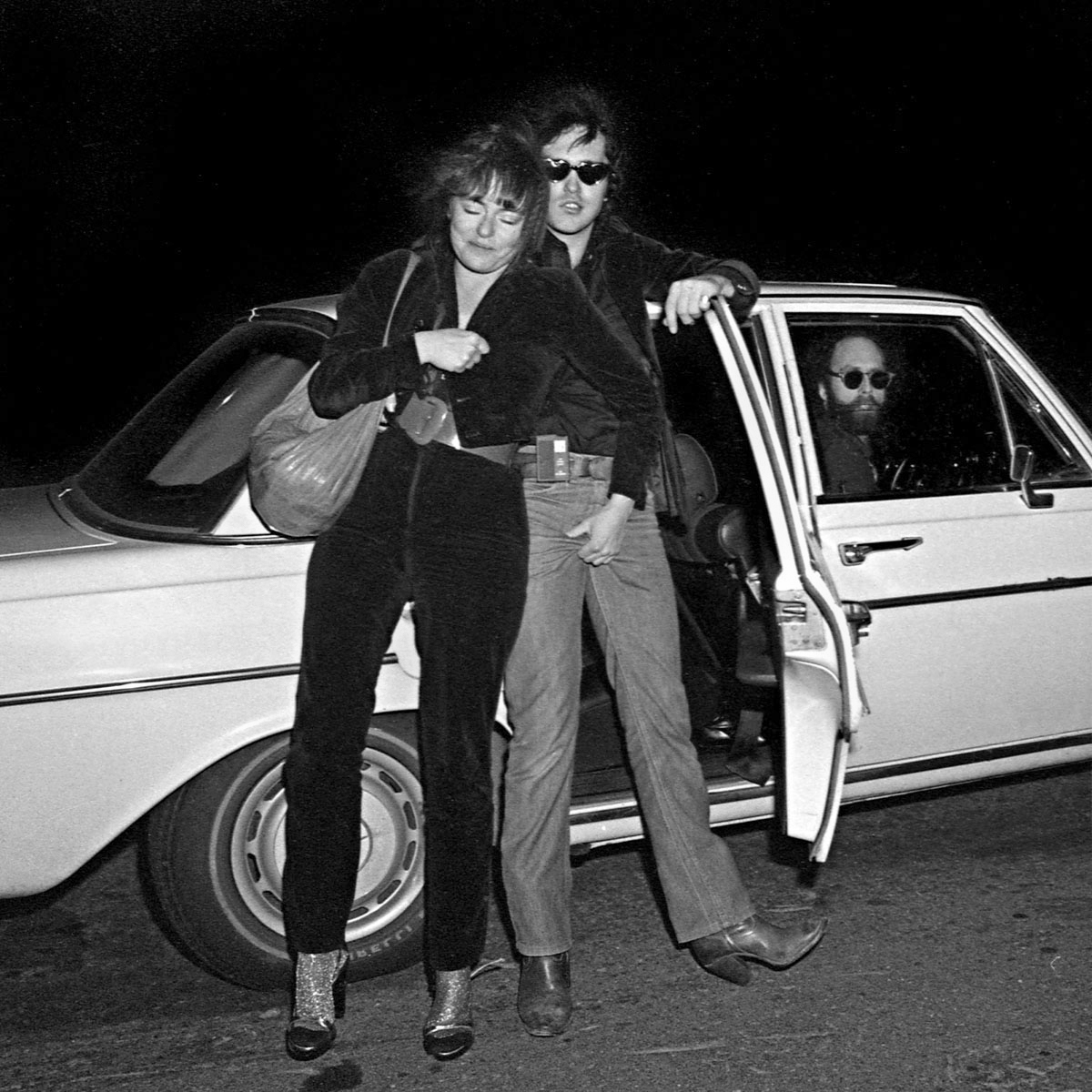
Portrait of Harlen Welsh
Yet, throughout it all, Edson says that the nature of humanity remains the same: “Not much has really changed except the clothes, shapes of cars, and style of haircuts.”
“Photography is a sophisticated visual language that often explores human perception and emotion. I hope to make images that add clarity and help viewers see the world a little differently. Many times it’s the small moments that we take for granted that illuminates who we are as a species and become part of the chronicles of a storyteller, adding to the collective history of image making.”
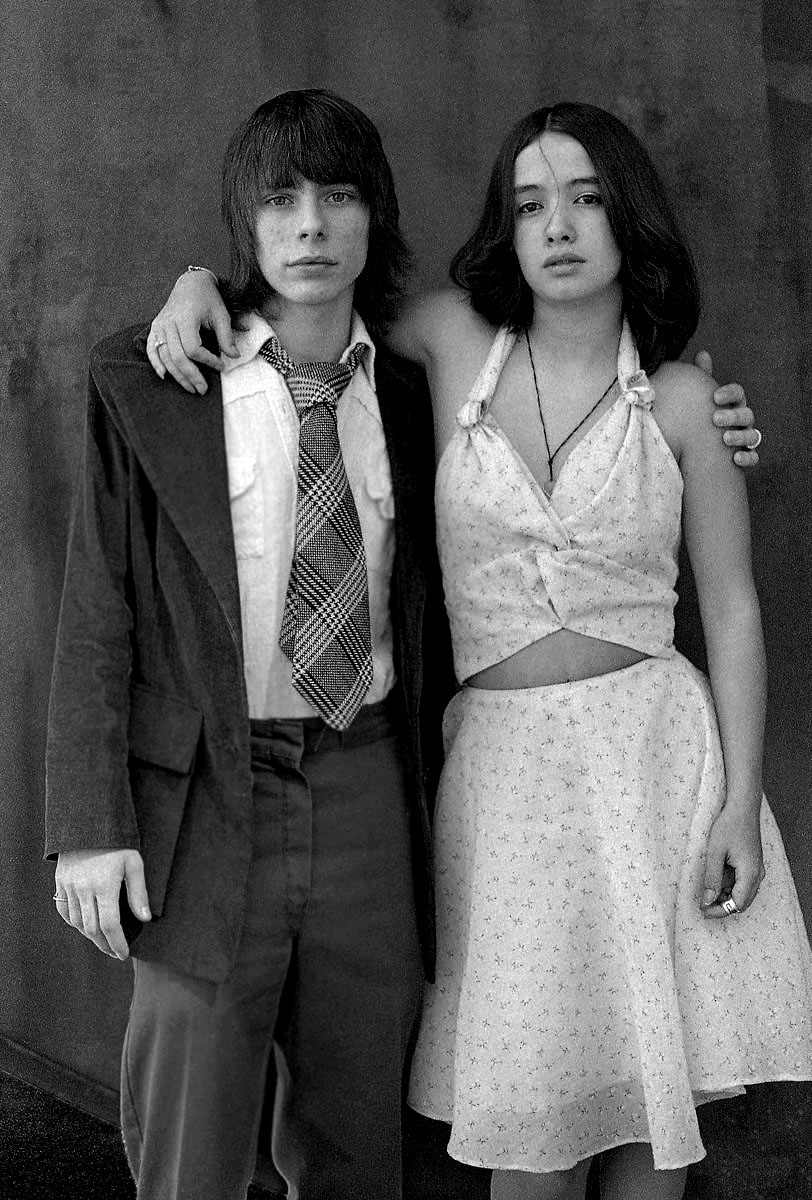
Wedding couple NYC, 1973
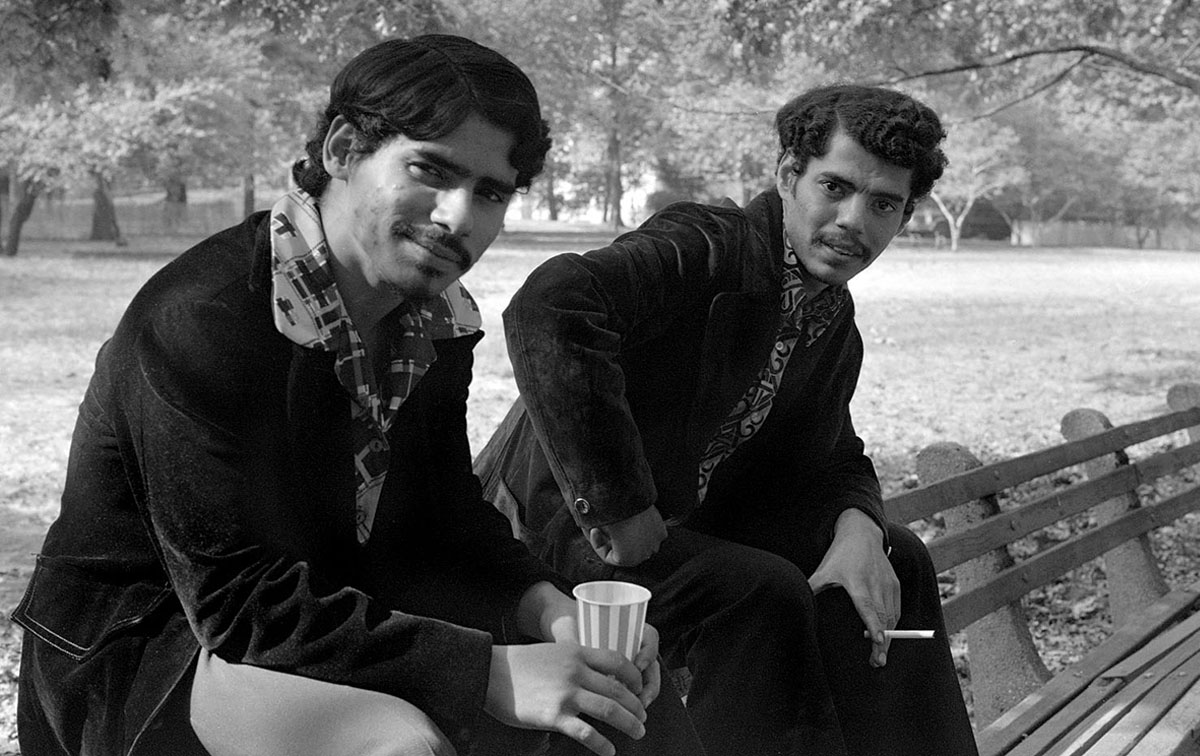
Young Men Sitting on Bench in NYC, 1973
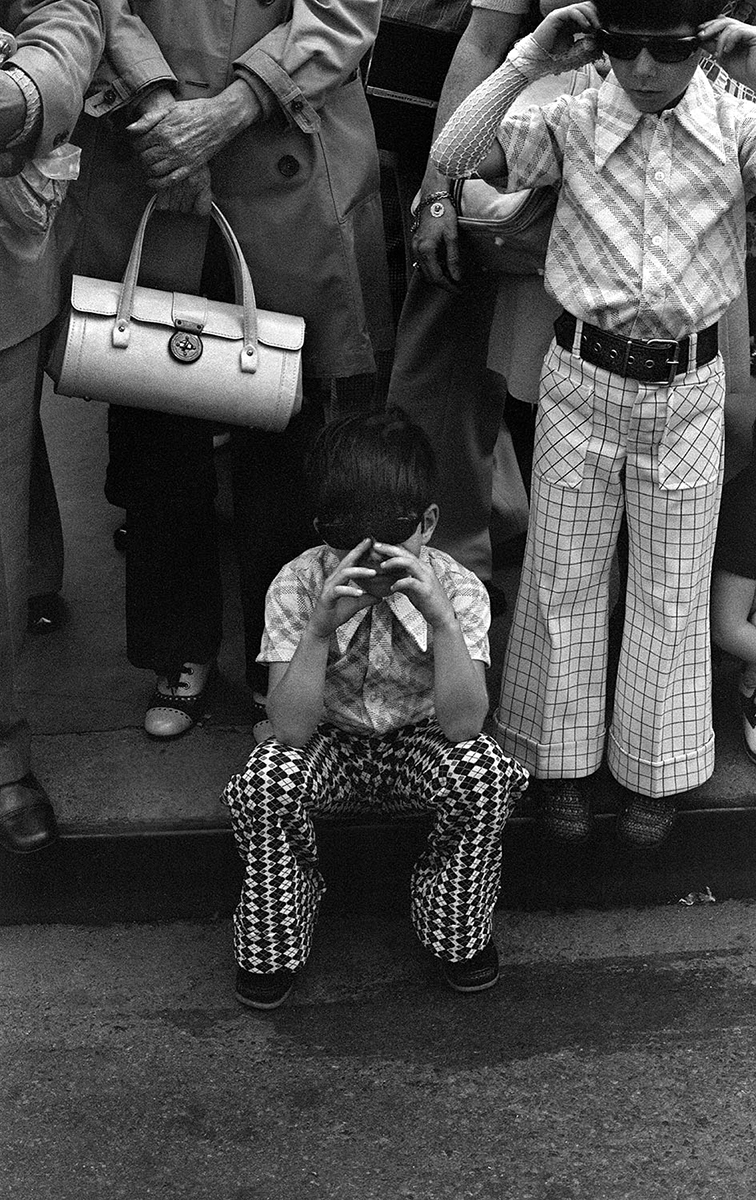
NYC Easter Day Parade, 1970’s
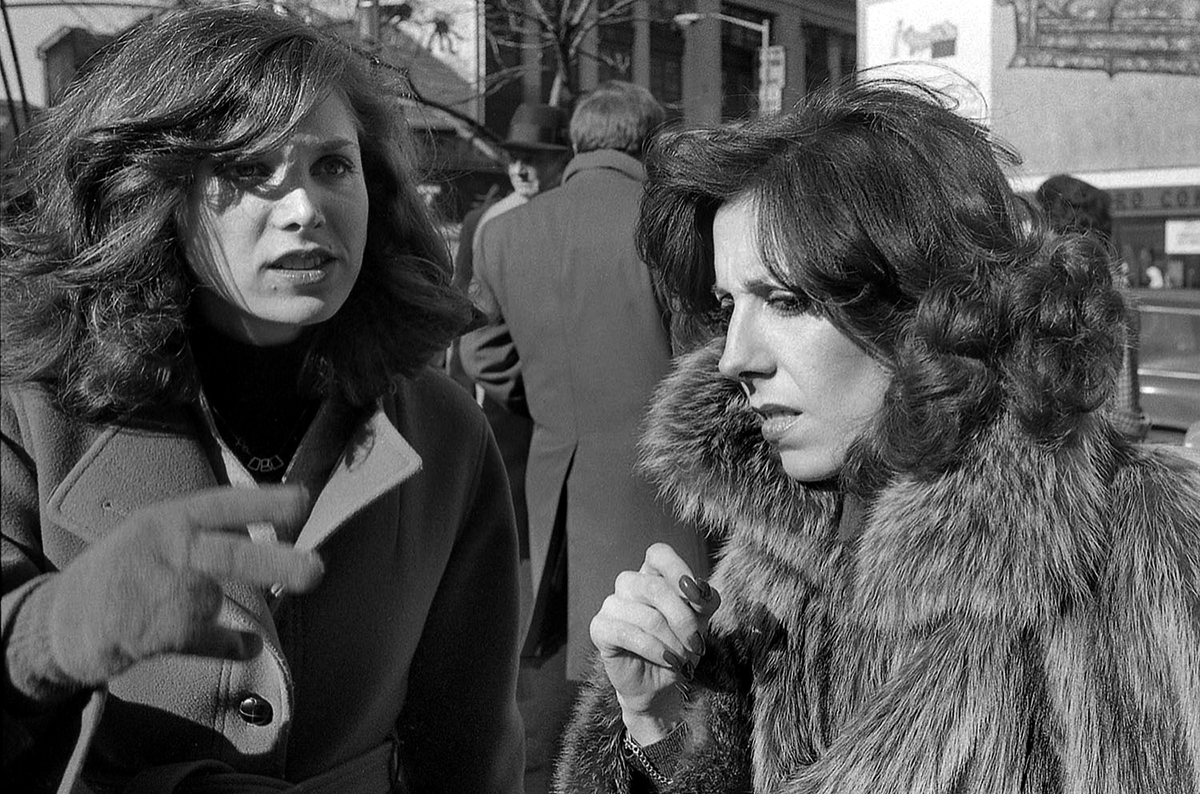
Streets of NYC, 1970’s
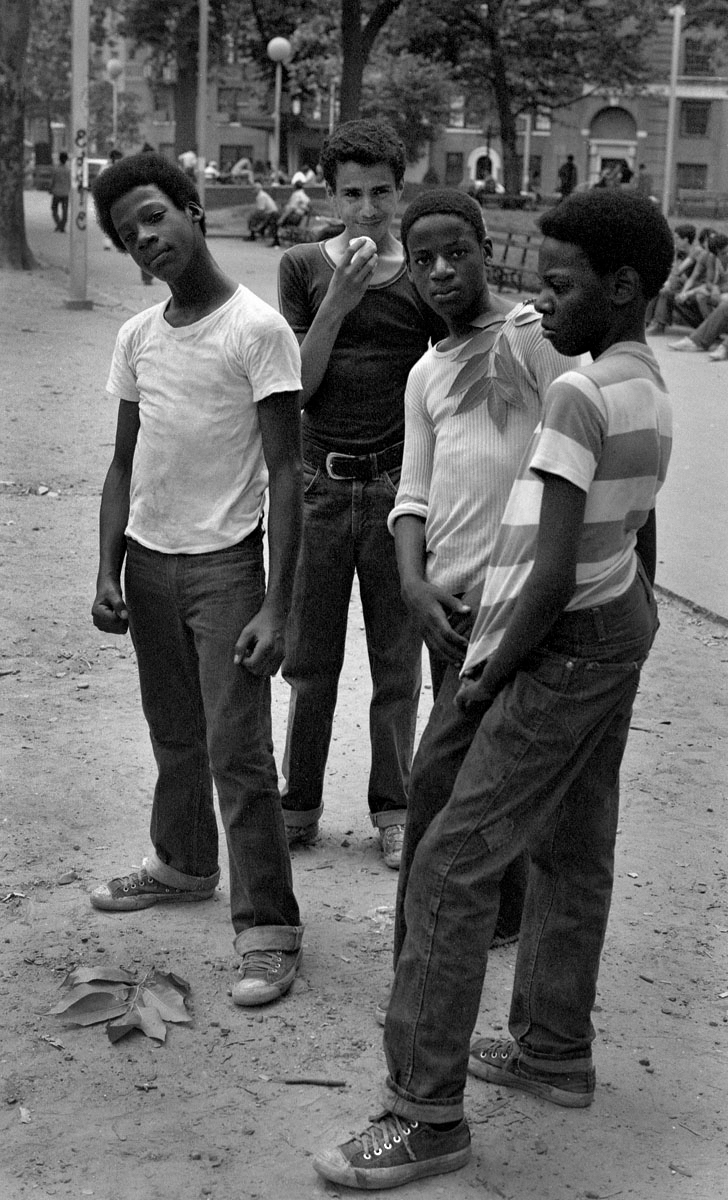
Four boys in NYC park, 1972
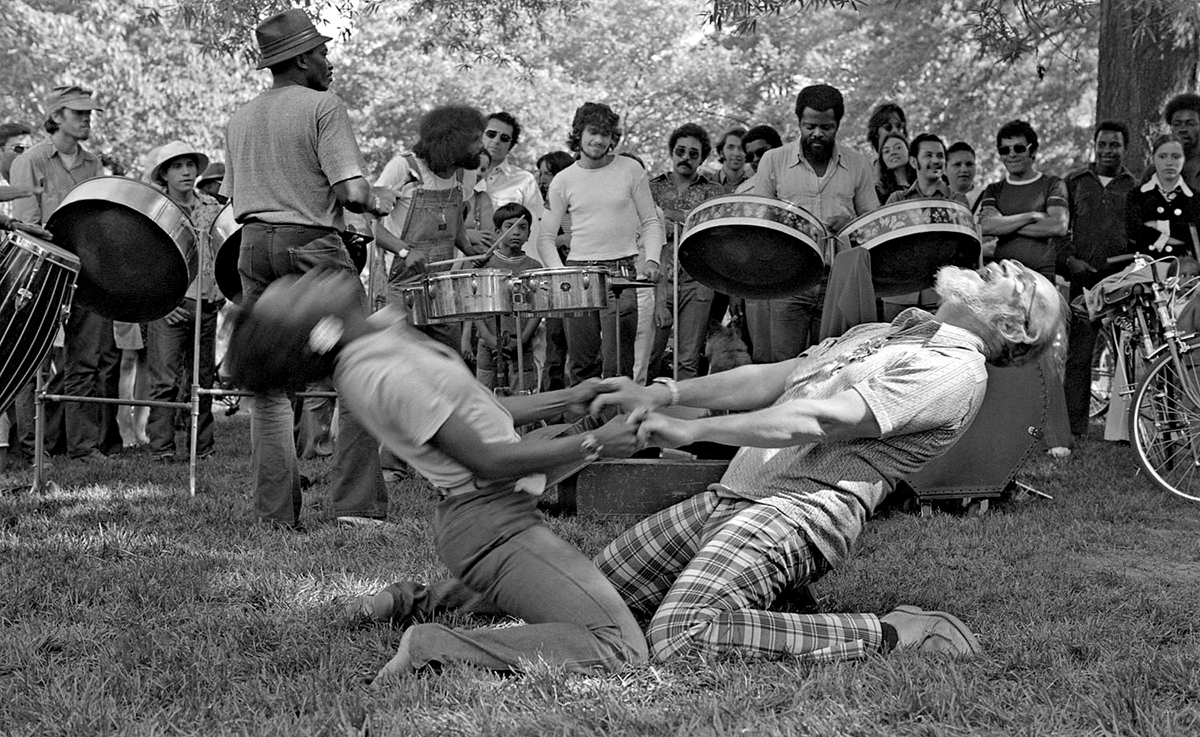
Festival Dancers
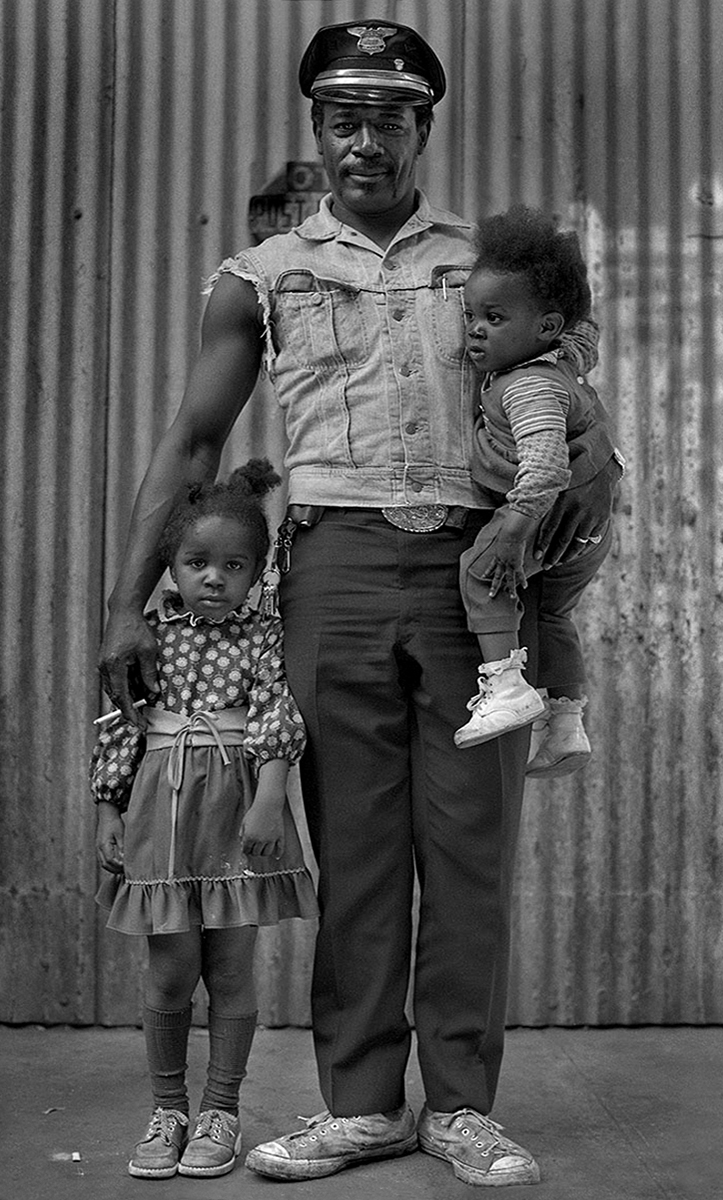
Proud father with children, NYC
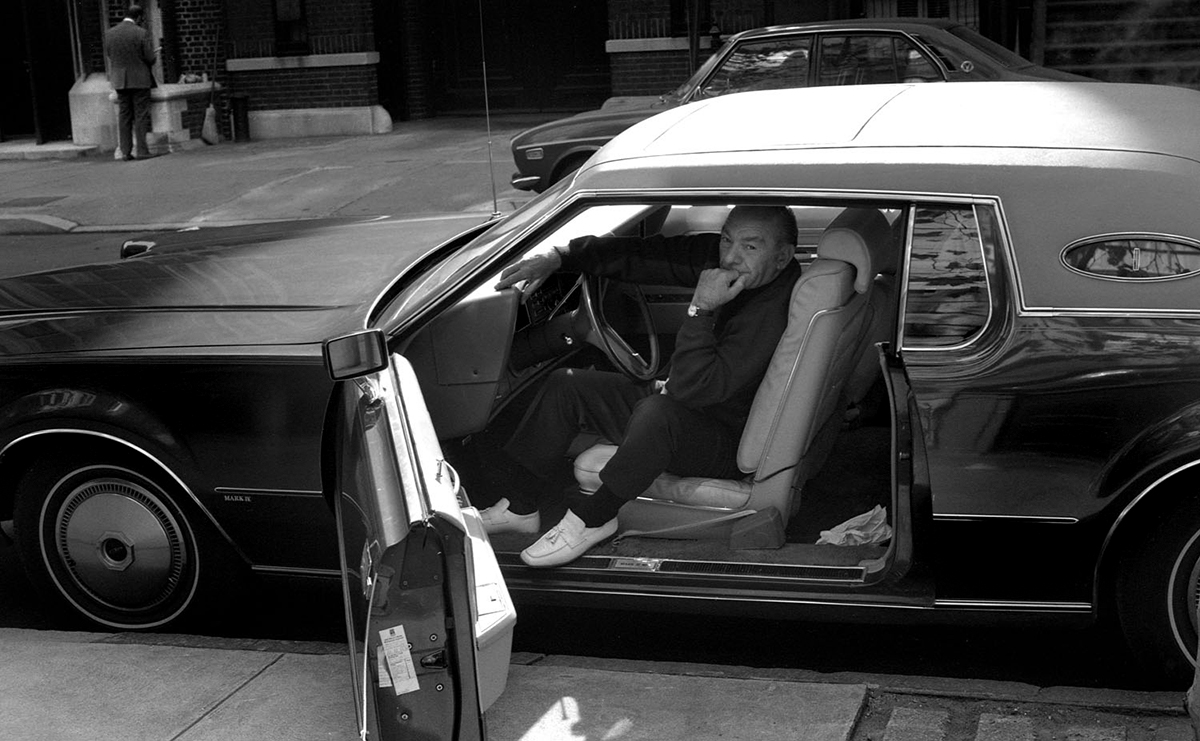
Big car white shoes, 1973
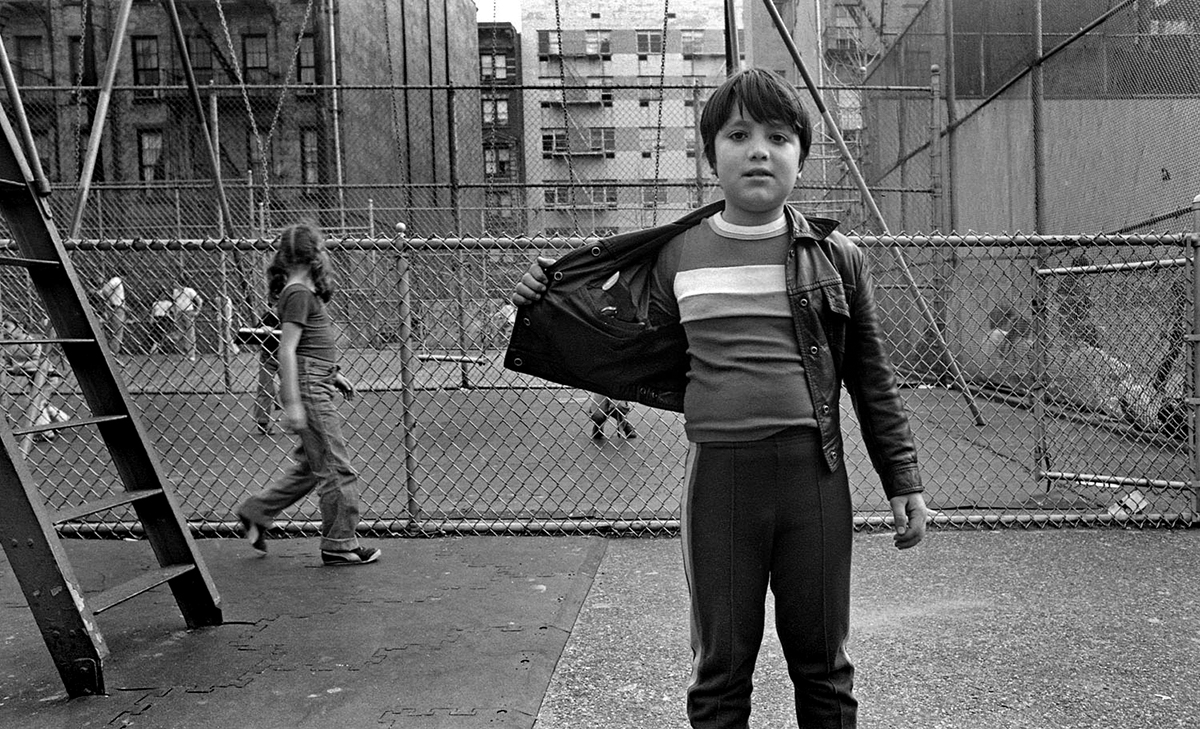
Boy with gun in playground
Follow Miss Rosen on Twitter.
Enjoyed this article? Like Huck on Facebook or follow us on Twitter.
You might like

In photos: Lives of solitude at the world’s edge
Coirón — Pie Aerts’s new photobook documents years spent in close quarters with puesteros in Patagonia – a group of aging gauchos who live almost completely isolated existences.
Written by: Isaac Muk

The raw, fledgling intimacy of Peter Hujar’s contact sheets
Hujar:Contact — A new photobook highlights the process of the legendary queer photographer, and his process of growing into the artist he ultimately became.
Written by: Miss Rosen

Jesse Glazzard’s messy portrait of queer friends, lovers and chosen family
The Sound of Dirt and Beauty — The photographer’s debut monograph explores tender, unpolished moments shaped by the people who he surrounds himself with, while offering a window into the UK’s working-class LGBTQ+ community.
Written by: Sunny Sunday

Behind the curtain at Alternative Miss World 1981
Olympia glamour — Running a subversive take on the traditional beauty pageant, the Andrew Logan organised event prioritised underground creativity and invention. Photographer David Corio went behind the scenes at its biggest edition.
Written by: Miss Rosen

New exhibition highlights British radical living over 200 years
Earthly Paradise — Taking place at the William Morris Gallery, it explores the homes and lives of artists, writers, musicians and more, as well as the conditions that allowed them to thrive.
Written by: Isaac Muk

What life on the Strait of Hormuz is really like
Southern Winds — Bandar Abbas based photographer Morteza Niknahad has been capturing the diverse communities and stories of his local region since he first picked up a camera. His new series highlights the human impact of war.
Written by: Isaac Muk


