Portraits of Berlin’s queer punks and skinheads
- Text by Simon Doherty
- Photography by Christian Vagt

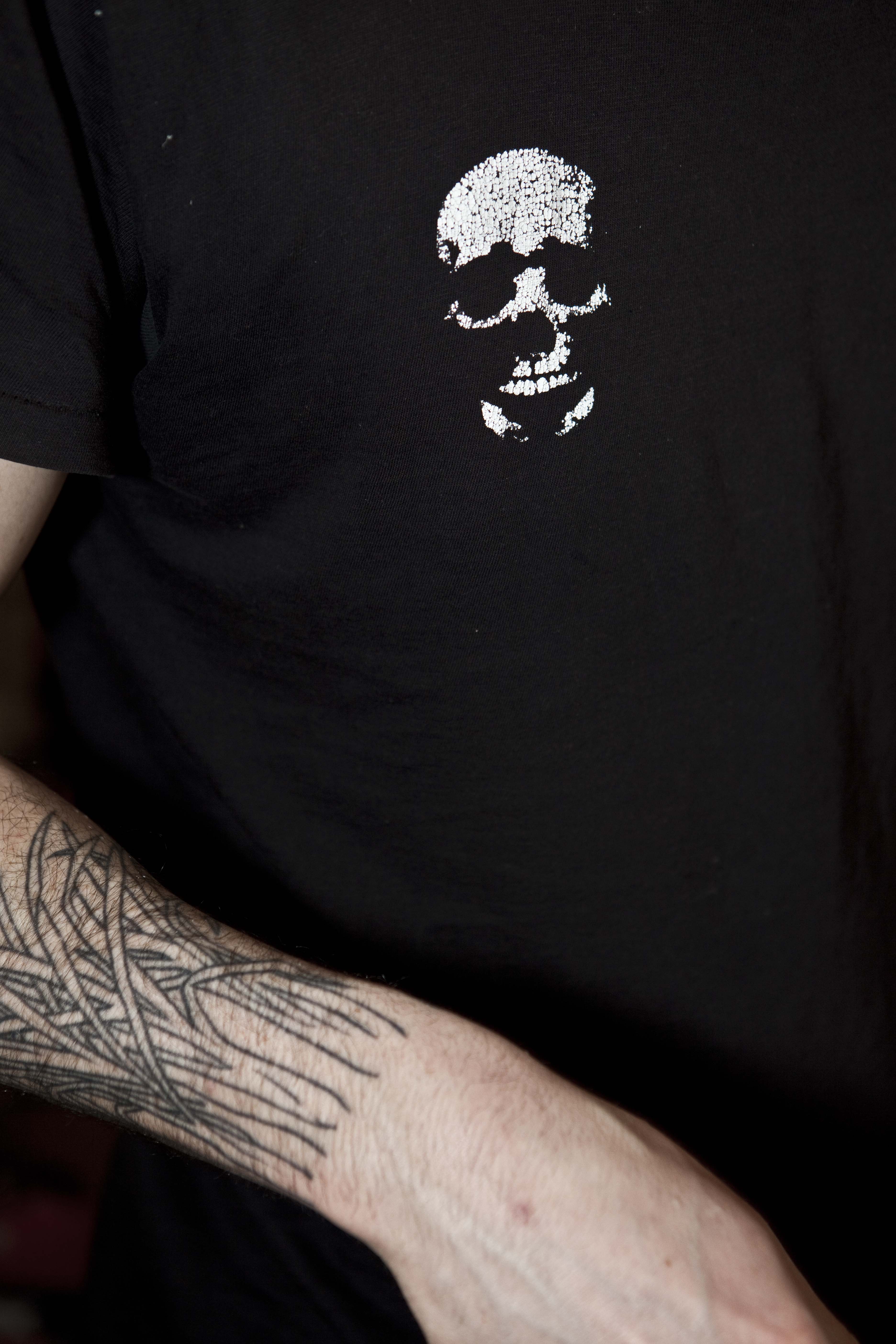
German photographer Christian Vagt first moved to Berlin in the late ’80s, when he was just 18 years old. In 1991, shortly after he arrived, he started photographing squatters in the East of the city, shooting a series of gritty, authentic and highly intimate portraits.
“We started squatting because the Wall came down,” Vagt says of the time. “There was a housing shortage in West Berlin and for the first time [in East] you could actually just go to a flat, kick down the door and put your lock on it, live there for three months, go to the housing office and apply for a contract. That was possible.”
With the cheap living costs and no real need to work came an immense sense of freedom. “You could survive on very little money,” the photographer remembers. “At that time, people would call us ‘slackers’ because we were long-haired, didn’t give a fuck and definitely hated capitalism.”


Vagt eventually got a job working as a photographer at SO36 – an LGBTQ punk club in Kreuzberg, in 1997. From there, he honed his skills and began creating a visual portrait of what would later be seen as Berlin’s thriving queer punk scene.
“I just wanted to have photographs with my friends,” he says. “I came across people who were punks or skinheads – they were my friends or lovers, you know? It wasn’t that I was approaching the scene from the outside; it was just the people I was hanging out with or going to bed with.”




You can see more of Christian Vagt’s work on his official website.
Follow Simon Doherty on Twitter.
Enjoyed this article? Like Huck on Facebook or follow us on Twitter.
You might like

Photographing America’s 20th century rebels
Rebels With a Cause — A new monograph looks back at Jean-Pierre Laffont’s extensive archive documenting counterculture, art, activism and more, shaping the country as it is today.
Written by: Isaac Muk

The groundbreaking photography of Gordon Parks
Voices in the Mirror — A new exhibition dives deep into the legendary lensman’s archive, who captured the Civil Rights Movement and Black America like no other.
Written by: Miss Rosen

A chaotic portrait of an ’80s American farming family
Holy Cow! — Melonie Bennett grew up on a farm in Maine in the ’80s, and documented her family’s idiosyncratic daily life. She presents those humorous, everyday memories in a new exhibition and photobook.
Written by: Miss Rosen

Nick Danziger’s striking vision of everyday British life in the ’90s
The British 1994-1999 — The renowned photojournalist returned to his birth country on the cusp of the Millennium, capturing its contradictions with humour and wit.
Written by: Miss Rosen

Exploring girlhood and land ancestry in Sudan’s cotton fields
Cotton Queen – A new feature debut from filmmaker Suzannah Mirghani explores the legacy of colonialism and the fight for self-determination through the tender eyes of a teenage girl.
Written by: Roxana Diba

Portraits of gay bears through a rooftop hatch
Big Boys On My Roof™ — Growing up, Anthony Stockdale struggled with his love for bigger men. His new photo series celebrates the bear community.
Written by: Anthony Stockdale


