This is what Africa's fashion renaissance looks like...
- Text by Per-Anders Pettersson
- Photography by Per-Anders Pettersson

Until recently, the only stories coming out of Africa were negative. If you had a positive story, editors weren’t interested.
I have been covering hard-hitting social issues since the ’90s, whether it’s famine in Ethiopia, civil wars in the Democratic Republic of Congo or the HIV/AIDS epidemic in Botswana and South Africa.
The mission of the photojournalist tradition I work in is to highlight tough stories like these.
But when you see the same things happening over and again, you get emotionally tired. You start to wonder if what you’re doing changes anything.
A lot of journalists grow quite cynical by following the news cycle from story to story, from place to place. But I couldn’t stay sane doing that.
I prefer to develop projects over the long term. While covering AIDS in South Africa, for example, I kept returning to the same rural hospice.
Even though it’s sad to watch people get sick and die, meeting people again helped build a connection.
Those relationships allowed me to learn more, to develop something meaningful – and it was the only way I could cope with covering such challenging issues.
Maybe it’s because I’m getting older, but I want to focus on more positive stories in Africa. I have been amazed, overwhelmed and uplifted by the creativity of the African fashion scene.
It’s a wakeup call to outsiders, a sign that a new, successful Africa is rising. The economy is stronger, driven by new companies and industries.
The growing middle-class have money to spend on what have traditionally been Western luxuries, like fashion.
I was working on a project exploring South Africa’s new middle-class when I experienced my first fashion week in Johannesburg back in 2009.
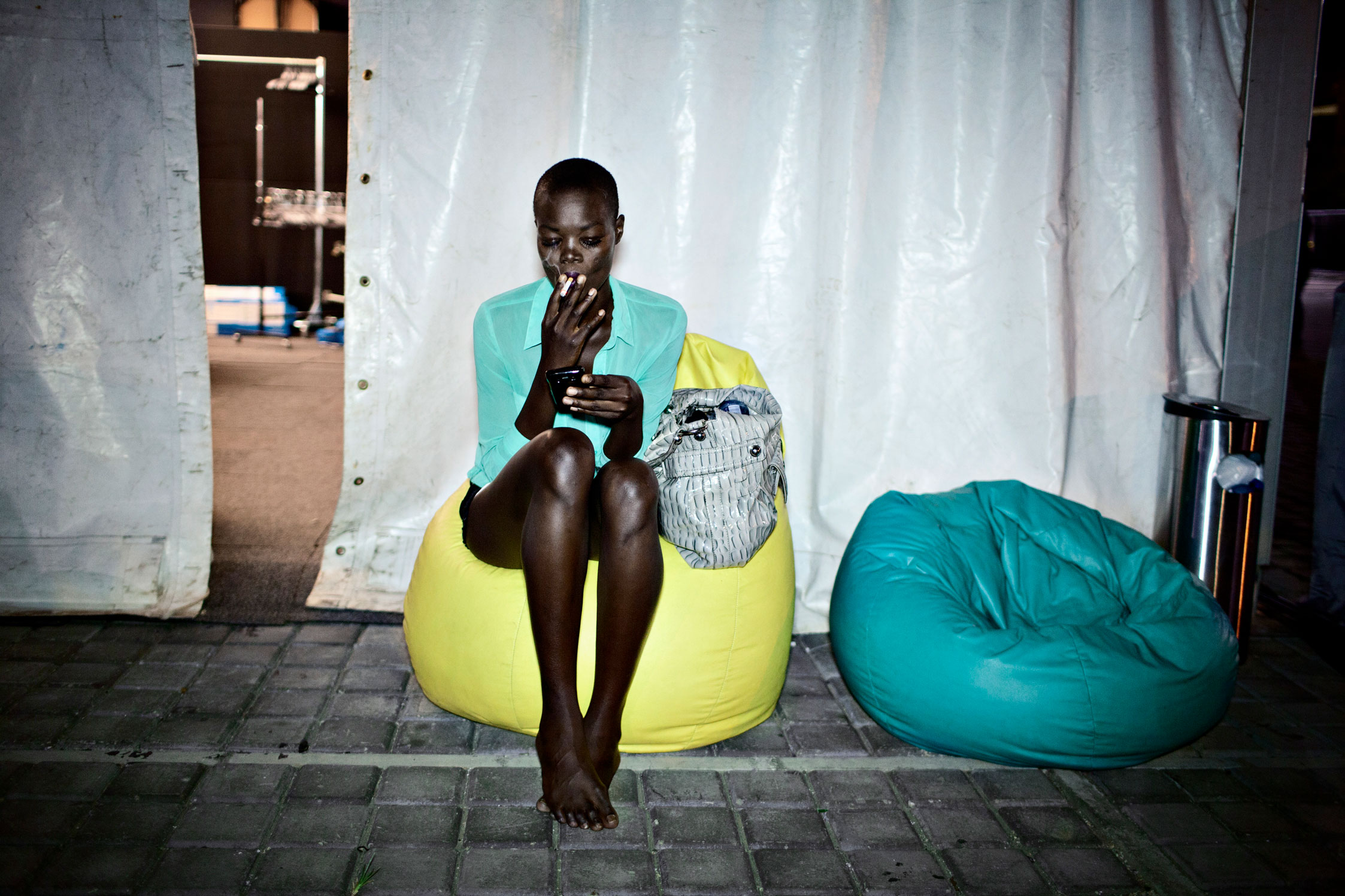
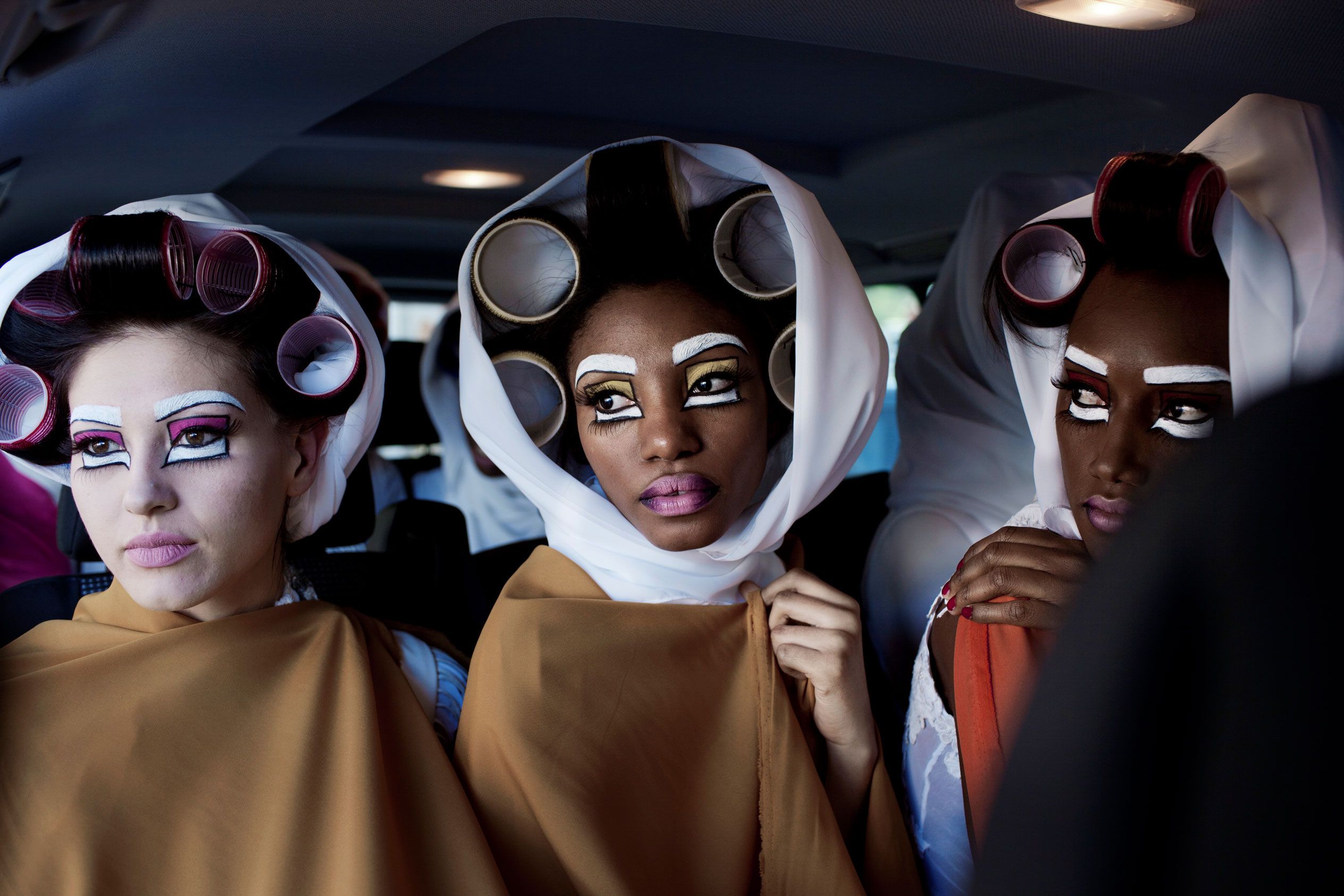
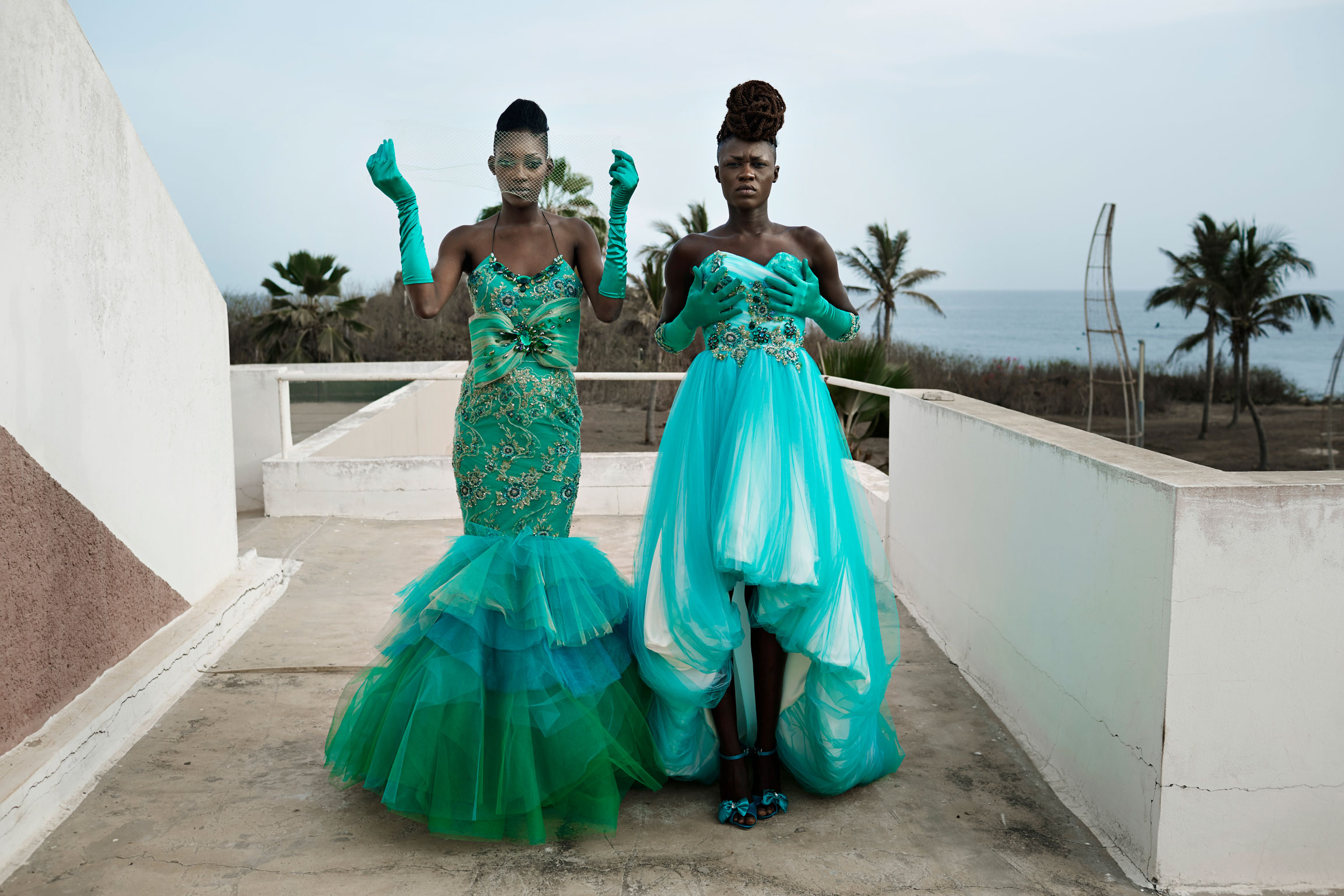
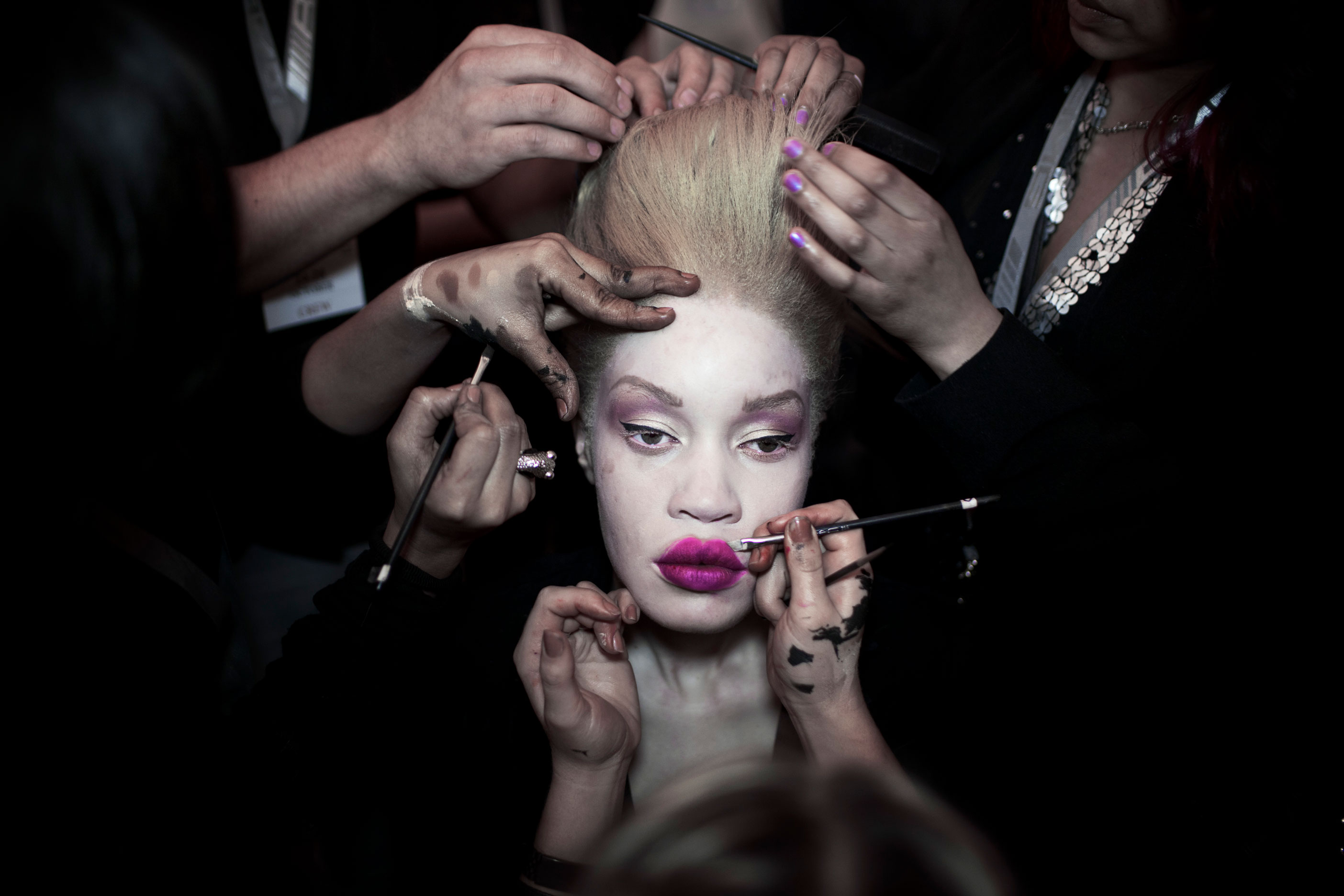
I became fascinated by this colourful and progressive new world. The experience set me on a path which would, over the next five years, take in 16 African countries, nearly 500 shows and the work of countless designers.
My book African Catwalk documents the creative revolution spreading across the continent.
It shows how Africa is using fashion as a tool to overturn foreign stereotypes and rewrite a more positive narrative for itself in the eyes of the world.
The brilliance of the fashion speaks for itself, but I was struck by the inventiveness of the shows.
They’re often held in unexpected locations like museums, golf courses or an old bus factory.
But sometimes the settings are chosen to make a political statement, like staging a show in an old courthouse or on Johannesburg’s Nelson Mandela Bridge.
Last December, Mozambique Fashion Week opened on a runway of Maputo International Airport.
A tropical rainstorm had just subsided as an airplane came to a halt before us; a door cracked open and fashion models began descending its steps like a catwalk to kick off the show.
As the event unfolded, right there on the airport’s tarmac, a jet bound for Europe took off in the background.
It was one of the many moments during this project where I was overwhelmed by the ambition and the creativity of Africa’s emerging fashion industry.
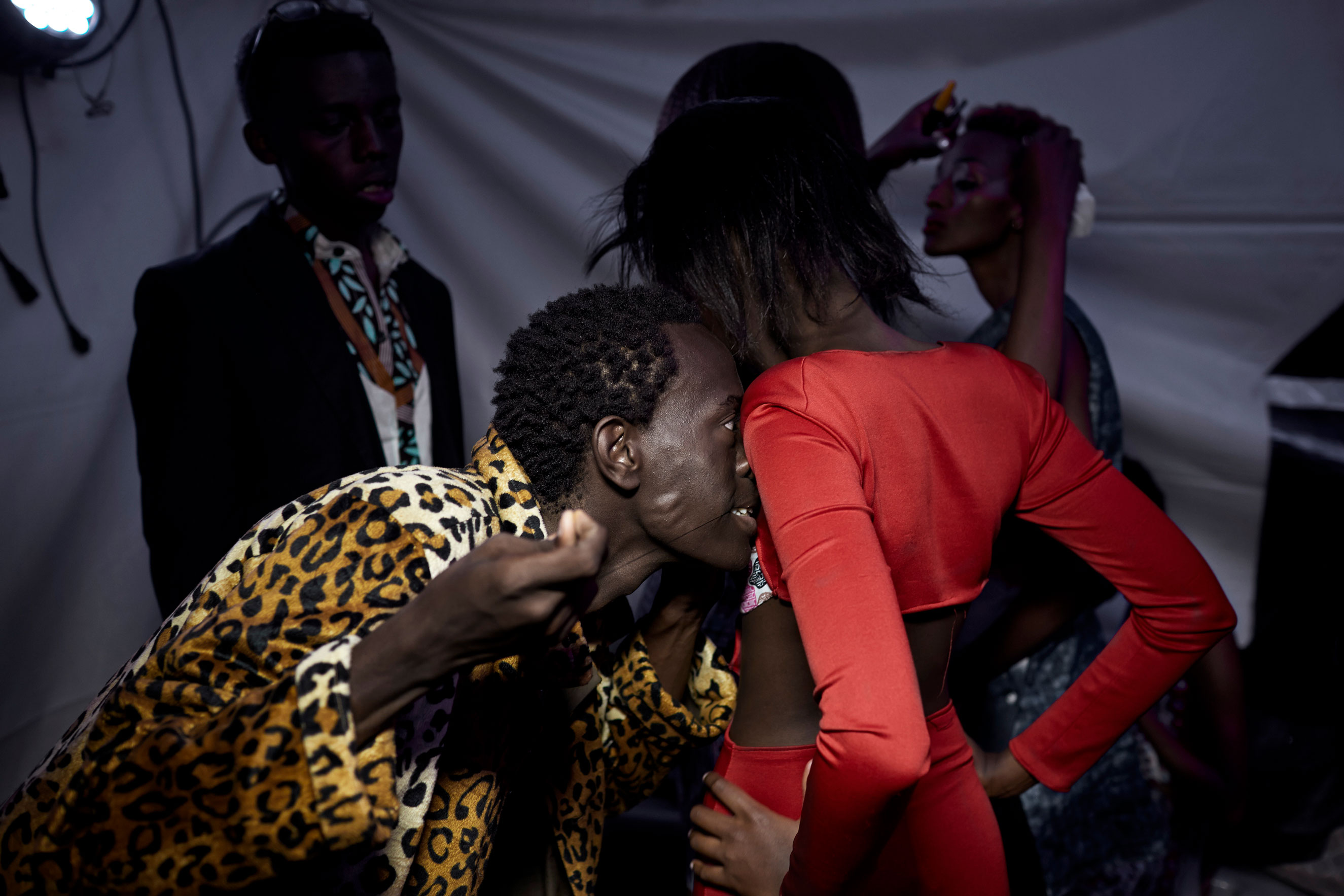
Its phenomenal growth is a sign that Africa is becoming culturally self-assured. But I wish more designers here would tell their own stories because there are so many.
I think you have to be inspired by your heritage and your own experience, your own upbringing, filtering it through an individual and contemporary interpretation.
I thought about finishing the project two or three years ago, after just seven or eight countries.
I’m really glad I pursued it because as I got more and more invites, the project accelerated and I was able to show the continent in much more depth.
I kept going because I really believed that in these images I could reveal the renaissance of the bright, new Africa.
African Catwalk is published by Kehrer Verlag. Check out Per-Anders Pettersson’s online portfolio.
This article appears in Huck 57 – The Documentary Photo Special IV. Subscribe today so you never miss another issue.
You might like

In photos: Lives of solitude at the world’s edge
Coirón — Pie Aerts’s new photobook documents years spent in close quarters with puesteros in Patagonia – a group of aging gauchos who live almost completely isolated existences.
Written by: Isaac Muk

The raw, fledgling intimacy of Peter Hujar’s contact sheets
Hujar:Contact — A new photobook highlights the process of the legendary queer photographer, and his process of growing into the artist he ultimately became.
Written by: Miss Rosen

Jesse Glazzard’s messy portrait of queer friends, lovers and chosen family
The Sound of Dirt and Beauty — The photographer’s debut monograph explores tender, unpolished moments shaped by the people who he surrounds himself with, while offering a window into the UK’s working-class LGBTQ+ community.
Written by: Sunny Sunday

Behind the curtain at Alternative Miss World 1981
Olympia glamour — Running a subversive take on the traditional beauty pageant, the Andrew Logan organised event prioritised underground creativity and invention. Photographer David Corio went behind the scenes at its biggest edition.
Written by: Miss Rosen

New exhibition highlights British radical living over 200 years
Earthly Paradise — Taking place at the William Morris Gallery, it explores the homes and lives of artists, writers, musicians and more, as well as the conditions that allowed them to thrive.
Written by: Isaac Muk

What life on the Strait of Hormuz is really like
Southern Winds — Bandar Abbas based photographer Morteza Niknahad has been capturing the diverse communities and stories of his local region since he first picked up a camera. His new series highlights the human impact of war.
Written by: Isaac Muk


