The photographers rebuilding community in the digital age
- Text by Millie Morris

As we slide further into a digital age, it can be easy to forget that our world is three dimensional. Us millennials might have grown up with Facebook and Twitter, but Generation Z (our younger siblings) are turning to image based social media sites to explore their identities, engulfed by carefully selected filters and angles. It’s this that now consumes much of the photographic landscape.
For those intent on finding a career in photography, a life online can feel like a lonely world, removed from reality and reduced to scrolling through endless images on a screen. But a photograph is much more than a small square shot Instagram: there’s a story behind each picture, a skill and a history. But how does this fit into our web-driven world?
With less than two weeks left to enter Photo-Forum’s annual show, we meet the photographers pushing back and creating real-world spaces for photographers to come together: to meet, to learn and to socialise.
“This sort of community space is not always easy to find in a competitive, digital world and in what can sometimes be quite a lonely profession,” explains Travis Hodges, photographer and co-curator of Photo-Forum. Hosting free talks once a month by industry professionals, this project gives photographers from all walks of life invaluable networking opportunities and access to insightful tips and information.
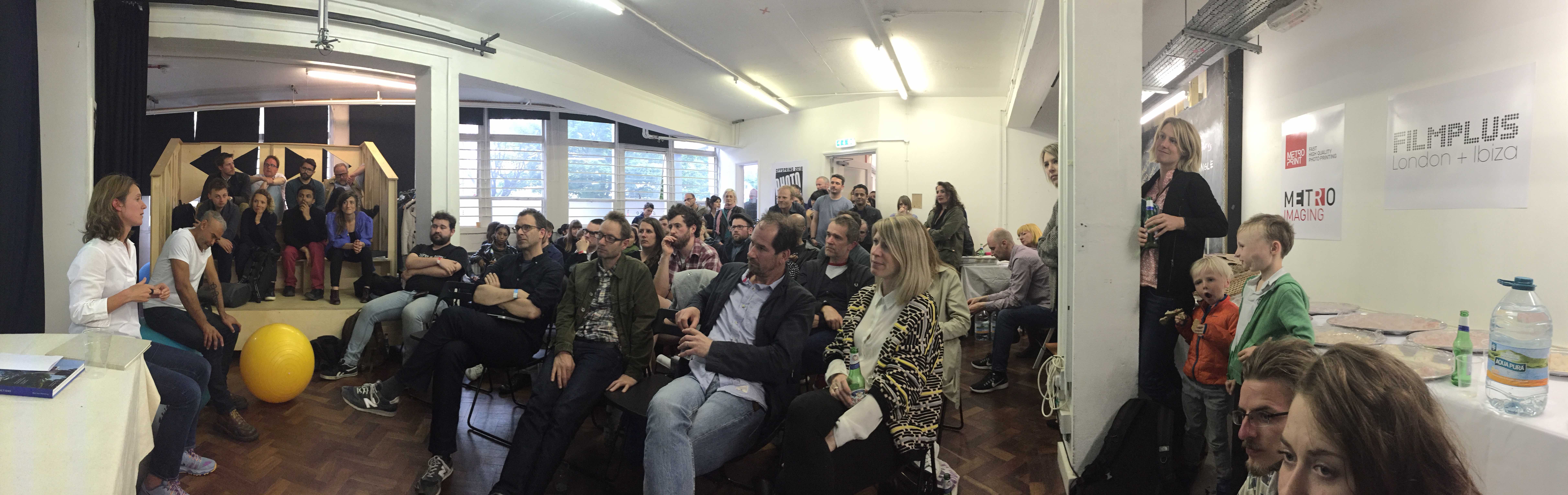
“It’s important that there are places where people can come together in real life”, Travis continues. “Photo-Forum has been running for eight years and there has been a significant change in attitude in that time. Photographers have realised that cooperation and collaboration can bring real benefits to both their personal and professional lives.”
Travis’ outlook is one mirrored by Edward Thompson, the founder of School of Punktum. The school – which offers short courses for a fraction of the price of those hosted by universities and other institutions – places an emphasis on building communities of creative people.
“The most important thing about IRL events for photographers? Going to the pub after,” says Edward, bubbling with enthusiasm at the prospect of sharing knowledge with other photographers.
“You think I’m joking, but it’s about community – creating a camaraderie with the student body. If you keep going [for] long enough, you will succeed. Meeting other people in your field can be incredibly important.”
With a mission of creating an egalitarian model for people who can’t afford mainstream education, School of Punktum is a reaction to photographers being exploited by those charging unaffordable entry fees for competitions and workshops. He thinks that you don’t have to change the system – just build a new one.
 London based Photo Meet has similar ambitions when it comes to creative collaboration. Photographer and founder Mimi Mollica reckons rising digital trends in the photo world a positive thing – but something which must be balanced with face-to-face encounters.
“To me it’s clear that photography, intrinsically related to technological innovation since its very beginning, will always expand its reach pushing the genre boundaries. We should embrace these novelties with a positive attitude rather than being threatened by changes,” he says.
While Mimi believes that this opens doors to many areas and enables widespread communication, he also feels that it often isn’t enough to just exchange words and ideas online, and that it is just as important to create bonds with people in person in order to feel connected. “Today we photographers tend to operate generally through a mediator, the computer connected to the web,” he suggests.
Like Ed, Mimi has found himself in these spaces, and finds it useful for starting friendships, working partnerships, and delving deep into the photographic world.
Photo-Forum’s end of year exhibition and Christmas party is a culmination of the efforts put in by these progressive members of the photographic world. It’s set to include images from many past speakers, as well as showcasing the work of their audiences. All entries submitted will feature in the show, and stand a chance to win the ‘best in show’ prize.
“The party on 15 December is our chance to spend an evening with friends and peers, reflect on 2016 and look forward to the photographic adventures to come in 2017.” After what many would label the worst year in history, here’s to hoping 2017 has richer fruits to bear – in the photography world and beyond.
Photo-Forum’s exhibition kicks off at theprintspace. Submissions are open until 30 November 2016.
Enjoyed this article? Like Huck on Facebook or follow us on Twitter.
You might like

Jesse Glazzard’s messy portrait of queer friends, lovers and chosen family
The Sound of Dirt and Beauty — The photographer’s debut monograph explores tender, unpolished moments shaped by the people who he surrounds himself with, while offering a window into the UK’s working-class LGBTQ+ community.
Written by: Sunny Sunday
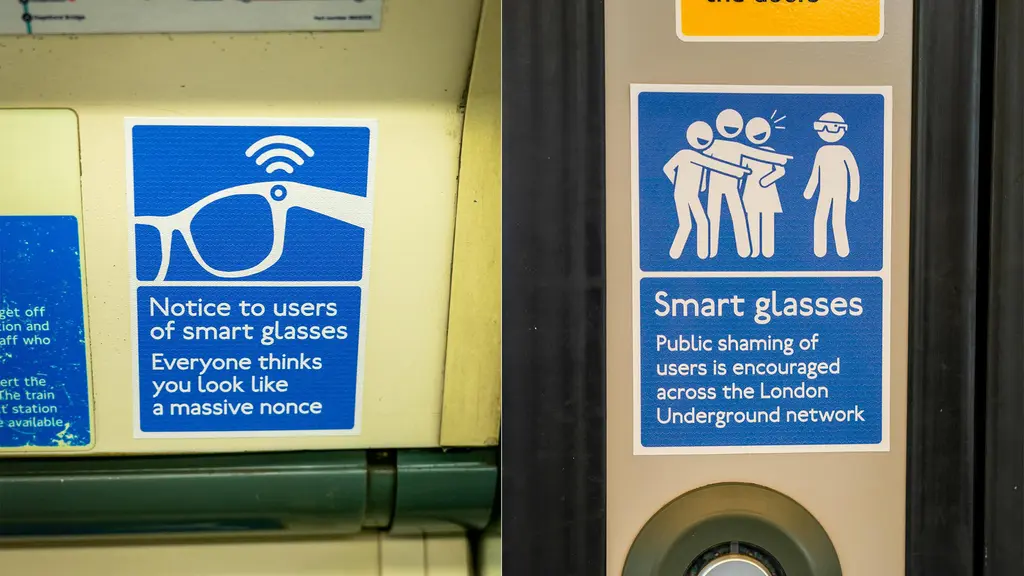
Activists slam “pervert glasses” in new guerrilla campaign
Everyone Hates Elon — Stickers have appeared on the London Underground network, criticising the wearable technology’s covert filming capabilities.
Written by: Isaac Muk

Behind the curtain at Alternative Miss World 1981
Olympia glamour — Running a subversive take on the traditional beauty pageant, the Andrew Logan organised event prioritised underground creativity and invention. Photographer David Corio went behind the scenes at its biggest edition.
Written by: Miss Rosen

Dan Lacey: “BMX is forever evolving”
Overground — Steph Pomphrey caught up with the two-wheel legend after his latest meet in east London, chatting about fatherhood, music and action sports within the outdoor industry.
Written by: Steph Pomphrey

The battle for the soul of lockpicking
Under locksport and key — In recent years, breaking locks for fun has grown from a niche hobby into an activity followed by millions of people. As it has matured, so have tensions over who sets the rules.
Written by: Jack Dennison-Thompson

New exhibition highlights British radical living over 200 years
Earthly Paradise — Taking place at the William Morris Gallery, it explores the homes and lives of artists, writers, musicians and more, as well as the conditions that allowed them to thrive.
Written by: Isaac Muk


