In photos: The boys of the Bibby Stockholm
- Text by Thomas Ralph
- Photography by Theo McInnes, Thomas Ralph

Bibby Boys — A new exhibition by Theo McInnes and Thomas Ralph documents the men who lived on the three-story barge in Dorset, giving them the chance to control their own narrative.
A new exhibition by photographer Theo McInnes and director Thomas Ralph documents the lives of men who lived on the Bibby Stockholm barge.
Running between March 17 and April 4 at Photofusion in London, Bibby Boys was made over the course of a year, with the pair meeting residents who had fled from war, persecution and other forms of displacement. They were allowed to leave the barge during the day, and McInnes and Ralph met and photographed them around the area – in cafés, on beaches and outside of their floating cabins.
Between July 2023 and January 2025, the Bibby Stockholm was moored at Portland Port as part of a Conservative Government plan to house asylum seekers offshore. A three-storey engineless barge, it was designed to accommodate 500 single men aged between 18 to 65.


Residents reported dire conditions, with cramped cabins where they slept on narrow bunk beds, rotting food, bedbugs and flooding, while traces of potentially deadly bacteria legionella was found in the water supply. With the choice being to board the barge or be made homeless, critics often described the Bibby Stockholm as a “floating prison”. After the current Labour government was elected, it chose not to renew the contract, which expired in January 2025, and the barge was returned to its owner Bibby Marine.
Working in close partnership with the residents they photographed, McInnes and Ralph aimed to shed lights on their stories, and explore the depths of their experiences. Their photos and stories gleaned from interviews and time spent with the men of the Bibby Stockholm flips the scripts on the headline generating narratives that were often placed upon them by others, giving them space to speak and present themselves as they wished.
Below, Ralph outlines how the project was conceived in the first place, the collaborative work with the local Portland community, and the process of building relationships with the Bibby Boys.


This project began when Theo and I went to Portland to photograph the island itself. I grew up in Dorset, and Portland always had a mythic, otherworldly quality. It’s so isolated, one road in and out, full of rumours about webbed feet and people who had never ventured off it. In reality, it’s a place with a proud military and industrial past that’s been largely forgotten by the rest of the country. Portland and neighbouring Weymouth are among the most deprived areas in the UK. Photographically it’s extraordinary: Chesil Beach, the old quarries, the dramatic coastline. We were trying to get under Portland’s very hard skin.
At that time the Bibby Stockholm had just arrived. It was impossible to ignore, the barge had become a national headline, but on the ground it felt quieter, more complicated. The island is known for its two large prisons, and not so long ago a third, floating in the port. The Bibby felt like a twisted modern replacement for that. We didn’t feel we had a natural way into that story without being exploitative, so at first we kept our distance. Then I guess the project found us.
One afternoon we overheard an old Dorset phrase used to describe the men from the barge: “Bain’t narn of we.” Ain’t one of us. It stayed with us. Around the same time, we met members of the Portland Global Friendship Group, a voluntary initiative offering lifts, support, and companionship. Simple gestures of care and solidarity that proved vital to the men onboard. They invited us to document this time and told us the men wanted to share their stories. So we began by asking two simple questions: who were the men aboard the Bibby Stockholm? and how would they experience this island as their temporary home?


We never had access to the barge itself. Instead, we returned over the course of a year, slowly building relationships. We met men in cafés, gardening, on walks, at community gatherings. We met local residents who had stepped forward to help. What we found wasn’t a simple story of division. It was more human and more layered; frustration, dignity, humour, boredom, resilience. A deep sense of waiting in limbo. And, most beautifully, reciprocity. The support wasn’t one-directional; care flowed both ways.
It became clear that the Bibby was designed to function as an aggressive political symbol of migration deterrence. Up close, it felt personal, fragile, ongoing. Leonard Farraku’s death made that painfully clear. For the men onboard, the stakes were never abstract.
The project became personal very quickly. We found ourselves, in many ways, folded into the Friendship Group, building close relationships with the men and campaigning alongside them for the barge to close. When it finally did, we shared their relief and joy. One of the strangest moments came after that victory. The same community that had fought to see the Bibby shut had to face saying goodbye. As the men were dispersed across the country, the atmosphere was both beautiful and heartbreaking. Two years on, many are still waiting in asylum limbo.
This work matters to us because it resists the headline version of events. It sits in the space between policy and person. It asks what belonging looks like in practice, and who gets to decide who is “one of us.” We tried not to make photographs with spectacle. We hope they feel closer than that, about proximity, about time, and about the small, stubborn forms of community that can emerge in conditions no one would choose.
Bibby Boys by Theo McInnes and Thomas Ralph opens on March 17 and is on view through April 4 at Photofusion.
Buy your copy of Huck 83 here.
Enjoyed this article? Follow Huck on Instagram for more from the cutting edge of sport, music and counterculture.
Support stories like this by becoming a member of Club Huck.
You might like

The UK can afford to house everyone, so why don't we?
The Bibby Stockholm scandal and the rental crisis are two sides of the same coin, with the same solution, argues Ravishaan Rahel Muthiah, Communications Director at the Joint Council for the Welfare of Immigrants.
Written by: Ravishaan Rahel Muthiah

Photographer Theo McInnes on timing, trust and originality
In partnership with MPB — In the first instalment of our Photographers In Conversation series, created in collaboration with MPB, the London-based shooter dives into his storytelling process.
Written by: Niall Flynn

Redefining street photography in the 21st Century
A new exhibition celebrates the transformative art of street photography.
Written by: Miss Rosen

Jesse Glazzard’s messy portrait of queer friends, lovers and chosen family
The Sound of Dirt and Beauty — The photographer’s debut monograph explores tender, unpolished moments shaped by the people who he surrounds himself with, while offering a window into the UK’s working-class LGBTQ+ community.
Written by: Sunny Sunday
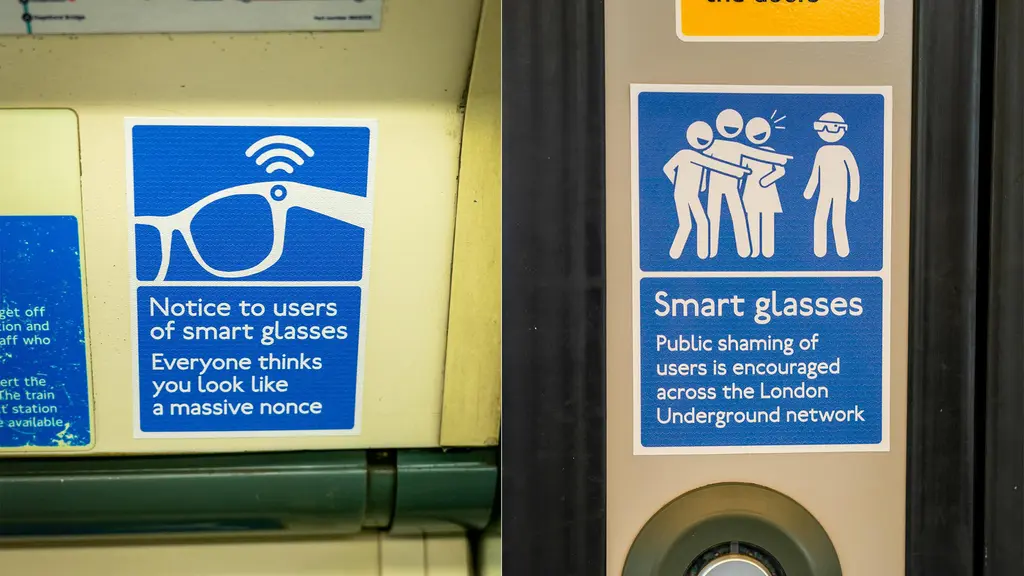
Activists slam “pervert glasses” in new guerrilla campaign
Everyone Hates Elon — Stickers have appeared on the London Underground network, criticising the wearable technology’s covert filming capabilities.
Written by: Isaac Muk

Behind the curtain at Alternative Miss World 1981
Olympia glamour — Running a subversive take on the traditional beauty pageant, the Andrew Logan organised event prioritised underground creativity and invention. Photographer David Corio went behind the scenes at its biggest edition.
Written by: Miss Rosen


