Photos capturing British teen life over a century

Just before the pandemic hit, London’s Museum of Youth Culture announced plans for Grown Up in Britain: 100 Years of Teenage Kicks, a crowdsourced campaign inviting the public to share photographs and memories from adolescent years.
“This was right before lockdown, so while people were stuck at home we asked them to go through their family albums and shoebox archives and share teen stories,” say Lisa er Weduwe, Archive Projects Manager, and Jamie Brett, Creative Manager. “It was a great way of connecting with each other, and we were blown away by the response.”
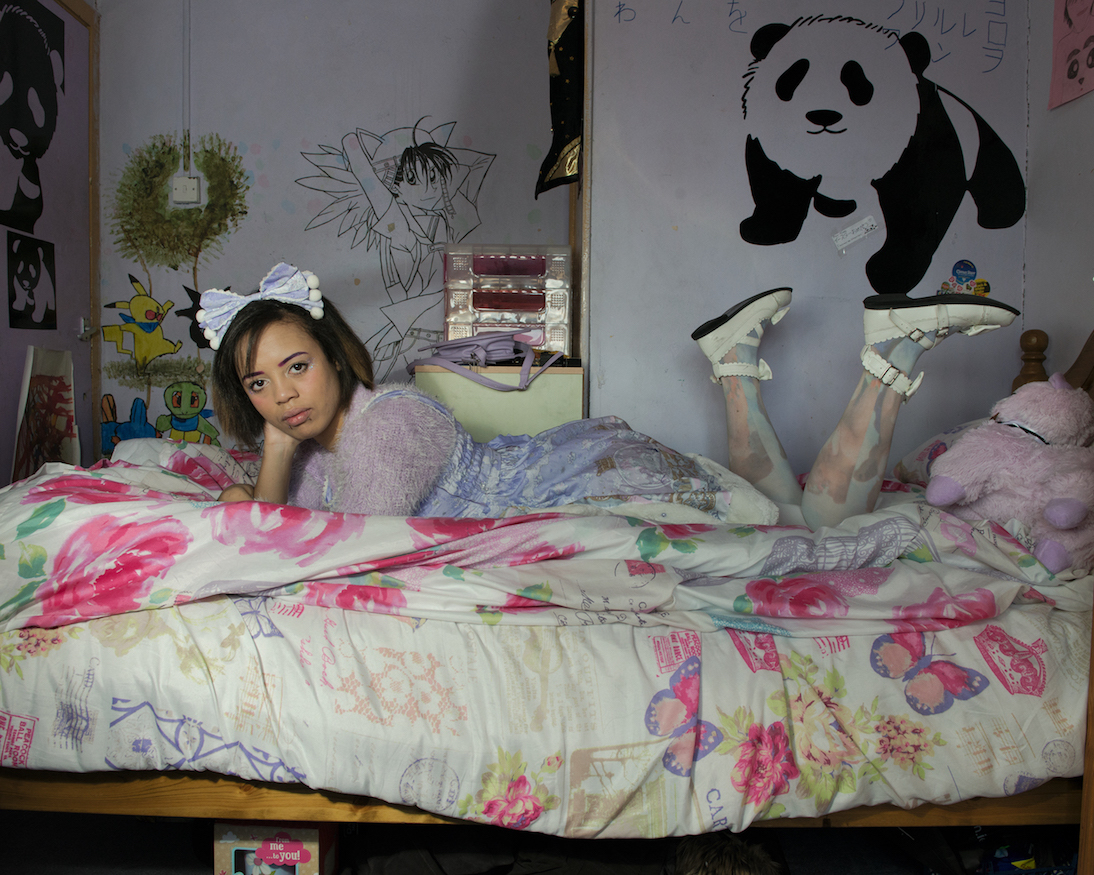
Kirsty laying on her bed, Black Country, West Midlands, 2017. Photo credit: Michelle Sank
As thousands of public submissions began to pour in, a major exhibition chronicling British teen life over the past century began to take shape. Images drawn from personal collections hang alongside works by major artists including Ken Russell, Normski, Anita Corbin, Gavin Watson and Lucy McCarthy.
Grown Up in Britain began as a response to a major 2011 survey that concluded the UK has the most negative attitude towards youth on the continent. Recognising the ways in which photography and storytelling can shape public perception, the exhibition organisers set out to create a positive, inclusive, and empowering story of British teen life.

Lucy, age 16, in her rave bedroom, Coventry, 1990s. Photo credit: Lucy McCarthy
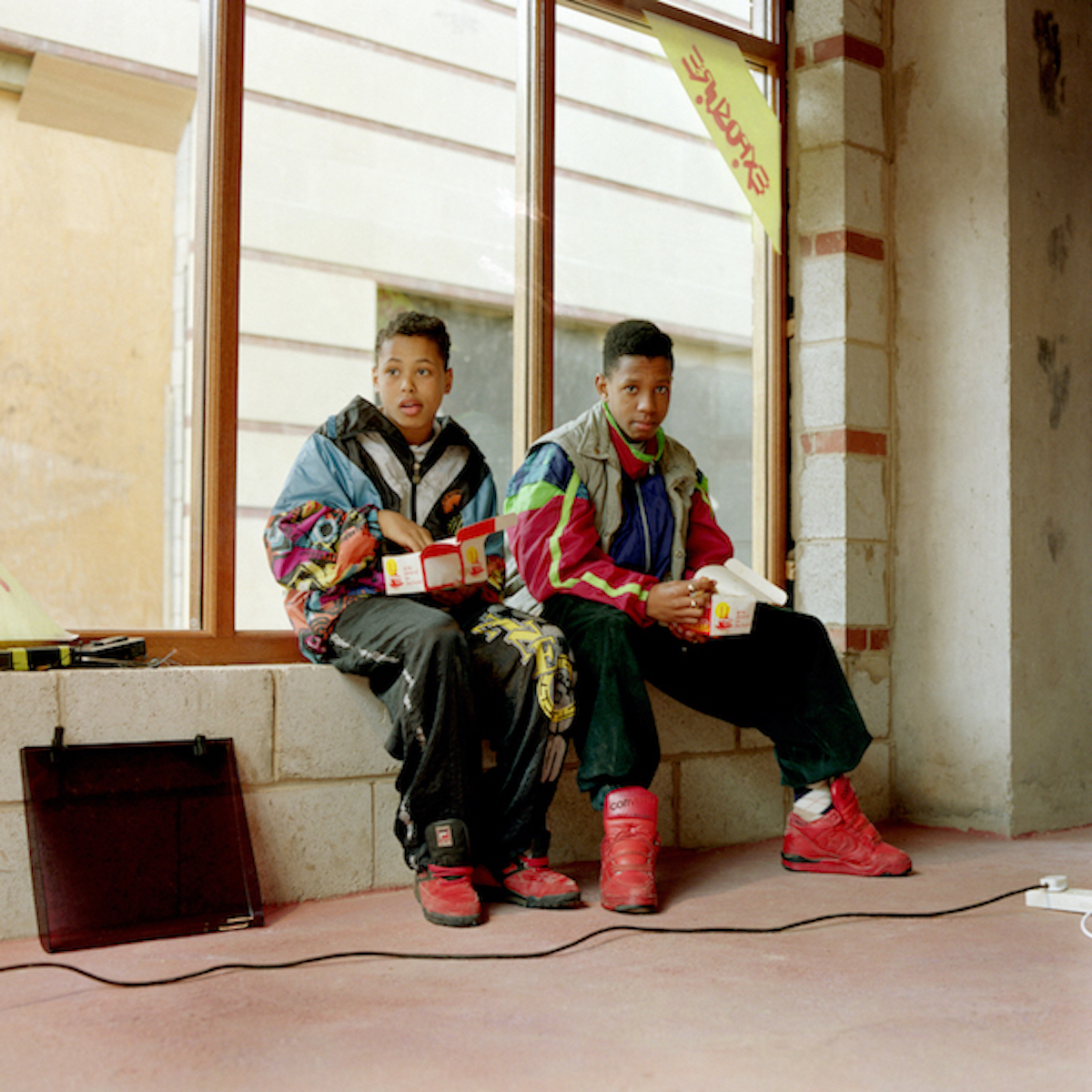
Two teenagers eating fried chicken before a dance performance, Birmingham, 1991. Photo credit: Neil Massey
Teenagehood is a time of extraordinary change. As we come into our own identities, we seek freedom to begin creating out own lives through acts of self-expression that shape the culture and establish generational markers.
“Youth is such a potent time in our lives,” say Der Weduwe and Brett. “We start taking those first steps of independence from the family home and discovering things for ourselves that we are passionate about – and often these things shape who we become.”
“Coming from this fresh perspective and looking to set themselves apart from the adults around them, young people have a strong awareness about what is wrong in the world around them or what they want to do differently. It’s why so much of progress is driven by young people, whether through protest, fashion, music or technology.”
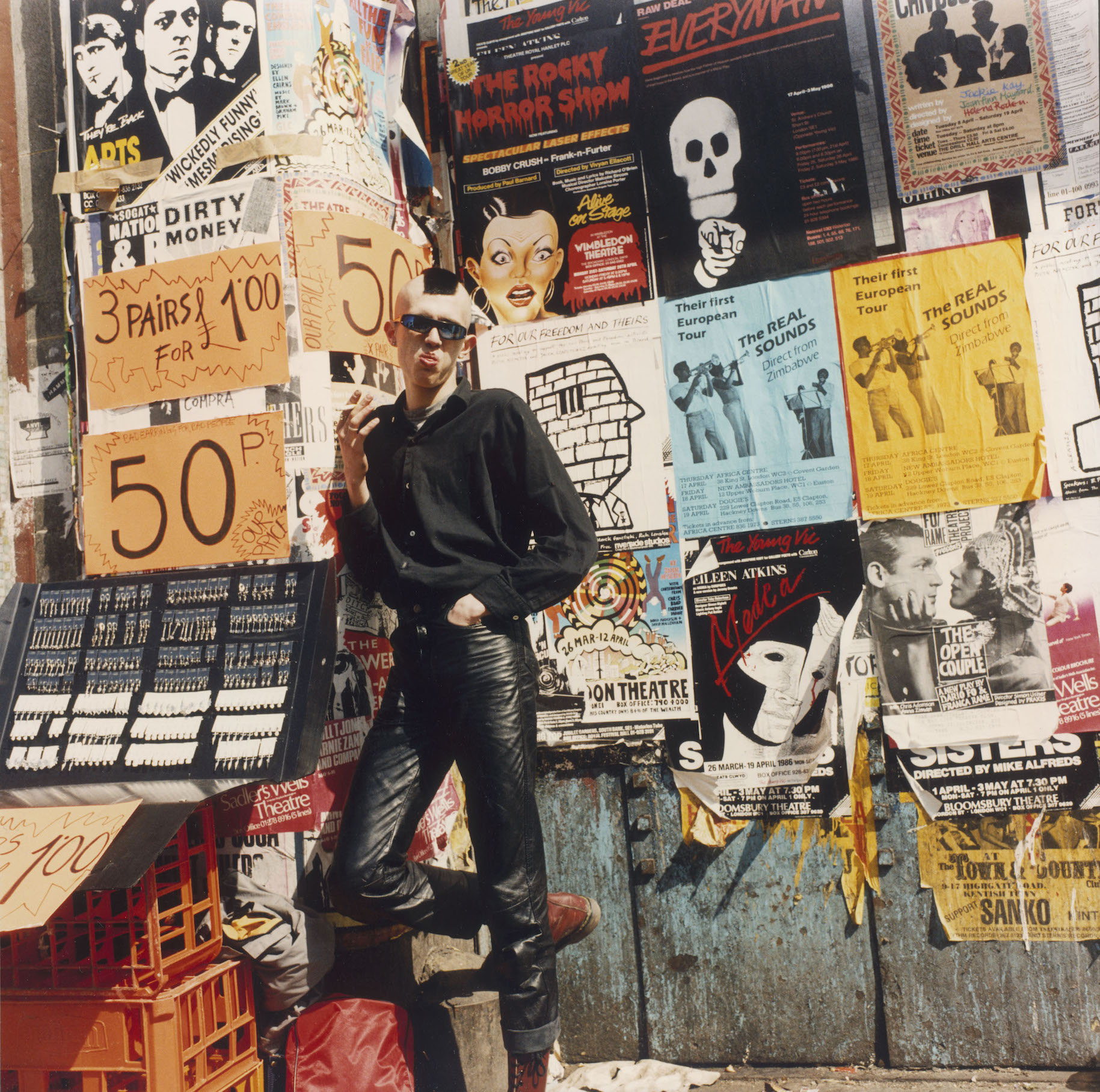
A punk street jewellery seller in Camden, London, 1986. Photo credit: Shirley Baker
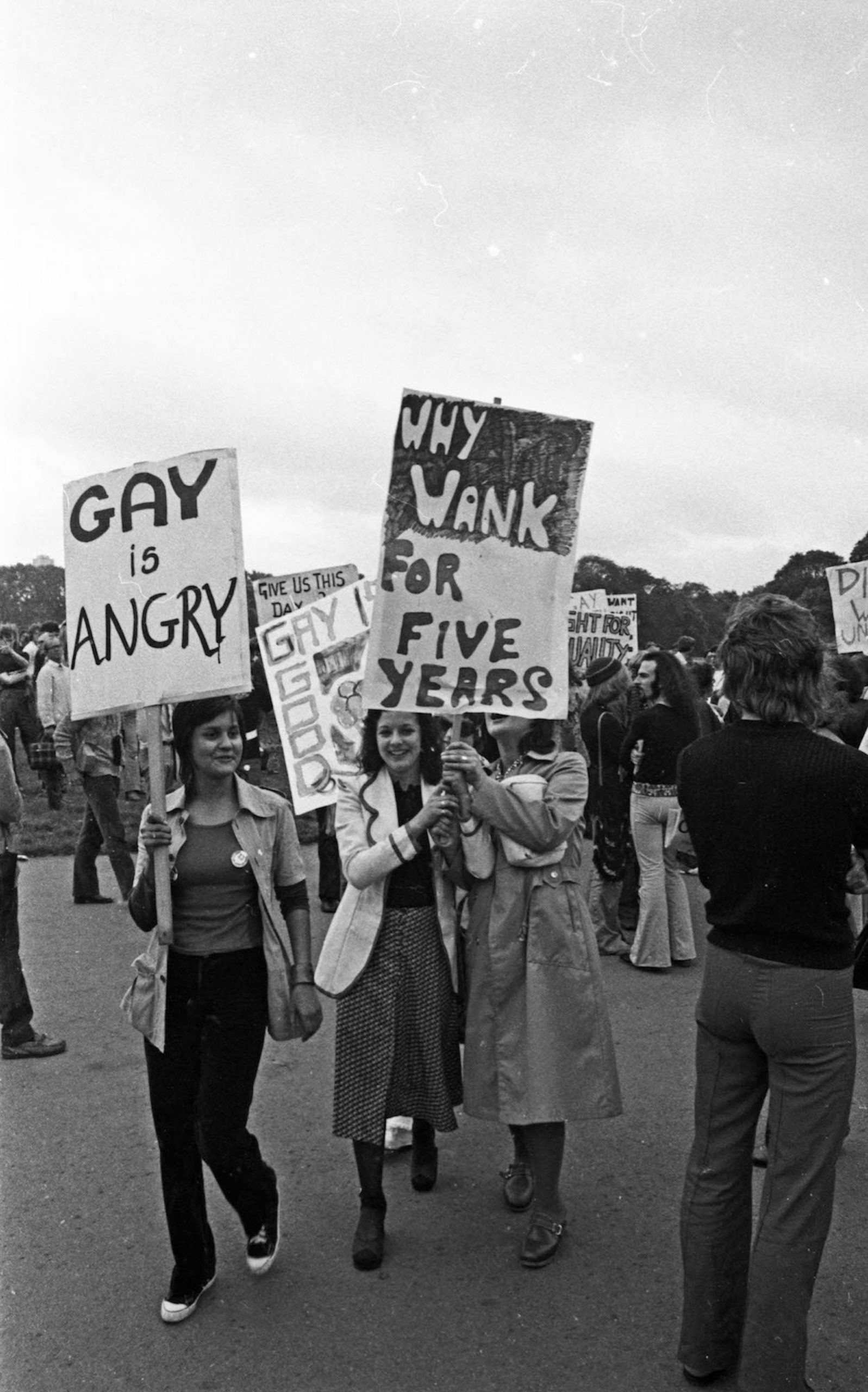
Protesters from the Gay Liberation Front Youth Wing at a march against the age of consent, London, 1971. Photo credit: Peter Bull
Britain’s youth has played a pivotal role in developing subcultures that would spread across the world. “Working-class teens are always breaking the mould of what society expects of them and often setting the youth culture of the time,” say der Weduwe and Brett.
As the curators note, despite generational differences, a throughline continues to cross the divide. “There’s something powerful about getting people to share youth culture stories intergenerationally and join the dots between the two.
“Whilst many adults might complain about the youth of today, it’s also easy for young people to forget that their parents and grandparents were once teenagers, and possibly even more rebellious back in the day!”

Clubbers pose for the camera, rave at Bagleys, London, 1996. Photo credit: Tristan O’Neill

Isle of Wight Festival UK 1970. Photo credit: Peter Francis
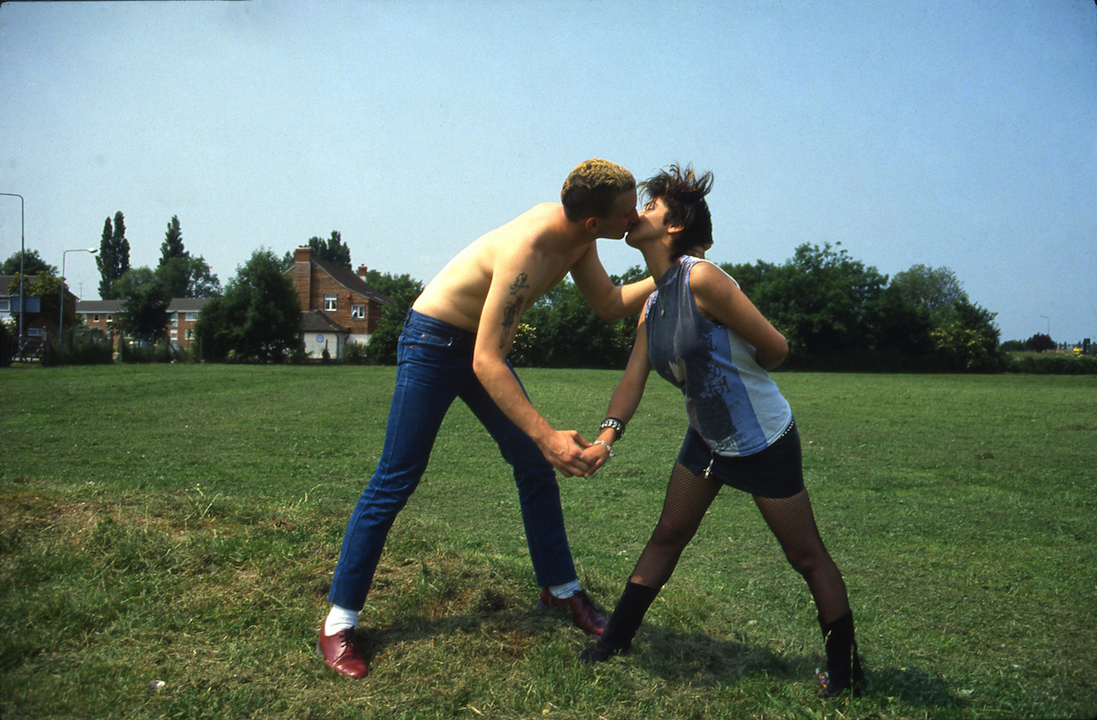
Kelly and Gavin kissing, High Wycombe, 1980s. Photo credit: Gavin Watson

Kelly and her friends pull over on the A40 on their drive home, UK, 1980s. Photo credit: Gavin Watson
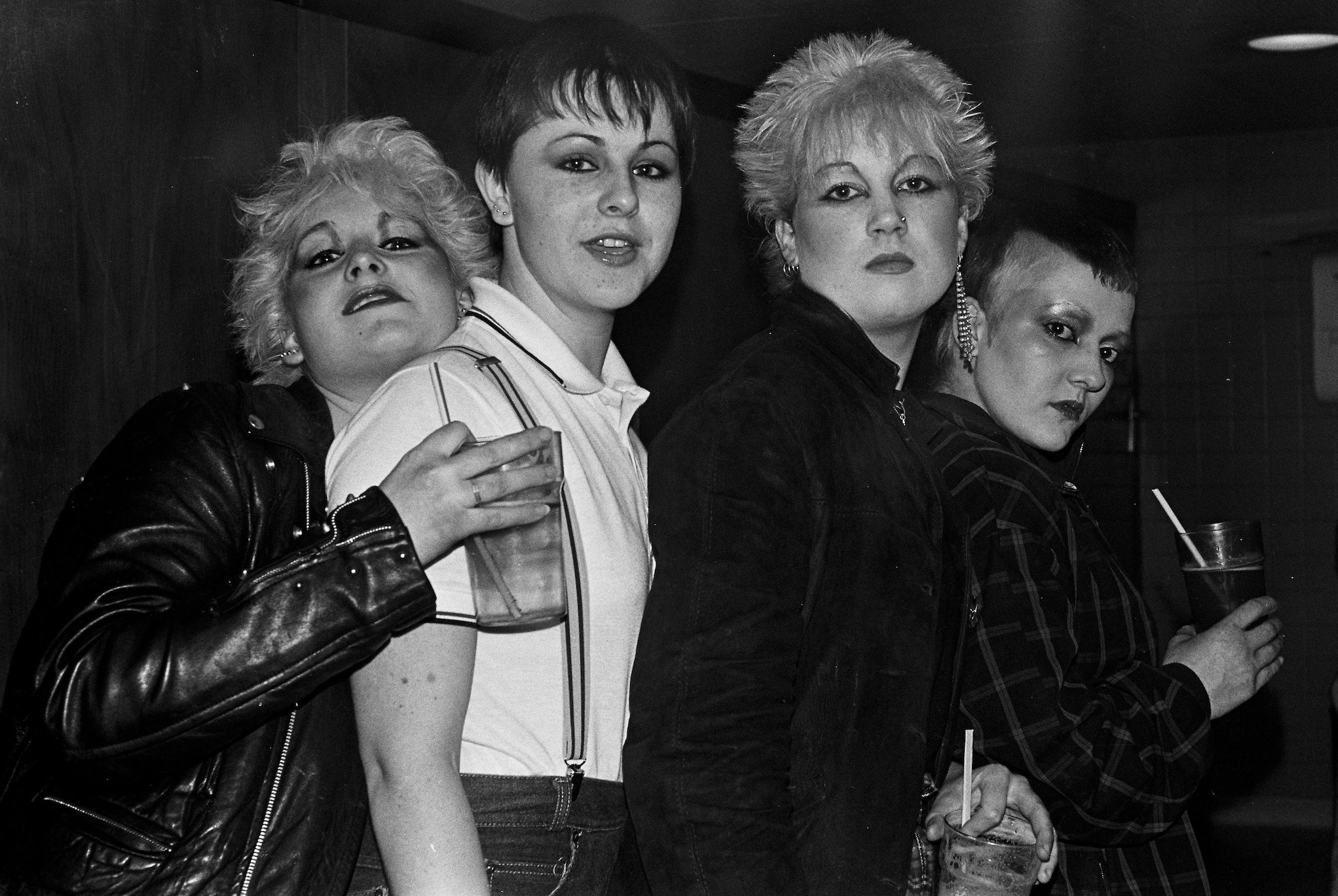
Punk and Skinhead girls at a gig. Hastings 1981. Photo credit: Clare Muller

Mosh Pit at the Disya Jeneration Sound System, Notting Hill Carnival, London, 2000s. Photo credit: Babycakes Romero
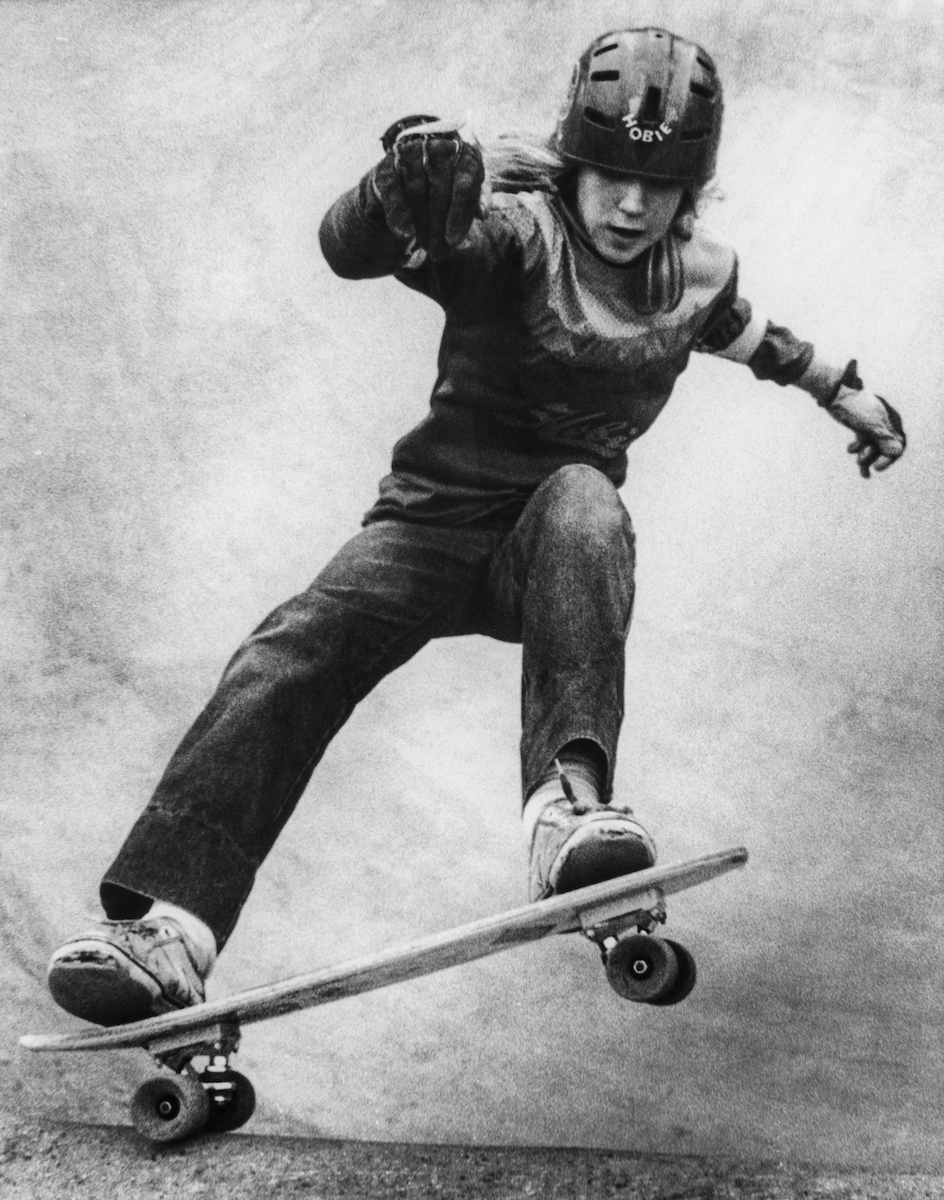
Skateboarder in the newly opened bowl at Skate City, Tooley Street, London, 1970s. Photo credit: Alexander Apperley
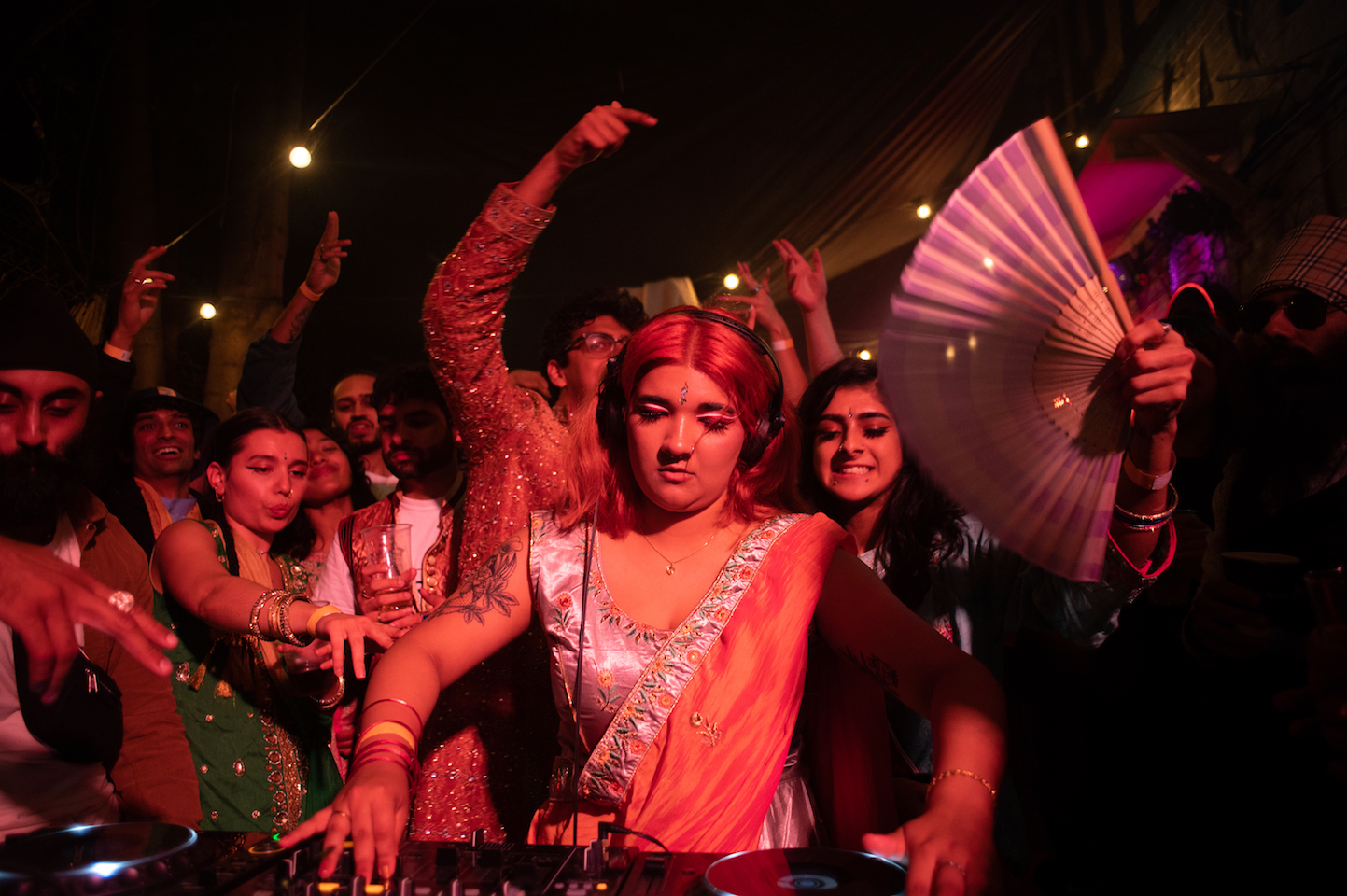
DJ Gracie T at the Daytimers Boiler Room night, London, 2021. Photo credit: Aiyush Pachnanda

Raj dancing at Anokha at The Blue Note, Hoxton, 1997. Photo credit: Adam Friedman
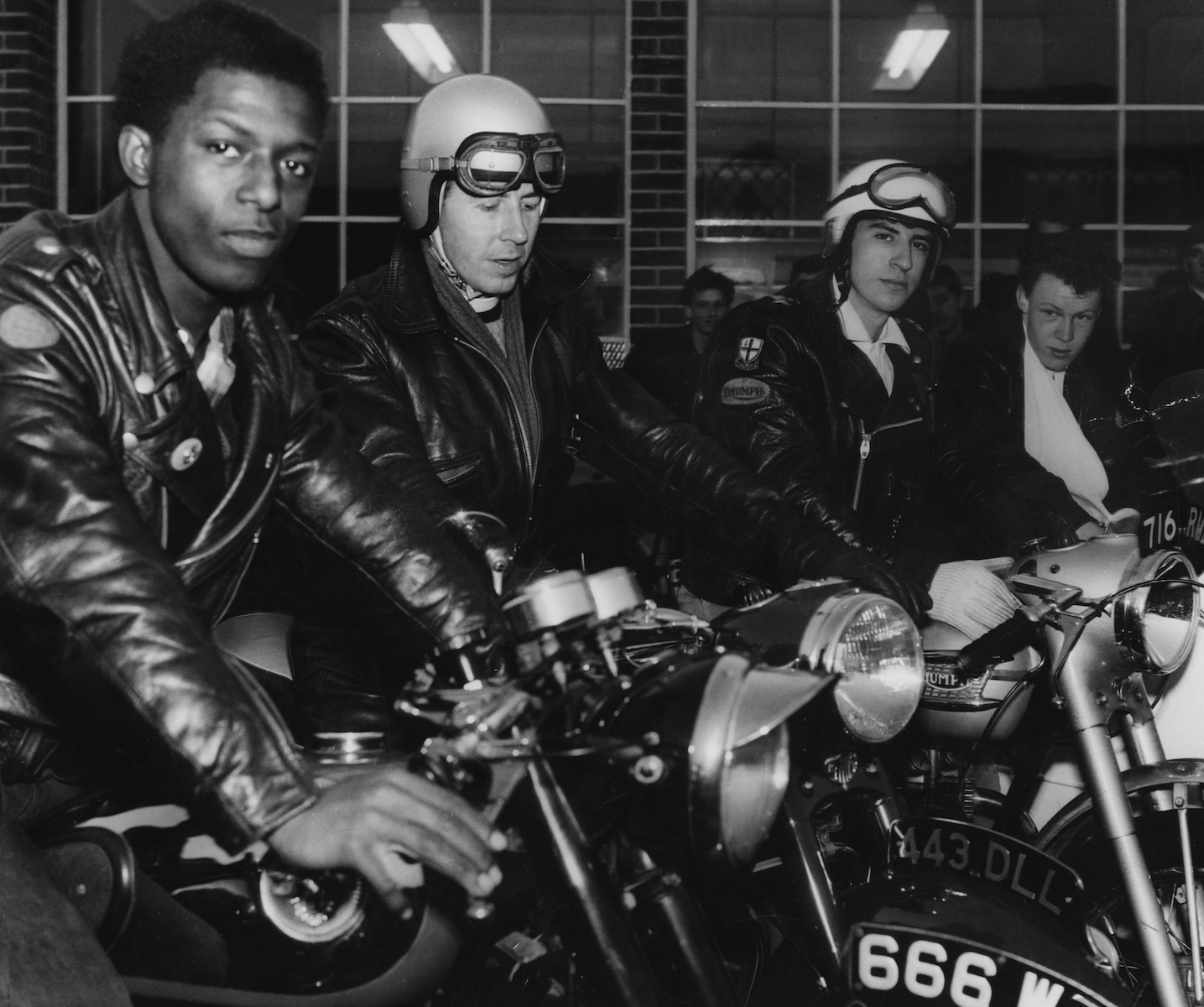
Father Bill Shergold with members from the 59 Club outside the Ace Cafe, London, 1960s.
Grown Up in Britain: 100 Years of Teenage Kicks is on view through February 12, 2023 at the Herbert Art Gallery & Museum, Coventry.
Enjoyed this article? Like Huck on Facebook or follow us on Twitter.
You might like

Space Afrika are flying the flag for the Black avant-garde
Quiet Storm — Mancunian duo Joshua Tarelle Reid and Joshua Inyang have been soundtracking their vision of industrial decay for the best part of a decade. Their latest album sees the pair join forces with global diasporic voices to create their most personal, expansive record yet.
Written by: Jack Dennison-Thompson

Exploring girlhood and land ancestry in Sudan’s cotton fields
Cotton Queen – A new feature debut from filmmaker Suzannah Mirghani explores the legacy of colonialism and the fight for self-determination through the tender eyes of a teenage girl.
Written by: Roxana Diba

Portraits of gay bears through a rooftop hatch
Big Boys On My Roof™ — Growing up, Anthony Stockdale struggled with his love for bigger men. His new photo series celebrates the bear community.
Written by: Anthony Stockdale

Queen Millz: “Getting kicked out of school changed my life”
What Made Me — In this series, we ask artists and rebels about the forces and experiences that shaped who they are. Today, it’s leading Leicester wordsmith Queen Millz.
Written by: Queen Millz

In photos: Lives of solitude at the world’s edge
Coirón — Pie Aerts’s new photobook documents years spent in close quarters with puesteros in Patagonia – a group of aging gauchos who live almost completely isolated existences.
Written by: Isaac Muk

The raw, fledgling intimacy of Peter Hujar’s contact sheets
Hujar:Contact — A new photobook highlights the process of the legendary queer photographer, and his process of growing into the artist he ultimately became.
Written by: Miss Rosen


