Photos of family, loss and love in Scottish housing estates
- Text by Huck
- Photography by Margaret Mitchell

In 1994, Margaret Mitchell, then in her mid-20s, was in her final year at Edinburgh Napier University studying photography. Her burgeoning interest in issues of identity, inequality and stigma led her to photograph an intimately familiar scene: that being, her sister Andrea’s children, who lived on a council estate in Stirling along with other members of Mitchell’s family.
At the time, Andrea, then in her early 30s, was a single parent to three young children, Steven, Kellie and Chick. “It was a very hostile political environment in which single parents were blamed for the supposed breakdown of society,” says Mitchell. “For under-underprivileged women and children, that scapegoating does wear you down eventually.”
Mitchell, who says she was very proud of how her sister managed these difficult circumstances, wanted to offer a more empathetic narrative to the one attached to working-class families in the mainstream media.
While poverty and deprivation were certainly an undeniable part of their lives, Mitchell stresses that this was never intended as the focus of that first project. The initial 1994 series, titled Family, was, she says, about “showing the children, and their childhood worlds”. And it was, in many ways, a happy childhood, remembers Mitchell: “Within their home environment, they had lots of love and support.”
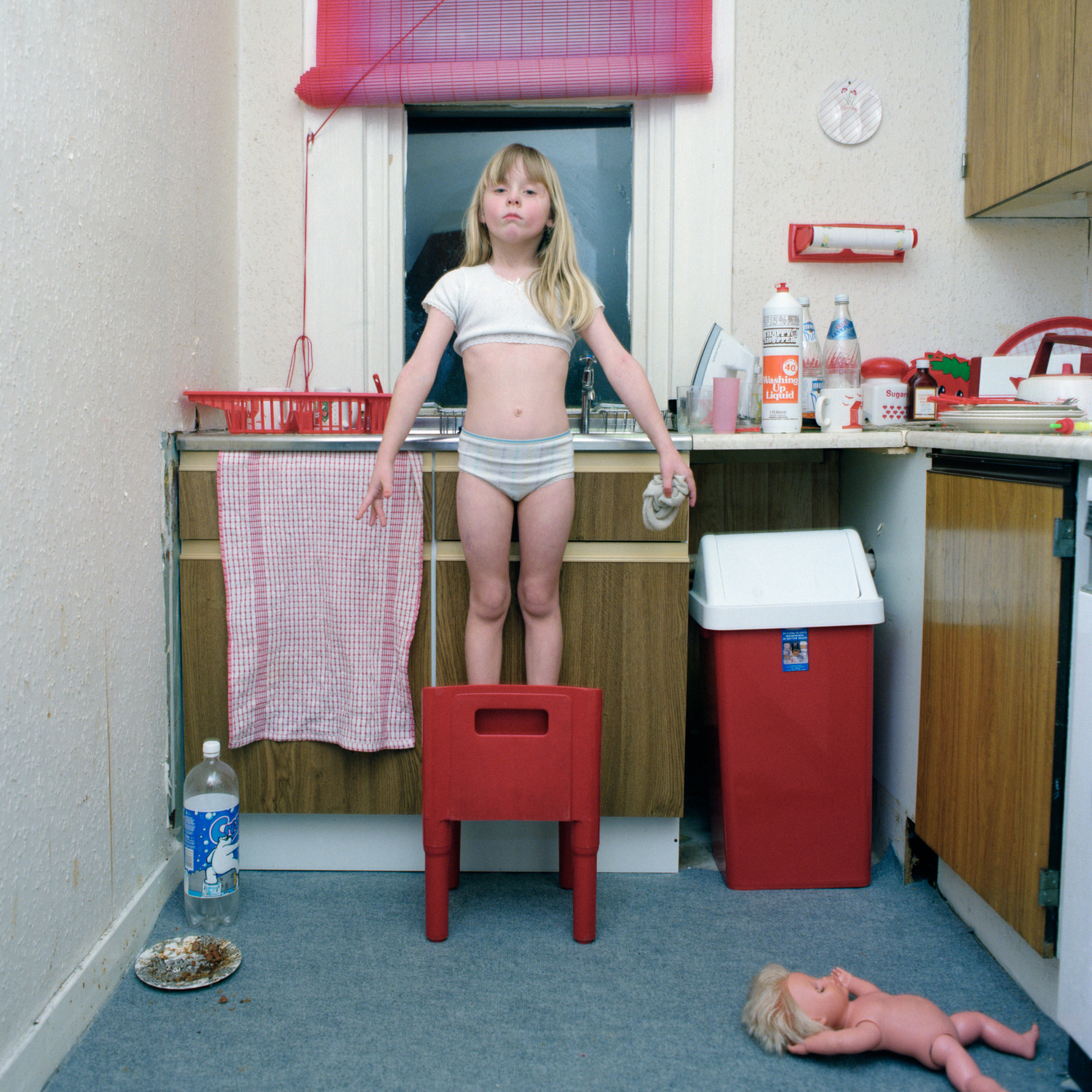
Chick, Family, 1994
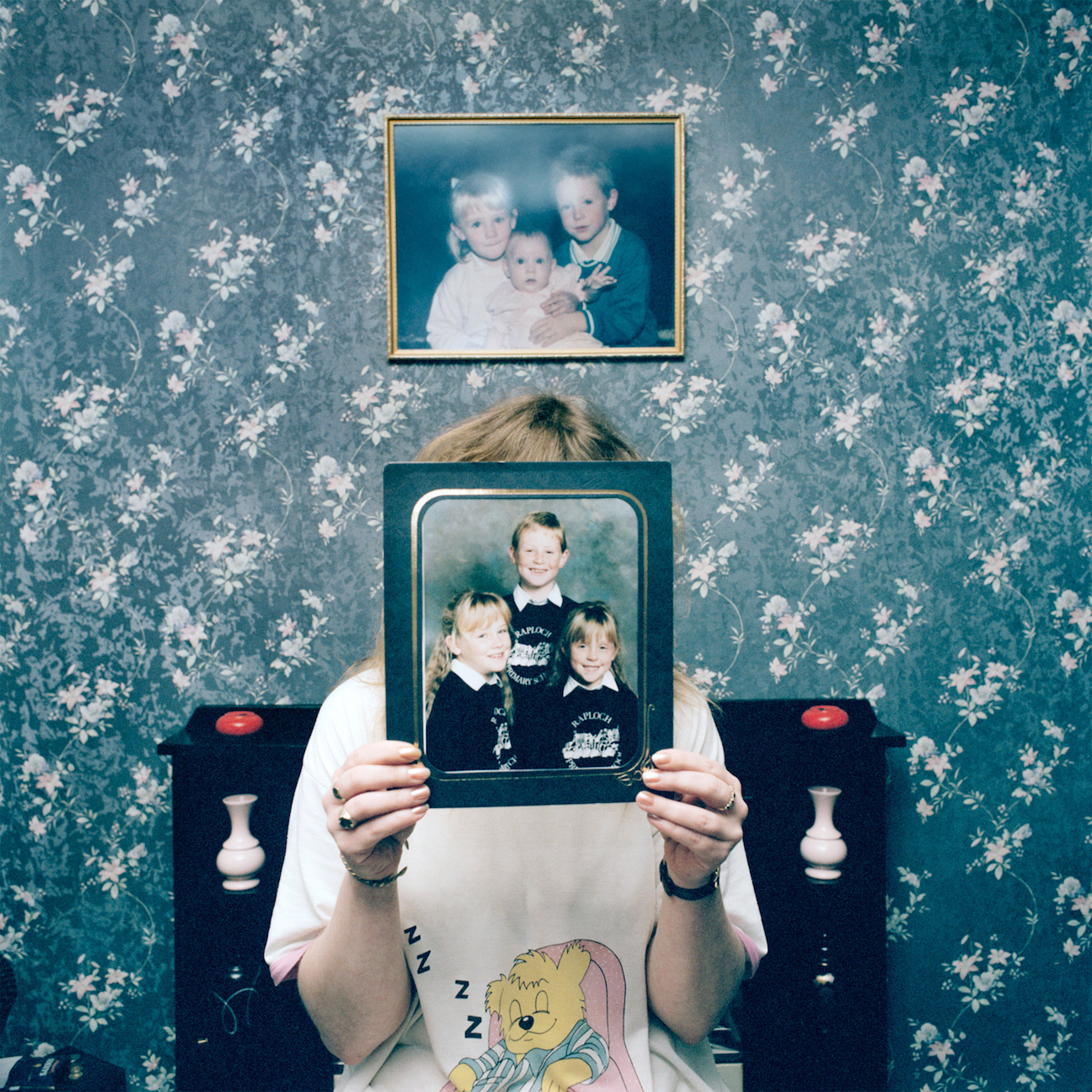
Andrea and her three children, Steven, Kellie and Chick, Family, 1994
“The first project concentrated on the children’s internal lives, inside their own home and that of their gran’s round the corner,” continues Mitchell, “and it could only hint at what would happen in the course of what was to come, how the external environment would influence their lives.”
Mitchell returned to Stirling 20 years later to photograph her sister’s three children and update the story of where their lives had taken them in adulthood, in a series titled In This Place. These photos, along with the original project, now form a new book, Passage (Blue Coat Press), which traces the trajectory of Steven, Kellie and Chick’s lives. Mitchell stresses that it was very much a collaborative project with the siblings, adding: “I have a huge responsibility as a photographer that they get represented correctly”.
In the intervening years between the projects, Andrea had passed away, and all the children, who now have their own children, had moved from one area that scores high in government statistics on deprivation to another.
“[Passage] is a story about lack of money and choice. The question was, ‘Why had that happened?’, ‘Why haven’t they managed to get increased opportunity, what had caused that?’. In this sense, the work, while being an extremely personal one, is also deeply political and offers a much wider social commentary.
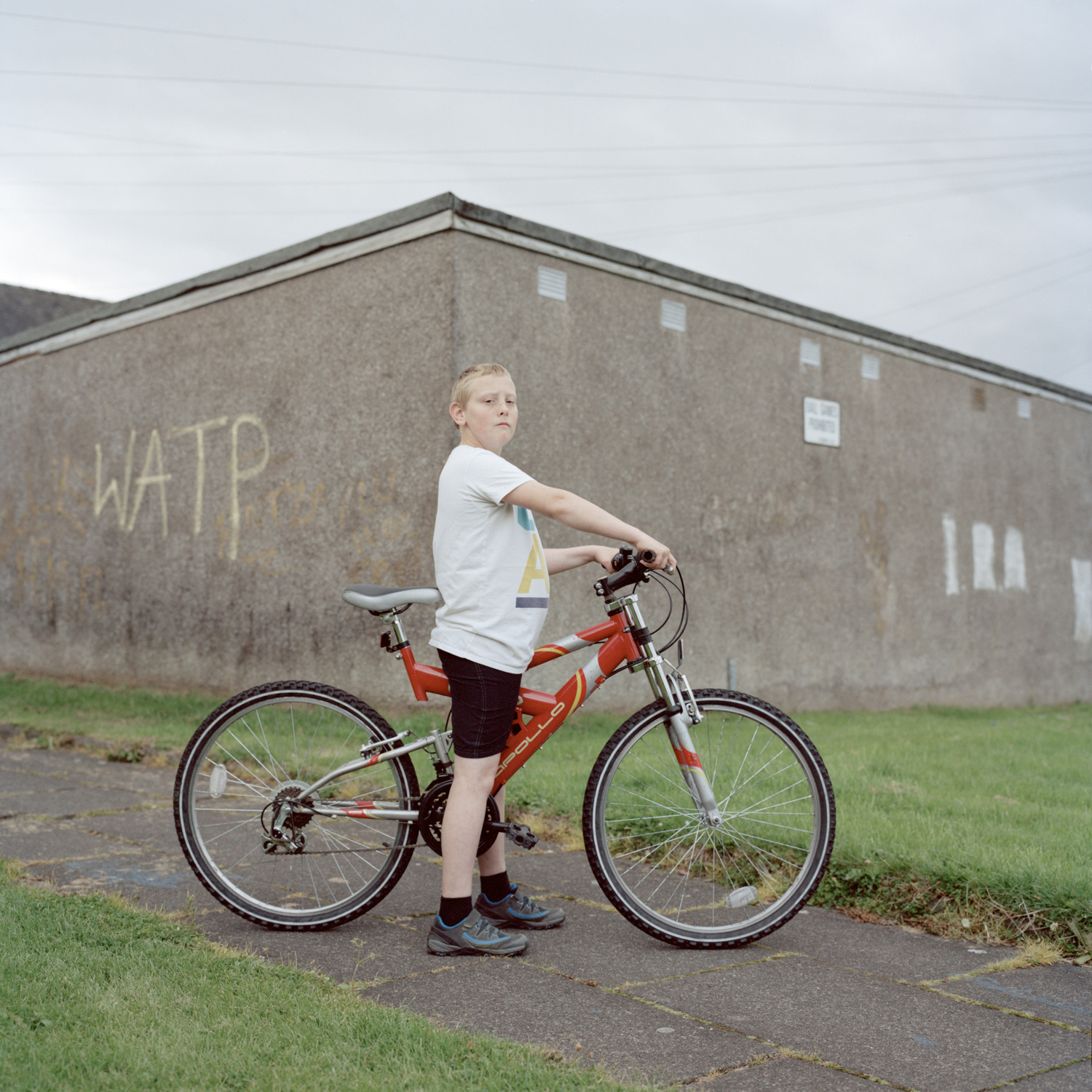
Kyle, Steven’s son, In This Place, 2016-17
Writing about the project before, Mitchell has said: “Life feels somewhat static in the housing estates of central Scotland; as the world changes, the lives of my extended family remain relatively still and immobile.”
“These places are not terrible and that is very important to stress: they are full of community, family and support,” Mitchell tells Huck, emphasising the sense of belonging the children feel to the places they grew up and now live. “I want people to see the love and connection between the family, and also, emotional resilience.”
“But I also want people to look at that loss and the difficulty that they’ve had in their lives. And to come away thinking: so how does society operate? Does opportunity and environment affect the trajectory of people’s lives?” says Mitchell. “And also, to think about issues of cross-generational inequality, and that cycle of disadvantage that can happen.”
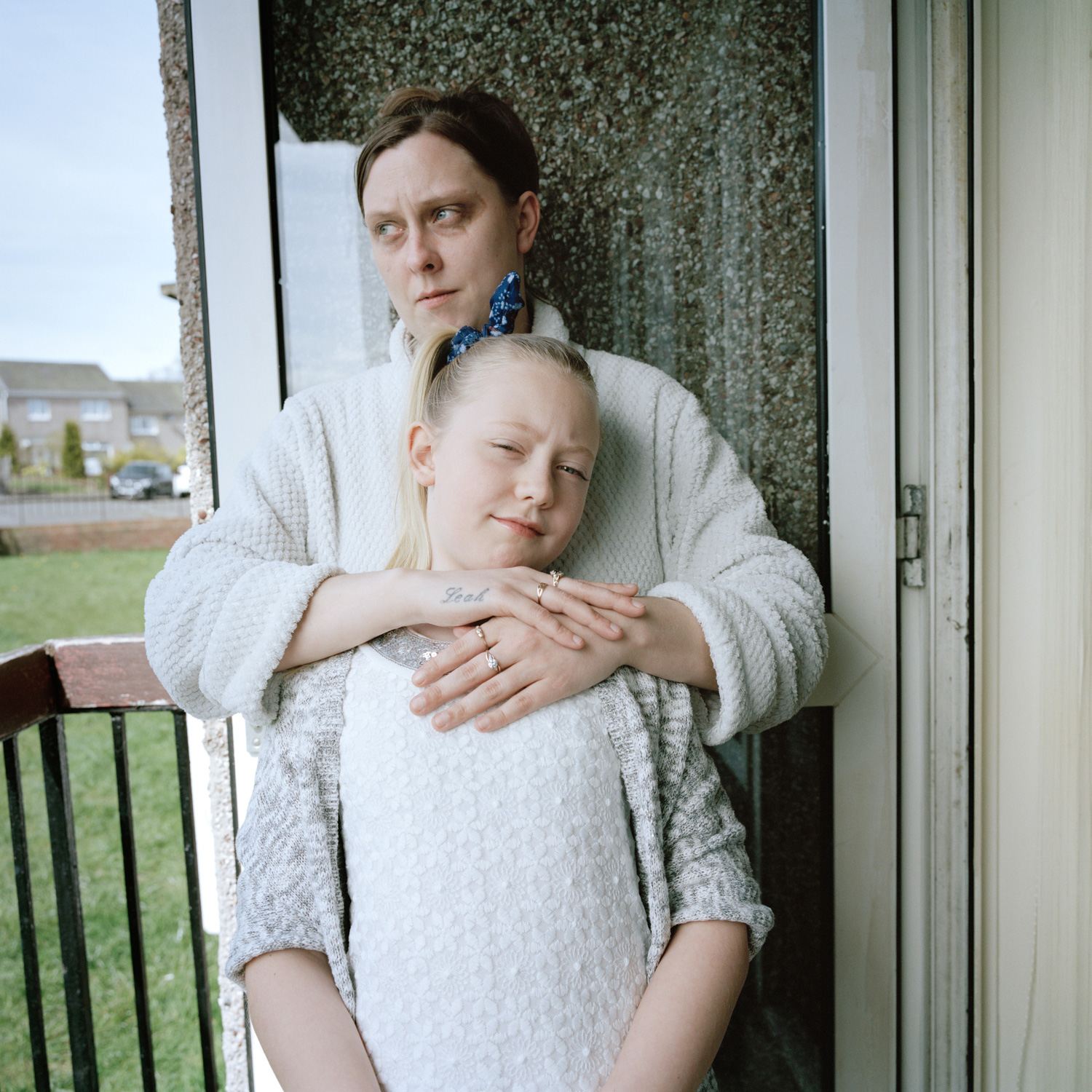
Chick and her daughter Leah, In This Place, 2016-17
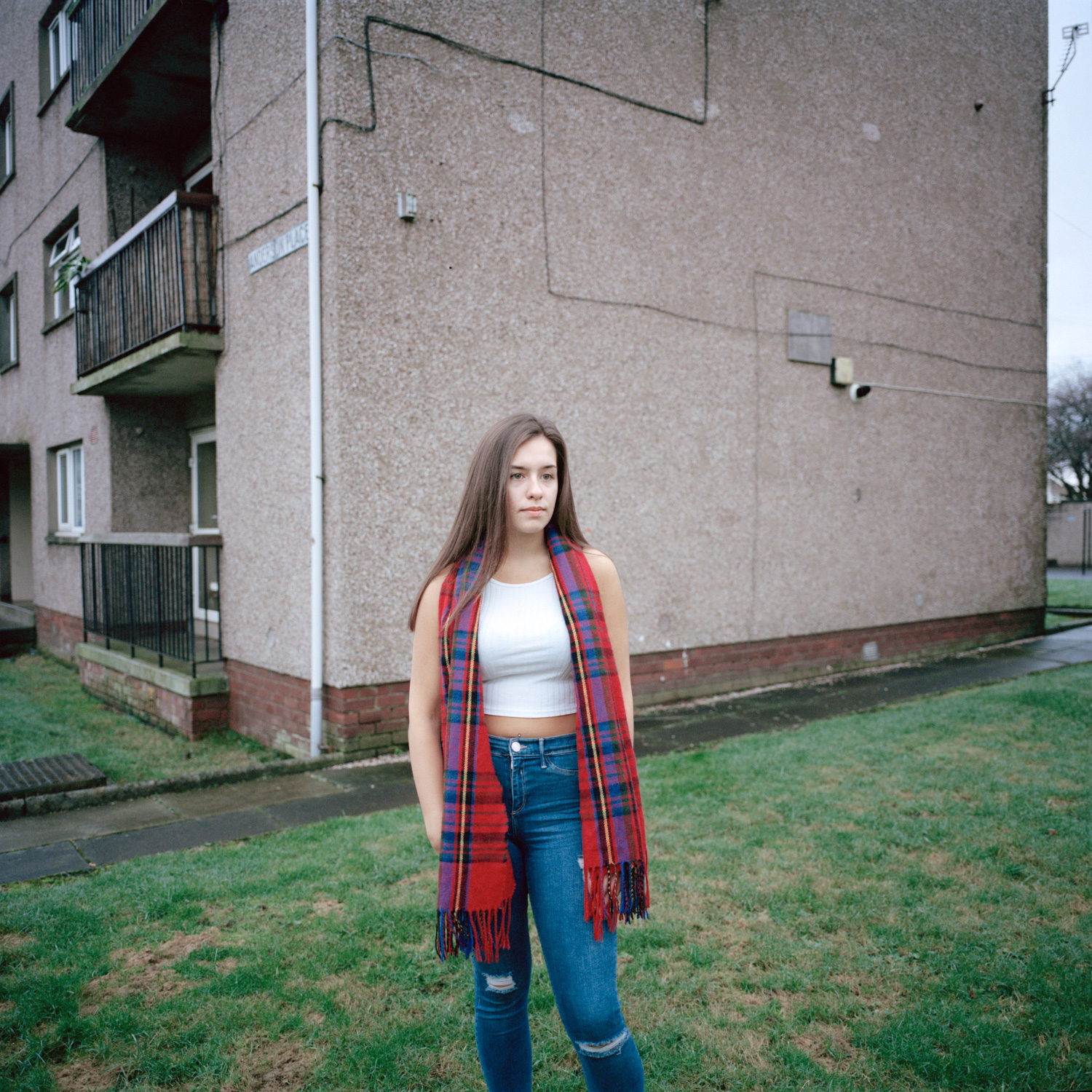
Courtney outside, In This Place, 2016-17
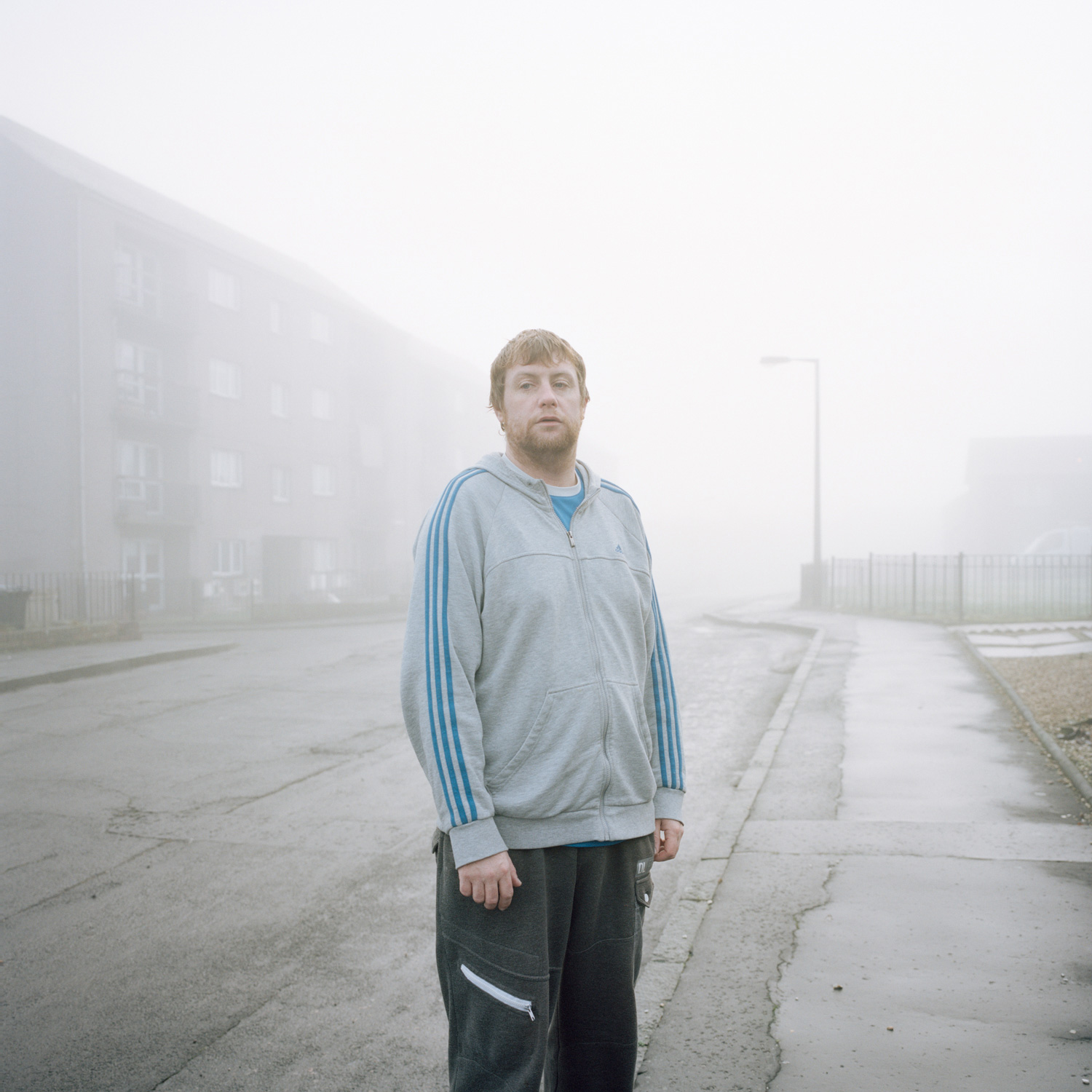
Steven, In This Place, 2016-17
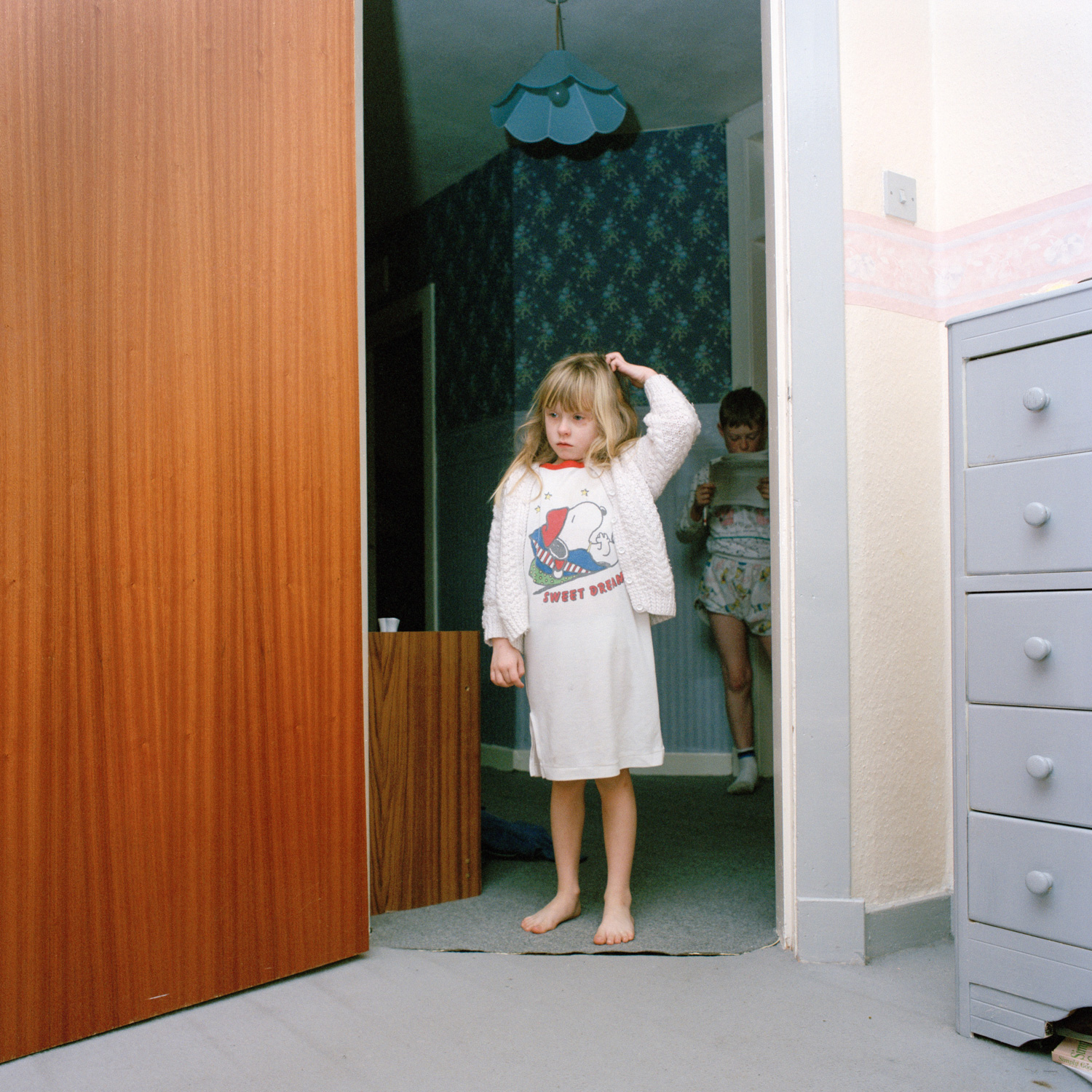
At the door to Andrea’s bedroom, Family, 1994
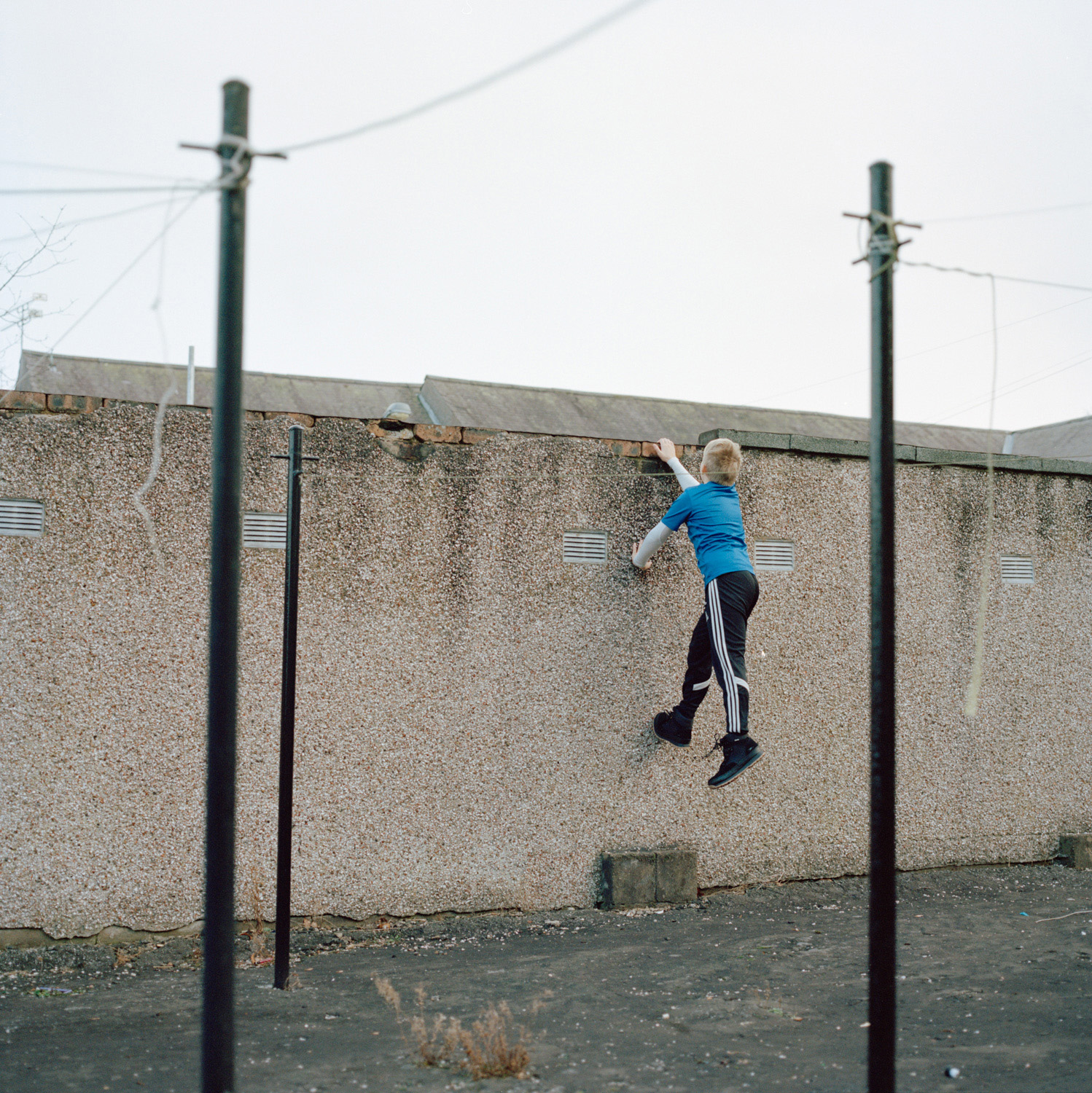
Liam, Kellie’s son, In This Place, 2016-17
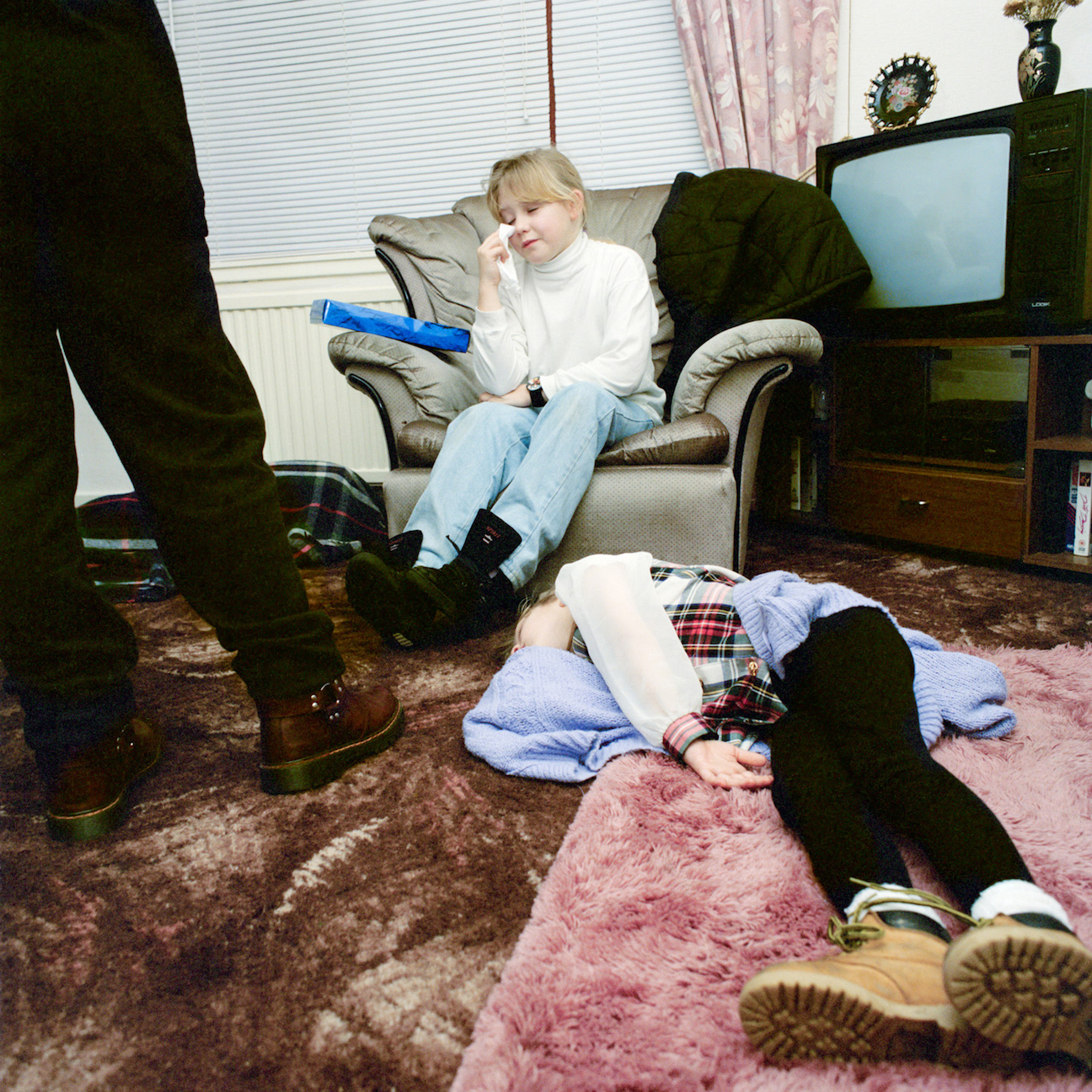
From the series Family, 1994
Passage is available now on Blue Coat Press.
Margaret Mitchell will be in conversation with Fiona Rogers in May at the Martin Parr Foundation to discuss the book and the issues that it raises. Tickets are available here.
See more of Margaret Mitchell’s work on her official website.
Enjoyed this article? Like Huck on Facebook or follow us on Twitter.
You might like

In photos: Black Texas life since emancipation
Kinship & Community — A new photobook and exhibition showcases the rich culture, history and community of African American folks in the Lone Star State, whose existence in the region predates colonial Britain.
Written by: Miss Rosen

Youthful joy & end-of-era poignancy at a London school prom
Leavers — For several years, Lewis Khan documented young people as they celebrated the last of their school days and the completion of their exams. The series is now collated in a new self-published photobook and short film.
Written by: Zoe Whitfield

Harry Gruyaert’s vintage, kaleidoscopic scenes of New York
A Sense of Place — For 50 years, the Belgian photographer and Magnum Photos member has been capturing NYC’s colourful chaos. A new photobook and exhibition showcase his unique, technicolour view of the city.
Written by: Miss Rosen

In the pit at one of the UK’s last stock car & banger speedways
Stock Car Racing Isn’t Dead — Photographer Liam McCarthy spent time in and around the Arlington Raceway’s circuit, capturing the diehard community that keeps the sport alive.
Written by: Isaac Muk

Inside Lower Duck Pond, the nicest town on the internet
/r/HaveWeMet — With a population of 2,500 and no fixed location, the subreddit is a space for roleplaying citizens to solve mysteries, host fictional events and ultimately connect. In an internet that’s often divided and toxic, Vicky Jessop hangs out in one of its most wholesome corners.
Written by: Vicky Jessop

A major Nan Goldin exhibition is coming to London
You Never Did Anything Wrong — Opening at the Hayward Gallery in November, the show will debut a new film from the artist and activist, alongside a slate of recent work.
Written by: Jack Dennison-Thompson


