Photos of rural love in ’90s Ireland
- Text by Miss Rosen
- Photography by Kevin O’Farrell / Cork City Singles 1992

In 1992, Ireland was deep into the decades-long violence of The Troubles; an “irregular war” between Irish nationalists and UK loyalists over the constitutional status of Northern Ireland. “Cork, the furthest county from the North, was insulated from The Troubles,” says Irish photographer Kevin O’Farrell. “But it is always present in peoples minds.”
The nation was also coming out of a recession, struggling to recover from youth emigration to the UK. Movement away from the countryside brought people to large cities like Cork, resulting in people from farming backgrounds becoming isolated.
“Matchmakers were an important element in rural Ireland for finding a partner,” O’Farrell says. “Lisdoonvarna a small town on the West Coast of Ireland became famous for hosting an annual month-long festival at helping lonely rural farmers to meet a match from outside their immediate area during the autumn, farming’s quietest time of year.”
While working as a freelance photographer based in West Cork, O’Farrell was commissioned by the Sunday Tribune to photograph the Cork regional Lisdoonvarna reunion. The project was titled: “When love comes to town. A quest for the perfect partner.”
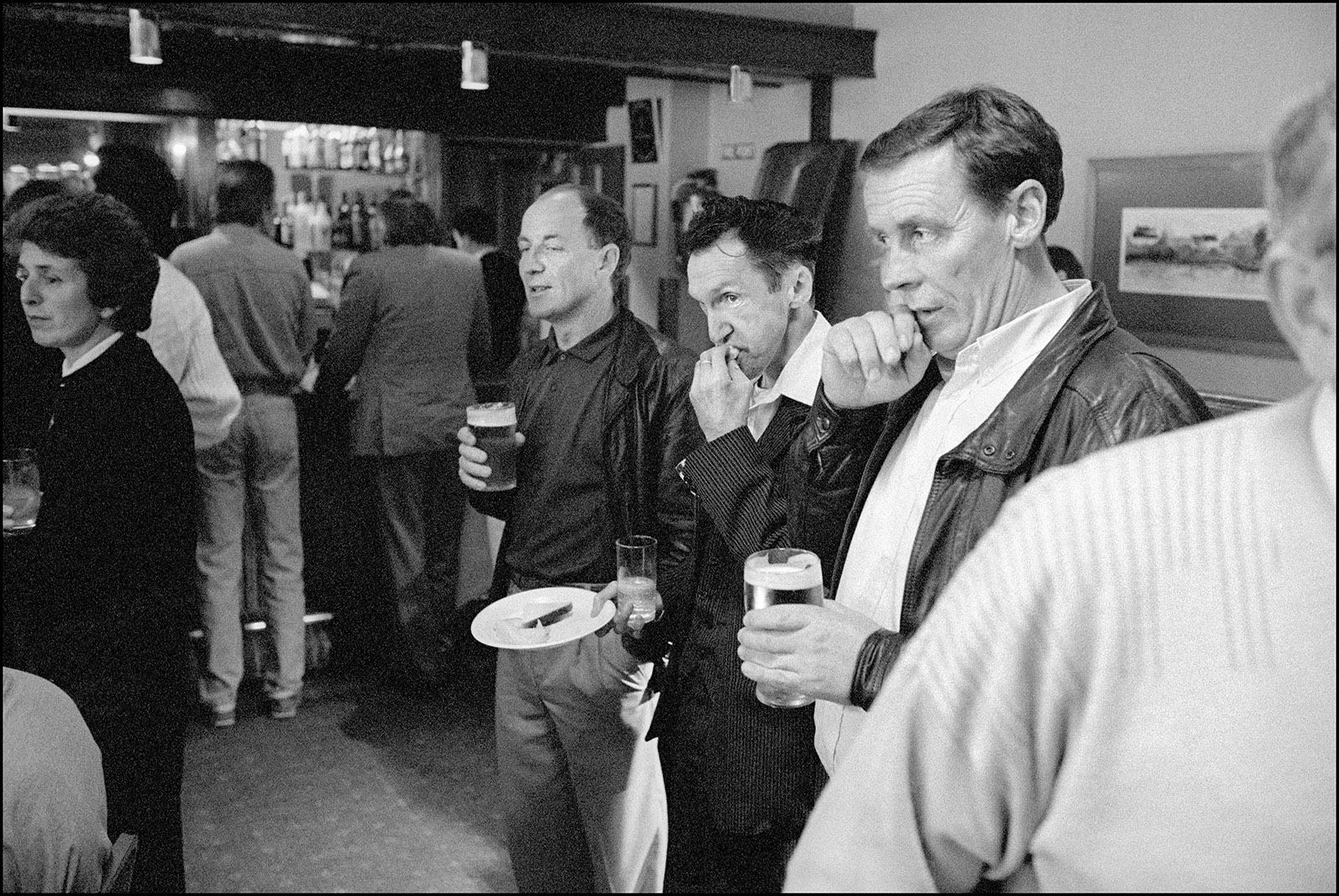
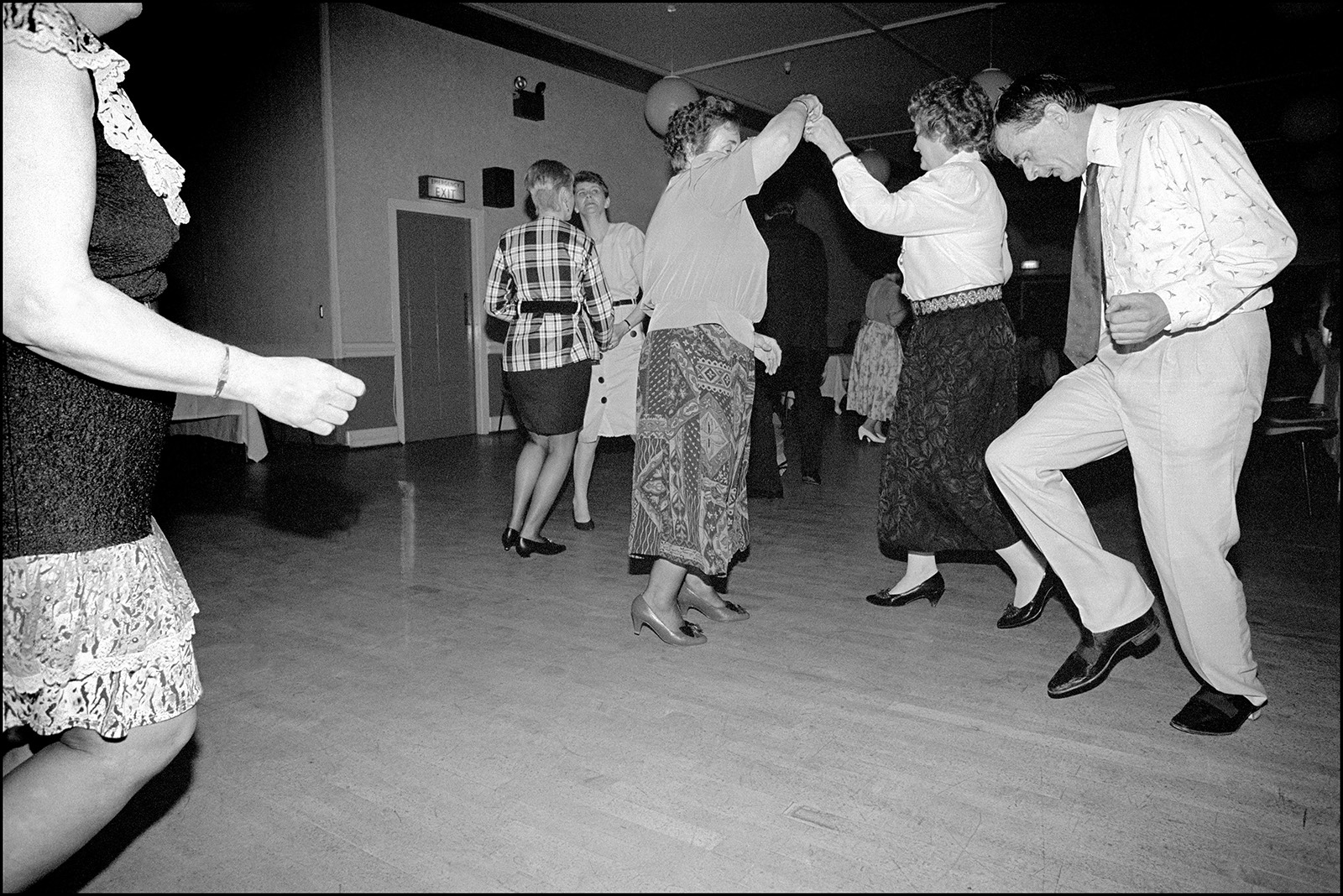
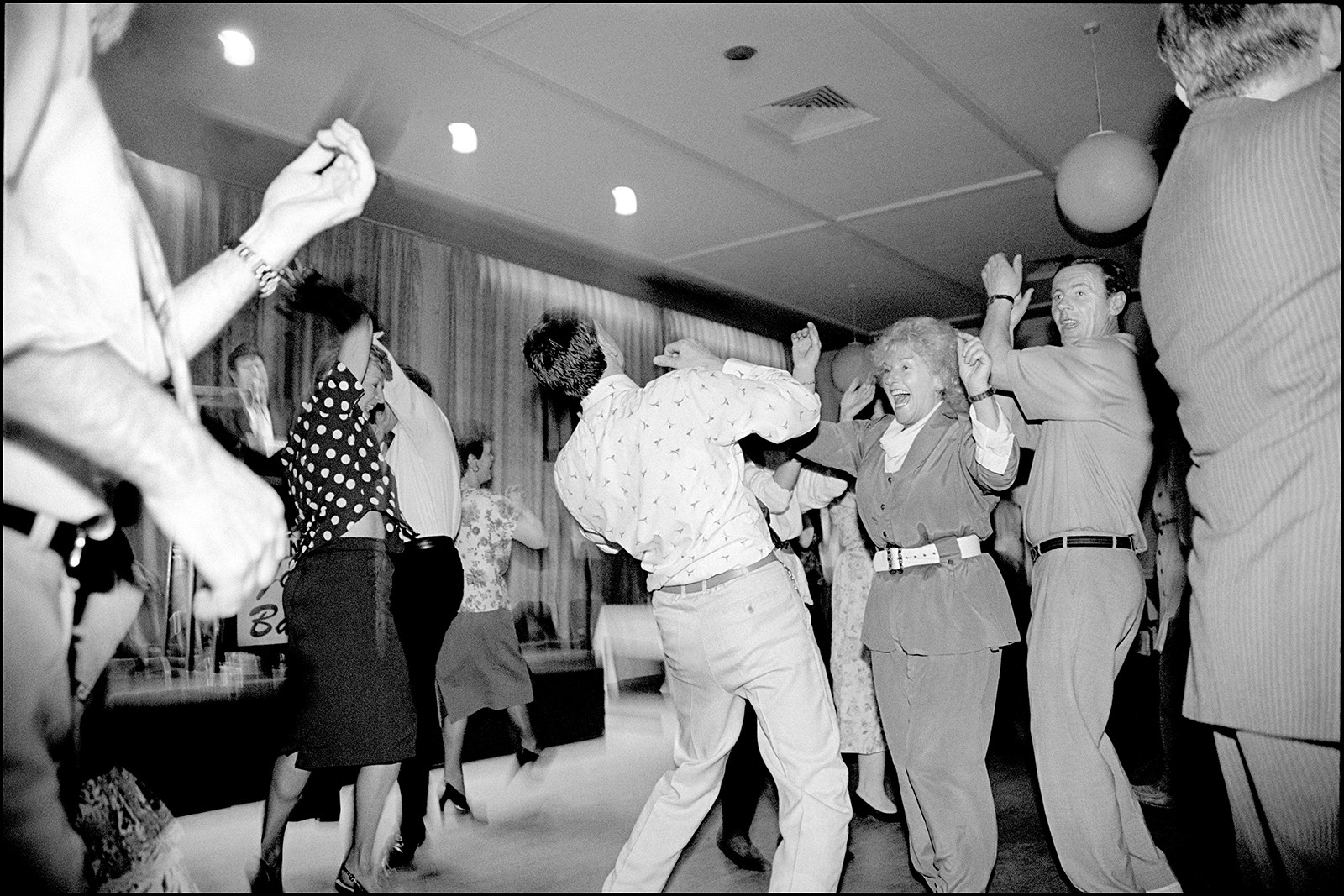
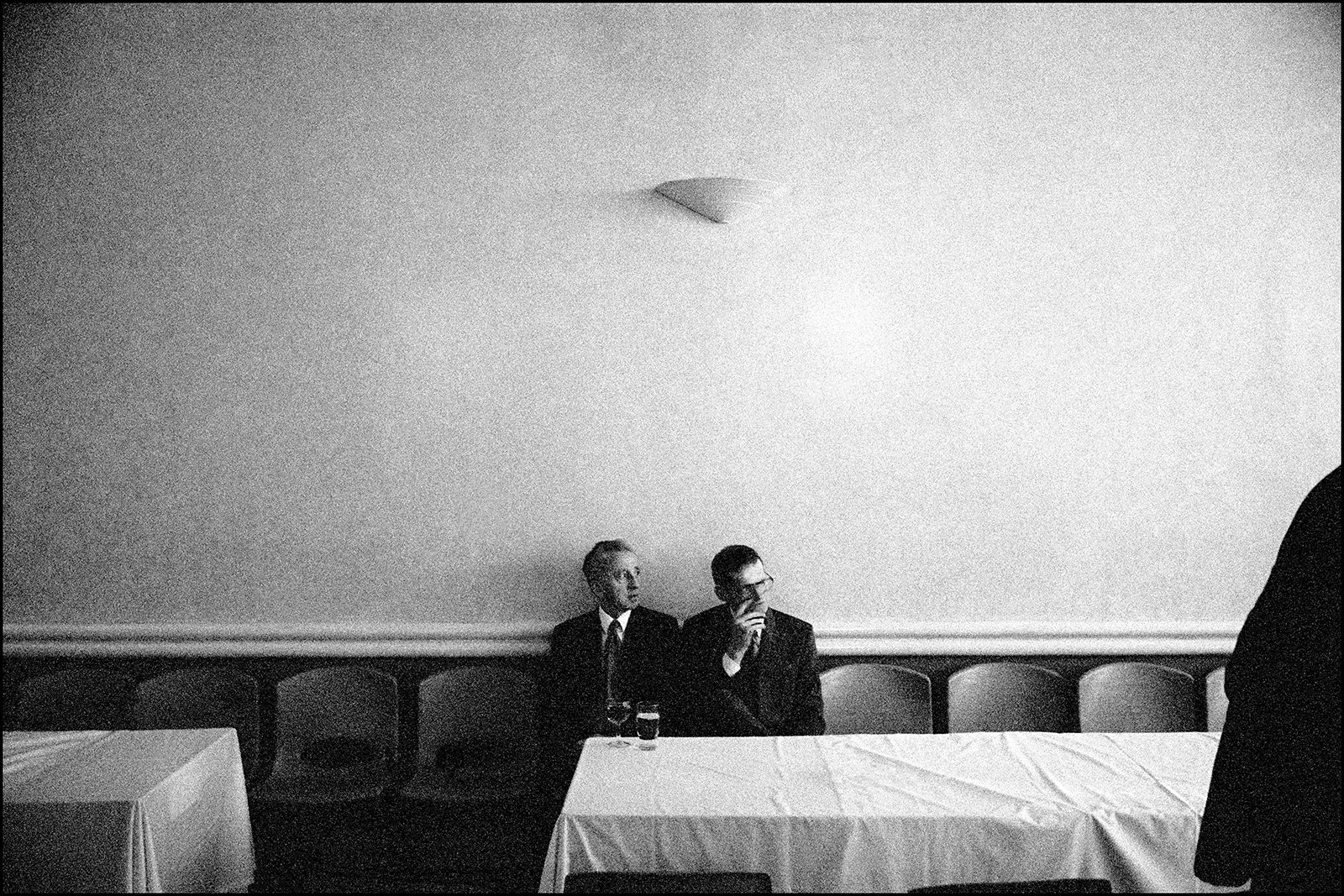
Nearly 30 years later, O’Farrell revisits this classic story in Cork City Singles 1992 (Café Royal Press). Selections from the three-day reunion at held at Metropole Hotel in Cork City Centre – attended by over 300 people – offer a humorous, poignant and sharp look into a moment in Irish life.
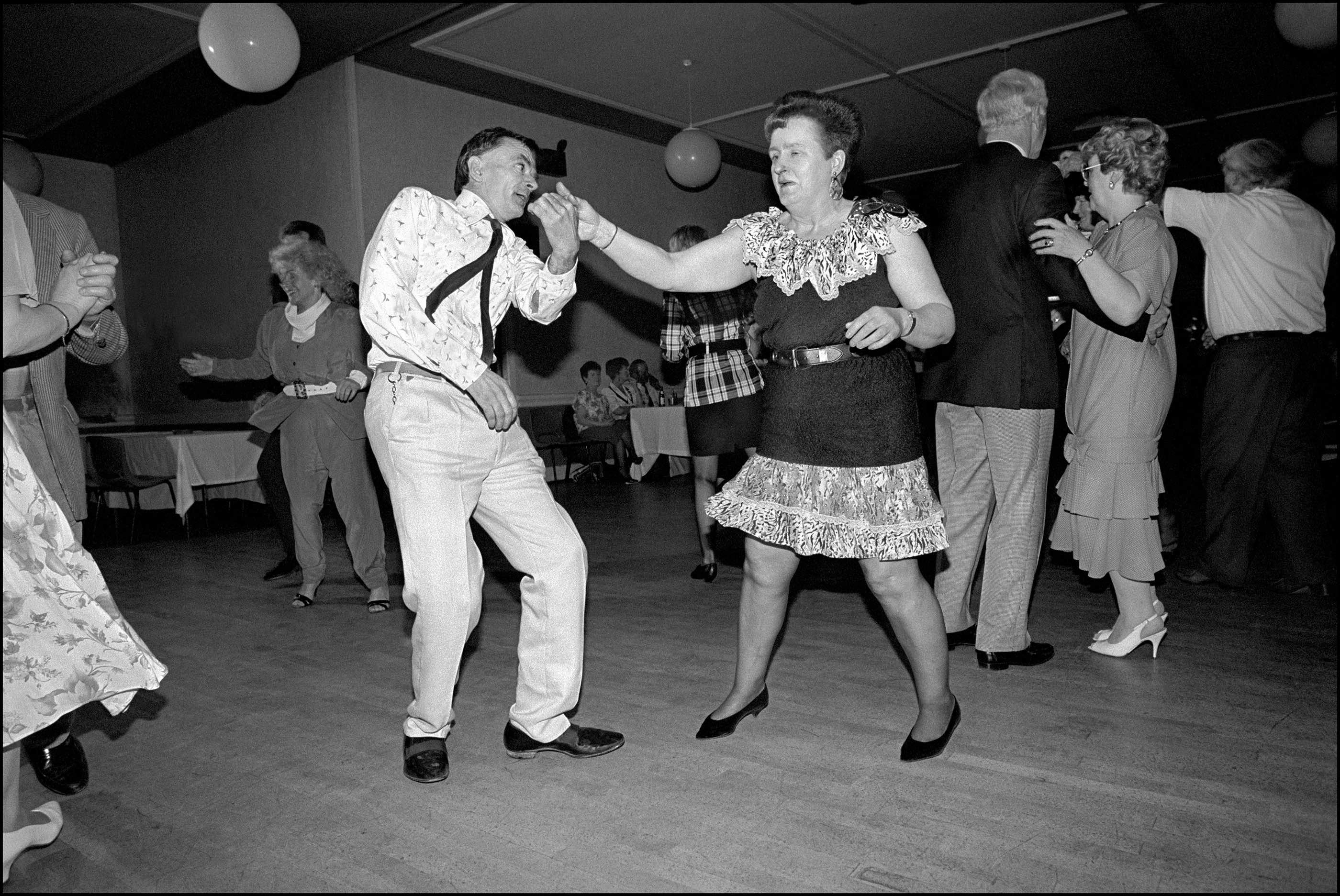
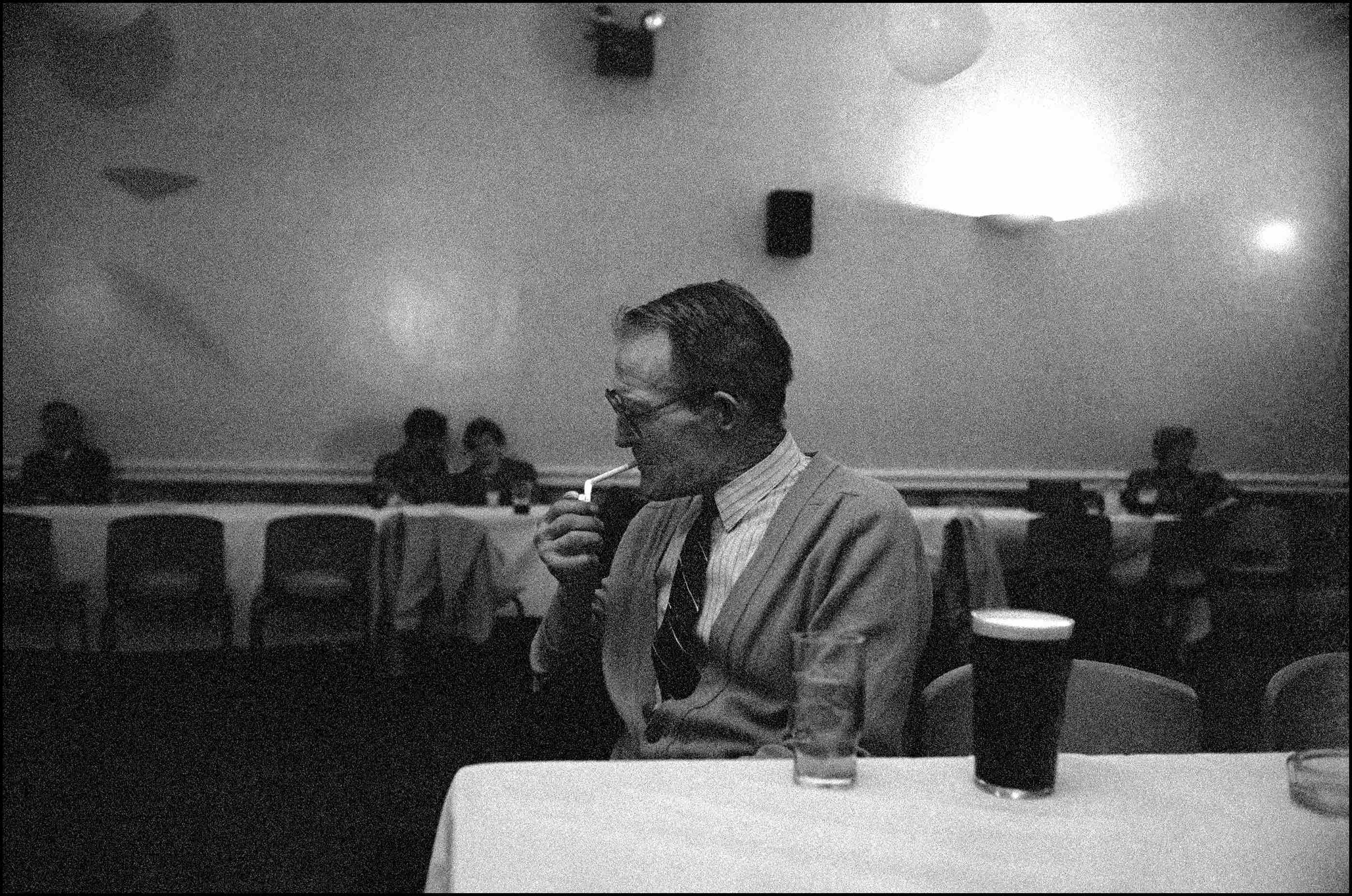
“Men outnumbered the women, I suspect also a small number of married men were present as well,” O’Farrell says, noting divorce was not legal in Ireland until 1997. “Some people were there for a good time; others were very wary and showed no confidence in themselves, short on youth but definitely spirited. Drink plays an important part in an Irish social event, even more so here as a little courage to ask another to dance could make the difference.”
Cork legend Johnny Barrett and his band played cover songs of the day while Rosie, a 42-year-old matchmaker from Dungarvan, invited guests to fill out a questionnaire so that she could find them a suitable partner for a £5 fee. “She was not a matchmaker in the traditional sense,” O’Farrell says. A mother of four deserted by her alcoholic husband, Rosie set up her own dating agency the previous year, which had resulted in four engagements by the time of the reunion – a promising start.
“It seemed to me that the women were more streetwise than the men,” O’Farrell remembers. “They were not looking for husbands. Many were very happy single but wanted meet someone to enjoy good times with. The men were more innocent and naive in their expectations.”
“Rural Ireland can be a lonely place. A lot of farmers were left behind while a lot of women are based in cities, so the festival is a great place for them to meet up.”
Cork City Singles 1992 is out now on Café Royal Press.
Follow Miss Rosen on Twitter.
Enjoyed this article? Like Huck on Facebook or follow us on Twitter.
You might like

Jesse Glazzard’s messy portrait of queer friends, lovers and chosen family
The Sound of Dirt and Beauty — The photographer’s debut monograph explores tender, unpolished moments shaped by the people who he surrounds himself with, while offering a window into the UK’s working-class LGBTQ+ community.
Written by: Sunny Sunday

Behind the curtain at Alternative Miss World 1981
Olympia glamour — Running a subversive take on the traditional beauty pageant, the Andrew Logan organised event prioritised underground creativity and invention. Photographer David Corio went behind the scenes at its biggest edition.
Written by: Miss Rosen

New exhibition highlights British radical living over 200 years
Earthly Paradise — Taking place at the William Morris Gallery, it explores the homes and lives of artists, writers, musicians and more, as well as the conditions that allowed them to thrive.
Written by: Isaac Muk

What life on the Strait of Hormuz is really like
Southern Winds — Bandar Abbas based photographer Morteza Niknahad has been capturing the diverse communities and stories of his local region since he first picked up a camera. His new series highlights the human impact of war.
Written by: Isaac Muk

Nick Haymes’s intimate portrait of his family’s life
Chronograph — Over 25 years, the photographer documented his son’s lives as they grew into adults. The resulting photobook is an exploration of the passage of time, as well as the optimism of youth.
Written by: Miss Rosen

Kristina Rozhkova’s scatty, confronting portrait of captivity
Gut Feeling — The Russian artist’s 2024 arrest and subsequent detention opened her eye towards the omnipresent dynamics of power and control. Her new photobook is a stark exploration of being trapped.
Written by: Isaac Muk


