In Pictures: The Japanese photographers who revolutionised the aesthetic of protest
- Text by Alex King
- Photography by See captions

In a society that still highly values obedience and hierarchy, creating space for dissent can be problematic. In the West, protest is understood as a vital part of a functioning democracy and celebrated – if only in hindsight (think of the glorification of the Civil Rights movement versus the backlash against #BlackLivesMatter today).
In 1960s Japan, a society making the transition from a traditional empire to a nation in a new American-dominated and consumerism-driven world, the role protest would play was still to be defined. But a new generation of innovative and creative activists rose to the challenge – supported by photographers who helped to amplify their battles, fix them in the popular imagination and explore the nation modern Japan was to become.
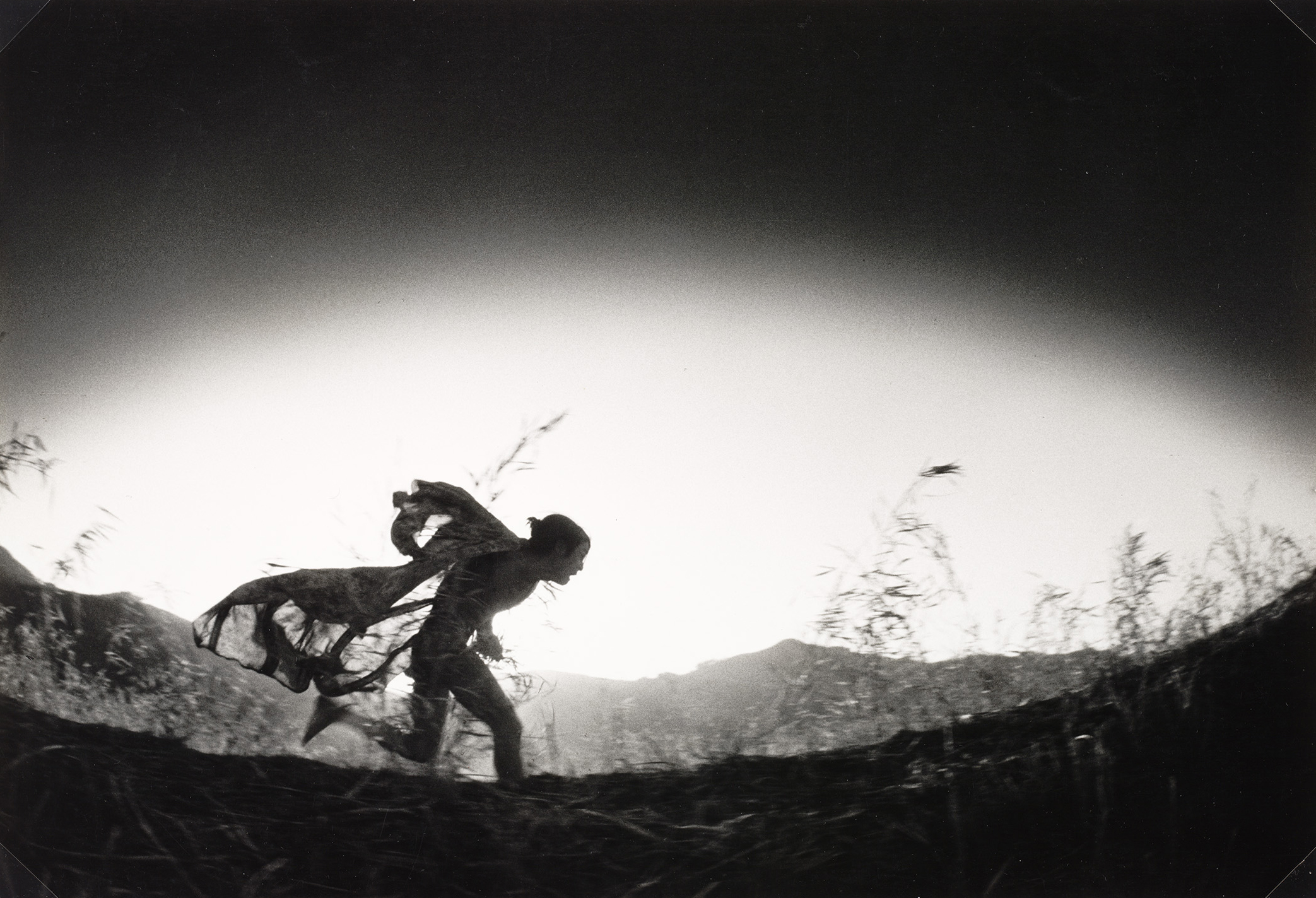
Eikoh Hosoe
“Kamaitachi” #31, taken in 1968
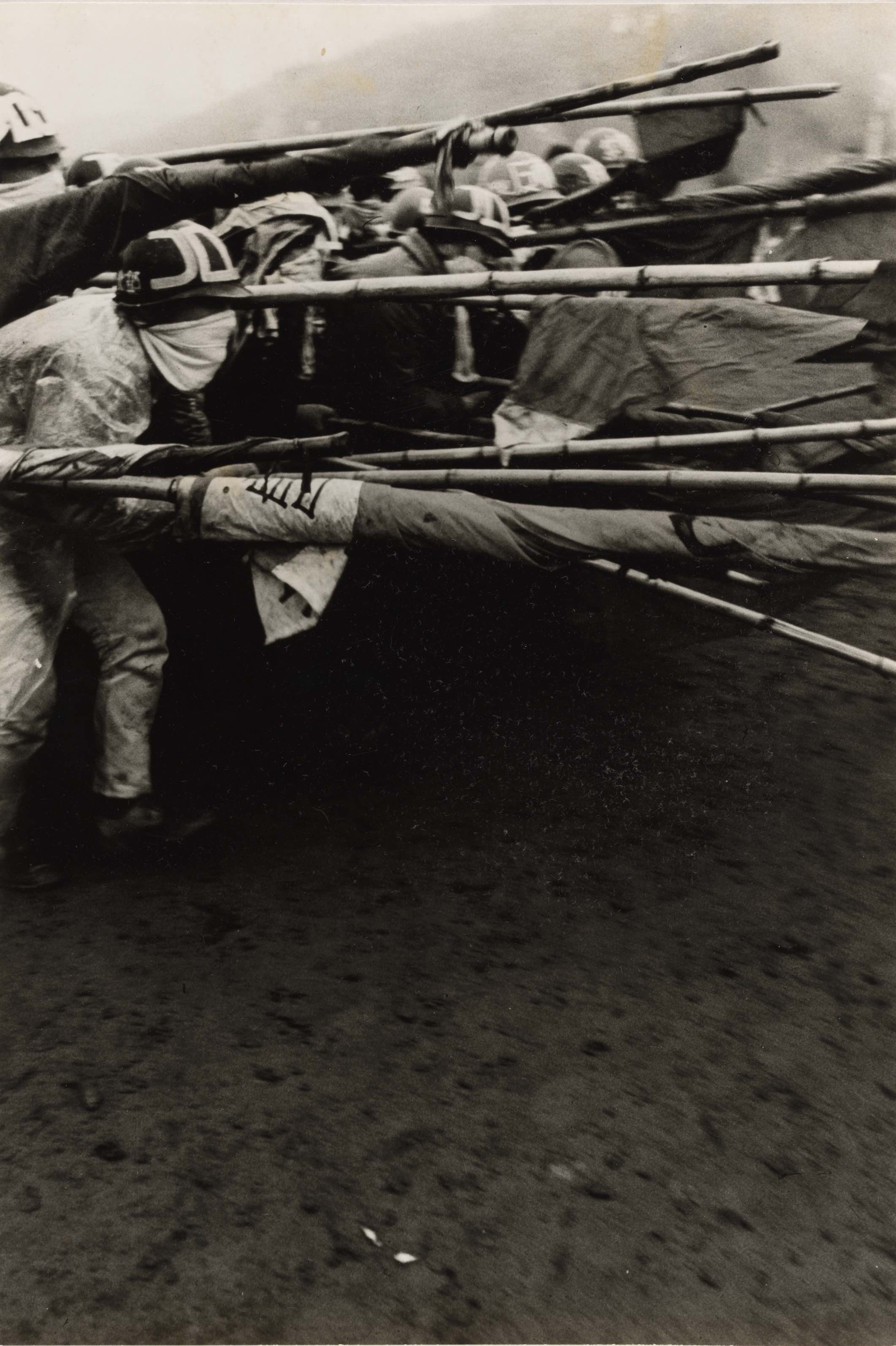
Anonym (Bild 2)
Protest Surrounding the Construction of Narita Airport, ca. 1969
The camera became an activists tool, but also a mirror for Japanese society to reflect on itself – who it was and where it was going. Although it only ran for three issues from 1968-69, Japanese photo magazine Provoke, is where all of these questions were discussed by some of Japan’s most influential photographers, including Daidō Moriyama, Yutaka Takanashi, Shōmei Tōmatsu, and Nobuyoshi Araki.
Provoke: Between Protest and Performance – Photography in Japan, 1960–1975 at Vienna’s Albertina Gallery surveys a decade-and-a—half of conflict, creativity and struggle – in which photography played a key role in the evolution of modern Japan. Photography’s internal revolutions during this period saw it move beyond a mechanical document of events, to flourish as a powerful medium of expression to explore its practitioners subjective experience of Japan’s postwar reality.
![Kōji Enokura Symptom – Lump of Lead into Space I [P.W.-No.41], 1972](https://www.tcocdn.com/wp-content/uploads/2016/02/main9.jart_.jpg)
Kōji Enokura
Symptom – Lump of Lead into Space I [P.W.-No.41], 1972
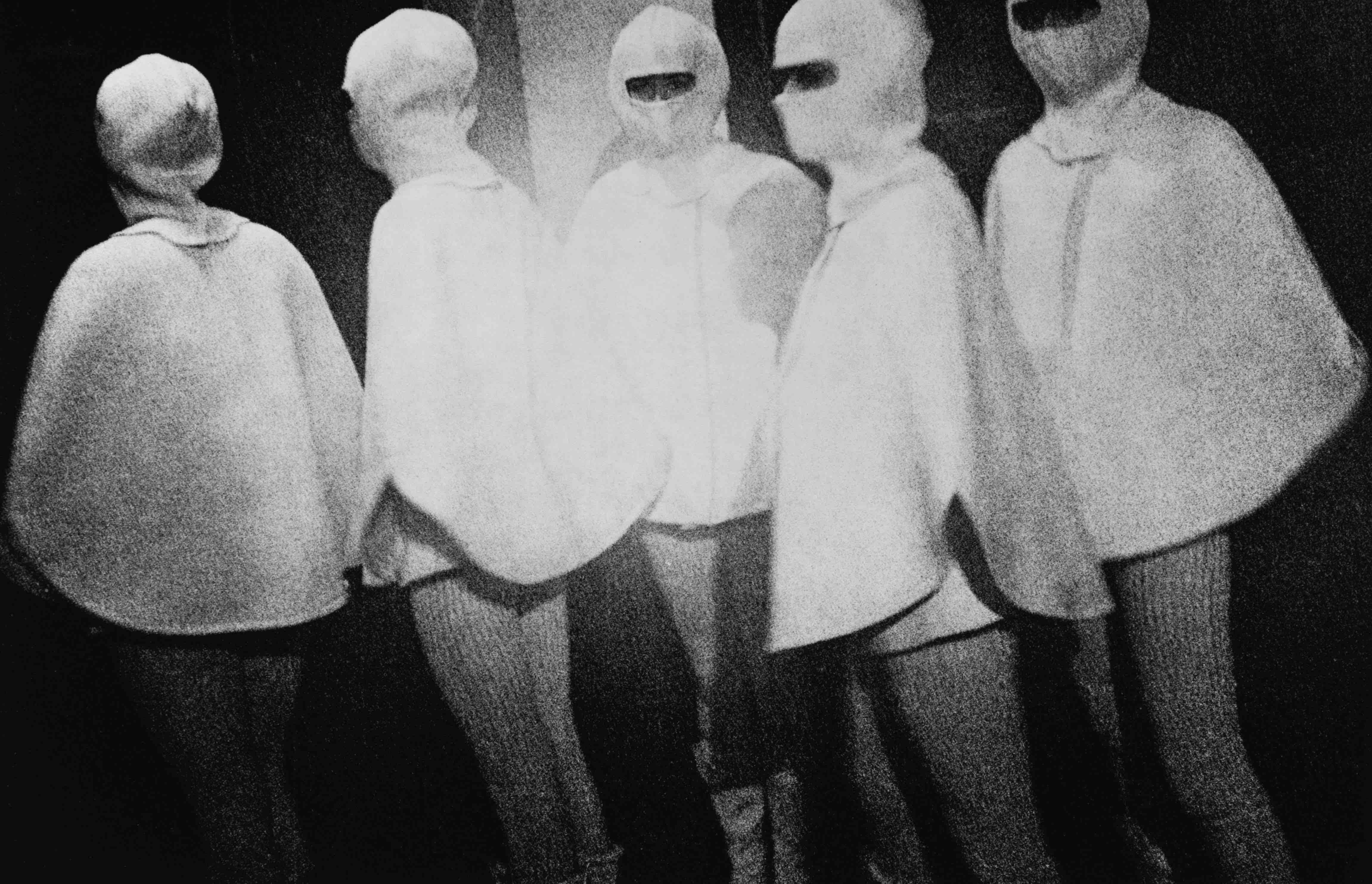
Yutaka Takanashi
Ohne Titel (Toshi-e), 1969
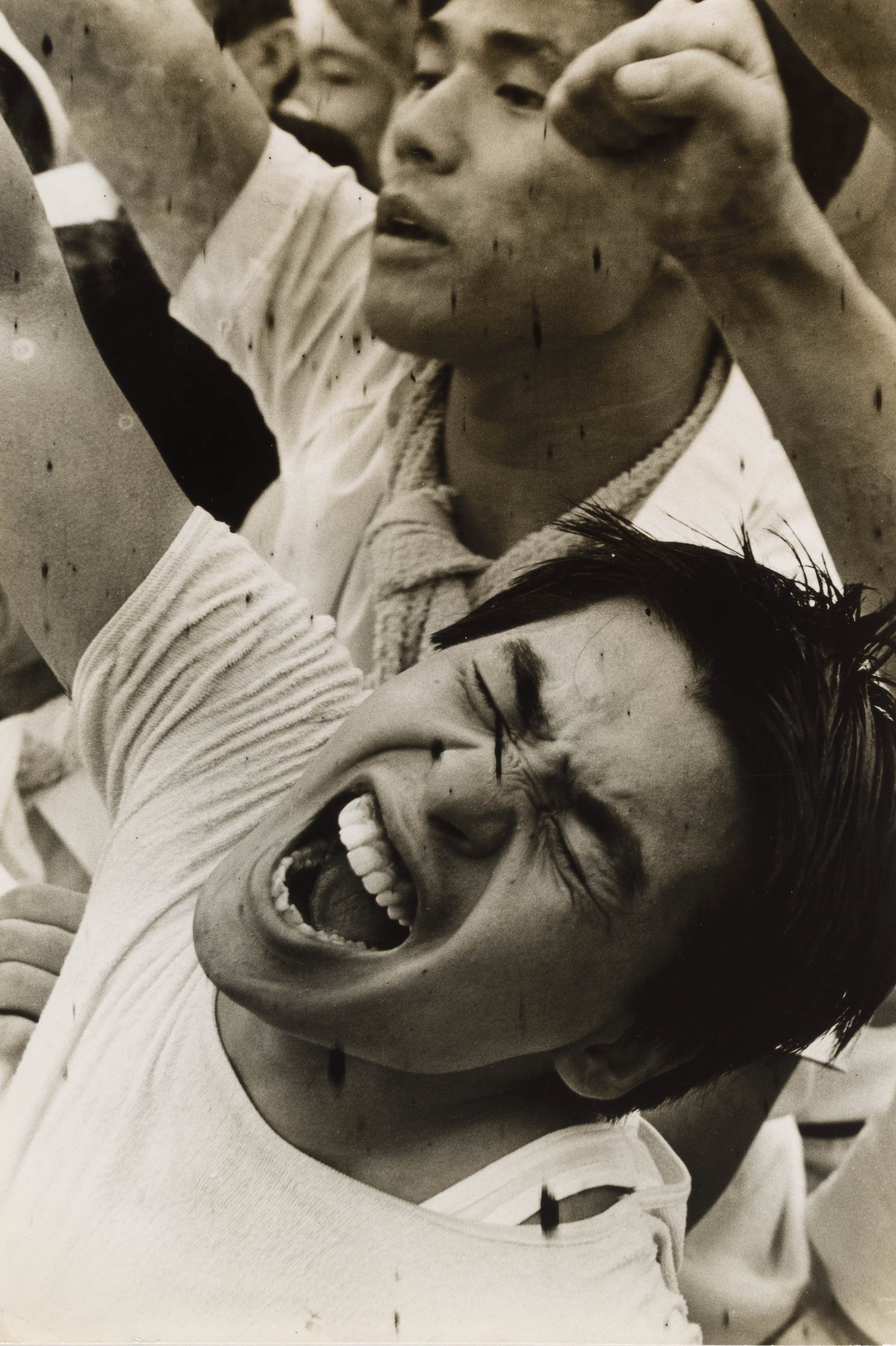
Anonym (Bild 1)
Protest Surrounding the Construction of Narita Airport, ca. 1969
1960 saw the first great wave of Japanese protest, kicking off against renewal of the alliance with the USA. But as the decade progressed and rolled into the ‘70s, activists reassessed the nuclear bombing of Hiroshima and Nagasaki, challenged the illegal actions of large corporations, the despotism of the neoliberal Japanese state and Japan’s support for the US’s war in Vietnam. In each of these fights, protest books produced by student associations, trade unions and professional photo journalists were crucial in spreading information and mobilising people for further protest.
Eventually, although each of the contributors to Provoke were politically active, they came see to that the possibilities of protest photography had been exhausted and felt it could no longer bring about political change. However, the experiments by the photographers who worked on Provoke and the discussions that occurred on its pages, sparked a golden-era of post-war Japanese photography. They informed the group’s later diverse work, which critiques the American consumerist culture spreading throughout Japan, meditates on the industrialisation and modernisation of the country’s urban centres and questions the illusionary nature of photography.
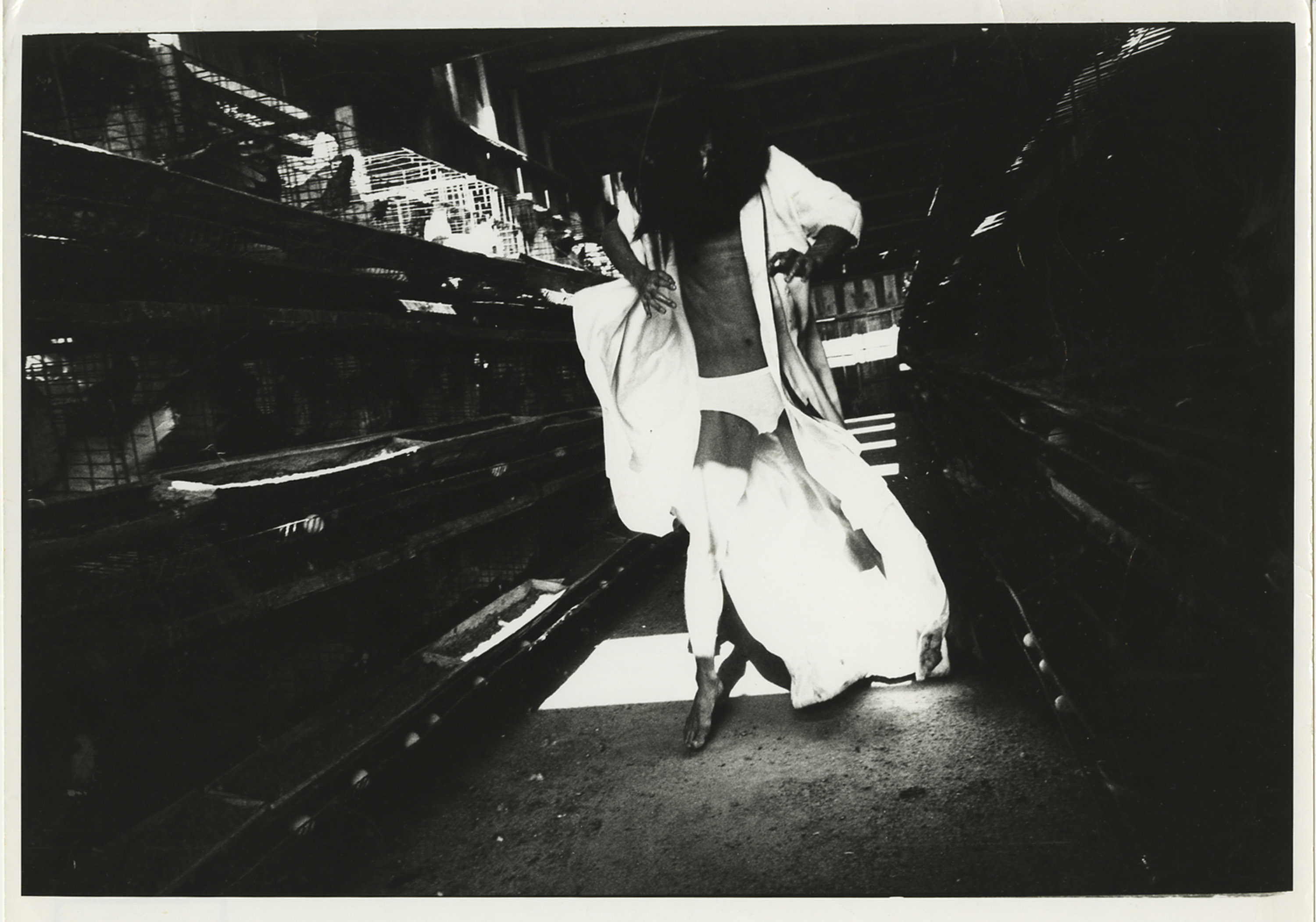
Yutaka Takanashi
Untitled (Tatsumi Hijikata), 1969
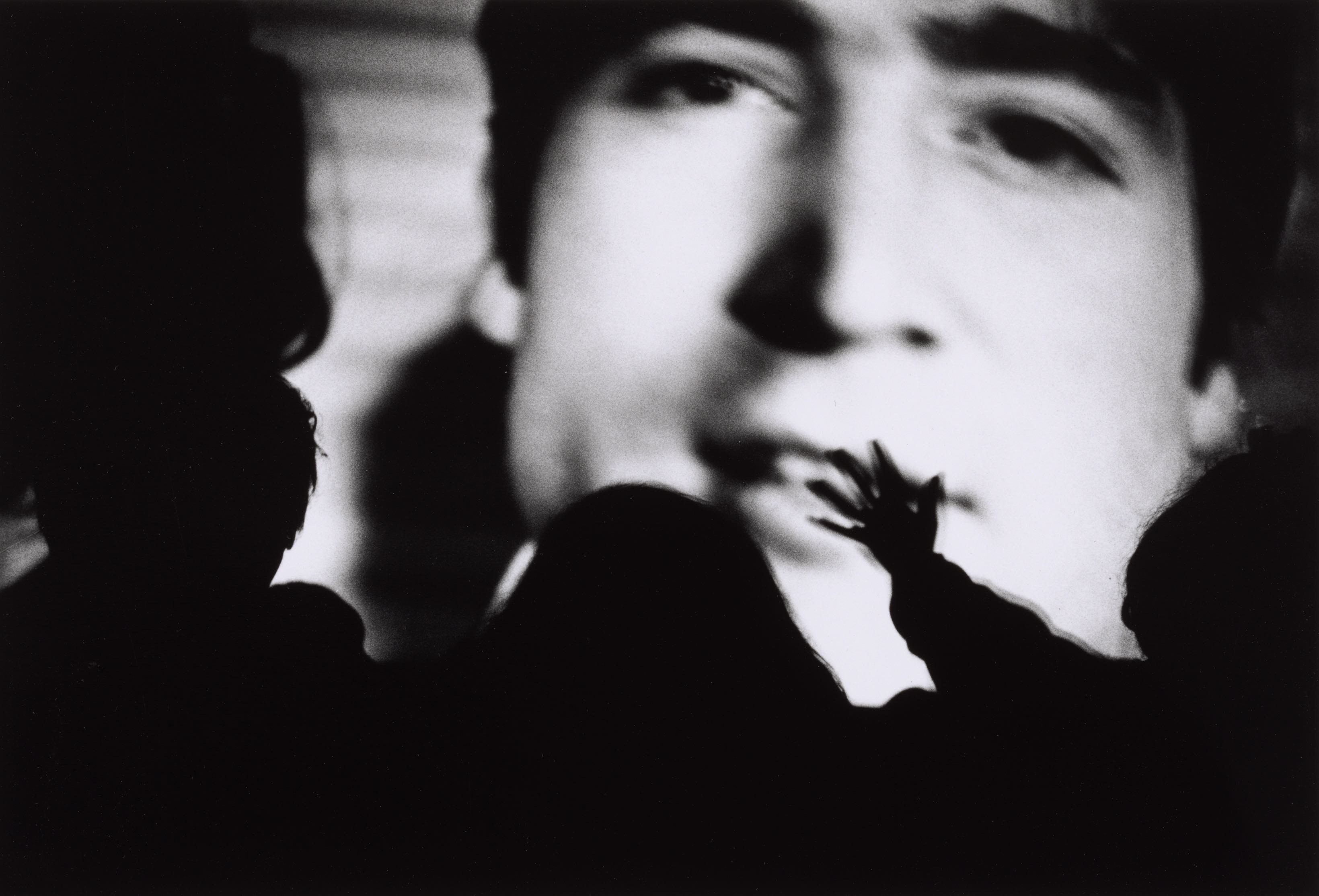
Yutaka Takanashi
The Beatles, from the series Tokyoites, 1965
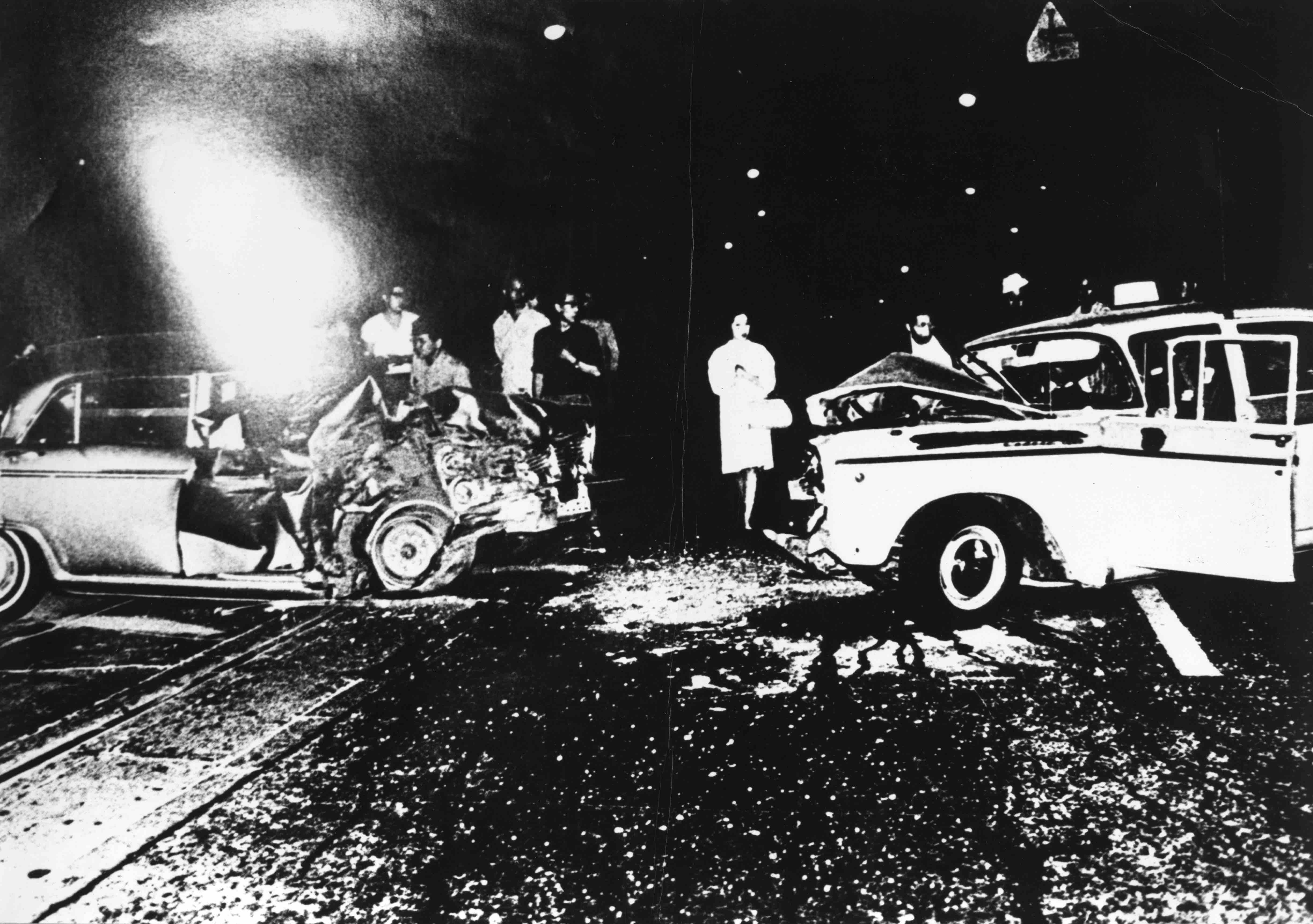
Daidō Moriyama
Untitled, from the series Akushidento (Accident), 1969
Provoke: Between Protest and Performance – Photography in Japan, 1960–1975 is at Vienna’s Albertina Gallery, until May 8.
You might like

Jesse Glazzard’s messy portrait of queer friends, lovers and chosen family
The Sound of Dirt and Beauty — The photographer’s debut monograph explores tender, unpolished moments shaped by the people who he surrounds himself with, while offering a window into the UK’s working-class LGBTQ+ community.
Written by: Sunny Sunday

Behind the curtain at Alternative Miss World 1981
Olympia glamour — Running a subversive take on the traditional beauty pageant, the Andrew Logan organised event prioritised underground creativity and invention. Photographer David Corio went behind the scenes at its biggest edition.
Written by: Miss Rosen

New exhibition highlights British radical living over 200 years
Earthly Paradise — Taking place at the William Morris Gallery, it explores the homes and lives of artists, writers, musicians and more, as well as the conditions that allowed them to thrive.
Written by: Isaac Muk

What life on the Strait of Hormuz is really like
Southern Winds — Bandar Abbas based photographer Morteza Niknahad has been capturing the diverse communities and stories of his local region since he first picked up a camera. His new series highlights the human impact of war.
Written by: Isaac Muk

Nick Haymes’s intimate portrait of his family’s life
Chronograph — Over 25 years, the photographer documented his son’s lives as they grew into adults. The resulting photobook is an exploration of the passage of time, as well as the optimism of youth.
Written by: Miss Rosen

Kristina Rozhkova’s scatty, confronting portrait of captivity
Gut Feeling — The Russian artist’s 2024 arrest and subsequent detention opened her eye towards the omnipresent dynamics of power and control. Her new photobook is a stark exploration of being trapped.
Written by: Isaac Muk


