In Pictures: The Japanese photographers who revolutionised the aesthetic of protest
- Text by Alex King
- Photography by See captions

In a society that still highly values obedience and hierarchy, creating space for dissent can be problematic. In the West, protest is understood as a vital part of a functioning democracy and celebrated – if only in hindsight (think of the glorification of the Civil Rights movement versus the backlash against #BlackLivesMatter today).
In 1960s Japan, a society making the transition from a traditional empire to a nation in a new American-dominated and consumerism-driven world, the role protest would play was still to be defined. But a new generation of innovative and creative activists rose to the challenge – supported by photographers who helped to amplify their battles, fix them in the popular imagination and explore the nation modern Japan was to become.
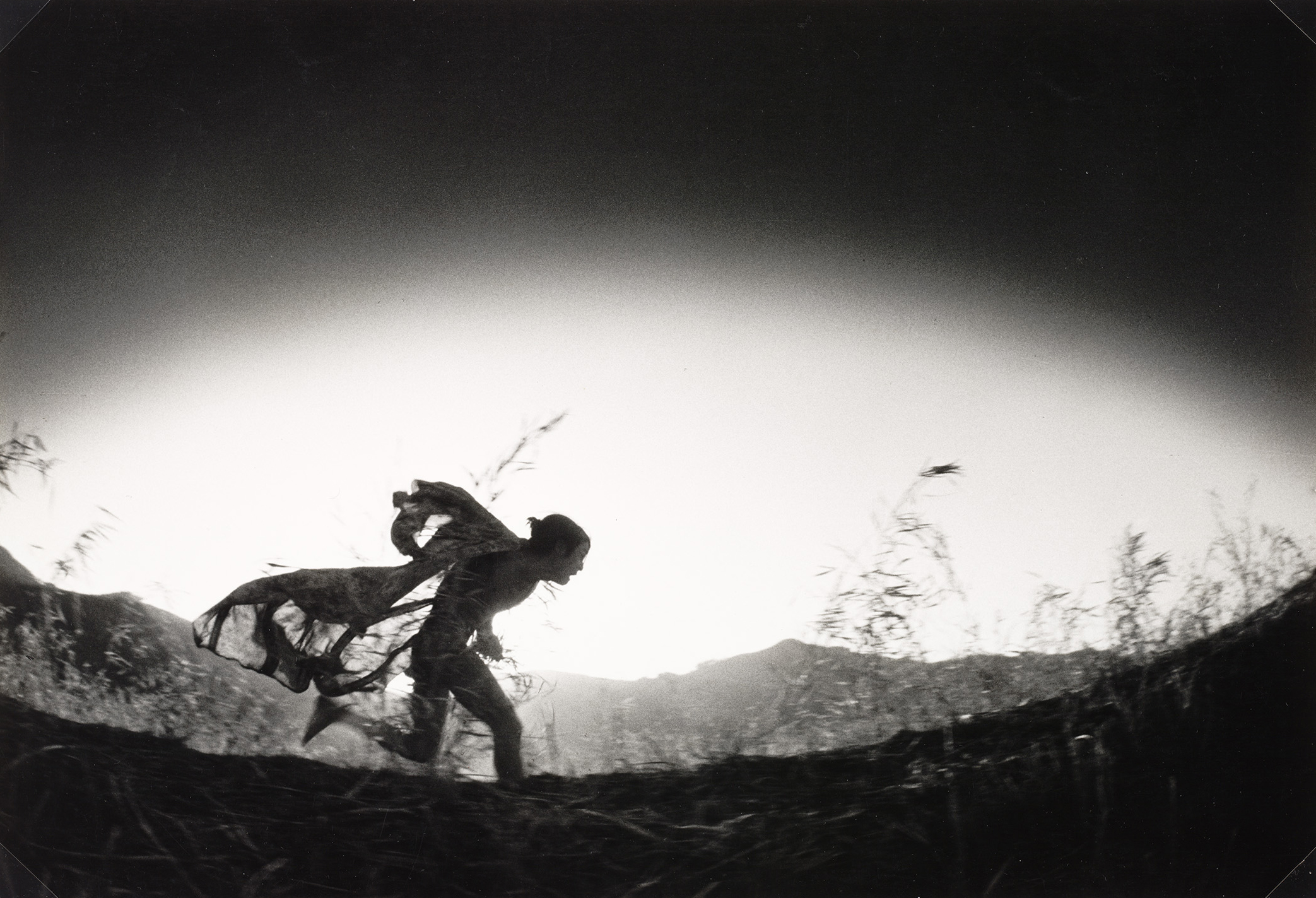
Eikoh Hosoe
“Kamaitachi” #31, taken in 1968
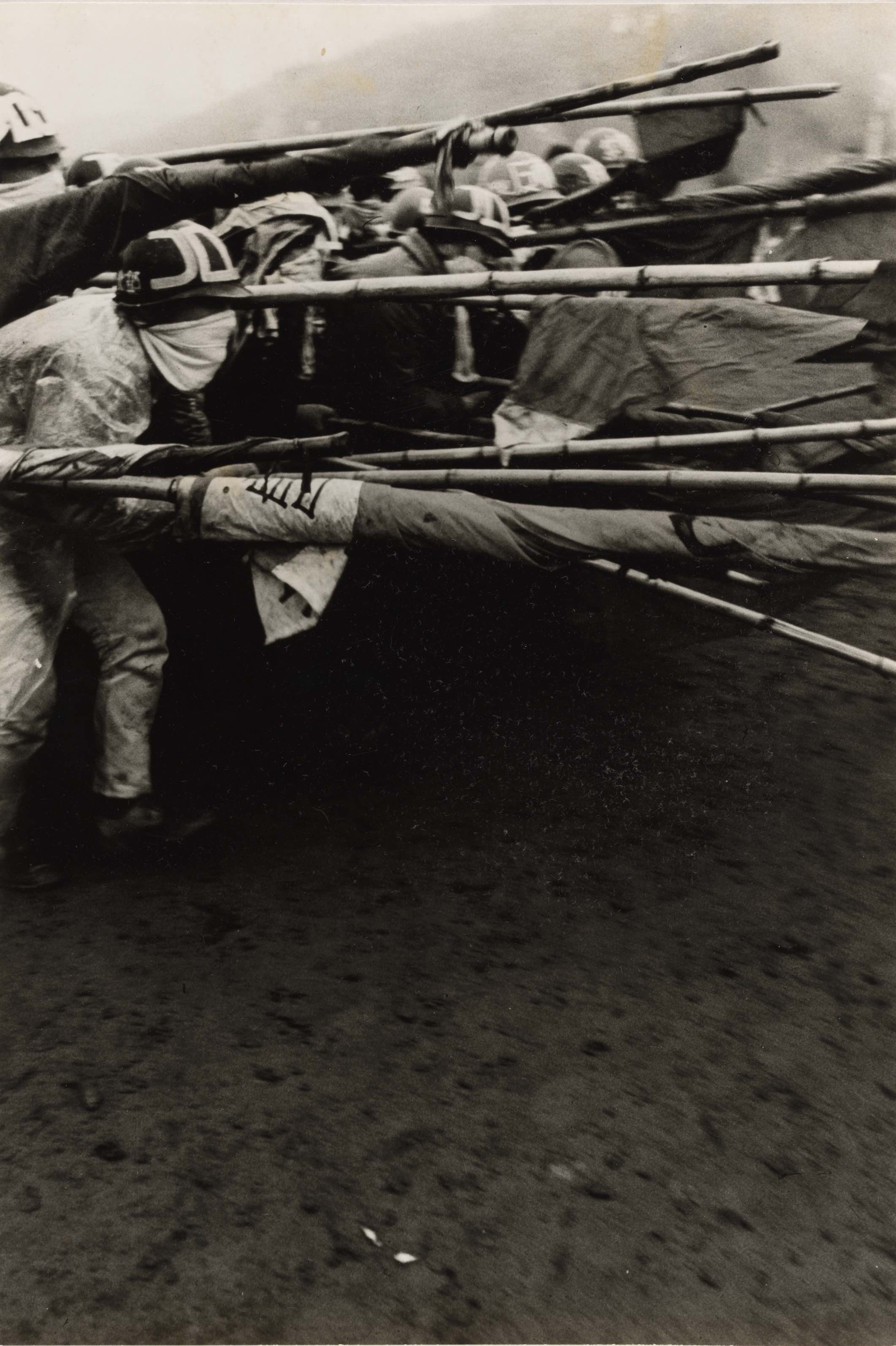
Anonym (Bild 2)
Protest Surrounding the Construction of Narita Airport, ca. 1969
The camera became an activists tool, but also a mirror for Japanese society to reflect on itself – who it was and where it was going. Although it only ran for three issues from 1968-69, Japanese photo magazine Provoke, is where all of these questions were discussed by some of Japan’s most influential photographers, including Daidō Moriyama, Yutaka Takanashi, Shōmei Tōmatsu, and Nobuyoshi Araki.
Provoke: Between Protest and Performance – Photography in Japan, 1960–1975 at Vienna’s Albertina Gallery surveys a decade-and-a—half of conflict, creativity and struggle – in which photography played a key role in the evolution of modern Japan. Photography’s internal revolutions during this period saw it move beyond a mechanical document of events, to flourish as a powerful medium of expression to explore its practitioners subjective experience of Japan’s postwar reality.
![Kōji Enokura Symptom – Lump of Lead into Space I [P.W.-No.41], 1972](https://www.tcocdn.com/wp-content/uploads/2016/02/main9.jart_.jpg)
Kōji Enokura
Symptom – Lump of Lead into Space I [P.W.-No.41], 1972
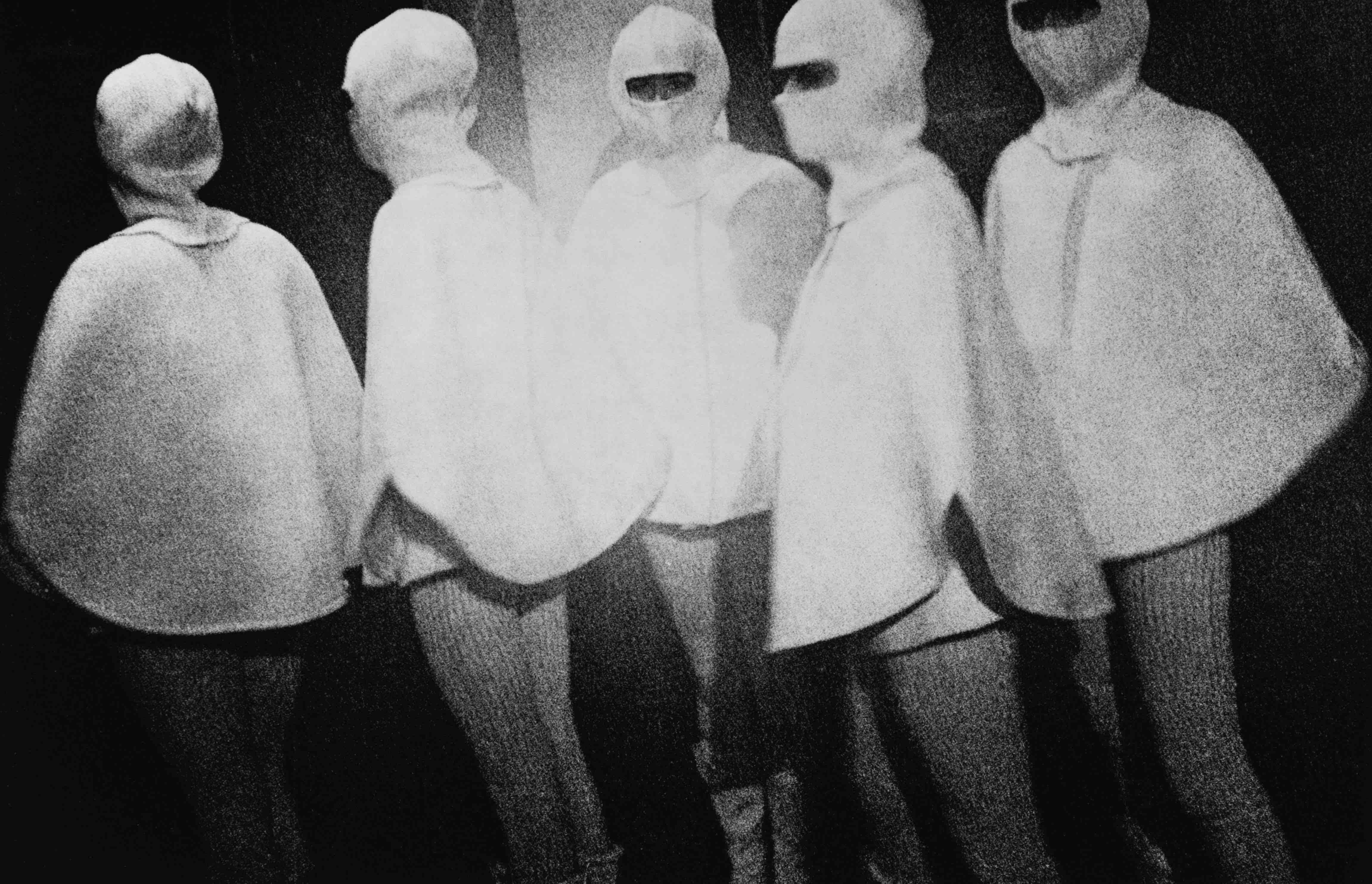
Yutaka Takanashi
Ohne Titel (Toshi-e), 1969
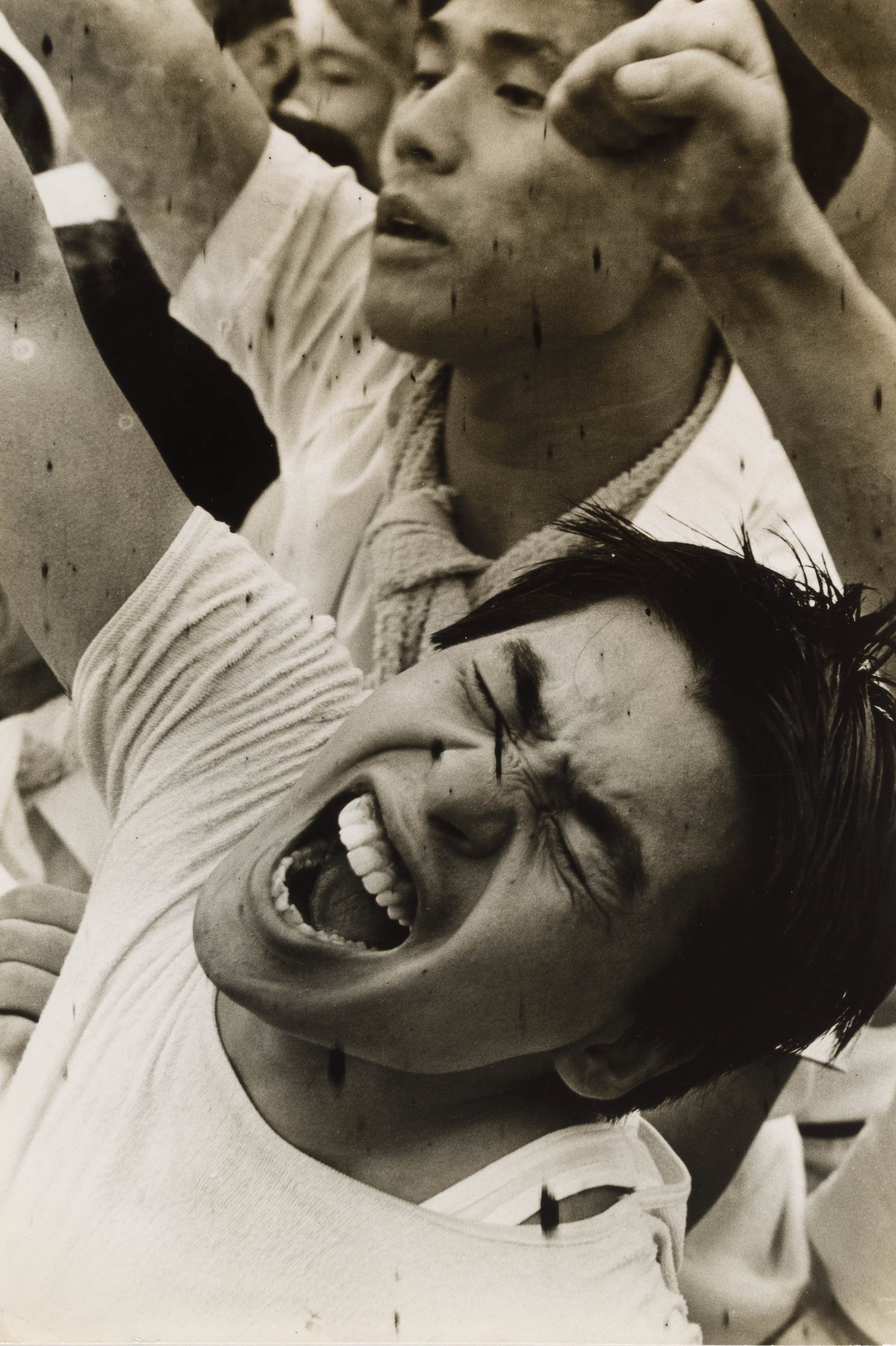
Anonym (Bild 1)
Protest Surrounding the Construction of Narita Airport, ca. 1969
1960 saw the first great wave of Japanese protest, kicking off against renewal of the alliance with the USA. But as the decade progressed and rolled into the ‘70s, activists reassessed the nuclear bombing of Hiroshima and Nagasaki, challenged the illegal actions of large corporations, the despotism of the neoliberal Japanese state and Japan’s support for the US’s war in Vietnam. In each of these fights, protest books produced by student associations, trade unions and professional photo journalists were crucial in spreading information and mobilising people for further protest.
Eventually, although each of the contributors to Provoke were politically active, they came see to that the possibilities of protest photography had been exhausted and felt it could no longer bring about political change. However, the experiments by the photographers who worked on Provoke and the discussions that occurred on its pages, sparked a golden-era of post-war Japanese photography. They informed the group’s later diverse work, which critiques the American consumerist culture spreading throughout Japan, meditates on the industrialisation and modernisation of the country’s urban centres and questions the illusionary nature of photography.
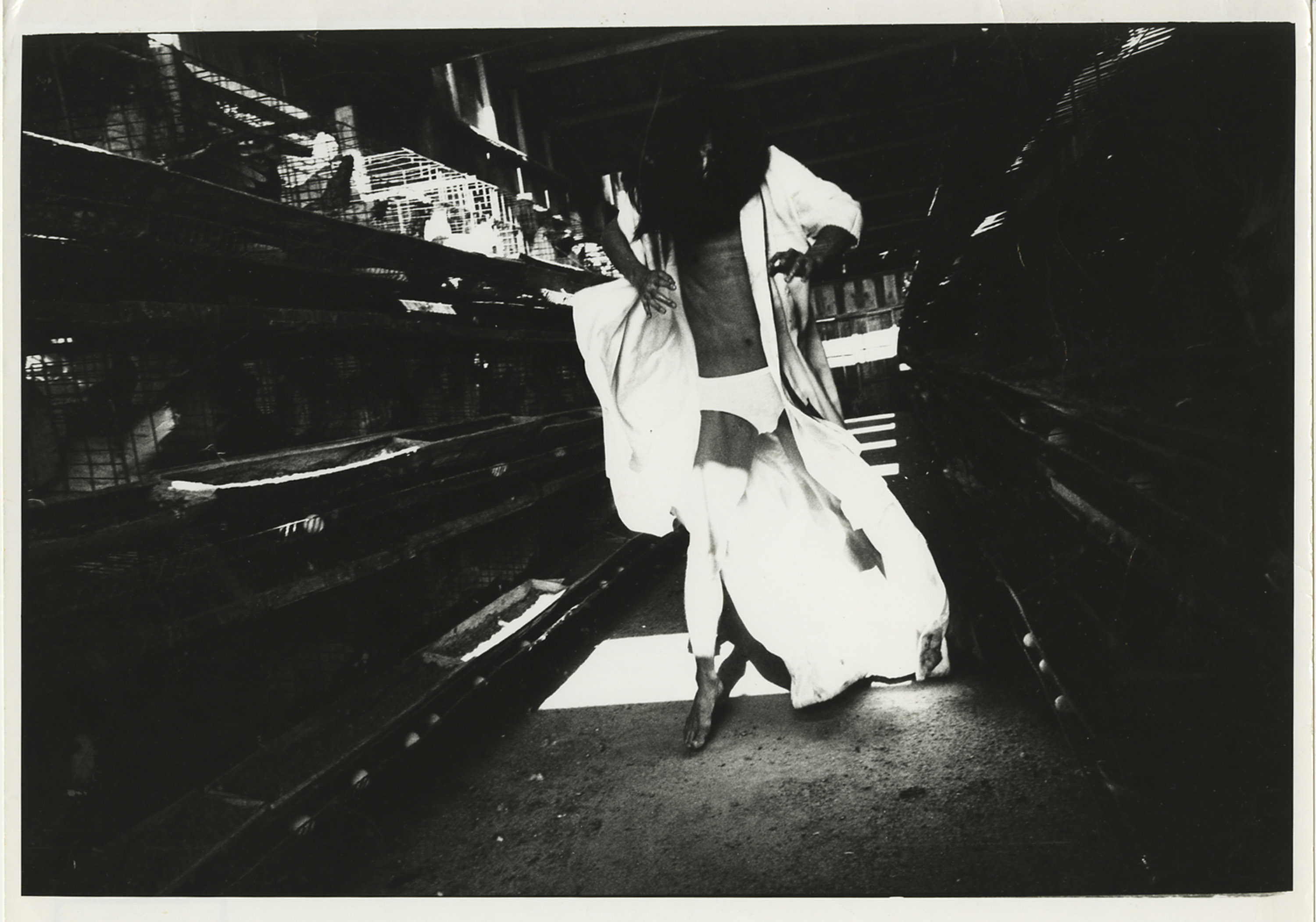
Yutaka Takanashi
Untitled (Tatsumi Hijikata), 1969
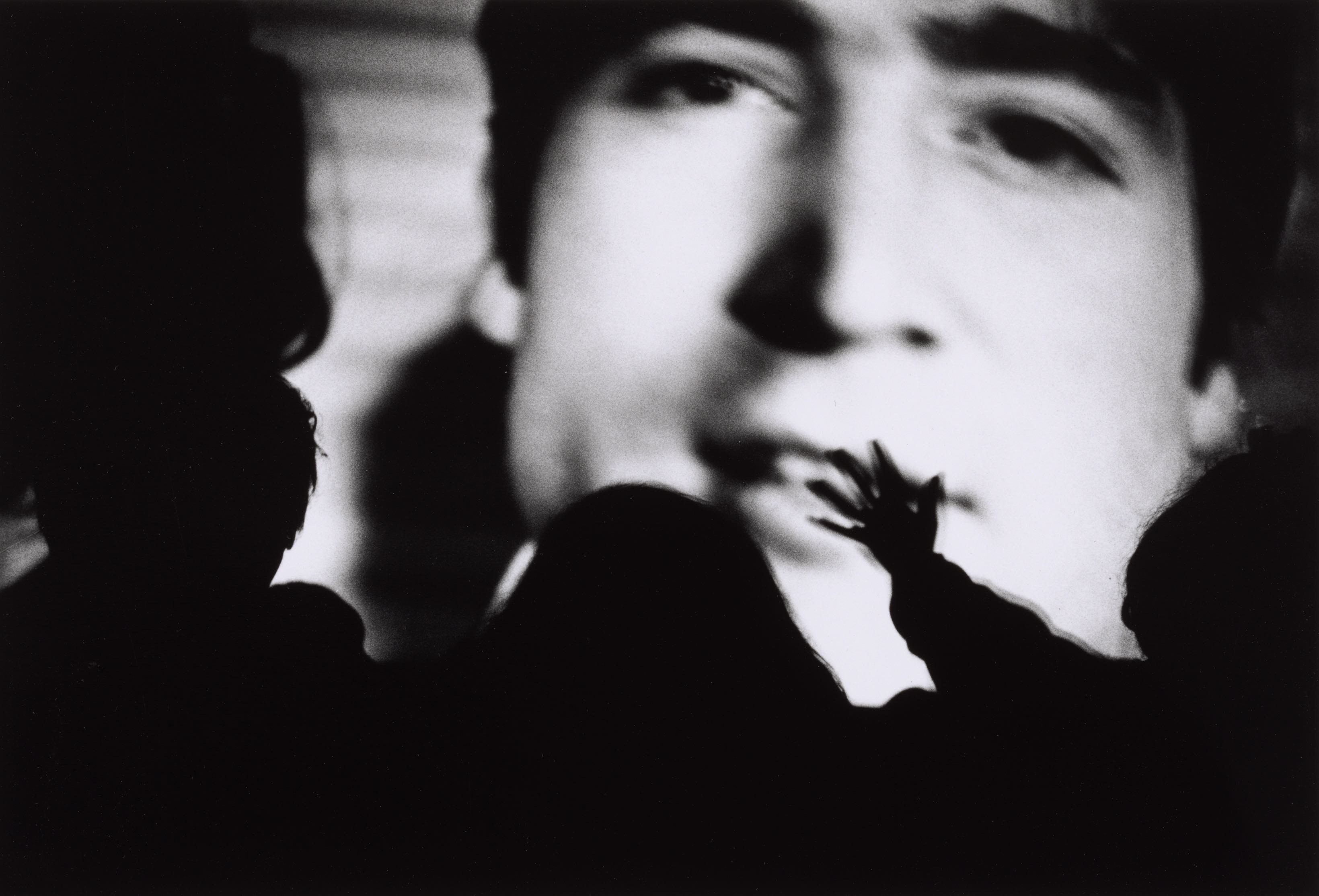
Yutaka Takanashi
The Beatles, from the series Tokyoites, 1965
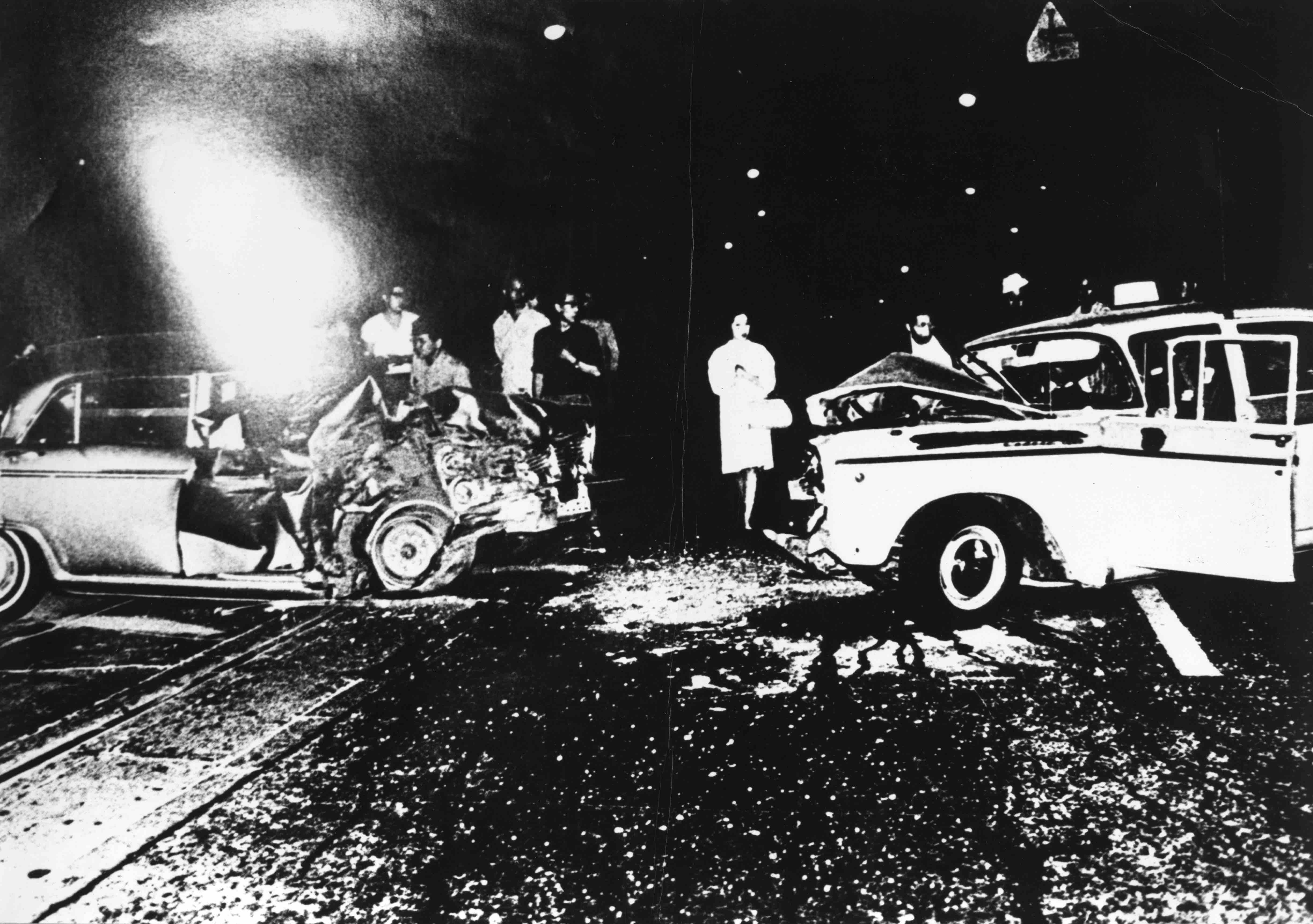
Daidō Moriyama
Untitled, from the series Akushidento (Accident), 1969
Provoke: Between Protest and Performance – Photography in Japan, 1960–1975 is at Vienna’s Albertina Gallery, until May 8.
You might like

In photos: Black Texas life since emancipation
Kinship & Community — A new photobook and exhibition showcases the rich culture, history and community of African American folks in the Lone Star State, whose existence in the region predates colonial Britain.
Written by: Miss Rosen

Youthful joy & end-of-era poignancy at a London school prom
Leavers — For several years, Lewis Khan documented young people as they celebrated the last of their school days and the completion of their exams. The series is now collated in a new self-published photobook and short film.
Written by: Zoe Whitfield

Harry Gruyaert’s vintage, kaleidoscopic scenes of New York
A Sense of Place — For 50 years, the Belgian photographer and Magnum Photos member has been capturing NYC’s colourful chaos. A new photobook and exhibition showcase his unique, technicolour view of the city.
Written by: Miss Rosen

In the pit at one of the UK’s last stock car & banger speedways
Stock Car Racing Isn’t Dead — Photographer Liam McCarthy spent time in and around the Arlington Raceway’s circuit, capturing the diehard community that keeps the sport alive.
Written by: Isaac Muk

Inside Lower Duck Pond, the nicest town on the internet
/r/HaveWeMet — With a population of 2,500 and no fixed location, the subreddit is a space for roleplaying citizens to solve mysteries, host fictional events and ultimately connect. In an internet that’s often divided and toxic, Vicky Jessop hangs out in one of its most wholesome corners.
Written by: Vicky Jessop

A major Nan Goldin exhibition is coming to London
You Never Did Anything Wrong — Opening at the Hayward Gallery in November, the show will debut a new film from the artist and activist, alongside a slate of recent work.
Written by: Jack Dennison-Thompson


