A nostalgic and evocative portrait of modern Iran
- Text by Zoe Whitfield
- Photography by Sébastien Cuvelier

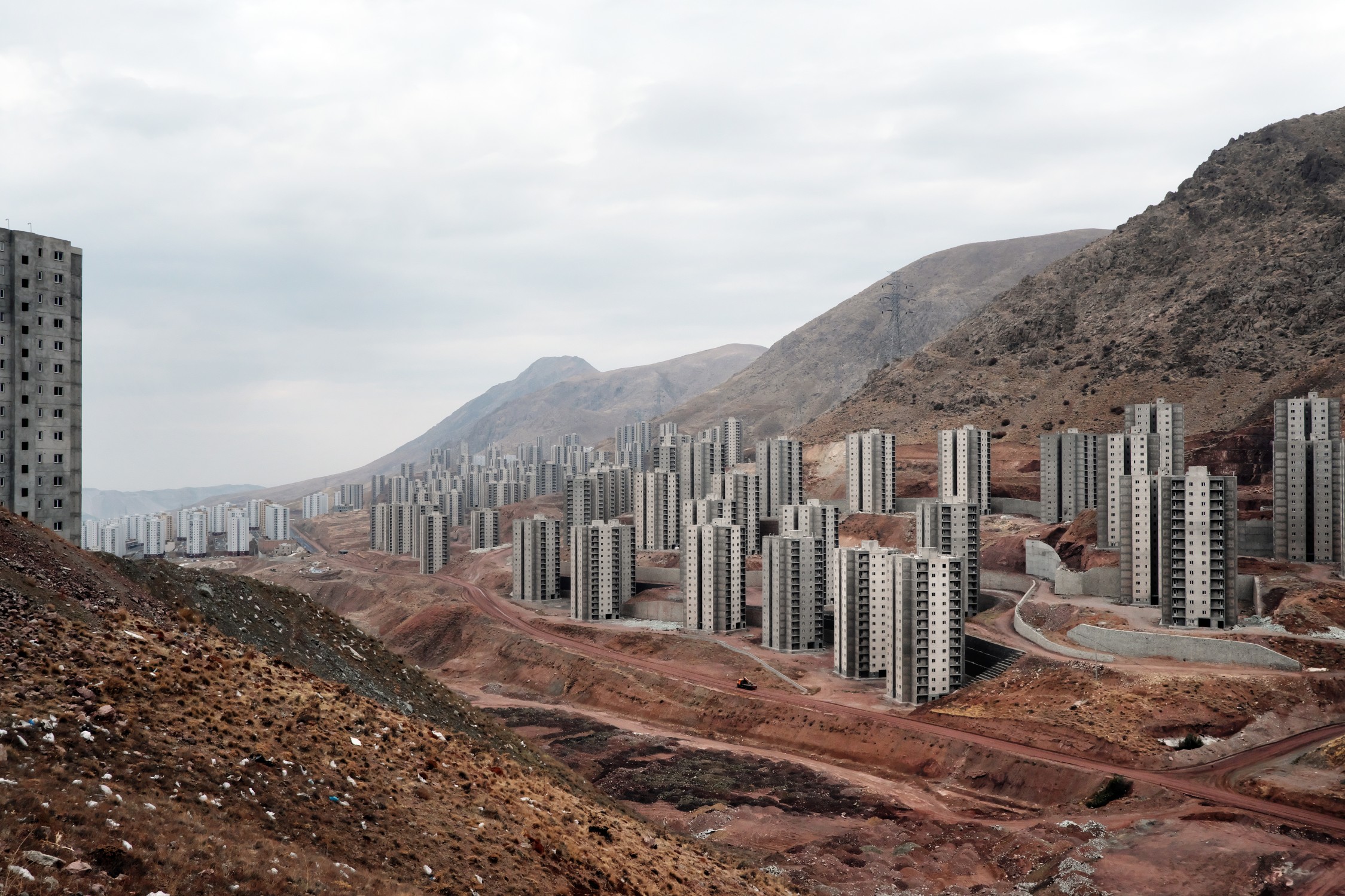
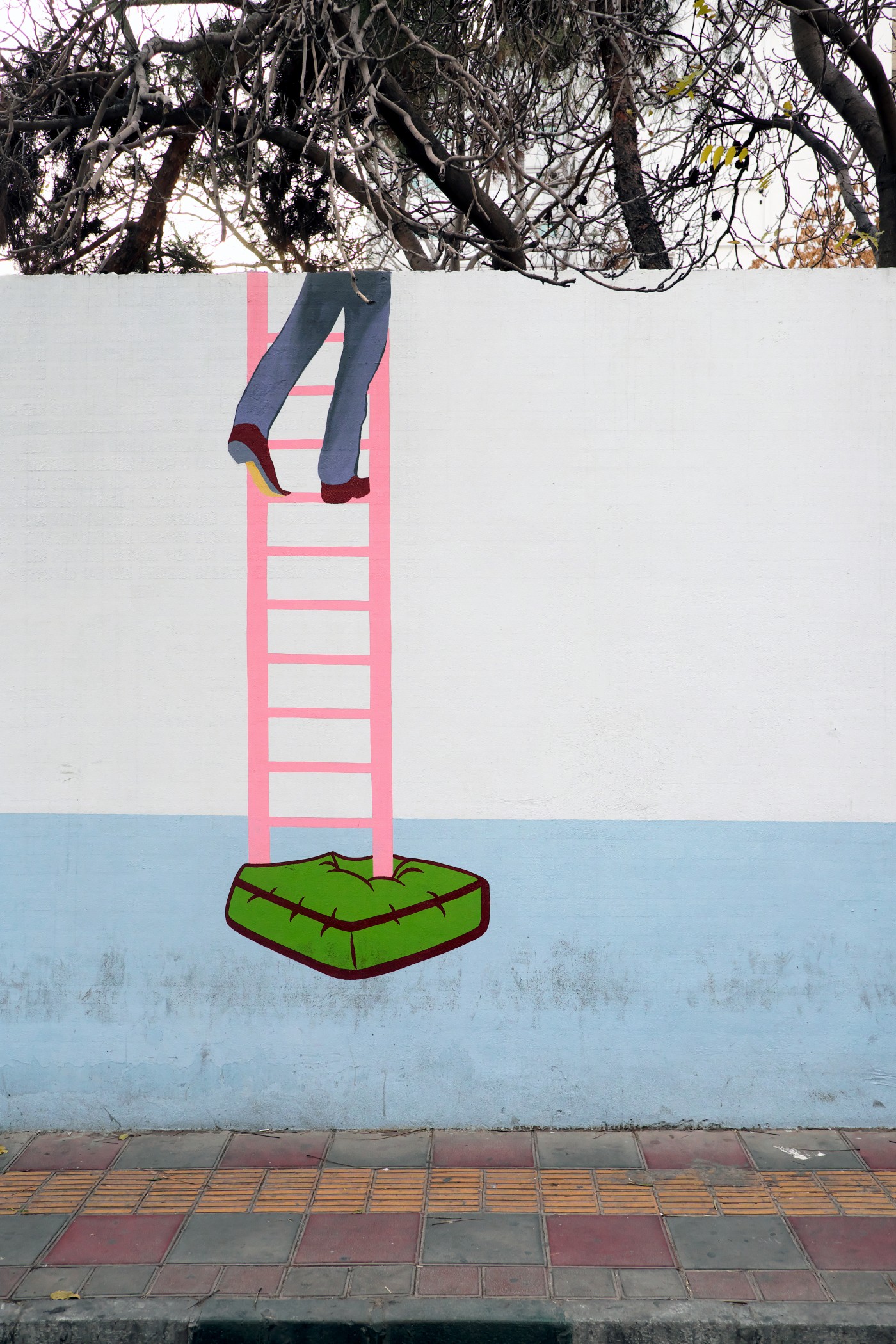
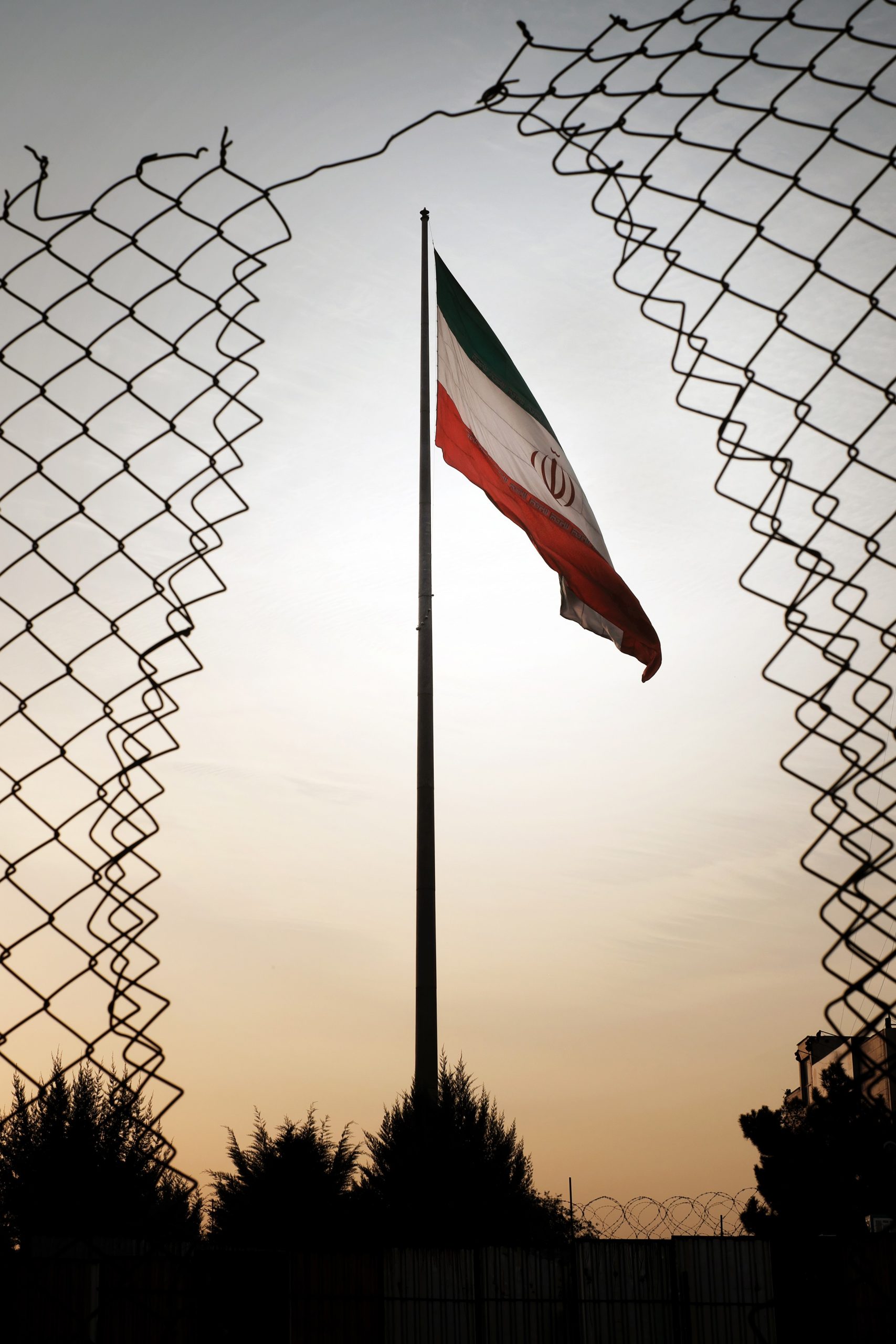
Belgian photographer Sébastien Cuvelier is drawn to man-made utopias. In 2017, he paid three visits to Iran over ten weeks, a place where people are “deeply romantic and flowers are everywhere,” he says. Each time, he stayed with new acquaintances, while producing a photo book entitled Paradise City – a celebration of modern Iran.
“I travel a lot, and I’ve rarely received such a high level of hospitality,” says Cuvelier, speaking about his trips to Iran on a call from his home in Luxembourg.
While the photographer was unfamiliar with the country beyond portrayals in the media, the project stemmed from a place of intimacy. Cuvelier found a journal belonging to his uncle, who had died some years before and had travelled to Persepolis in 1971. Almost immediately, he wanted to find out more about Iran.
“It put something in my head,” he explains. “My uncle was a student, 20 or 21, and around that time Iran was very much in the news – they had these celebrations for the 2,500th anniversary of the Persian Empire. At some point, I thought, ‘I’m going’.”
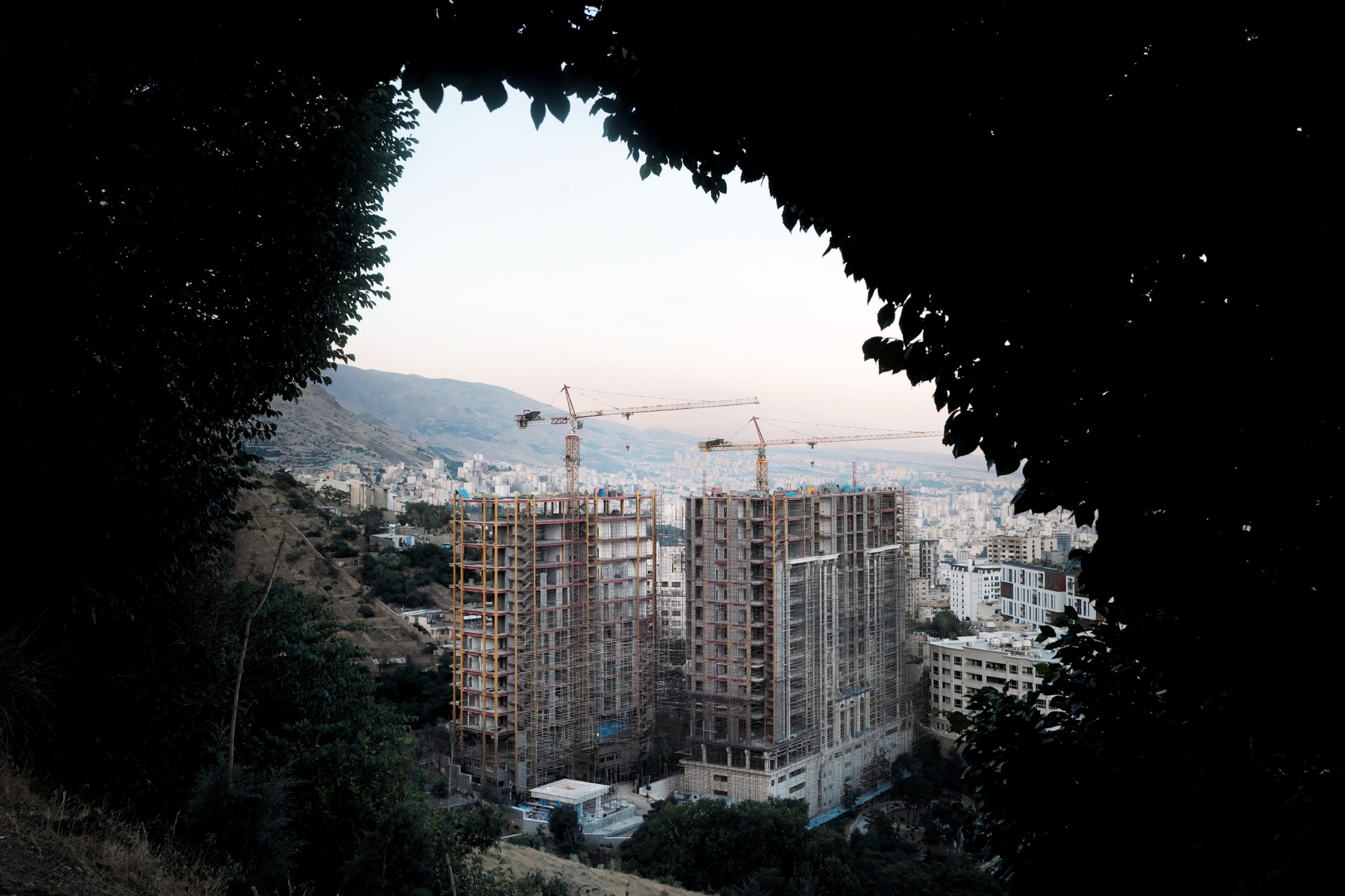
Although Cuvelier’s initial resource was his uncle’s 1971 travel itinerary, the photographer wanted to form his own relationship with the country. So, he travelled solo, and took pictures in lieu of his uncle’s writing.
In Paradise City, Cuvelier curates a conversation. He publishes his uncle’s observations of the country before the 1979 revolution, alongside his own images, oscillating between past and present.
“What struck me in Iran, was that you could feel how much of an in-between space the country was in,” notes Cuvelier. “There was something moving, like trying to run after a train that’s going full speed. I thought if I do the project for too long, I’m going to miss all those things that are going to change. So I saw this very much as a snapshot, which I thought was fitting because my uncle’s trip was the same.”
This urgency, he continues, was informed by the intensity he felt on his visits. “Because I was travelling alone, sleeping in people’s houses, even if I was resting at home there was something to see, to say, to talk about. It was an incredible time.”
Cuvelier spoke to Iranians on the ground and those in Europe about their experiences, which ultimately shaped the project. “Obviously it’s my pictures, so it’s very subjective,” he says. “But I wanted it to be, somehow, what they see. I felt this responsibility to show part of their brain.”
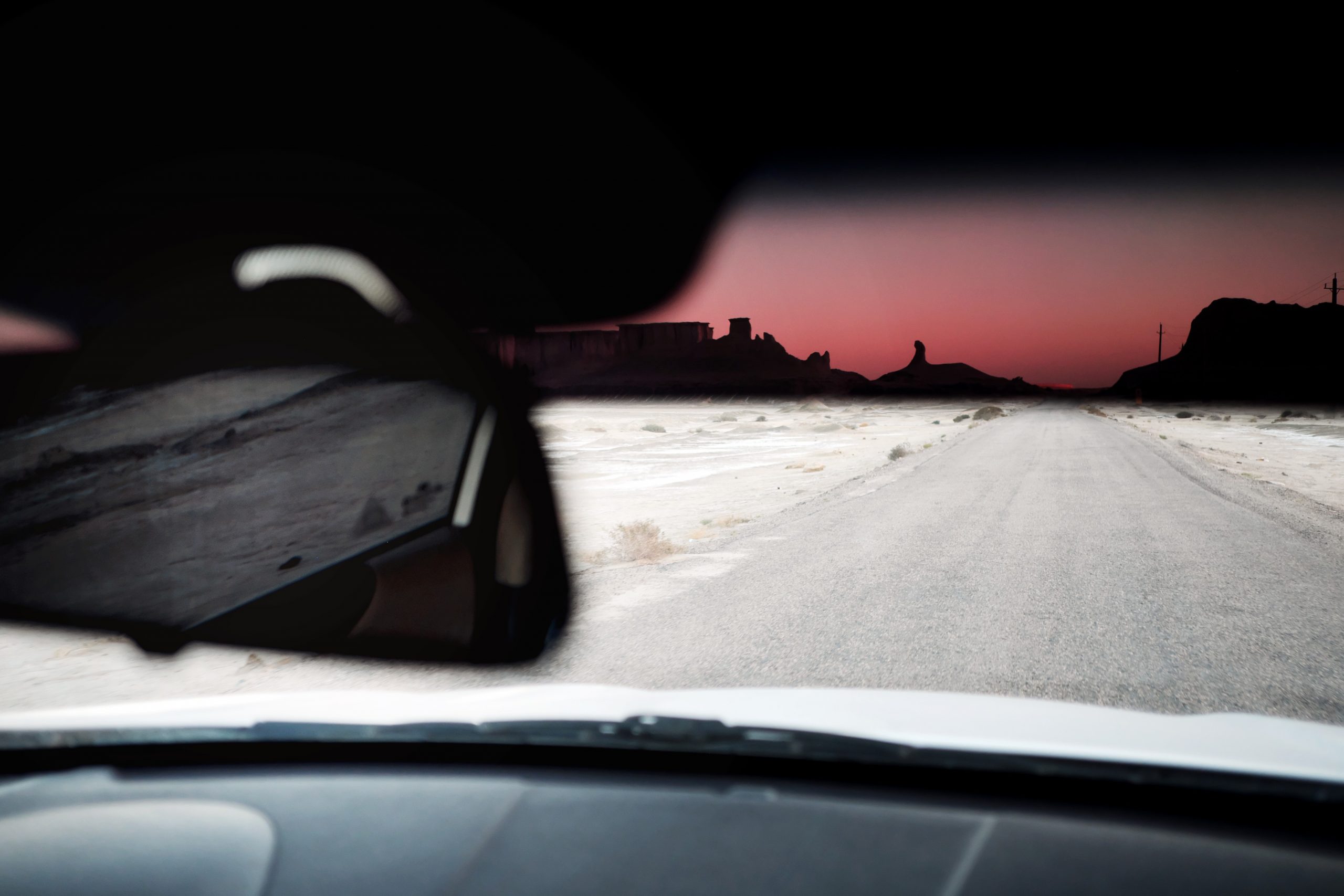
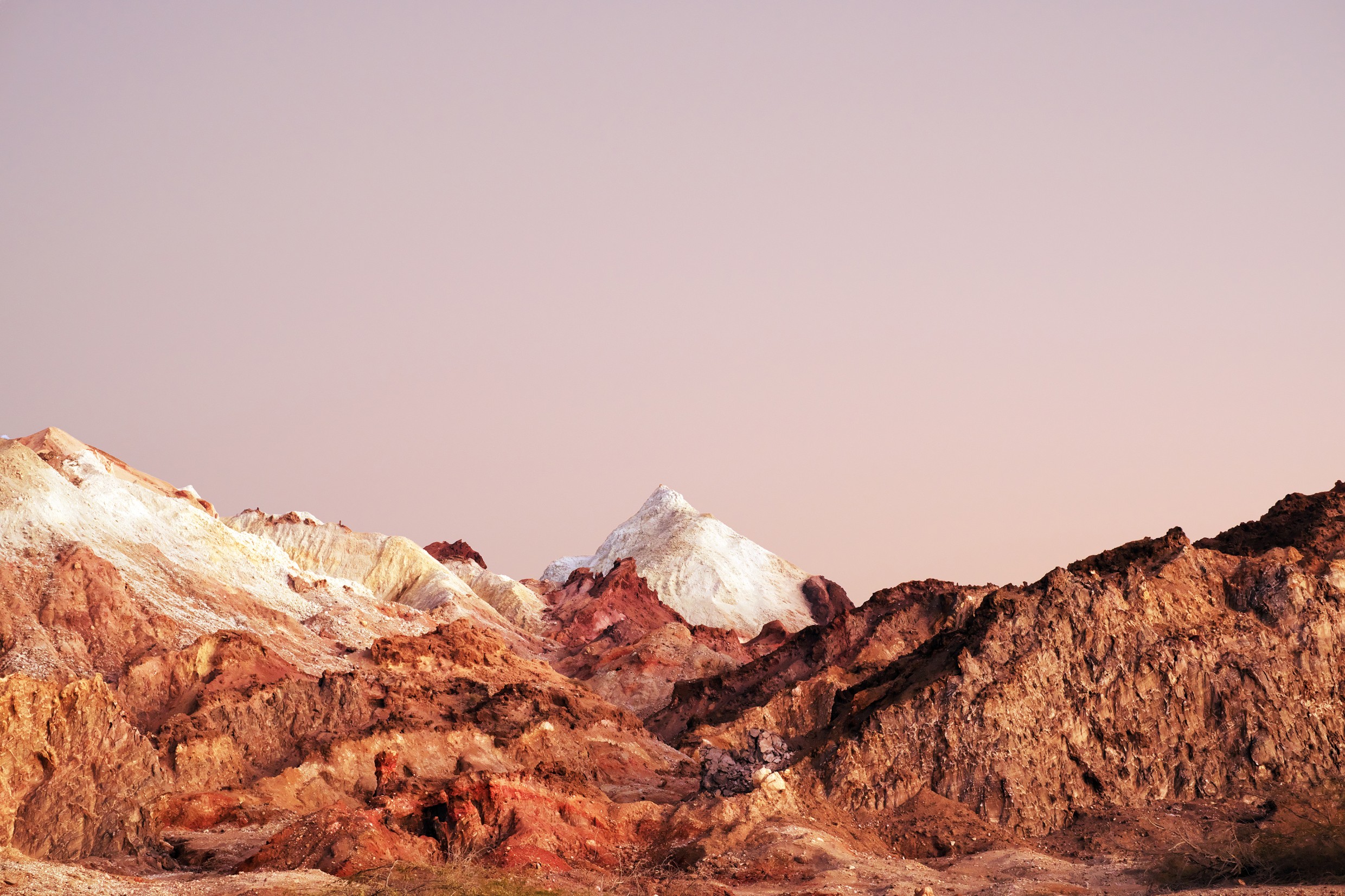
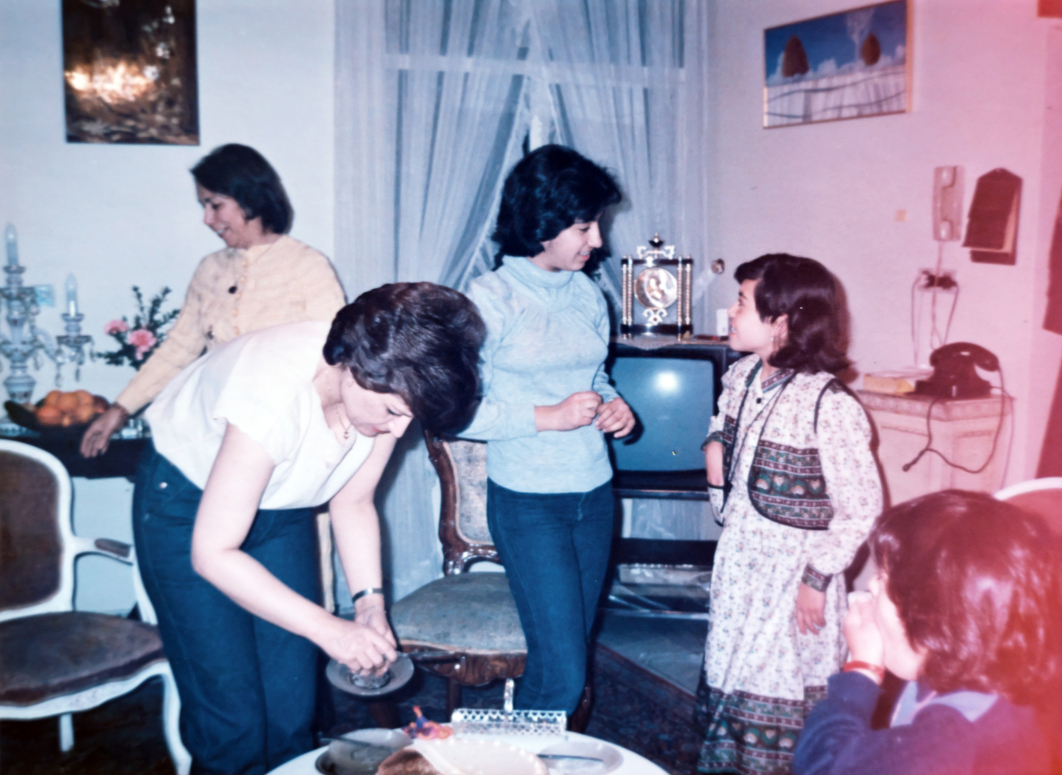
Paradise City is out now on GOST.
Follow Zoe Whitfield on Twitter.
Enjoyed this article? Like Huck on Facebook or follow us on Twitter.
You might like

In photos: Black Texas life since emancipation
Kinship & Community — A new photobook and exhibition showcases the rich culture, history and community of African American folks in the Lone Star State, whose existence in the region predates colonial Britain.
Written by: Miss Rosen

Youthful joy & end-of-era poignancy at a London school prom
Leavers — For several years, Lewis Khan documented young people as they celebrated the last of their school days and the completion of their exams. The series is now collated in a new self-published photobook and short film.
Written by: Zoe Whitfield

Harry Gruyaert’s vintage, kaleidoscopic scenes of New York
A Sense of Place — For 50 years, the Belgian photographer and Magnum Photos member has been capturing NYC’s colourful chaos. A new photobook and exhibition showcase his unique, technicolour view of the city.
Written by: Miss Rosen

Inside Lower Duck Pond, the nicest town on the internet
/r/HaveWeMet — With a population of 2,500 and no fixed location, the subreddit is a space for roleplaying citizens to solve mysteries, host fictional events and ultimately connect. In an internet that’s often divided and toxic, Vicky Jessop hangs out in one of its most wholesome corners.
Written by: Vicky Jessop

A major Nan Goldin exhibition is coming to London
You Never Did Anything Wrong — Opening at the Hayward Gallery in November, the show will debut a new film from the artist and activist, alongside a slate of recent work.
Written by: Jack Dennison-Thompson

Sepia splashed memories of Britain’s ’90s squatting and free party scene
Bygones — Moving into a Hackney squat at the age of 19, Tom Hunter spent years living on London’s edges, while documenting the vibrant, creative community and culture that it enabled. Huck’s art director Sam White chats to him about the freedom that existed, the collectivism and what’s been lost over the decades since.
Written by: Samuel White


